United States: Young Americans No Longer Believe in Trump's Economic Narrative
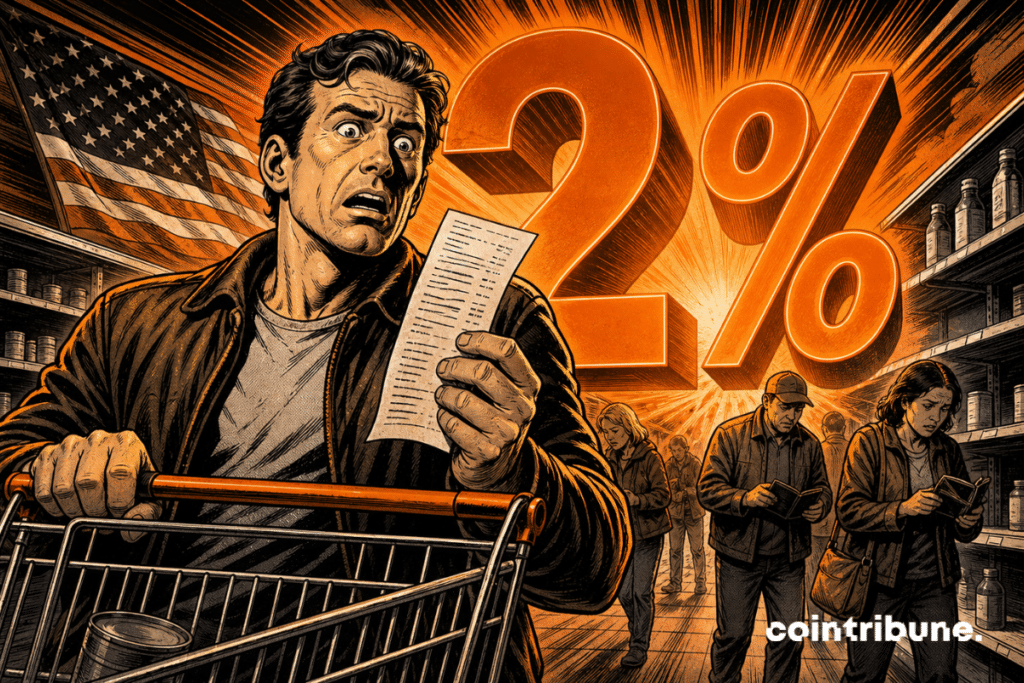
Only 2% of young Americans rate the American economy as “excellent.” The figure is tiny, but it tells a larger divide: for a large part of 18-34 year olds, the promised growth does not show in bills, gasoline, or the grocery basket. According to Generation Lab, 52% of respondents describe the situation as bad and 29% as catastrophic.
In Brief
- Only 2% of young Americans rate the economy as excellent.
- Trump and big companies concentrate the anger.
- The cost of living weighs more than the pro-crypto promises.
An Economy Felt as Blocked
The survey mainly shows a two-speed economy: while Elon Musk’s fortune exceeds 800 billion dollars, more than 84% of 18-24 year olds rate the situation as bad or terrible. The contrast is brutal. It offers a more social than strictly macroeconomic reading of the American malaise.
It is not just a passing mood. It is installed distrust. Many young people see historical fortunes being built at the top, without experiencing that prosperity in their own daily lives.
Among 25-29 year olds, pessimism remains almost as strong. Among 30-34 year olds, it decreases slightly but remains a majority. In other words, entering working life no longer really reassures. The word “excellent” becomes almost unfindable. It only concerns 2% of those surveyed. In a country accustomed to selling economic optimism, this result sounds like a red warning light. Political responsibility quickly appears in the answers. Among those who rate the situation badly, 41% point to Donald Trump. Among 18-24 year olds, this share rises to 42%, ahead of corporate greed.
But the rejection is not only partisan. Big companies are also accused. Many young people see prices rise without wages keeping pace. Purchasing power becomes the real ballot. This double accusation is important. It says the problem goes beyond the White House. A part of the American youth thinks the economic system mainly rewards already powerful actors.
The Cost of Living Crushes the Pro-Crypto Discourse
The paradox is here. Trump can show a pro-cryptocurrency line. He even supported initiatives like the Bitcoin Act and the idea of a strategic BTC reserve. But that is not enough to change young people’s economic perception. Crypto talks about the future, while gasoline talks about the present.
Gasoline prices weigh heavily in this mood. On May 4, 2026, regular gasoline averaged 4.46 dollars per gallon in the United States, its highest level since summer 2022. It gained 1.48 dollars since the end of February, amid the Iranian conflict and rising oil prices.
This energy pressure joins another concern: the Strait of Hormuz. The oil surge, related to tensions with Iran, has already been analyzed in the context of the standoff between Trump, Tehran, and oil markets. For households, this geopolitics always ends up taking a very concrete form: a more expensive fill-up.
Inflation strengthens this pressure. Reuters points out that American inflation has remained above the Fed’s 2% target for several years, with a new push linked to energy. Annual PCE reached 3.5% in March, while some models anticipate even more tension.
A Crisis of Trust Above All
This survey does not only say that young Americans are unhappy. It says they no longer believe in the official narrative. When only 16% rate the economy as good and 2% as excellent, the problem becomes narrative as much as statistical.
Other surveys confirm this political weakness. The Harvard CAPS/Harris survey of April 2026 places Trump’s approval at 42%, with his lowest scores on inflation, the economy, and managing the Iranian conflict.
Even the regulatory battle around crypto is not enough to reverse this impression. Debates on stablecoins, banks, and digital legislation show a very active administration on digital assets, as illustrated in the Cointribune article on Trump, banks, and the crypto law. But for young Americans, the central issue remains simpler: living is expensive. The American economy is therefore not only judged on Wall Street. It is judged at the gas station, in rents, loans, and groceries. And on this ground, young voters seem to have already delivered their verdict.
Maximize your Cointribune experience with our "Read to Earn" program! For every article you read, earn points and access exclusive rewards. Sign up now and start earning benefits.

Fascinated by Bitcoin since 2017, Evariste has continuously researched the subject. While his initial interest was in trading, he now actively seeks to understand all advances centered on cryptocurrencies. As an editor, he strives to consistently deliver high-quality work that reflects the state of the sector as a whole.
The views, thoughts, and opinions expressed in this article belong solely to the author, and should not be taken as investment advice. Do your own research before taking any investment decisions.