
Mon 12 Jan 2026 ▪
3 min read
▪
by
Zcash collapses, Monero skyrockets! An unprecedented battle shakes the crypto market between two giants of privacy coins.
Zcash collapses, Monero skyrockets! An unprecedented battle shakes the crypto market between two giants of privacy coins.

Bitcoin faces a decisive zone. As the post-halving euphoria fades, the spotlight turns to a key level: $65,000. Much more than a former peak, this threshold becomes a cycle indicator, at the intersection of technical tensions and long-term projections. Jurrien Timmer, macroeconomic director at Fidelity, revives the debate by highlighting, via the power law model, that a drop below this level could trigger a prolonged compression phase.

While all eyes remain fixed on bitcoin in dollars, a discreet indicator could well announce a major shift: the ETH/BTC ratio. According to Michaël van de Poppe, this ratio reached a low in April 2025, in a chart configuration reminiscent of 2019. If history were to repeat itself, Ethereum could begin a strong comeback against bitcoin, without the majority of investors yet realizing this latent change.

A new advertising campaign tied to crypto policy has stirred debate in Washington as lawmakers prepare to review a major market structure bill. Ads airing on Fox News urge viewers to pressure senators to support legislation that excludes decentralized finance provisions. The timing of the campaign coincides with key Senate activity on crypto regulation.

Shiba Inu SHIB sees rising exchange reserves as holders prepare to sell, keeping the token’s price under cautious watch.

Zcash’s developer activity has fallen to its lowest level since late 2021, as governance disputes and prolonged market weakness continue to cloud sentiment. The slowdown comes amid a sustained decline in ZEC’s price, even as large holders continue to accumulate the token. At the same time, these trends point to an increasingly complex outlook for one of the crypto sector’s longest-standing privacy-focused networks.

The American exchange Kraken launches "Bundles", thematic baskets of cryptocurrencies allowing you to instantly diversify your portfolio. Automatic rebalancing, recurring purchases, zero trading fees: a turnkey solution for investors of all levels.

UK MPs are calling for a ban on cryptocurrency donations, citing risks to election transparency, foreign influence, and weak oversight.

Stablecoins have long been the discreet plumbing of crypto. Nobody applauds them, but without them, part of the market seizes up. Today, they are coming out of the shadows for a very concrete reason: savings and bank deposits. In the United States, local bank leaders are pressing the Senate to tighten certain points of legislation on stablecoins. Their fear: seeing part of the deposits migrate to dollar tokens, attracted by “rewards” that increasingly look like a yield. On the other side, JPMorgan refuses to give in to alarmism. The bank sees it rather as a new brick in a monetary system already composed of several layers. And this reading gap says a lot about the battle underway: financial stability, competition, or a simple war of models?
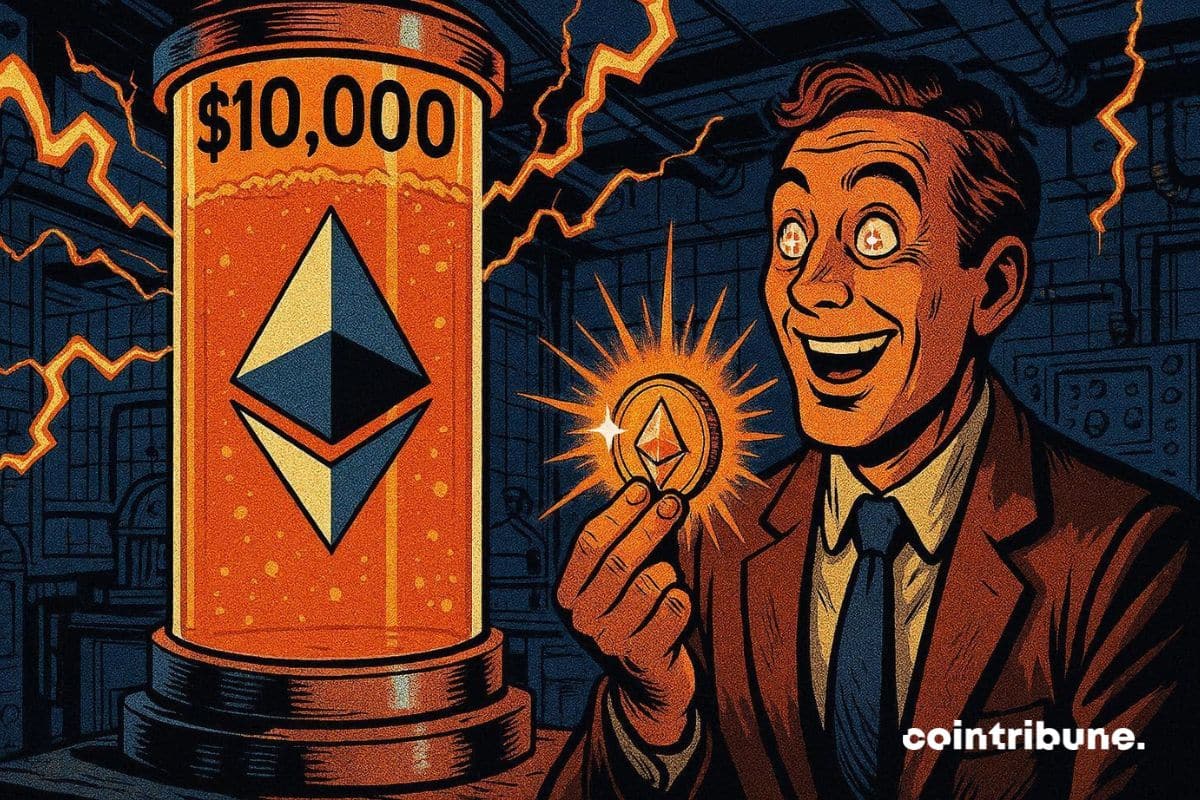
In January 2026, Ethereum shows social sentiment at its lowest, strangely reminiscent of the period preceding its historic 2025 rally. With 59% of traders betting on surpassing $4,250 and experts mentioning a potential of $10,000, the question arises: does this decline herald an imminent explosion?