
Thu 13 Aug 2026 ▪
7 min read
▪
by
Metaplanet borrows at 4% to buy more Bitcoin, but its 43,000 BTC stash is underwater. Unsecured debt? Japan's hottest new craze.
Metaplanet borrows at 4% to buy more Bitcoin, but its 43,000 BTC stash is underwater. Unsecured debt? Japan's hottest new craze.
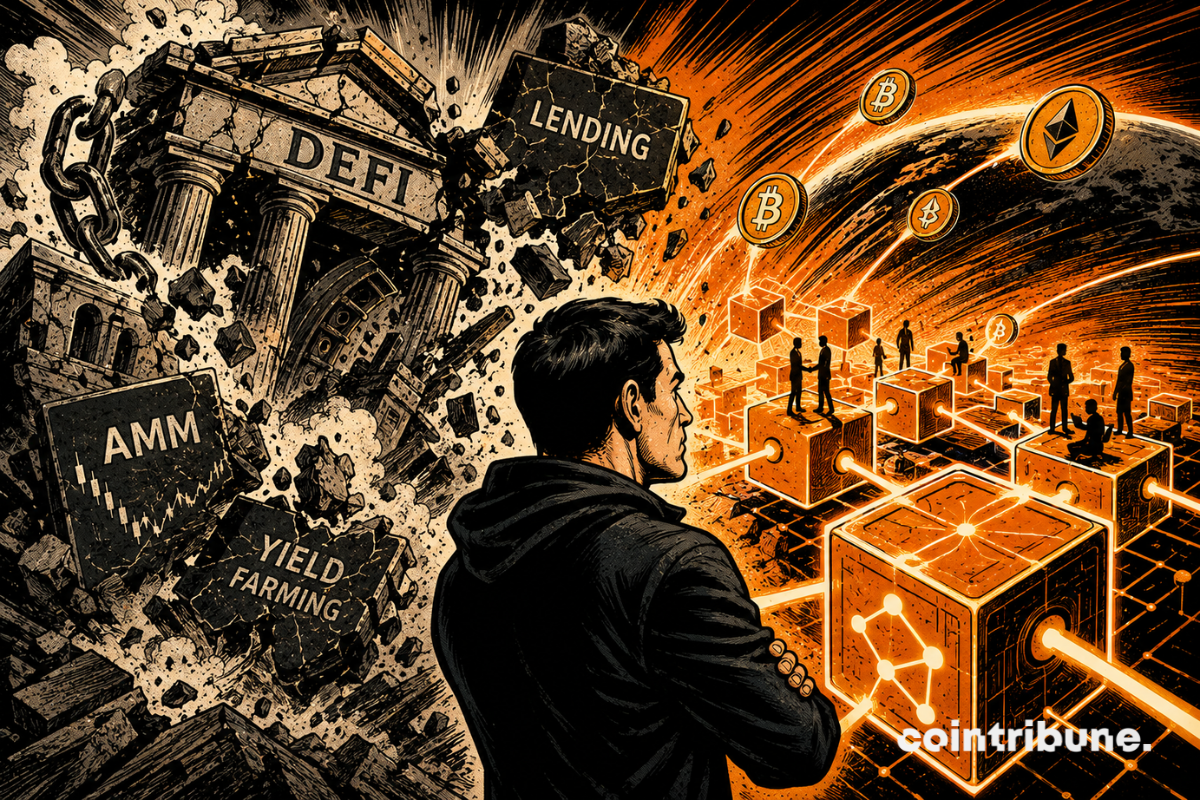
For Andre Cronje, a large part of what the industry continues to call "DeFi" is no longer really so. The founder of Flying Tulip prefers to speak of "on-chain finance" when companies, teams or committees retain intervention power over protocols. What really remains of the promise of decentralization?

In France, the crypto threat no longer stops at the screens. In the Somme, a young couple suffered three home invasions for cryptos they claim never owned. The origin of this nightmare: compromised personal data, exploited by criminals convinced they would find a crypto wallet at their victims' homes. Recruitment of executors, violence, extortion: the case reveals how a digital leak can lead to a physical attack. After the verdict from the Amiens court, the couple now considers a radical decision: selling their house to flee.

Bitcoin open-source development enters a new phase of oversight. A volunteer red team now uses several Chinese AI models to track flaws in hundreds of projects linked to its ecosystem. The Kimi K3 model, designed by the startup Moonshot AI, plays an important role in this operation. Researchers combine automated analysis capabilities and human expertise to identify risks, then discreetly warn the developers concerned before any detailed technical publication in the crypto ecosystem.
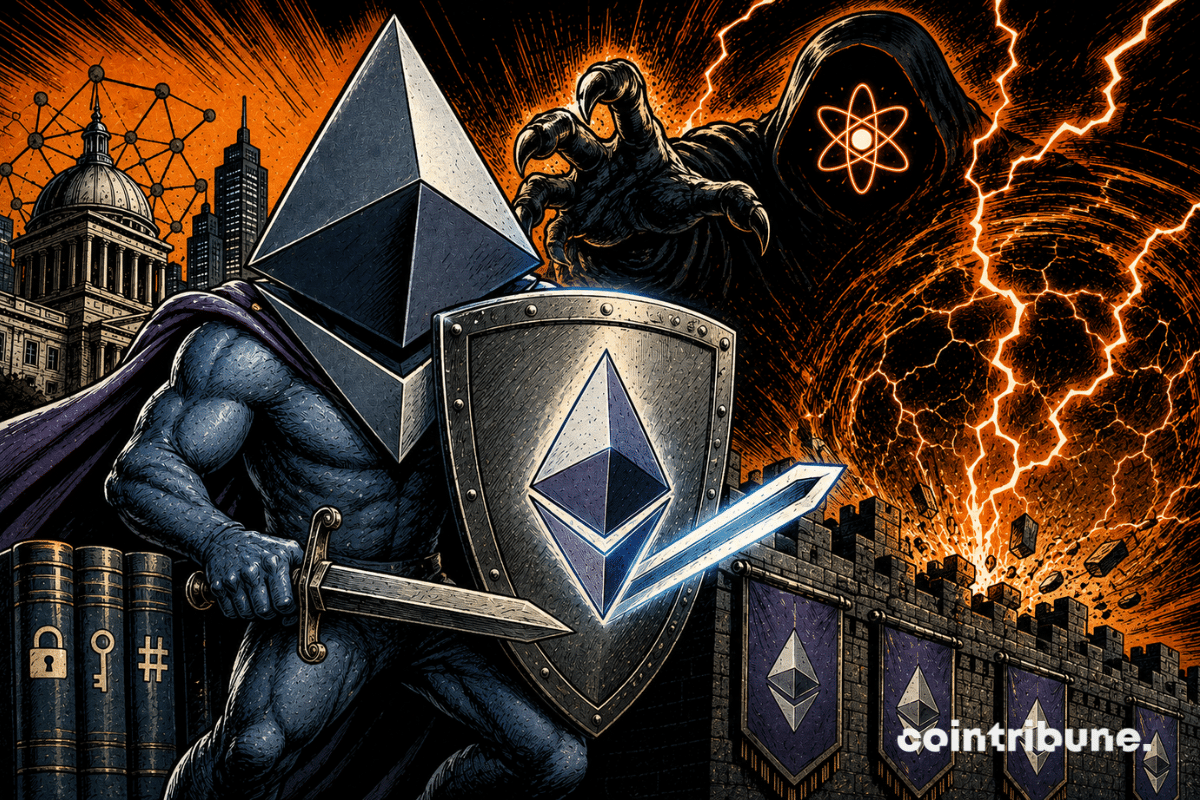
The quantum threat pushes Ethereum to reconsider its cryptographic choices. Poseidon, long considered as a hash function suitable for zero-knowledge proofs and the post-quantum era, has just been discarded by the network's researchers. Behind this change lies much more than an algorithm choice. Thus, Ethereum is revising the cryptographic foundations of its future architecture. A new approach now promises better performance, enhanced auditability, and safer integration. It remains to understand why Poseidon lost the race, what gains its replacement offers, and at what pace this transition could reach the network.
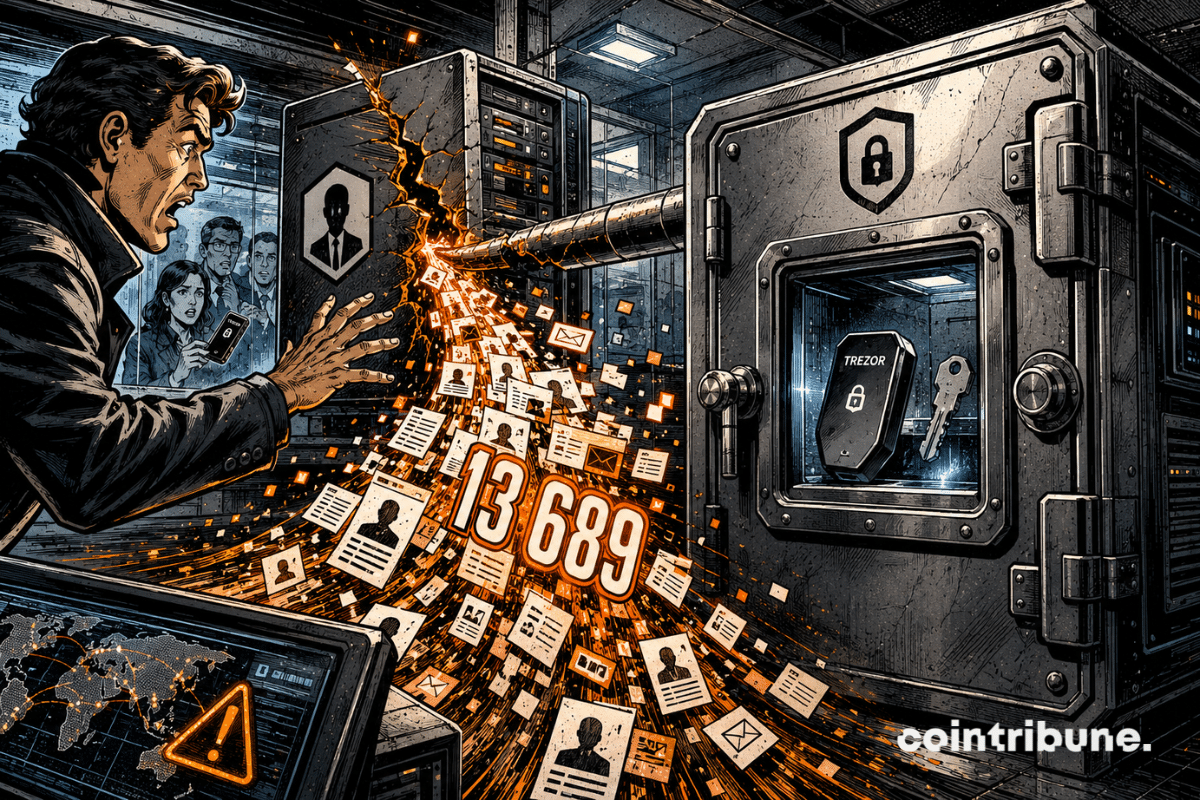
Trezor has just warned 13,689 clients after a data leak at one of its logistics providers. Names, emails, phone numbers, and delivery addresses were exposed according to the affected users. Wallets were not hacked and no private keys leaked. Good news for cryptos. A bit less so for personal data.
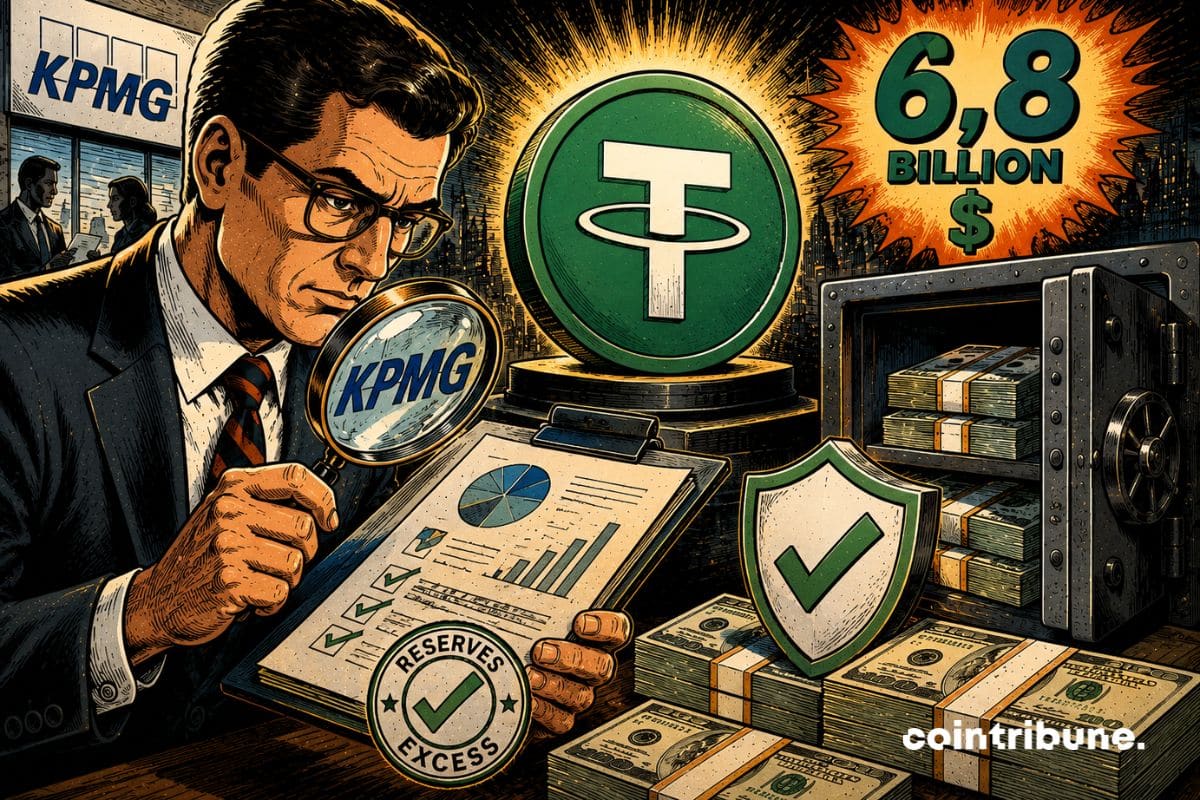
KPMG has just confirmed what Tether has been promising for years: a complete audit, not just a simple attestation. The result is a 6.8 billion dollar reserve surplus with an unqualified opinion to boot. But a detail that Paolo Ardoino does not highlight somewhat cools the enthusiasm.

Solana prepares SIMD-0553: a fee change that could reduce the crypto validators' revenue. All the details here!
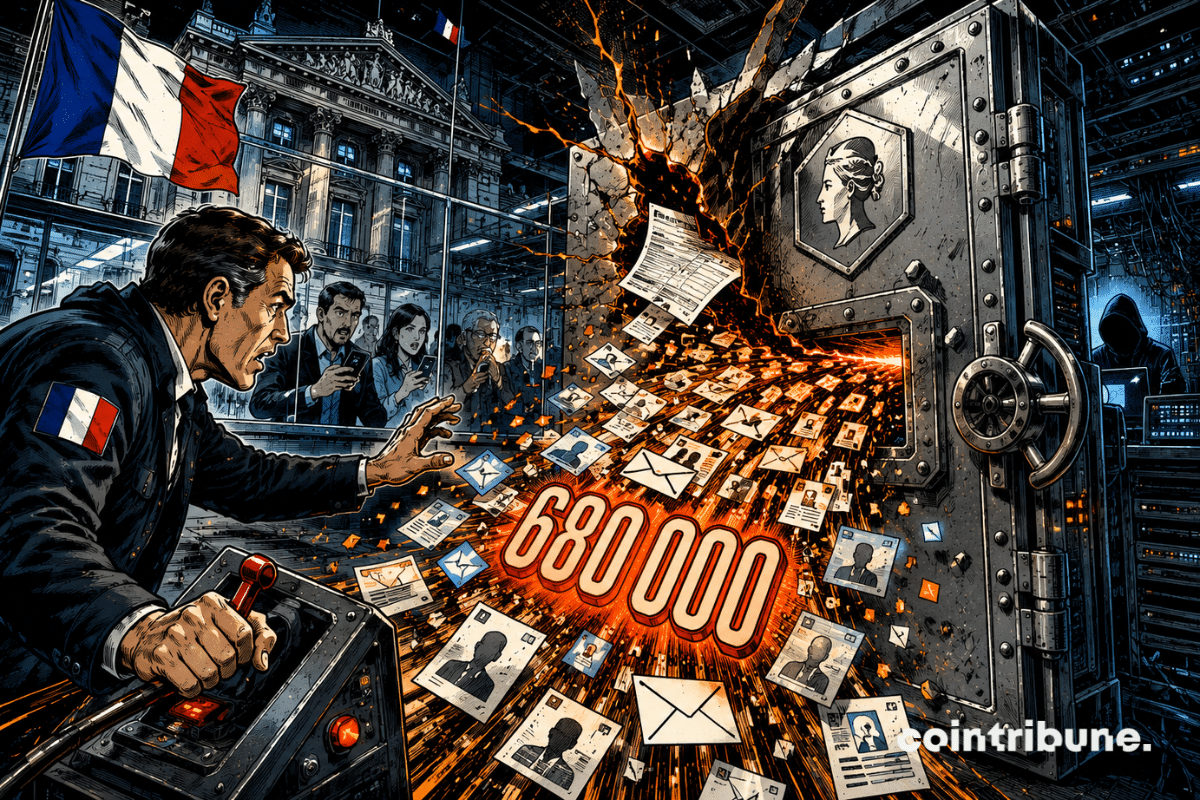
France faces a new leak of sensitive data. A hacker claims to have extracted information concerning nearly 678,000 taxpayers following fraudulent access to the DGFiP system. Bercy confirms the intrusion and data exfiltration, but not this number yet. Individuals and professionals are among the potential victims.

Is Wall Street taking advantage of crypto volatility to advance its pieces? In the second quarter of 2026, JPMorgan significantly increased its exposure to bitcoin and Ethereum, while reconnecting with XRP. The bank's latest regulatory filings reveal $355.7 million invested in BlackRock's IBIT Bitcoin ETF, as well as a 338% increase in its position on the Ethereum ETHA ETF. This move contrasts with recent capital outflows recorded by spot Bitcoin ETFs and reveals a striking gap between short-term turbulence and institutional choices.