
Fri 07 Aug 2026 ▪
6 min read
▪
by
Coldcard, Bitcoin's safest vault, turned into a sieve. Result: $100 million gone and a million addresses fleeing. Self-custody has some kinks to iron out.
Coldcard, Bitcoin's safest vault, turned into a sieve. Result: $100 million gone and a million addresses fleeing. Self-custody has some kinks to iron out.
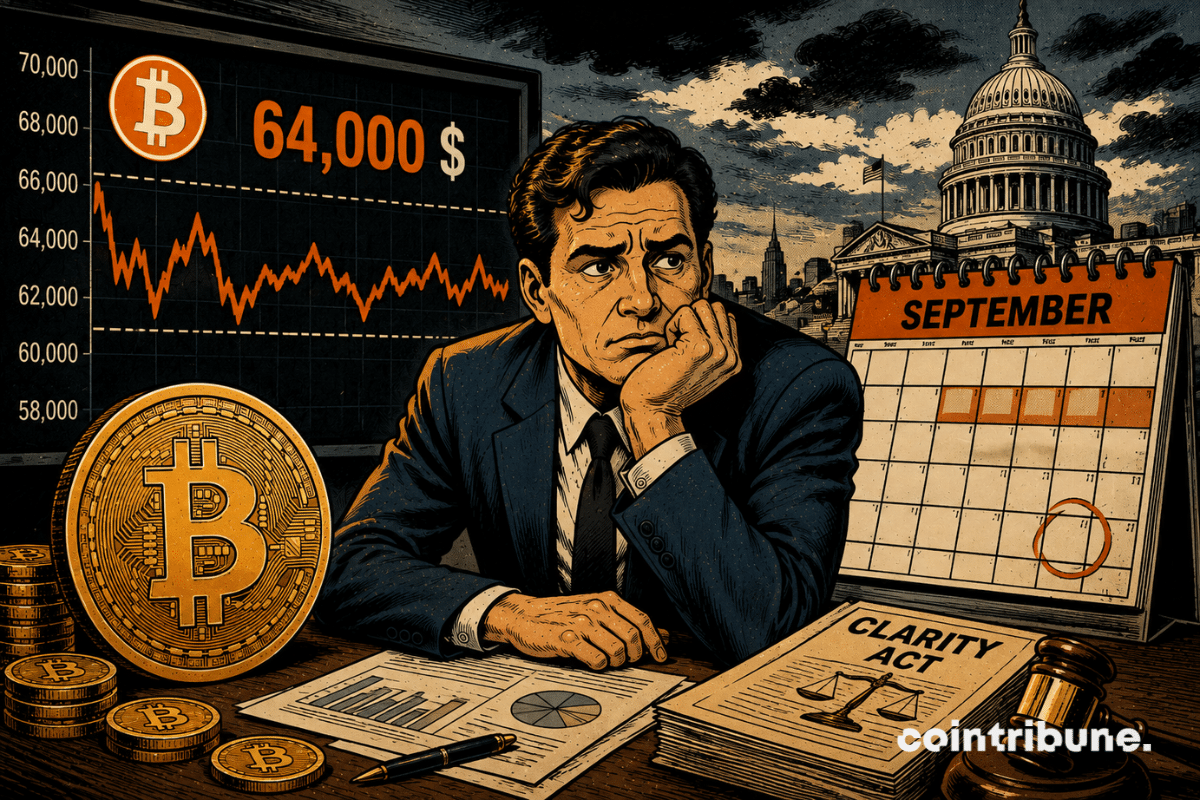
The crypto market was hoping for a strong signal from Washington, but it will have to wait. The postponement of discussions in the U.S. Congress on several crypto-related texts has halted investor momentum, leaving Bitcoin unable to break through its key resistance levels. This setback reminds us how much U.S. political decisions continue to dictate the pace of the markets. In an environment already marked by macroeconomic uncertainties, every legislative delay now feeds into wait-and-see attitudes and postpones hopes for a new bullish catalyst.
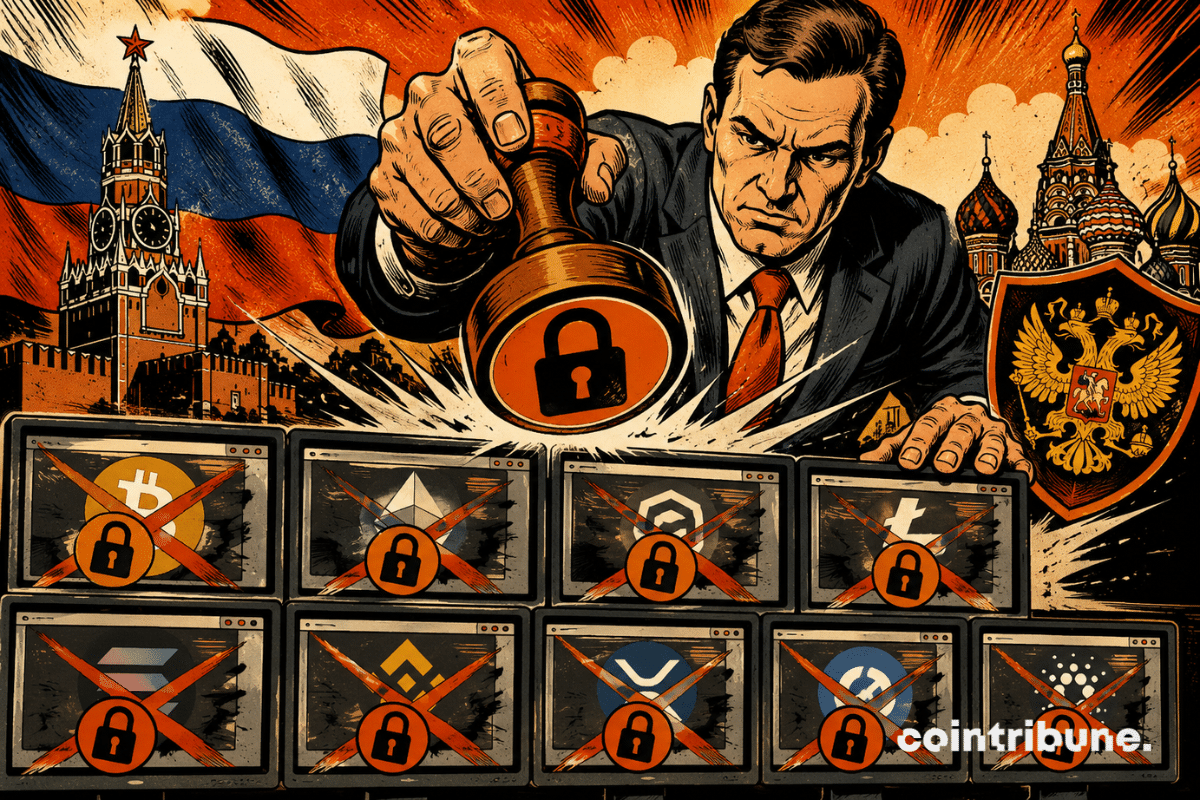
After its new law on cryptocurrencies, Russia tightens its control on unregistered platforms. In Moscow, the FSB conducted raids on nine exchange platforms suspected of laundering funds from scams. More than 20 employees were arrested during this operation. According to authorities, these structures converted money stolen from Russian victims into crypto-assets before transferring it to accounts linked to Ukrainian intermediaries.
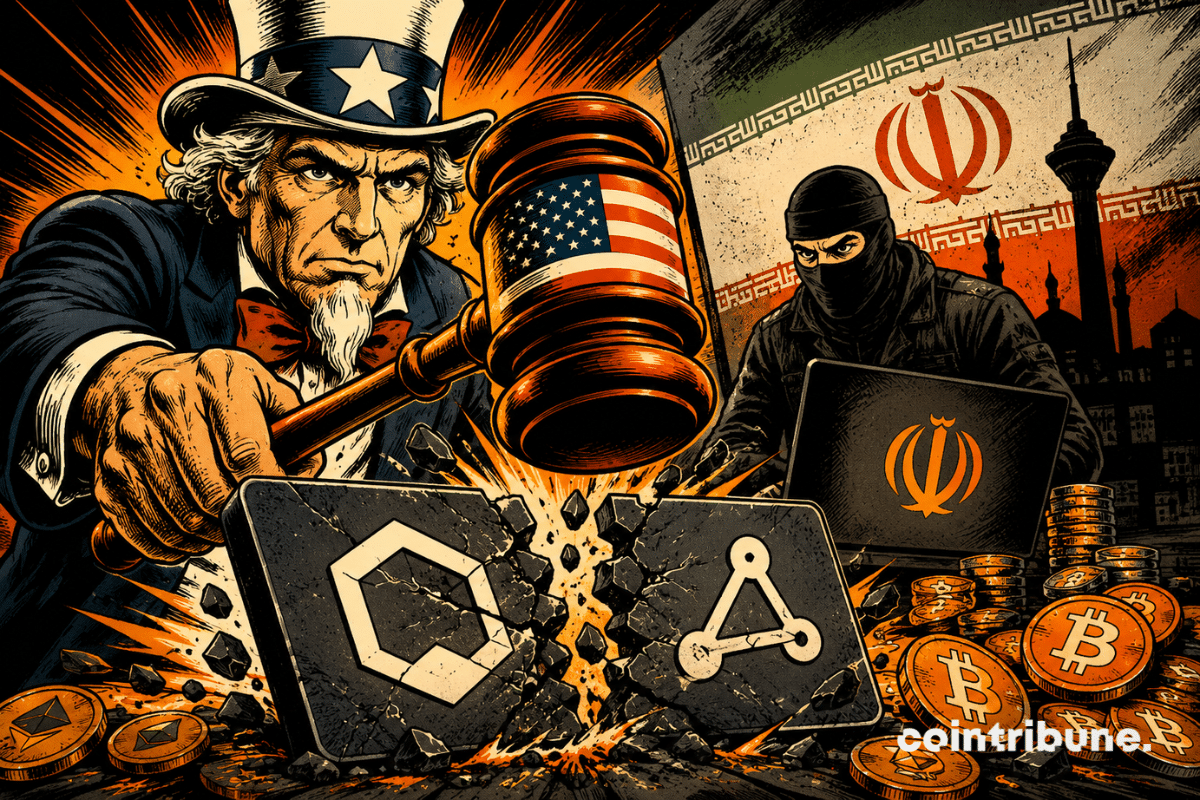
Washington sanctioned Shelbit and Aban Tether on August 7, 2026, accusing the two crypto platforms of supporting financial networks linked to Iran. Behind these little-known names lies a network of companies, online betting, and wallets associated with the Revolutionary Guards.

Institutional capital continues to flow into cryptos despite volatility that keeps retail investors on the defensive. On Thursday, ETFs backed by bitcoin and Ether recorded more than $220 million in net flows, confirming the intact appetite of traditional finance for these assets. Once again, BlackRock concentrates the bulk of subscriptions and strengthens its role as the main driver of this momentum in the crypto ETF market.
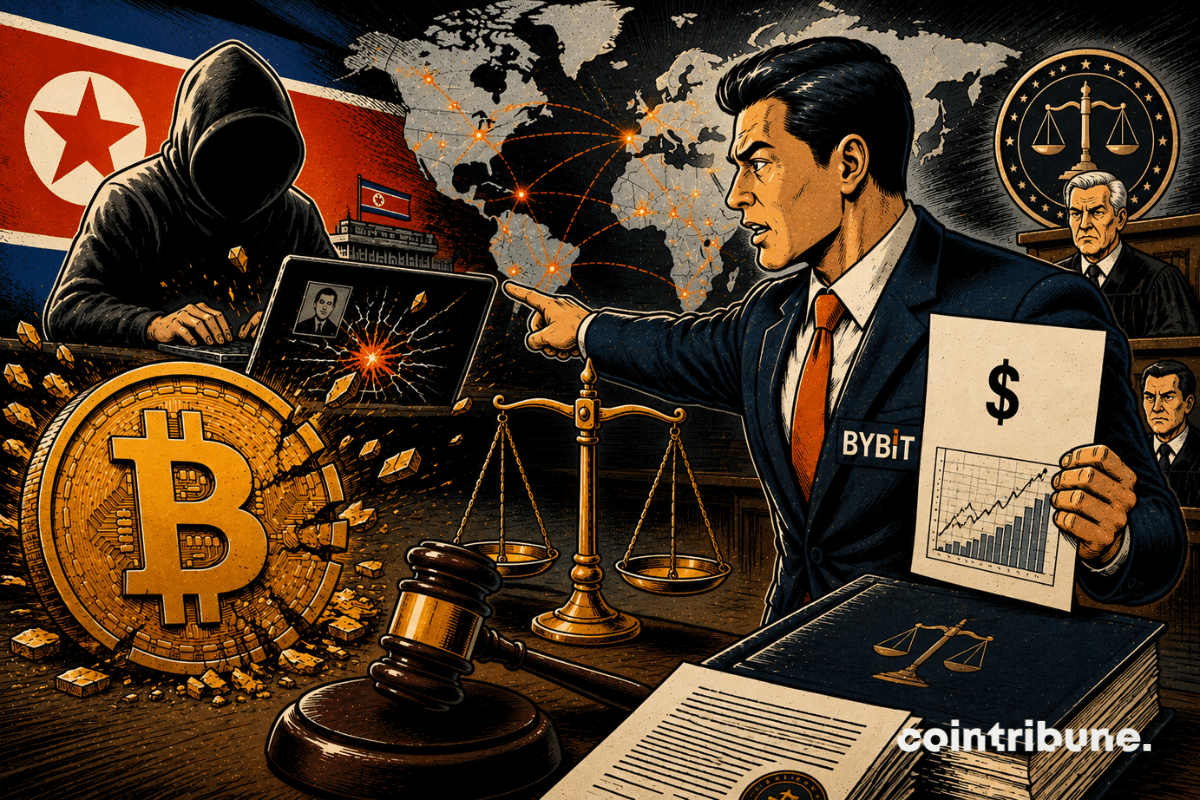
The $1.4 billion hack suffered by Bybit is no longer just a technical matter. Indeed, the exchange platform has just initiated legal proceedings against North Korea and the Lazarus hacker group, accused of being behind the attack. This is an unprecedented initiative that could redefine how Web3 players respond to state-attributed cyberattacks and open a new chapter in the legal protection of cryptos.
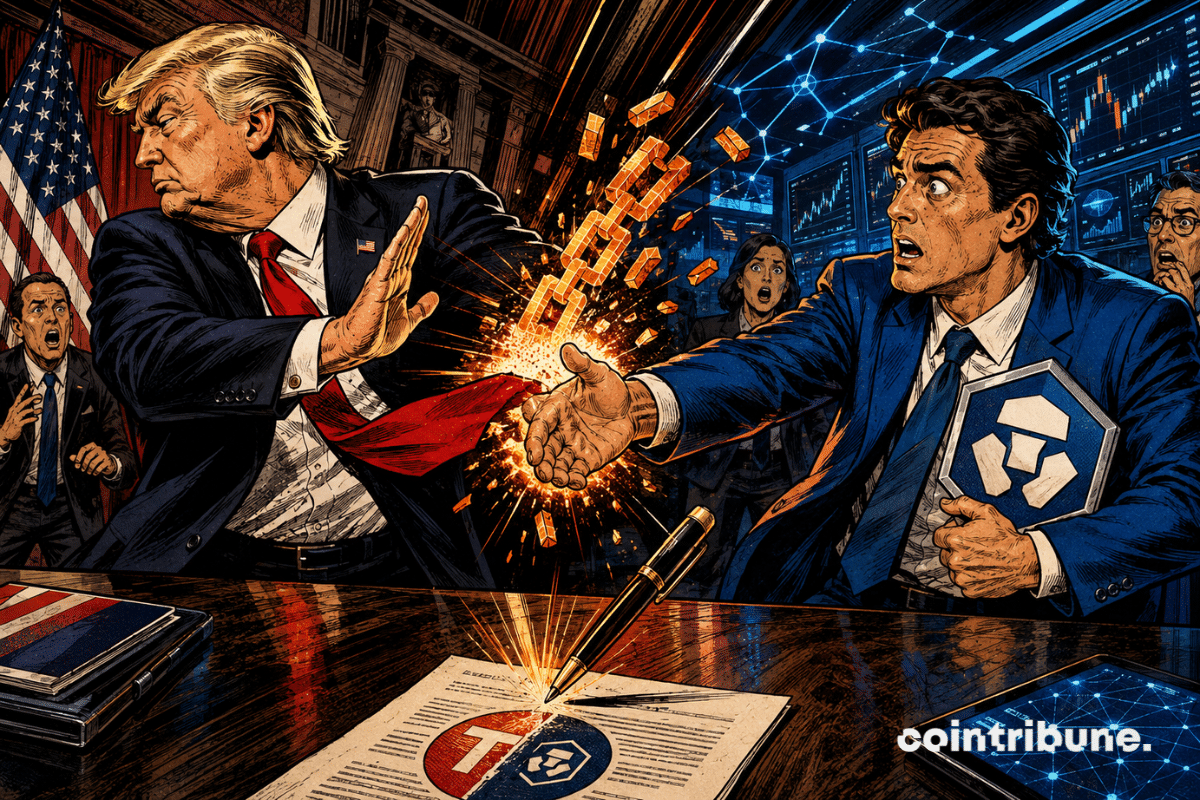
Trump Media abandons two important aspects of its crypto partnership with Crypto.com. The group gives up on creating a listed company responsible for accumulating CRO. It also ends an agreement concerning certain future ETFs from Yorkville America. This decision marks a clear shift in priorities, without signifying a complete exit from the crypto market.

Bitcoin, the great sage, is about to tear itself apart. Miners turn a deaf ear, developers brandish the axe. Is a split inevitable? Hold onto your hats.

On November 1st and 2nd, 2026, the Radisson Blu Hotel in Bucharest hosts a new edition of AI Expo Europe, a conference claiming the title of the largest AI gathering in Eastern Europe. On the agenda: more than 100 speakers from NVIDIA, Google Cloud, Microsoft, Oracle, or IBM, and about one hundred exhibitors presenting concrete artificial intelligence solutions.

The regulatory ambitions of the American crypto industry have just suffered a serious setback. In Congress, political divisions have blocked the review of a bill meant to lay the foundations for the first real federal framework for the crypto market. This setback occurs as banks, asset managers, and companies in the sector demand clear rules to accelerate their investments. Faced with this paralysis, the great figures of the ecosystem reignite a fundamental debate: does bitcoin really need a political framework to continue its development, or does its strength lie precisely in its independence?