Archive January 2026
Fri 23 Jan 2026 ▪
4 min read
▪
by
Eddy S.
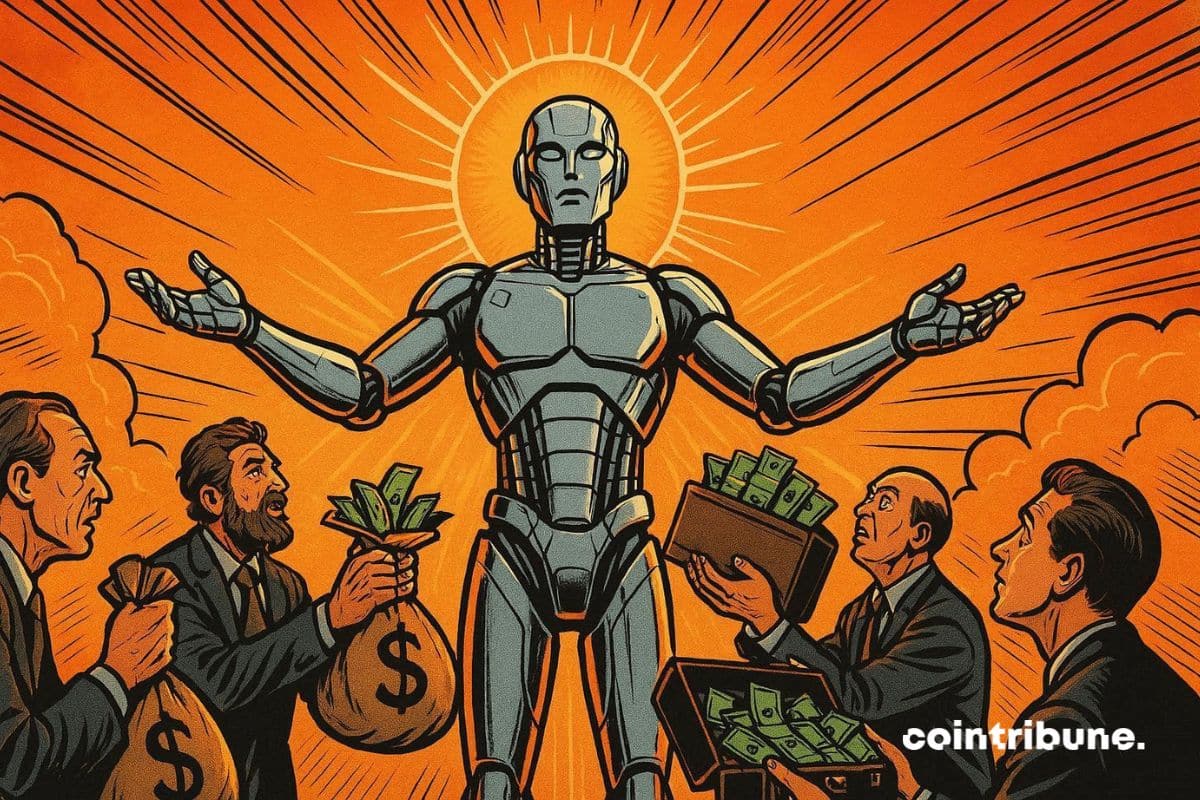
At Davos 2026, AI establishes itself as the new playground for private equity giants. OpenAI and Anthropic show record valuations, fueled by investors' FOMO. But could this frenzy overshadow interest in crypto and bitcoin?
Fri 23 Jan 2026 ▪
5 min read
▪
by
Mikaia A.
Bankers were pretending to ignore crypto; now they dive in completely, renaming stablecoins as "infrastructures." PwC rejoices: the future is already tokenized.
Fri 23 Jan 2026 ▪
4 min read
▪
by
Lydie M.
While gold breaks records and nears $5,000 an ounce, a part of the Bitcoin camp keeps hammering the same idea. The BTC market hasn’t really started yet.
Fri 23 Jan 2026 ▪
9 min read
▪
by
La Rédaction C.
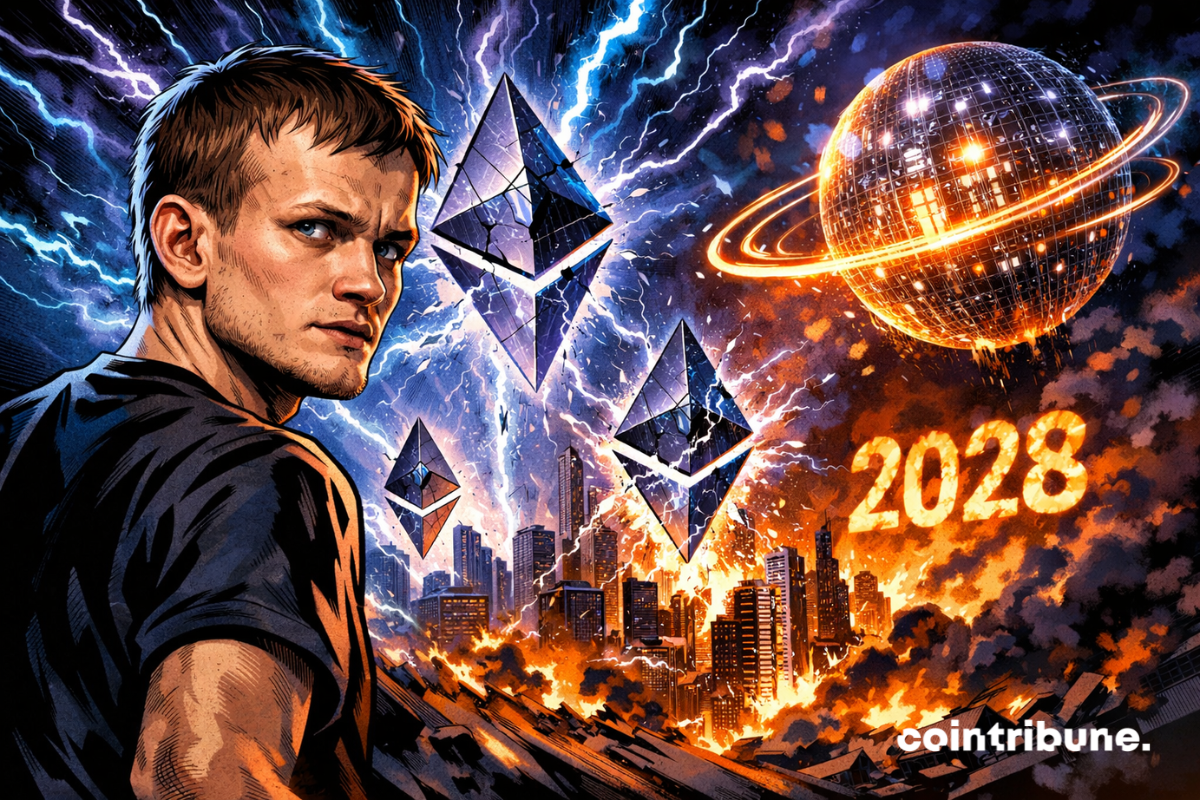
At the Devconnect conference in Buenos Aires, Ethereum's co-founder issued an unprecedented warning: the elliptic curves securing Bitcoin and Ethereum 'are going to die.' With a 20% probability that quantum computers could break current cryptography before 2030, the crypto industry has less than four years to migrate to quantum-resistant systems.
Fri 23 Jan 2026 ▪
3 min read
▪
by
Evans S.
Nasdaq has just pushed open a door that many still found "locked": that of position limits on options linked to spot Bitcoin and Ether ETFs. Behind the jargon, there is a simple idea: to stop treating crypto products as tolerated guests, and to bring them in through the main door of "classic" derivatives.
Fri 23 Jan 2026 ▪
4 min read
▪
by
Luc Jose A.
In 2025, bitcoin was not content to be just a store of value. It established itself as a central tool in digital payments. According to a Coingate report, it dominates the market again with 22.1% of transactions, driven by increasing adoption by businesses. This renewed interest marks a strategic turning point. Crypto is no longer on the sidelines, it is now integrated into real economic flows.
Fri 23 Jan 2026 ▪
5 min read
▪
by
Mikaia A.
Binance, the crypto giant, trades its wild escapades for the toga of Athens: Greek regulation, European ambition... and a well-timed snub to its old demons.
Sat 24 Jan 2026 ▪
3 min read
▪
by
Ariela R.
A public reserve in Bitcoin without tax or debt? Kansas proposes a shock law that disrupts traditional financial codes.
Sat 24 Jan 2026 ▪
5 min read
▪
by
Luc Jose A.
In a context of persistent tensions between the crypto ecosystem and U.S. regulation, the SEC has just taken an unexpected step. The agency has definitively dropped its civil action against Gemini Trust, marking the end of the Gemini Earn case. This decision, legally qualified as "dismissal with prejudice," raises questions about the regulator's strategic shift regarding crypto yield products, and what this might imply for future relations between platforms and authorities.
Sat 24 Jan 2026 ▪
4 min read
▪
by
Evans S.
The crypto ETF dance does not slow down. It changes tune. After Bitcoin and Ethereum, now the market attacks more "political" tokens, more linked to ecosystems, thus more sensitive to regulators' scrutiny. And Grayscale, true to its style, does not timidly knock on the door: it files a dossier and forces the conversation.