
Wed 19 Nov 2025 ▪
4 min read
▪
by
The OCC has clarified that U.S. banks can hold and use cryptocurrency to cover blockchain network fees, offering clearer guidance for digital asset operations.
The OCC has clarified that U.S. banks can hold and use cryptocurrency to cover blockchain network fees, offering clearer guidance for digital asset operations.
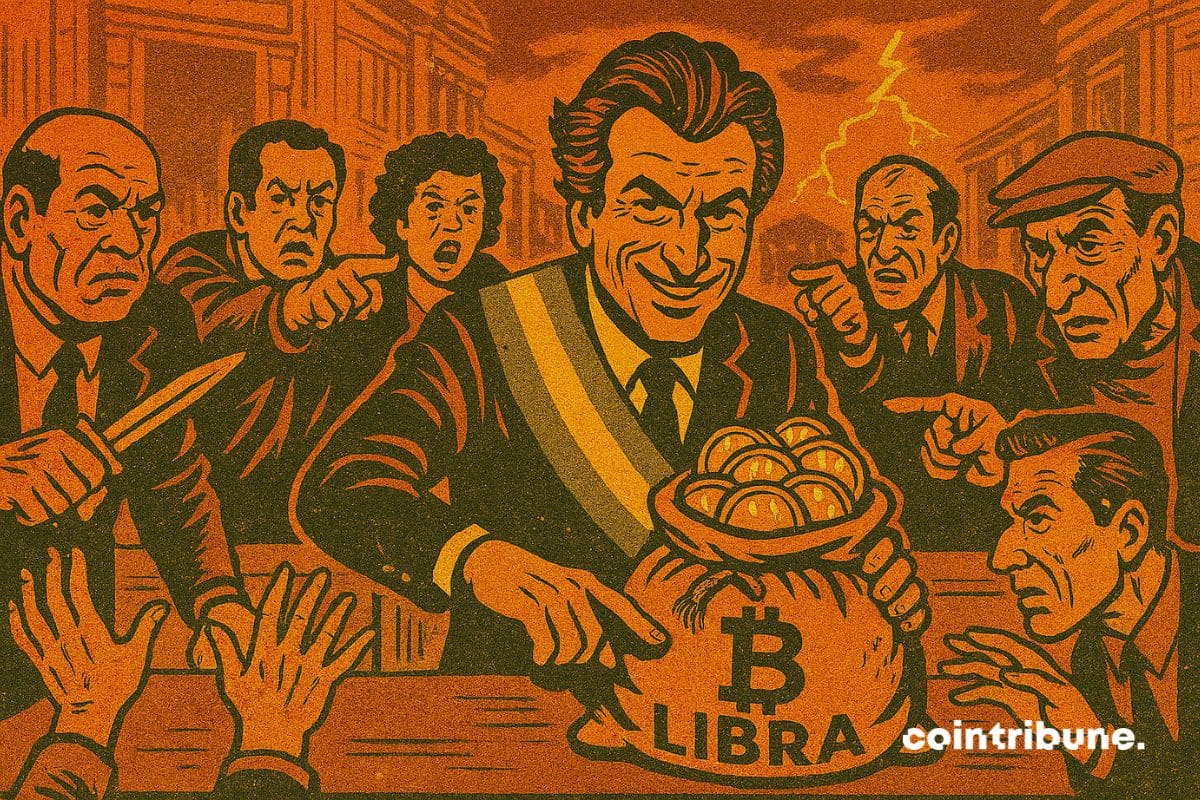
The Argentine parliament has just made a big move: in a damning report, it qualifies the promotion of the crypto $LIBRA by Javier Milei as an alleged scam, a scandal that cost investors 400 million dollars. Yet, his allies see it only as a political "buffoonery." Who is telling the truth?

Fragmentation across Ethereum’s Layer 2 networks has become a growing concern, pushing the Ethereum Foundation to propose a new direction. Scaling has delivered faster transactions and lower fees, but it has also complicated the user experience. Bridges, chain-specific wallets, and scattered liquidity continue to slow activity across the ecosystem. The proposed Ethereum Interop Layer (EIL) aims to bring these parts back together and restore a more unified experience.
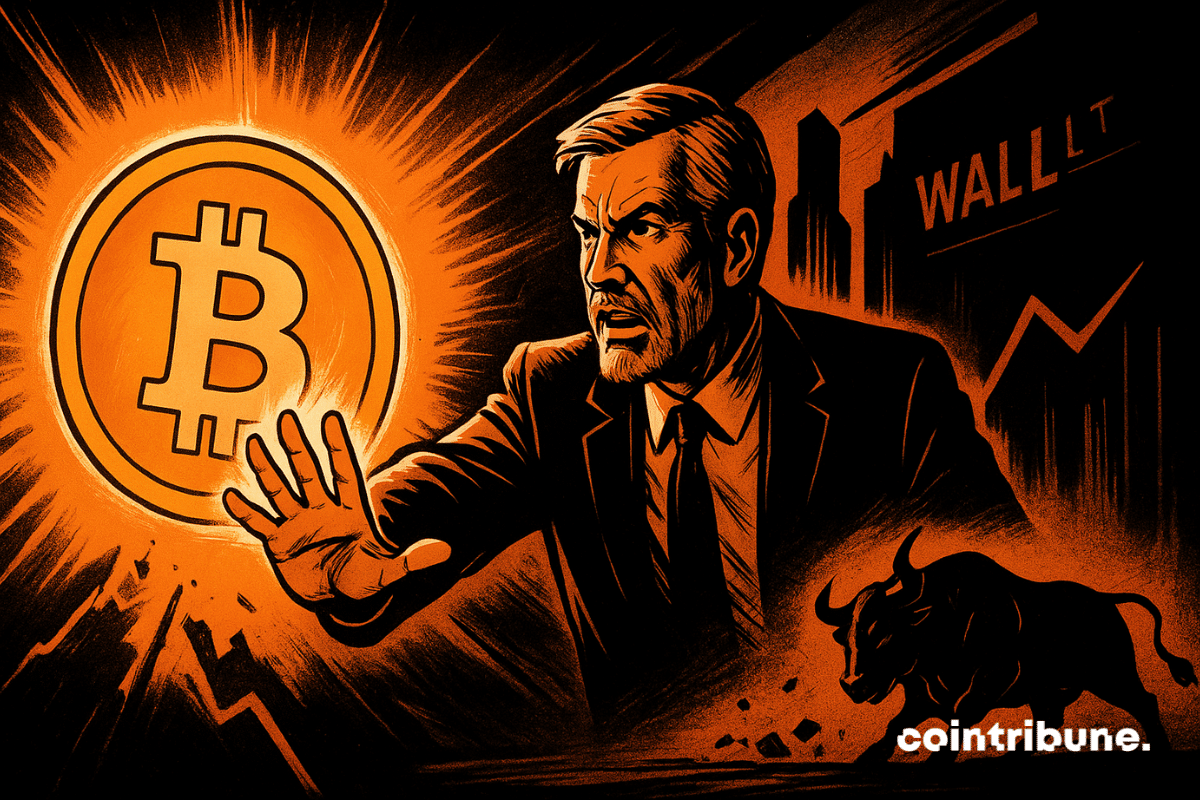
Michael Saylor does not mince his words. In an interview given Tuesday to Fox Business, the executive chairman of Strategy dismissed concerns about Wall Street's impact on Bitcoin with a wave of the hand. For him, the arrival of traditional financial institutions did not weaken the digital asset. On the contrary, it would have stabilized it.
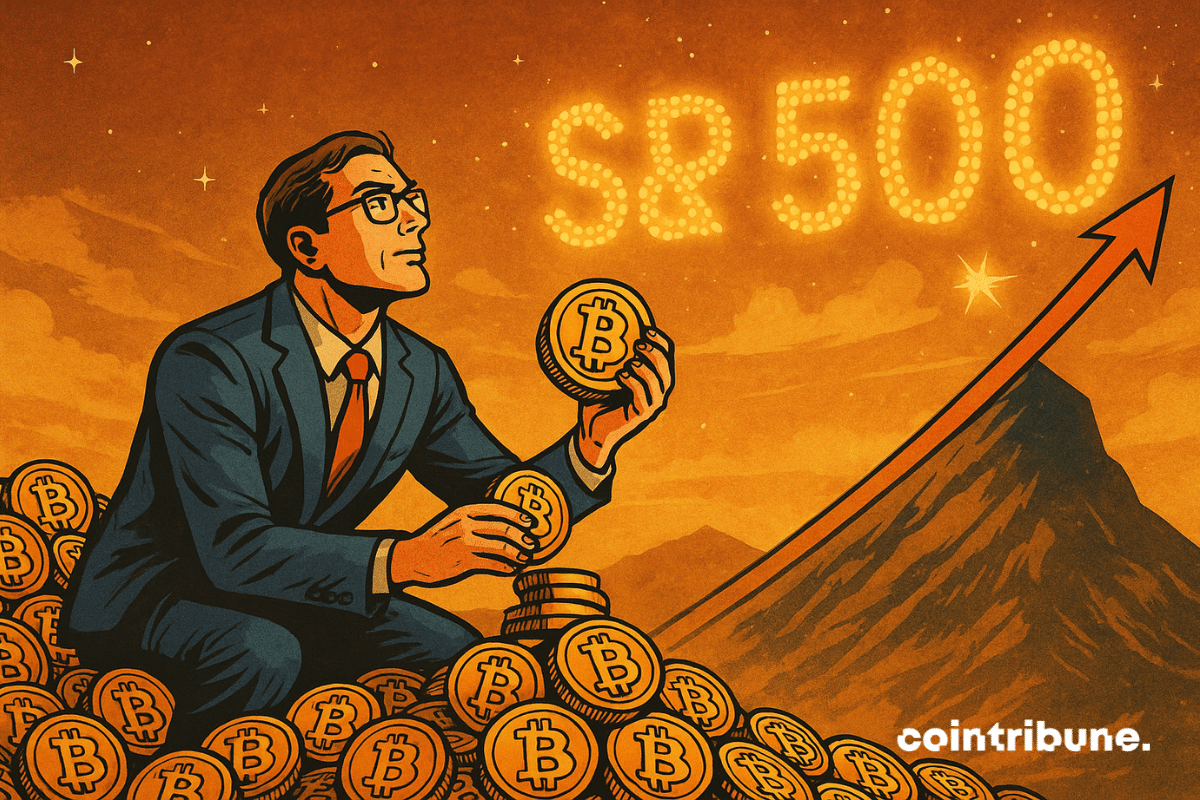
While bitcoin falters, a company makes the opposite bet. Strategy, the largest corporate holder of BTC, continues to buy massively in the midst of turmoil, where others flee. Its radical strategy, often criticized, could nevertheless open the doors of the very selective S&P 500 as early as December. A possibility that, until recently, was still financial science fiction. This scenario, unthinkable a few years ago, crystallizes a major shift between institutional finance and cryptos.

BlackRock takes a staking cure for its Ethereum: a developing ETF that promises yield for large portfolios. Crypto, meanwhile, continues to trot towards Wall Street.
While markets watch every macroeconomic signal to anticipate Fed movements, a major indicator just defied forecasts. The United States trade deficit fell by nearly 24% in one month. In a global context of high tension, between renegotiated tariff agreements and disrupted supply chains, this unexpected decline raises strategic issues. It could also influence capital flows, reshape economic balances, and strengthen interest in decentralized assets like bitcoin.

Caution settles in on the markets. In a few weeks, investors have seen their hopes for monetary easing vanish while Bitcoin lost its momentum. But does this correction signal a simple pullback or the start of a real bear market?
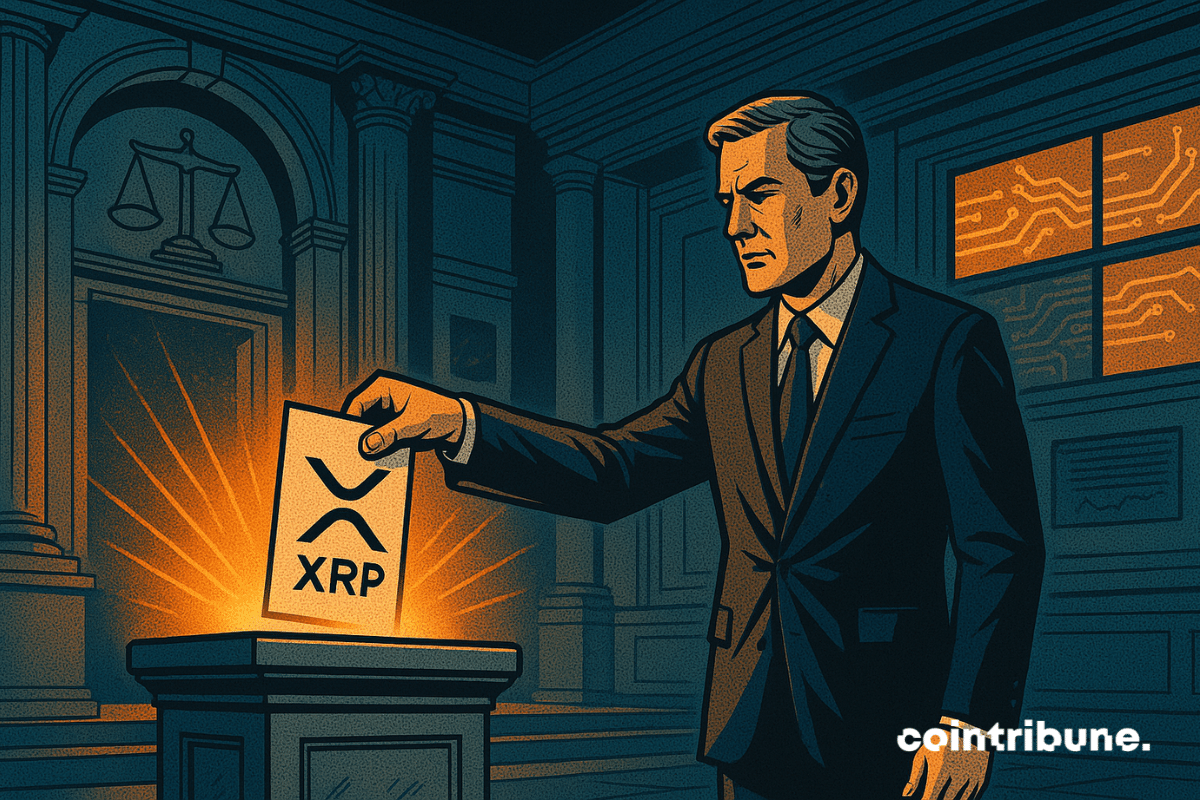
A new milestone has just been reached in the integration of cryptos into traditional markets. Bitwise filed the 8-A form for its XRP ETF on November 19, a clear signal of an imminent listing on the NYSE. The product, awaited by institutional players, could be launched in the next few hours, marking a strategic turning point for XRP and strengthening the legitimacy of cryptos with regulated finance.
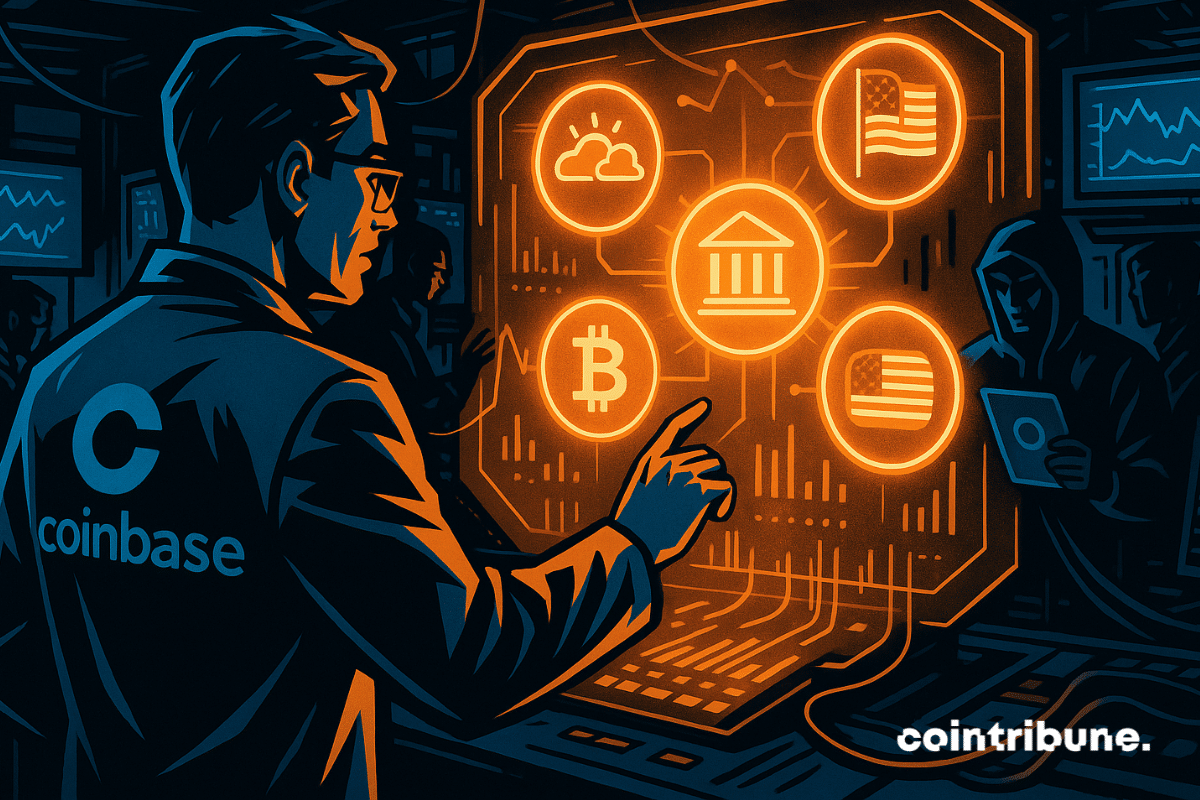
Trading activity on crypto-based forecasting platforms has climbed sharply this year, with services like Kalshi and Polymarket seeing noticeable growth. Amid this upward trend, Coinbase appears to be building its own prediction-market site. Images shared by a tech researcher suggest the project is already taking shape and may involve support from Kalshi.