Coinbase: The Base Network Victim of a Technical Freeze During the Deployment of Its "Beryl" Update
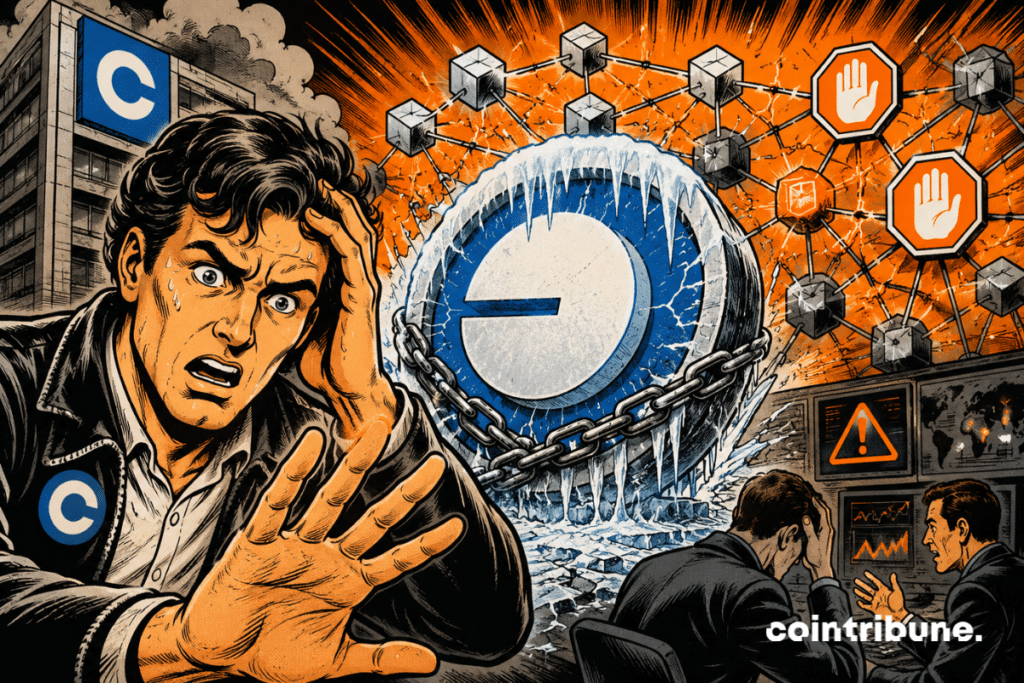
The Coinbase Base network experienced a temporary technical interruption while preparing for the arrival of a major new upgrade. On Thursday, a defective block disrupted the operation of the main network and stopped the production of new blocks for about two hours. The incident occurred at the same time as the deployment of Beryl, an update planned by the technical team. Coinbase quickly identified the cause of the problem and gradually restored the network sequencing.
In brief
- The Coinbase Base network underwent a technical stop of about 115 minutes after an invalid block disrupted new block production.
- The problem originated from a consensus incident related to block no. 47,806,542, which temporarily blocked the network sequencer.
- The interruption caused no loss of funds, as the blockage occurred before block finalization on Ethereum layer 1.
- The Beryl update was maintained despite the incident, with Coinbase confirming it was not responsible for the malfunction.
- Beryl introduces several technical improvements, including the B20 standard, faster withdrawals, and advancements related to Reth V2 for the Base network.
Coinbase Faces a Technical Blockage on the Base Network
The crypto exchange Coinbase reported an anomaly in the block production of its Base network on June 25, 2026, starting from 16:03 UTC. Engineers noticed unusual behavior on the mainnet before initiating a technical analysis. After several checks, the team identified a consensus problem caused by an invalid block. The block number 47,806,542 prevented the sequencer from continuing the creation of new blocks normally.
Timeline of the incident:
- 16:03 UTC: Block production becomes abnormal, and technical investigation starts.
- 16:52 UTC: engineers identify block no. 47,806,542 as the source of the problem.
- 17:21 UTC: The consensus problem is isolated, and the first signs of recovery appear.
- 17:51 UTC: sequencing resumes and internal nodes begin synchronization.
- 17:58 UTC: Block construction works properly, and the network enters monitoring mode.
In the OP Stack environment, Coinbase explains that this event corresponds to an “unsafe head stall.” This phenomenon indicates that the sequencer temporarily stops advancing blocks not yet published on Ethereum layer 1. This situation therefore concerns a phase preceding block finalization. Users suffered no loss of funds during this interruption.
The malfunction caused delays in several base network operations. Deposits, withdrawals, and some transactions experienced delays during the downtime. Coinbase then confirmed that internal nodes had begun to return to normal operation after the problem was identified.
Beryl: The Update Is Maintained Despite the Incident
The Beryl update was scheduled to be activated on the same day at 18:00 UTC, a few minutes after the full resumption of sequencing. Coinbase specified that the network stoppage had no direct link to this update. The two events simply occurred near the same time, which drew observers’ attention.
Beryl notably introduces B20, a token standard integrated directly into the node software. This development allows issuing certain assets without relying solely on smart contracts. It primarily targets projects related to stablecoins and real-world assets.
With Beryl, Coinbase also brings improvements regarding withdrawal times and adds enhancements from Reth V2. Node operators must use base/node version v1.1.1 or later to ensure compatibility. Most users and existing contracts require no special intervention.
This update represents an important technical step for the Base network. However, Coinbase still needs to finalize a full analysis of the incident to precisely understand the conditions that caused the invalid block. The team plans to release a retrospective after completing its investigation.
Coinbase Continues Monitoring the Network After Recovery
After about 115 minutes of interruption, Coinbase restored sequencing operations and maintains enhanced monitoring of the Base network. Node operators must, however, restart their infrastructures to fully complete synchronization. This step ensures a full return to normal operation.
The incident reminds us that layer 2 networks can face technical difficulties related to their internal infrastructure. Coinbase indicates that this type of blockage can also appear on other similar networks or on Optimism’s mainnet. These situations can stem from node issues, load, or technical interactions with Ethereum.
Technical teams continue their analysis work to identify the root cause of the defective block. Coinbase recommends users follow information available via network monitoring tools. Future developments will depend on the conclusions of this investigation.
The recovery of sequencing now allows the Base network to continue its normal operations. Network stability and performance tracking will remain the main points observed after this incident, while Beryl continues its deployment according to schedule. This incident occurs as Coinbase continues to expand its activities, with ambitions to make it a reference infrastructure for stablecoins, real-world assets, and decentralized applications.
Maximize your Cointribune experience with our "Read to Earn" program! For every article you read, earn points and access exclusive rewards. Sign up now and start earning benefits.

Journaliste et rédacteur web passionné par l’univers des cryptomonnaies et des technologies Web3. J’y traite les dernières tendances et actualités afin de proposer un contenu de haute qualité à un large public du secteur.
The views, thoughts, and opinions expressed in this article belong solely to the author, and should not be taken as investment advice. Do your own research before taking any investment decisions.