Iran imposes a Bitcoin toll to cross the Strait of Hormuz
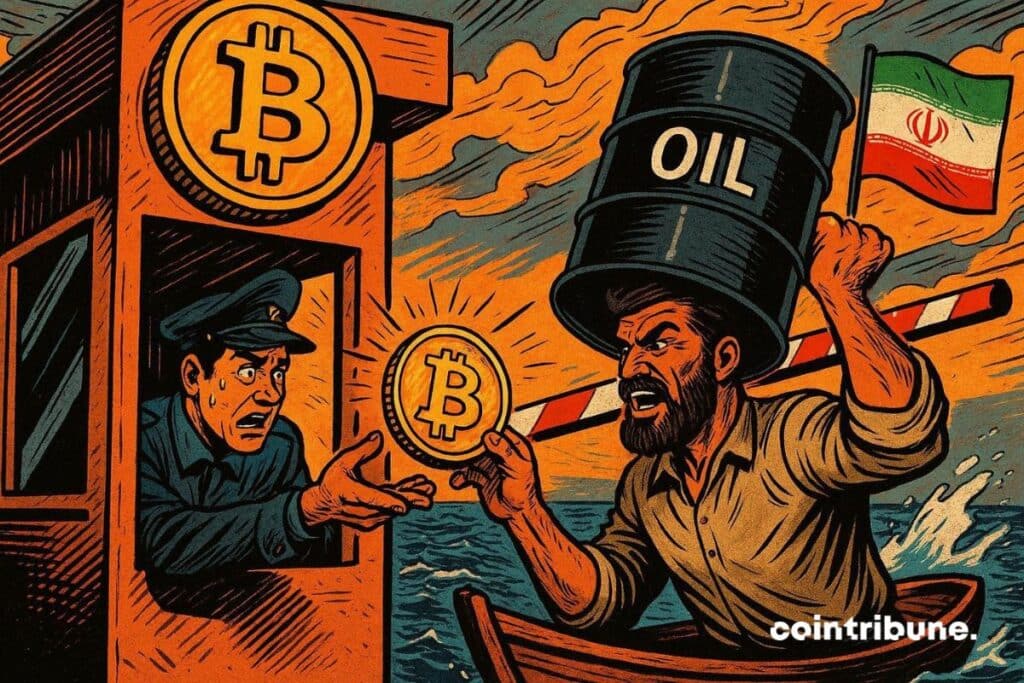
Amid escalating tensions between Iran and Israel, the Strait of Hormuz becomes the scene of an economic revolution: a toll of up to 2 million dollars in Bitcoin to cross. A decision that propels cryptos to the heart of geopolitical conflicts.
In brief
- Iran now requires a toll in Bitcoin or Chinese yuan to cross the Strait of Hormuz.
- This measure illustrates the growing use of cryptos by sanctioned states to circumvent embargoes.
- The adoption of bitcoin by states raises questions about its regulation and long-term stability.
Crypto: Iran requires a Bitcoin toll to cross the Strait of Hormuz
In a context of rising tensions with Israel, Iran announced an unprecedented measure. Indeed, any vessel wishing to cross the Strait of Hormuz must pay a toll of up to 2 million dollars, payable only in bitcoin or Chinese yuan. This decision marks a turning point in the use of cryptos as a tool to circumvent economic sanctions.
The Strait of Hormuz, a strategic passage for 20% of the world’s oil, is now at the center of a crisis paralyzing maritime traffic. About 187 tankers transporting 175 million barrels of oil are blocked, while 300 to 400 ships await authorization to leave the area. For Iran, this crypto tax is a necessity to monitor movements in the strait.
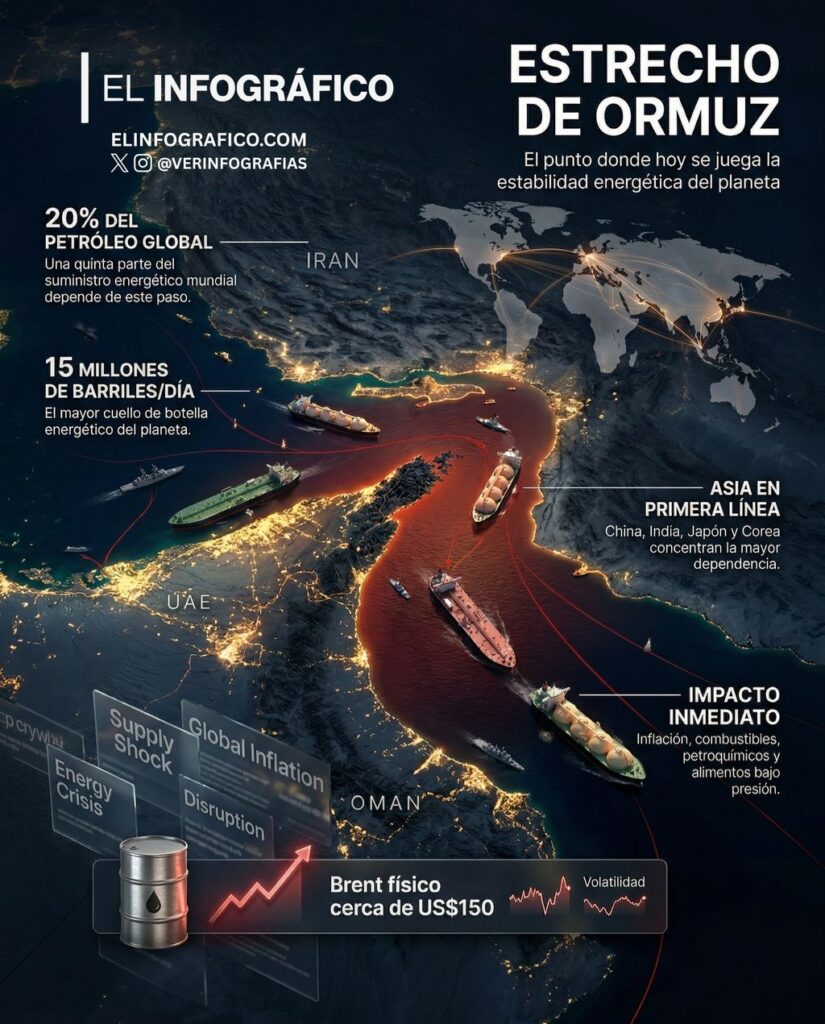
On the other hand, this use of bitcoin is widely seen as a response to U.S. sanctions. To this effect, the United States through Defense Secretary Pete Hegseth, reaffirmed that the strait remains open, calling on countries to continue sending their ships there. However, shipowners and oil companies find themselves in a delicate situation. On one hand the Iranian demands, and on the other, the risks of American retaliation.
Bitcoin becomes essential in geopolitical conflicts
The Iranian requirement for bitcoin payments to cross the Strait of Hormuz is not an isolated case. It is part of a broader trend where cryptos become a refuge for sanctioned states. BTC, with its decentralization and censorship resistance, offers an alternative to traditional financial systems controlled by actors like the United States.
This use of bitcoin as a tool to circumvent sanctions is not new. Indeed, Russia facing embargoes after its invasion of Ukraine, has also explored cryptos to maintain its trade. Although BTC’s decentralization allows cross-border transactions, its volatility and lack of regulation make it a risky tool.
As a result, governments worried about their sanctions being circumvented might tighten laws around crypto exchanges! Thus limiting their use. This dynamic creates a paradox… The more states use bitcoin to escape sanctions, the more they risk provoking severe regulation.
This crisis in the Strait of Hormuz reveals a new reality. Cryptos are no longer confined to financial markets; they become economic weapons. While Iran imposes a toll in bitcoin (BTC), the question arises: are we witnessing the emergence of a new monetary order?
Maximize your Cointribune experience with our "Read to Earn" program! For every article you read, earn points and access exclusive rewards. Sign up now and start earning benefits.

The world is evolving and adaptation is the best weapon to survive in this undulating universe. Originally a crypto community manager, I am interested in anything that is directly or indirectly related to blockchain and its derivatives. To share my experience and promote a field that I am passionate about, nothing is better than writing informative and relaxed articles.
The views, thoughts, and opinions expressed in this article belong solely to the author, and should not be taken as investment advice. Do your own research before taking any investment decisions.