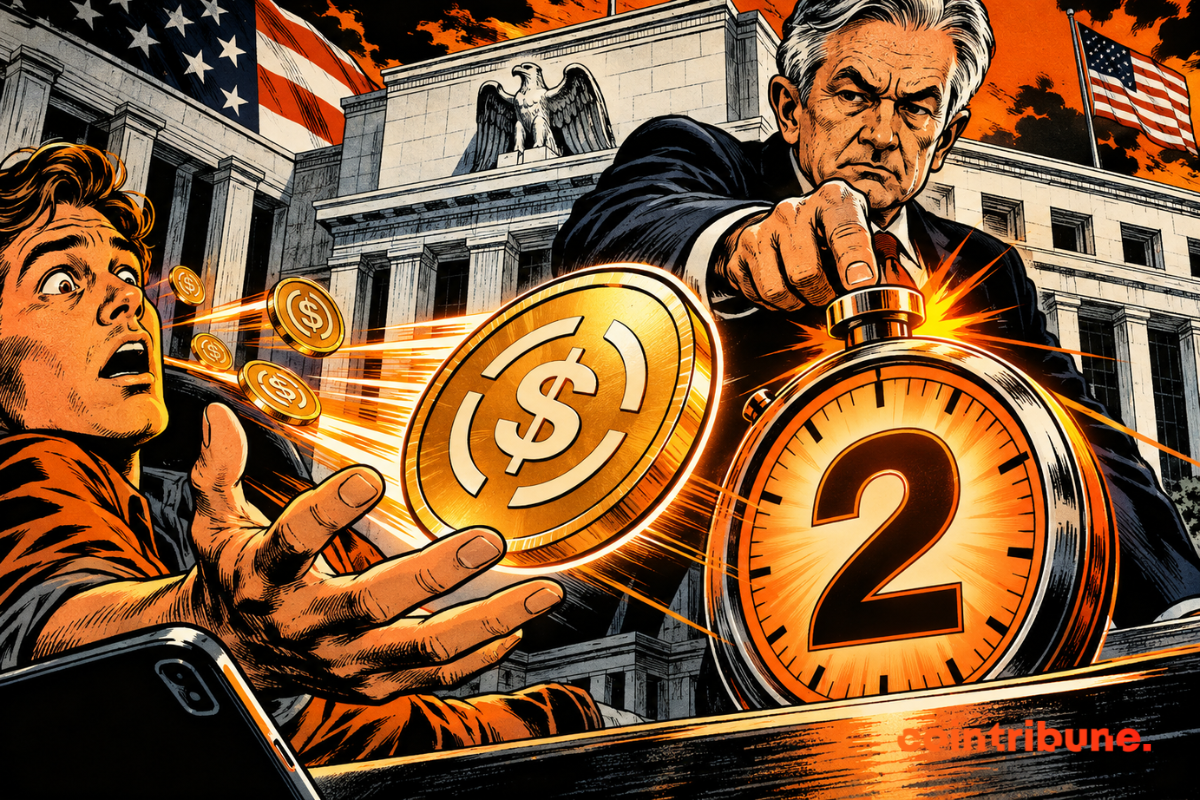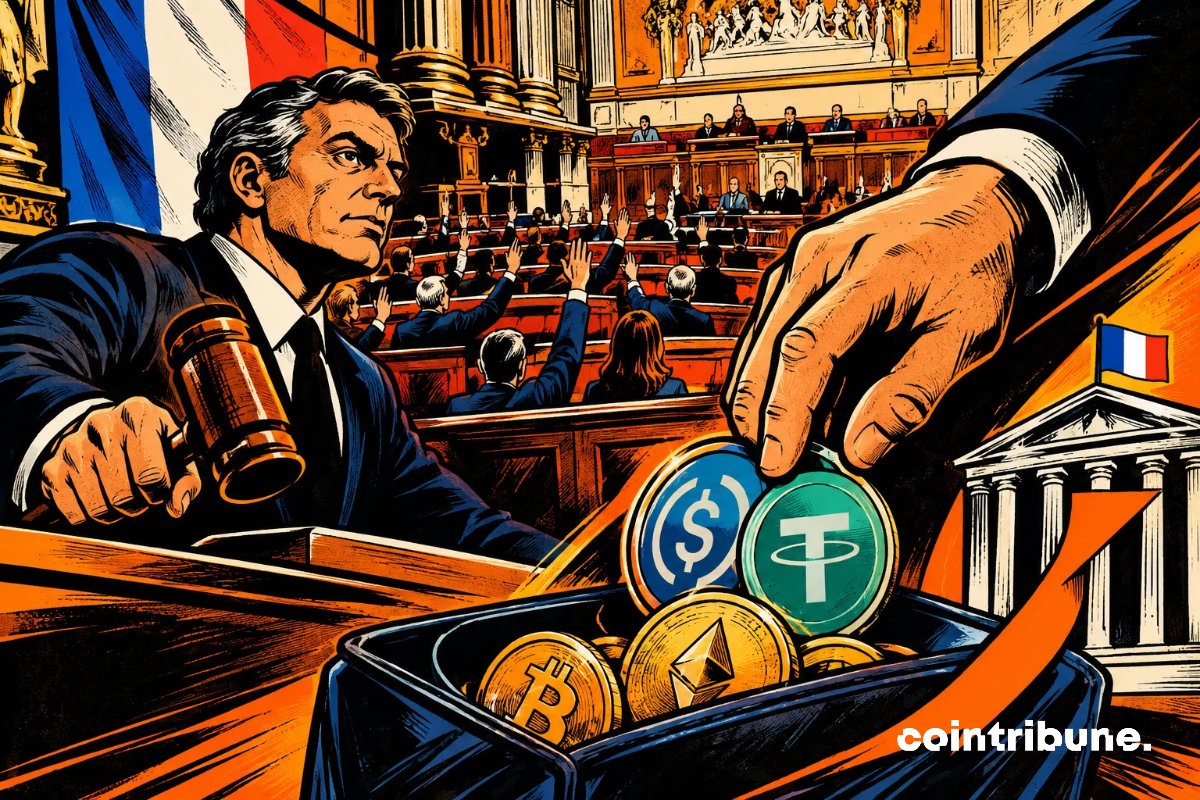
Stablecoins are becoming the preferred cryptocurrency for illicit transactions, outpacing Bitcoin and drawing increasing scrutiny from regulators.
The countdown is on for an XRP ETF. Two asset management giants, 21Shares and Canary Capital, have initiated a legal procedure that could force the automatic approval of their funds within 20 days, unless the SEC explicitly vetoes it. In a climate where the institutionalization of cryptos is accelerating, this maneuver could propel XRP to the heart of regulated markets. This historic first places the American authority with a decisive choice or a silent deadline.
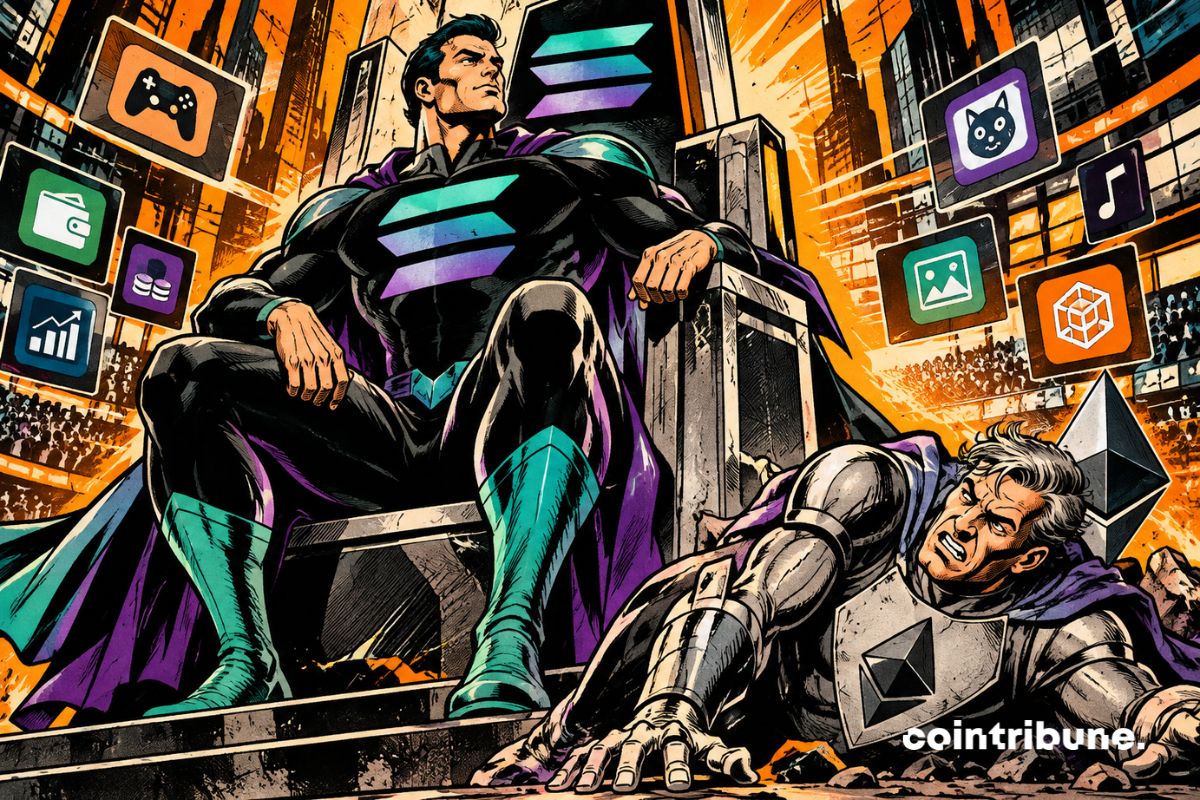
While Bitcoin and Ethereum flee wallets like the plague, Solana seduces the big players. What if the real crypto power was hiding behind well-structured staking?
In a crypto market marked by wait-and-see, Pi Network struggles to trigger a real recovery. Far from its promising beginnings, the asset now moves between consolidation levels and mixed technical signals. Some indicators show an improvement in flows but without a clear breakthrough of key thresholds. The momentum remains fragile, and the selling pressure latent. Between timid investor support and lack of a strong catalyst, Pi is going through a prolonged phase of uncertainty. The risk of technical deadlock persists.
Investors are cautious as crypto stocks face a rough week, with major firms seeing declines amid ongoing market and economic pressures.
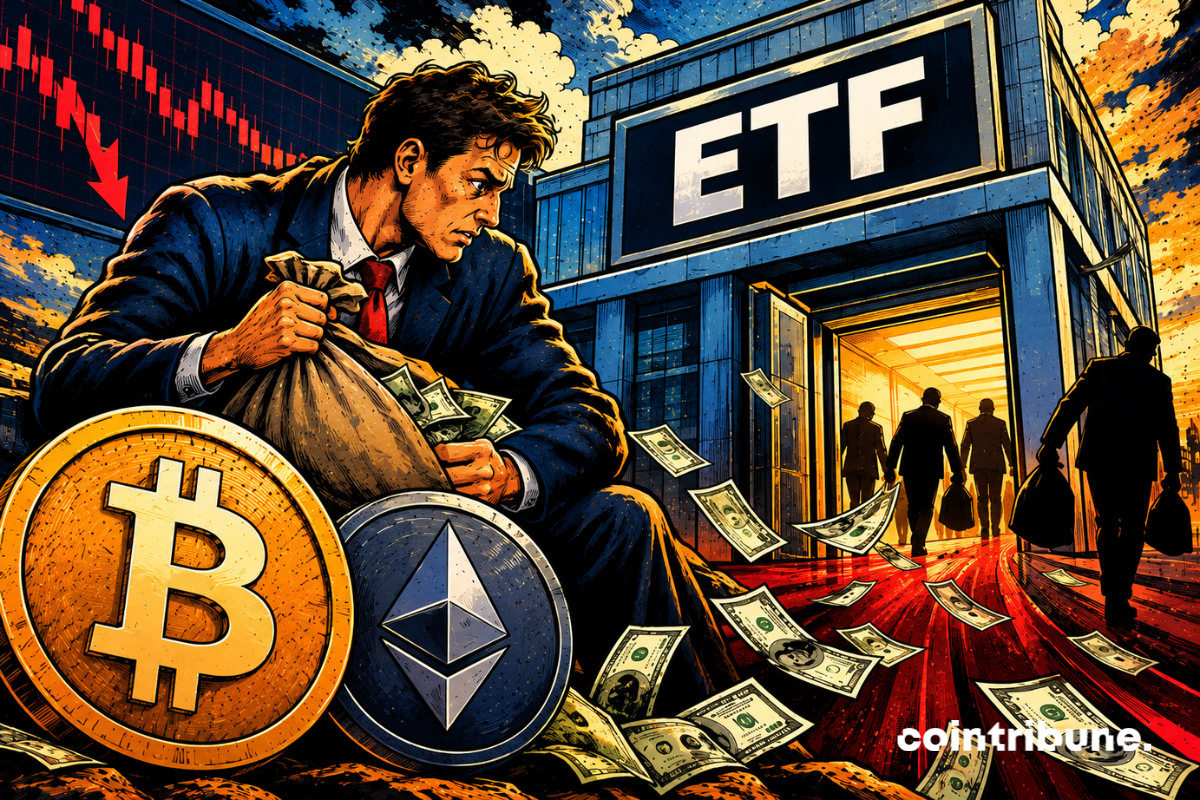
Bitcoin wavers, and the market divides. While crypto suffers a drop of nearly 15% in a few weeks, a clear rift appears between small holders and institutional investors. While the former take advantage of the decline to strengthen their positions, the whales quietly liquidate thousands of BTC. This strategic gap, observed by the Santiment platform, could mark a decisive turning point in the market's evolution.
At JPMorgan, the message is clear: the appetite for bitcoin remains strong. In the third quarter, the bank stated it held 5.284 million shares of the iShares Bitcoin Trust (IBIT) as of September 30, an increase of 64% from the previous quarter. In value terms, this represented 343 million dollars at the end of September. The bet was accompanied by a bullish note: a target of $170,000 for bitcoin in twelve months. Let's talk numbers, flows, and the direction of the movement.
Dogecoin, the quirkiest crypto on the market, could soon enter institutional portfolios. Bitwise has filed a new spot ETF application with the SEC, removing the last administrative barriers. The green light could come within twenty days… triggering a new rush towards Elon Musk's favorite meme.
What if the promise of financial inclusion hides a major systemic risk? Popular in crisis-hit countries, stablecoins have become the preferred tool for millions of citizens to escape hyperinflation. However, behind this massive adoption, a growing concern: by channeling savings towards the digital dollar, these assets could weaken the most vulnerable economies. As their usage explodes, a dilemma arises: are stablecoins a bulwark for the people or a silent threat to states?
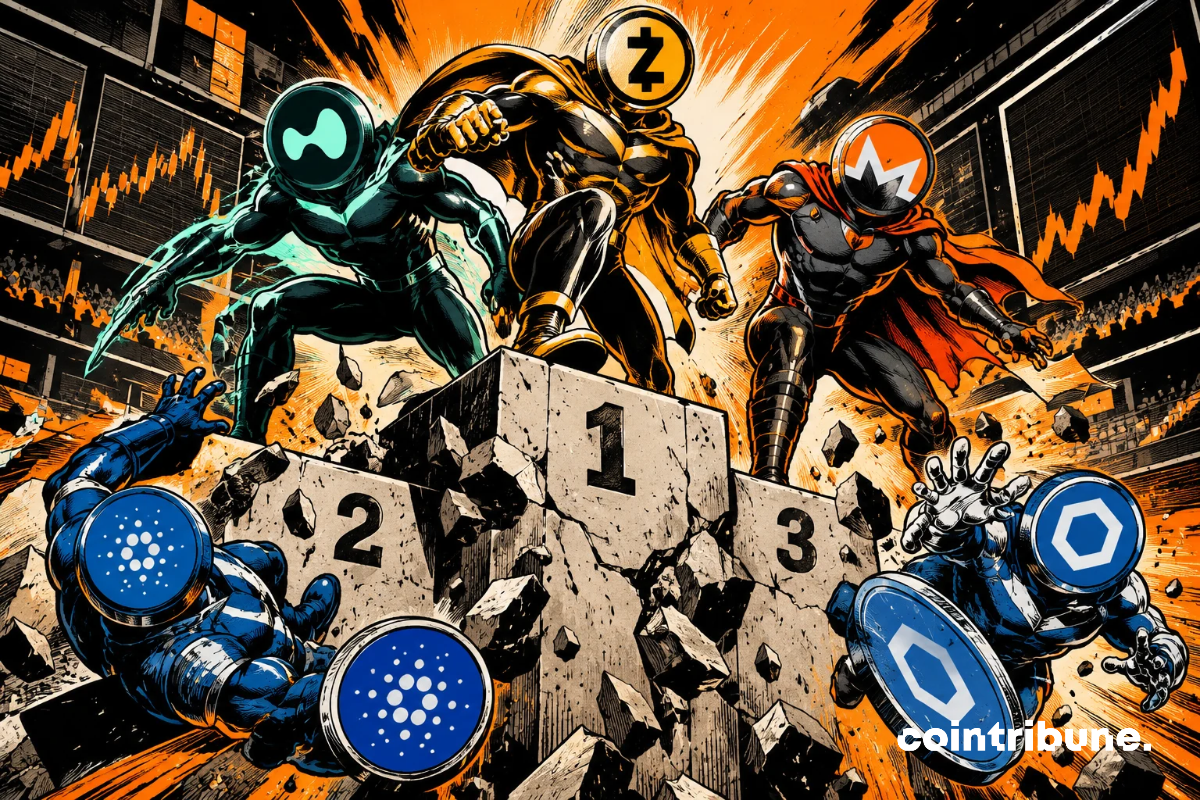
While bitcoin is bogged down in divisive institutional adoption, an old privacy token makes a spectacular comeback. In five weeks, Zcash (ZEC) went from obscurity to a +900% surge, reaching up to 735 dollars this Friday, an unprecedented high in nearly eight years. Stabilized around 666 dollars, the asset still shows a 74% increase over the week. This unexpected rebound shakes the market and revives the debate on crypto privacy.
While the crypto industry regains market confidence thanks to clearer regulation and growing interest from institutional investors, Ripple opts for an unexpected direction. Despite a legal victory against the SEC and a year of exceptional growth, the Californian company forgoes any public offering. A choice that contrasts with the ambitions of other industry players and raises questions about the company’s long-term strategy.
A milestone has just been reached. Addresses accumulating Bitcoin have purchased 214,069 BTC over 30 days and bring their aggregated stock to 387,305 BTC as of November 5. This surge is not due to chance: it relies on investors with a precise profile and on a market mechanism that has become, whether we like it or not, institutional.
Is Bitcoin losing ground where it was supposed to triumph? Cathie Wood, CEO of ARK Invest and a leading figure in crypto investment, has just lowered her most ambitious target for BTC. The reason is the rise of stablecoins in emerging economies, where they are establishing themselves as a new store of value. A strong strategic adjustment that questions the real role Bitcoin will play against these dollar-backed alternatives.
What if the role of store of value promised to bitcoin in emerging economies was slipping away? This is a hypothesis that Cathie Wood, founder and CEO of ARK Invest, now seems to take seriously. Known for her strong convictions about the potential of bitcoin, the investor now lowers her most optimistic scenario, citing an unexpected dynamic: the meteoric rise of stablecoins as an alternative to BTC in certain regions of the world.
The boundary between crypto and politics is becoming clearer. By now allowing the legal purchase of firearms with USDC, Circle brings the issue of financial neutrality to the forefront. This decision, praised by some and contested by others, reveals tensions between the promise of decentralization and institutional realities, while reigniting the debate on what crypto can or cannot allow within a legal framework.
The U.S. government is going through the longest shutdown in its history with 36 days of blockage. This unprecedented situation directly threatens the adoption of crucial cryptocurrency legislation. The results of the midterm elections further complicate negotiations.
Bitcoin remains below $105K as heavy selling keeps the market under pressure while traders watch the upcoming U.S. tariff ruling.
Robinhood delivered another strong quarter, posting sharp gains in revenue and profit as crypto activity surged. Markets pulled back slightly after hours, but the company’s year-to-date rally remains among the strongest in publicly traded fintech and crypto-adjacent firms.
Senators continue work on the crypto market structure bill and are set to discuss key details with David Sacks.
Prediction markets are about to disrupt crypto finance, and Gemini has just made the move. Between disruptive innovation, tense regulation, and Ethereum’s key role, this revolution could redefine investment. Analysis of the stakes and opportunities not to be missed.
Michael Saylor's aggressive Bitcoin accumulation strategy — could it survive the next bear market? Crypto analyst Willy Woo offers reassuring answers, supported by numbers. But a longer-term risk remains.
The drop of bitcoin below 100,000 dollars has revived tensions in the market, shaking a symbolic threshold for investors. Behind this technical retreat are more complex signals. While some fear a lasting bearish trend, several influential voices in the sector see it as a transitional phase, carrying potential for a rebound. Between behavioral analysis and macroeconomic dynamics, this correction could mark much more than a simple temporary adjustment.
As the crypto market holds its breath, a note from 10x Research reignites the debate. Ethereum is now a good candidate for shorting. According to the firm, betting against ETH could provide effective coverage against the institutional rise of bitcoin. This strategic reading shakes up the hierarchy between the two main assets in the sector.
A new European Commission plan to expand the powers of the European Securities and Markets Authority (ESMA) has stirred debate across the continent. The proposal aims to tighten regulatory consistency across crypto and financial markets. However, critics warn that the move could slow innovation and reduce agility within Europe’s growing fintech sector.
Forward Industries’ board approved a $1 billion share buyback program, highlighting its position as the largest corporate Solana treasury amid market pressures.
Shocking ranking in crypto: XRP climbs to the top of altcoins against Dogecoin and Solana. More details in this article.
Ripple’s US dollar–pegged stablecoin, RLUSD, has rapidly climbed the ranks to become one of the top ten stablecoins by market capitalization. Less than a year after its December 2024 launch, RLUSD has surpassed the $1 billion mark—a milestone that reflects growing confidence in Ripple’s expanding digital asset ecosystem.
The cryptocurrency market is experiencing a turbulent start to the quarter. While Bitcoin falters under the weight of massive capital outflows, Solana surprises by attracting an unprecedented institutional influx. A striking contrast that illustrates a possible turning point in the crypto market balance
Michael Saylor continues his obsession with bitcoin. His company Strategy has just filed a request for an IPO of a share denominated in euros, specially designed to raise funds and acquire even more BTC. Will this initiative be enough to revive a buying momentum that is showing signs of weakening?
Ethereum has just reached a spectacular milestone in scalability. On November 4, 2025, the network recorded a record throughput of 3,453 transactions per second, shattering its usual performance. Vitalik Buterin, co-founder of the blockchain, was quick to praise this major advance. But does this technical feat finally signal the end of the congestion problems that have long hampered the network?