Mon 14 Apr 2025 ▪
6 min read
▪
by
Billionaire Ray Dalio warns that the international order is about to change at the expense of U.S. monetary hegemony. Bitcoin is lurking.
Billionaire Ray Dalio warns that the international order is about to change at the expense of U.S. monetary hegemony. Bitcoin is lurking.
Crypto ETFs are in free fall: $795 million withdrawn last week. Discover more details in this article!
China does not intend to yield to the new American protectionist measures. In response to the tariff surge imposed by Donald Trump, Beijing retaliates directly by demanding the immediate removal of tariffs, fearing the effects of a major global economic shock.
The recent imposition of massive tariffs by Donald Trump, followed by an unexpected pause on certain Chinese products, has thrown financial markets into turmoil. While some see this as a deliberate strategy to reorganize the global economic landscape, others interpret this turnaround as a capitulation to market pressures and Chinese intransigence.

April's volatility in the U.S. financial markets is worrying global investors. Since the surprise announcement of new tariffs by Donald Trump on April 2, the S&P 500 has lost 5.4%. However, it is mainly the signals from the bond market and the dollar that raise fears of a deeper movement: an exodus of assets out of the United States.

While economists count illusions, Bitcoiners sense the truth. False data, weakening dollar: a new monetary dogma is being born before our eyes, far from official reports.

As geopolitical tensions reshape global balances, the BRICS are accelerating the establishment of their own payment network. Led by Russia, this infrastructure aims to free itself from SWIFT and open a financial pathway outside of Western control. The announcement of its accessibility to non-member countries marks a strategic rupture. Beyond being a regional tool, BRICS Pay becomes a lever of global influence and a strong signal in favor of a multipolar monetary order.

As macroeconomic tensions intensify, gold continues to break records and reaches a new high of $3245. Driven by the fall of the dollar and rising bond yields, the precious metal confirms its role as a safe haven. An analysis of a bullish trend that seems far from over.
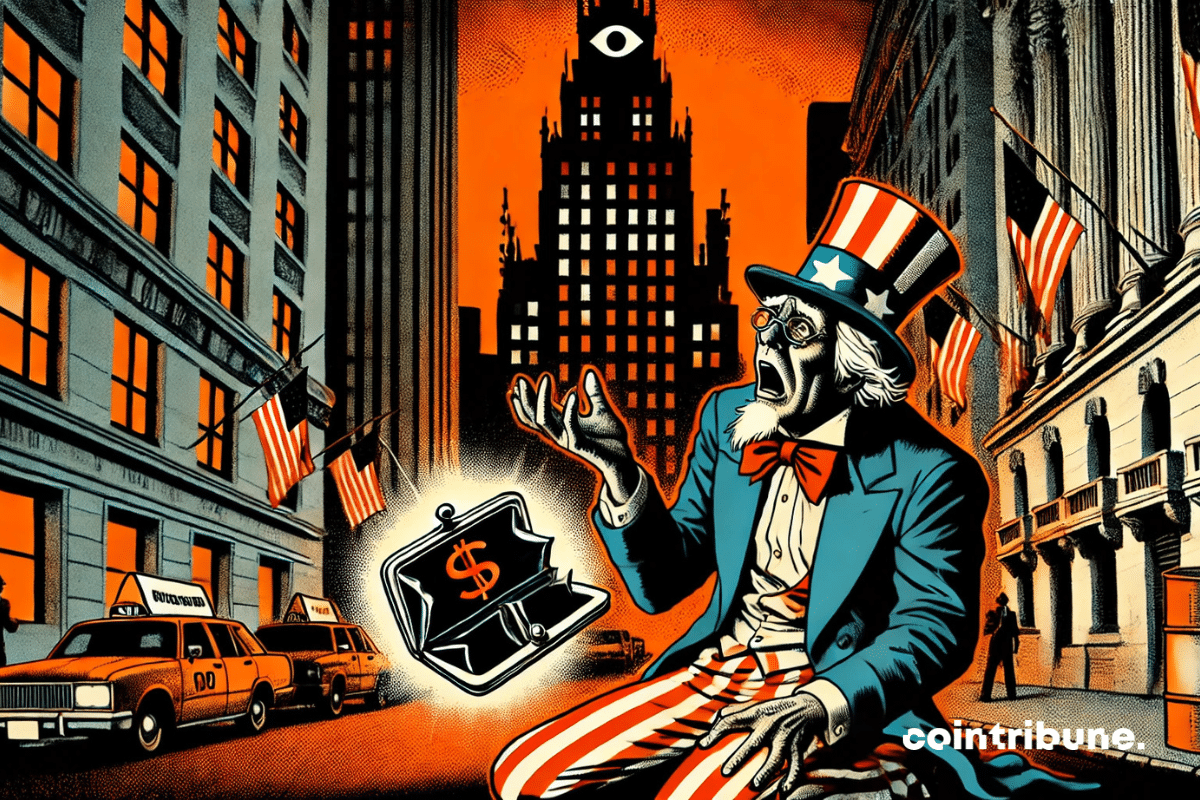
Larry Fink, head of the world's largest asset manager, BlackRock, believes that the American economy may have already entered into recession, mainly due to the impact of Donald Trump's tariff policies.

Crypto in France is moving out of its phase of euphoria towards a more mature structuring. This 2025 study by Adan (Association for the Development of Digital Assets), conducted with Deloitte and Ipsos, presents a clear assessment: stabilized adoption, asserted industrial ambitions, but persistent challenges. Amid the rise of Web3, institutional openness, and regulatory barriers, the French ecosystem is carving its path towards sustainable integration. This survey sheds light on the springs of a dynamic in full redefinition, where the strategic future of cryptocurrencies in Europe is at stake.

Born from a meme, Dogecoin has established itself as a paradox of cryptocurrencies: both a joke and a serious asset. This Saturday, the price of DOGE surprised with a 6% rebound, reaching $0.166. Behind this surge, a rare technical signal on the hourly chart rekindles speculation. But amid contradictory indicators and recent news, the trajectory of the crypto dog remains enigmatic.

JPMorgan crushes forecasts but tempers euphoria. Through the publication of historical results for the first quarter of 2025, the leading American bank asserts its power amid ongoing volatility. However, Jamie Dimon is not celebrating victory. He warns of an accumulation of systemic risks, from inflation to geopolitical tensions. This dual signal, between accounting triumph and strategic warning, summarizes the paradoxes of a banking sector facing an uncertain world.

In response to the turbulence in the financial markets amplified by Donald Trump's trade policies, Susan Collins, president of the Boston FED, announced that the Federal Reserve is preparing to intervene. Among the options considered to stabilize the markets, a reduction in interest rates could become inevitable if the situation deteriorates.
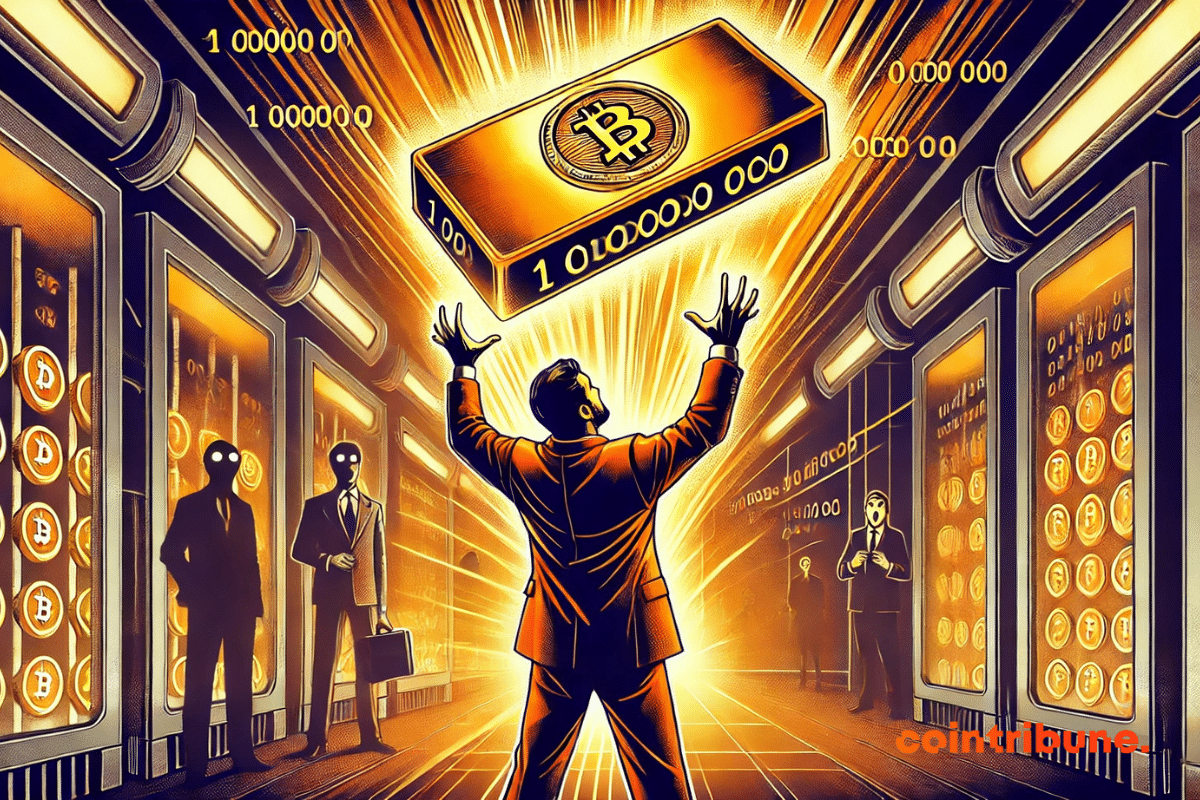
As geopolitical tensions and economic turbulence create a chaotic financial landscape, tokenized gold emerges like a beacon in the storm. For the first time since the 2023 banking crisis, its trading volume surpasses the symbolic one billion dollar mark. This achievement combines technological audacity with an ancestral instinct for value preservation. However, behind this figure lie complex dynamics where political decisions, market fears, and blockchain innovation intertwine.
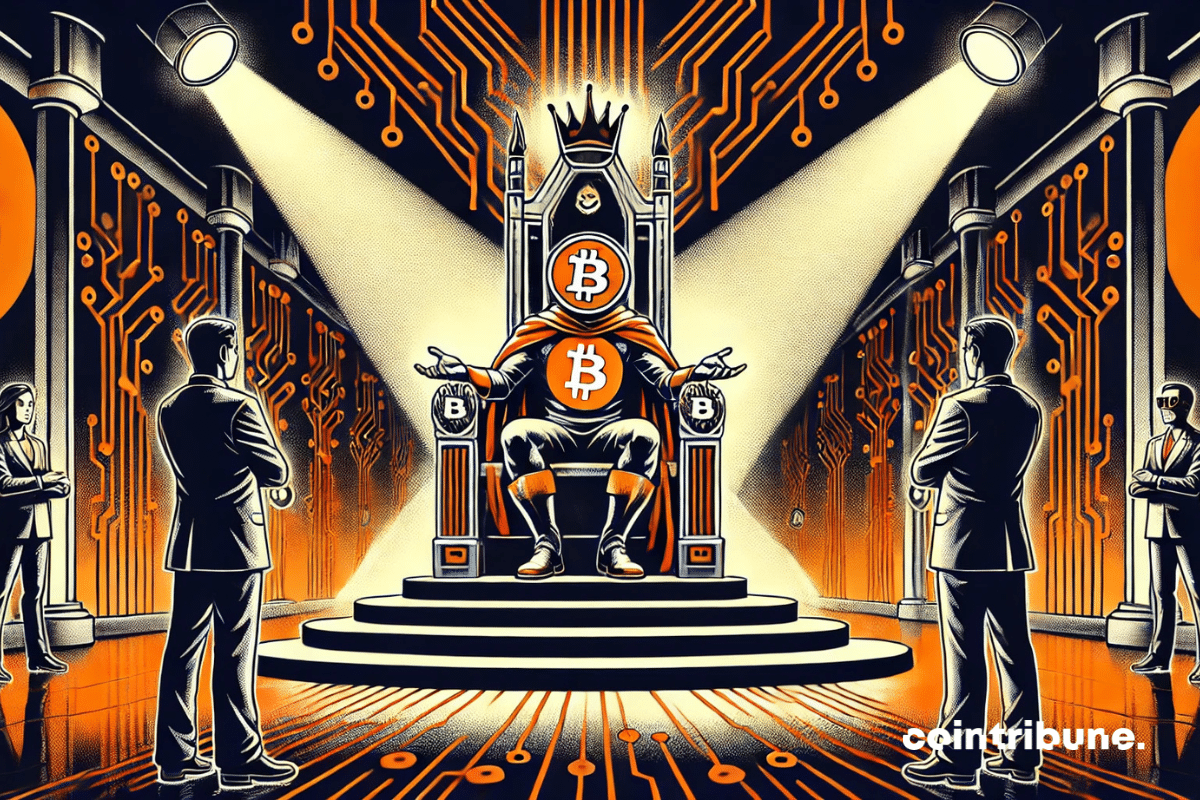
It is now the turn of the rating agency Standard & Poor's to endorse Bitcoin as a store of value.

In the midst of a commercial battle, the European Union agrees to negotiate the elimination of tariffs on Chinese electric vehicles. Supported by massive subsidies, these low-cost models disrupt the balance of the European market. This turnaround marks a turning point, as Europe, torn between industrial protectionism and ecological transition, opens itself to a risky compromise. In a key sector, this rapprochement could reshuffle the cards between two rival powers, linked by competition as much as by interdependence.
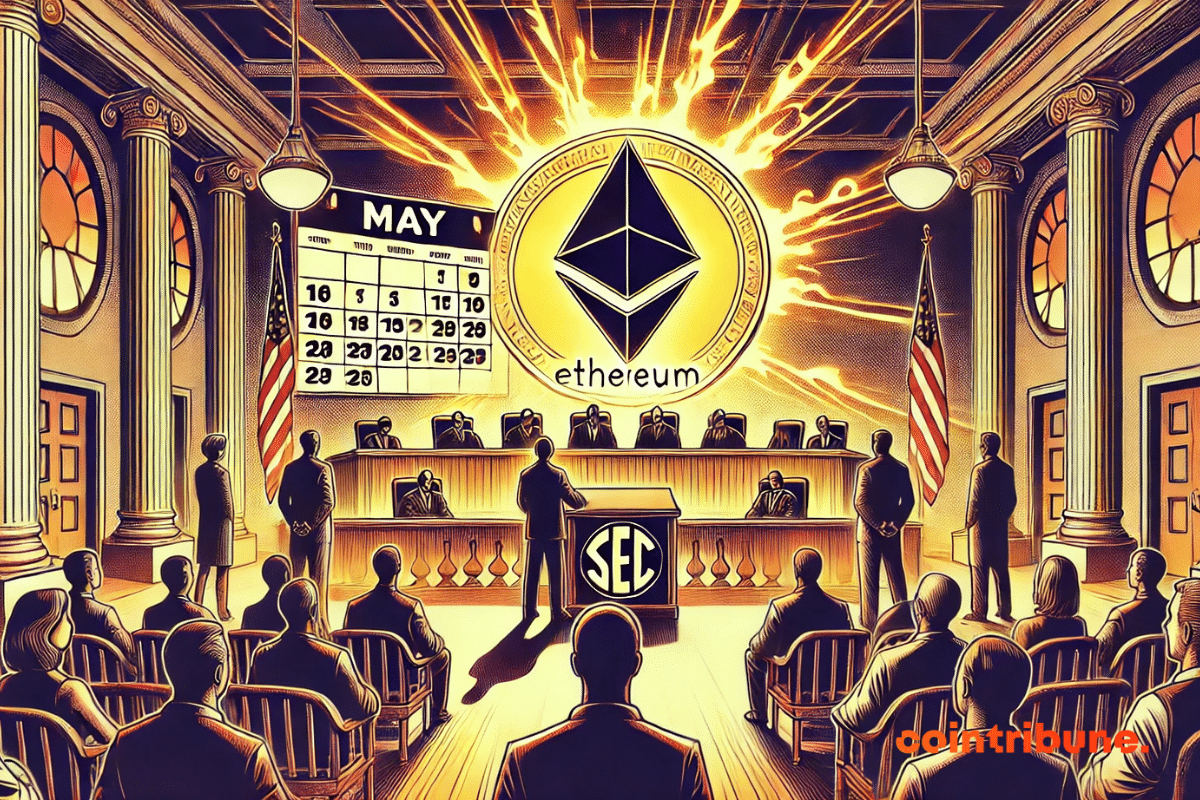
Ethereum ETFs, still lagging behind Bitcoin, are awaiting the blessing of staking to rise. The SEC could seal their fate by the end of 2025, but uncertainty remains.
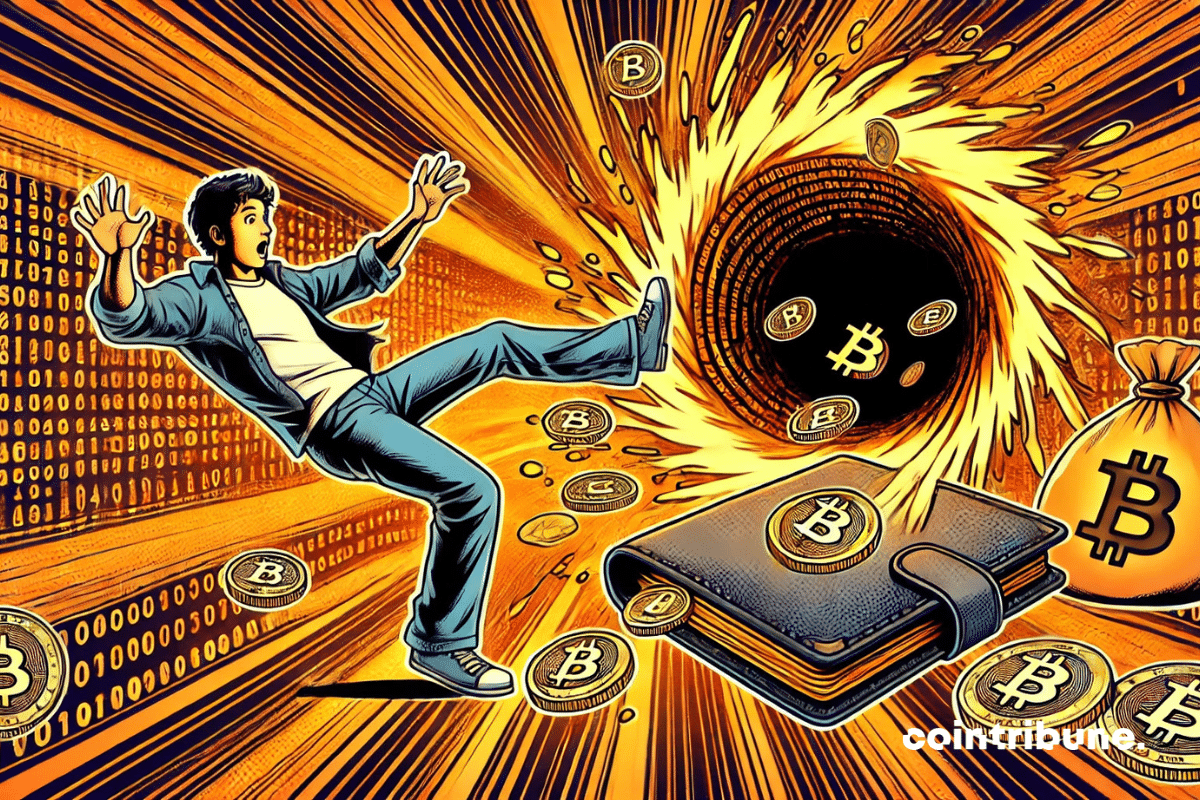
The crypto market, with its promises of exceptional returns, attracts thousands of new investors every day. However, in this volatile and complex ecosystem, mistakes can prove particularly costly. Amidst the deluge of contradictory information, fraudulent projects, and unpredictable fluctuations, navigating the crypto universe requires meticulous preparation and a rigorous strategy. Here is a detailed guide to the pitfalls to absolutely avoid in order to turn your crypto experience into lasting success.

As the crypto market wobbles under macroeconomic turmoil, Ethereum plunges into an unprecedented zone since March 2020. A historic signal awakens, but do investors still dare to believe in it?

The surprising decision by U.S. President Donald Trump to temporarily suspend reciprocal tariff rights has quickly reassured the markets and reduced the prospects of an economic recession.

As the trade war between the United States and China threatens the global balance, bitcoin is gradually emerging as the next international reserve currency.
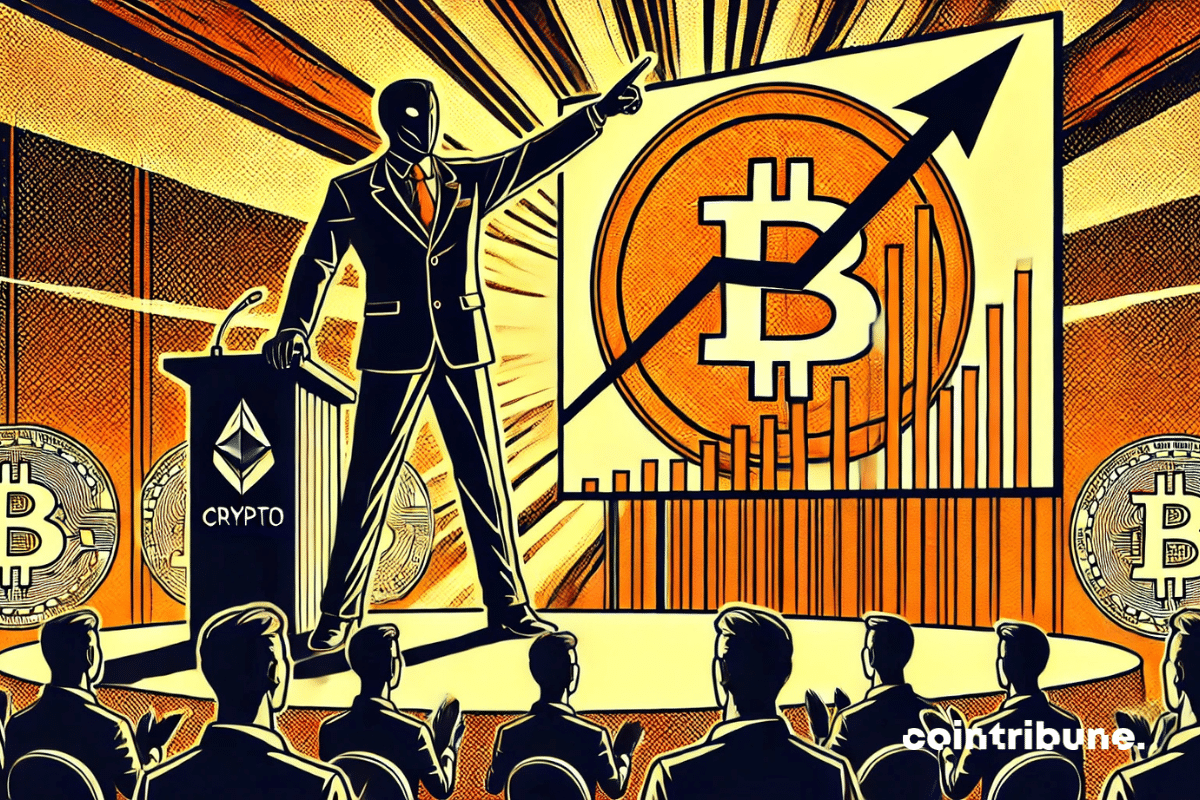
Long suppressed by regulations deemed hostile, the American crypto industry may be on the brink of a major turnaround. Indeed, Donald Trump's return to the White House is accompanied by a clear shift in direction: to make the United States a bastion of financial technologies. An unprecedented discourse is taking root at the top of the state, driven by a desire to break away from the Biden era. Behind the announcements, a strategy is taking shape, promising a new momentum for cryptos and a rehabilitation of the sector in the eyes of regulators.
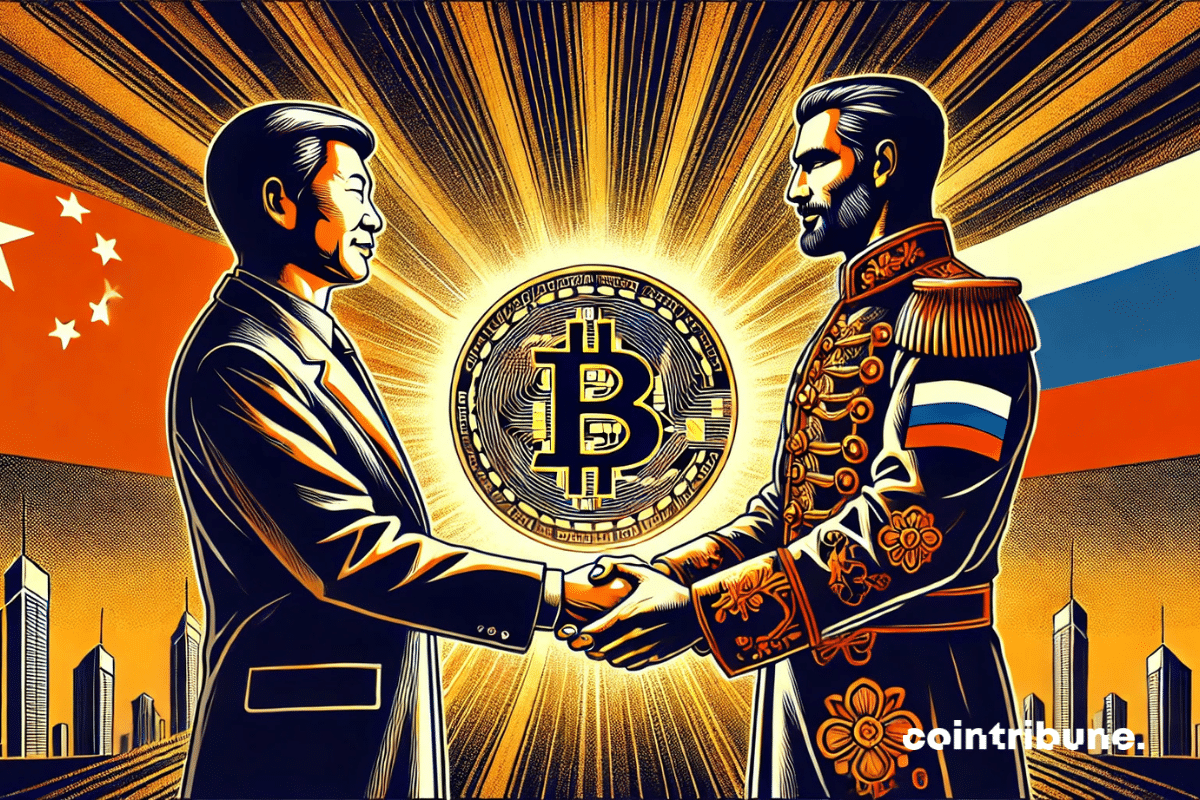
As the BRICS intensify their dedollarization strategy, Beijing and Moscow are taking an unprecedented step: using bitcoin to settle certain trade transactions. This initiative, revealed by VanEck, marks a symbolic turning point in the internationalization of cryptocurrencies. It reflects a clear intention to break free from financial circuits dominated by the West, aiming to give bitcoin a new geopolitical role. This shift could herald a new monetary order in which cryptocurrencies redefine the levers of economic sovereignty.

Blockchain in decline? Developers are abandoning the crypto space at an alarming rate. We provide all the details in this article!
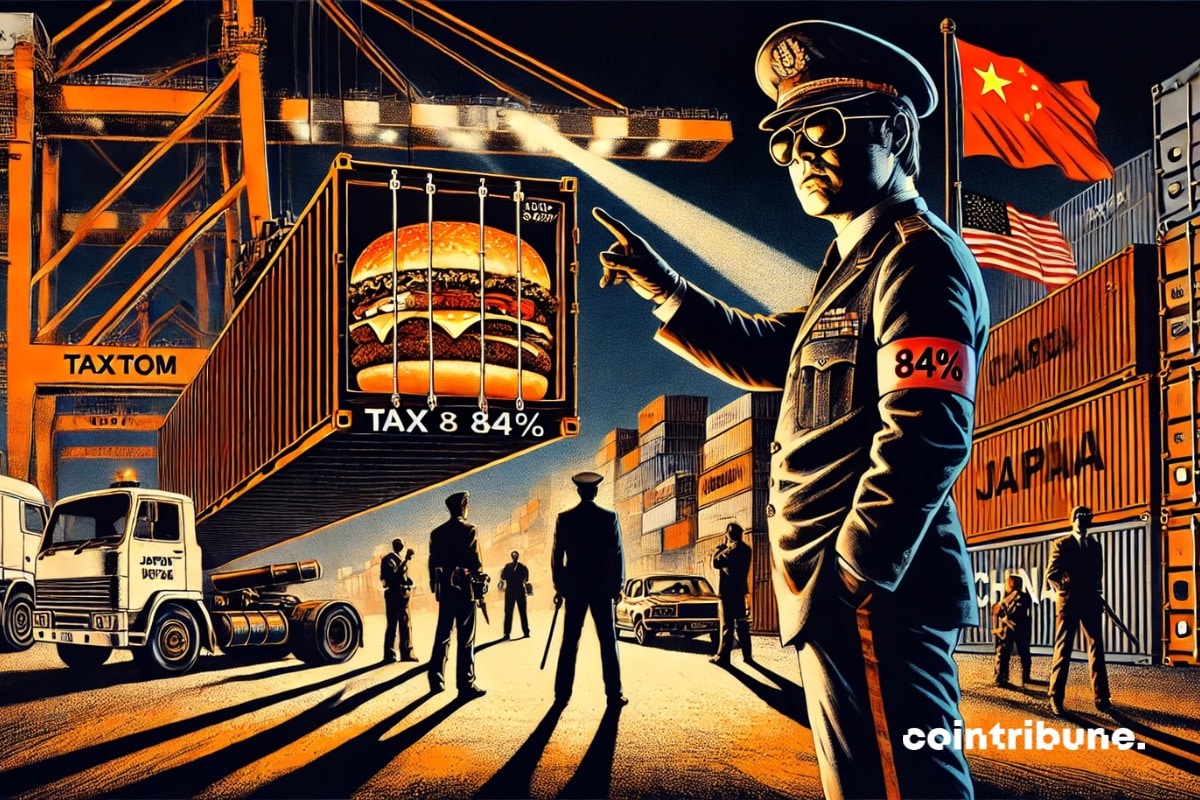
China announced on April 9 a dramatic increase in tariffs on American products, which will rise to 84% starting April 10, 2025 at 12:01 AM. This decision is a direct response to Donald Trump, who had raised tariffs on Chinese imports to 104% the day before!
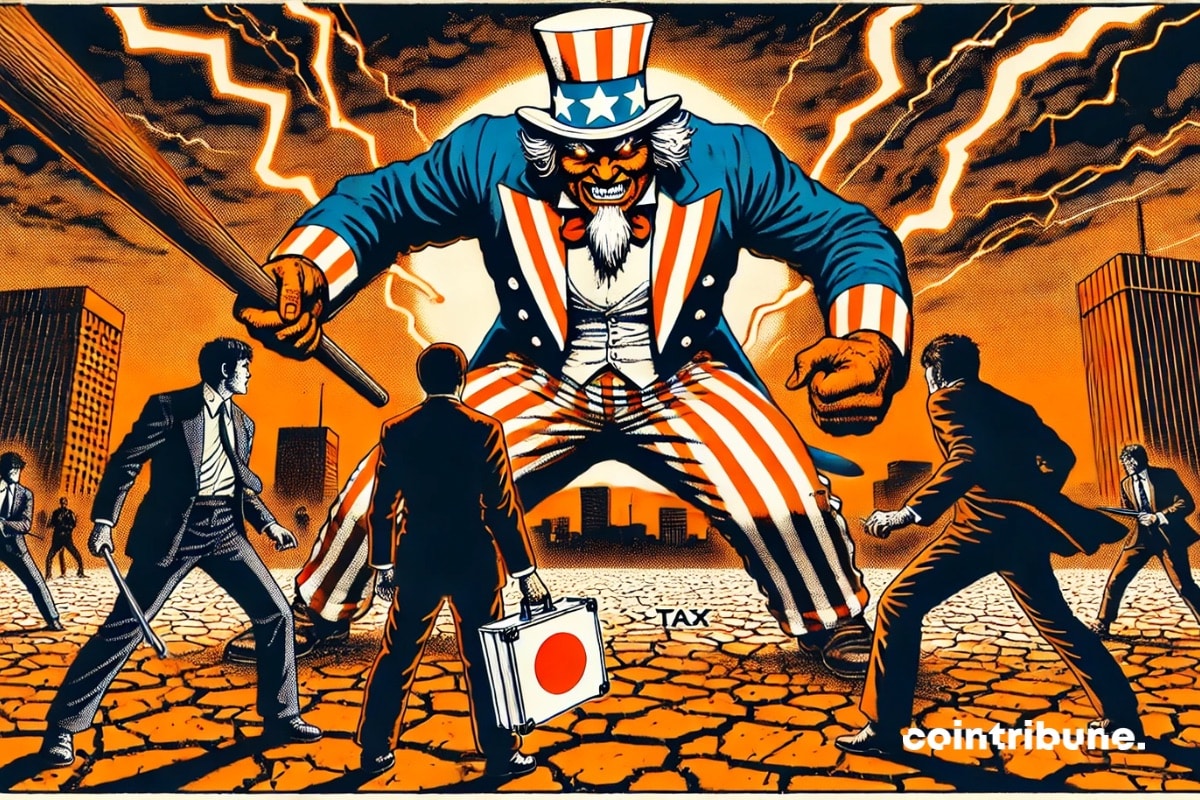
A new trade tension is shaking relations between Washington and Tokyo. Donald Trump's recent decision to impose massive tariffs on Japanese products is causing a shockwave. Japan is reacting, setting up a delegation, and trying to contain the crisis before it worsens.

Global trade is wobbling under the effect of a new escalation between Washington and Beijing. Donald Trump is reigniting the tariff offensive against China, rekindling a trade war that marked his previous term. Beijing, far from backing down, is deploying a firm response, determined to defend its strategic interests. This renewed showdown between the two superpowers resonates well beyond customs, threatens global economic balances, and stirs tensions in international markets. A confrontation whose implications could be felt well beyond American and Chinese borders.
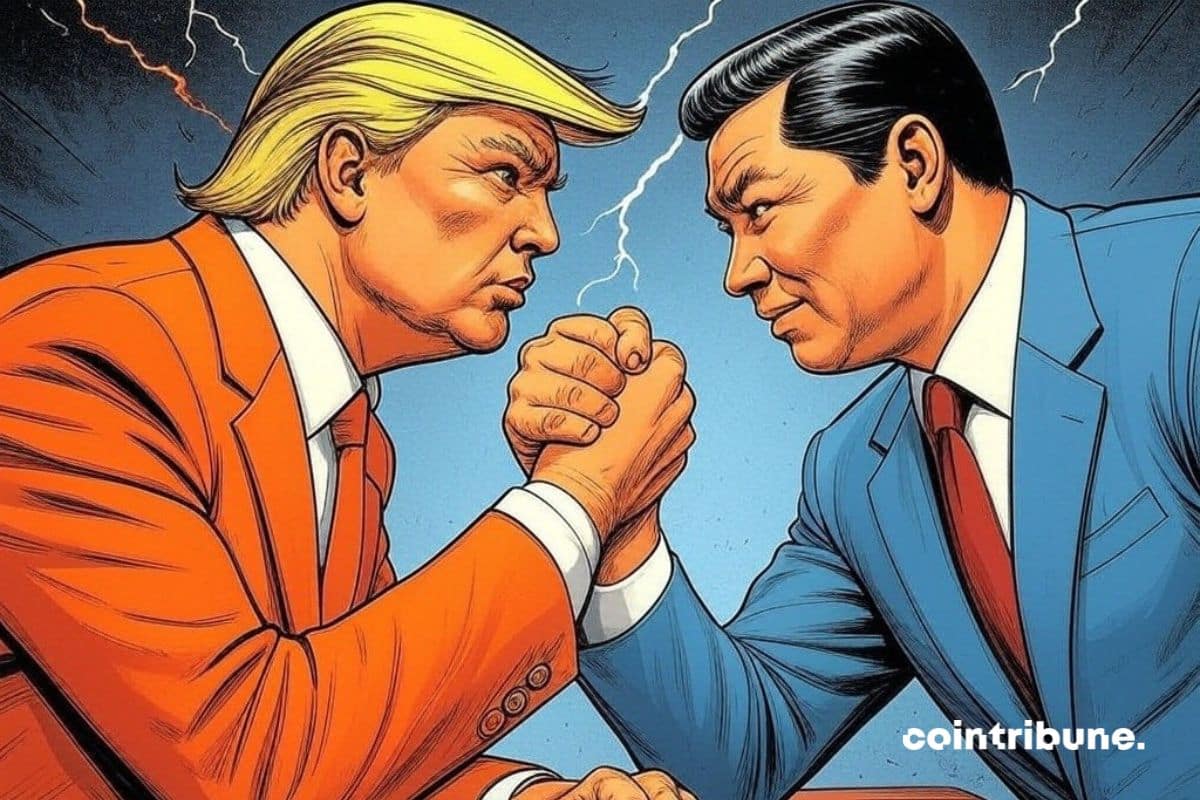
In a move that further intensifies the economic tensions between Donald Trump and China, the White House announced the imposition of an additional 104% tariffs on Chinese imports. This measure comes after China has evidently maintained its own 34% duty on American exports.

Global stock markets regained some stability on Tuesday after three days of historic turbulence, despite worsening trade tensions triggered by Donald Trump's new protectionist measures.
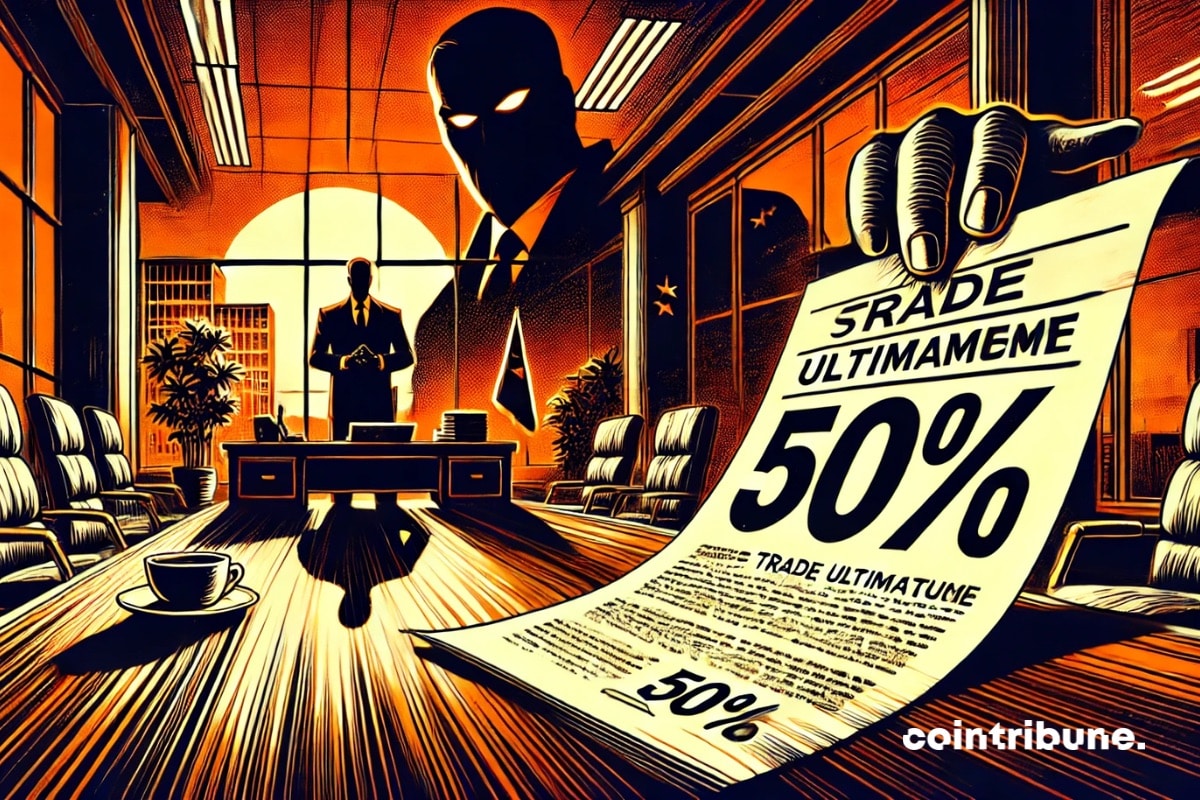
Donald Trump reignited trade tensions with China on Monday, April 7, by threatening to impose "additional" tariffs of 50% on Chinese products. This new escalation would occur as soon as April 9, if Beijing does not reverse its decision to retaliate against the U.S. customs offensive. China had indeed announced an increase of its own tariffs to 34% on American imports, effective April 10.