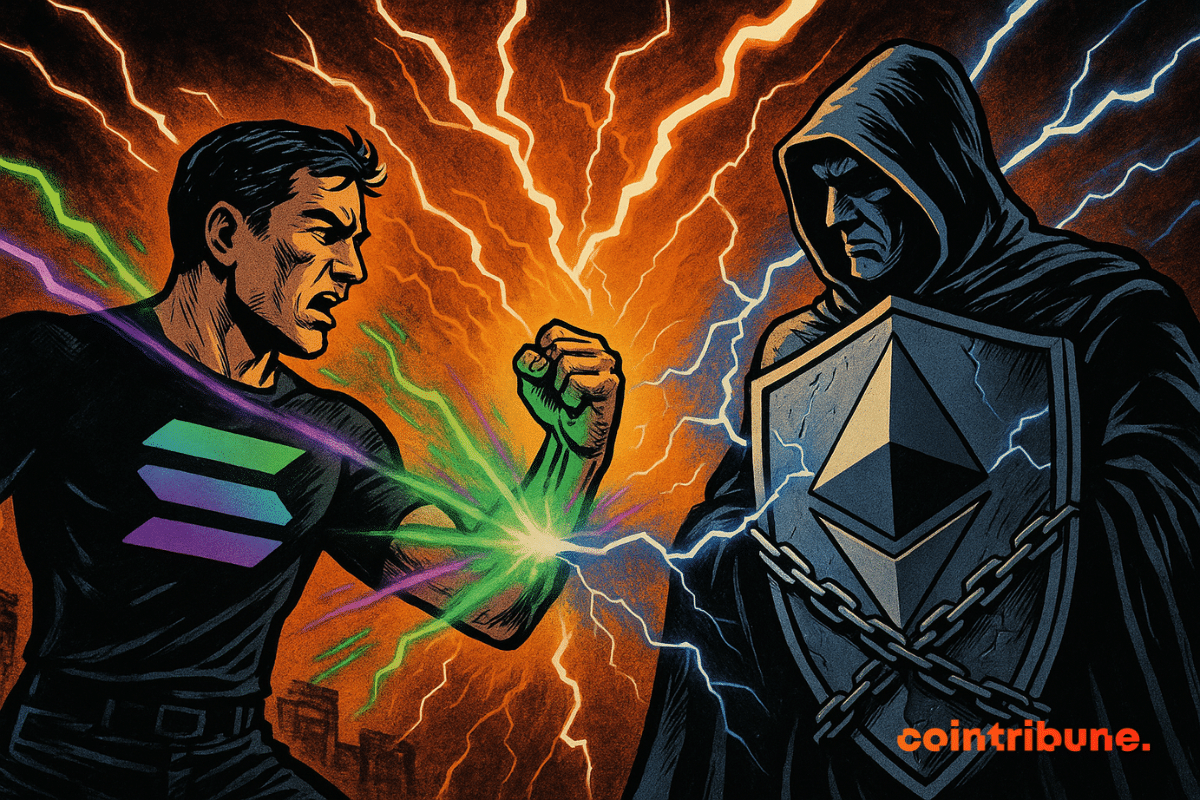
When Solana attacks Ethereum at the throat: Yakovenko reveals the dubious backstage of Layer-2s. Behind the security promises? Omnipotent multisigs and bridges with shaky trust.
The ongoing conflict between Fetch.ai and the Ocean Protocol Foundation may soon reach a peaceful resolution, as both sides signal a willingness to settle their differences outside the courts. The dispute, which began after their brief merger under the Artificial Superintelligence Alliance, centers on the alleged sale of millions of FET tokens.
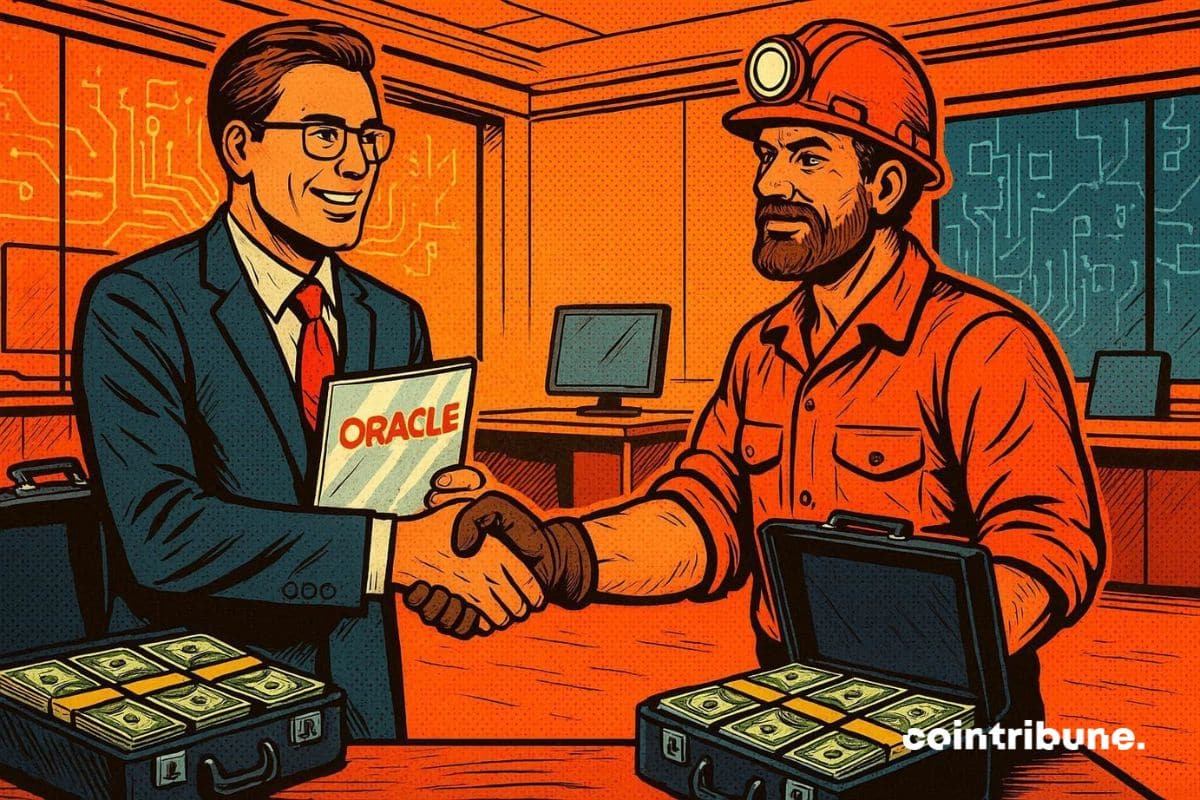
A record $38 billion contract just changed everything. Oracle is betting on AI, and crypto miners are already benefiting. Discover how this mega-deal is revolutionizing markets, boosting stocks, and opening a new era for crypto.
Bitcoin miners are taking on record levels of debt to finance new equipment and expand operations into artificial intelligence (AI) and high-performance computing (HPC). As competition for hashrate intensifies and post-halving profits shrink, miners are increasingly turning to debt markets to maintain an edge in both Bitcoin production and data infrastructure growth.
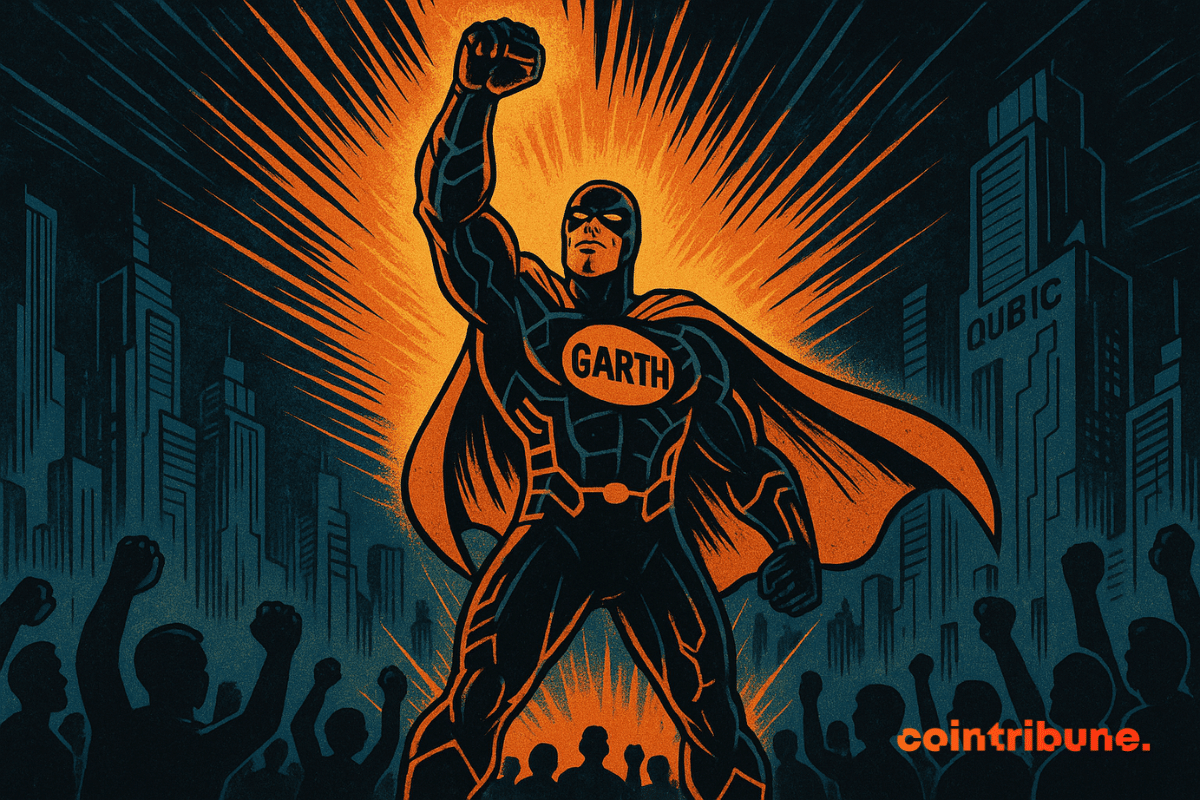
In the universe of meme coins, Garth ($GARTH) stands out with a radically different approach. Launched on the Qubic blockchain in July 2025, this project doesn't just exploit the enthusiasm for humorous cryptocurrencies: it builds a complete ecosystem combining DeFi, NFT, and gaming. While the Qubic blockchain displays record performance of 15.5 million transactions per second certified by CertiK, $GARTH aims to become the first highly liquid token on the network.
American Bitcoin Corp. (ABTC)—co-founded by Eric Trump—has released its October 2025 investor presentation, marking a major milestone in its evolution from a pure Bitcoin miner to a full-scale digital-asset ecosystem. The strategy focuses on building a U.S.-based Bitcoin powerhouse to reinforce America’s leadership in the global Bitcoin market.
OpenAI’s ChatGPT Atlas is a new browser that lets users interact with AI on any website, streamlining tasks while keeping privacy in mind.
Google claims to have reached a major milestone in quantum computing. Its Willow processor reportedly performed a molecular modeling task 13,000 times faster than a supercomputer. The announcement, supported by verifiable results, reignites the debate on the security of cryptographic systems. As bitcoin and other protocols rely on algorithms vulnerable to quantum computing, this technical breakthrough turns a theoretical threat into a concrete challenge for the entire blockchain ecosystem.
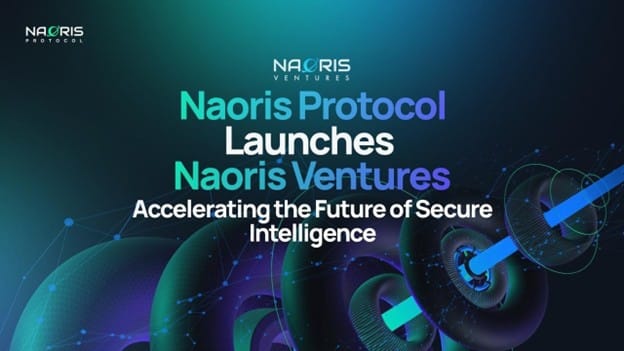
Naoris Protocol, the first in production quantum-resistant blockchain and cybersecurity mesh architecture, has announced the launch of Naoris Ventures, a dedicated venture arm driving the adoption of decentralized, post-quantum security infrastructure across critical global systems.
Hackers disguised as pink rabbits siphon your cryptos through charming tweets. CZ, the former head of Binance, reveals the backstage of a great tense digital circus.
Valuations of artificial intelligence are soaring, sometimes without profitability to support them. Voices are rising, recalling the excesses of the 2000 Internet bubble. Disproportionate weight of sector giants in indices, massive investments, widespread enthusiasm: signs of a possible overheating are accumulating. In this climate of euphoria, a question reemerges: is AI the engine of a new economic era or that of a speculative bubble ready to burst?
A recent analysis of blockchain developer activity has revealed a strong influx of new talent across major ecosystems, with Ethereum maintaining its dominance. The report, based on data from Electric Capital, highlights shifting developer trends and growing debates over how blockchain contributions are tracked.
Human visits to Wikipedia have dropped 8% as AI tools and bots change how people access information, raising concerns among publishers.
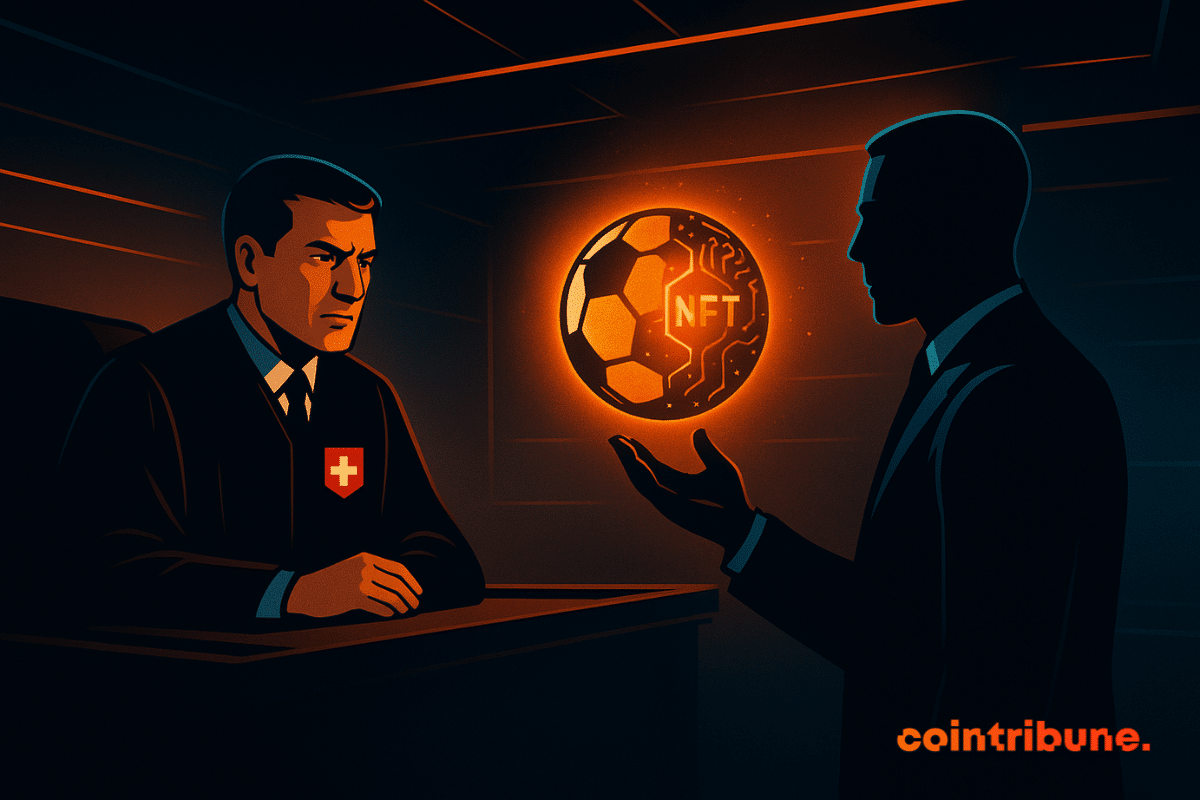
Switzerland’s gambling watchdog has filed a formal complaint against FIFA’s NFT platform, accusing it of operating as an unlicensed gambling service. The move signals growing regulatory pressure on digital collectibles and Web3 ventures as authorities grapple with how blockchain-based reward systems fit within traditional gambling laws.
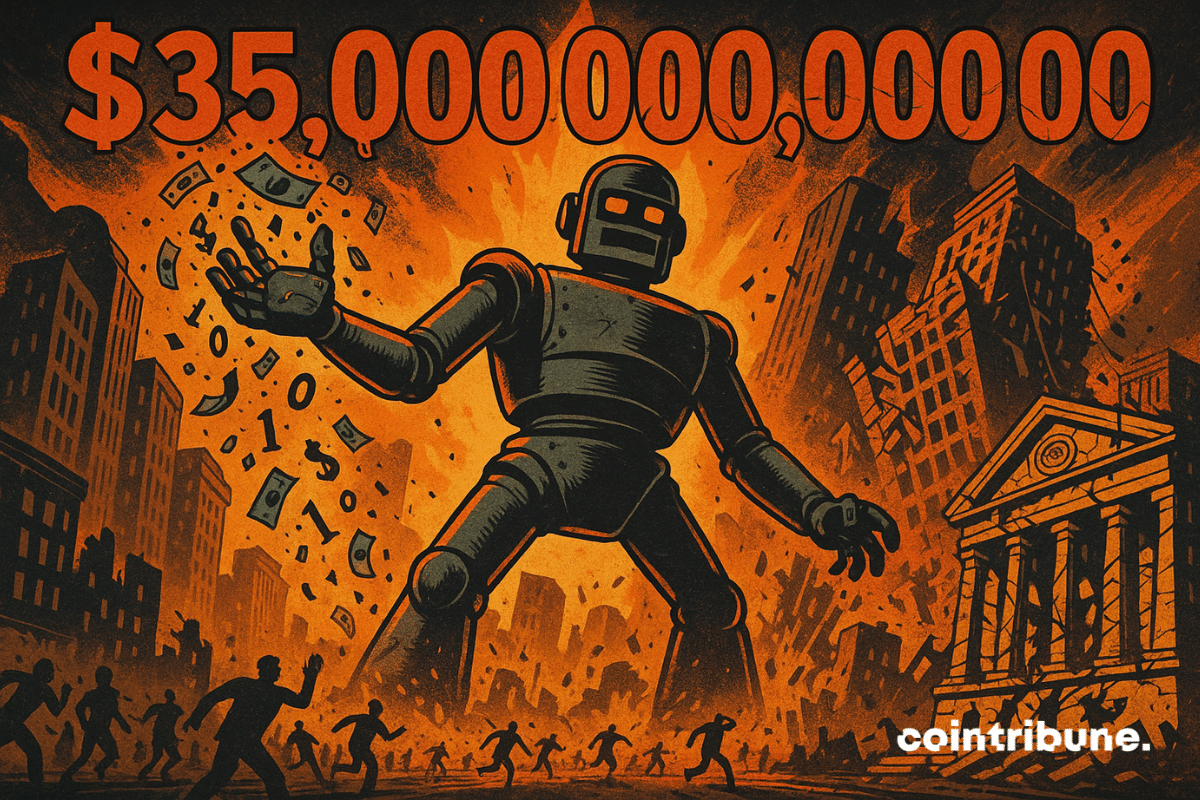
Gita Gopinath, former IMF Deputy Director, warns of a potential financial explosion. Driven by the euphoria around artificial intelligence, the current rally in US markets could, according to her, trigger an unprecedentedly violent global correction. At stake, up to $35 trillion in losses on global assets.
Bitcoin miners are getting a brief reprieve after months of mounting pressure. At block height 919,296, the Bitcoin network recorded its first difficulty drop since June—a 2.73% decrease to 146.72 trillion. The adjustment offers temporary relief after a prolonged period of rising computational demand that pushed many miners to the brink.
At Google, they are serious: an AI that talks, films, and directs? Veo 3.1 arrives with sound, style... and a little desire to dethrone Sora.
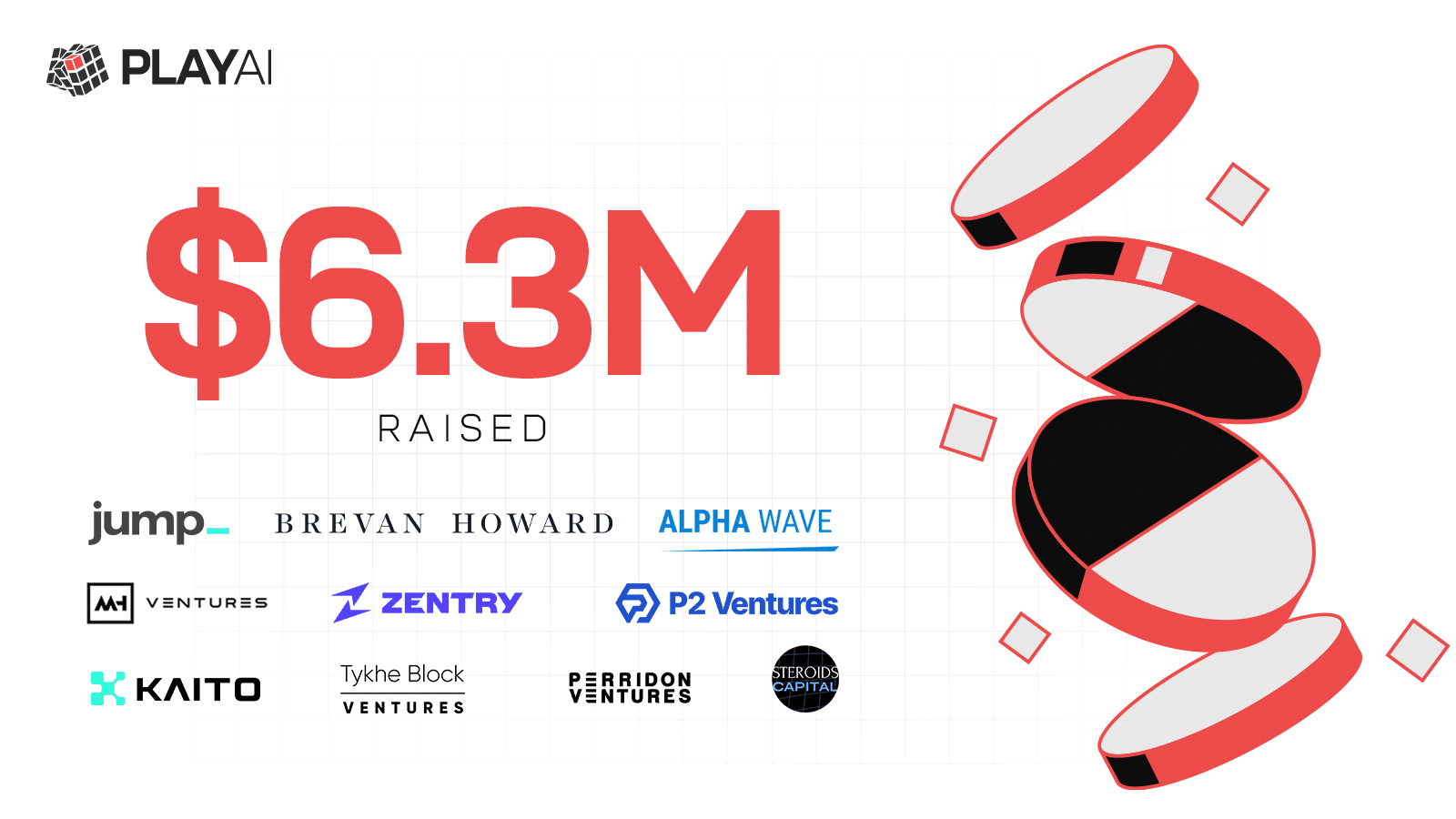
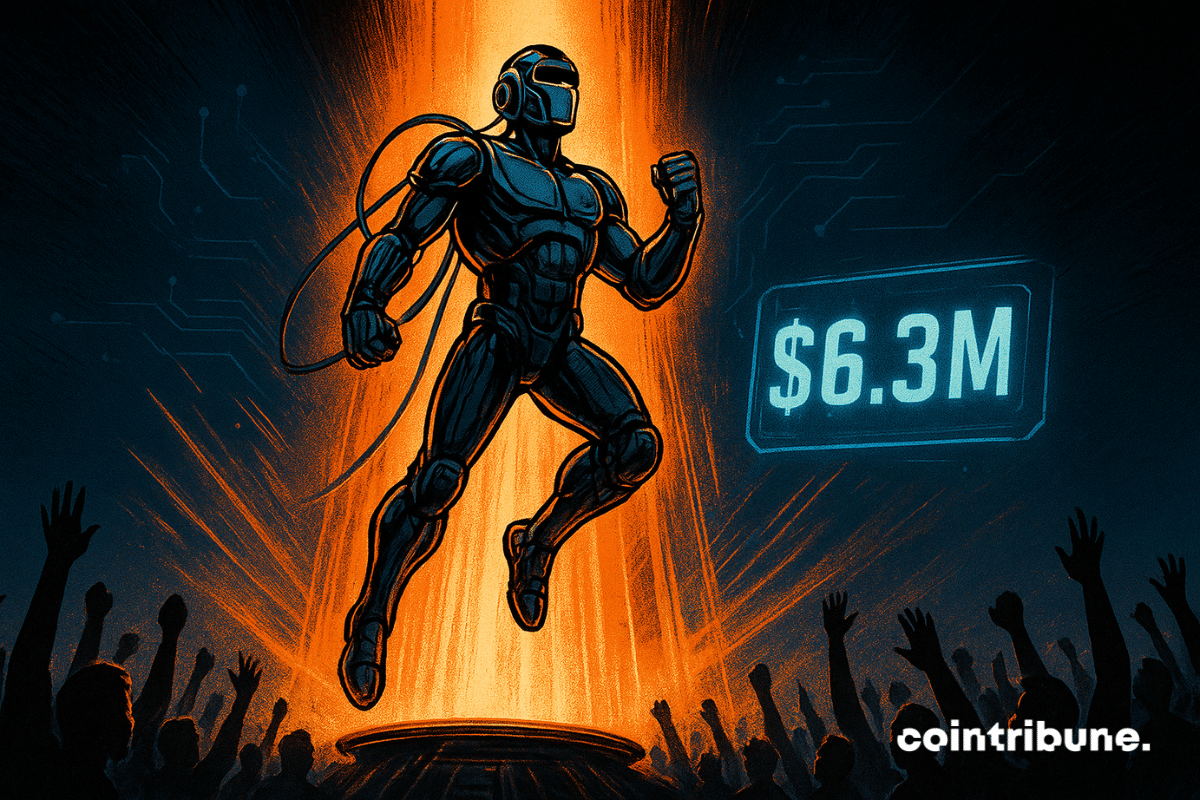
Following new strategic funding and the upcoming mainnet launch, PlayAI has now raised $6.3 million, accelerating its mission to make AI-powered automation native to the blockchain.
PlayAI has just announced the official launch of its mainnet following a $2 million community fundraising led in partnership with Kaito. This news brings the project's total funding to $6.3 million, reinforcing its mission: to democratize automation powered by blockchain-native AI.
Cloudflare has partnered with Visa, Mastercard, and American Express to help shape the future of digital payments through a secure foundation for “agentic commerce.” The collaboration aims to develop authentication systems that enable trusted software agents to make purchases and payments autonomously—while protecting merchants from fraudulent bots.
Crypto crash: NFTs lose $1.2B, then timidly recover. Are investors really coming back? Full breakdown.
Bitcoin v30 expands OP_RETURN, triggering technical discord: between ambitious modernity and betrayal of roots, the protocol's core heats up faster than a saturated node!
Hyperliquid is about to activate on October 13 its HIP-3 upgrade, a revolution that will allow any developer to create perpetual futures markets without prior authorization. This major breakthrough marks a turning point in the decentralization of crypto exchanges.
When a zen kingdom digitizes its papers on Ethereum, Vitalik applauds, miners meditate, and tech giants… go offline. Bhutan, or the art of chaining blockchain to happiness.
Bitcoin’s next major rally could take it well beyond previous highs, according to Pantera Capital CEO Dan Morehead. In a recent interview with CNBC, Morehead outlined a long-term view that envisions Bitcoin reaching $750,000 within five years. He also predicted a sharp consolidation across the blockchain industry, led by Bitcoin, Ethereum, and Solana. His remarks coincided with new investment initiatives centered on Solana’s growing market position.
Bitcoin miners are using their existing energy infrastructure to gain an edge in AI, enabling faster deployment of data centers.
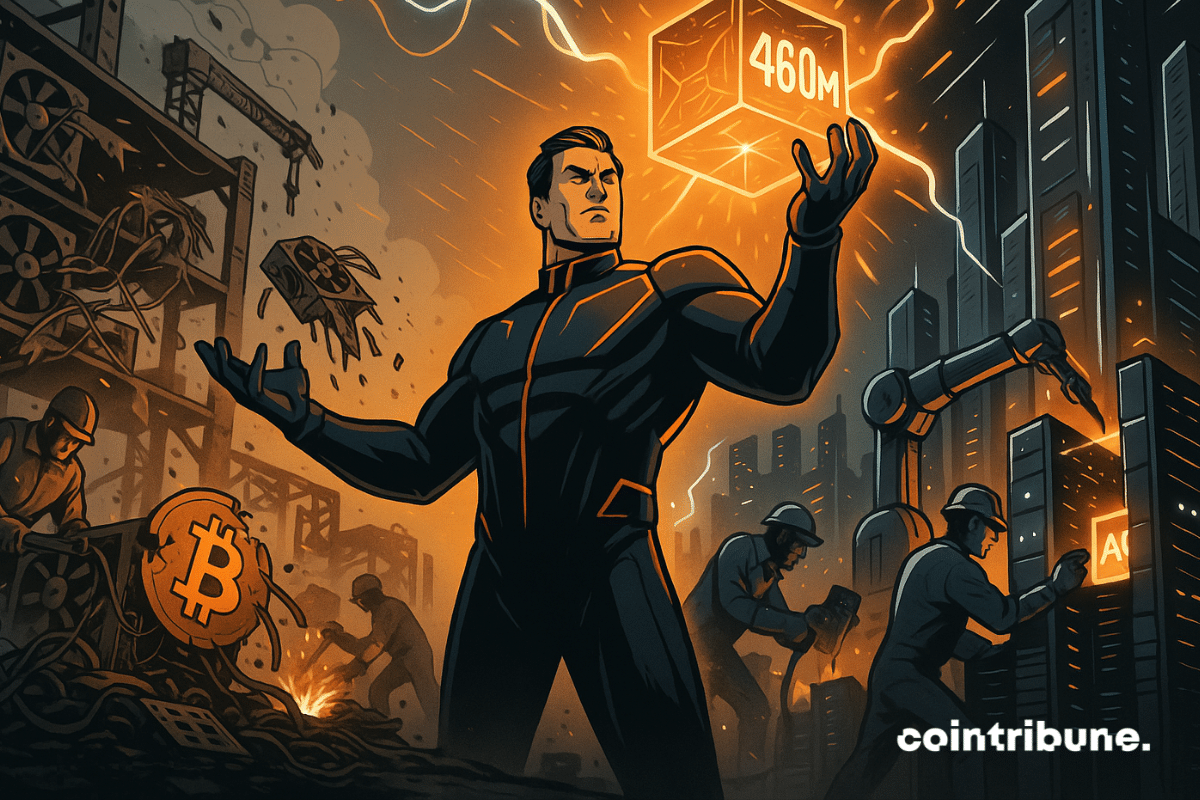
Galaxy Digital secured $460M to develop its former Bitcoin mining site in Texas into a large-scale AI and high-performance computing data center.
When Washington hastily drafts a law, AI becomes a matter of state, crypto miners suffer, and exporters bite their nails. All this, just to stay first.
Lost private key, millions gone, disillusioned trader... While Hyperliquid shines, thieves never forget to act. Wild crypto seeks reckless for one-way operation.
Nvidia becomes the world’s most valuable company at $4.68 trillion, fueled by AI demand and global expansion.