$1.1 billion in 7 days! Crypto ETPs have just smashed their records, with Bitcoin leading ($872M) and institutions making a strong comeback. A historic trend or just a rebound?
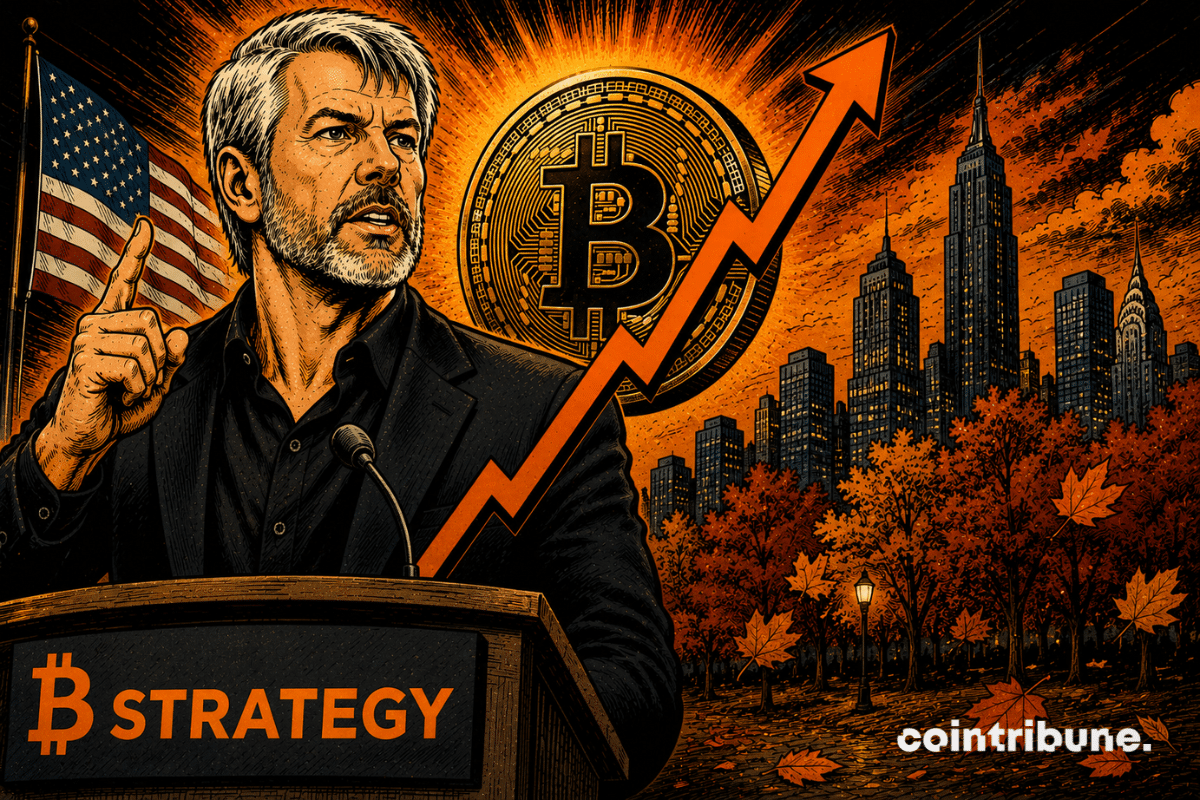
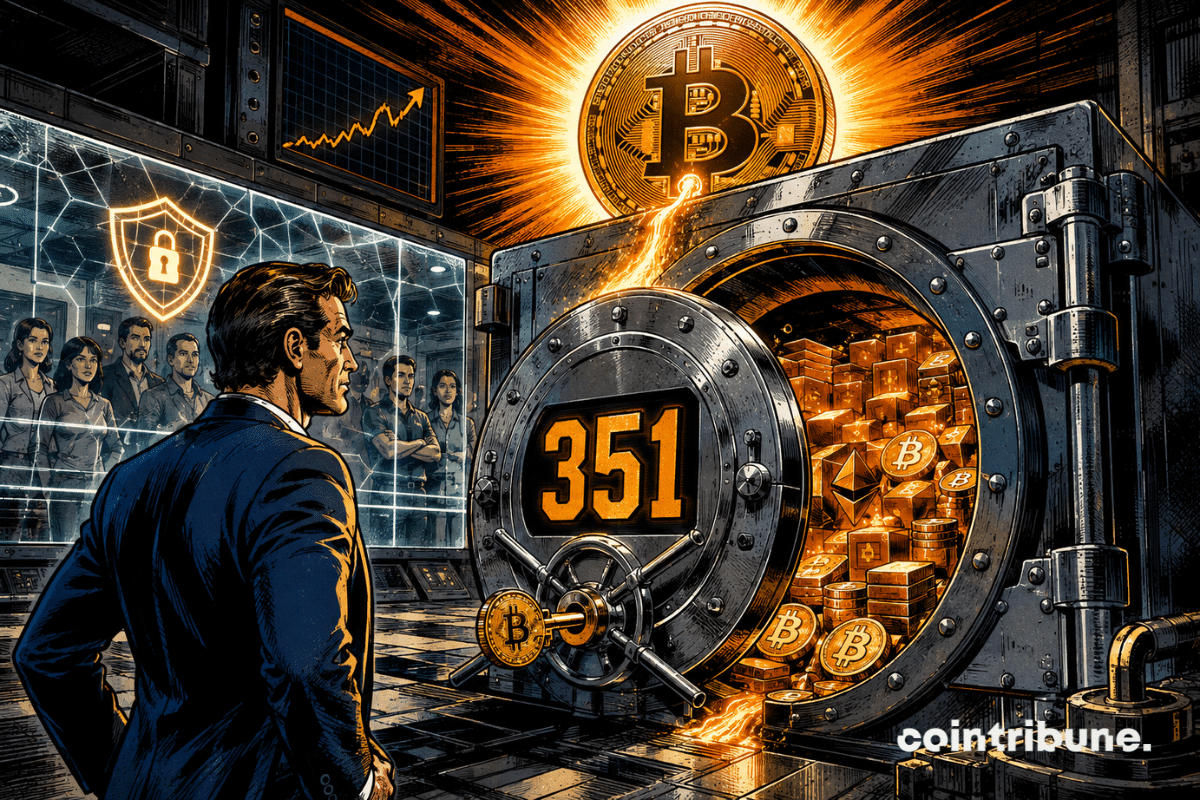
Michael Saylor puts one billion dollars back into bitcoin. Strategy bought 13,927 BTC between April 6 and 12, 2026, bringing its total reserve to 780,897 BTC. Despite volatility and latent losses, the accumulation machine is still running.
The countdown to the 2028 halving has already begun… and it exposes a reality that few investors anticipate. At the midpoint, the mining ecosystem enters an unprecedented tension zone, far from the balances observed during the previous cycle. Rising costs, increased competition, and structural changes reshape the rules of the game. This halfway point is not trivial, as it marks the beginning of a decisive turning point for companies in the sector as well as for the entire Bitcoin market.
While the crypto market coughs and looks at its shoes, Saylor reloads the Bitcoin wheelbarrow. Fourteen billion in losses? Not even scared, he asks for more.
Bitcoin ETFs have just recorded their best week in nearly two months. A strong signal, as the crypto market was barely emerging from a dark streak marked by massive withdrawals and persistent volatility.
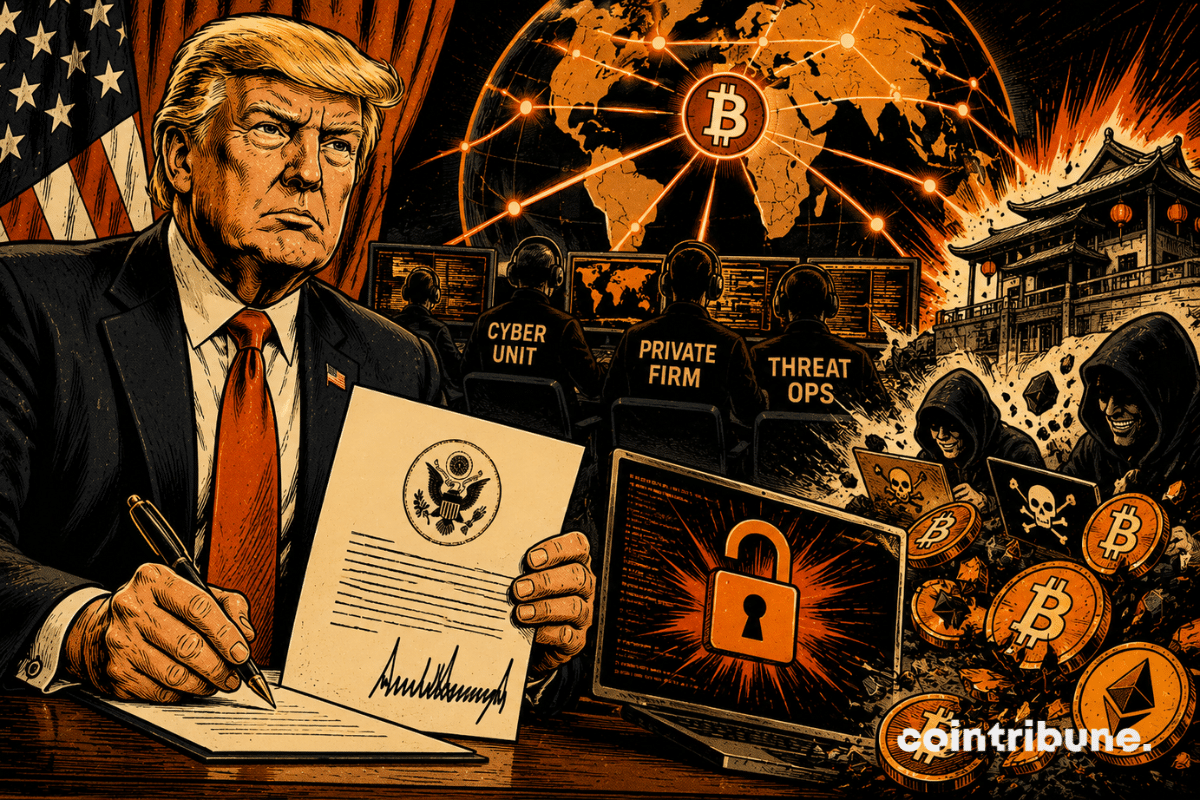
The United States transferred seized bitcoins to a Coinbase Prime address. The important point is not the amount, modest in market terms. The real signal is that Washington is increasingly treating confiscated bitcoin as an asset to be organized, stored, and integrated into a broader public strategy.
After a prolonged hesitation phase, buyers regain the initiative, supported by aligned technical and on-chain indicators. Traders now set a clear course for bitcoin at 88,000 dollars, in a context where the market structure recalls phases preceding major impulses. Between a critical threshold and strategic accumulation, a new dynamic seems to be settling, with a potential lasting shift in sentiment favoring bullish investors.
The Strait of Hormuz, a critical hub of global oil, could become the site of an unexpected monetary experiment. According to several revelations, Iran is considering imposing crypto payments on tankers passing through this strategic route. Behind this hypothesis lies an attempt to circumvent international sanctions while testing an alternative financial model. At the crossroads of energy and digital challenges, this initiative places bitcoin at the heart of an unprecedented power struggle between states and markets.
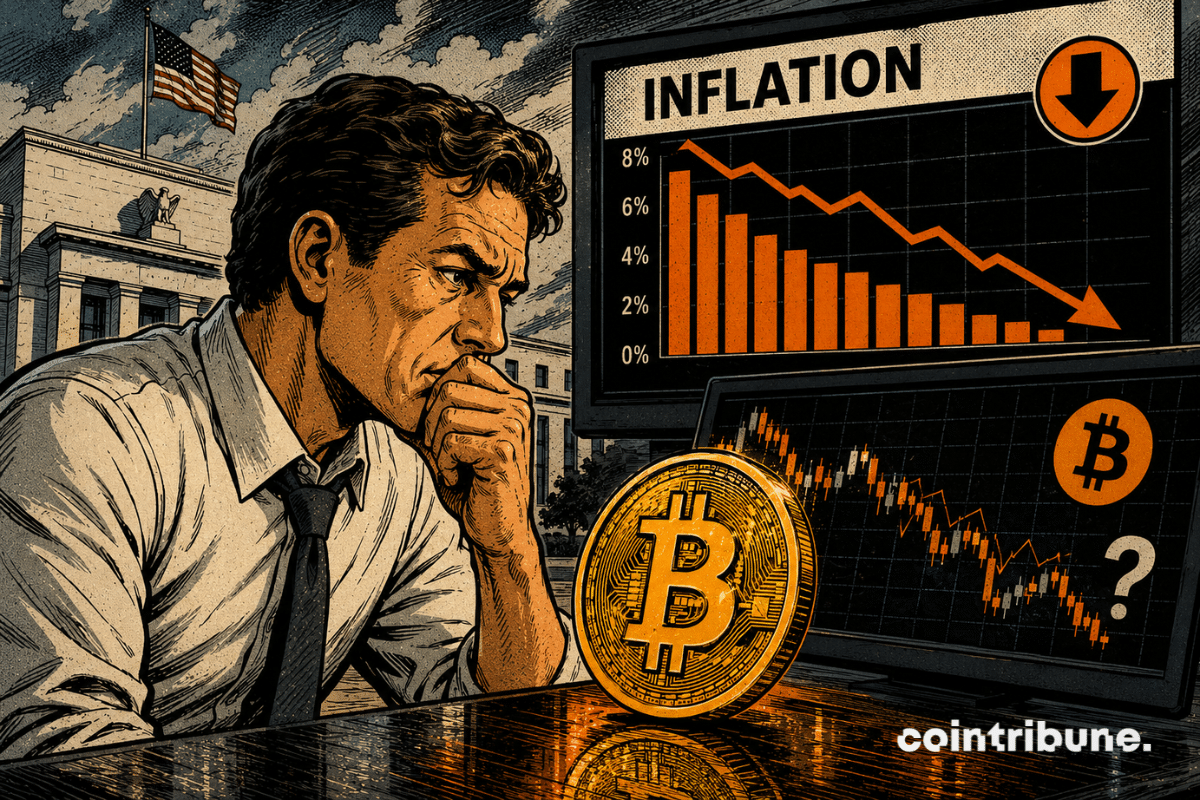
Bitcoin reaches 73,000 dollars amid a mixed macroeconomic context. The latest US inflation data signal a moderate price increase but mask a historic surge in energy costs. This gap fuels an uncertain market reading, between apparent stability and underlying tensions.
Japan is clearly shifting gears. By approving, on April 10, 2026, a reform that brings crypto assets into the realm of financial instruments, Tokyo no longer treats crypto as a mere extension of digital payments. The country now chooses a logic of market, oversight, and investor protection.
He had a one in 300 years chance to succeed. Yet, this solo bitcoin miner just pocketed $225,000. All details in this article!
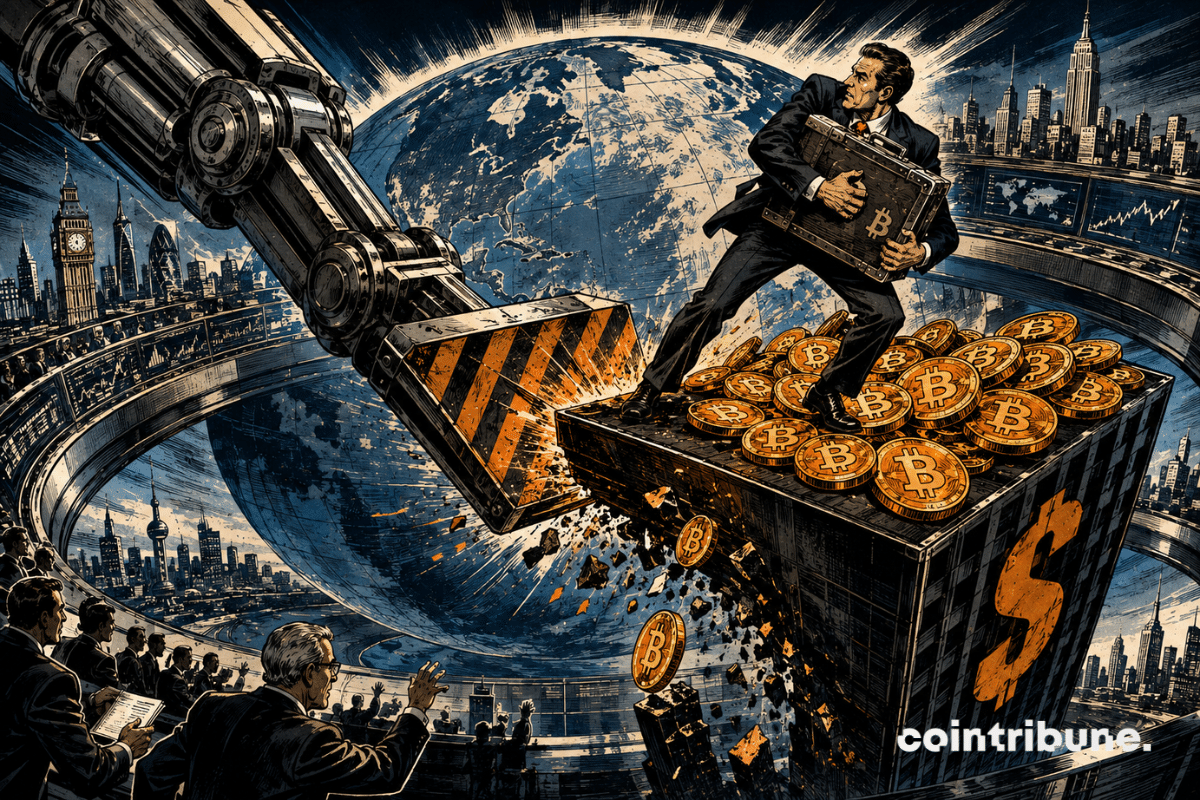
Bitcoin has just reached a new milestone on Wall Street. With MSBT, Morgan Stanley places bitcoin at the heart of traditional wealth management finance, no longer only in the realm of already convinced investors. The signal goes beyond a simple product launch. It shows that the battle is now about access, fees, and distribution.
While Satoshi's identity continues to fascinate the crypto ecosystem, a new controversy rekindles the debate. A recent investigation puts forward the name Adam Back as the creator of Bitcoin, but Michael Saylor strongly disputes this hypothesis. Between linguistic analyses, old exchanges, and lack of cryptographic evidence, the mystery remains unsolved. In a sector seeking certainties, this new confrontation mainly illustrates one thing: the Satoshi enigma still resists all identification attempts.
Quantum computing is gradually establishing itself as the next major challenge for bitcoin, reigniting fears of a structural flaw at the heart of cryptography. Faced with this rise in concerns, Bernstein decides: no catastrophic scenario in the short term. The issue would not be the survival of the network, but its ability to evolve. Between technological breakthroughs and protocol adaptation, Bitcoin enters a pivotal phase where anticipation and innovation could redefine its future.
The Strait of Hormuz becomes the ground for an economic revolution. Indeed, Iran now imposes a Bitcoin toll to let tankers pass. A decision that propels cryptos to the heart of geopolitical conflicts and threatens oil markets.
On Wall Street, money flows out through the crypto ETF door while Morgan Stanley comes in through the window with its bitcoin trust. The dance of the hesitant truly begins.
The mystery surrounding the creator of Bitcoin resurfaces. A new investigation by the New York Times points to Adam Back as the probable Satoshi Nakamoto. But between firm denials and weak evidence, the truth still seems out of reach. Are we finally witnessing the end of a myth... or yet another false lead?
Bitcoin reacted immediately to Donald Trump's statements on the conflict between the United States and Iran. In a context of heightened tensions, the crypto market recorded a rapid increase, driven by contradictory signals between threats and negotiations. The possibility of a ceasefire strengthened this dynamic, placing investors in an environment where each political announcement directly influences prices.
Crypto news: $471M net flows on Bitcoin ETFs in one day. Here is what this institutional signal really means.
Capital is returning to crypto investment products. After a week of strong outflows, ETPs recorded inflows of 224 million dollars. The movement remains however mixed. XRP captures the majority of flows and establishes itself as the main driver of this recovery, while other assets struggle to follow. This rebalancing reveals an evolution in investment strategies in a market still subject to high uncertainties.
On April 6, 2026, Bitcoin ETFs attracted 471 million dollars in a single day, an all-time record since February. BlackRock, Fidelity and ARK Invest lead the charge, transforming the crypto market. Does this phenomenon mark the beginning of a new era for Bitcoin, or does it hide unsuspected risks?
Institutional flows depict the real balance of power in the crypto market, and this shortened week provides an important illustration. While Bitcoin manages to attract capital, Ethereum and other altcoins face persistent pressure, revealing a subtle but real shift in investment strategies. Behind these movements, a trend emerges: investors sort, arbitrate, and reduce their commitments. Crypto ETFs thus become a key barometer of a market in search of direction.
The digital euro and bitcoin are profoundly reshaping the use of money in Europe. Between flow centralization and individual autonomy, these two opposing models are transforming payments, fund management, and privacy issues.
While the crypto world grimaces, Saylor puts another coin into the Bitcoin machine. Fourteen billion losses on the counter, and the gentleman keeps buying, like a firefighter playing with gasoline.
Everything collapsed within a few hours. On the Hyperliquid platform, crypto trader James Wynn saw his account drop from 100 million dollars to just 900$, after short selling bitcoin with extreme leverage. Every transaction, every loss, every liquidation, was captured in real time and relayed by the on-chain tracker Lookonchain on X.
Strategy did not buy any bitcoin between March 23 and 29. But Saylor's signal return on X changes everything. Analysis here!
Bitcoin is evolving in a rare configuration where fear dominates without causing an immediate drop. Despite broadly negative sentiment, declining demand, and persistent selling, prices remain surprisingly stable. This divergence reveals a market under tension, caught between selling pressure and institutional support. In this uncertain context, the balance remains fragile and could quickly shift depending on the flow and overall climate.
Bitcoin is going through a rare moment of tension. The debate around BIP 110 is not only about a technical update. It concerns the very definition of bitcoin, its neutrality, and the limit of what the network should accept.
Global crises reshuffle the market cards, but rarely in the expected direction. While investors instinctively turn to gold or defensive assets, a Mercado Bitcoin study reveals a counterintuitive reality: bitcoin outperforms after major shocks. Behind its initial volatility, the flagship crypto follows a unique trajectory that questions traditional reflexes. This dynamic, observed over several recent episodes, could well redefine market interpretation in times of instability.
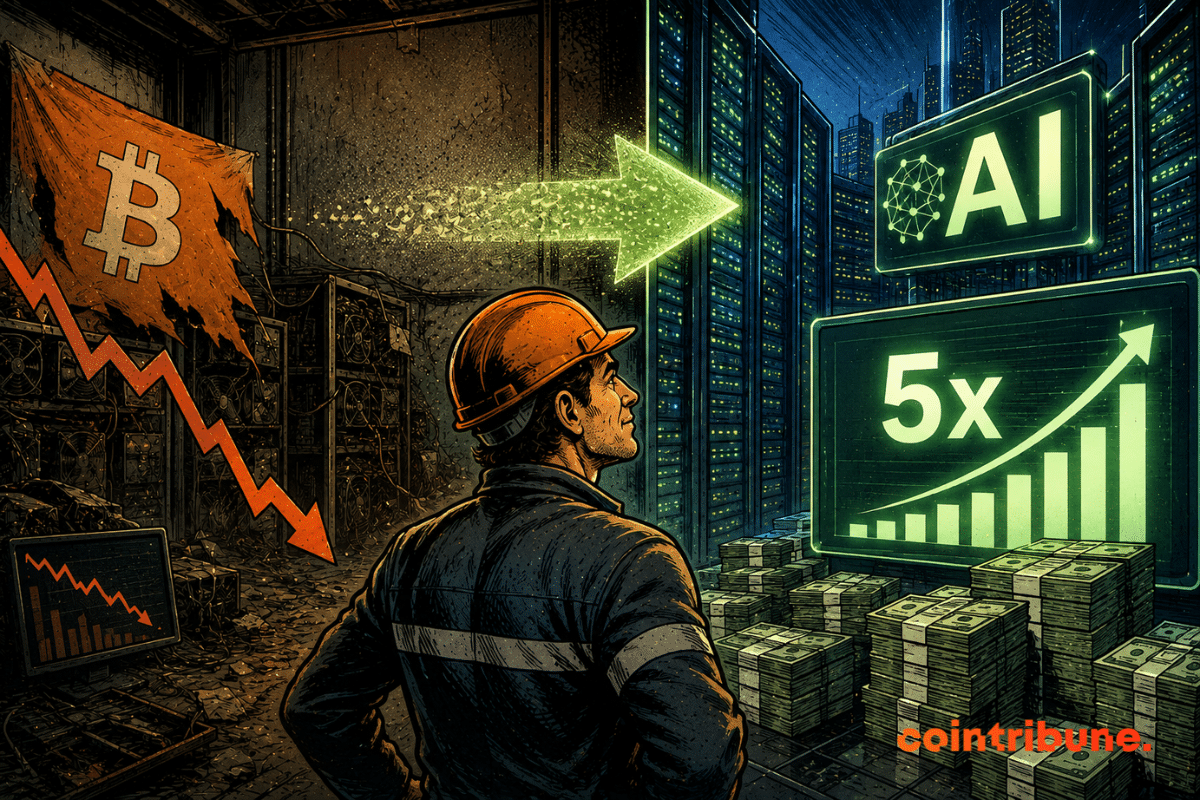
The Bitcoin network has just recorded its third difficulty increase since the beginning of the year. Good news on the surface? But behind this technical rebound hides a much darker reality for miners. And the current signals already announce an imminent turnaround.