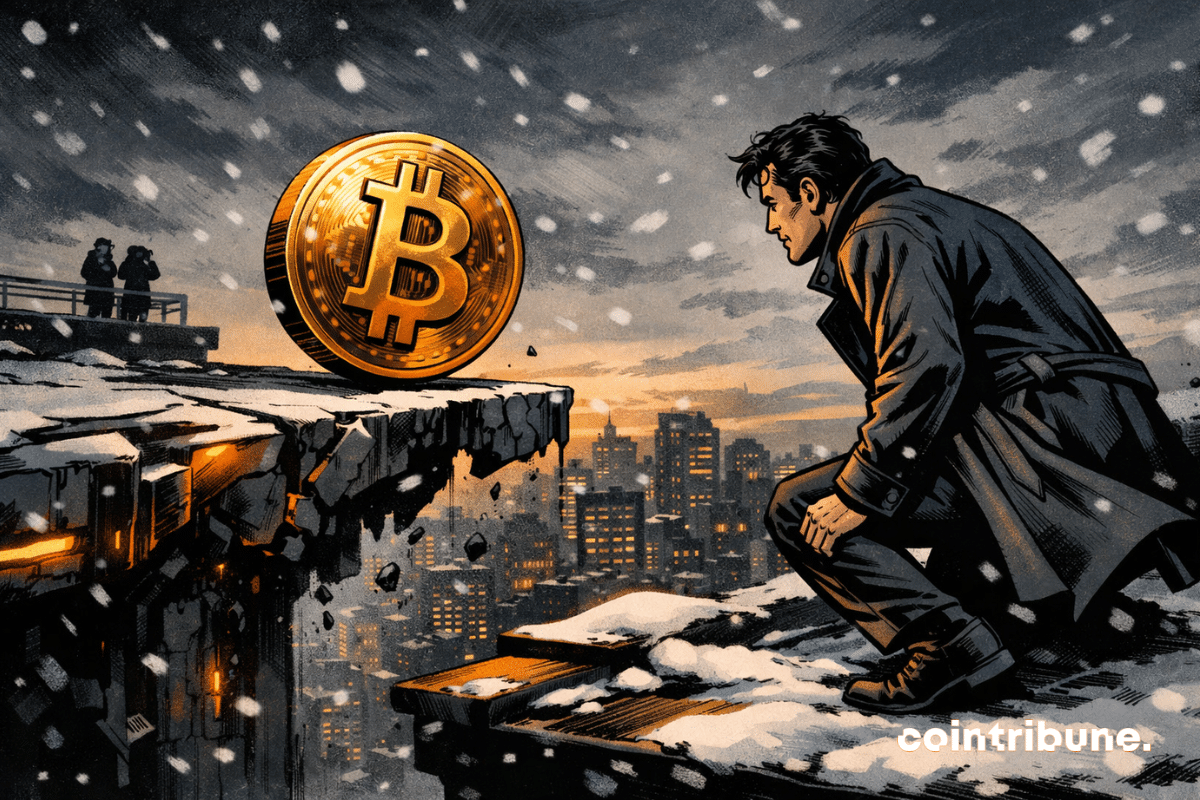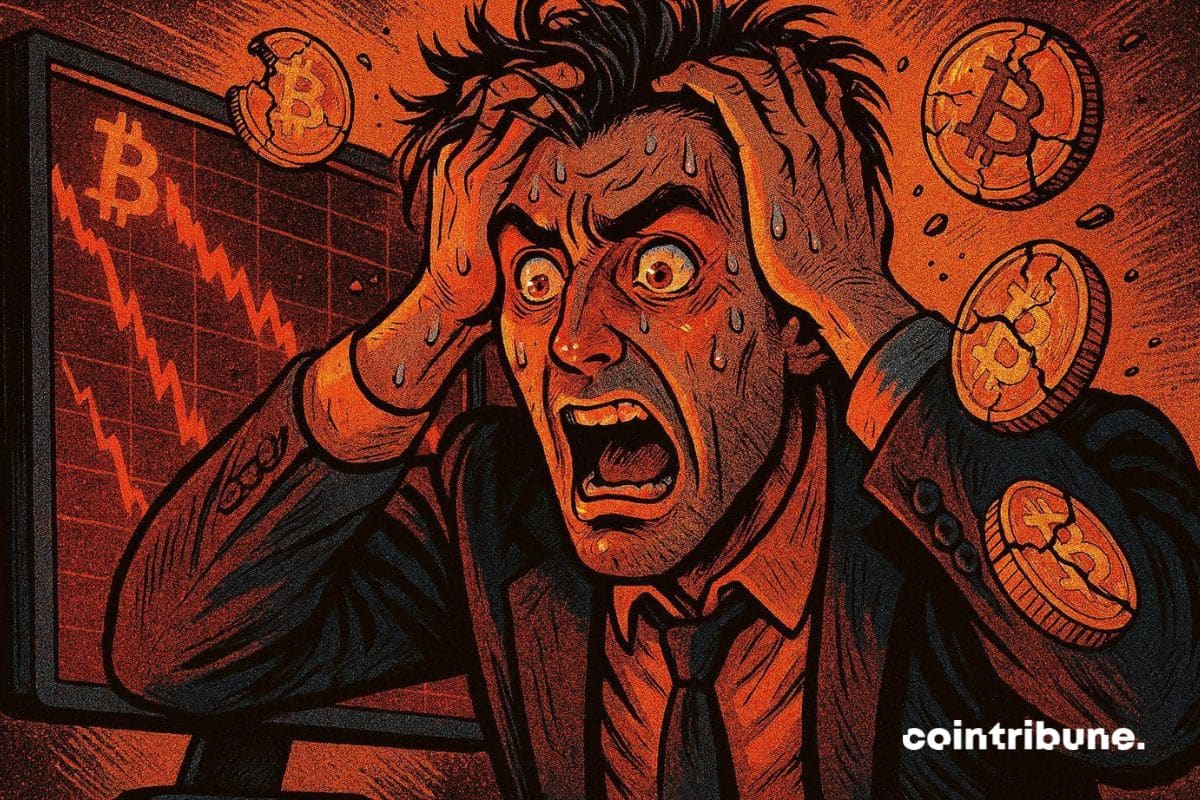
Uptober fizzled out, November bleeds: $3.79 billion gone, Bitcoin stumbles, Solana rejoices… What if the BlackRock giant just pressed where it hurts?
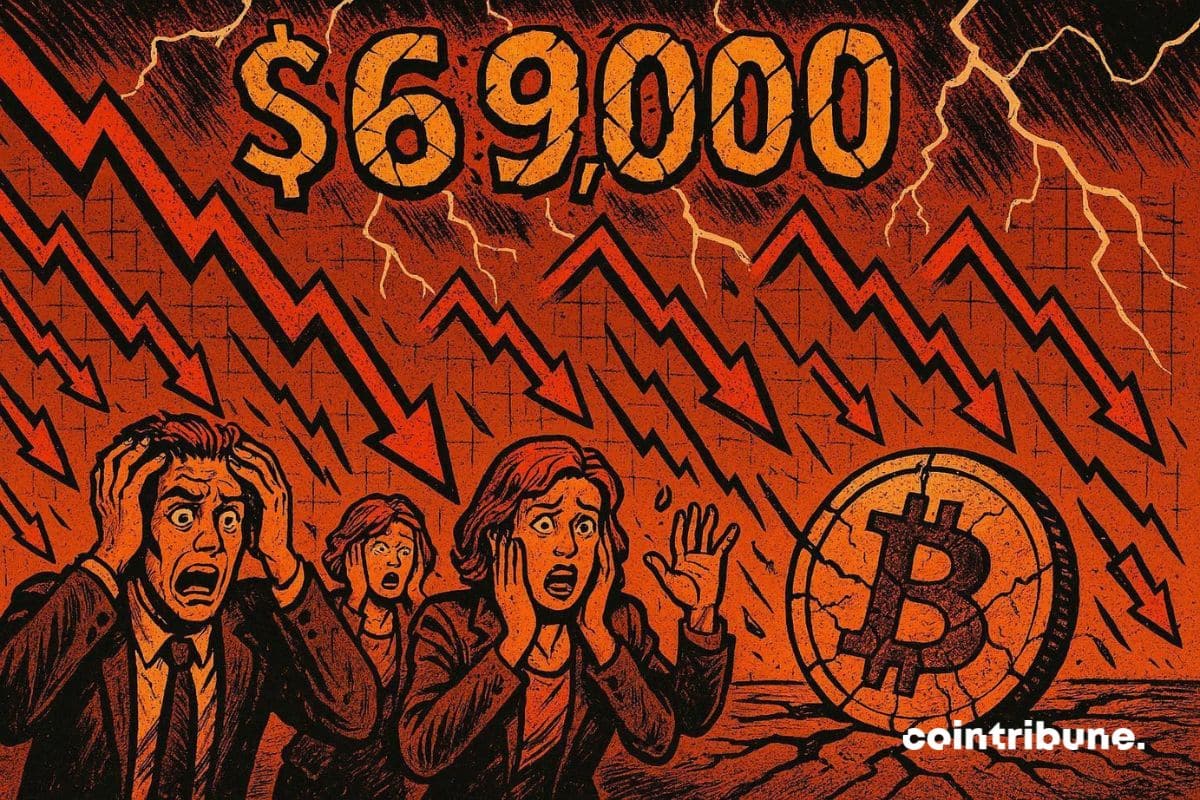
Bitcoin has just plunged to $82,000, triggering $2 billion in liquidations and record ETF outflows. Between widespread panic and hidden opportunities, this historic crisis could change everything. Decode the causes, risks, and winning strategies to not miss the rebound — or avoid the trap.
Bitcoin is collapsing, and this time, the culprits are not who we think. JPMorgan unveils an unexpected phenomenon: small investors, once loyal, trigger panic by emptying their ETFs. Who are these mysterious sellers, and why are they shaking the crypto market? The answer will surprise you.
Bitcoin has just reached 86,000 dollars, a pivotal threshold that places the asset at the heart of an area referred to as "max pain" by several analysts. In a climate of monetary tension, this drop fuels fears of an imminent institutional capitulation.
Little known outside Japan, Metaplanet now intends to play in the big leagues. With an aggressive bitcoin accumulation strategy, this Tokyo-listed company is about to raise 135 million dollars to further strengthen its treasury in BTC. A bold initiative that confirms the growing place of bitcoin in the financial strategies of listed companies, and further fuels the parallel with Strategy.
Bitcoin ETFs are attracting capital again: simple rebound or bearish trap? We deliver the details in this article.
Bitcoin’s fall under $90,000 on Wednesday revived market fear and extended a sell-off that has already lasted several days. Prices slipped to levels not seen since earlier periods of stress this year. Traders responded by stepping back from risk and reducing exposure across both spot and derivatives markets.
Caution settles in on the markets. In a few weeks, investors have seen their hopes for monetary easing vanish while Bitcoin lost its momentum. But does this correction signal a simple pullback or the start of a real bear market?
BlackRock takes a staking cure for its Ethereum: a developing ETF that promises yield for large portfolios. Crypto, meanwhile, continues to trot towards Wall Street.
While bitcoin falters, a company makes the opposite bet. Strategy, the largest corporate holder of BTC, continues to buy massively in the midst of turmoil, where others flee. Its radical strategy, often criticized, could nevertheless open the doors of the very selective S&P 500 as early as December. A possibility that, until recently, was still financial science fiction. This scenario, unthinkable a few years ago, crystallizes a major shift between institutional finance and cryptos.
Michael Saylor does not mince his words. In an interview given Tuesday to Fox Business, the executive chairman of Strategy dismissed concerns about Wall Street's impact on Bitcoin with a wave of the hand. For him, the arrival of traditional financial institutions did not weaken the digital asset. On the contrary, it would have stabilized it.
The Argentine parliament has just made a big move: in a damning report, it qualifies the promotion of the crypto $LIBRA by Javier Milei as an alleged scam, a scandal that cost investors 400 million dollars. Yet, his allies see it only as a political "buffoonery." Who is telling the truth?
VanEck's Solana ETF has just entered the scene, and it's not just another product on the altcoin shelf. We are witnessing a real flood of crypto funds on the stock market, with Solana and soon Dogecoin at the forefront. Between slash fees, integrated staking, and a race against regulatory time, a new battle is playing out far from traditional exchange platforms.
While traditional markets are wavering in anticipation of Nvidia's results, bitcoin surprises by rebounding 4% on Tuesday. In a tense atmosphere, the crypto escapes the declining US stock indices and intrigues investors. Is this surge a sign of a new bullish momentum or merely a speculative spike? The timing, on the eve of a key verdict on AI, makes this move all the more strategic.
The crypto market is wobbling. Bitcoin lost more than 10% in a few days and struggles to regain momentum. Arthur Hayes, a prominent figure in the ecosystem, points to an unexpected culprit: the contraction of dollar liquidity. His thesis challenges conventional analyses and opens a debate on the real drivers of the market.
Nearly ten years after its spectacular collapse, Mt. Gox resurfaces. Indeed, the former Japanese bitcoin giant suddenly moved over 10,000 BTC, worth $953 million, after eight months of silence. This massive transfer rekindles fears of a large-scale liquidation. Worse still, creditors, already battered, will have to wait until 2026 to hope for reimbursement. Enough to revive tensions around the oldest scandal in crypto history.
Global cryptocurrency markets are under heavy pressure after a sharp decline in Bitcoin's value damaged sentiment across the sector. Prices are now giving back most of the gains made earlier in the year, while smaller tokens are falling to multi-year lows. Investors are reassessing risk, trading volumes are shrinking, and several analysts warn that further declines remain possible.
Tom Lee says Ethereum is entering the same supercycle that propelled Bitcoin’s historic surge, noting the move will require holding through market ups and downs.
Strategy has just reached a new milestone in its bitcoin accumulation strategy. Michael Saylor's company acquired 8,178 BTC for 835 million dollars, marking a spectacular acceleration of its investments. This operation occurs in a context of high volatility, where the bitcoin price lost 11% in seven days.
While the shadow of the quantum computer looms over digital security, could bitcoin really waver? Faced with the hypothesis of a network made vulnerable by machines capable of breaking SHA 256, opinions diverge. Some anticipate an imminent threat, others temper their expectations. Among them, Adam Back, a figure of the cypherpunk movement and CEO of Blockstream, invites nuance. His reading, both technical and strategic, repositions the debate on concrete grounds, far from catastrophic scenarios, while posing the real questions about the future resilience of the protocol.
A wave of panic is blowing over crypto ETPs. In the space of one week, over $2 billion has been withdrawn from these financial products, marking their largest outflow since February. This is a strong signal for an institutional market plagued by doubt, amid economic uncertainties and monetary tensions. As traditional markets waver, investors are reassessing their exposure to cryptos. This situation could mark a turning point in the strategy of major holders.
Bitcoin, in slide mode, flirts with the precipice of the CME Gap while whales do their shopping. Bounce to come or final plunge? Suspense guaranteed.
Ethereum faces steady ETF outflows, with investors viewing it as riskier than Bitcoin, signaling caution in the market.
Bitcoin facing the law: Nick Szabo reveals a worrying vulnerability that even developers underestimate. Details here!
U.S. Bitcoin ETFs faced another difficult week as steady capital outflows added strain to an already uneasy market. Investor caution increased as withdrawals accelerated, pushing Bitcoin further below the $100,000 mark and signaling a broader loss of confidence in digital assets.
The debate between gold and bitcoin takes a new turn. Peter Schiff accuses Michael Saylor of steering Strategy according to a "fraudulent" model based on promises of illusory returns. He proposes a public debate during Binance Blockchain Week in Dubai, in December. In a volatile market, this confrontation crystallizes tensions around the integration of bitcoin into business strategies.
As tension rises in the market, Bitcoin is about to cross a critical technical threshold: the "death cross." This signal, feared by traders, occurs at a pivotal moment, at the intersection of a 25% correction and an uncertain macroeconomic climate. While some see it as a classic bearish indicator, others recall it coincided with market lows. In this context, certainties waver, and each candlestick becomes a test for investor morale.
A sharp shift in sentiment has taken hold across digital assets after a week of sell-offs, weaker macro signals, and thinning liquidity. Markets now sit in a cautious posture, with fear climbing as large-cap tokens retreat toward multi-month lows.
Growing interest in digital assets is prompting investors to reassess which tokens deserve long-term attention. Recent shifts in sentiment around Solana, XRP, and other major networks reflect a market still trying to determine its next set of leaders.
What if the real economic threat was neither inflation nor rates, but a global liquidity collapse? This is the alert issued by Robert Kiyosaki, author of the bestseller Rich Dad, Poor Dad. In a series of messages on X, he claims that markets are wavering not because of fragile fundamentals, but because the world is severely lacking cash. A shortage that, according to him, could trigger a new wave of money printing with unpredictable consequences.