Wed 06 Aug 2025 ▪
5 min read
▪
by
A top crypto analyst predicts Bitcoin could soar to $300,000 by 2026 despite mixed market sentiment, supported by strong technical signals.
A top crypto analyst predicts Bitcoin could soar to $300,000 by 2026 despite mixed market sentiment, supported by strong technical signals.
After months of recovery, the bullish momentum of the bitcoin market is abruptly fading. All indicators, spot, derivatives, ETFs, turn red, revealing a drop in liquidity, a decline in risk appetite, and a general slowdown. The latest Glassnode report confirms a phase change: euphoria gives way to caution, in a fragile and unpredictable market context.

The Bitcoin network has just crossed a new milestone with a mining difficulty reaching an all-time high of 127.6 trillion. While this figure indicates enhanced security, it raises crucial questions about the sector's economic balance. Between maintained profitability and a frantic technological race, does this escalation mark the beginning of a new era of mining?
Bitcoin falters, whales fill their nets. What if the real strategy was to buy when everyone doubts? The shadow of OTC says a lot...
Bitcoin under pressure: ETFs unload $323M, while Treasuries buy massively. Details here!
Sequans has added 85 more bitcoins to its reserves, bringing its total to 3,157 BTC. The $10M purchase shows its long-term Bitcoin treasury strategy as global institutional accumulation gains momentum.
Metaplanet has made yet another landmark acquisition as it doubles down on its goal of becoming the largest corporate Bitcoin holder. Following its transition to a BTC treasury firm, the Tokyo-listed firm has become one of the largest publicly listed holders of Bitcoin in Asia.

SEC’s recent move to raise options limits for Bitcoin ETFs may strengthen BlackRock’s market position and attract more investors.
Bitcoin flirts with 114,000 dollars, but behind this stability, some analysts are sounding the alarm. A new market reading, based on Elliott Wave theory, announces a peak at 140,000 dollars by the end of this year… followed by a sharp decline in 2026. As euphoria spreads among investors, this projection invites looking beyond the short term.

Pump.fun collapses, memecoins are shaky. In July, the star crypto platform lost 80% of its revenue. Traders fleeing, fierce competition, saturated market: find out why memecoin euphoria may be coming to an end. Complete analysis and key figures.
While bitcoin oscillates around critical thresholds, between selling pressures and bullish technical signals, investors wonder: simple market breathing or prelude to a new surge towards 75,000 dollars
Panic on the crypto planet: panicked whales, small holders bleeding. And Binance picking up BTC like it's raining. Bitcoin itself looks grim…

Bitcoin is seeing renewed interest as large holders add to their positions, with market sentiment shifting toward optimism.

Blockchain intelligence firm Arkham has disclosed that 127,426 BTC, worth nearly $14.5 billion today, was quietly stolen from Chinese mining pool LuBian in late 2020. The heist, which had remained hidden from the public for almost four years, now ranks among the largest crypto thefts in history by current valuation.

Bitcoin lost 7.5% after nearly touching $123,250, briefly reviving fears of a lasting correction. However, some analysts see an ideal configuration, described as a "perfect bottom." For them, this technical pullback would be less a sign of weakness than a strategic springboard announcing a major rebound.

In a universe dominated by digital abstraction, the sudden disappearance of the statue of Satoshi Nakamoto in Lugano resonates as a symbolic shock. Erected during the Plan B Forum in homage to the decentralized spirit of bitcoin, the work was torn down, vandalized, then recovered in pieces by the lakeside. This artistic manifesto, having become a target, crystallizes the tensions around the crypto imagination. A reward in bitcoin was promised, a sign that the case goes beyond simple vandalism: it calls into question the integrity of symbols in a faceless culture.
Bitcoin miners generated $1.66 billion in July, a record since the 2024 halving. Profitability, difficulty, projections: the mining economy is undergoing major changes. Discover the key figures, trends to watch, and what August holds.
Spot crypto exchange-traded funds (ETFs) are currently on a smooth sail, posting strong inflow records week-on-week. Although these investment products struggled during the early parts of the year following the broader market drop, their performances have picked up in this quarter—particularly in the U.S. market
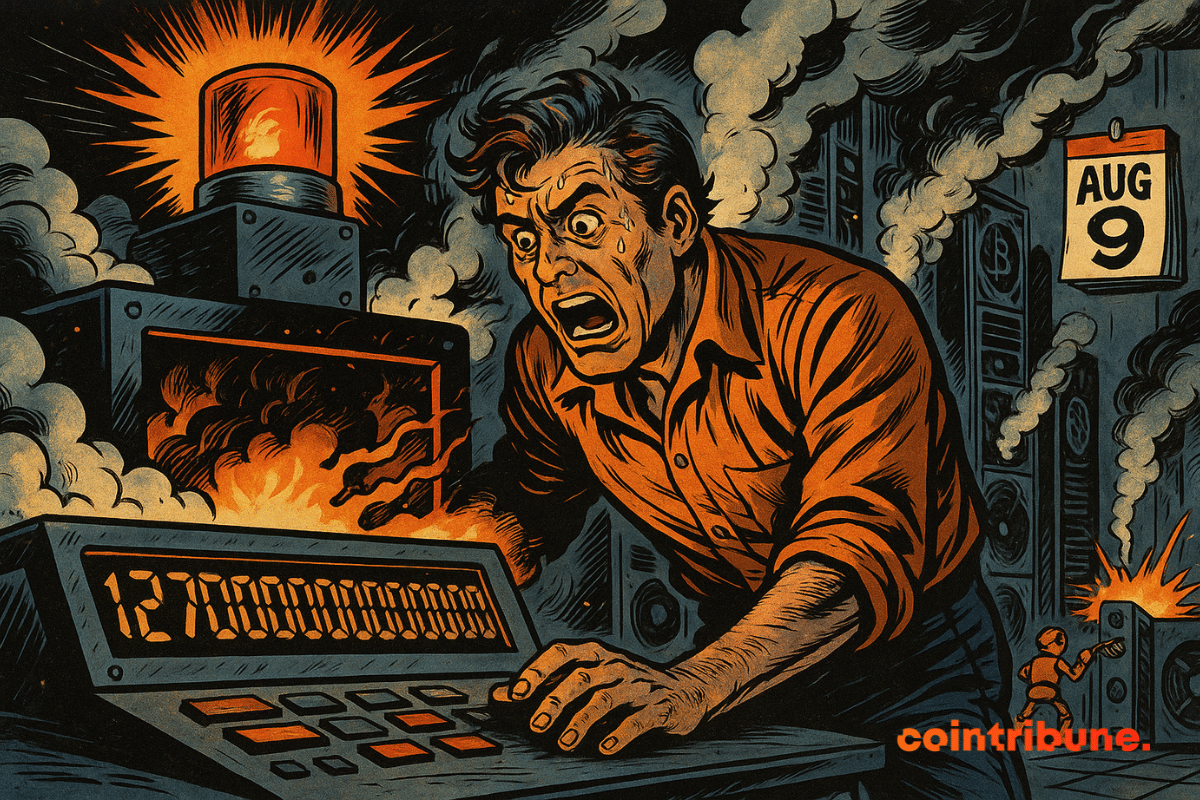
While the price of bitcoin is holding steady, its mining difficulty is climbing sky-high: a technical record that may hide more gold than speculation…
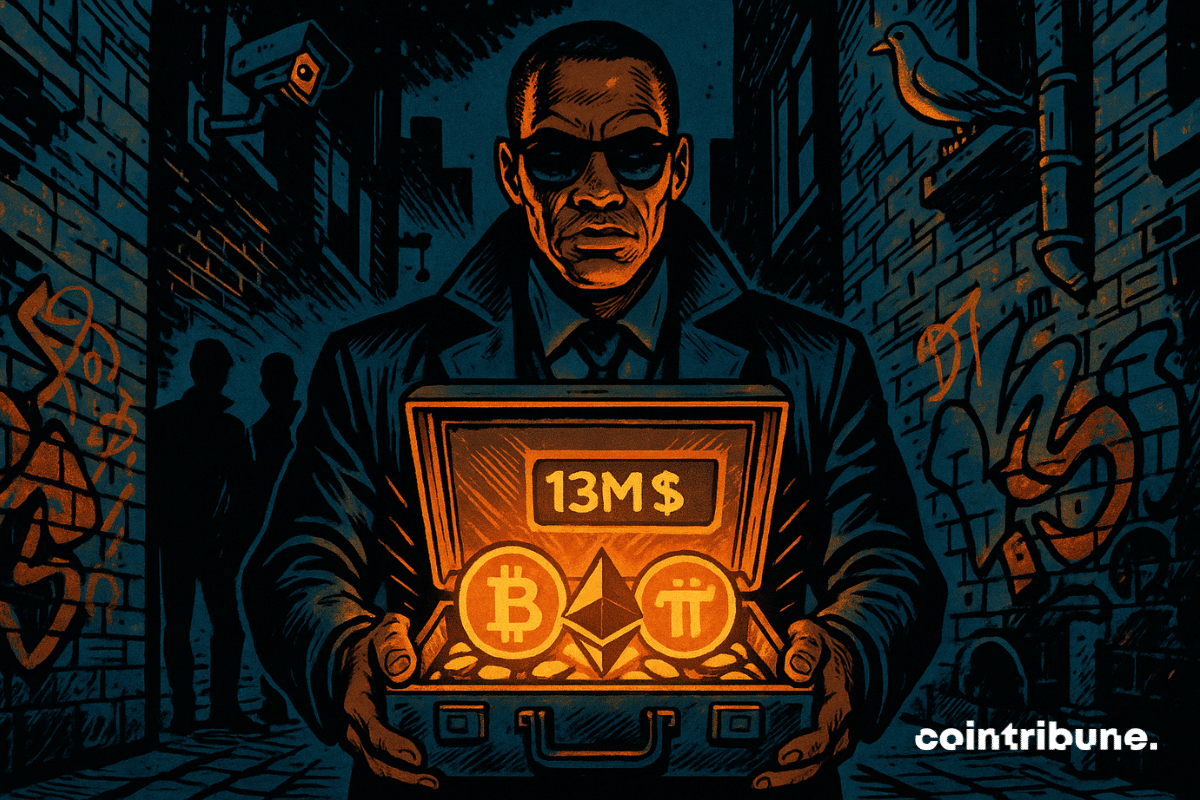
In the span of a few hours, Arthur Hayes, the former CEO of BitMEX, sold more than 13 million dollars in crypto, while the market evolves in a consolidation phase. The operation intrigues as much as it worries, due to its scale, but especially because of its timing. This move, far from trivial, could signal a global change of course.

As each bitcoin becomes rarer, Strategy aims to concentrate an unprecedented share. Michael Saylor, its co-founder, mentions the possibility of holding up to 7% of the global bitcoin supply, or nearly 1.5 million BTC. With already more than 3% in reserve, the company no longer just invests: it builds a financial model focused on the strategic accumulation of the asset. A trajectory that redefines corporate treasury codes in the era of digital currencies.
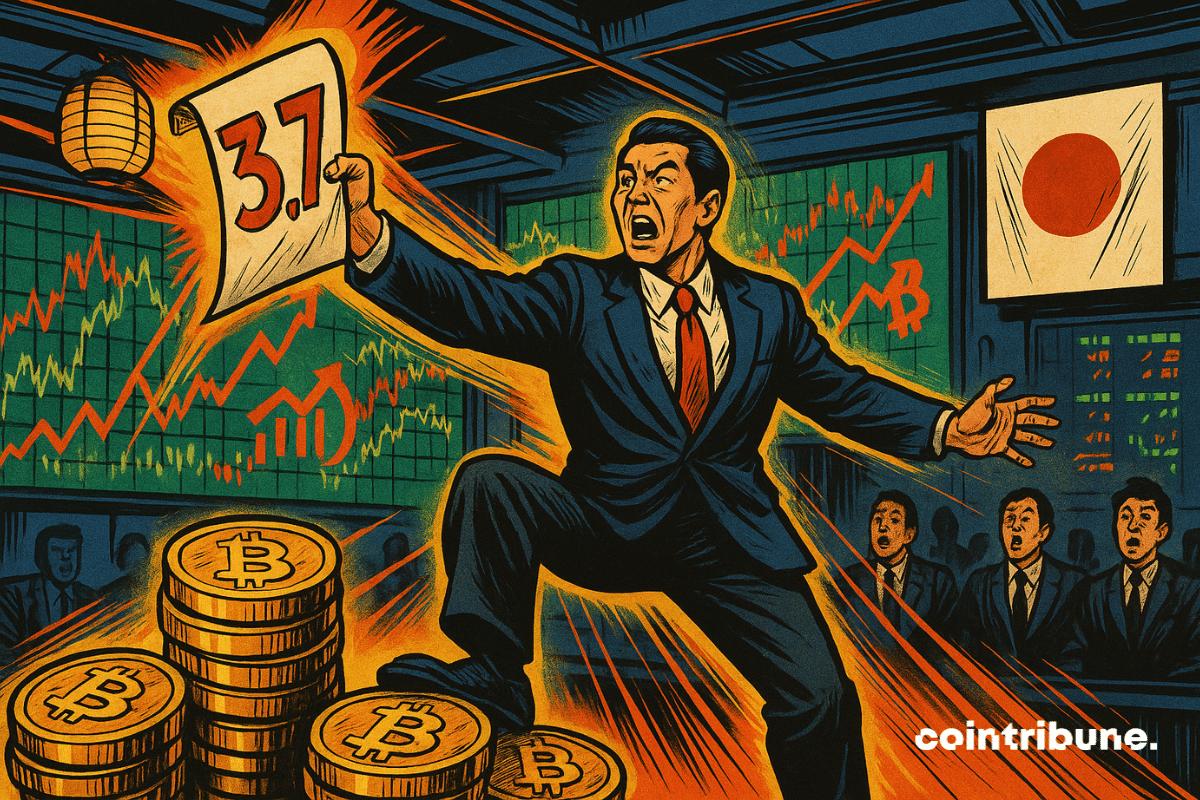
The Japanese firm Metaplanet is stepping up. It plans to issue up to 3.7 billion dollars of shares to finance a massive BTC accumulation strategy. A bold approach, directly inspired by the Strategy model (ex-MicroStrategy), which establishes bitcoin as a central pillar of its financial doctrine.

Markets waver, cryptos drop. Under the combined effect of a resurgence of trade tensions and mixed economic indicators, technology stocks suffered a sharp setback. In their wake, crypto stocks like Coinbase, Riot Platforms, and CleanSpark fell heavily, amplifying losses recorded on a bitcoin that fell below 115,000 dollars. This new volatility episode reveals the extreme sensitivity of cryptos to the global economic agenda and monetary policy expectations.

8 years after the activation of SegWit, Bitcoin celebrates its "Independence Day." Between community tensions, ideological forks, and scalability debate, history repeats itself. Discover how this key moment still shapes the future of the protocol and its decentralized governance today.
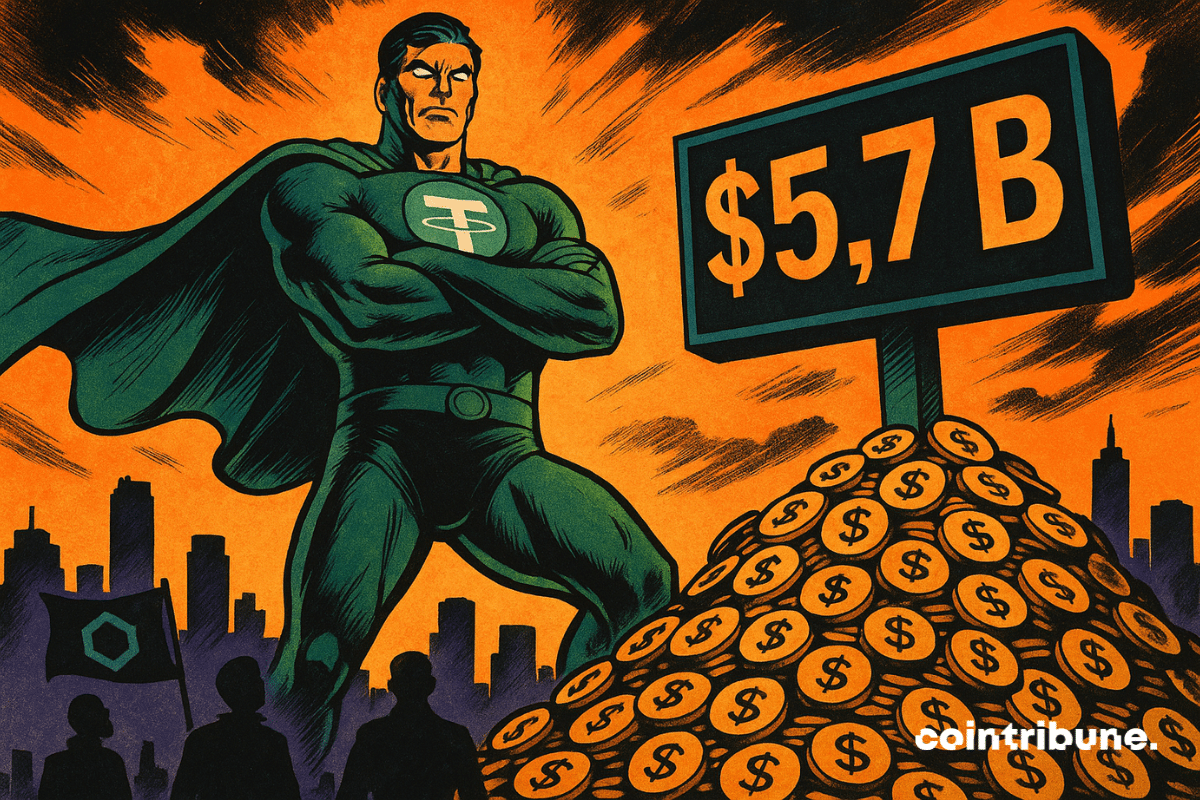
While some tighten their belts, Tether stacks billions in Treasury bonds. Crypto miracle or well-oiled cash machine? You be the judge, numbers to support.

Ever since crypto assets entered the financial circles, many industry participants, including stakeholders, have called for a clear classification of these blockchain assets. Strategy’s (formerly MicroStrategy) CEO, Michael Saylor, has also lent his voice, calling on the U.S. government to give a set definition to digital securities and commodities.

Bitcoin hit a three-week low early Friday as investors reacted to Donald Trump’s sweeping executive order on trade tariffs, triggering a broader sell-off across stocks and crypto markets.
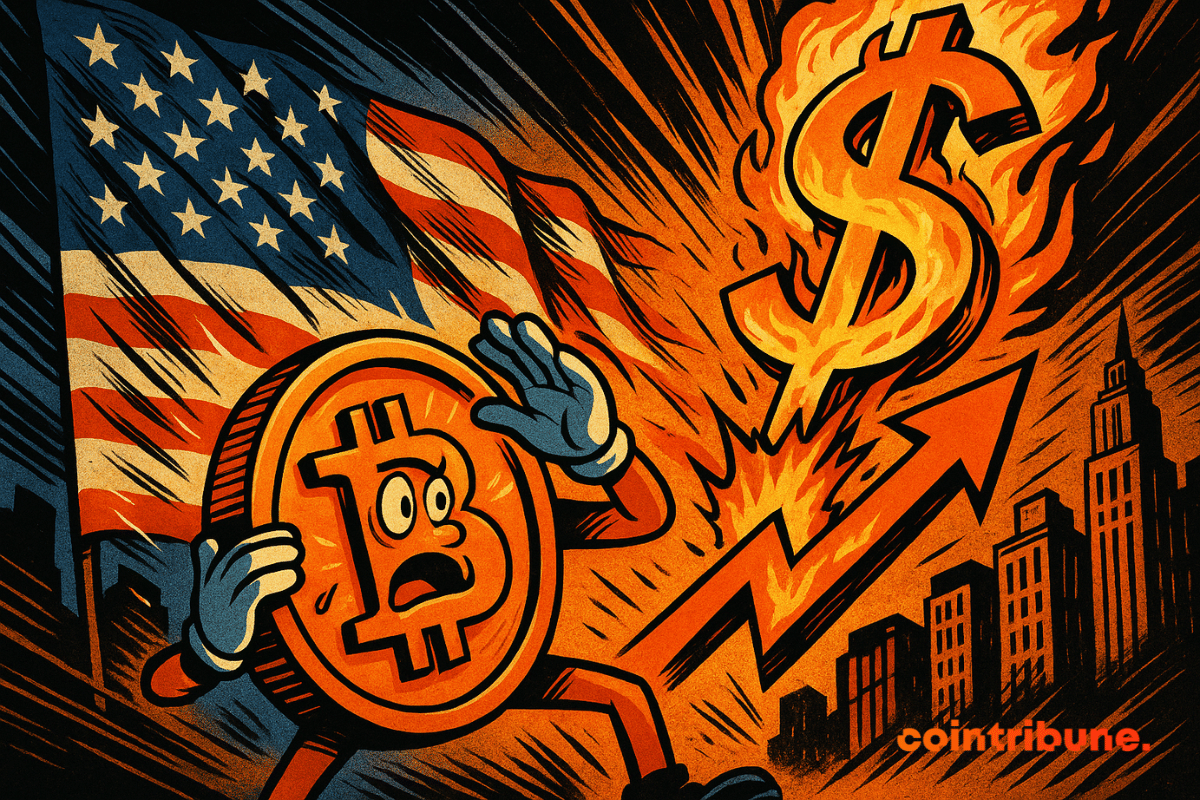
The dollar is roaring, and Bitcoin is taking a hit. That’s the scenario taking shape as the U.S. Dollar Index (DXY) climbs past 99.98 points, reaching its highest level in two months. This upward move coincides with the Federal Reserve’s decision to keep interest rates unchanged—a strong signal to markets, though not necessarily a favorable one for Bitcoin.
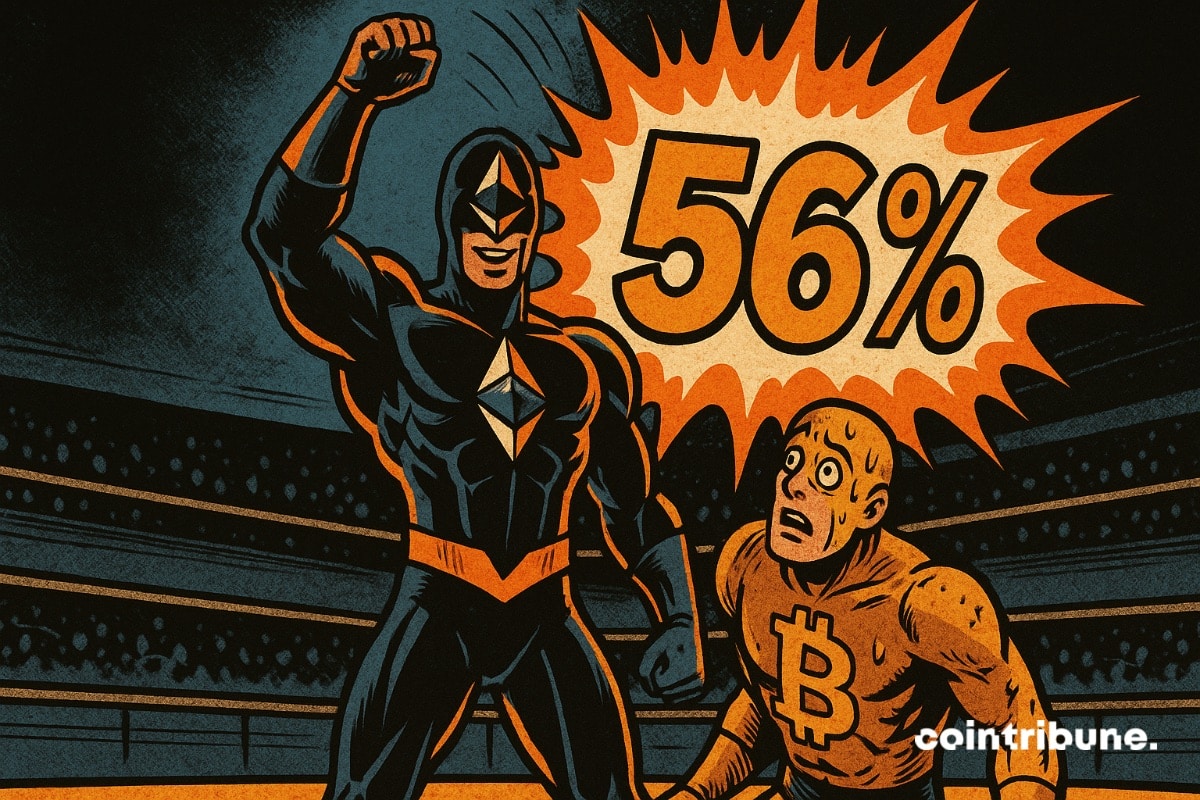
Boosted by record inflows into ETFs, Ethereum has just recorded its strongest monthly rally since 2022. This spectacular rebound propels ETH to the forefront of portfolios, challenging the dominant Bitcoin narrative. Is Ethereum becoming the must-have crypto asset, akin to tech stocks in the 1990s? Or is institutional adoption masking a deeper fundamental weakness?
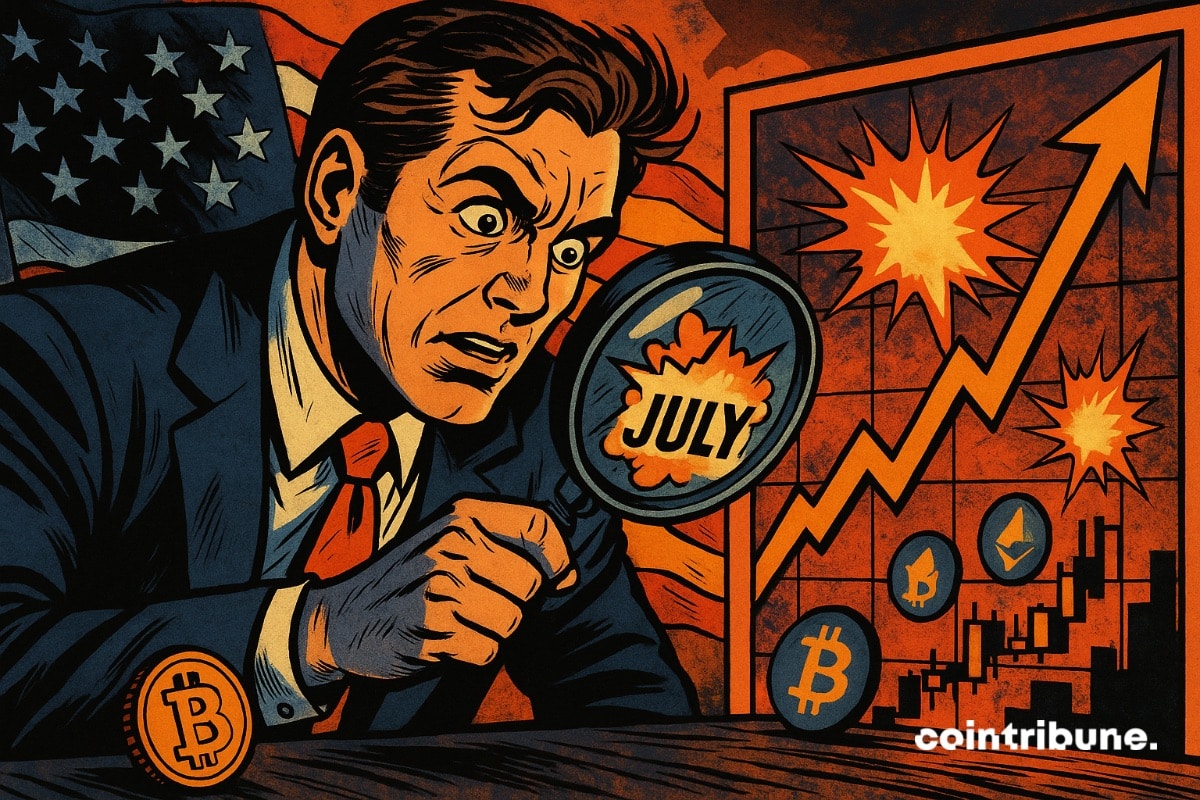
July 2025 marked a turning point for the crypto universe. Between the breakthrough of stablecoins, the collapse of Bitcoin reserves, and global regulatory advancements, five major events are shaping a new dynamic. Here’s what you definitely should not have missed.