While Washington refines its Clarity Act, bitcoin is falling. Regulation on display, volatility behind the scenes: what if the real shock came from somewhere other than laws?

While the crypto sector anticipates a prolonged bullish cycle, supported by the arrival of institutional investors and a maturing regulatory framework, a major voice disrupts this consensus. Jurrien Timmer, Director of Macro Research at Fidelity, speaks of a break in momentum. According to him, Bitcoin could pause in 2026, not at a peak, but around a technical pullback. A projection that challenges the prevailing euphoria and invites reconsideration of the medium-term market trajectory.
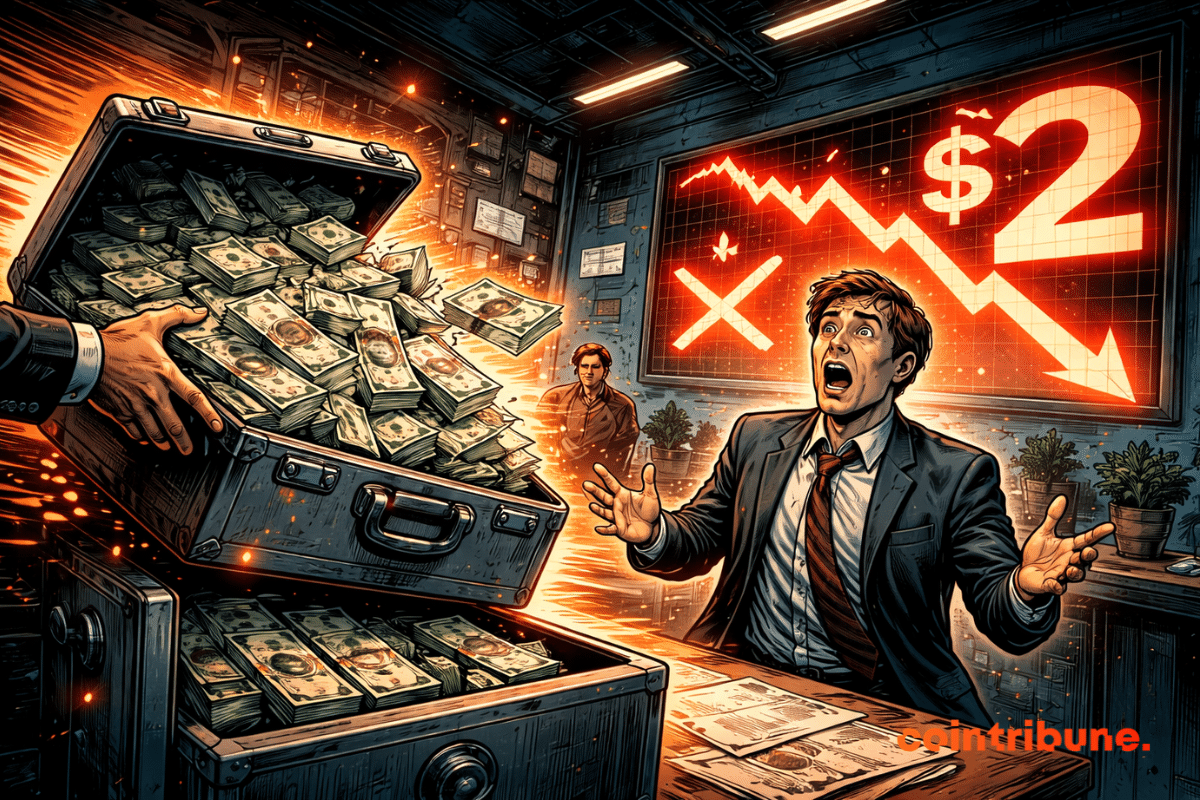
Despite strong institutional demand and nearly a billion dollars injected into XRP ETFs, the token fell below the symbolic $2 threshold. While incoming flows multiply, the spot market remains under pressure. This divergence between fundamentals and price is striking. Why is XRP falling while major investors are buying? Between a bullish signal and technical fragility, the market seems divided. Such a situation complicates reading the upcoming trends.
Bitcoin suddenly dropped to 86,700 dollars on Monday, December 15, triggering more than 210 million dollars in liquidations in one hour. This rapid and unexpected move surprised the market, recalling the strong vulnerability of cryptos to volatility and economic tensions.
While markets remain under pressure, bitcoin is moving in an unusual calm. Stuck around 90,000 dollars, the asset shows volatility at its lowest. For several analysts, this phase of stagnation signals a major movement to come. Technical signals converge towards an imminent range breakout.
While macroeconomic uncertainties weigh on this year’s end, every move of the Federal Reserve is closely watched. Last Wednesday, the Fed cut its rates for the third consecutive time, causing an immediate reaction in the crypto market. Bitcoin jumped beyond 93,000 dollars, driven by a renewed appetite for risk. This unexpected rebound, against the backdrop of looser monetary policy, raises as many expectations as doubts.
While the entire crypto market is showing signs of stabilization at the end of the year, XRP sends an atypical and potentially worrying signal. Its funding rate on perpetual contracts plunged to -20%, a threshold rarely reached even during high volatility periods. This configuration reflects a marked imbalance: short positions dominate while bulls seem to be withdrawing from the game. In a market so sensitive to liquidity and sentiment signals, this anomaly deserves special attention.
Bitcoin slipped below $90,000 at Wall Street's opening, wiping out gains made in Asia. This reversal comes despite signs of accumulation on exchanges, revealing a gap between short-term moves and a long-term holding trend. Selling pressure temporarily takes over in a market still torn between speculation and conservation strategy.
While bitcoin is bogged down under the spotlight, fleeing ETFs and traders under Lexomil: the crypto star rediscovers the joys of the plunge, 2022 version, remixed 2025.
While the Bitcoin market remains under pressure, an analyst suggests that the bottom may have been reached. Contrary to the climate of distrust, he envisions a rebound towards 100,000-110,000 dollars, reigniting speculation about a trend reversal. This scenario, based on precise technical indicators, contrasts with the prevailing sluggishness and captures investors' attention.
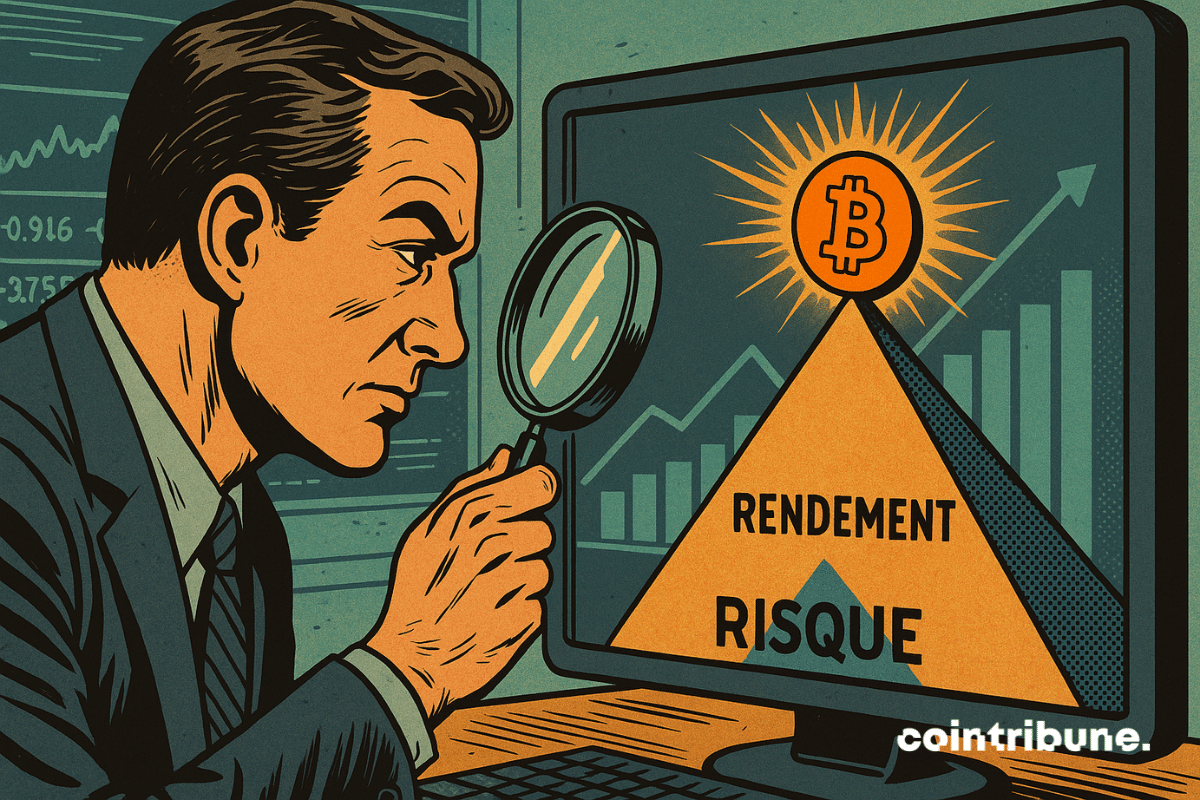
What if the market was massively wrong about bitcoin? For André Dragosch, head of research at Bitwise Europe, the current context oddly resembles that of March 2020, during the crash caused by the pandemic. In a tense post-halving climate and facing contradictory macroeconomic signals, he believes bitcoin today offers one of its best risk/reward profiles since the health crisis. This statement shakes certainties and reignites the debate on the timing of market entry.
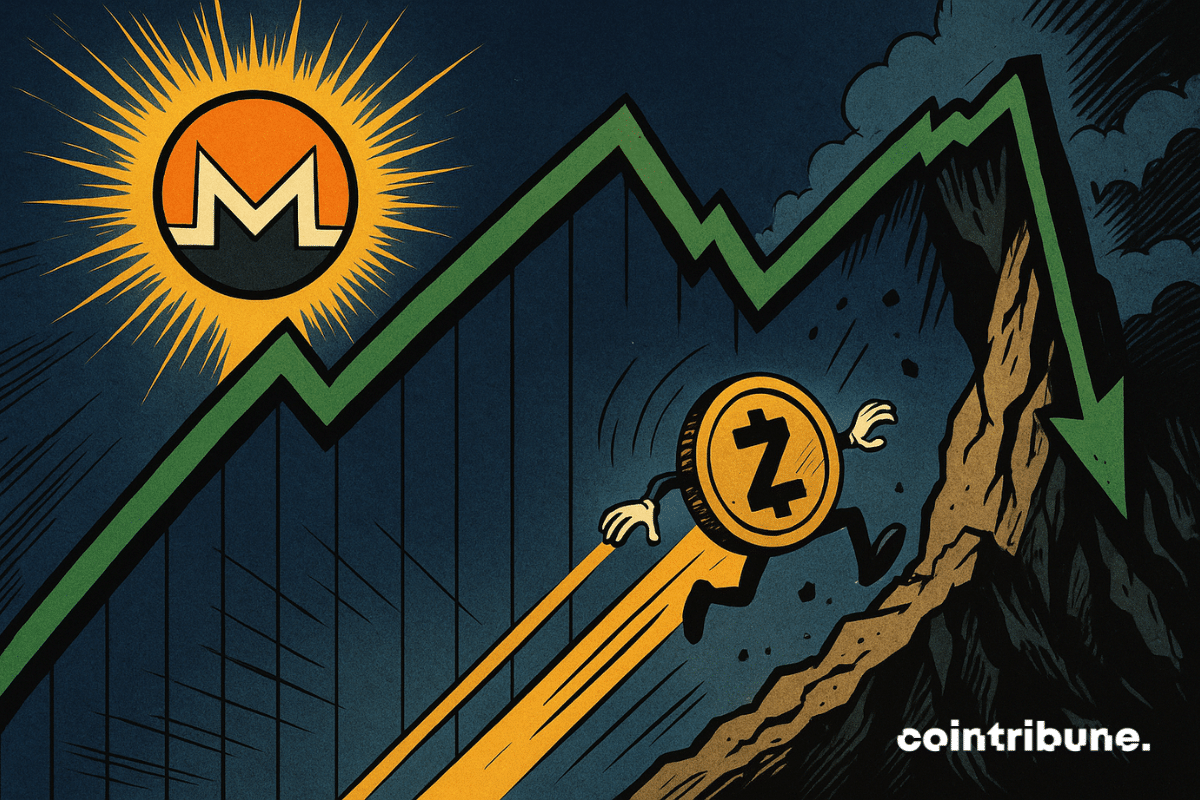
Monero (XMR) gained more than 23% this week, while Zcash (ZEC) dropped by nearly 25%. Such a gap highlights the high volatility of the privacy coins market, in a context of low activity related to Thanksgiving. This divergence between two key privacy assets raises questions about the internal dynamics of the sector.
Bitcoin still under $100,000... but the crypto industry is rejoicing. Whales sell, small buyers buy, hopes rise: what if the crypto winter was just an illusion?
The crypto market is going through an unstable period, marked by a sharp decline in the most speculative assets. In 24 hours, memecoins lost more than 5 billion dollars, bringing their capitalization to an annual floor. NFTs follow the same trajectory, reaching their lowest level since April. This plunge is part of a broader flight-to-safety movement, with investors massively deserting high-risk assets.
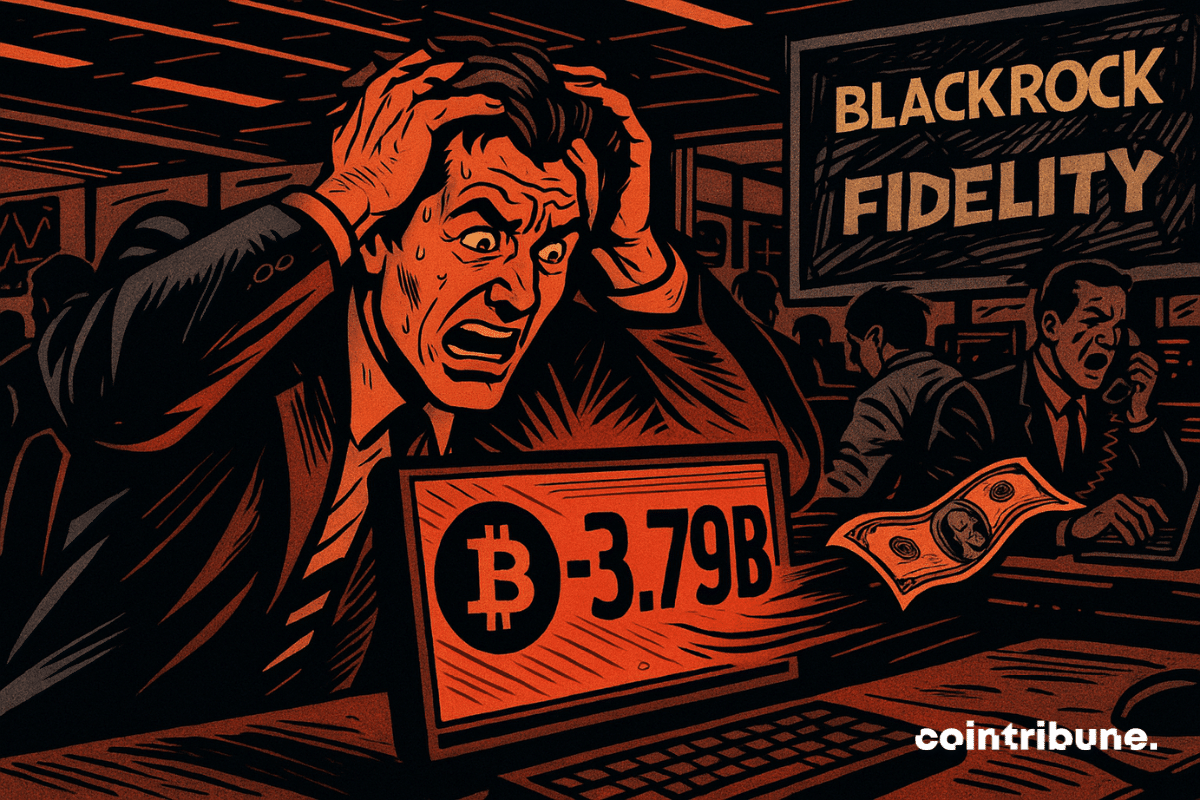
Uptober fizzled out, November bleeds: $3.79 billion gone, Bitcoin stumbles, Solana rejoices… What if the BlackRock giant just pressed where it hurts?
As the crypto market holds its breath, a note from 10x Research reignites the debate. Ethereum is now a good candidate for shorting. According to the firm, betting against ETH could provide effective coverage against the institutional rise of bitcoin. This strategic reading shakes up the hierarchy between the two main assets in the sector.
Bitcoin has just fallen back below $100,000, reviving doubts about the strength of its upward trend. Behind this symbolic threshold lies a weakened market, caught between weakening demand and macroeconomic tensions. For CryptoQuant, the threat is clear. If this support does not hold, BTC could plunge to $72,000 within two months. A scenario that worries, as technical and fundamental signals turn red.
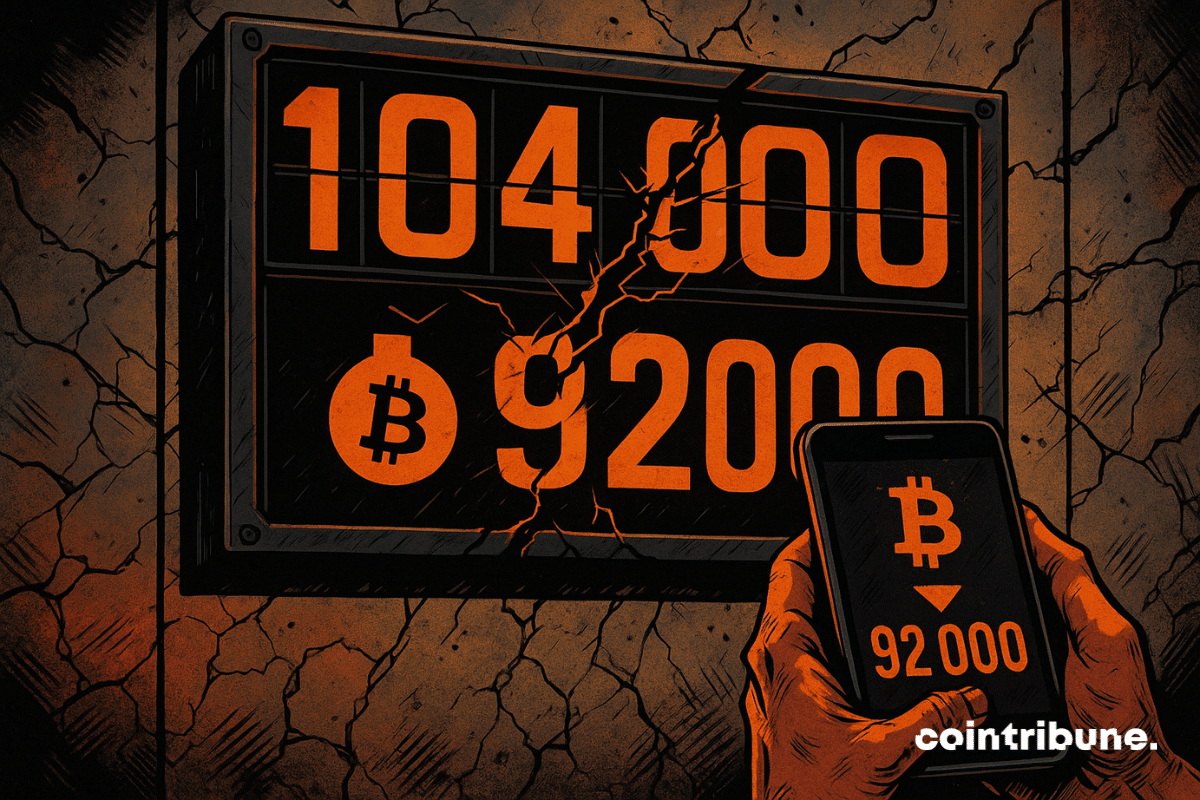
While traditional markets waver under the weight of macroeconomic uncertainties, the crypto ecosystem goes through an unprecedented turbulence zone. Bitcoin falls below $104,000, dragging all other assets along with it. However, this correction goes beyond the usual volatility. Investor sentiment collapses, switching from optimism to extreme fear in a few days. This sudden reversal marks a major trend break, which could well redefine the market balance in the short term.
Bitcoin slips, whales abandon, small holders capitulate... what if the famous $92,000 gap became the new stopover? Bearish mood guaranteed.
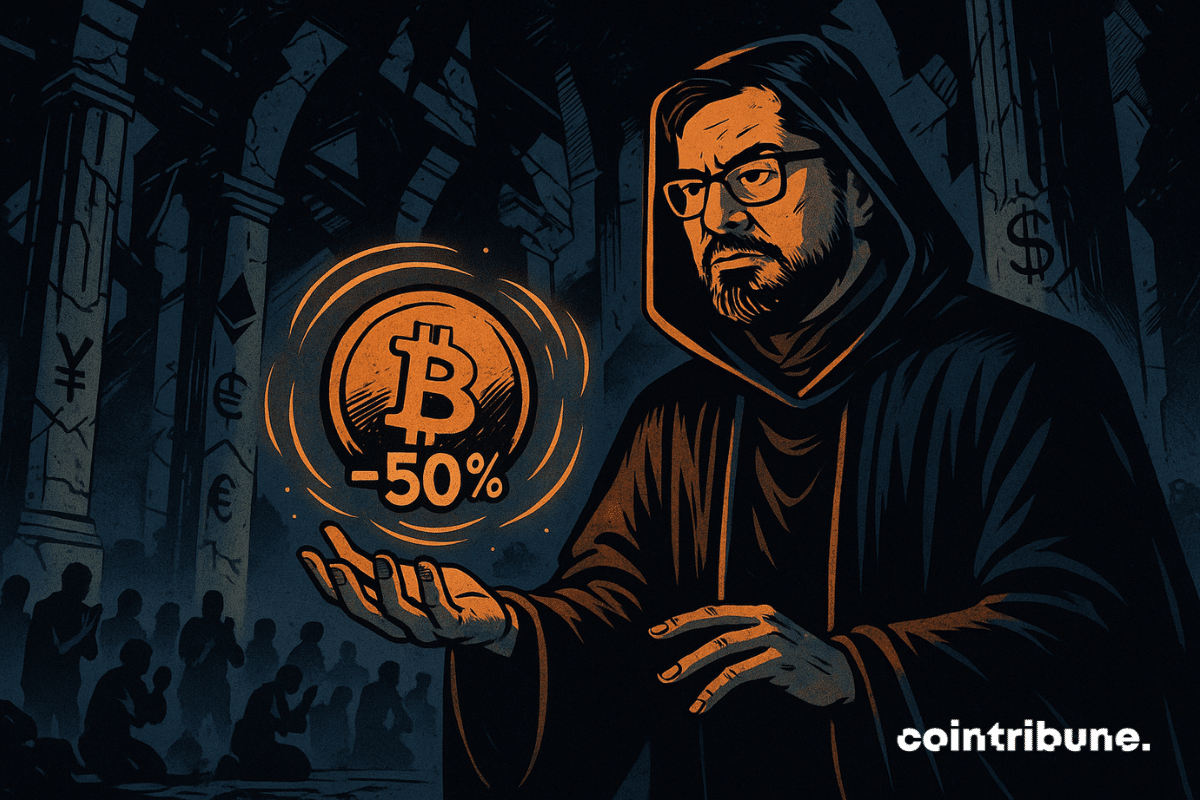
Driven by Wall Street enthusiasm and the massive arrival of institutional capital, bitcoin seems stronger than ever. Yet, behind this displayed confidence, a warning disrupts the market's euphoria. Tom Lee, president of BitMine, reminds us that the world's leading crypto remains vulnerable. According to him, bitcoin could still collapse by 50%, despite its growing adoption. A warning that brutally brings investors back to the reality of an asset as promising as it is unpredictable.
October often rhymes with "Uptober", the month where bitcoin ignites the markets with spectacular increases. However, this year, the scenario turns to disappointment. After a promising start, the queen of cryptos gets stuck in an unexpected bearish dynamic, reviving fears of a possible "red October". A first since 2018, which tests investors' confidence and questions the market's solidity in the face of an increasingly tense global economic context.
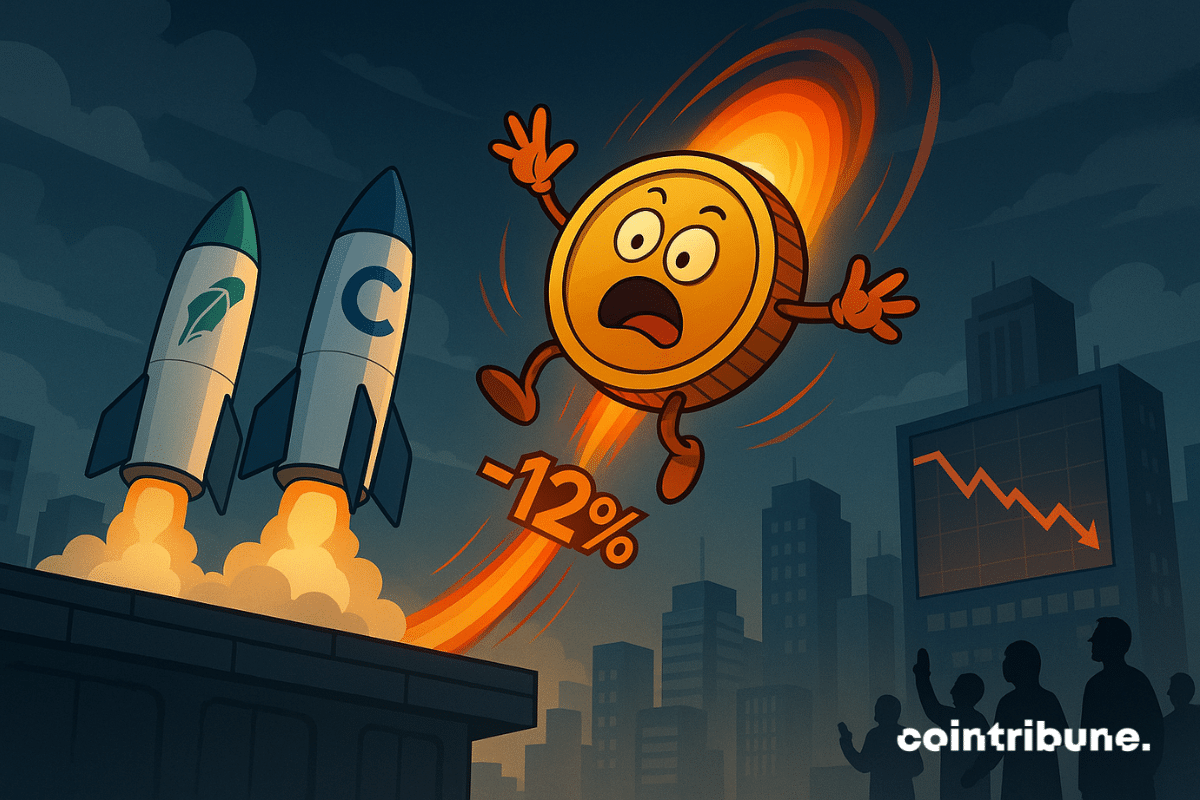
BNB, Binance's flagship crypto, finally makes its debut on two of the largest American platforms: Coinbase and Robinhood. Long excluded from the mainstream US markets, often for compliance reasons, the asset crosses a major strategic threshold. Now listed on platforms accessible to millions of investors, BNB gains formal recognition that contrasts with its past as an asset confined to the Binance ecosystem. This shift says a lot about the evolution of the American crypto market and the gradual normalization of certain long-controversial assets.
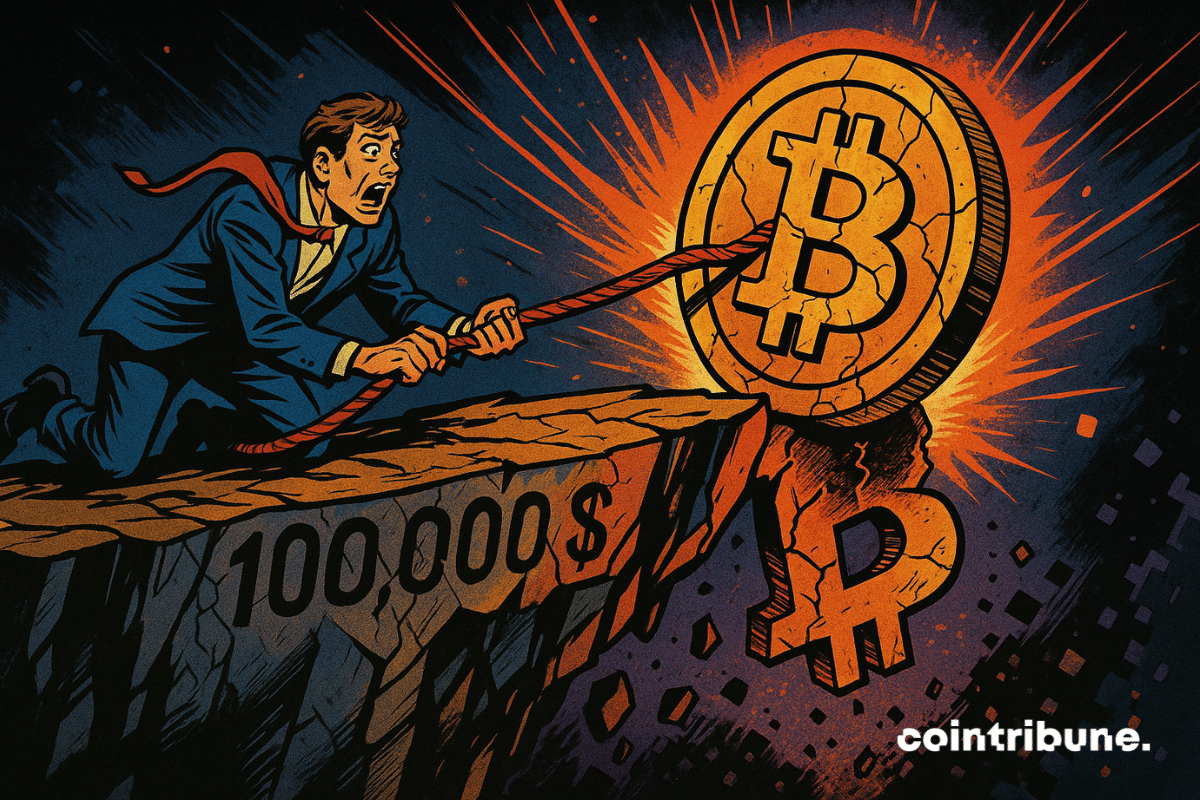
The $100,000 threshold, long perceived as a strong floor for Bitcoin, is faltering. Falling to $108,938, the asset slips towards a critical zone. Geoffrey Kendrick, analyst at Standard Chartered, now speaks of an imminent break of this symbolic level. The scenario of a drop below $100,000 is gaining ground, reigniting tensions in an already pressured market.
Prediction markets are now betting against bitcoin. On Polymarket, nearly 70% of bettors believe that BTC will fall below 100,000 dollars before the end of this year. A strong signal, as crypto has just undergone a brutal correction. This shift in market sentiment, driven not by analysts but by the investors themselves, raises questions: is the bullish trend already behind us?
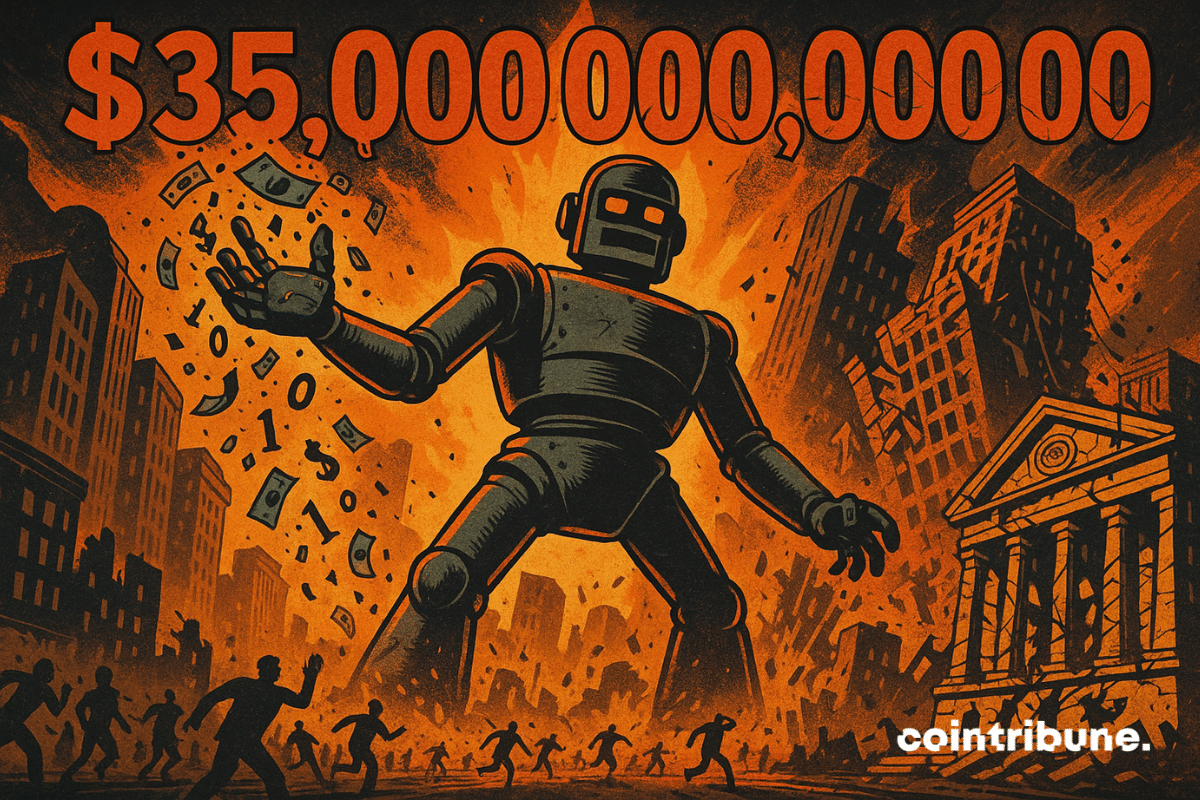
Gita Gopinath, former IMF Deputy Director, warns of a potential financial explosion. Driven by the euphoria around artificial intelligence, the current rally in US markets could, according to her, trigger an unprecedentedly violent global correction. At stake, up to $35 trillion in losses on global assets.
On October 16, bitcoin sharply dropped below $108,000, disrupting an already fragile market. Such a sudden fall after a period of stability raises questions about the factors behind this destabilization. This event affects millions of investors and redefines crypto market dynamics.
Bitcoin dropped as it approached its all-time high. In a few hours, the market erased several billion dollars, revealing once again its extreme volatility. Despite this marked correction, several analysts maintain a bullish scenario, estimating that this pullback does not call into question the underlying trend.
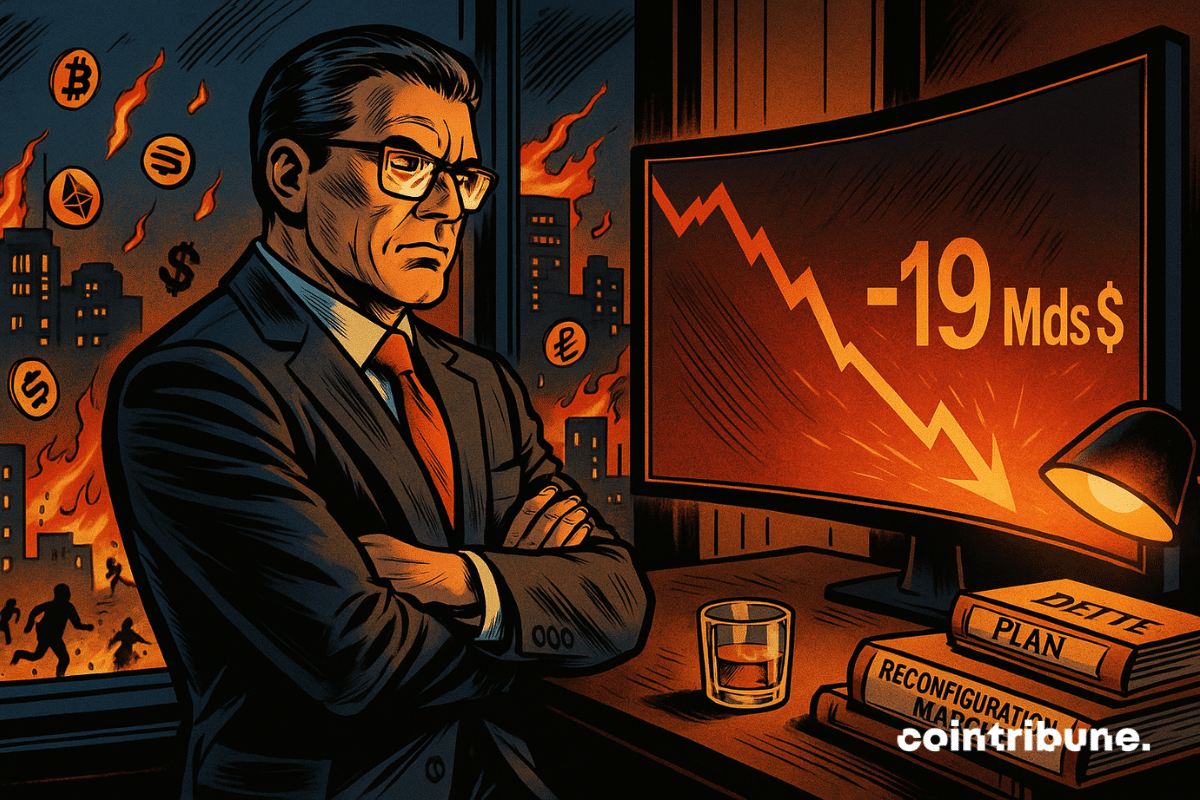
Last Friday, the crypto market experienced a brutal reversal, with nearly 19 billion dollars of open interest wiped out in a few hours. A correction of such magnitude, even in an ecosystem accustomed to volatility, immediately caught analysts’ attention and revived fears of an uncontrolled collapse. However, behind this spectacular drop, the first analyses reveal a very different scenario, that of a planned deleveraging rather than a generalized panic.
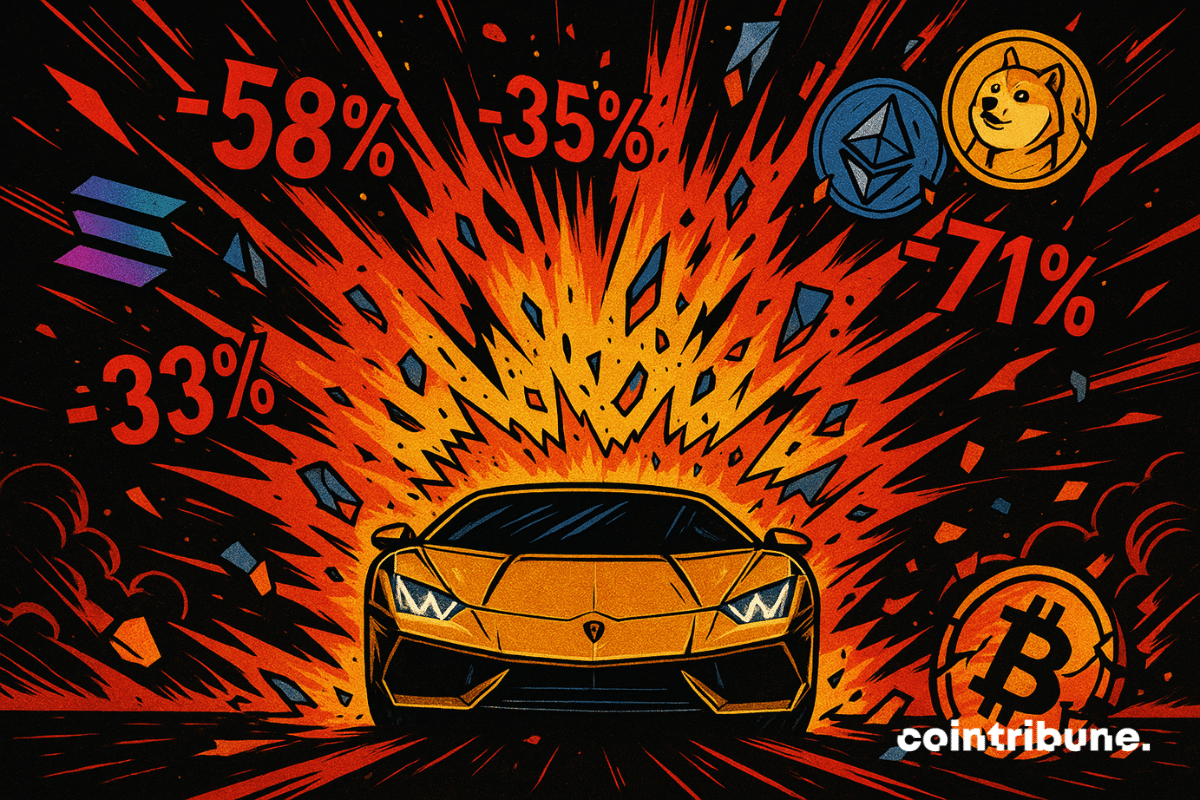
This Saturday, the body of Konstantin Ganich, an influential figure in the Ukrainian crypto scene, was found in a Lamborghini, amid the market collapse. The announcement, relayed on his official Telegram channels, immediately shook the community. This brutal tragedy reminds us that, behind the displayed profits and luxury cars, psychological pressures remain immense in a universe where every price drop can turn into a tragedy.
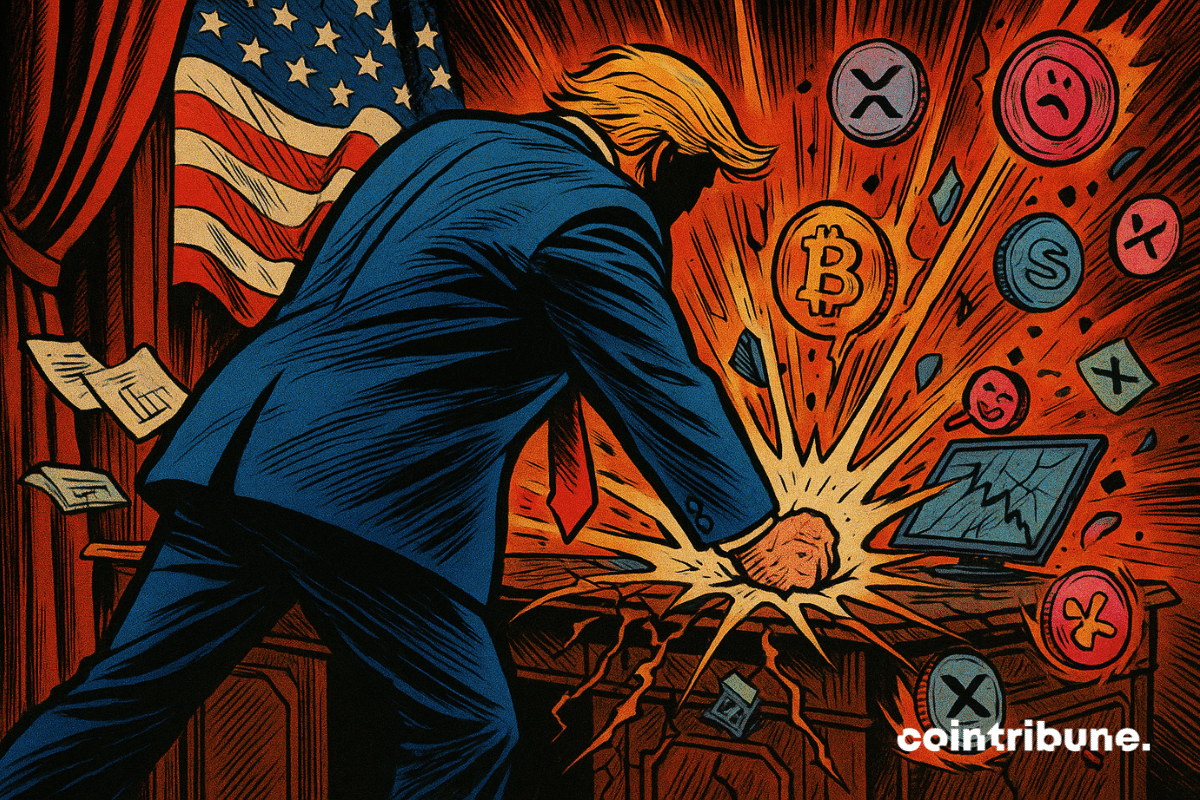
On October 10, a radical decision by Donald Trump, 100% tariffs on Chinese software, triggered an unprecedented storm. Within hours, bitcoin collapsed, more than 16 billion dollars evaporated, and 1.6 million traders liquidated positions.