Crypto mergers and acquisitions reached $8.6 billion in 2025, with Coinbase, Ripple, and Kraken among the major firms expanding their operations.
Momentum around Coinbase is rising as the company enters a new phase of financial stability and public-sector experimentation. Latest data show revenue increasing while costs remain controlled. And as expected, this combination has created a sturdier foundation than in earlier market cycles.
Crypto markets are showing signs of strain as several key measures of capital flow turn negative. Recent data points to a broad cooling of demand across Bitcoin ETFs, stablecoins, and corporate treasury activity. And as expected, this trend has raised concerns that the rally’s core drivers have stalled.
Strong inflows returned to major crypto ETFs at the end of the week after several days of uncertainty across digital asset markets. Bitcoin, Ether, and Solana products all posted gains on Friday, hinting at early stabilization following sharp swings and heavy withdrawals earlier in the week. Sentiment remains cautious, but renewed allocations to key products suggest that some investors are selectively re-entering the market.
A sharp shift in sentiment has taken hold across digital assets after a week of sell-offs, weaker macro signals, and thinning liquidity. Markets now sit in a cautious posture, with fear climbing as large-cap tokens retreat toward multi-month lows.
A muted end to 2025 may be laying the groundwork for a stronger crypto breakout in 2026. Bitwise chief investment officer Matt Hougan says the absence of a late-year rally strengthens his view that next year will bring the next major upswing for digital assets.
Brazil has taken a significant step toward bringing stablecoin activity under its traditional financial system. New regulations issued by the Banco Central do Brasil (BCB) grant stablecoin transactions the same legal treatment as foreign-exchange operations and subject crypto companies to a licensing regime similar to that of banks.
As the crypto market moves toward a new bullish cycle in 2025, identifying promising projects becomes crucial for investors. This selection analyzes seven cryptocurrencies that, through their technological innovation and growing adoption, position themselves as strategic choices. Each project solves concrete problems and stands out against its direct competitors.
Lobanova joins fellow speakers Eric Trump, Tristan Thompson, Iggy Azalea & a host of blockchain leaders for the Miami Conference on November 5-6th
After three years of balance-sheet reduction, the Federal Reserve is preparing to return as a major buyer of U.S. Treasuries early next year. Investors and analysts view the move as a signal that the central bank intends to stabilize markets and ease concerns over the government’s borrowing outlook.
Bitcoin has once again shaken the market—dropping over 10% in just a few hours, dragging Ethereum and the entire market into a whirlwind of panic. Traders held their breath, and the age-old question echoed loudly once again:
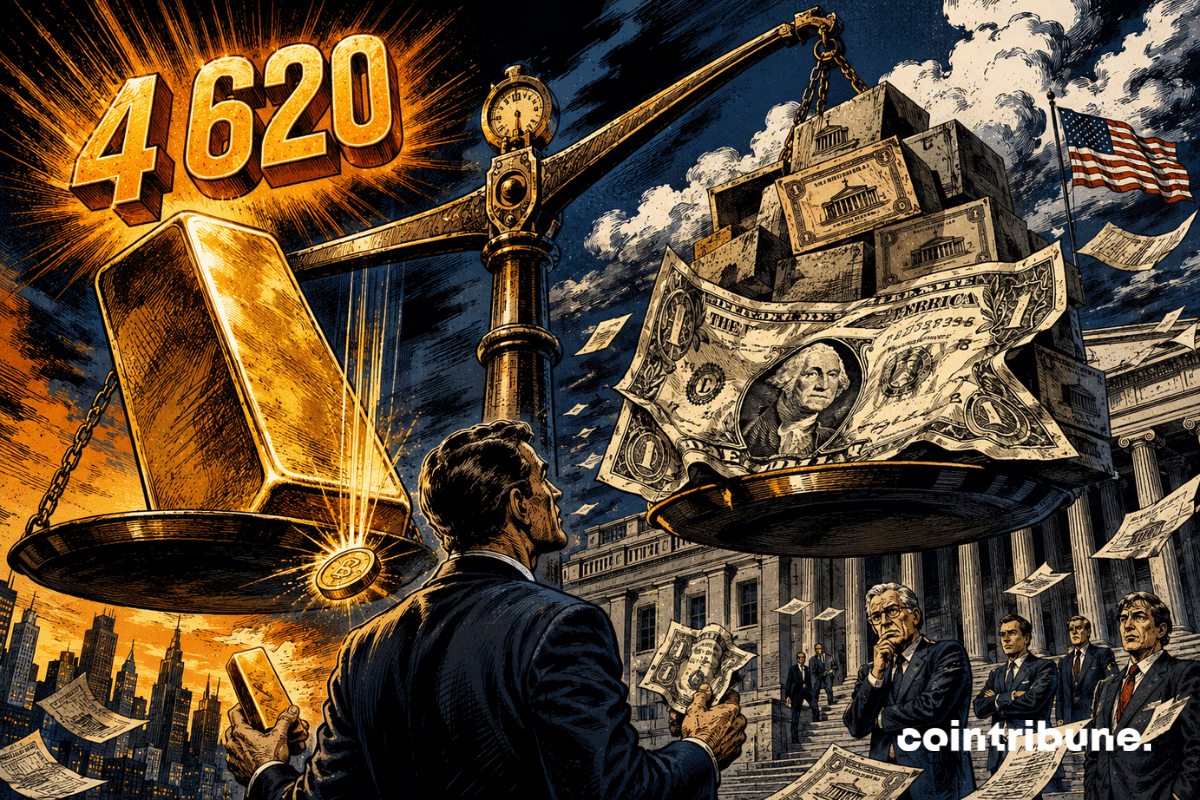
Rising debt levels and growing concerns over financial stability are driving investors toward crypto and gold as safe-haven assets. BlackRock CEO Larry Fink described this shift as a response to mounting fears about government debt and the declining value of money.
U.S. bank Citi is taking a decisive step into digital payments by joining forces with Coinbase to pilot stablecoin transactions. The partnership marks a turning point in Wall Street’s embrace of blockchain-based money, following the U.S. GENIUS Act's approval earlier this year. As the stablecoin market heads toward a projected $4 trillion valuation by 2030, Citi’s move positions it at the forefront of institutional adoption.
Bitcoin-focused company Strategy—formerly known as MicroStrategy—has received a “Buy” rating from Citi, with analysts highlighting significant upside potential for the stock. At the same time, the bank warned that the company’s heavy reliance on Bitcoin could expose investors to sharp price swings.
The United States government shutdown is nearing its fourth week, putting pressure on lawmakers to resolve the funding impasse while also addressing key issues in the digital assets sector. As the Senate prepares for another vote to reopen the government, Democratic senators are moving forward with plans to meet crypto executives to discuss the stalled market structure bill.
Jack Dorsey, Twitter’s co-founder and a long-time Bitcoin supporter, has once again sparked debate in the digital finance world. His recent post claiming “Bitcoin is not crypto” has reignited discussion over Bitcoin’s identity—whether it belongs to the broader crypto industry or stands apart entirely.
A new report by blockchain analytics firm Chainalysis reveals that more than $75 billion in cryptocurrency linked to illicit activity could soon be within reach of law enforcement. The findings come as governments consider forming official crypto reserves, raising questions about how seized digital assets could fit into national financial strategies.
BlackRock’s spot Bitcoin exchange-traded fund (IBIT) has surpassed 800,000 BTC in assets under management, following an eight-day inflow streak that brought in over $4 billion. The milestone marks a significant step in institutional adoption of Bitcoin, coming less than two years after the fund’s launch in January 2024.
Investor sentiment around Bitcoin is heating up once again, driven by renewed market optimism and bullish projections from key industry figures. A recent social media poll conducted by MicroStrategy CEO Michael Saylor has become a focal point for discussions about Bitcoin’s year-end potential. Amid growing institutional interest and other positive metrics, many market participants are betting on a strong year-end finish for the firstborn coin.
Shiba Inu (SHIB) investors appear to be back in accumulation mode following an on-chain report of a massive 512 billion SHIB transfer, which has stirred bullish sentiment across the cryptocurrency community. The meme coin, which has struggled for much of the year, is now regaining optimism as long-term holders expand their positions.
Ray Dalio, founder of Bridgewater Associates, has flagged Bitcoin’s code as a potential weakness, raising doubts about its long-term viability. His remarks have triggered pushback from the crypto community, with analysts defending Bitcoin’s resilience, transparency, and proven record as a store of value.
Crypto hack losses fell sharply in the third quarter of 2025, signaling progress in curbing large-scale exploits. Still, September offered a stark reminder of ongoing risks, logging a record number of million-dollar hacks. While attackers stole less overall, their tactics continued to evolve, with wallets and centralized platforms increasingly targeted over smart contracts.
Zcash (ZEC) has taken center stage in the crypto market after a parabolic rally sent it to a three-year high. The token has soared on the back of Grayscale’s new Zcash Trust, which has fueled a wave of fresh demand. But while ZEC now leads the market in performance, rising on both daily and weekly charts, on-chain signals warn that the rally may be overheating and vulnerable to a pullback.
BNB Chain has restored control of its official X account after a phishing attack briefly misled users with fake reward links. Although limited in scale, the breach is the latest reminder of the growing threat of scams targeting crypto communities. Losses were contained, but the event comes amid a broader rise in phishing-related thefts across the industry.
The possibility of a U.S. government shutdown is dominating prediction markets, with traders betting heavily on the outcome. Platforms like Kalshi and Polymarket show a strong consensus that negotiations in Washington are unlikely to deliver a deal in time. Rising volumes and market probabilities above 85% suggest that participants see a shutdown as the most likely outcome.
Massachusetts lawmakers will soon consider whether the state should create a Bitcoin reserve. A bill introduced earlier this year calls for using state funds and seized crypto assets to build a strategic stockpile. The proposal comes as several U.S. states weigh similar measures, with mixed results across the country.
Bitcoin’s price swings have not deterred Michael Saylor’s Strategy Inc., which continues to increase its position, adding millions in Bitcoin despite market pressures. Strategy remains the largest public holder of the firstborn crypto, and its steady buying strategy keeps drawing attention from both investors and analysts.
Bitcoin hovered around $110,000 on Sunday evening after a turbulent September, with traders weighing ETF outflows, technical support, and macroeconomic pressures. The market has entered consolidation mode, with volatility easing and traders watching for direction. With October approaching, the focus turns to whether “Uptober”—a month often associated with positive crypto momentum—will ignite the next breakout.
The cryptocurrency market faces renewed pressure, with both Bitcoin and Ethereum testing key support levels after a week of declines. Predictably, this market dip has left traders weighing whether this downturn signals further weakness or a chance to re-enter. Amid the uncertainty, President Donald Trump's son, Eric Trump, has stepped in with a familiar message, urging market participants to “buy the dips.”
Bitcoin’s rally is showing signs of fatigue after a sharp sell-off pushed prices under $109,000. Long-term holders have realized billions in profits while exchange-traded fund inflows slow, raising concerns that the market may be entering a cooling phase similar to past cycle tops.