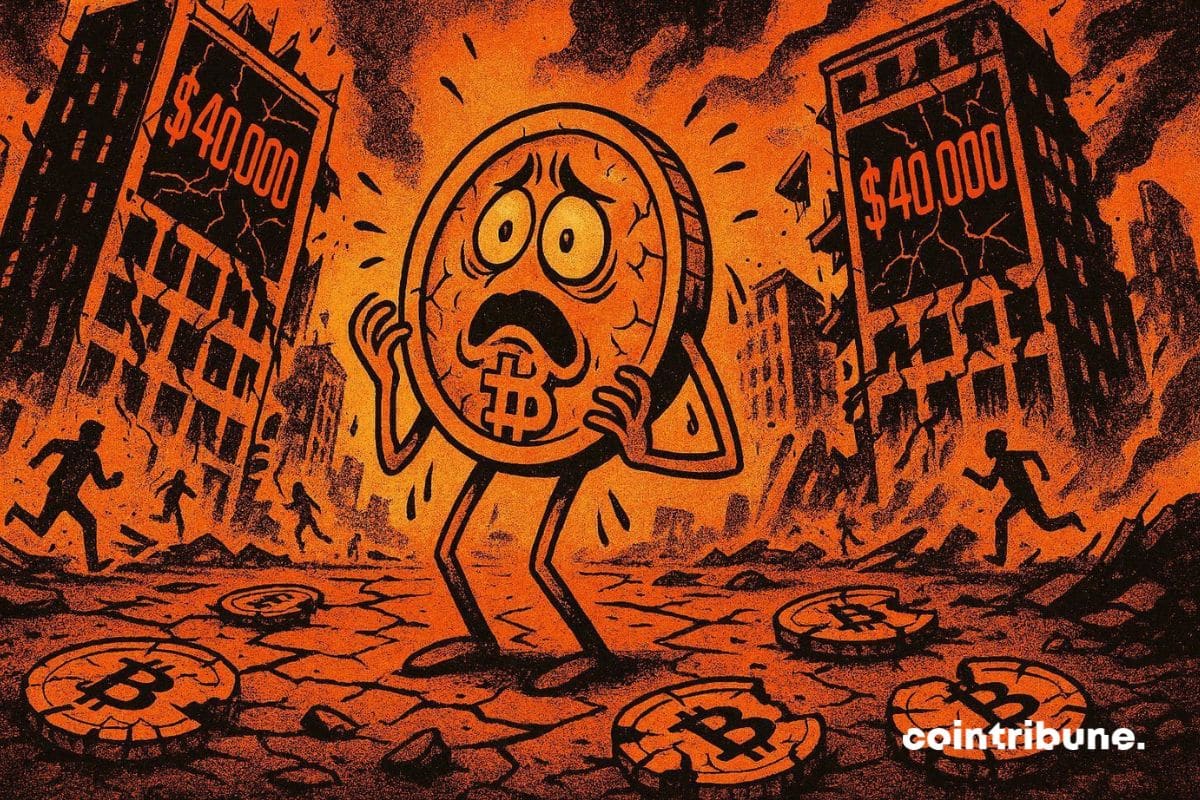
Did bitcoin really hit the bottom at $60,000? Michael Terpin, CEO of Transform Ventures, warns of a new drop to $40,000 before a sustainable recovery. Between historical cycles and market fragility, his analysis divides experts.


The crypto market sends contradictory signals. Indeed, investor sentiment has just reached a historic low, reflecting a strong distrust towards bitcoin. At the same time, some data from Binance indicate a slowdown in selling pressure. This discrepancy between market psychology and real flows raises a central question: are we witnessing a simple technical lull or the beginnings of a lasting rebalancing?
The boundary between traditional and decentralized finance continues to erode. This time, it is BlackRock that is shifting the lines. The global asset management giant has connected its tokenized fund BUIDL, backed by US Treasury bonds, to the Uniswap infrastructure. An initiative that goes beyond simple technological experimentation, as it materializes the entry of a major institutional player onto the operational rails of DeFi.
In just 24 hours, the Bitcoin market wiped out more than 250 million dollars of positions, catching thousands of traders off guard. Why this brutal purge? What signals should be watched to avoid getting trapped?
For the first time since 2022, bitcoin is sending a bottom signal, a rare technical indicator that could mark a historic turning point. With critical price levels to watch and varied scenarios, investors wonder: is it time to buy?
A sudden sale of 245,000 bitcoins by historic holders shakes the market, revealing an unexpected signal in an intense macroeconomic tension phase. These investors known for their solidity surprised even the most seasoned analysts. Is it a capitulation or a repositioning strategy? As monetary uncertainty persists and volatility settles in, on-chain indicators reveal a more nuanced reading.
ENS has just disrupted the crypto ecosystem by abandoning Namechain for Ethereum L1. A bold decision driven by a 99% drop in gas fees and unexpected scalability. Why this strategy could redefine the future of L2s in the crypto ecosystem?
In February 2026, bitcoin experienced a historic drop below $61,000. However, Glassnode data shows massive accumulation across all profiles. Why does this trend mark a turning point? Here are the key indicators and perspectives you absolutely must not miss.
Gold collapsed in just a few hours, surprising investors and analysts after a historic peak. This sudden shock revealed the speculative mechanisms shaking global markets. Amid the flood of interpretations, that of Scott Bessent, former strategist of the Soros fund and current advisor to the US Treasury, hits the mark. He accuses leveraged speculation by Chinese traders, amplified by margin tightening, for causing what he calls a "speculative blow-off."
While market attention is focused on every move of the Federal Reserve, a subtle adjustment is emerging. Economist Lyn Alden mentions the Fed entering "gradual print" mode: a progressive monetary creation, calibrated to nominal GDP growth. Far from the massive injections of 2020, this subtle strategy could disrupt interest rate expectations, redefine the balance of financial markets, and profoundly influence the evolution of cryptos like bitcoin.
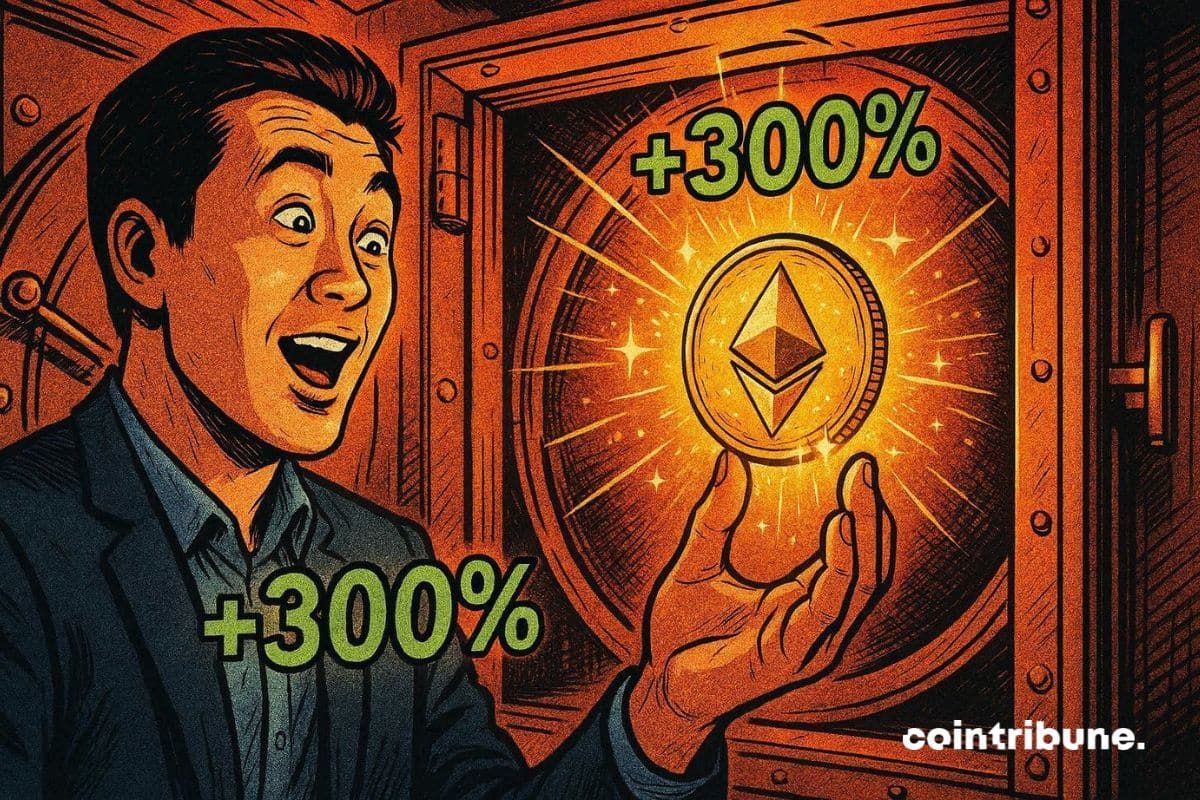
The largest holders of Ethereum are changing strategies and accumulating ETH at a frantic pace. After the recent dip below $2,000, could these massive moves signal a historic rebound? Between technical analysis and expert predictions, here’s why the crypto market is holding its breath.
Markets are holding their breath ahead of the next Fed meeting with a possible monetary turning point as early as March. As inflation slows and the political context becomes more complex, an unexpected signal is gaining strength. According to CME data, more than 23% of traders are now betting on a rate cut. This shift in sentiment, still a minority but growing, could well reshuffle the cards.
The sudden drop in bitcoin and Ethereum triggered a series of historic liquidations on Coinbase, exposing a major vulnerability in crypto lending. Within hours, millions of dollars in collateralized loans were wiped out, revealing the limits of a system designed to withstand shocks. This new episode of tension, far from anecdotal, calls into question the robustness of financing mechanisms backed by cryptos.
Ethereum has just lost 40% of its value, but Tom Lee sees a rare opportunity in it. Between historical parallels and technological potential, this drop could well mark the beginning of a spectacular rebound. Should you seize the opportunity or stay cautious?
While Bitcoin collapses below $65,000, Binance surprises the market by investing $233 million in 3,600 BTC. A bold decision that divides experts: some see it as a strong signal of confidence, while others believe the disappearance of Bitcoin would make the world better. Between opportunity and risk, how should investors react?
The crypto market has sharply declined. In a few hours, major assets lost several months of gains, bringing bitcoin, Ethereum and Solana back to forgotten levels. After the 2025 momentum, investors hoped for consolidation. Instead, a wave of panic took over. More than 2 billion dollars were liquidated, revealing an atmosphere of extreme fear. The entire ecosystem is affected, from tokens to listed stocks, indiscriminately.
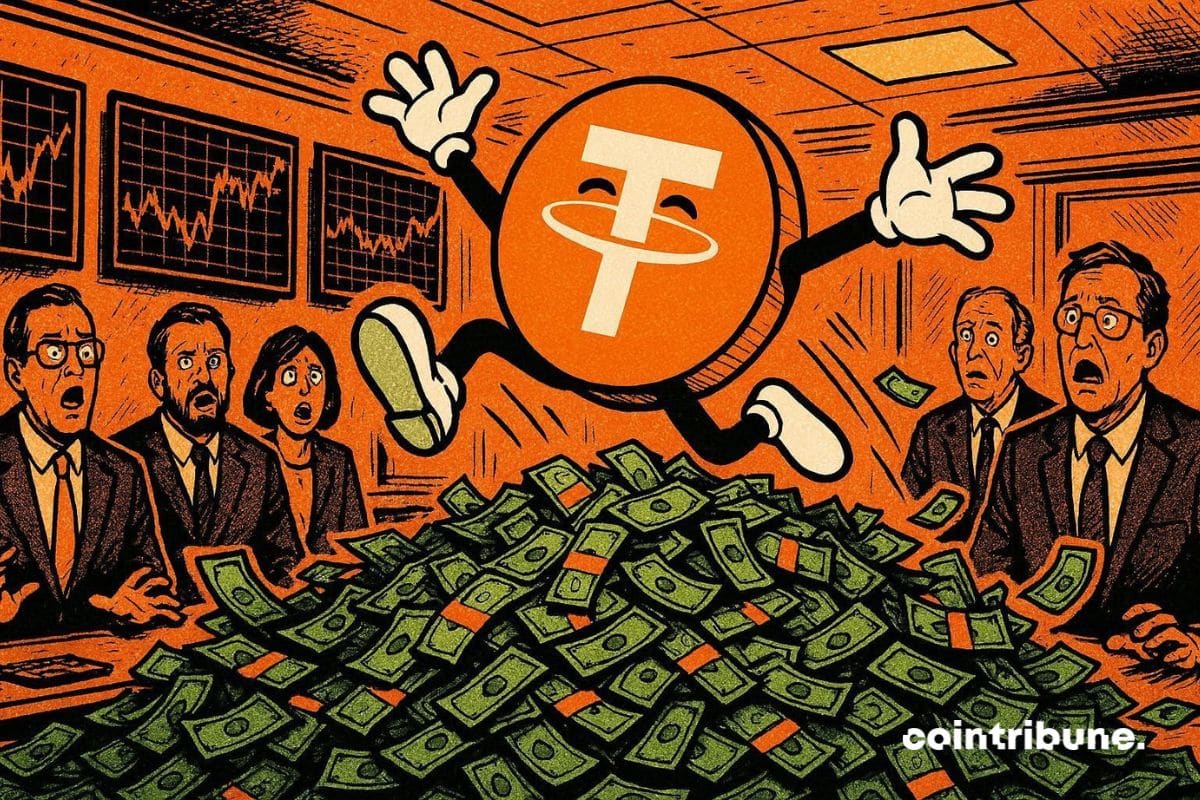
Tether claims a valuation of 500 billion dollars, but investors remain skeptical. Between reduced fundraising, announced profits, and regulatory challenges, the company divides opinion. Dive behind the scenes of a stablecoin that defies the market and questions the future of crypto.
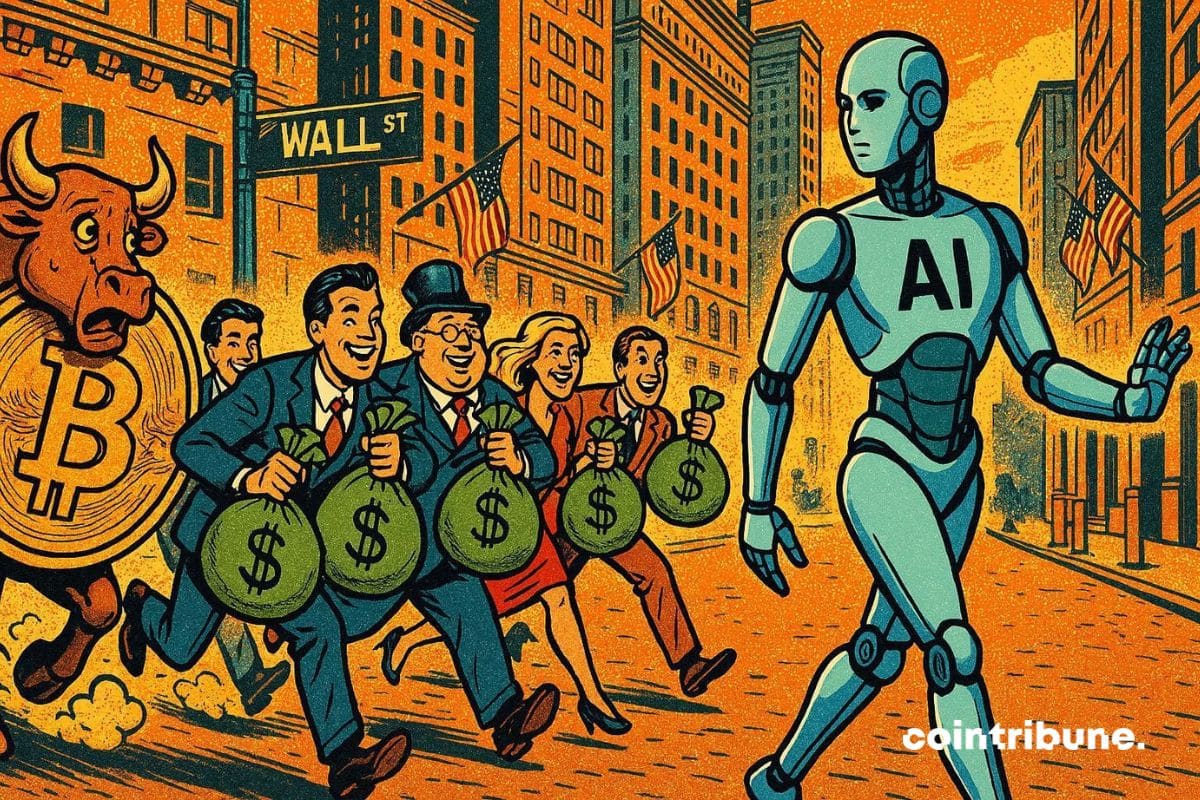
In 2026, family offices massively bet on AI, leaving crypto behind. With 89% of them having no exposure to digital assets, the gap widens. Why such an imbalance? What are the risks and opportunities for investors?
While the market digests a wave of massive liquidations, bitcoin and Ethereum register an unexpected rebound. In a still tense climate, this recovery intrigues as much as it divides. The contrast between extreme volatility and price increase reignites debates about the market's real solidity. After a week marked by instability, signals are blurred and positions are opposed.
The official figures of American inflation are directly opposed to those of alternative indicators. While the Fed is cautious about a possible monetary pivot, independent data suggest that real inflation would already be well below the 2% mark. This discrepancy raises doubts about the relevance of the tools used by the authorities and could disrupt market expectations, especially in the crypto ecosystem, where every macroeconomic signal is closely scrutinized.
For the first time, the United States targets crypto platforms linked to Iran, triggering a shockwave in the markets and a geopolitical escalation. Bitcoin free fall, Middle East tensions, and tightened regulation: what are the risks for investors and global stability?
BitMine Immersion Technologies falters under the weight of an unprecedented collapse: more than 6 billion dollars of latent losses on its Ether treasury. This rout, amid massive selling and prolonged crypto market decline, raises questions about the strength of institutional strategies. Between excessive concentration, illiquidity, and heightened volatility, this situation exposes the limits of the system facing extreme volumes. The shock is technical, but the consequences could be systemic.
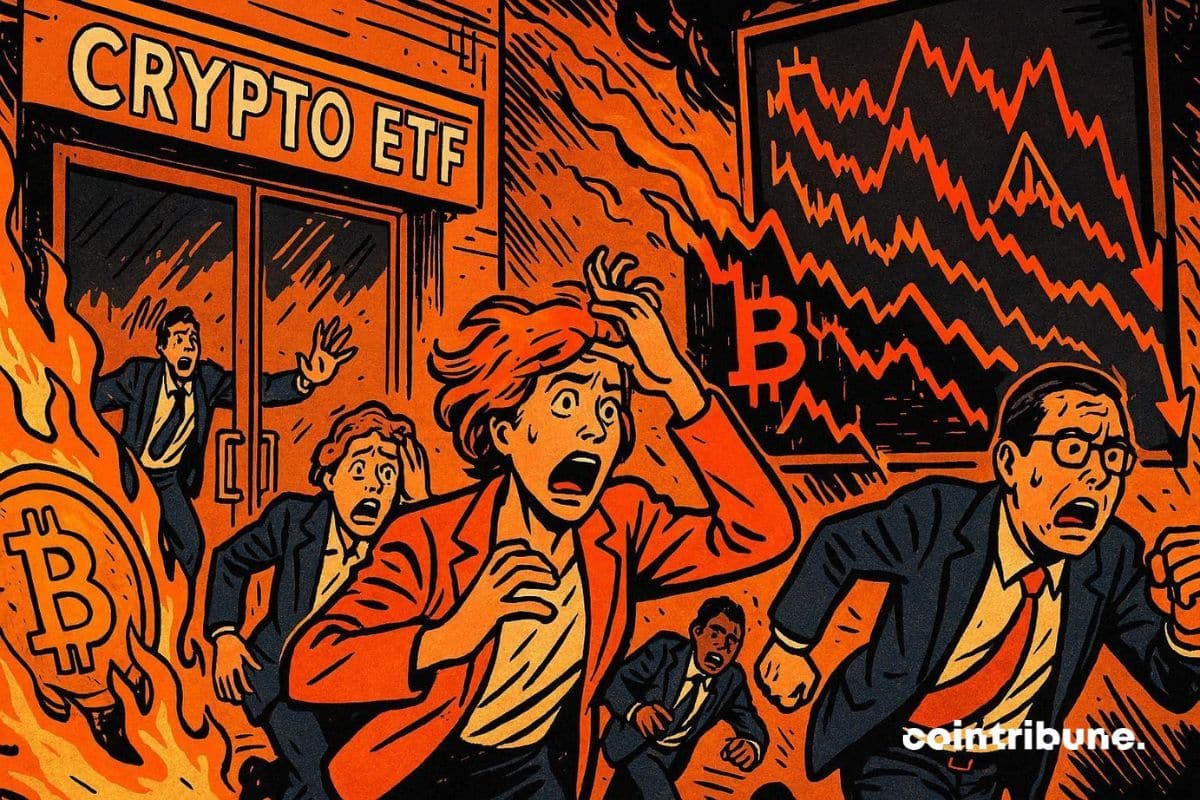
In just five days, crypto ETFs suffered massive withdrawals totaling $1.82 billion. This hemorrhage, occurring in the context of a widespread crypto downturn, raises questions about the future of institutional investments. Why are funds fleeing? What possible scenarios lie ahead in the coming months?
October 2025 marked crypto history with a historic crash and the mysterious depeg of the USDe stablecoin on Binance. Changpeng Zhao (CZ) rejects all responsibility, but technical evidence and expert criticism suggest another reality.
While the crypto market is stagnating and prices struggle to bounce back, a subtle signal draws observers' attention: XRP whales are back. According to Santiment's on-chain data, the number of wallets holding more than one million tokens is rising sharply, despite a falling price. This surge in activity, flying under the radar, could mark a turning point in the token's dynamics, as analysts scrutinize signs of a new cycle.
The crypto market is going through a period of uncertainty where indecision reigns. For several weeks, investors have been operating in an atmosphere of distrust fueled by a Fear & Greed index stuck in an extreme fear zone. Prices are stagnant, volumes are eroding, and no clear signal manages to revive confidence. This emotional inertia, coupled with a lack of technical direction, reflects a latent tension that weighs heavily on market dynamics. Doubt is settling permanently within the ecosystem.
Solana sees its validators disappear at an alarming rate, 68% of them have thrown in the towel since 2023. Behind this hemorrhage lies a crucial dilemma: how to reconcile performance and decentralization when costs crush small operators? Between transaction records and growing centralization, the crypto network is betraying its promises.
While gold smashes a new record above $5,300 per ounce, bitcoin stalls below $90,000. This stark contrast between two assets often described as safe havens raises questions. Why is the precious metal attracting massive capital while the leading crypto is stuck? In a tense economic context, this gap reveals a shift in investors' perception in the face of uncertainty.
Gold has just crossed 5,311 dollars an ounce, sparking a race to the safe haven. Facing this historic high, two crypto giants adopt opposite strategies. Tether bets on physical gold, Coinbase on derivatives. This divergence is no coincidence. It reveals two visions of the financial future: grounded in the tangible for one, focused on markets for the other. Such a strategic turning point could redefine the balance of power in the crypto ecosystem.
October is often awaited as the flagship month for bitcoin, but recent data challenges this myth. According to quantitative analyst Timothy Peterson, February would actually offer more reliable performance, supported by solid statistics and repetitive market patterns. While January ends on an uncertain note, a new seasonal signal could emerge. What if the real "Uptober" now falls in February? This shift could well redefine crypto investment strategies this year.