
Tue 24 Mar 2026 ▪
5 min read
▪
by
MoonPay gives a wallet to machines, and here come the AI agents starting to play bankers, while crypto tries to avoid a joyful global technical mess.
MoonPay gives a wallet to machines, and here come the AI agents starting to play bankers, while crypto tries to avoid a joyful global technical mess.

The debate around the quantum threat opposes two visions of the digital future. On one side, artificial intelligence accelerates market instability. On the other, Michael Saylor believes that the real risk far exceeds Bitcoin. According to him, a breakthrough in quantum computing could weaken the entire global digital system, from banks to the cloud.

Transparency of public blockchains is both their strength and their limitation. Every transaction is visible, a feature that still deters some businesses and institutions. The XRP Ledger could soon provide an answer to this dilemma. A key contributor to the XRPL ecosystem has revealed the outlines of a development based on Zero-Knowledge Proofs, a technology that allows validating a transaction without disclosing the sensitive data it contains. This is a breakthrough likely to change how privacy is viewed on the XRP network.

Imagine a world where people bet on death, attacks, wars, or natural disasters. In the United States, a controversial law, the "Death Bets Act", seeks to ban these macabre prediction markets. Between ethics, national security, and financial freedom, the debate is raging.

Address poisons have stolen 500 million. Trust Wallet responds with an anti-copy-paste shield. Finally some good news.

In the global race for artificial intelligence, every update counts. With GPT-5.3 Instant, OpenAI is not content with a simple technical adjustment. The company aims to correct one of the major criticisms aimed at ChatGPT, its imprecise or awkward answers. Presented as "more accurate and less embarrassing," this new version aims to reduce hallucinations and excessive refusals. A strategic evolution in a market where the credibility of models becomes a central issue.
Insider trading, internal data... ZachXBT promises a shocking revelation on February 26. Should the crypto market worry? The details!

A former employee of a major fintech is accused of threatening to disclose KYC data to obtain a ransom in crypto. The case, confirmed by the company concerned, reveals a rarely discussed risk: the internal exploitation of sensitive information. In a sector where trust relies on data protection, this episode raises questions about control and security mechanisms.
An AI project victim of a token rug pull scam. Result: the word "bitcoin" becomes taboo on its Discord. Crypto, please don't talk about it.
Quantum scares, bitcoin falls. But devs work, seed phrases save, and 1.7 million BTC sleep. The real question lies elsewhere.
Stablecoins reach $141 billion of illicit activities in 2025. A record that reignites the debate on global crypto regulation!

They were looking for the loot, found an empty wallet. So they killed, dismembered, buried. An Israeli detective watched. He is restrained in Dubai.

Crypto use within human trafficking networks is rising, according to new data from Chainalysis. Yet the firm argues that blockchain’s open ledger may also expose those same networks to investigators. A recent report shows a sharp increase in crypto flows tied to suspected trafficking operations, many of which operate across Southeast Asia. Analysts believe transaction visibility could give law enforcement a tactical edge.
Crypto security efforts across Ethereum are getting a fresh boost as scams continue to drain funds from everyday users. In response, the Ethereum Foundation has launched a new partnership aimed at reducing losses and improving real-time visibility into emerging threats across the ecosystem.
Crypto market on alert: Phantom faces controversy after a $264,000 theft. We give you all the details in this article.
The announcement shook the crypto ecosystem this Friday. The Ethereum Foundation officially announced the creation of a dedicated post-quantum security team, backed by $2 million in funding. This decision marks a strategic turning point for the world's second-largest blockchain, elevating quantum resistance to an absolute priority.

The EU has found TikTok’s features addictive and is calling for platform reforms, with potential fines if changes are not made.

The debate over online age verification intensified this week after Telegram co-founder Pavel Durov criticized Spain’s proposal to restrict social media access for users under 16. Spanish officials say the measure is designed to protect children online, but critics argue it could expand government surveillance and erode digital privacy. The plan has drawn particular concern from the public, who warn of broader consequences for anonymous communication online.

Vitalik Buterin turns a page in Ethereum's history. In a published post, the protocol's cofounder calls into question the strategic vision of Layer 2, long considered the key to the network's scalability. For him, the rollup-centric model no longer delivers on its promises. As Ethereum continues its transformation, Buterin calls for a profound rethinking of the role of second-layer solutions. This stance could well redefine the future of the ecosystem.
Assaults, kidnappings, mutilations… Crypto theft turns physical in Europe. Discover the key figures in this article.
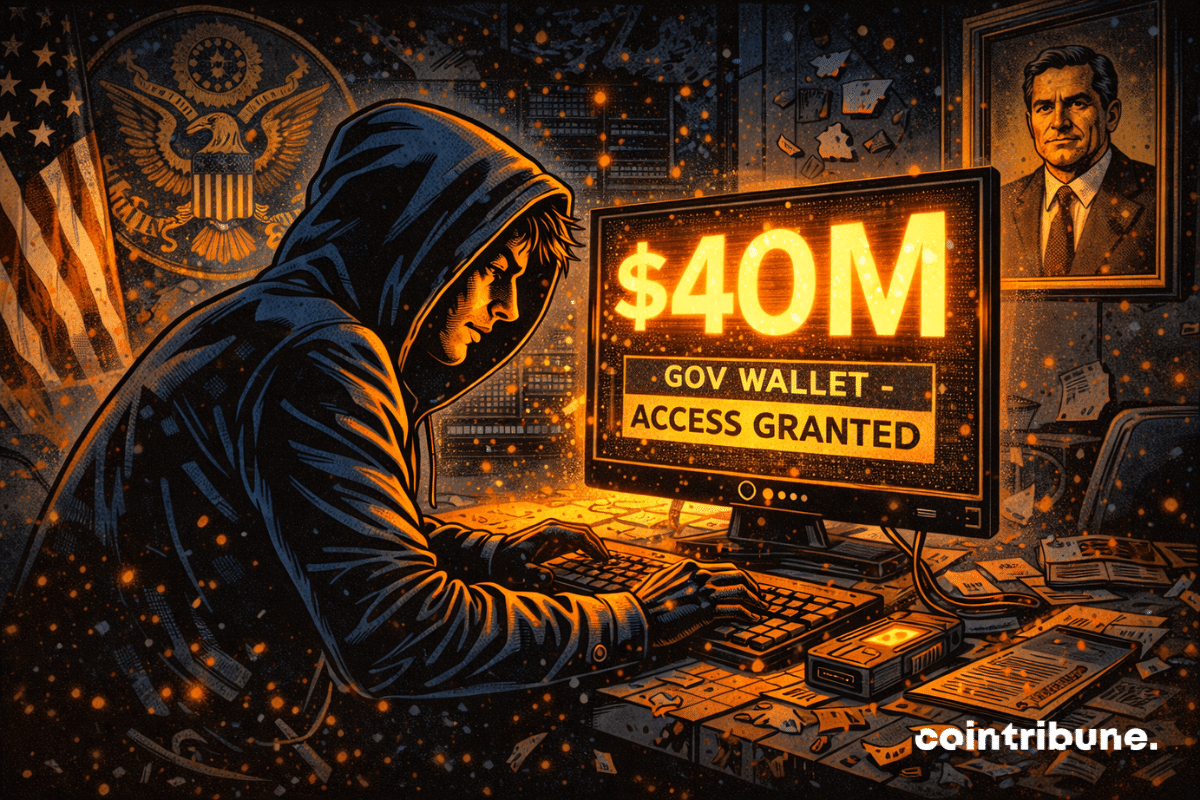
A boastful hacker, a dubious federal contract, and millions in crypto gone: when family cyber-arrogance turns Washington into the stage for a burlesque digital burglary.

The French make USB keys, the Americans make billions: Ledger crosses the Atlantic, hoping Wall Street will finally open the vaults of global crypto-finance for it.

In a network where every line of code can become a manifesto, the slightest technical signal takes on the appearance of a political declaration. BIP 110, supported by a growing fraction of Bitcoin nodes, illustrates this internal tension. Behind this seemingly minor proposal lies a clear intention: to tighten control over data insertion into the blockchain and defend a stricter vision of the protocol.

While quantum computers sharpen their circuits, Ethereum brings out the heavy artillery: cryptographers, millions, and devnets. The blockchain wants to last a hundred years, even if it ages before us.

The security of crypto data falters once again. The French platform Waltio, specializing in tax declarations, was the victim of a massive leak of sensitive information. In response, an investigation was opened by the French authorities, mobilizing the National Gendarmerie. This incident rekindles concerns about the vulnerability of services related to cryptos, including those outside the blockchain. As the use of tax tools becomes widespread, users' trust is severely tested.
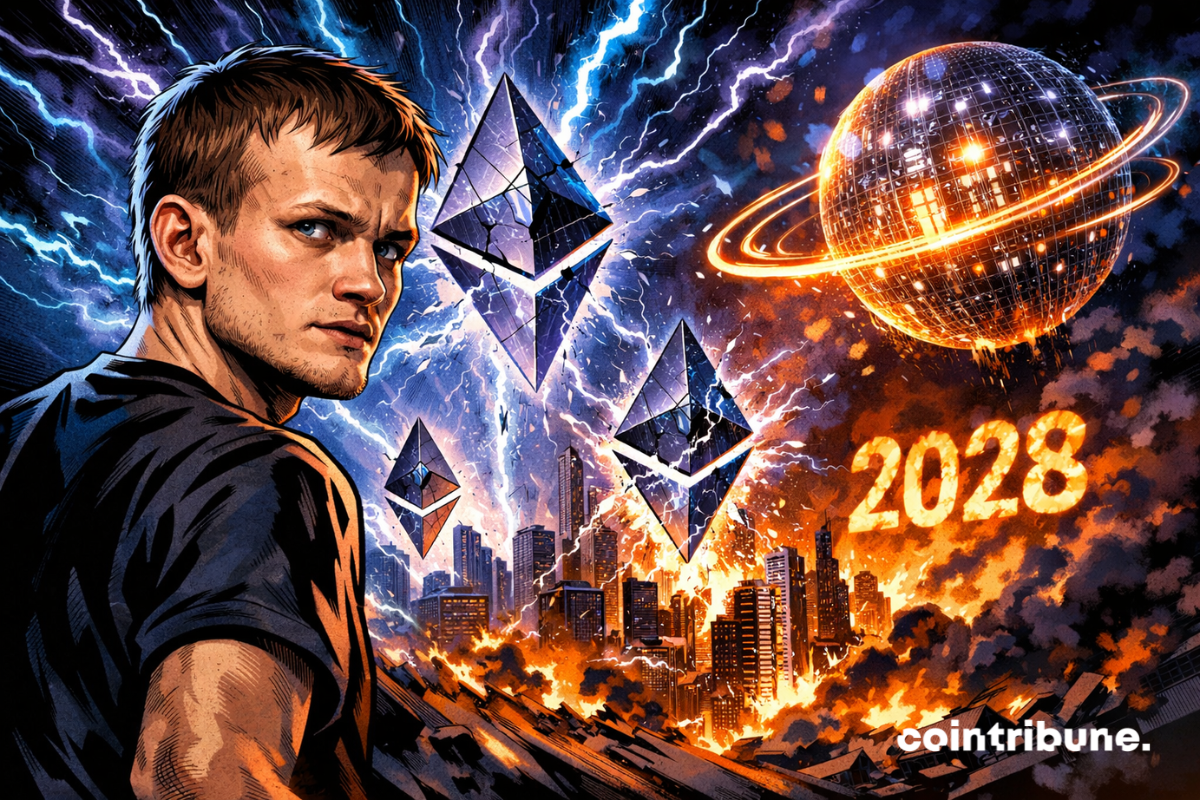
At the Devconnect conference in Buenos Aires, Ethereum's co-founder issued an unprecedented warning: the elliptic curves securing Bitcoin and Ethereum 'are going to die.' With a 20% probability that quantum computers could break current cryptography before 2030, the crypto industry has less than four years to migrate to quantum-resistant systems.
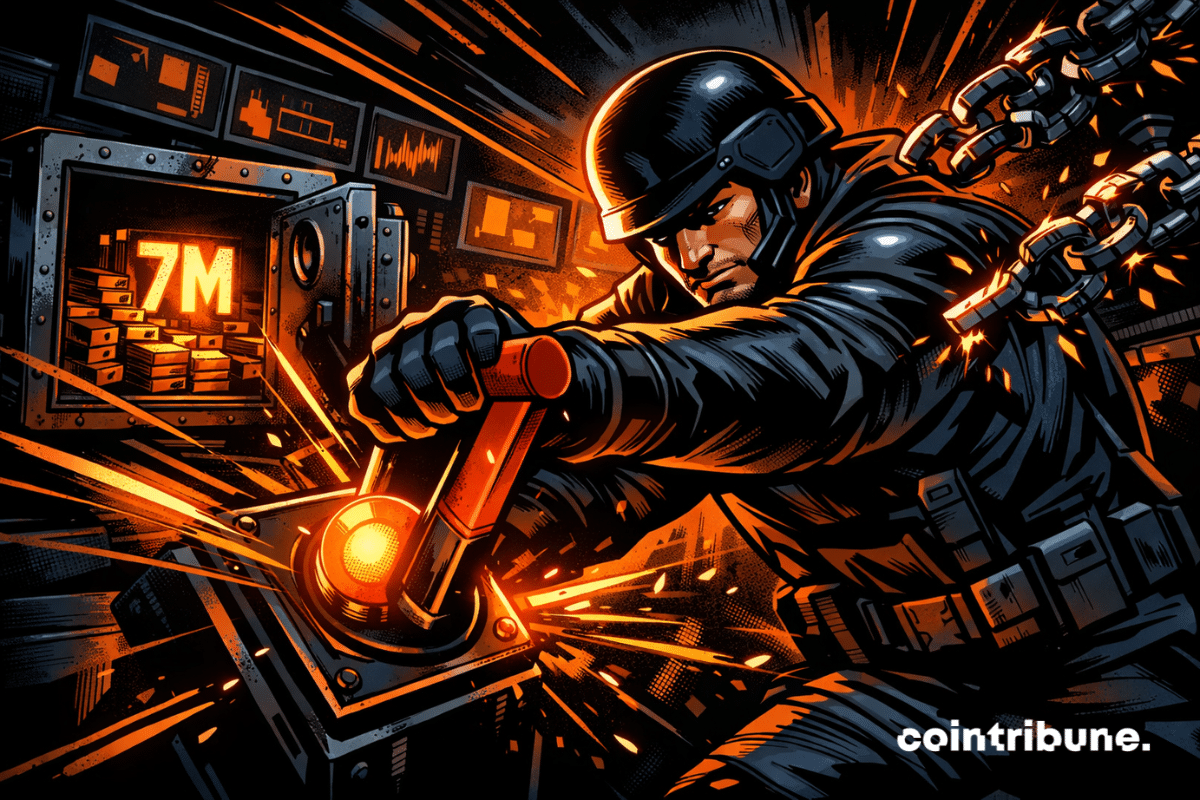
Saga, a Layer-1 blockchain protocol, has paused its Ethereum-compatible SagaEVM chainlet after a $7 million exploit triggered unauthorized fund transfers. The attack involved assets being bridged out of the network and swapped into Ether. Although the affected chainlet remains offline, Saga says the broader network continues to operate normally.
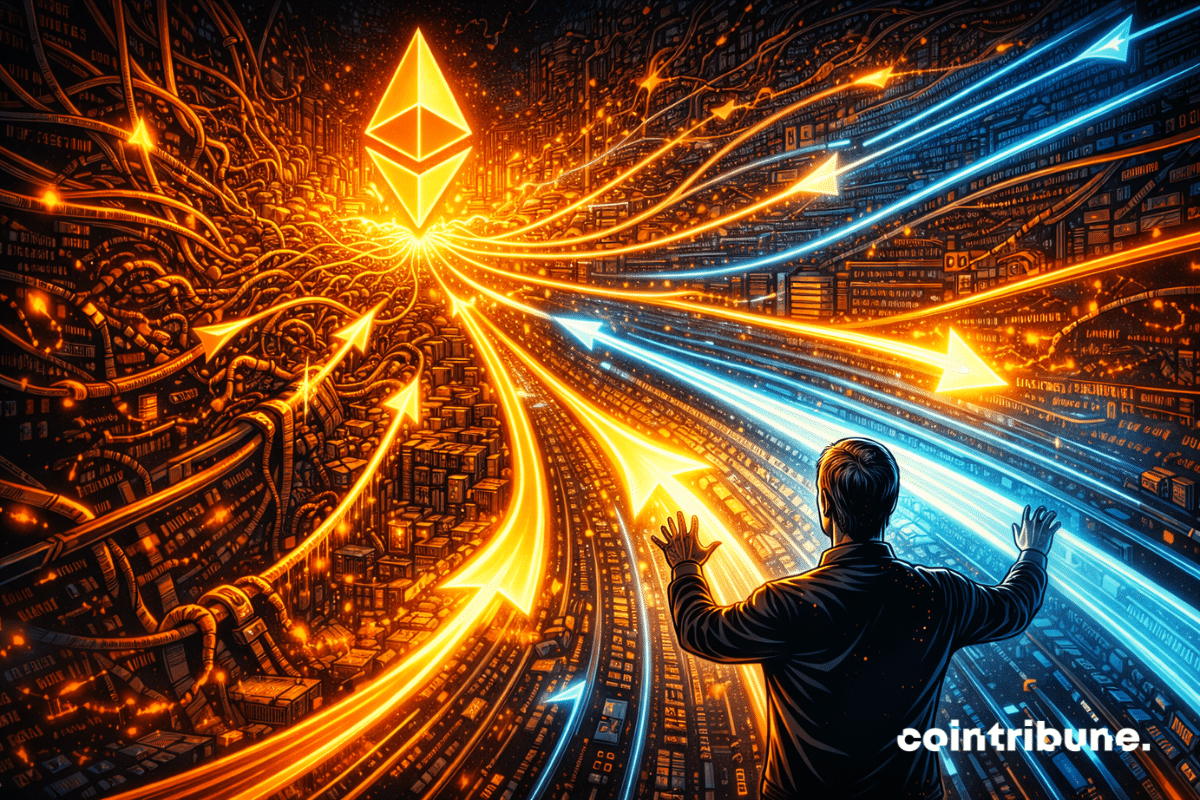
Ethereum, the engine of blockchain innovation, faces a major challenge: its growing complexity. Vitalik Buterin, co-founder of the network, warns about protocol congestion, an excess of complexity that threatens Ethereum's efficiency and security. To address this, he proposes a radical solution: simplifying the code by removing superfluous elements. However, this approach raises questions: can Ethereum be lightened without compromising its core principles of decentralization and trust?

In the world of cryptocurrencies, hacks have become events that are both frequent and dramatic. The main data is clear: nearly 80% of hacked crypto projects never fully recover, even after fixing their technical vulnerabilities. This means that most protocols experiencing a major attack remain permanently weakened — financially and in terms of trust.
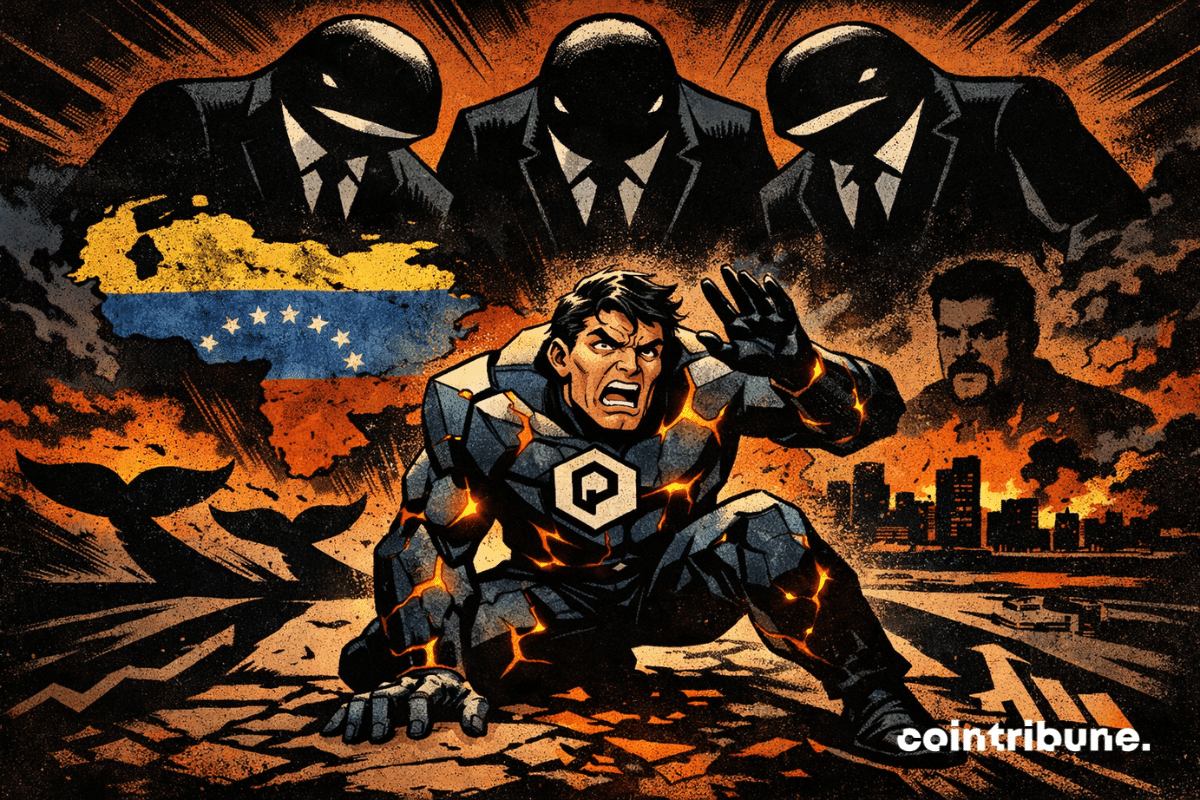
An explosive case shakes the crypto market: three Polymarket whales targeted for suspicious bets on Venezuela. Details here!