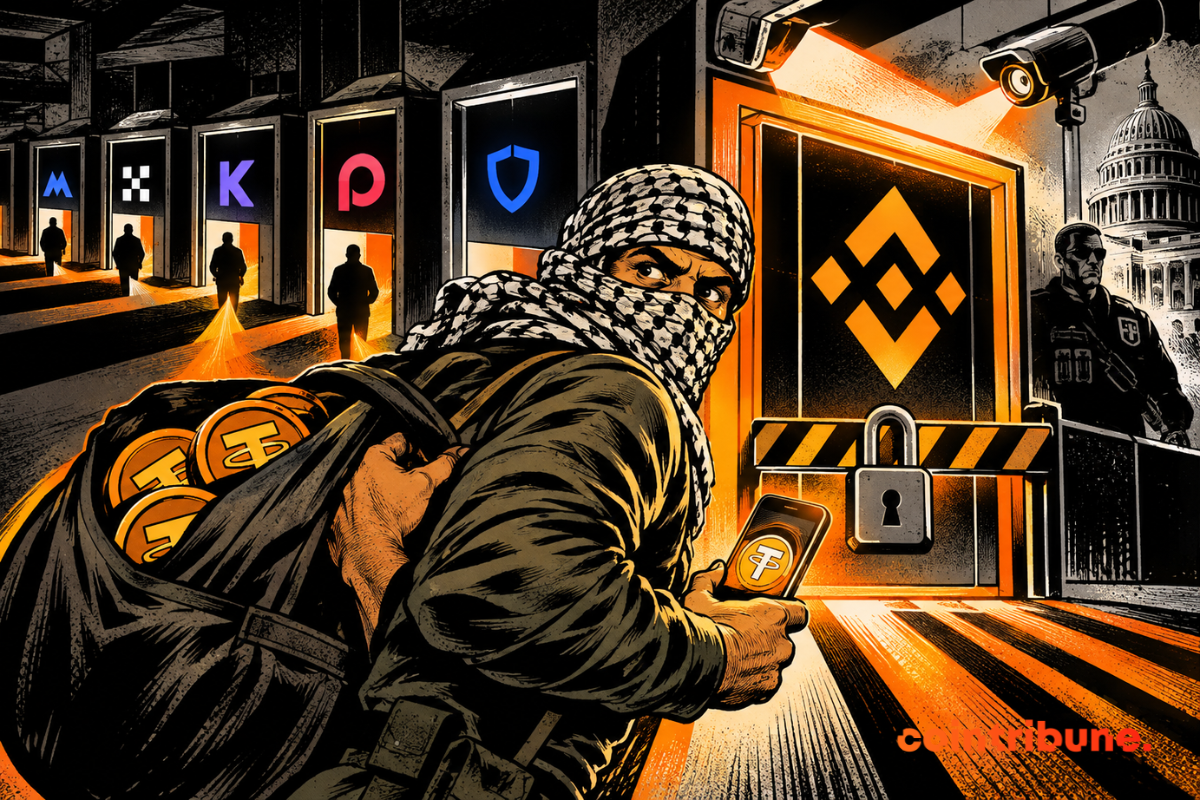
A letter attributed to the Al-Qassam Brigades advises avoiding Binance for crypto donations, thus revealing tensions between covert financing, blockchain traceability, and exchange controls.
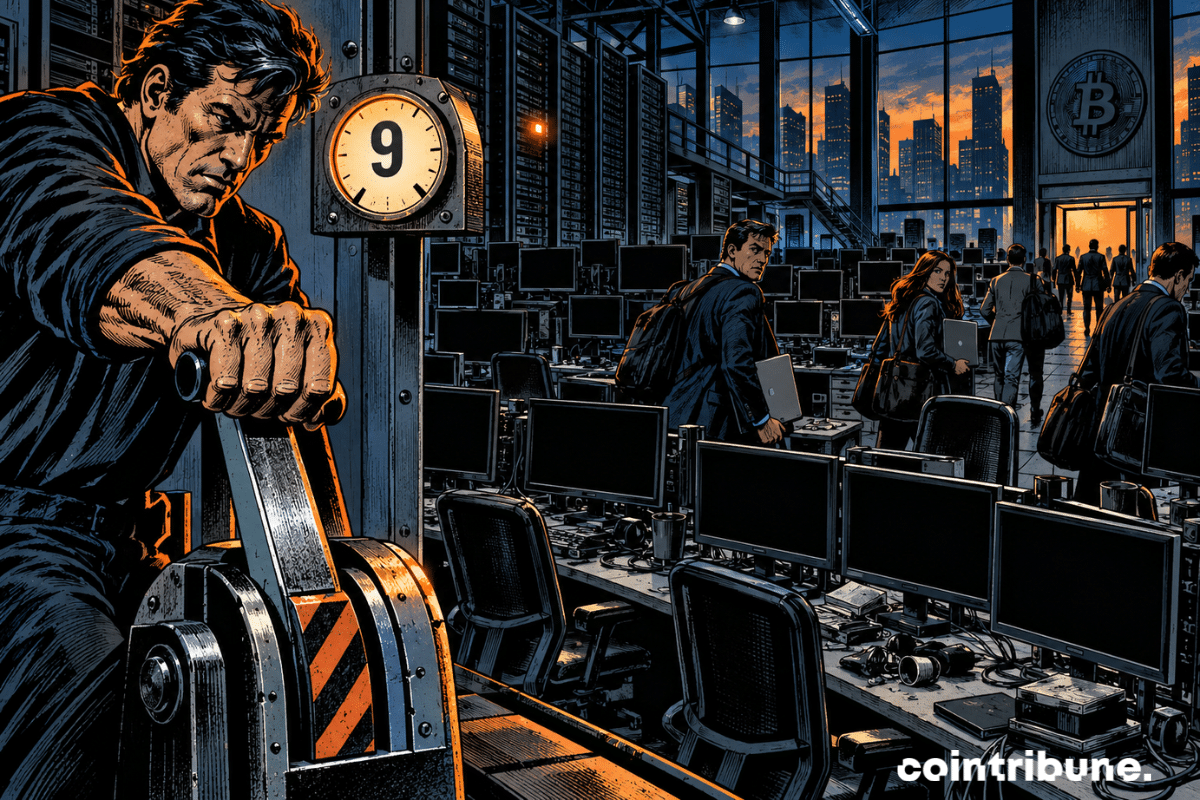
CoinEx will disappear on December 22, 2026, exactly nine years after its launch. The exchange started reducing its services on September 15 and now asks its users to withdraw their funds. Spot trading will stop on September 29. CoinEx explains its decision by the prolonged weakness of the crypto market, the drop in volumes and liquidity, as well as compliance costs that have become too burdensome.
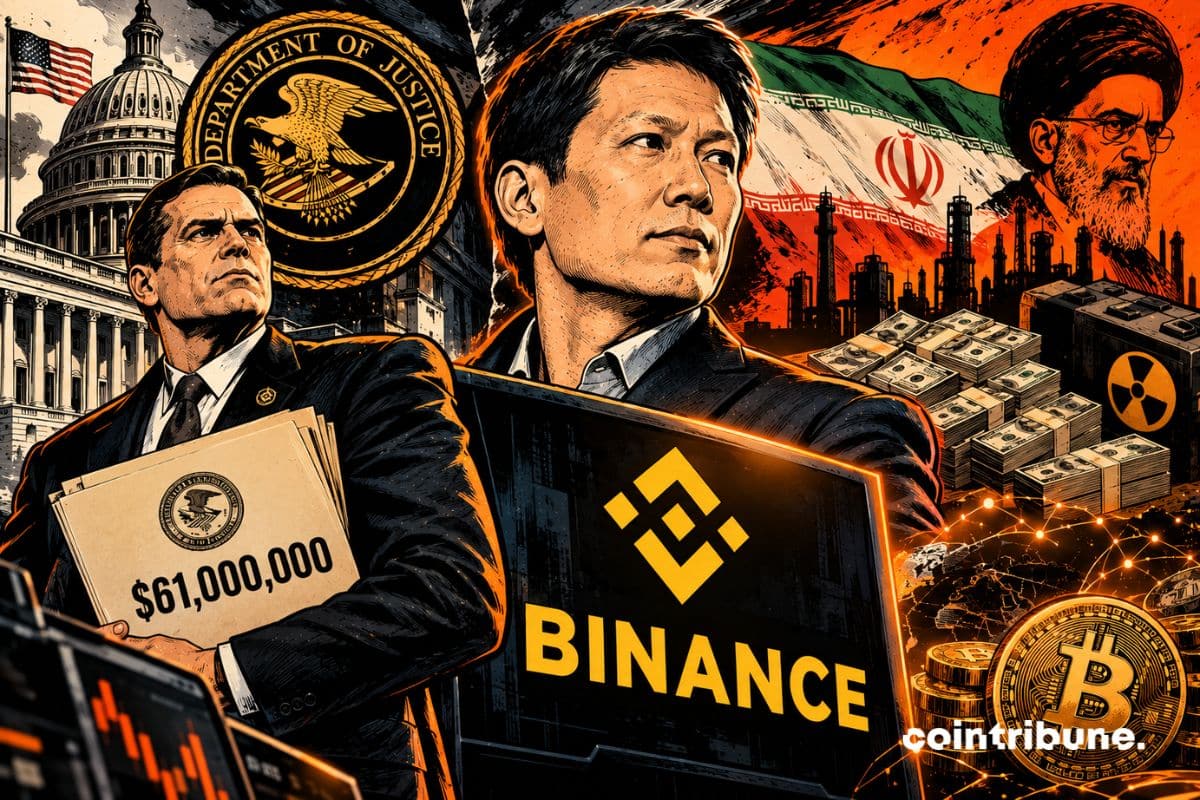
The US justice system wants to seize 61 million dollars in crypto allegedly from illegal Iranian oil sales. Two Chinese companies are accused of laundering these funds via Binance. Richard Teng denies any involvement of the crypto exchange but Binance’s Iranian history does not fade so quickly.
North Korea is expanding its infiltration system of American companies. According to an NBC investigation, IT workers based notably in Iran and Lebanon are recruited to attend interviews on behalf of North Korean operators. Some reportedly received 500 dollars per month in crypto to play the "interview associates" role. Once the contract is secured, the position can be taken over by a worker linked to Pyongyang. American authorities had already documented the increasing use of third parties to bypass recruitment controls.
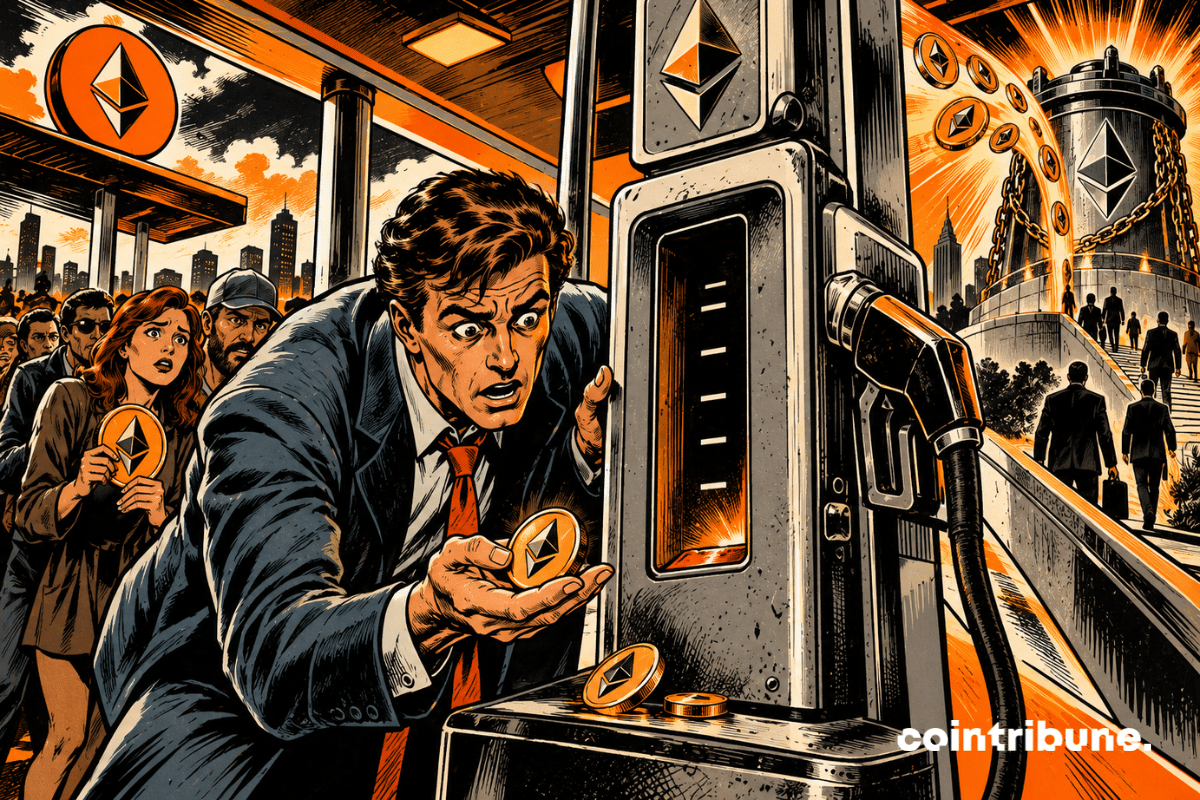
Ethereum: crypto reserves on exchanges collapse to a multi-year low. Will the shortage trigger a price explosion?
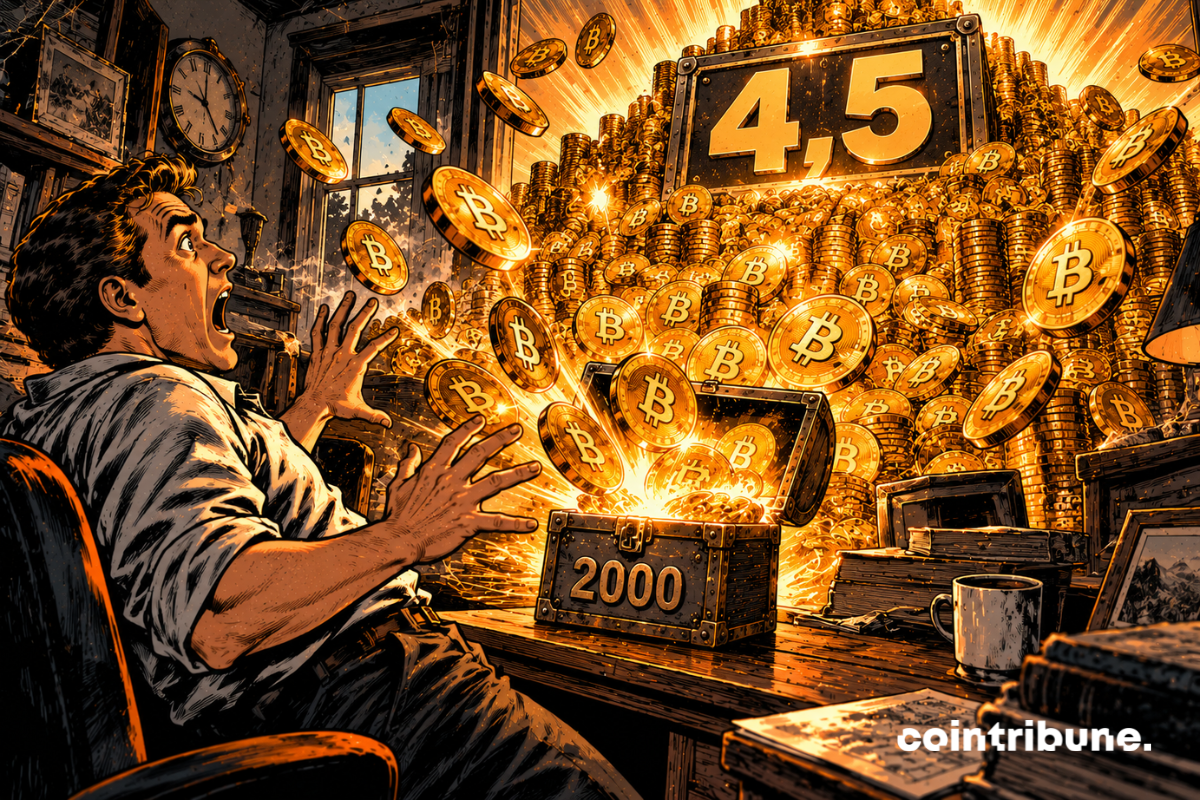
After twelve years without access, a British investor regained bitcoins now valued at nearly 4.5 million dollars. Identified under the pseudonym Chris, he initially invested 1500 pounds in bitcoin as early as 2011 via the Intersango exchange platform. The recovery does not come from discovering an old password. Lawyers established his ownership right through legal documents, bank statements, and tracing tools.
After the drone attack in Leipzig, Germany, the EU tightens its sanctions against Russia. 14 crypto platforms already targeted.
The exchange Binance recorded 15.7 billion dollars in net asset inflows during August. This is a record according to Binance Research. Indeed, the exchange platform attracted more than 75% of the positive flows recorded by the main centralized exchanges. This trend coincides with a monthly increase of over 20% in bitcoin. However, it does not mean that 15.7 billion dollars were automatically used to acquire BTC. Deposits consider various cryptos and correspond to different strategies.
What if the bitcoin bull run no longer played out on Wall Street? While Ki Young Ju points internationally, Russia is already preparing to accept bitcoin as loan collateral. Two signals, one direction: adoption is scaling up, and the United States is no longer the only player at the table.
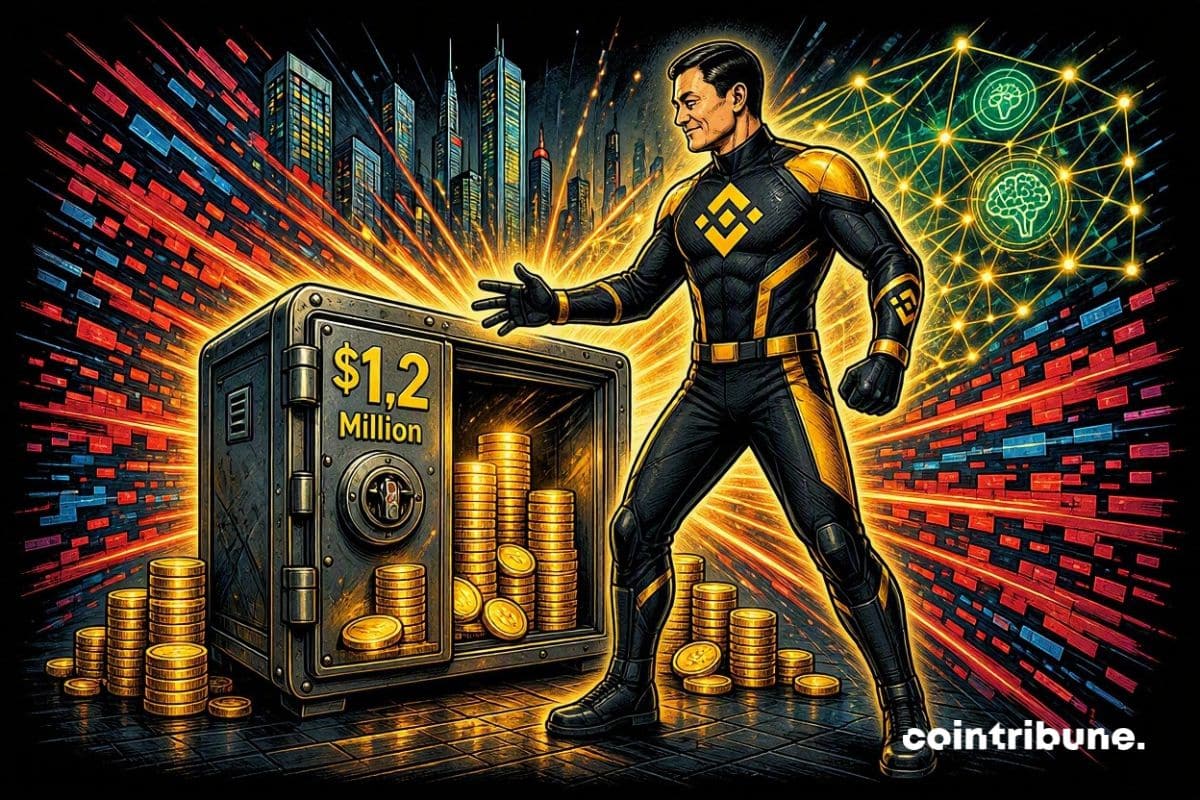
A targeted DAO. 1.2 million dollars at stake. And a Binance security team who spotted the threat before anyone else and acted in less than 48 hours… zero dollars lost! While BonkDAO and KelpDAO were counting their losses in recent months, Binance won the race.
Ethereum reserves are depleting on centralized exchanges at an unprecedented rate. A potential supply shock is emerging behind this contraction. This scenario is certainly fueled by the massive movement of tokens towards long-term holding as well as the return of institutional investors. Such a reduction is amplified by buybacks through ETFs and various corporate treasury strategies. However, the U.S. administration is sending new signals to the crypto market. The increase in institutional capital combined with ETH scarcity creates a situation where the balance between supply and demand could tighten.
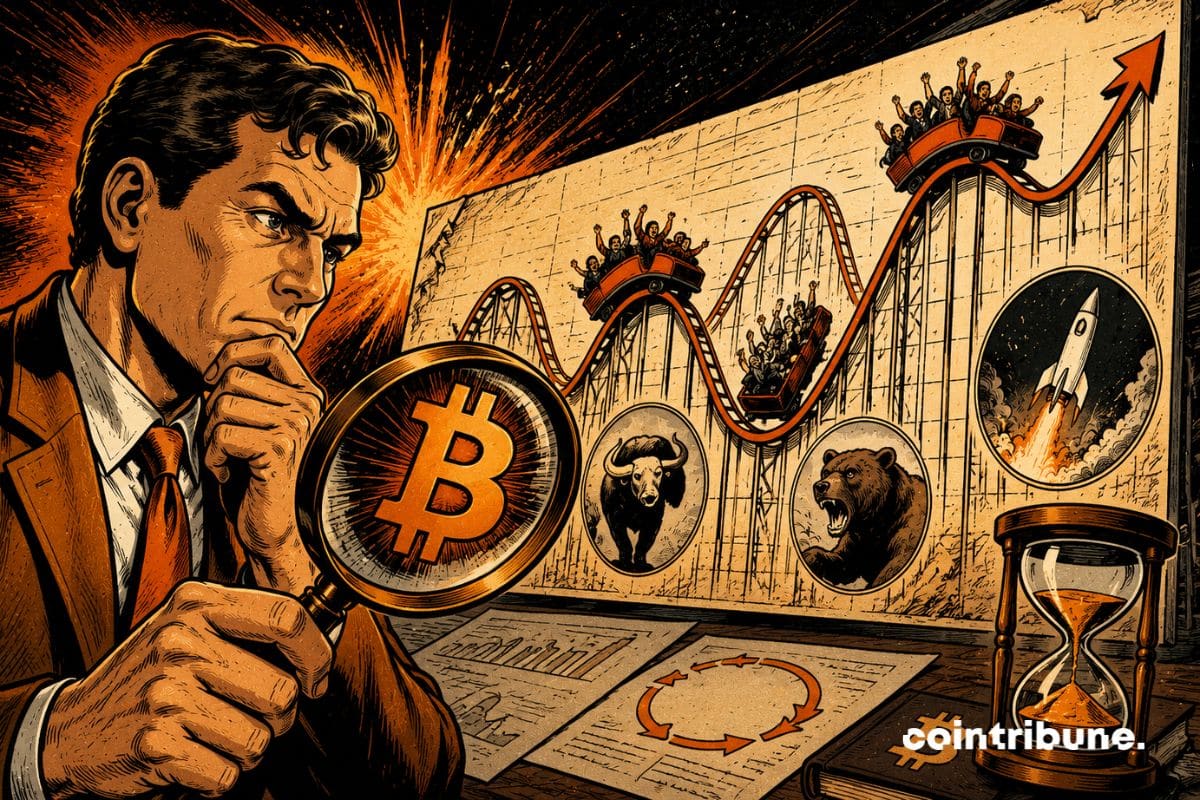
Bitcoin has just shattered a widely anticipated scenario: that of a progressive shortage of BTC on exchanges. In just three weeks, the reserves available on centralized platforms have strongly rebounded, despite ETF demand. This turnaround reveals a reality more complex than a simple "supply shock" fueled by institutional investors. Where do these new bitcoins come from and what does this return of liquidity reveal about market balance? On-chain data and ETF flows provide several answers.
Crypto: perpetual stocks rise from 15 to 250 billion dollars in 3 months. Discover our complete and detailed analysis.
Binance cuts ties with 16 crypto players. Since August 14, 2026, the giant no longer processes their transactions in order to comply with international sanctions related to the war in Ukraine and anti-money laundering requirements. Among the targeted platforms is HTX (formerly Huobi), a global heavyweight in the sector. Under European and American regulatory pressure, Binance now prioritizes compliance over interconnection between exchanges. This decision reveals how sanctions and regulation are beginning to reshape relations between major crypto platforms.
Bitcoin’s July recovery gave Bitget’s Protection Fund a significant lift. The reserve averaged $351 million during the month and peaked at $365.9 million as BTC recovered from June’s correction. The figures highlight a direct consequence of holding a Bitcoin-denominated safety reserve: stronger BTC prices increase its dollar value, while downturns can quickly work in the opposite direction.
Bitget is rebuilding part of its CFD business for traders who care less about a polished interface than what happens after they press “buy” or “sell.” The exchange is adding 100% STP routing, multi-tier liquidity, FIX API connectivity and sub-millisecond order matching for professional clients. The pitch is straightforward. Can Bitget keep execution clean when order size and frequency rise?
The contraction of the crypto market no longer only affects investors. It now threatens the financial structure of the main trading platforms. eToro provided concrete evidence by publishing its quarterly results on August 11, 2026. Indeed, the decline in crypto trading volume contrasts with the increased interest in stocks and other more conventional investments. This transition forces the major FinTech company to quickly strengthen its diversification while revealing the new emerging power dynamics in the online brokerage field.
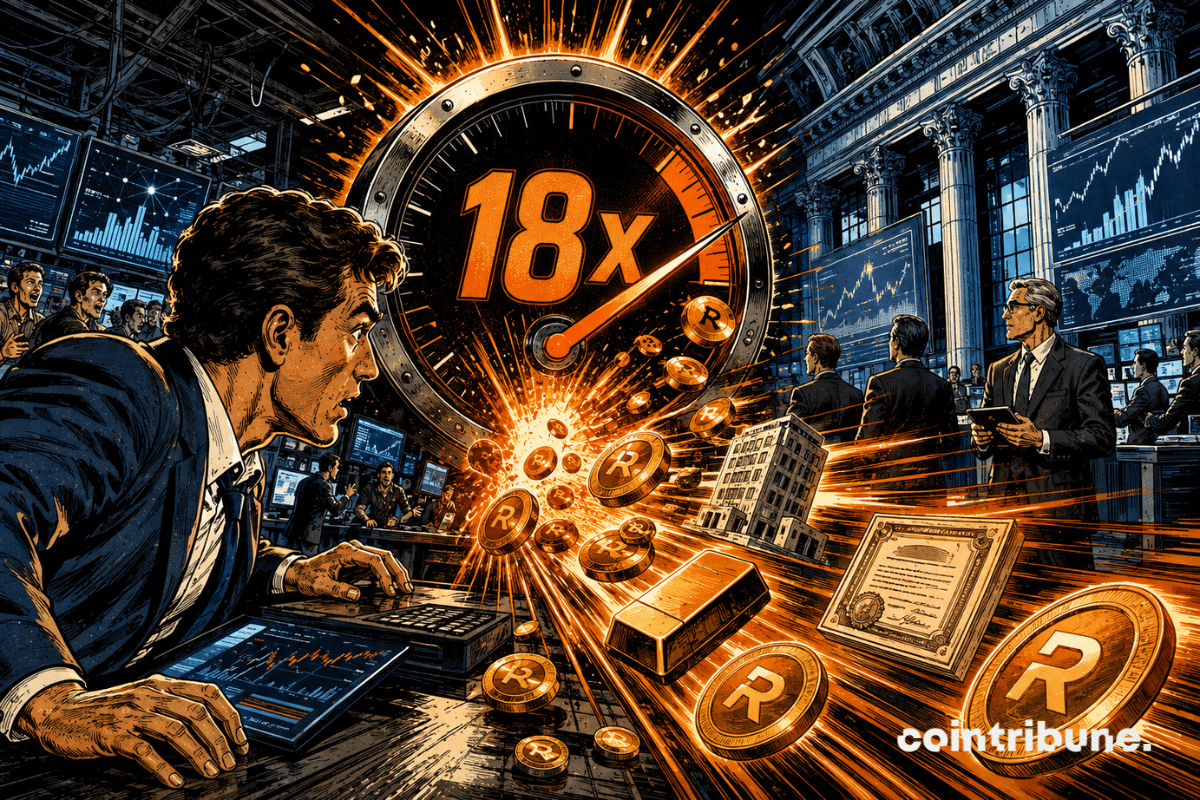
Bitget is seeing faster adoption of tokenized equities as rTokens move beyond their launch phase. Its July 2026 Transparency Report shows more than $114 million in assets under management, $671.37 million in cumulative trading volume and an 18-fold increase in daily trading-user penetration since launch. The figures suggest tokenized markets are beginning to attract repeat activity rather than one-off experimentation.
Crypto: the court of appeals definitively confirms the 25-year sentence of Sam Bankman-Fried, the fallen ex-boss of FTX. Details!
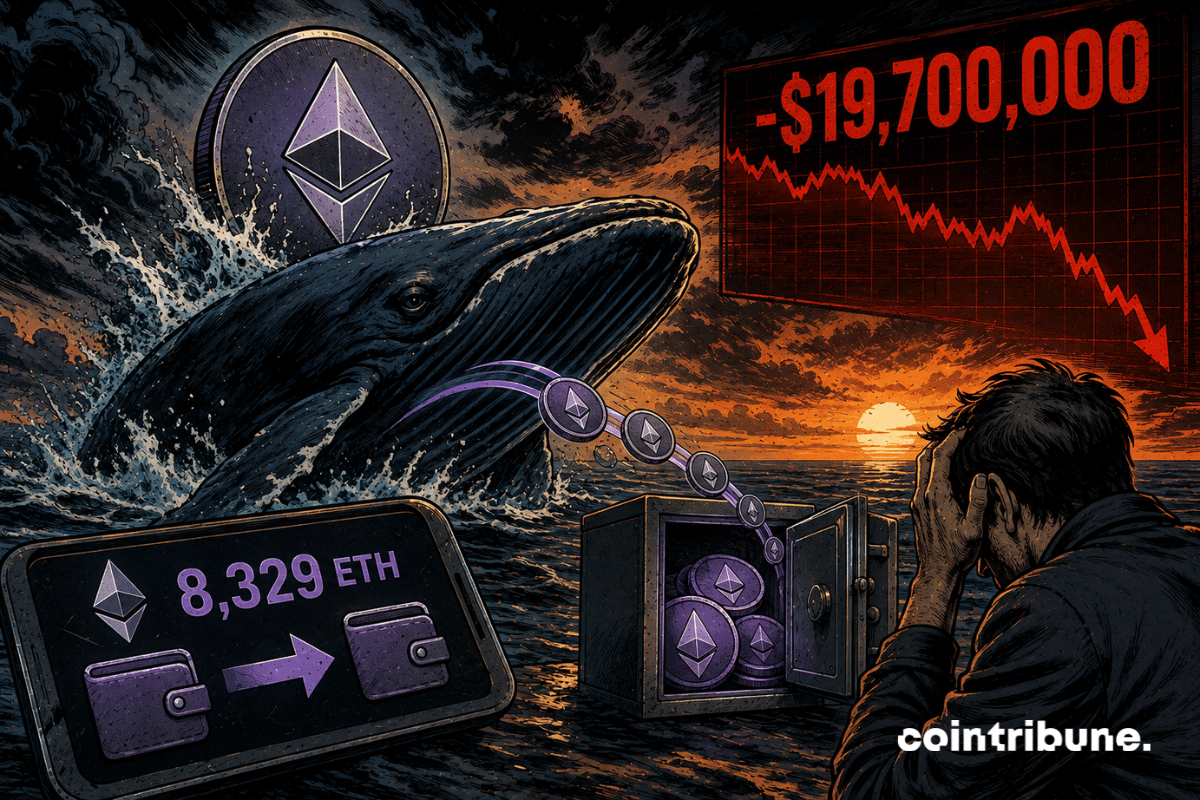
Three years of waiting, $19 million down the drain — one Ethereum whale finally cracks. Meanwhile, others are stacking in silence. Who's right? The market holds its breath.
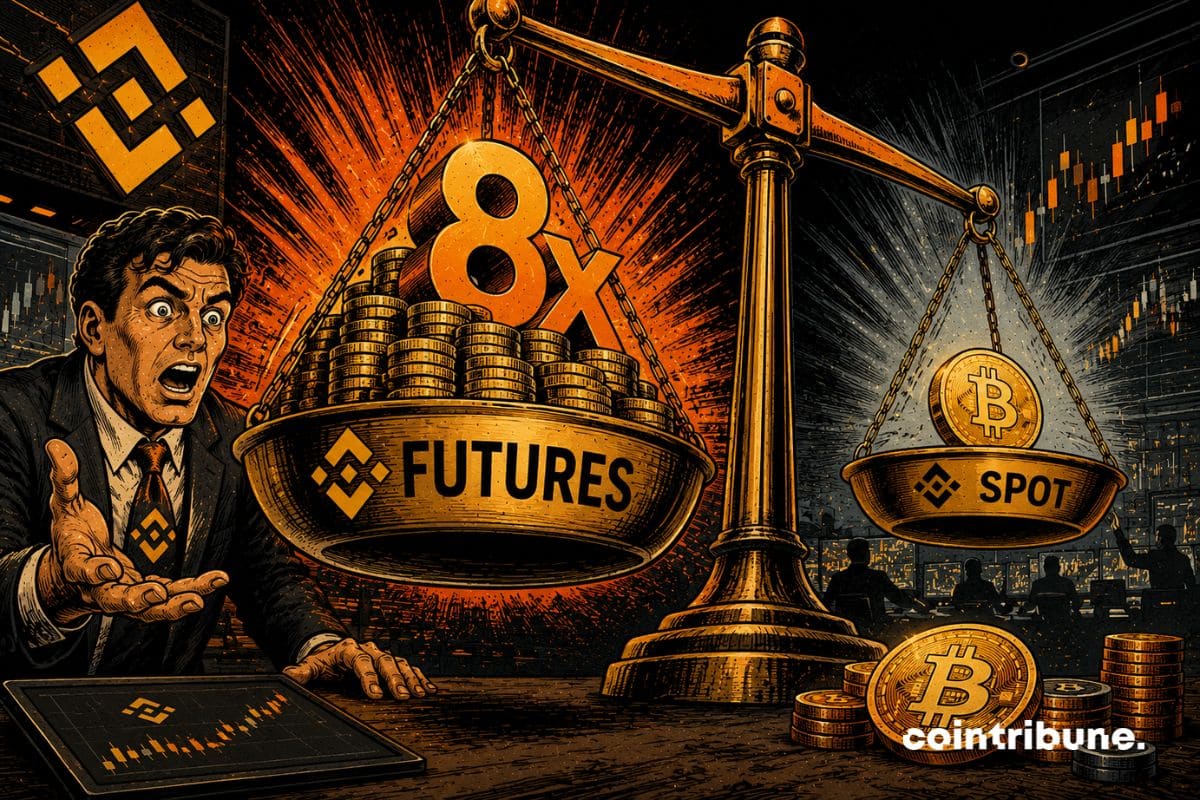
Is Bitcoin switching to pure speculation? On Binance, futures contracts weigh eight times more than the spot market, revealing a market dominated by leverage. A worrying or inevitable development?
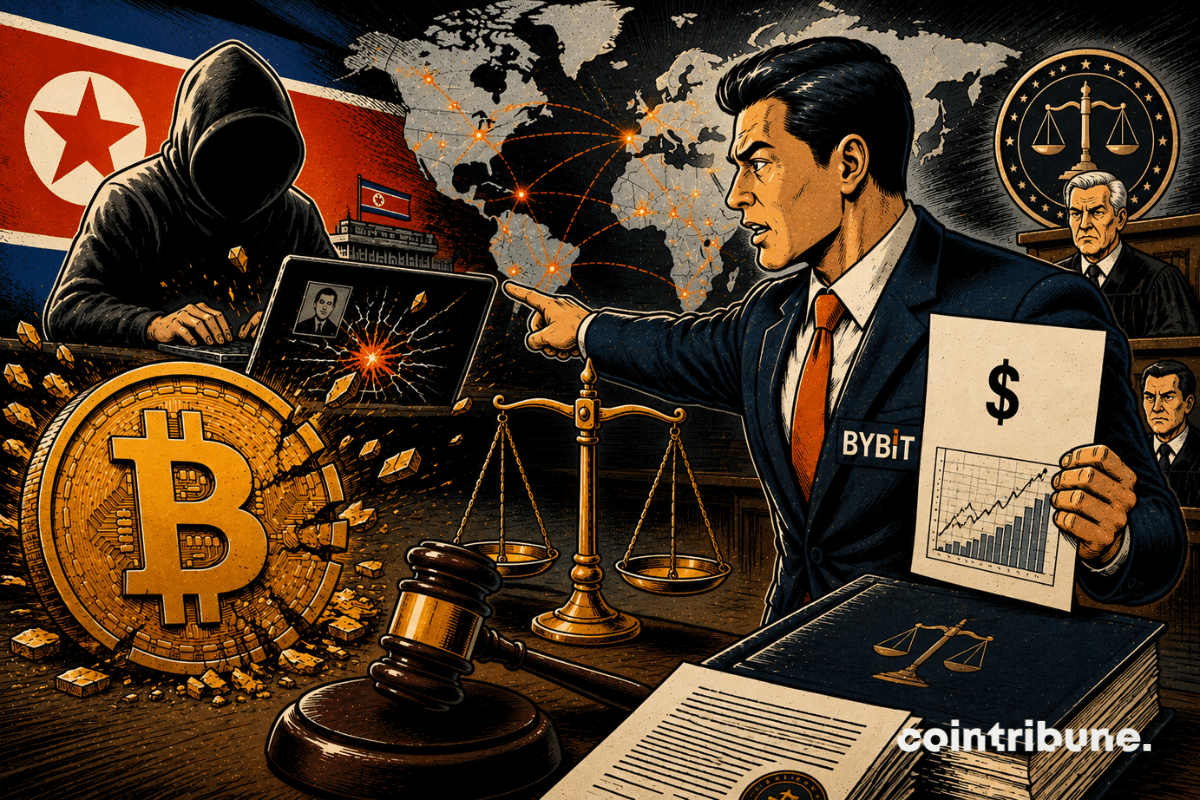
The $1.4 billion hack suffered by Bybit is no longer just a technical matter. Indeed, the exchange platform has just initiated legal proceedings against North Korea and the Lazarus hacker group, accused of being behind the attack. This is an unprecedented initiative that could redefine how Web3 players respond to state-attributed cyberattacks and open a new chapter in the legal protection of cryptos.
Bitget has signed a cooperation agreement with the Gelephu Mindfulness City Authority in Bhutan. The deal opens a path toward a local legal presence and a future licence application. It does not yet authorize Bitget to provide regulated digital asset services in the special administrative region.
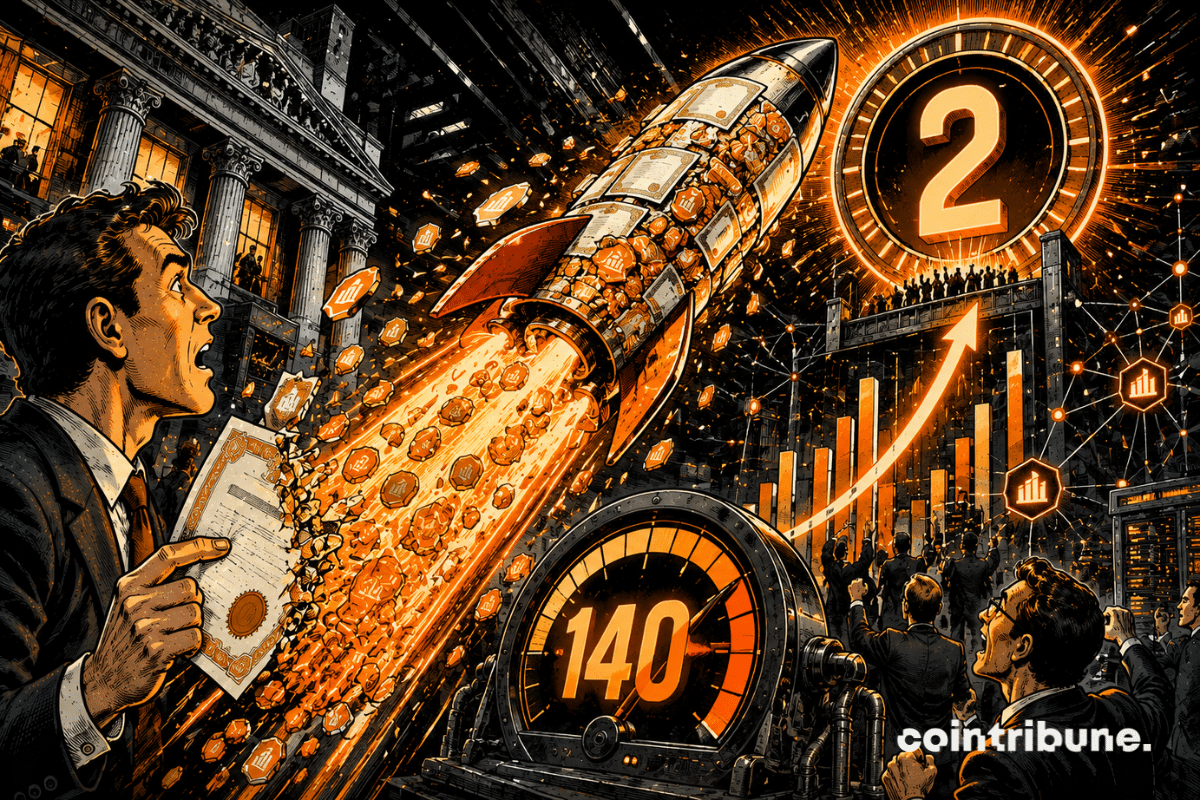
Tokenized equities have become one of crypto’s fastest-growing segments in 2026. Their active market capitalization has surged by more than 140%, rising from $814 million in January to nearly $2 billion. A new DeFiLlama study suggests that the next phase will depend less on novelty and more on liquidity, settlement quality and reliable execution.
Bitget has upgraded BGBTC, its yield-bearing Bitcoin asset, with daily BTC rewards, faster large-volume redemptions and stronger risk controls. The exchange has also selected Chainlink CCIP as its main cross-chain infrastructure. The move places BGBTC at the center of a wider shift: Bitcoin is increasingly expected to remain liquid, productive and usable across several financial activities.
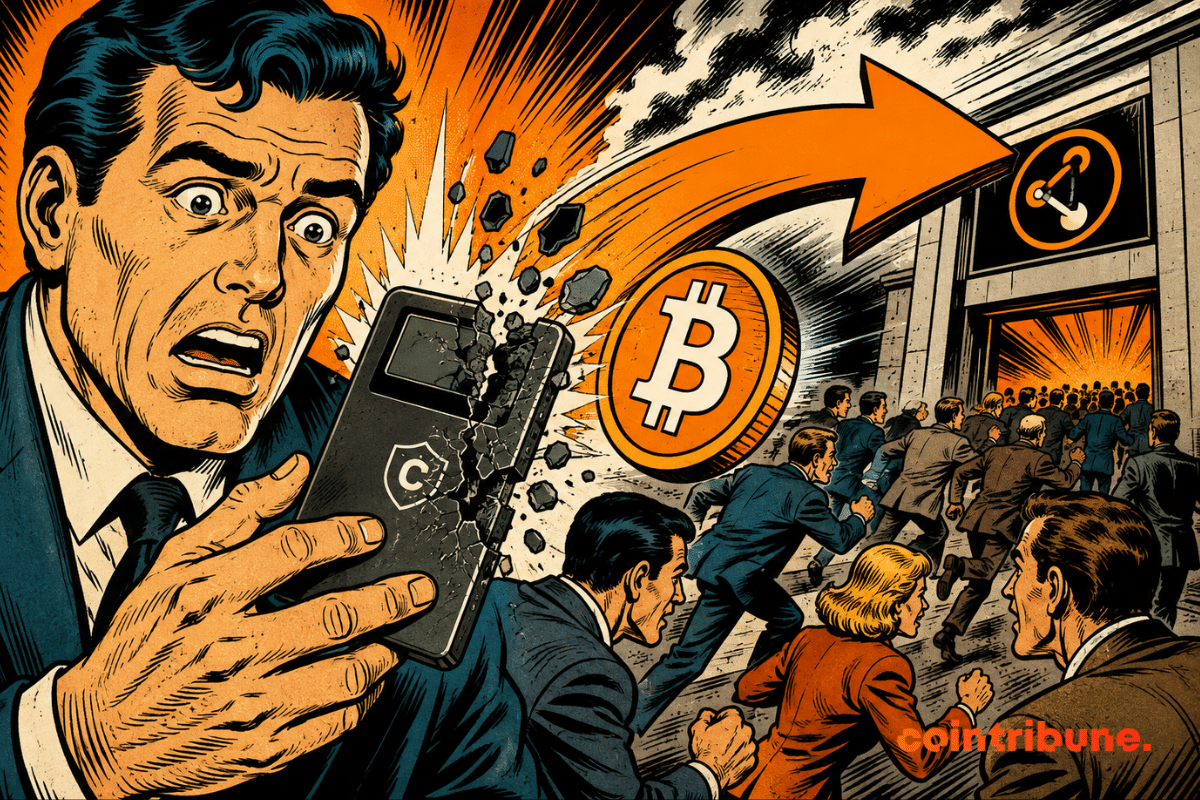
Security incidents quickly influence investors' decisions in the cryptocurrency market. This time, a vulnerability affecting the Coldcard hardware wallet caused an unusual movement of funds. While self-custody had gained popularity after the FTX bankruptcy, many bitcoin holders adopted the opposite strategy. Onchain data now shows an increase in deposits to exchange platforms, illustrating a temporary behavioral shift in response to risks.
For years, the crypto industry has thrived on fundraising and the multiplication of projects. This mechanism now seems to be coming to an end. Capital is now concentrated on a limited number of players, while the most fragile initiatives are gradually disappearing. This redistribution of investments marks a turning point for the Web3 ecosystem. On the social network X, Lorenzo Valente, associate researcher at ARK Invest, believes the sector has entered what he describes as "the largest consolidation phase" in its history.
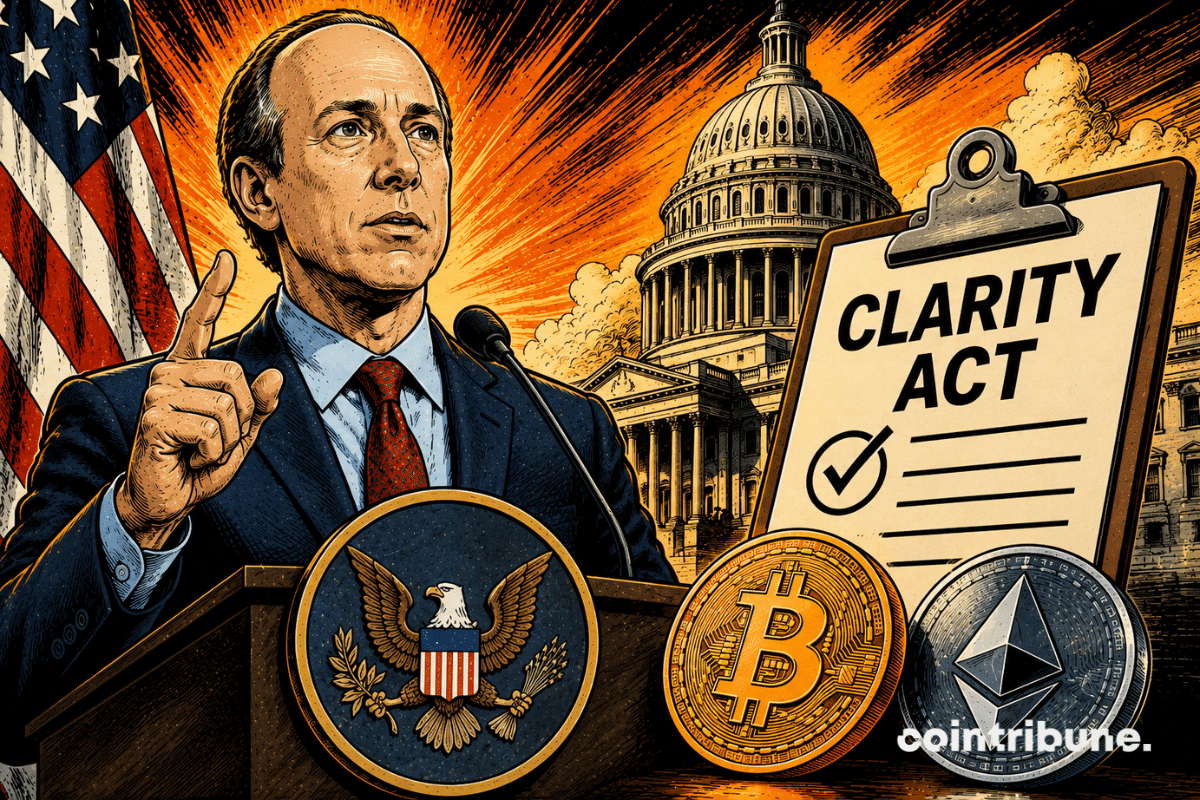
American crypto regulation has just taken a new step. On July 28, Paul Atkins, chairman of the SEC, publicly supported the CLARITY Act, a bill intended to finally define the rules of the crypto market in the United States. This stance strengthens the chances of adopting a highly anticipated text by investors, platforms, and issuers. Now in the hands of the Senate, the bill could offer the country its first comprehensive supervisory framework for these assets.
The cryptocurrency market continues to lose several historic platforms. Within a few months, Bit.com and then BitMEX announced their gradual disappearance. Now, BitMart also confirms the cessation of its activities according to a specific schedule. This new closure directly affects the users of the exchange, invited to close their positions and withdraw their assets before the different deadlines set by the platform. This succession of announcements marks a new phase for several industry players.
Bitget received two industry awards during its first appearance at Wiki Finance Expo Hong Kong 2026. The recognition comes as the exchange expands its CFD and multi-asset trading ecosystem beyond conventional crypto markets. For Bitget, the awards support a wider message: the next exchange model will connect digital assets, stocks, commodities, forex and indices inside one capital environment.