
Thu 19 Feb 2026 ▪
3 min read
▪
by
Bitcoin ETF flows plunge by $105M. Behind these withdrawals, a surprising dynamic could reshape the crypto market.
Bitcoin ETF flows plunge by $105M. Behind these withdrawals, a surprising dynamic could reshape the crypto market.
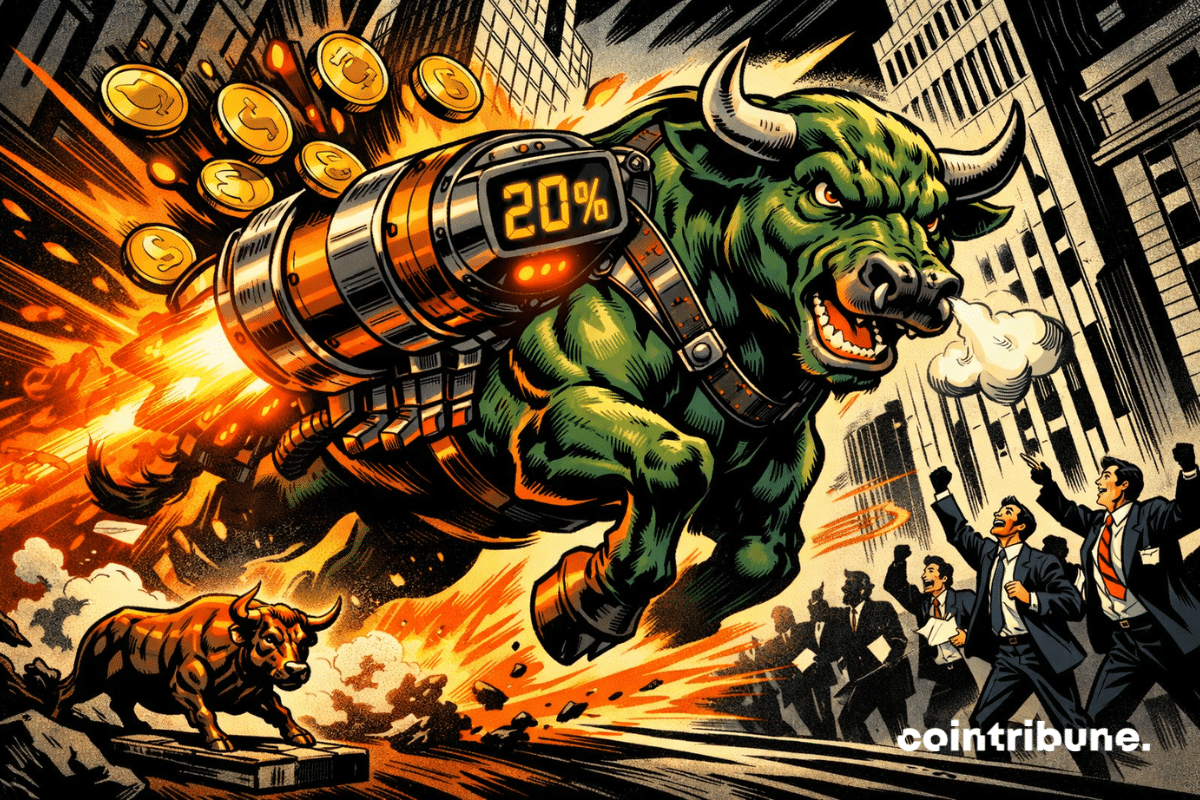
Tuesday, February 17, 2026, eToro (ETOR) stock closed up about 20%, supported by better-than-expected quarterly results and the still central weight of crypto in its model. Even in a less euphoric market than in 2024, Wall Street liked the message: eToro makes money, and the platform remains a crossroads between crypto and traditional finance.

Bitcoin undergoes a drastic drop in open interest, a sign of leverage withdrawal and nervous markets. Full analysis here.

Discover how Metaplanet boosted its revenues by 738% thanks to Bitcoin. An impressive feat in the crypto market!
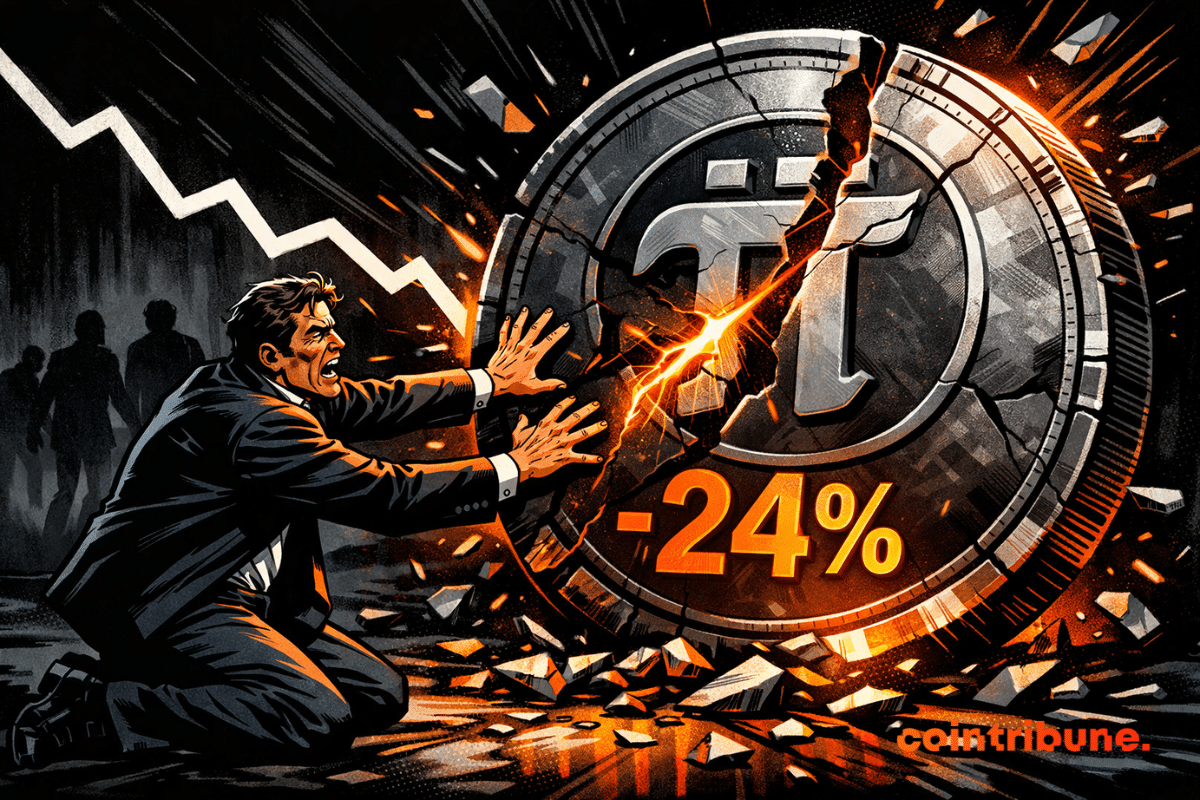
The crypto Pi Network is going through a critical zone. Its token Pi Coin loses 24% in one day. Analysis of a concerning signal.

Traders are placing sizable bets on Bitcoin’s path through 2026 across leading prediction platforms. Activity on Polymarket, Kalshi, and Myriad suggests a market that expects gradual progress rather than a rapid breakout. More than $84 million in combined volume across seven contracts reflects cautious optimism, balanced by consistent hedging against downside risk. While confidence appears to build later in the year, near-term expectations remain restrained.
The creator of OpenClaw, the new sensation in open source AI, declines several acquisition offers. More details in this article!

Bitcoin is going through a critical phase, but CryptoQuant encourages investors to stay calm. We tell you more in this article.

The crypto market is entering a new phase according to Mike Novogratz. End of explosive gains? Analysis of a major turning point in this article!

Ethereum falls below a major psychological threshold. Blockchain indicators show unexpected accumulation. Analysis.

Polymarket has escalated its dispute with U.S. state regulators by filing a federal lawsuit against Massachusetts, arguing that prediction markets fall under exclusive federal oversight. At the center of the case is whether individual states can restrict event-based contracts already regulated at the federal level. Ultimately, the ruling could determine how prediction markets operate across the United States.

The Financial Times triggers a tidal wave by claiming that Bitcoin will fall to zero. A statement that divides investors.

Crypto.com bets big on a crypto prediction app with up to $500 offered at sign-up. Discover the details in this article.

Nevada regulators have stepped up action against crypto-linked prediction markets. A new lawsuit targets Coinbase over alleged unlicensed sports wagering. The move comes as prediction platforms expand quickly across the United States. State officials argue that existing gambling rules still apply, even when products are offered through crypto or derivatives markets.

Bitcoin sharply dropped this weekend, and the clearest signal does not come from the spot market. It comes from derivatives. The drop of over 10% between a peak at $84,177 and a low at $75,947 opened a rare gap on CME futures contracts, with a price difference exceeding 8% at reopening. It's the fourth largest gap since the launch of Bitcoin futures in 2017.
As the US government slides into partial paralysis, crypto prediction platforms Polymarket and Kalshi find themselves at the heart of a troubling controversy. Their contracts, meant to allow traders to bet on this event, reveal major flaws in their formulations.

Crypto: Coinbase opens the doors to legal betting in 50 US states. We provide you with all the details in this article!
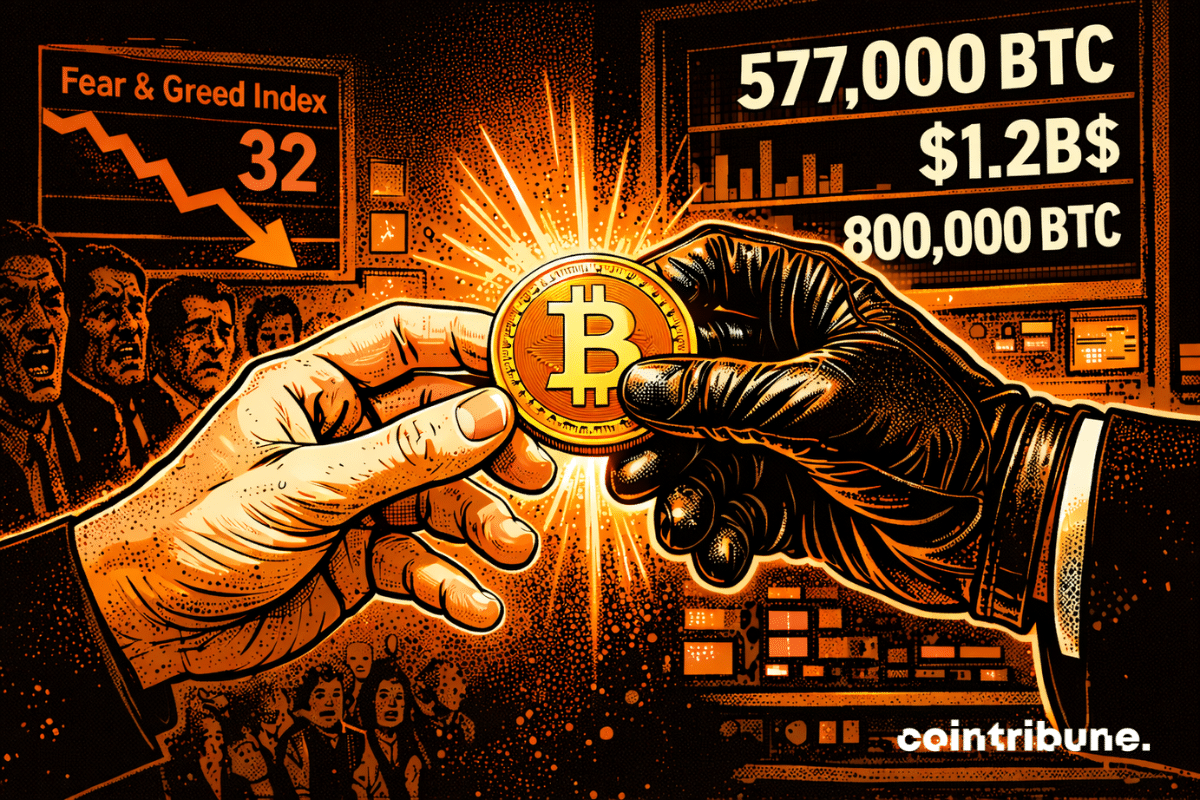
Bitcoin: Institutional accumulation explodes. Here are the figures confirming massive accumulation.

Explosion on the Ethereum network: 447,000 new investors in one day, an unprecedented record in 7 years! All the details here.
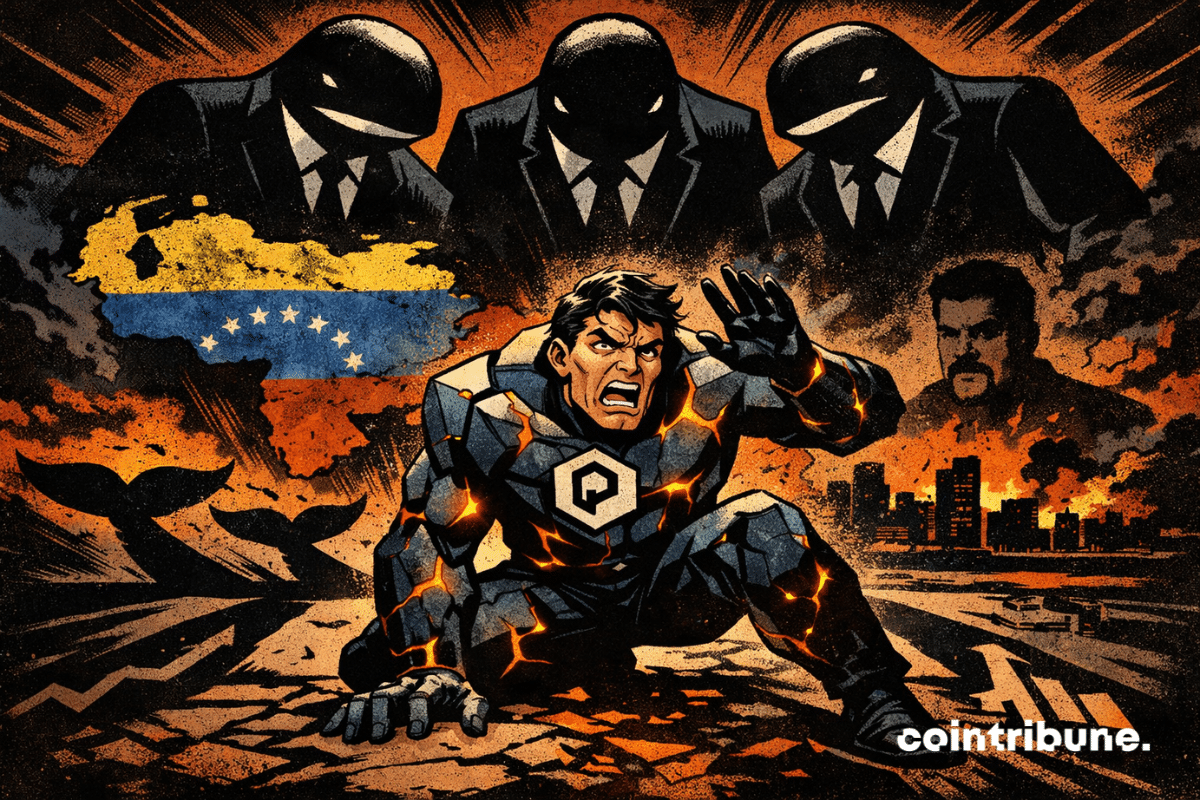
An explosive case shakes the crypto market: three Polymarket whales targeted for suspicious bets on Venezuela. Details here!

Bitcoin mining loves podiums. One number climbs, another falls, and the ecosystem tells itself a simple story. Except that in this industry, the way you count matters almost as much as the machines. And that’s exactly what makes the “Bitdeer moment” interesting. Bitdeer claims to have reached 71 EH/s of…

Is XRP preparing for a spectacular comeback? Patient crypto investors may soon reap the rewards of their wait.

Crash or simple pause? Bitcoin drops while gold rises. The refuge asset duel intensifies. Details here!

Stablecoins have long been the discreet plumbing of crypto. Nobody applauds them, but without them, part of the market seizes up. Today, they are coming out of the shadows for a very concrete reason: savings and bank deposits. In the United States, local bank leaders are pressing the Senate to tighten certain points of legislation on stablecoins. Their fear: seeing part of the deposits migrate to dollar tokens, attracted by “rewards” that increasingly look like a yield. On the other side, JPMorgan refuses to give in to alarmism. The bank sees it rather as a new brick in a monetary system already composed of several layers. And this reading gap says a lot about the battle underway: financial stability, competition, or a simple war of models?

Zcash collapses, Monero skyrockets! An unprecedented battle shakes the crypto market between two giants of privacy coins.

Morgan Stanley has never been the type to chase trends. So when the bank announces a digital asset wallet, designed for crypto but also for tokenized real-world assets (RWA), the signal is clear. Wall Street no longer just wants to “tolerate” the sector, it wants to hold the keys. According to Barron’s, this digital wallet is expected to launch in 2026 and aim, from the start, at a hybrid mix: crypto on one side, real-world assets (stocks, bonds, real estate) on the other.

Options traders are betting big: Bitcoin could target $100,000 as soon as this month. Complete analysis in this article.

The Fusaka update propels Ethereum. Its number of holders explodes, analysts raise alarms. All details in this article.
In 2026, the crypto universe will change its face. Binance announces a historic shift driven by different factors. All the details here!

Solana shakes up the crypto market with a massive liquidation in just one hour. All details in this article.