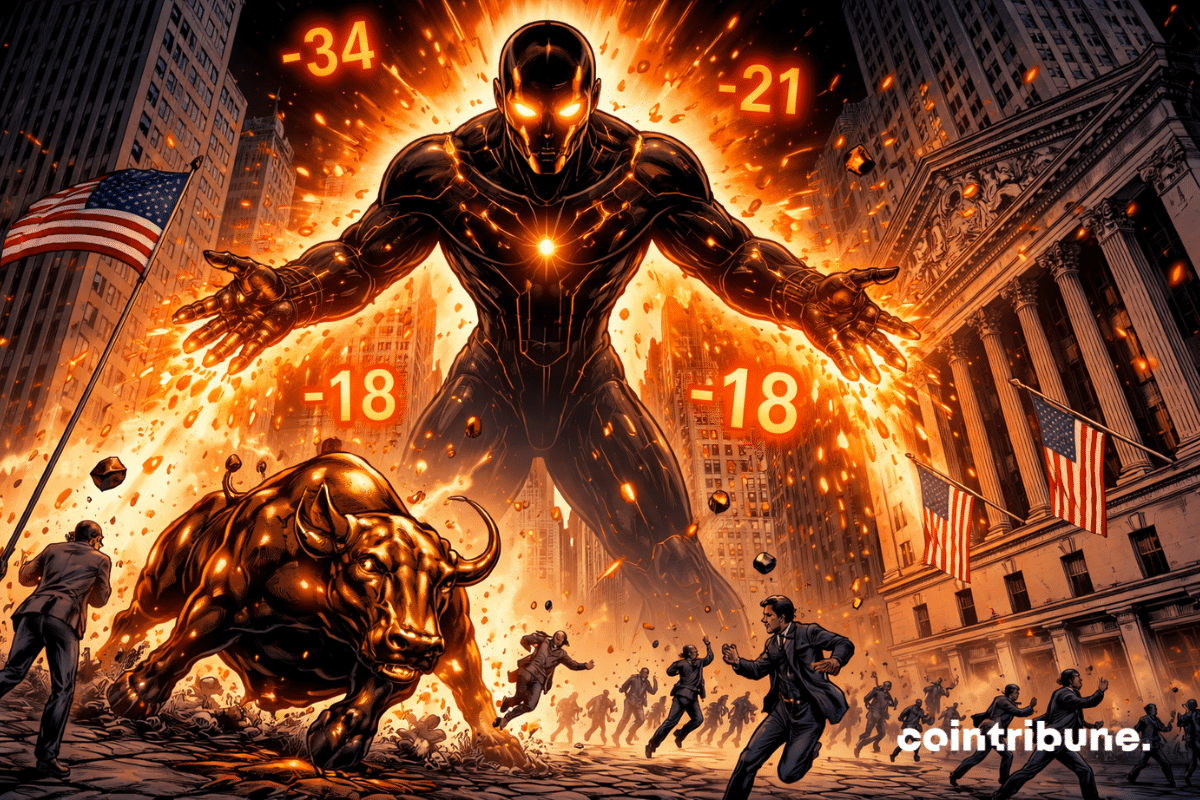
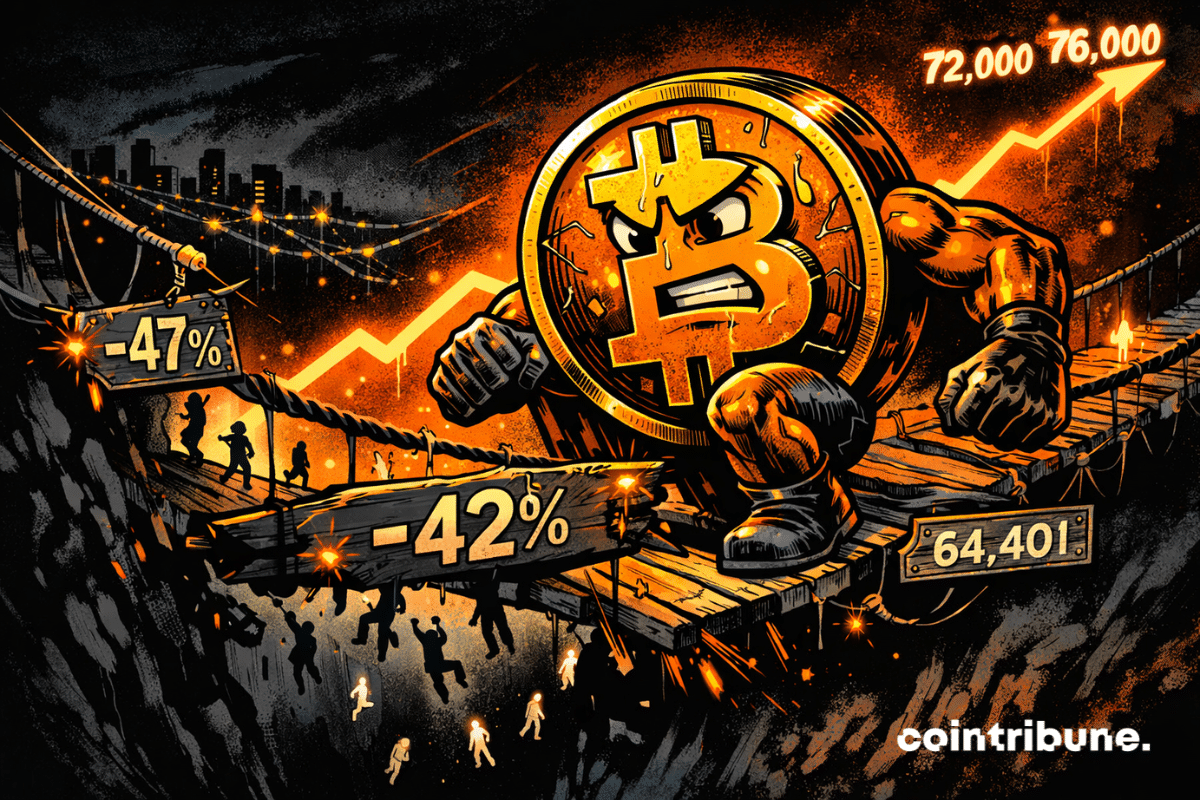
Bitcoin has outperformed most altcoins over the past three months despite a broader market pullback. As investors rotated capital toward BTC, sectors such as Ethereum, AI tokens, and memecoins recorded significantly deeper declines.
For the third consecutive week, crypto ETPs have attracted new capital, according to CoinShares. Last week, net inflows accelerated further, extending an already strong sequence after the previous two weeks. In detail, the momentum is mainly American. The United States accounts for the majority of purchases, far ahead of Germany and Canada, while Switzerland stands out against the trend with net outflows during the period.
President Trump says he will review the case of Samourai Wallet co-founder Keonne Rodriguez, raising hopes for a possible pardon.
Regulatory pressure on the US crypto sector has eased sharply since President Donald Trump returned to office. Enforcement priorities at the Securities and Exchange Commission have shifted, with crypto firms now facing far fewer legal actions than in previous years.
Italy lights the fuse: its 2026 budget, criticized by the ECB, threatens to explode bank stability and stifle an already weakened economy. Between controversial taxes and risks of rationed credit, Rome is playing a dangerous game. Why is the ECB sounding the alarm? The details shaking Europe.
JPMorgan Chase is expanding its blockchain strategy with the launch of a tokenized money-market fund on Ethereum. The product is backed by $100 million in internal capital and targets qualified investors seeking daily yield through an on-chain structure backed by short-term debt. Market observers say the move reflects clearer regulation, rising client demand, and growing interest in tokenized real-world assets.
Visa has introduced a stablecoins advisory practice to help businesses and financial institutions adopt and implement stablecoin solutions amid growing market demand.
The case quickly took a diplomatic turn. After the hacking of Upbit, one of the largest South Korean crypto exchanges, Binance finds itself at the center of a controversy: some investigators in Seoul claim that the platform only froze a small portion of the stolen funds. Binance, on the other hand, strongly disputes this version and assures it acted immediately.
Despite strong institutional demand and nearly a billion dollars injected into XRP ETFs, the token fell below the symbolic $2 threshold. While incoming flows multiply, the spot market remains under pressure. This divergence between fundamentals and price is striking. Why is XRP falling while major investors are buying? Between a bullish signal and technical fragility, the market seems divided. Such a situation complicates reading the upcoming trends.
Bitcoin falls, Saylor buys. Two billion injected in two weeks, while the market panics. What if, after all, the crypto oracle wore a tie and sold shares?
Bitcoin suddenly dropped to 86,700 dollars on Monday, December 15, triggering more than 210 million dollars in liquidations in one hour. This rapid and unexpected move surprised the market, recalling the strong vulnerability of cryptos to volatility and economic tensions.
Ethereum just made a thunderous impact in the crypto world: 34,468 transactions per second, a record that shatters everything that existed so far. Thanks to Layer 2 and ZK-Rollups, the blockchain proves it is ready for mass adoption. But how will this record affect the price of ETH in 2026?
Experts warn that advances in quantum computing could one day threaten Satoshi’s Bitcoin, potentially affecting market prices while the majority of coins stay protected.
Bitcoin at $180,000 in 2026? Not so fast, according to Barclays. While some analysts predict a historic bull run, the British bank anticipates a bleak year for crypto. Between caution and optimism, who is right?
BONK continues to face steady selling pressure, with price action offering no clear signs of a rebound. Recent moves reflect hesitation rather than strength, leaving traders cautious. As expected, the market remains without a clear direction, and volatility stays muted.
The stablecoin market hits a historic milestone. For the first time, these fiat-backed cryptos surpass $310 billion in capitalization. A performance that cements their role as an essential pillar in the crypto ecosystem.
The XRP market shows encouraging signs as retail investor optimism reaches new highs on social platforms. Meanwhile, exchange-traded funds linked to this crypto continue an impressive streak of capital inflows.
Ethereum faces short-term volatility but shows strong long-term potential, with intrinsic value projected to reach trillions as the network grows.
Markets are watching closely as the race to lead the US Fed continues, with political pressure on interest rates building. Recent comments from Jamie Dimon and Donald Trump suggest the outcome remains uncertain, with potential consequences for monetary policy and risk assets, including crypto.
Bitcoin is positioned for strong growth in 2026 as shifting market dynamics and supportive macro conditions take effect.
Tether, the stablecoin giant, made a staggering $1 billion offer to acquire Juventus. But Exor, the historic shareholder, said no without hesitation. Why this rejection? What consequences for football and crypto? A battle where money isn't everything.
While Solana is losing ground in the crypto market, its ETFs show an unprecedented series of seven days of net inflows. In a downtrend, this institutional flow is intriguing: why inject so much capital into a declining asset? This contrast, between disinterest in the spot and enthusiasm for regulated products, raises questions about the real perception of the Solana project and its medium-term prospects.
While Bitcoin ETFs attract massive institutional inflows and macroeconomic conditions argue for a rebound in risky assets, the price remains surprisingly stuck below 90,000 dollars. This stagnation, out of sync with the prevailing bullish signals, points to invisible forces restricting its progress. Between yield strategies and sophisticated arbitrage, a more discreet mechanism seems to weigh on the market just as investors expect a new momentum.
When the EU regulates, it sometimes tailors the rules... MiCA stalls, ESMA heats up, states hesitate: in the crypto jungle, Brussels dreams of cutting local freedoms short.
The continuous decline of bitcoin reserves on Binance attracts the attention of analysts as the asset trades near $93,000. The latest data from CryptoQuant confirms an unprecedented drop, raising questions about the current market structure. This movement, far from indicating immediate weakness, invites examination of what drives these fund outflows and what they truly reveal about bitcoin's dynamics.
The crypto market has just experienced a spectacular collapse: spot volumes have dropped by 60%, a level unseen for months. But behind this apparent lull may lie a rare opportunity. Experts are divided: historical rebound or trap to avoid?
Tokenization of real-world assets (RWAs) is moving closer to mainstream finance, though its short-term impact on crypto markets may remain limited. NYDIG says longer-term value will depend on how open, connected, and regulated these assets become across blockchain networks.
As the Bitcoin network crosses the zetahash threshold, the profitability of mining companies collapses. The hash price has fallen below 40 dollars per PH/s/day, a critical level that threatens the viability of many players. Faced with this paradox, companies in the sector are redirecting their strategies towards renewable energies. However, behind the ecological argument, it is an economic survival logic that dominates, revealing a profound transformation of the mining energy model.
The Office of the Comptroller of the Currency has just opened a historic door for five major players in the crypto sector. Ripple, Circle, Paxos, BitGo, and Fidelity Digital Assets have received conditional approval to operate as national trust banks. A breakthrough that reshapes the contours of American finance.
Solana falters. Long presented as one of Ethereum’s most serious competitors, the blockchain today faces a significant decline in its fundamentals: liquidity drop, user disengagement, innovation slowdown. After months of euphoria, the ecosystem shows clear signs of slowdown.