Mark Karpelès has proposed a rare Bitcoin hard fork to recover nearly 80,000 BTC tied to the Mt. Gox collapse, triggering debate over network integrity and creditor restitution.

Shiba Inu heads into the weekend under mounting pressure. On-chain data shows that more than 531 billion SHIB flowed into exchanges over the past 24 hours—a figure well above recent norms. The surge tilts short-term control toward sellers. With technical signals weak and weekend liquidity thinning, downside risks are increasing.
Centralized crypto markets are under sustained pressure amid ongoing spot trading contraction. For five consecutive months, volumes across major exchanges have declined, signaling weaker participation and a clear reduction in speculative appetite. A large liquidation event in October accelerated this slowdown, impacting both spot and derivatives markets. Although January saw a brief rebound, overall activity remains far below prior cycle highs.
World Liberty Financial is moving to consolidate governance power by introducing a six-month staking requirement for voting rights. A newly proposed framework would require holders of unlocked WLFI tokens to stake them for at least 180 days before gaining access to protocol governance. The initiative introduces capital-tiered participation levels tied to large staking commitments and USD1-related incentives.
After a historic low, Ethereum holders show a marked return of confidence. Could this rebound in retention after 4 years of decline signal a new era for ETH?
Bloomberg and Kaiko are teaming up to put institutional-grade market data directly on-chain, improving transparency, automation, and reliability in tokenized finance.
The CEO of Anthropic, Dario Amodei, has just stepped up against an unprecedented decision by the Trump administration. Washington labeled his company as a "risk to the American defense supply chain," paving the way for an unprecedented legal battle between a major American tech firm and its own government.
A bipartisan group of U.S. lawmakers has introduced new legislation aimed at protecting blockchain software developers from certain criminal charges. Sponsors say the proposal would clarify how federal law applies to developers who do not control user funds. Supporters argue that recent prosecutions have created legal uncertainty for builders working on open-source tools. The measure adds to a broader debate in Congress over digital asset regulation.
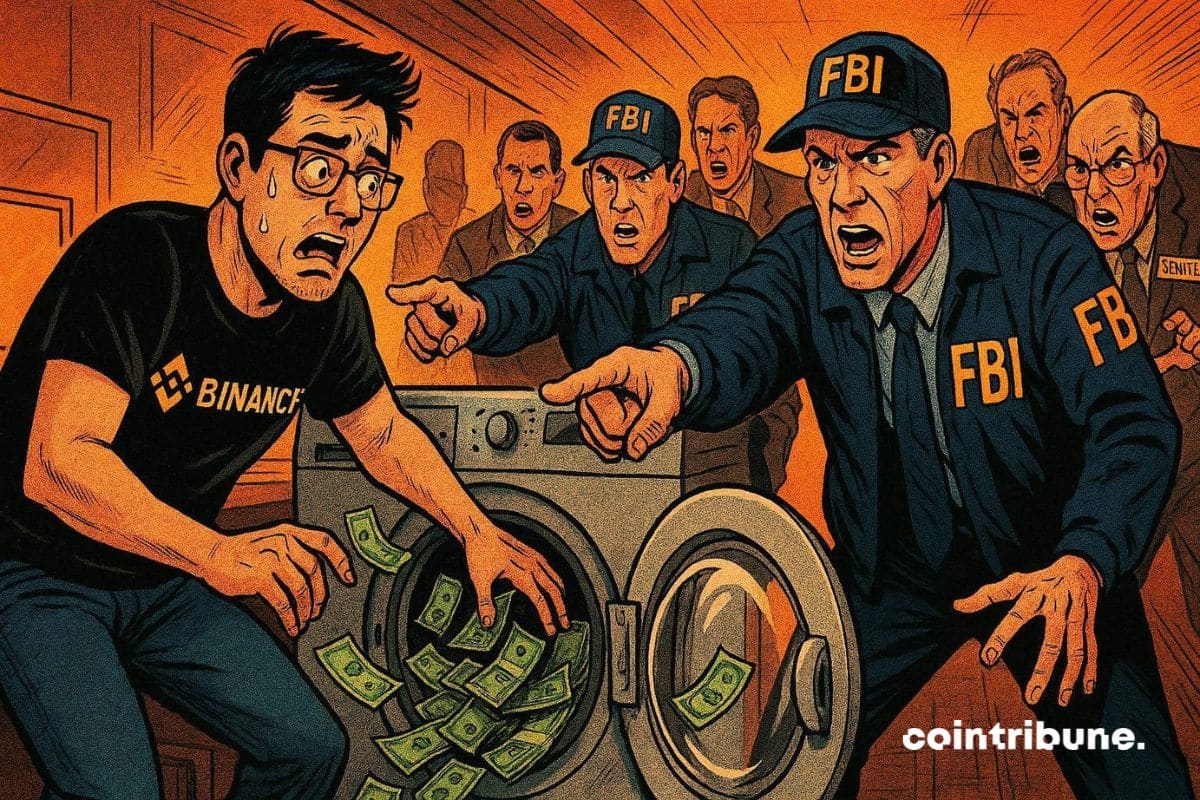
Binance, the world leader in cryptocurrencies, is at the center of a political scandal. 11 U.S. senators demand a federal investigation into suspicious transactions linked to Iran. With $1.7 billion at stake, the crypto exchange faces historic sanctions.
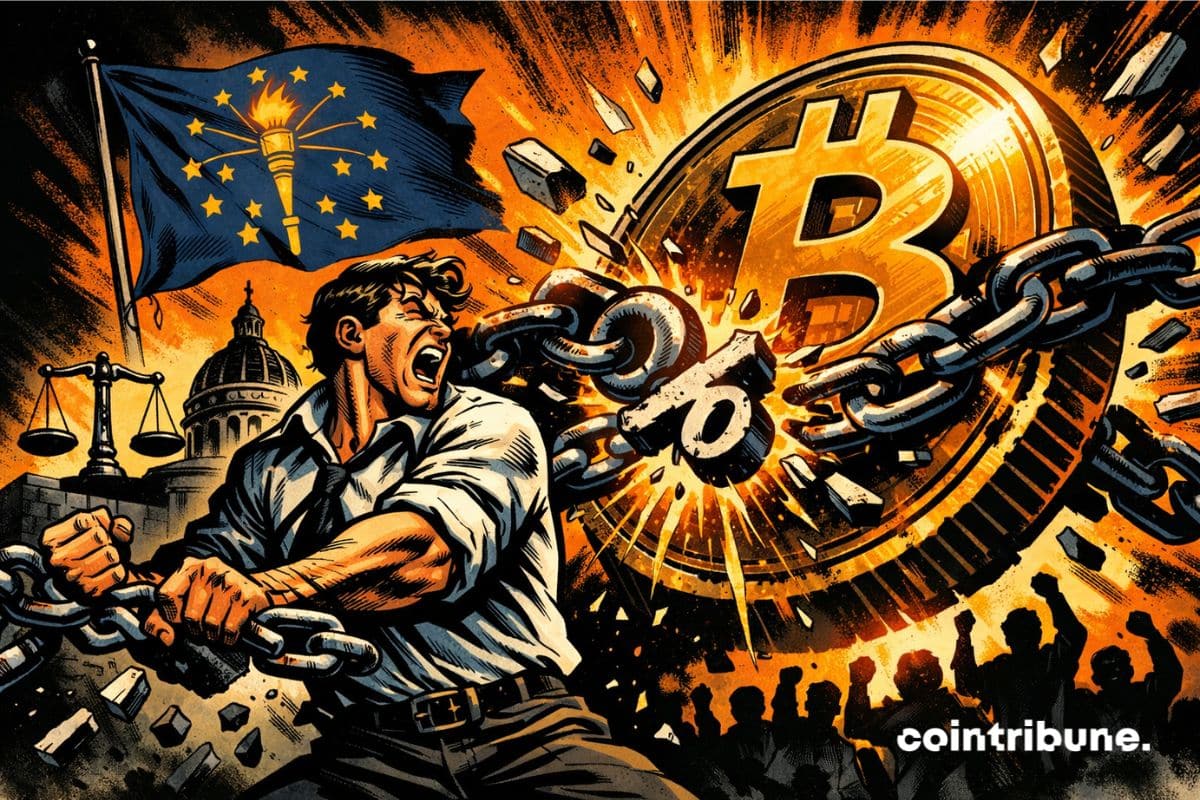
In the United States, the regulatory battle around cryptos is now playing out at the state level, and Indiana has just sent a strong political signal. Lawmakers have passed House Bill 1042, a text that frames the rights of crypto holders, prohibits certain taxes deemed discriminatory, and paves the way for asset exposure in public retirement plans. Transmitted to Governor Mike Braun, the bill could take effect as early as July 1 for the bulk of its provisions.
Ethereum is undertaking a historic transformation to face the quantum era. By rethinking its consensus, signatures, and wallet security, the network aims to guarantee complete protection of digital assets for decades to come.
Chad Hurley, co-founder of YouTube, dropped a bomb on X with a chilling phrase. Behind the irony of this tweet hides a reality that markets, companies, and workers are only beginning to digest. AI is no longer knocking at the door, it is already inside.
One might think that "more attacks" = "more money." In 2025, reality took a twist. According to Chainalysis, ransomware groups have multiplied breaches (nearly 8,000 leak events, +50% year on year), but on-chain payments reportedly fell to around $820M (≈ -8%). In other words: they are more active… for a less generous harvest.
World Liberty Financial (WLFI), a crypto venture backed by the Trump family, has unveiled a governance proposal that would require long-term staking to unlock voting rights while deepening incentives around its stablecoin, USD1. The initiative is designed to concentrate decision-making power among committed participants and expand USD1’s role within the ecosystem.
Ether is going through a lean period. After a plunge of more than 31% in one month, the second largest crypto in the world seems doomed to stall. And according to a leading analyst, this lull could last.
Nvidia’s blockbuster results gave markets a late boost, with AI-driven revenue surging sharply. Yet behind the rally, investors remain divided on whether the current pace of AI spending can truly go the distance.
The four-year Bitcoin cycle has not disappeared into the noise. According to an analysis shared around CryptoQuant data, the 2026 drop resembles, in its internal mechanics, the corrective phase of the previous cycle. Price and on-chain indicators reconnect, like two pieces of the same puzzle once thought lost.
MARA holds 53,822 BTC on the balance sheet, but bitcoin drives Q4 loss explosion. We give you all the details in this article.
The UNI crypto soars 15% in 24 hours after a major vote on the fee switch. DeFi is scaling up. All the details here!
Shiba Inu has just sent a signal on the memecoin market: a price rebound that does not restart the derivatives machine. Over 24 hours, SHIB gains, but open interest falls, a sign of a shrinking appetite where conviction is measured fastest. In other words, the spot breathes while futures positions close.
Bitcoin has not confirmed its rebound. After an attempt to recover above $70,000, the price was rejected below the $68,000 trendline, a technical level monitored by analysts. This movement rekindles questions about the end of the bear market, while some signals indicated stabilization. The rejection now places BTC against a major resistance and reignites the debate over the strength of the current cycle.
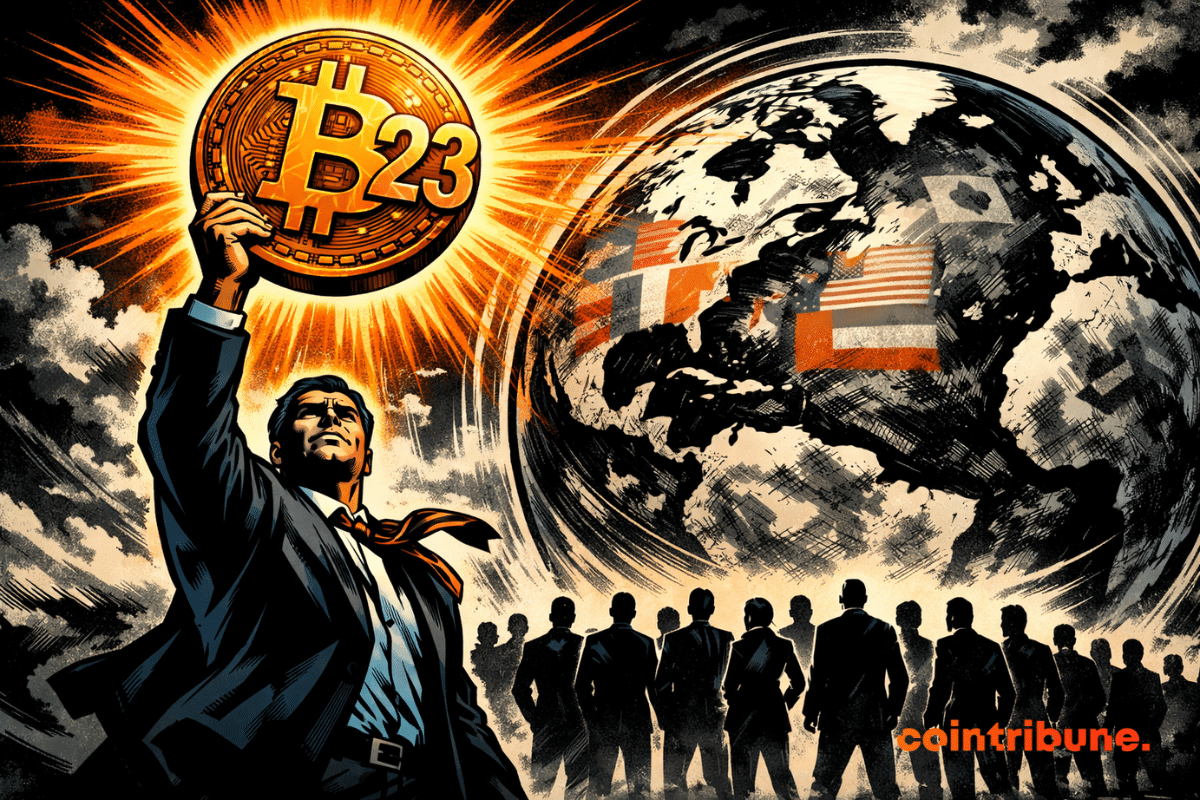
Bitcoin is increasingly moving from private portfolios to public balance sheets. A new report from River indicates that governments are no longer passive observers of the market. Today, 23 countries hold BTC in some capacity, marking a meaningful expansion of state-level participation.
European investors now have a new way to access Bitcoin-backed corporate yield. 21Shares has launched an exchange-traded product (ETP) tied to preferred shares issued by Strategy, the company led by Michael Saylor and widely recognized as the largest public holder of Bitcoin.
Large ADA holders have quietly accumulated 819 million tokens while prices fell, signaling potential upside amid a bearish trend.
$10.5 billion is the amount of Bitcoin options expiring this Friday, a deadline capable of causing a real short-term shift. After several weeks of bearish pressure, the market faces a decisive test: a simple technical episode or the inflection point awaited by investors? Behind this massive expiry is a precise power struggle between buyers and sellers, the outcome of which could redefine the immediate trajectory of BTC.
Despite the crypto market pullback, over one billion dollars is flowing into RWAs. Are investors already changing strategies?
Boosted by the rebound in U.S. equity markets and strong corporate earnings, Bitcoin has once again crossed the $69,500 mark, reconnecting with technical levels closely monitored by investors. After several weeks of hesitation, the return of risk appetite reinvigorates the crypto market. It remains to be seen whether this movement marks a true turning point or a mere rebound fueled by the macroeconomic context.
Bitcoin regains momentum at the very moment its traditional benchmarks falter. Rising about 3% to approach $66,000, the crypto moves counter to a correlation with gold and stocks that has fallen to historically low levels. This unexpected decoupling draws analysts' attention, who see it as a potentially decisive signal. Is it just a technical rebound or the beginnings of a larger movement? The market wonders.
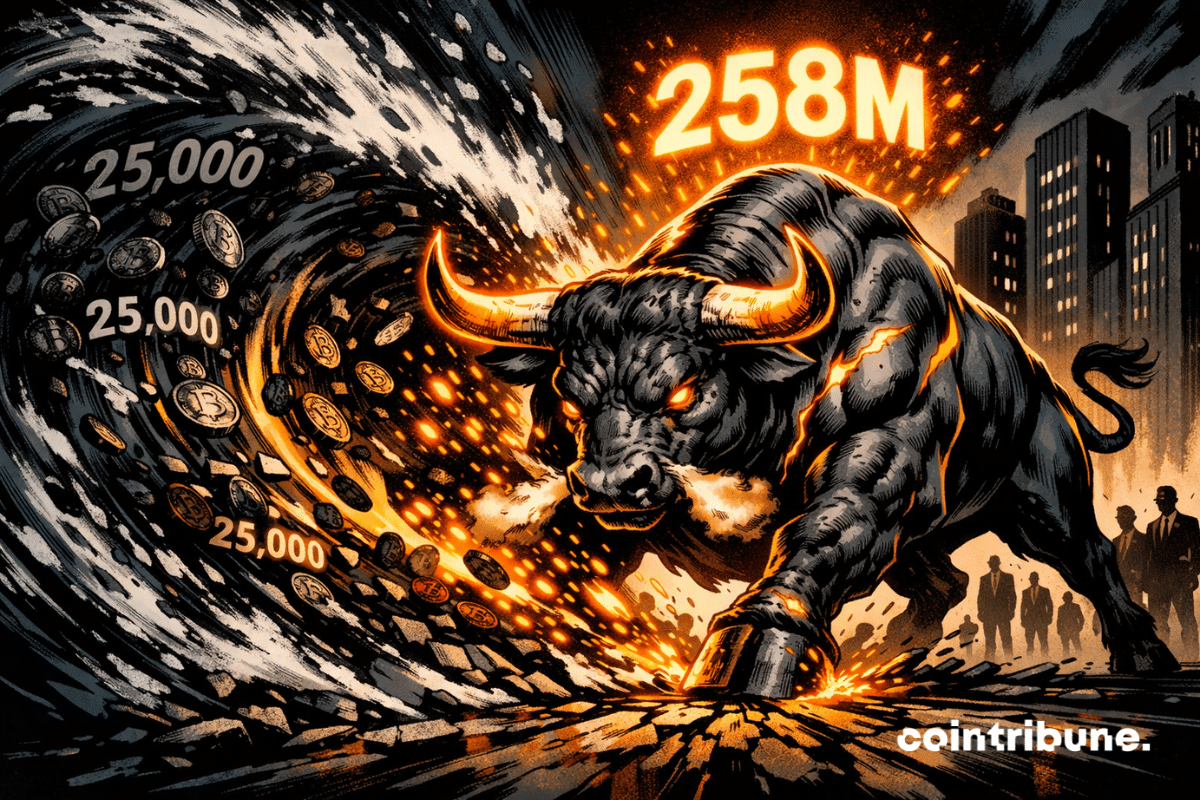
ETFs revive bitcoin with $258M inflows. Are institutional investors preparing the next move? Analysis.
Stripe could acquire PayPal, merging technological innovation and a massive user base to establish itself as a key player in digital payments and cryptocurrencies.