
Wed 29 Oct 2025 ▪
3 min read
▪
by
Circle opens access to its Arc testnet, enabling developers and enterprises to explore new applications in digital finance.
Circle opens access to its Arc testnet, enabling developers and enterprises to explore new applications in digital finance.
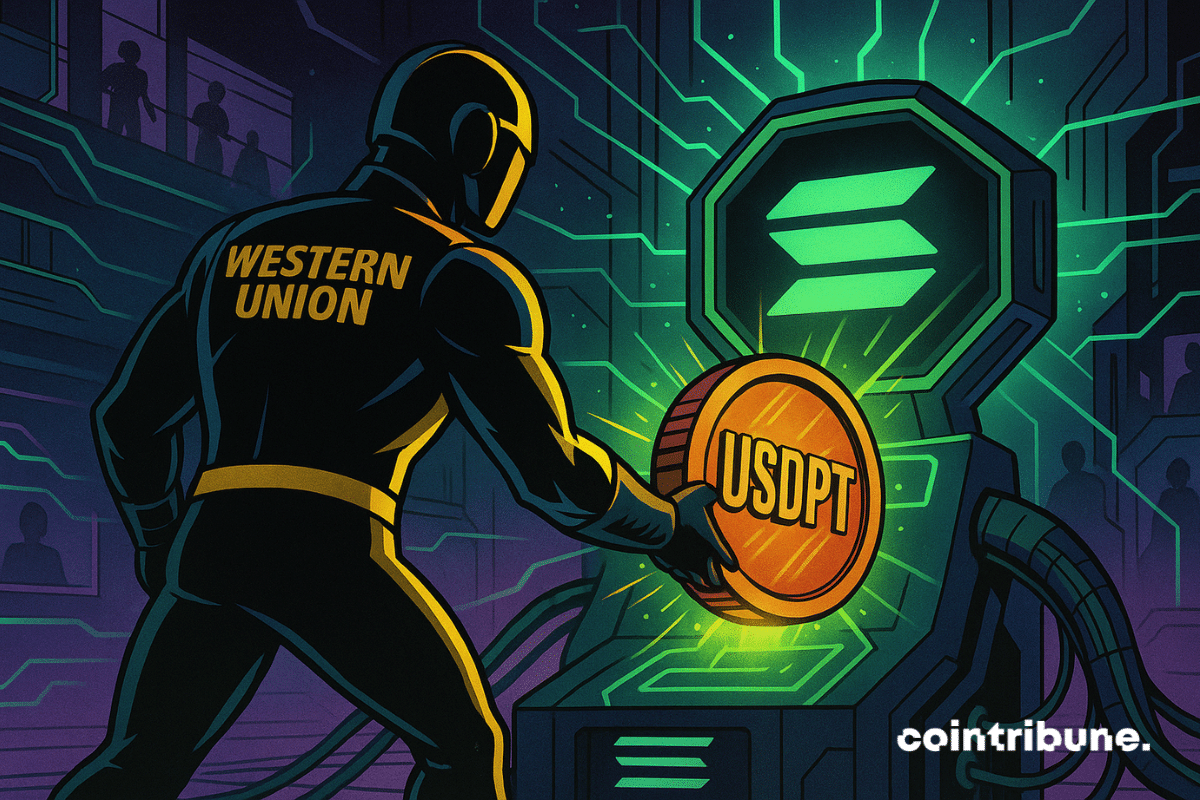
Western Union enters the stablecoin arena with an announcement that shakes up the established order. The giant of cross-border transfers, founded in 1851, plans to launch its own dollar-backed token, USDPT, on the Solana blockchain in 2026. Facing increasing pressure from crypto fintechs, the company is making a strategic shift to modernize its payment rails. This project marks a key milestone in the reconfiguration of global financial networks, where speed, stability, and accessibility become essential standards.

Canada is working on a clear regulatory framework for stablecoins ahead of the November 4 federal budget, aiming to support domestic digital currency.

Japan has entered a new phase of digital finance with the launch of its first yen-backed stablecoin, JPYC. Developed by Tokyo-based fintech firm JPYC, the token aims to bring the stability of traditional finance into the expanding digital asset market—offering Japanese consumers and businesses a secure bridge between fiat and blockchain-based payments.

Facing the rise of crypto solutions, Western Union is undergoing a major transformation. The company is piloting the use of stablecoins for its cross-border settlements. Present in more than 200 countries, it aims to modernize its financial flows for 150 million customers. This shift, far from symbolic, reveals a clear desire to adapt to a new era where speed, cost reduction, and decentralized infrastructures redefine the standards of international transfers.
Tether, the world’s largest stablecoin issuer, is poised for another record year of profitability, reinforcing its dominance in the digital dollar market. As the global demand for blockchain-based payment systems accelerates, the company continues to stamp its dominance in the crypto space.

Direct competitor to YouTube, Rumble is now betting on crypto to attract its content creators. In partnership with Tether, the video platform is about to launch a Bitcoin tipping system. A bold strategy that could reshuffle the cards in the creator economy. But will this initiative be enough to reverse the trend for a stock that has plummeted heavily since the beginning of the year?

The EU hits Putin where it hurts: unprecedented sanctions against Russian cryptocurrencies, ban on the A7A5 stablecoin, and blocking of complicit platforms. Will the Kremlin retaliate? Discover how these measures could disrupt the economic war and Moscow's circumvention strategies.

Revolut, the well-groomed neobank, joins the European crypto dance with the MiCA license in pocket… and a stablecoin behind the scenes? A revolution in a tie that already irritates the old players.
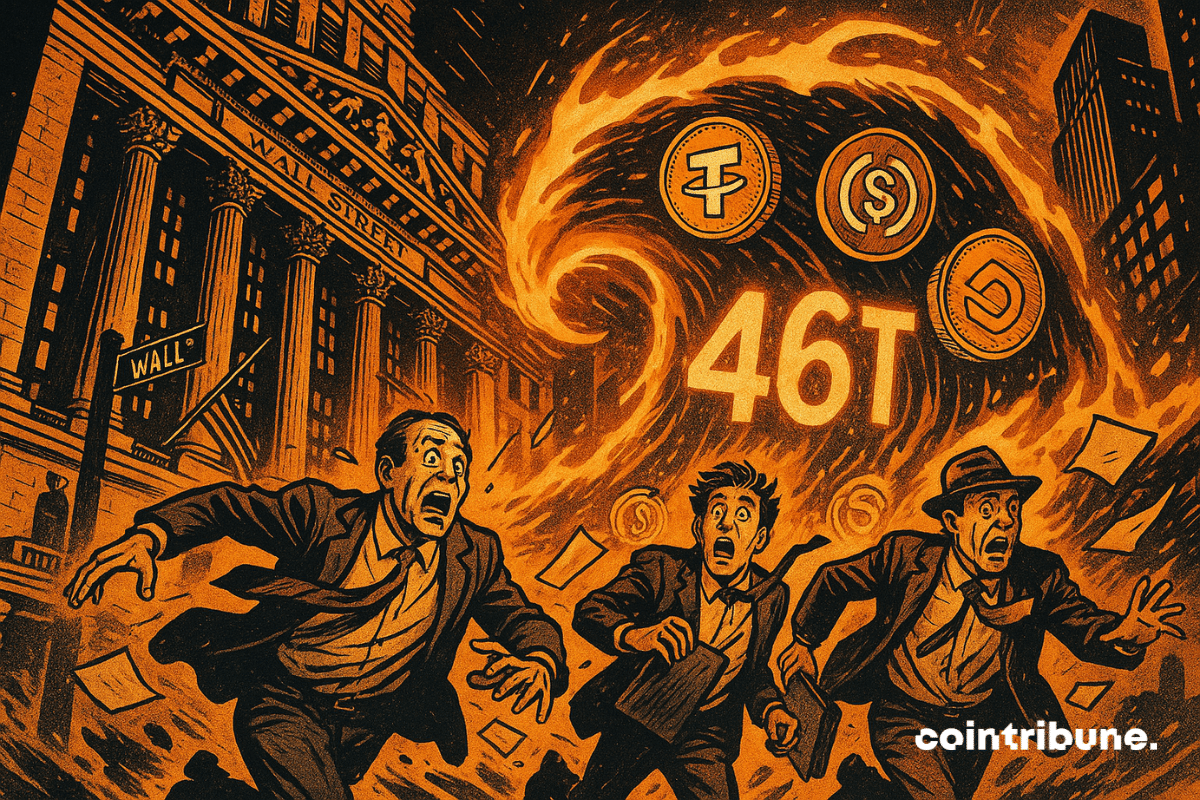
Wall Street trembles, BlackRock applauds, and the dollar digitalizes without asking the Treasury's opinion… Stablecoins are taking hold, while crypto weaves its planetary monetary web.

The crypto train is definitely on track, and some believe it's time to get on board. But not everyone is rushing. Some large companies prefer to adjust their trajectory smoothly, first testing the brakes and signals. This is the case for Wise. Known for its regulatory caution, the British fintech today shows the first signs of a strategic turn. A measured change of tone, but with major consequences for the crypto industry.
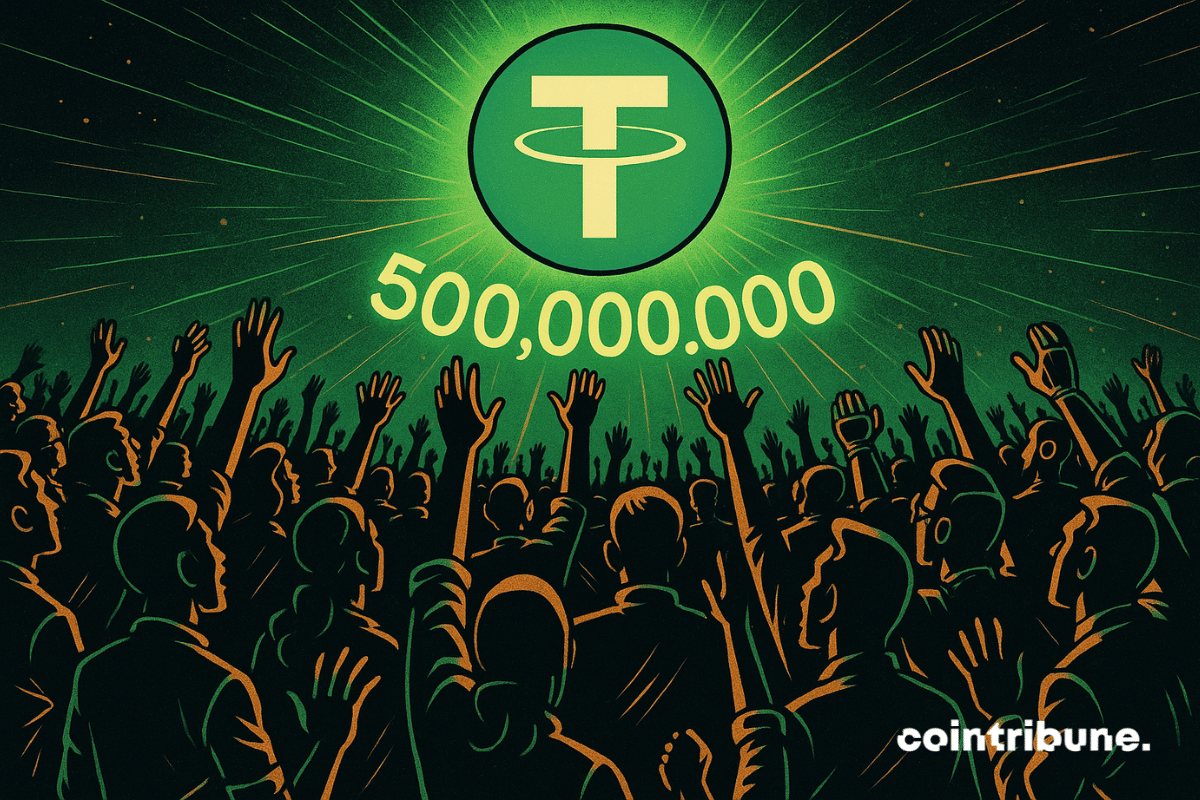
Tether claims 500 million users for its stablecoin USDT, hitting an unprecedented milestone in digital finance. Behind this colossal figure, the company asserts its ambition: to become a pillar of global financial inclusion. As USDT establishes itself in daily use, especially in emerging economies, Tether is now extending its influence towards a new strategic area: global regulation. More than a mere record, this announcement marks the rise of a player who has become central to the monetary architecture of Web3.

The crypto world is a battlefield where innovation allows no respite. After the meteoric rise of Hyperliquid and the breakthrough of Aster, Solana responds with a project designed for speed and scalability: Percolator. Announced by Anatoly Yakovenko, this new perpetual contracts DEX could reshuffle the decentralized trading cards. Behind the evocative name lies a vision: that of a crypto exchange engine without compromise, where on-chain performance finally meets the simplicity of a centralized exchange.

Stablecoins are rapidly expanding across Asia as countries explore new regulations and innovation to integrate digital assets with traditional finance.

While the crypto market goes through a period of turbulence marked by the erasure of 350 billion dollars in four days, BitMine Immersion Technologies continues its massive Ether purchases. The company has accumulated 1.5 billion dollars worth of the crypto since last weekend's crash. But can this aggressive strategy withstand Tom Lee's fears about the bursting of a speculative bubble?
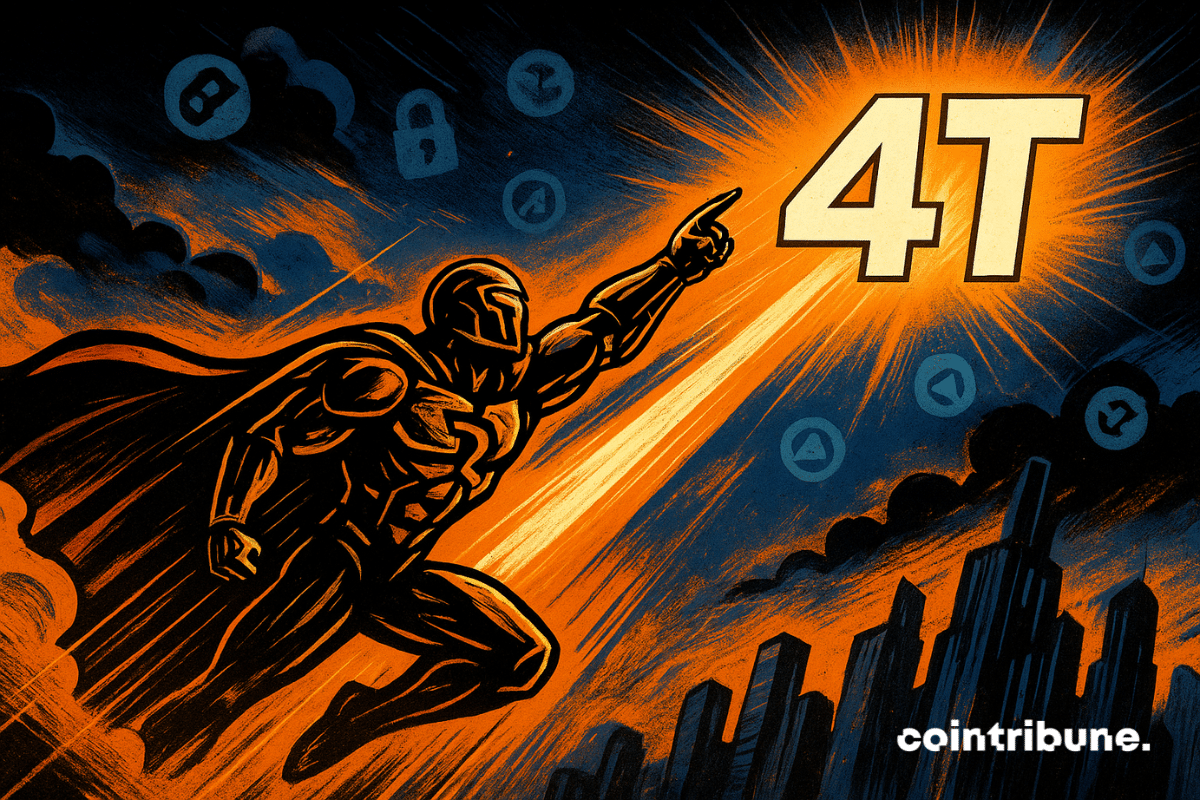
The cryptocurrency market extended its turnaround throughout three consecutive quarters into Q3 2025, propelling total capitalization to levels last observed in late 2021. According to CoinGecko, the sector added $563.6 billion in Q3, representing a 16.4% increase and bringing the industry to approximately $4.0 trillion.

Ripple is broadening its financial services by integrating GTreasury’s treasury management platform, aiming to streamline liquidity, digital asset management, and cross-border payments for major corporations.

The GENIUS law, presented as the solution to secure stablecoins, hides alarming flaws according to the Federal Reserve (Fed). Michael Barr sounds the alarm: systemic risks, regulatory arbitrage, and threats to your crypto investments. Are stablecoins really stable?
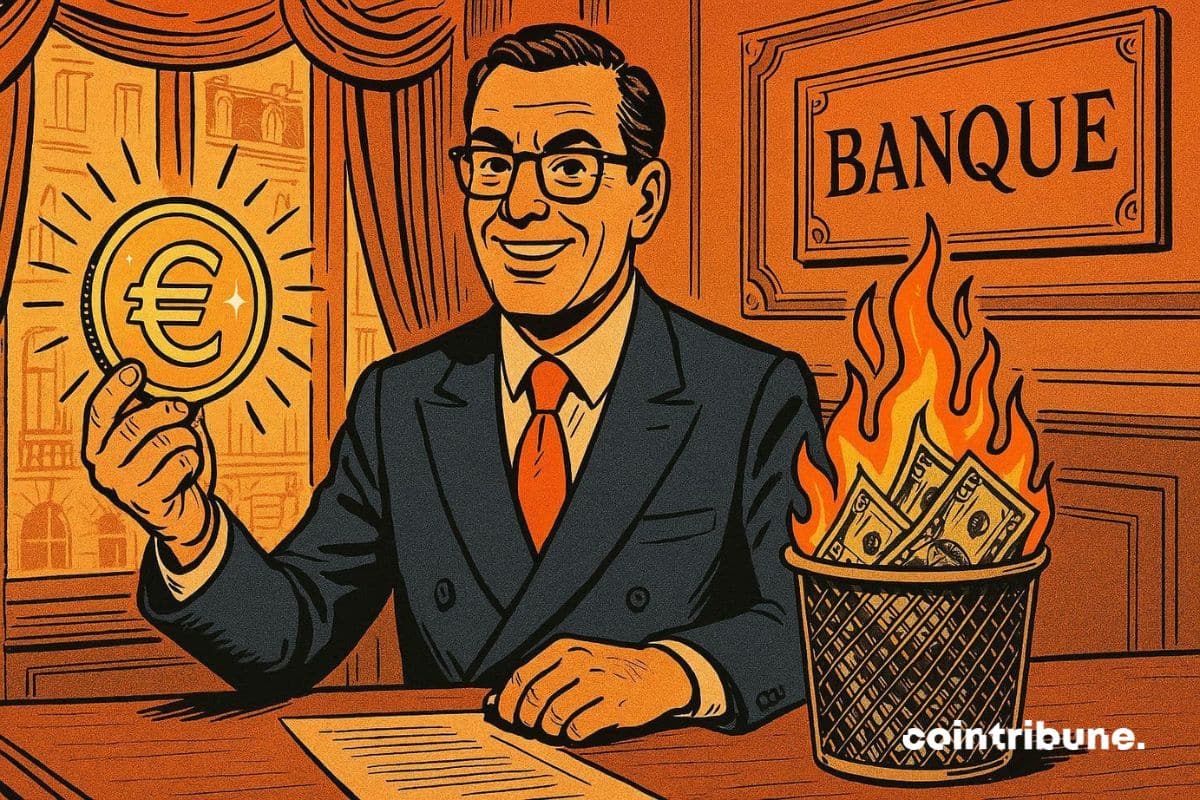
What if Europe finally disrupted the established order of stablecoins? Oddo BHF launches EUROD, a 100% euro stablecoin, challenging the dollar's dominance in crypto. A financial revolution underway! Discover the stakes and challenges of this innovation that could change everything.

The third quarter of 2025 marked a major milestone for the stablecoin market, reflecting growing global adoption and institutional use. Fueled by record DeFi activity and greater regulatory clarity, stablecoins reached historic highs in both supply and transaction volume, solidifying their role as a core pillar of the digital asset economy.

Stablecoins continue to dominate blockchain activity, with Ethereum remaining at the center of this growth. Recent data shows stablecoin transactions on Ethereum hitting record highs, highlighting rising adoption and the network’s expanding role as a global settlement layer. Despite short-term price volatility, network fundamentals remain strong.

Bitcoin ended the week under pressure as investors rotated toward safer assets amid renewed US-China trade tensions and broader market weakness. Despite robust inflows into Bitcoin exchange-traded funds (ETFs), derivatives data suggest traders remain cautious about the sustainability of current price levels.

Faced with the uncontrolled rise of private stablecoins, the global banking giants, from Goldman Sachs to Société Générale, are going on the offensive. By testing tokens backed by G7 currencies, these institutions aim to regain control of digital finance. This strategic project, led by the USDF consortium and the Provenance blockchain, seeks to combine monetary stability, regulatory compliance, and technological innovation. Such an initiative could redefine the balance between traditional banks, regulators, and the crypto ecosystem.

The SEC is preparing to introduce an “innovation exemption” that would give companies more flexibility to develop digital assets and emerging technologies. SEC Chair Paul Atkins said the proposal could be formalized as soon as the end of this quarter, despite challenges caused by the ongoing government shutdown.
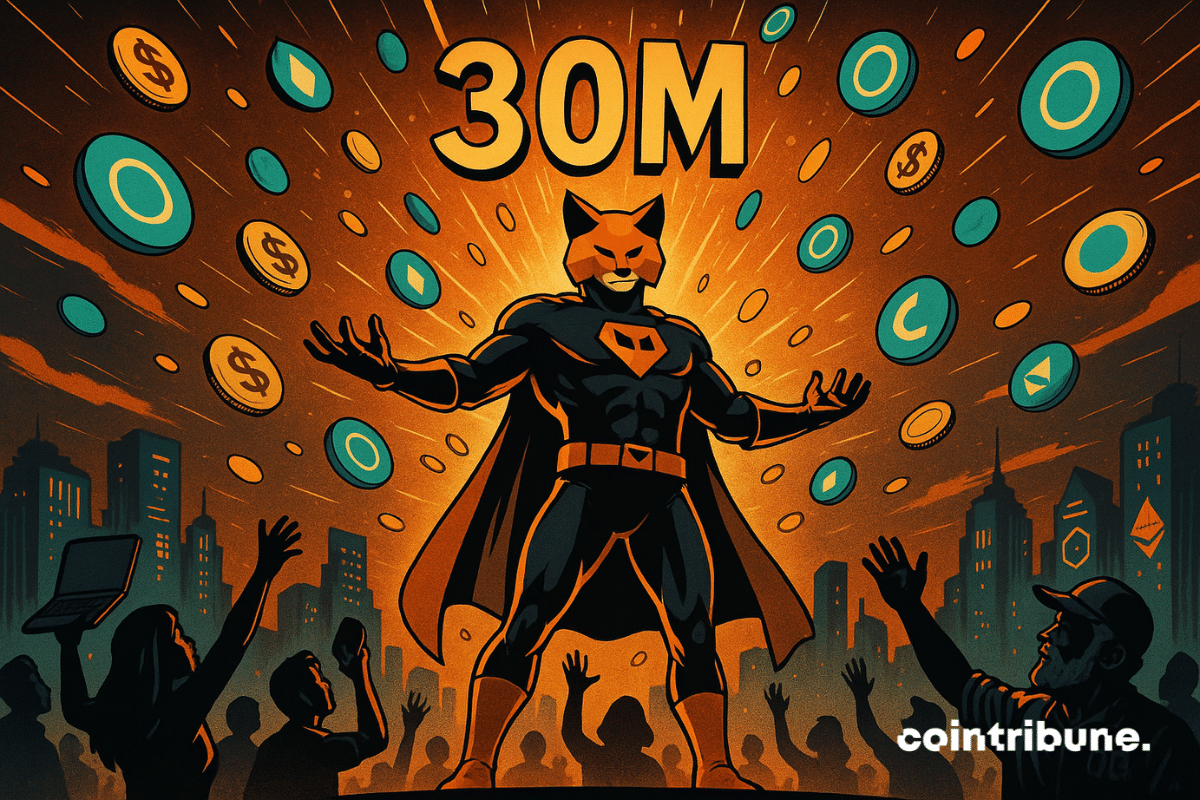
MetaMask launches a crypto program with token rewards. A key strategy before a flagship event! Details here.

Tether, the ace of stablecoins, dribbles right up to Juventus' board. Governance, millions, and crypto at every level: soon a blockchain-sponsored VAR?

Tether and Antalpha plan a $200 million public fund designed to invest in XAUt, Tether’s gold-backed digital token, building on their ongoing partnership and expanded token infrastructure.

Coinbase dreams of being the Robin Hood of crypto: $12,000 for poor young people, a banking license behind the scenes... and the future of banks shaking to the rhythm of stablecoins.

The stablecoin market has just crossed the $300 billion mark, a level equivalent to Finland's GDP. Behind this figure, which might seem like a simple technical statistic, lies a strategic turning point for the crypto ecosystem. This amount of liquidity, now in circulation, could well serve as a driver for a new bullish phase.
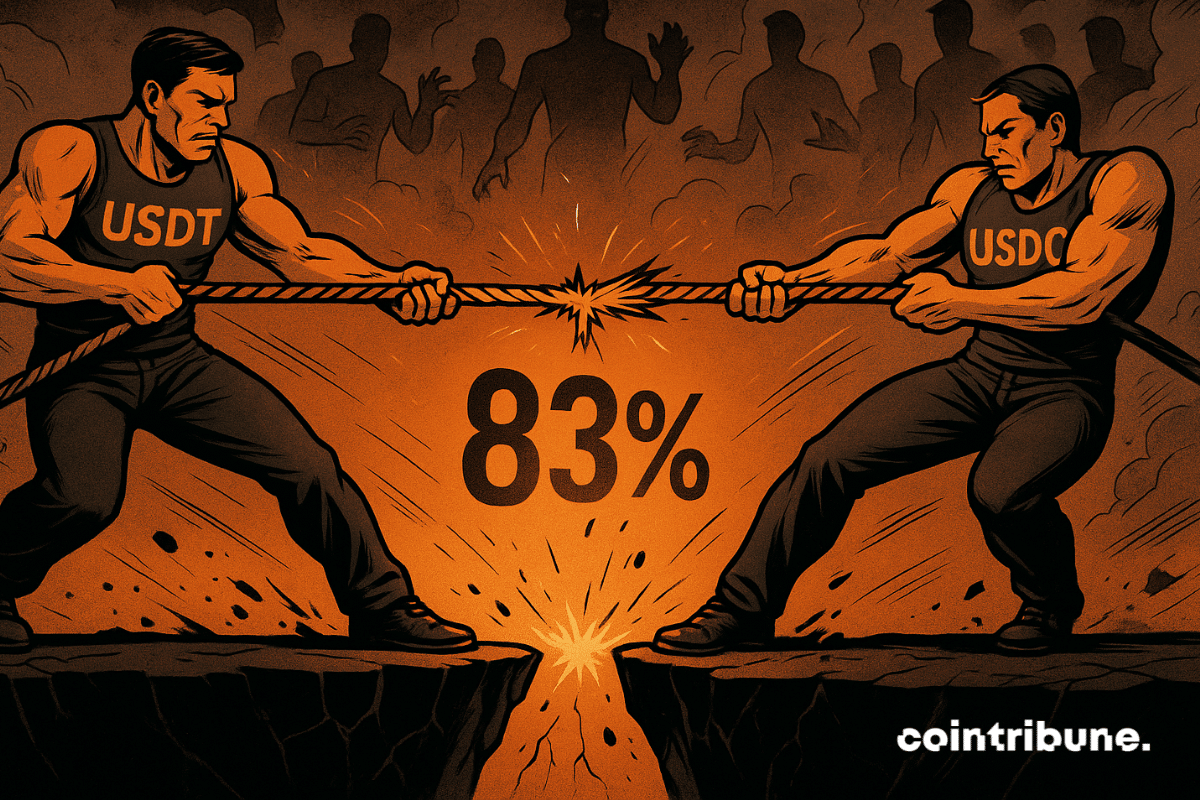
USDT and USDC are losing ground as new stablecoins and banks entering the market challenge their long-standing dominance.