A cowboy state that prints its own currency, a public cryptocurrency backed by the dollar... WYST could well be the test run of a made-in-USA monetary cold war.
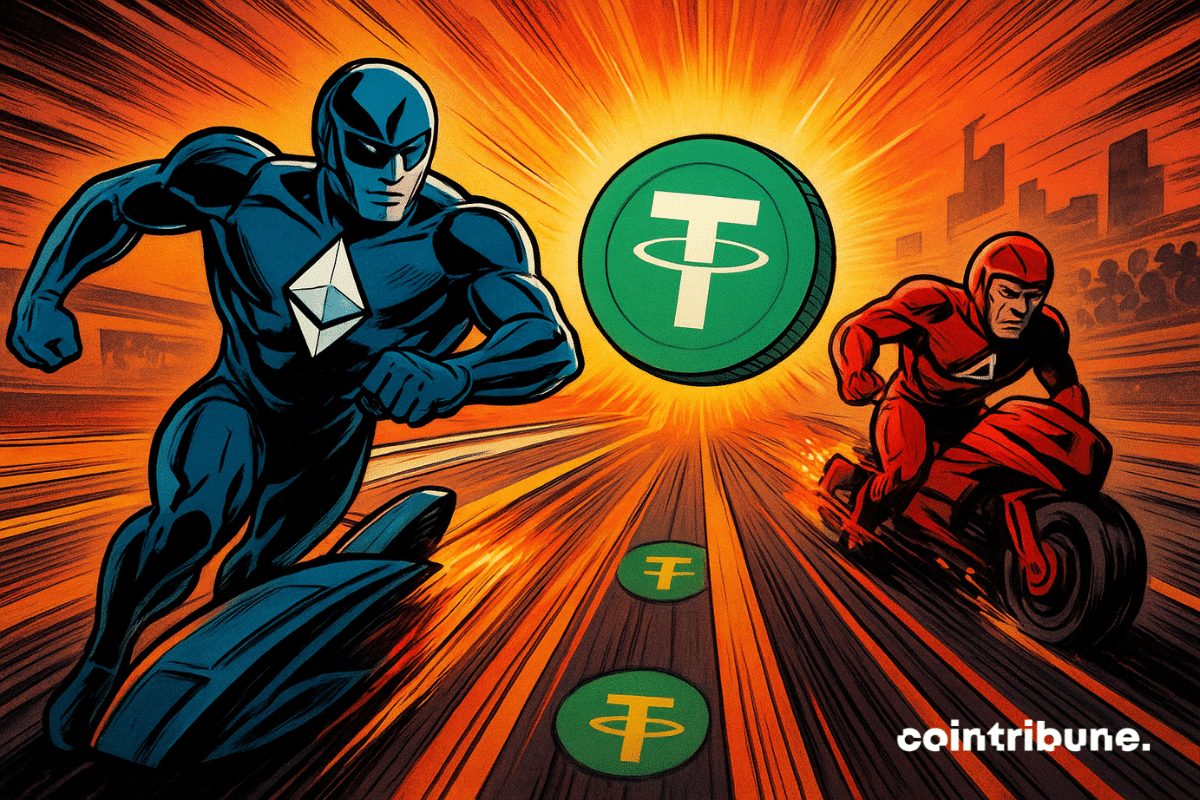
Over the past week, nearly $5 billion in new liquidity has flowed into the stablecoin ecosystem, led by supply spikes in Sky’s USDS and Ethena’s USDe. As the market adjusts to a new phase of federal oversight, competition among dollar-pegged tokens appears to be entering a critical phase.
When Trump plays the central banker by launching his own crypto, Warren sounds the alarm: regulate, yes. Offer a safe haven for billionaires, no. To be continued under the gilding...
Just one week after the U.S. passed its first comprehensive crypto legislation, the stablecoin market has added over $4 billion in fresh supply entering circulation. The newly signed GENIUS Act is already changing the sector. By providing a federal framework for fiat-backed stablecoins, it gives banks, asset managers, and fintech startups a regulatory greenlight. It allows for new capital, new players, and a clear path forward for tokenized dollars.
Less than a week after the approval of the GENIUS Act, two giants in the financial space, Anchorage Digital and Ethena Labs, have joined forces to launch a U.S. version of the offshore USDtb stablecoin. This digital dollar will become the first stablecoin to debut in line with the recently enacted stablecoin regulation bill.
Cryptocurrency adoption has witnessed remarkable growth in 2025, with individuals and even large institutions pivoting towards digital asset ownership. Interestingly, data shows that the recent wave of crypto embrace is largely driven by digital payment and artificial intelligence.
Polymarket wants to launch its own stablecoin. The crypto prediction platform, which currently uses USDC for all its transactions, is considering creating its own stable currency to capture the revenues currently received by Circle. Two options are on the table: a sharing agreement with Circle or an in-house stablecoin.
Conflux has launched a stablecoin backed by offshore yuan and unveiled Tree-Graph 3.0 to advance global blockchain adoption.
Crypto: Western Union aims for a borderless future with a global stablecoin wallet. Discover all the details in this article.
Ethereum’s price has posted a strong outing in July, culminating in a 2025 high amid growing interest from top industry participants. In fact, the second-largest crypto asset by valuation outpaced Bitcoin over the past week, with the latest data showing high ETH accumulation activities by several firms.
Tether, once allergic to regulation, now bows to Washington. Opportunism? Late awakening? Crypto is opening a highway... but watch out for the toll!
July 18, 2025, will remain a key date for the crypto ecosystem. XRP set a new historical record at $3.65, surpassing its 2018 high. However, beyond this spike, a shift in regulatory era is beginning. By signing the Genius Act, President Donald Trump sends a clear signal: the United States intends to frame, not hinder, crypto innovation. This political recognition has immediately catalyzed momentum around Ripple, placing XRP at the heart of the financial and institutional dynamics of the sector.
When Trump regulates cryptos and legalizes his own stablecoins, it smells like a full-on electoral strategy. But who will oversee the genius of the GENIUS Act? Not the children, apparently.
As the United States has just reached a decisive milestone by voting in the House on several groundbreaking laws regulating stablecoins, major American banks are already sharpening their strategies. Bank of America, Citigroup, and JPMorgan are quietly preparing to launch their own stablecoins.
After years of uncertainty and tug-of-war between innovation and crypto regulation, the United States finally seems ready to define its course on the burning issue of crypto. On July 17, the Securities and Exchange Commission (SEC) heralded a historic legislative turning point: the passage of the GENIUS Act in the House of Representatives. This ambitious text, now on its way to Donald Trump's desk for enactment, aims to lay the groundwork for clear, proactive, and decidedly future-oriented regulation. Behind the acronyms and well-rehearsed speeches, a message is emerging: crypto is no longer a regulatory anomaly but a strategic lever for the American economy.
JPMorgan and Citigroup are stepping into the stablecoin space as fintech competition intensifies and U.S. lawmakers push ahead with new crypto regulations under the GENIUS Act, signaling a broader shift in traditional banking.
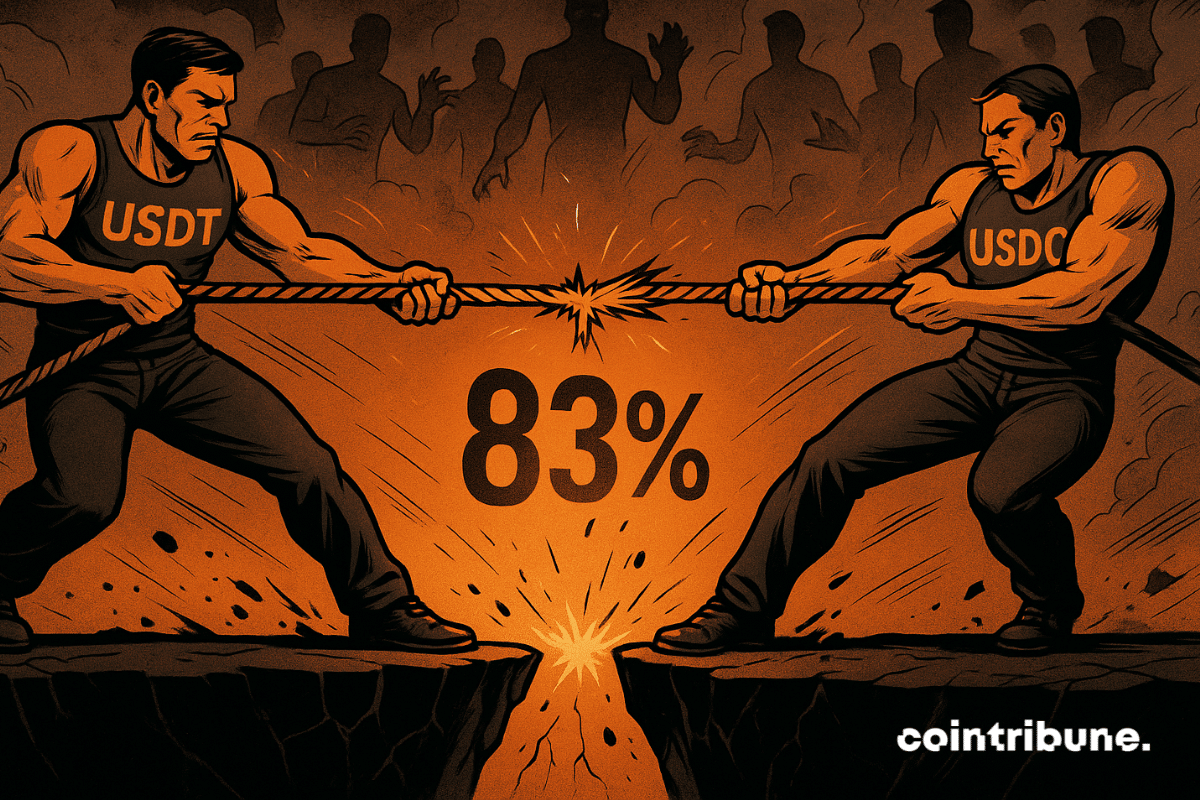
Tether is doing well with 160 billion USDT, but beneath the stablecoin surface, audits are glaringly absent... and American senators are sharpening their legislative blades.
On Tuesday, in a turn as unexpected as it is symbolic, the United States House of Representatives canceled crucial votes on two major cryptocurrency bills. This setback, occurring during the height of "Crypto Week," follows a procedural failure that exposes the deep political divisions surrounding the regulation of digital assets. While attention was focused on the imminent adoption of the "Clarity" and "GENIUS" texts, discussions are now stalled, casting uncertainty on the future of the U.S. crypto framework.
While the United States bets on open regulation of stablecoins with the GENIUS Act, China takes a more discreet approach. In Shanghai, a closed-door meeting among regulators reveals a willingness to experiment, without easing control.
Stablecoins have become a widely used medium of cross-border transactions, especially for retail payments and other overseas remittances. Despite the growing adoption, some within the banking circles have expressed skepticism about these digital fiat-pegged assets. A prominent banking personality even warned the world's largest banks against issuing their own stablecoins.
Tether is taking down its posters of abandoned blockchains to better align with crypto stars: while some lament Omni, others are already celebrating on Ethereum and Tron.
"While the dollar plays the tightrope and Trump brandishes his tariffs, Washington unveils a crypto-crutch: stablecoins, a techno remedy or a digital mirage of a wavering empire?"
Jack Ma's financial empire is regaining momentum. Ant International, the international branch of the Chinese giant Ant Group, formerly a subsidiary of Alibaba, is preparing to integrate Circle's USDC into its blockchain. A strategic move that could reshape the landscape of the global digital payment ecosystem.
When a former minister attacks stablecoins, it is not for their logo. But can we still speak of public money when crypto infiltrates everywhere? Follow the Lagarde trail…
Ripple wants to become a banker, XRP attempts a spectacular comeback, and Wall Street applauds. The once rebellious crypto is settling into the plush chairs of regulators. How far will it go?
Under the pretext of stablecoins in Hong Kong, Beijing is moving its pieces. Crypto on the menu, control for dessert? JD and Ant are rolling out the digital carpet, but beware of the invisible strings.
As stablecoins gain legitimacy, a U.S. law is reigniting the fractures between monetary sovereignty and the supremacy of the dollar. With the GENIUS Act, passed by the Senate, Washington is regulating cryptocurrencies backed by the greenback. However, in Europe, a counteroffensive is being organized. Amundi fears global destabilization. Behind this legal framework, a monetary offensive with systemic effects is taking shape.
Ethereum is stumbling, ETFs are exploding, big holders are accumulating, and retail is asleep. What if Ethereum's crypto is quietly preparing for a major upheaval? Here's a behind-the-scenes look.
The world of crypto is often built on the fringes of institutions. However, some companies choose to swim against the tide by seeking to fully integrate into them. This is the case with Circle, the issuer of USDC, which is no longer content to be just a tech player. The American company has officially applied to become a national trust bank in the United States. This is both a bold move and indicative of a broader shift in the crypto ecosystem: integration into the federal banking system to better ensure trust.
Blockchain holds great promise, but few projects can bridge the gap between technological ambition and institutional reality. With its new ACE compliance engine, Chainlink aims to overcome this hurdle. The stated goal: to unlock $100 trillion in institutional investments that have been stalled by regulatory barriers. An initiative that could change the game in the crypto universe.