
Wed 25 Feb 2026 ▪
3 min read
▪
by
The Ethereum Foundation stakes 70,000 ETH and becomes a validator. A strategic turning point that could change the balance of the Ethereum market.
The Ethereum Foundation stakes 70,000 ETH and becomes a validator. A strategic turning point that could change the balance of the Ethereum market.
Solana sees its validators disappear at an alarming rate, 68% of them have thrown in the towel since 2023. Behind this hemorrhage lies a crucial dilemma: how to reconcile performance and decentralization when costs crush small operators? Between transaction records and growing centralization, the crypto network is betraying its promises.

Saga, a Layer-1 blockchain protocol, has paused its Ethereum-compatible SagaEVM chainlet after a $7 million exploit triggered unauthorized fund transfers. The attack involved assets being bridged out of the network and swapped into Ether. Although the affected chainlet remains offline, Saga says the broader network continues to operate normally.
Injective has voted on a plan to rarify INJ. An aggressive crypto strategy that could disrupt the rules of the game.

Ethereum is about to enter a new era. In a message published on X, Vitalik Buterin announces a major technical upheaval: zk-EVMs could become, by 2027, the main block validation mechanism. A profound transformation of the protocol, which would mark one of the most ambitious turning points since the creation of the network. Performance, decentralization, scalability... Buterin claims the trilemma is "solved" in practice. One challenge remains: ensuring security.

Ethereum’s long-term strength may depend on more than scaling and security. According to co-founder Vitalik Buterin, true trust in the network also requires a broader understanding of how it works. He argues that simplifying Ethereum’s protocol is essential. Without it, users must rely on a small group of experts rather than verify the system themselves.
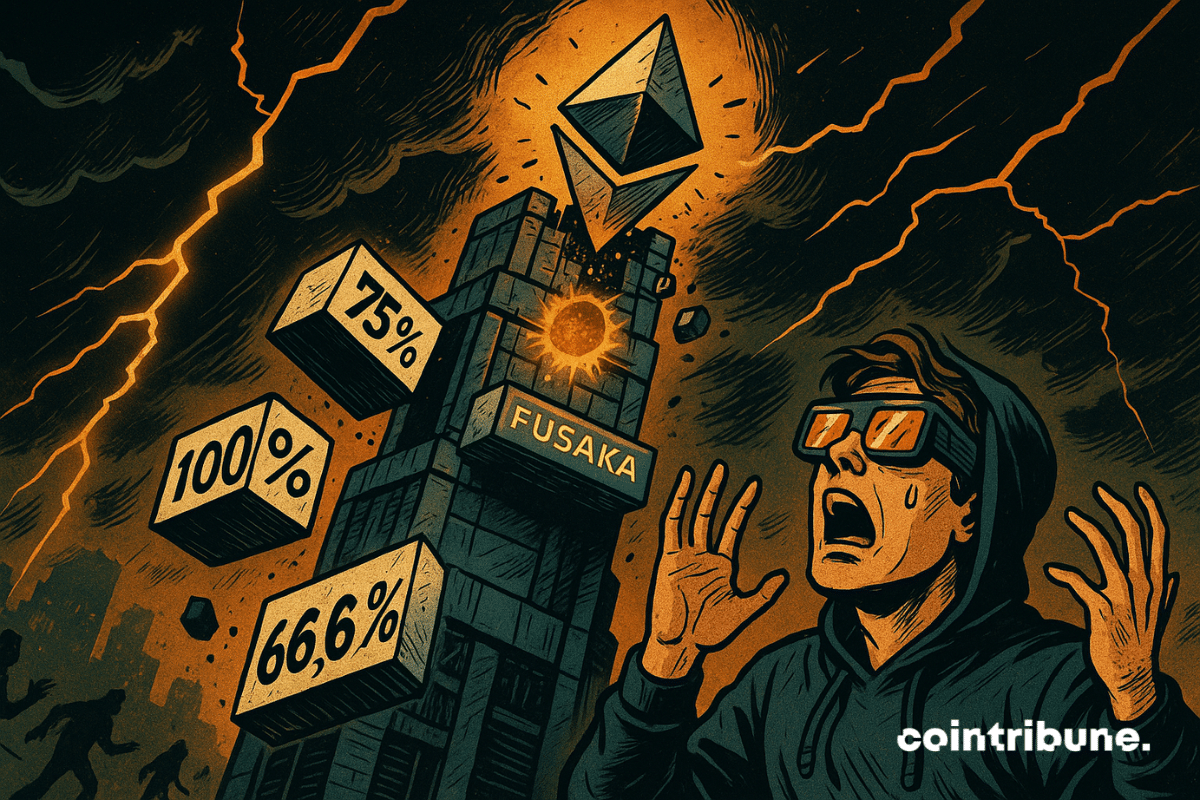
The Fusaka update nearly caused Ethereum crypto network finality to be lost. We give you all the details in this article!
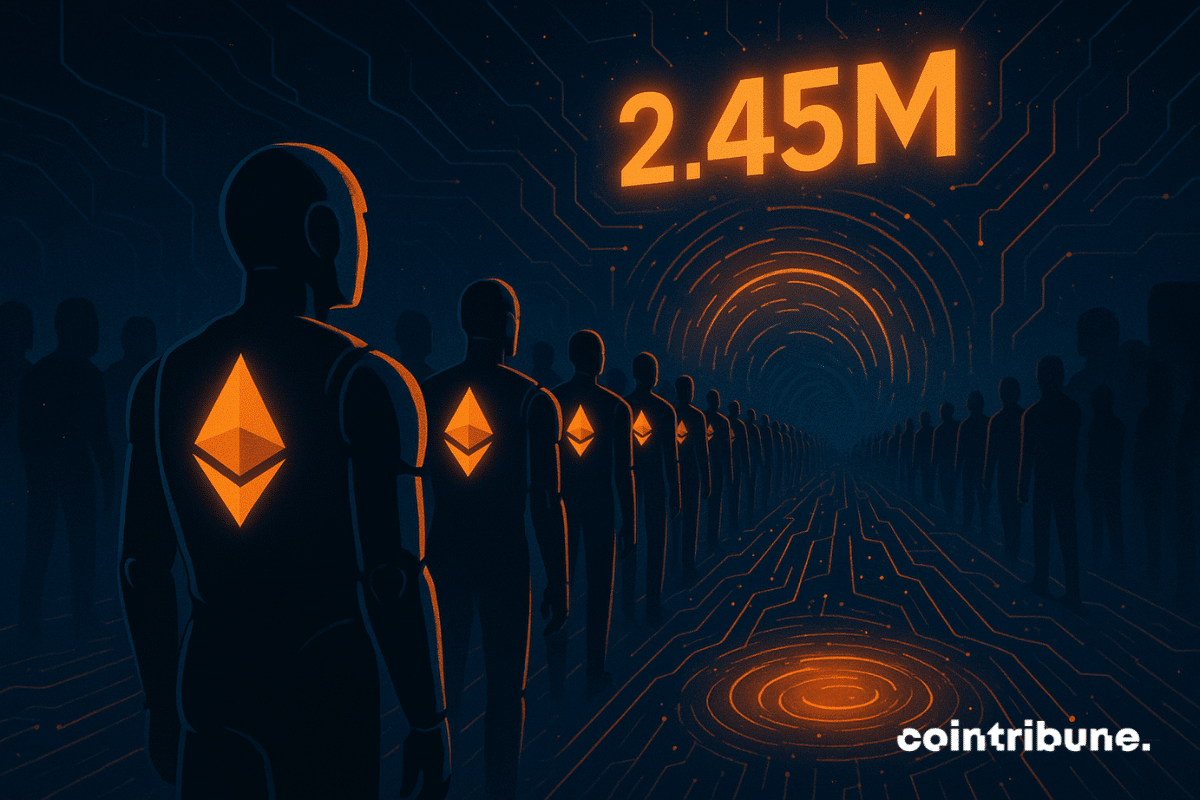
Growing interest in Ethereum’s long-term outlook has pushed validator queues higher for both entry and exit. Recent data indicate that roughly 1.5 million validators are waiting to join the staking system, while approximately 2.45 million ETH are in the exit queue. These conditions mark a busy period for participants who choose native staking over liquid staking alternatives.
Germany’s Deutsche Telekom has joined Theta Network as an enterprise validator, marking a major expansion of its involvement in blockchain and decentralized computing. By taking on this role, the telecom leader becomes part of Theta’s growing group of corporate validators.
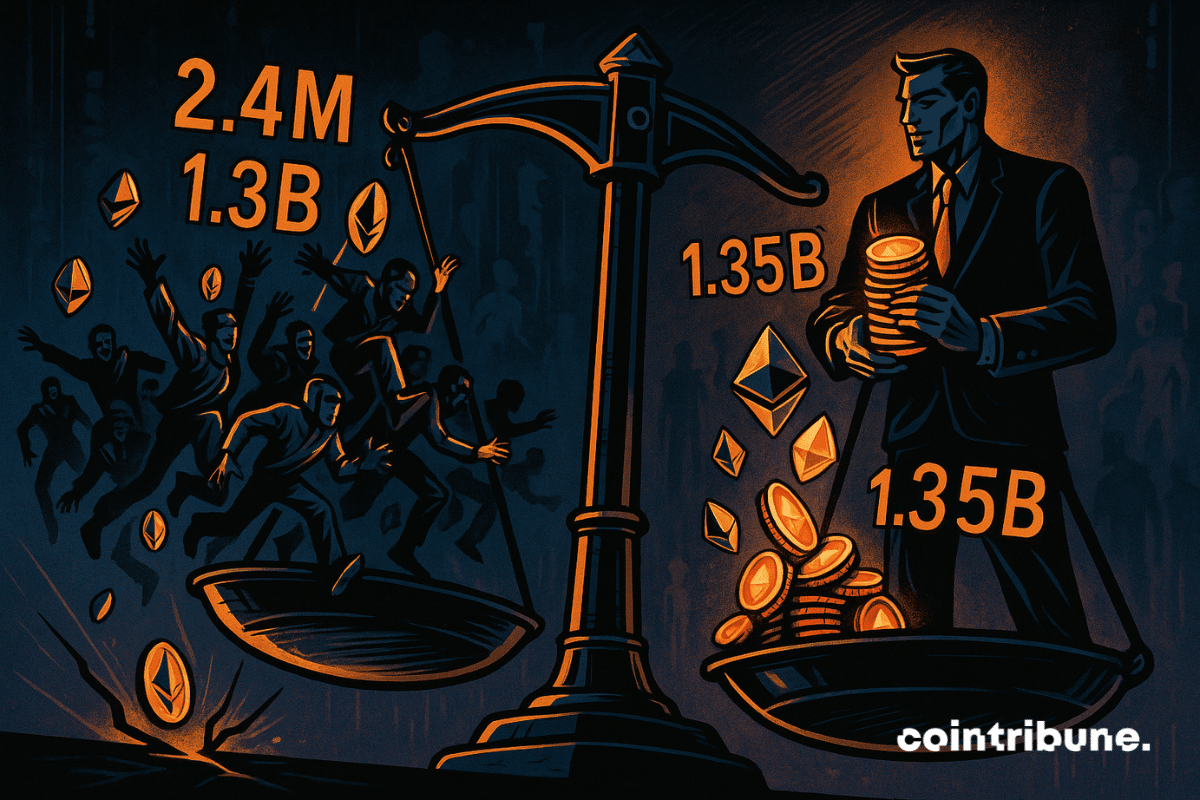
10 billion dollars in Ethereum are waiting to be sold as validators massively leave the network. Details here!
Ethereum network stakers are facing record-long exit times, with about 2.5 million ETH ($11.25 billion) pending withdrawal from the validator set, according to dashboard reports. Given this backlog of unsettled transactions, the waiting time for withdrawal has stretched to more than 46 days—the longest in the network's history. For comparison, the last big peak in wait time, which occurred in August, only had an 18-day wait.

Solana is about to reach a historic milestone. Since August 27, its community has been called to vote on "Alpenglow" (SIMD-0326), a bold proposal that could completely overhaul the network's consensus mechanism. More than a technical evolution, it is a strategic turning point with profound repercussions on performance, the protocol's economy, and the balance between efficiency and decentralization.
Ethereum unveils its blobs, reduces fees, but is running into storage issues... What if the technical promises hide a creeping centralization? Crypto-revolution or mirage?
With Pectra, Ethereum promises the future but stacks ETH with the big players: decentralization or private club? The small stakers, on the other hand, count their crumbs on the blockchain.

Finally some good news! The Ethereum Pectra fork is confirmed for May 7th. We will deliver all the details in this article!

Ethereum Pectra update postponed! A new testnet is scheduled for March, but the final date remains uncertain. Details in this article!

On March 6, 2025, Solana validators will vote on two major proposals aimed at modifying the network's economy and the reward system for stakers. These proposals, known as Solana Improvement Documents (SIMDs), are generating intense debate within the crypto community, particularly due to their impact on validator revenues, which are set to decrease dramatically.

While Bitcoin revels under golden skies, Ethereum gropes in the shadows, with no trophy in sight for 2025. The crypto revolution hesitates, one foot in the past.

In 2025, the Ethereum ETF, with its staggering figures and staked returns, could very well overshadow Bitcoin. A crypto duel where surprise mingles with the vertigo of speculators.
Solana strengthens its network security by excluding crypto validators involved in "sandwich" attacks against traders, protecting investors.
Solana, one of the most promising blockchains of the moment, has just experienced a decisive moment. Validators have approved a key proposal on prioritized transaction fees, radically changing the distribution of these fees. This decision, although widely supported, has also sparked significant controversy within the community. What are the impacts of this decision and why is it sparking so much debate?
Ethereum is facing a dilemma with the growing number of validators, highlighting security issues.
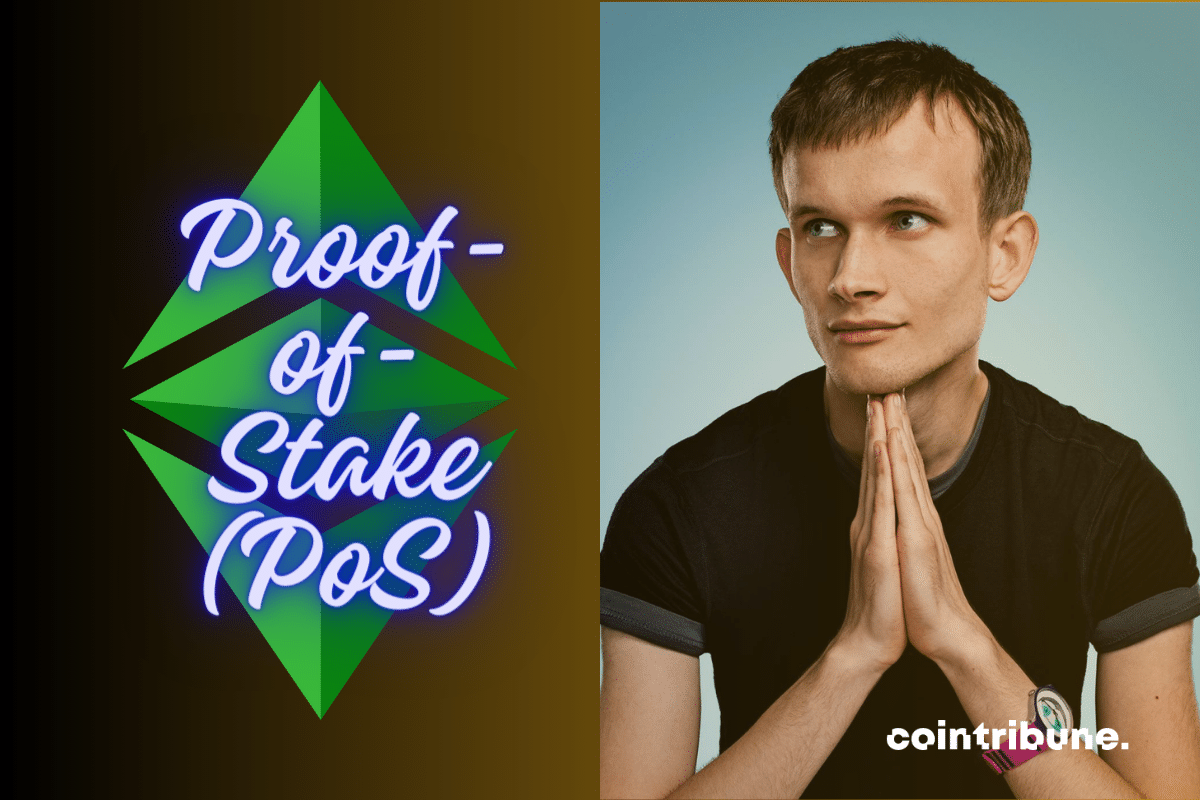
Before closing out the year 2023, Vitalik Buterin hatched an unprecedented solution to improve Ethereum's consensus mechanism. Or rather to solve a problem of systemic complexity at the heart of the world's 2nd largest blockchain's Proof-of-Stake. Here's an overview!

Ethereum Fails to Attract Validators: Recent statistics have shown that Ethereum is no longer a strong magnet for validators, which has surprised many crypto observers.