
18h05 ▪
5 min read
▪
by
At World, the tap is closing a bit to create scarcity. WLD is twitching, traders are smiling, but the crypto market has known the song by heart for a long time.
At World, the tap is closing a bit to create scarcity. WLD is twitching, traders are smiling, but the crypto market has known the song by heart for a long time.
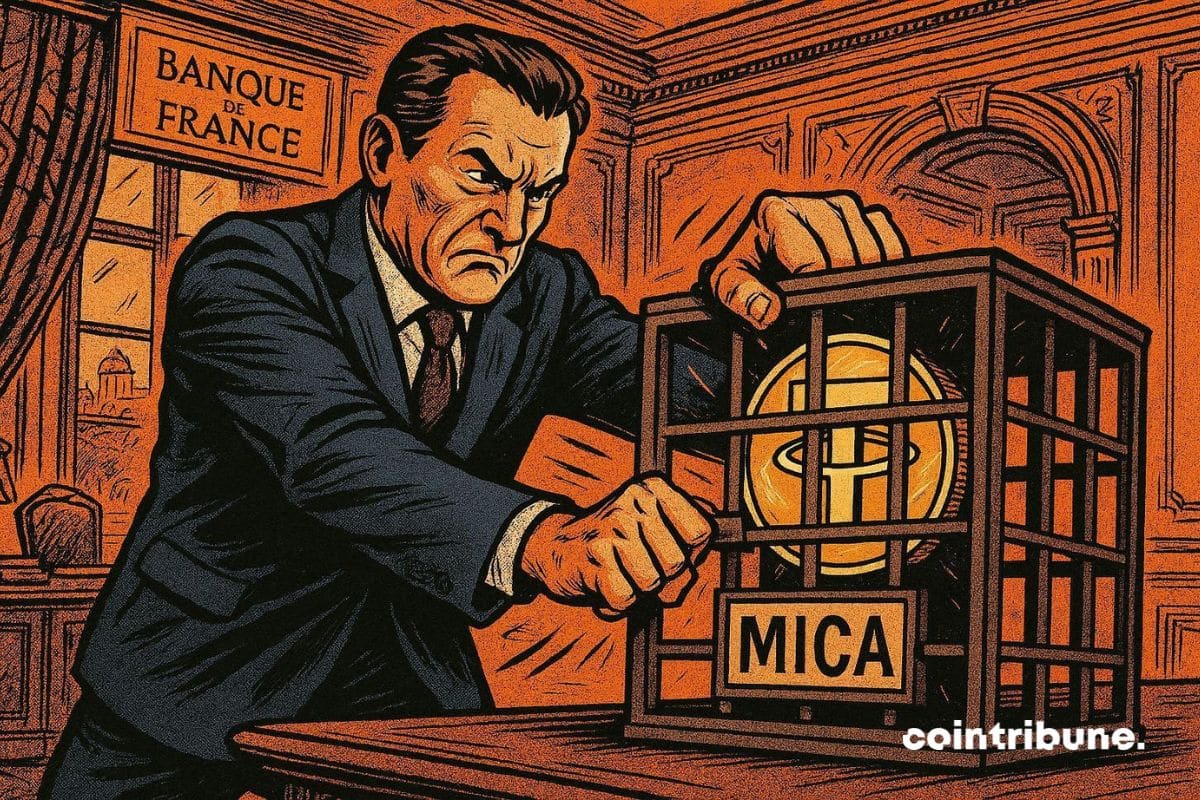
98% of stablecoins depend on the dollar, a threat to Europe. The Bank of France demands urgent tightening of MiCA rules. Why this decision? What risks for investors and markets? Analysis of the issues and proposed solutions.
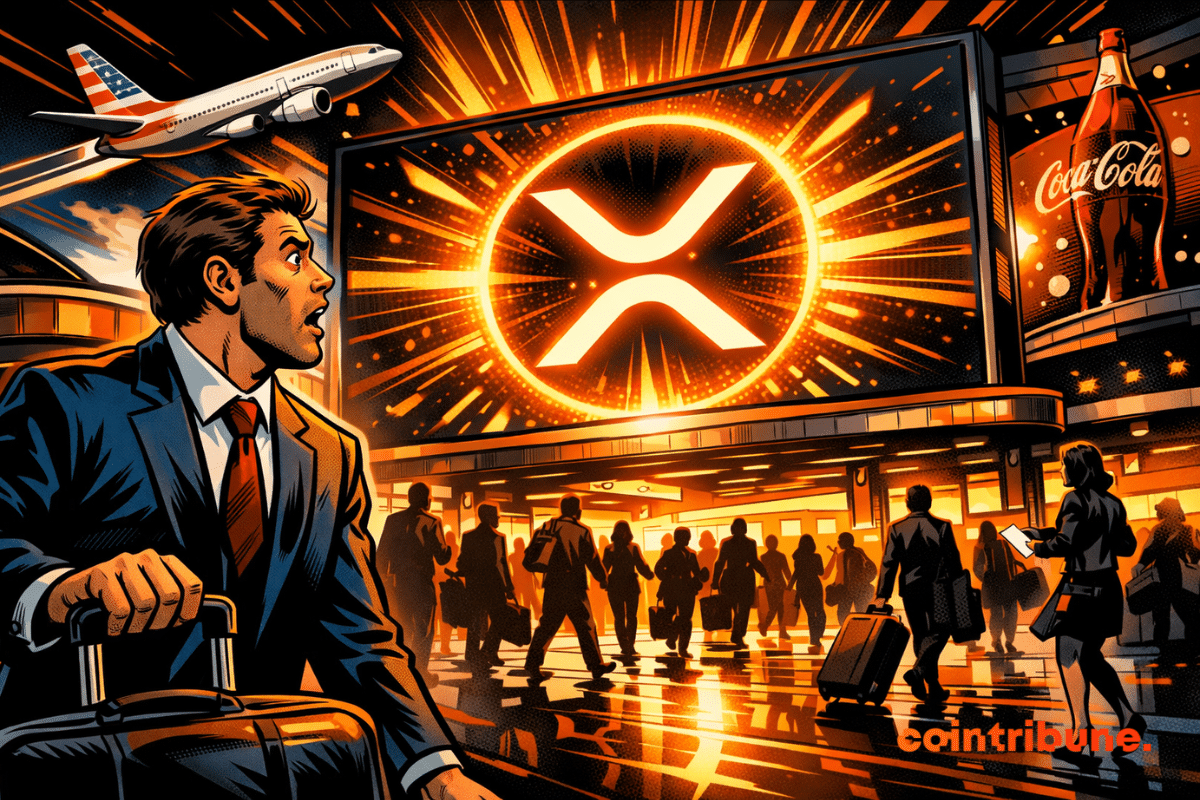
Coca-Cola and American Airlines explore XRP payments, illustrating the growing interest of major corporations in Ripple. Between innovation with the XRP Ledger and a more favorable regulatory framework, blockchain could sustainably transform global financial flows.
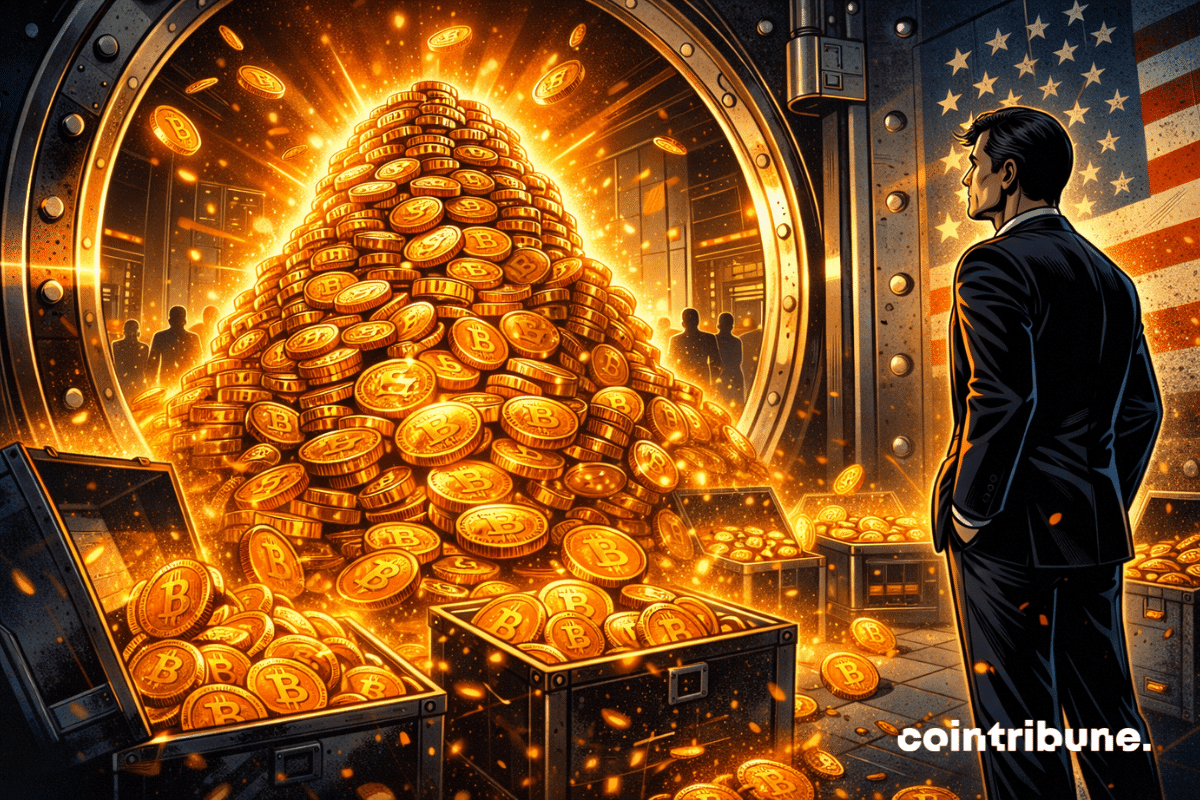
The United States transferred seized bitcoins to a Coinbase Prime address. The important point is not the amount, modest in market terms. The real signal is that Washington is increasingly treating confiscated bitcoin as an asset to be organized, stored, and integrated into a broader public strategy.
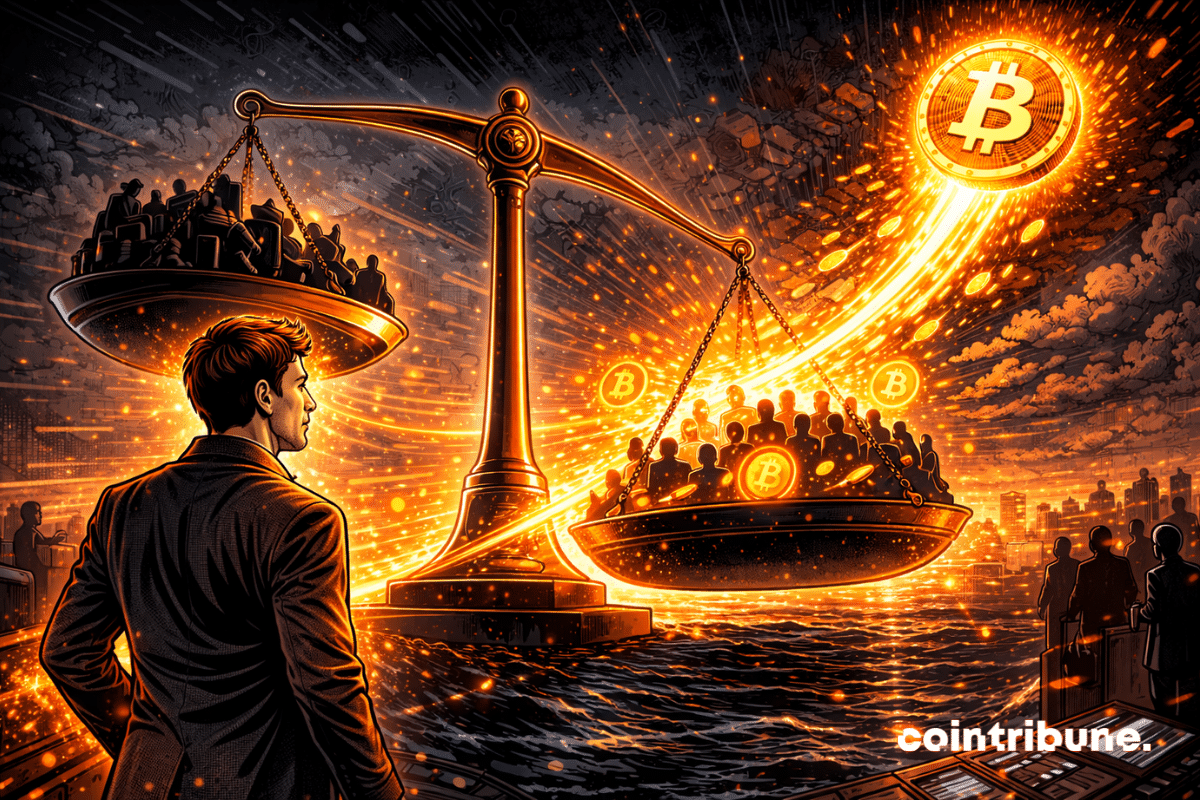
After a prolonged hesitation phase, buyers regain the initiative, supported by aligned technical and on-chain indicators. Traders now set a clear course for bitcoin at 88,000 dollars, in a context where the market structure recalls phases preceding major impulses. Between a critical threshold and strategic accumulation, a new dynamic seems to be settling, with a potential lasting shift in sentiment favoring bullish investors.

The Eiffel Tower is about to resonate to the rhythm of Web3. On April 17, 2026, INDIGO Fund, the American production company Rasa, and the token $NRG are organizing a private party on the first floor of the Parisian monument, as the official closing party of the…

The Strait of Hormuz, a critical hub of global oil, could become the site of an unexpected monetary experiment. According to several revelations, Iran is considering imposing crypto payments on tankers passing through this strategic route. Behind this hypothesis lies an attempt to circumvent international sanctions while testing an alternative financial model. At the crossroads of energy and digital challenges, this initiative places bitcoin at the heart of an unprecedented power struggle between states and markets.
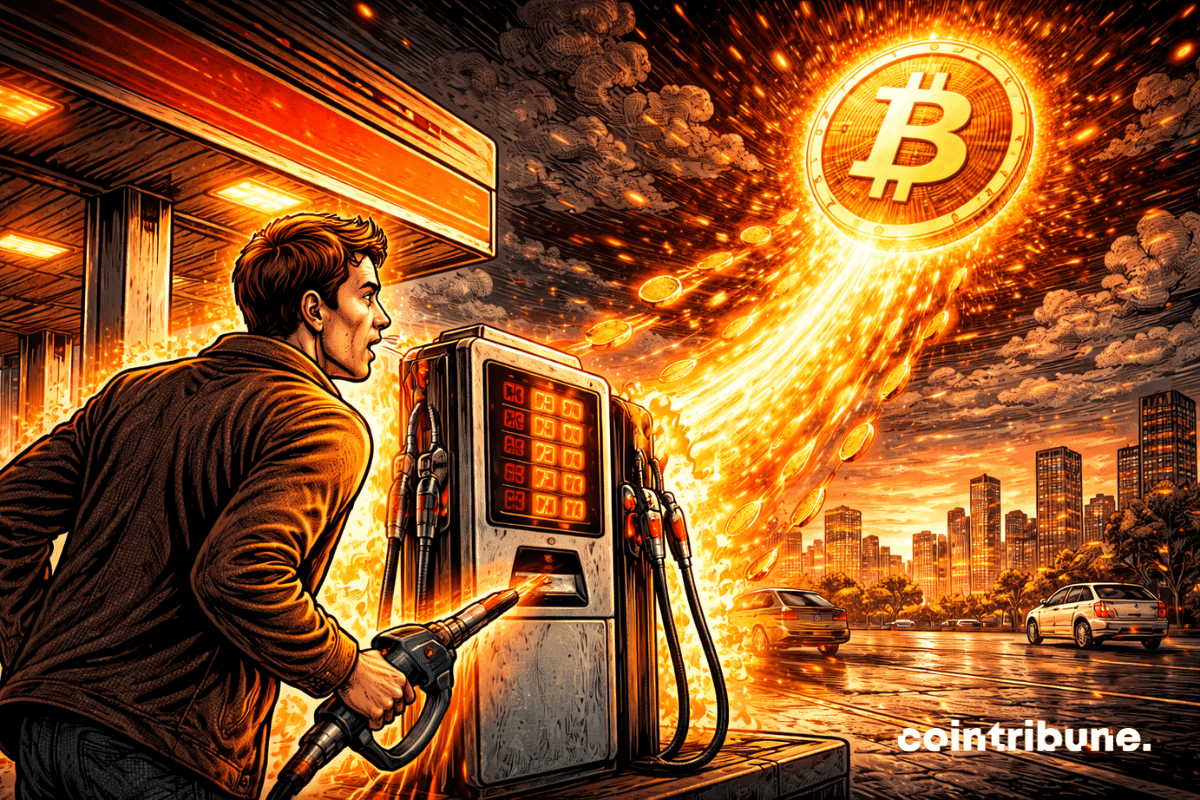
Bitcoin reaches 73,000 dollars amid a mixed macroeconomic context. The latest US inflation data signal a moderate price increase but mask a historic surge in energy costs. This gap fuels an uncertain market reading, between apparent stability and underlying tensions.
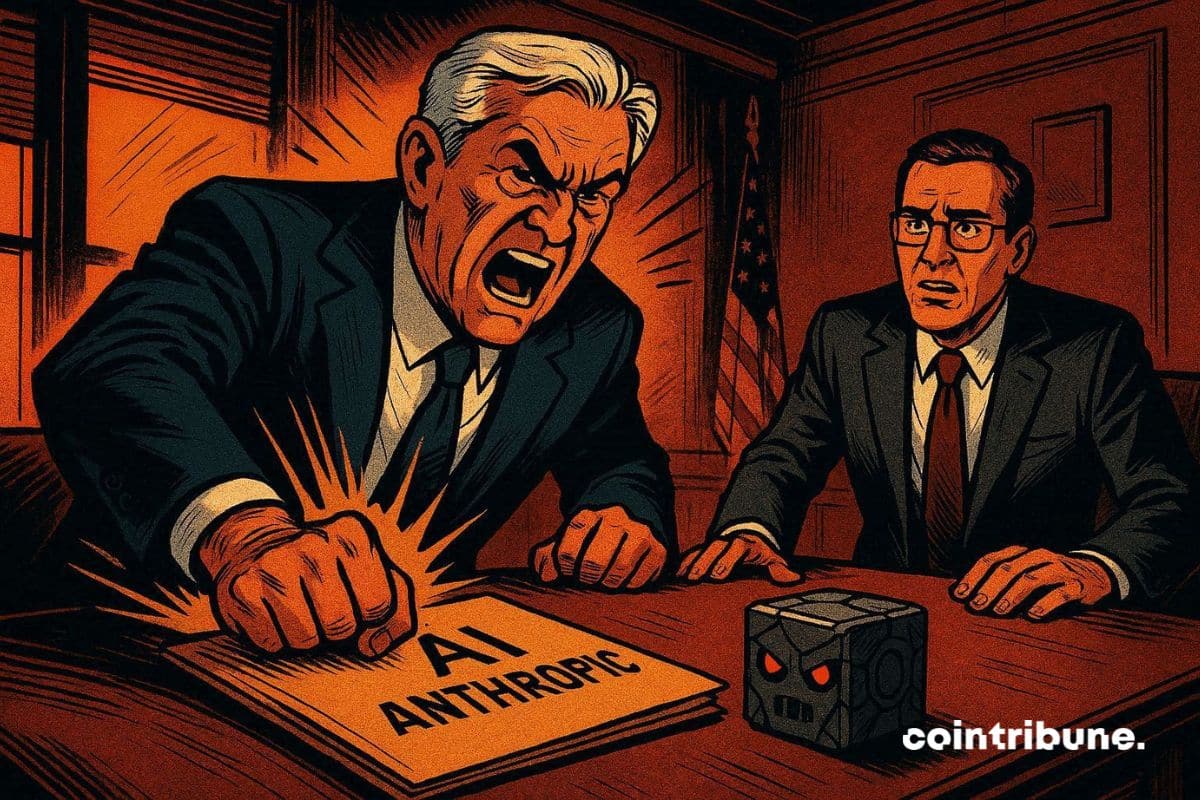
A secret meeting between the Fed and the Treasury, an AI model capable of hacking banking systems, and risks that could shake the global economy. Anthropic becomes an absolute security problem for regulators and banks.
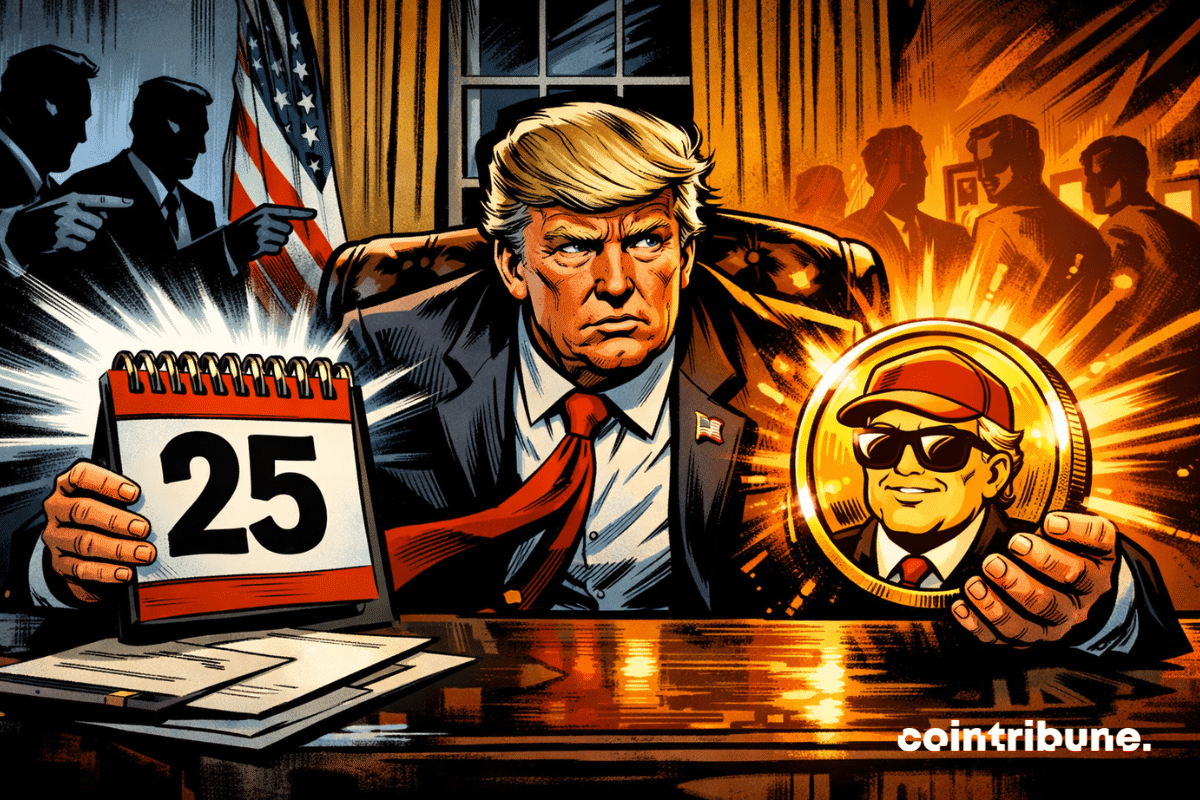
US President Donald Trump is set to attend a private lunch reserved for holders of the TRUMP memecoin on April 25. Problem: the same day, he promised to attend the White House Correspondents' Association dinner in Washington. A coincidence not missed by three Democratic senators, determined to get answers.

Japan is clearly shifting gears. By approving, on April 10, 2026, a reform that brings crypto assets into the realm of financial instruments, Tokyo no longer treats crypto as a mere extension of digital payments. The country now chooses a logic of market, oversight, and investor protection.
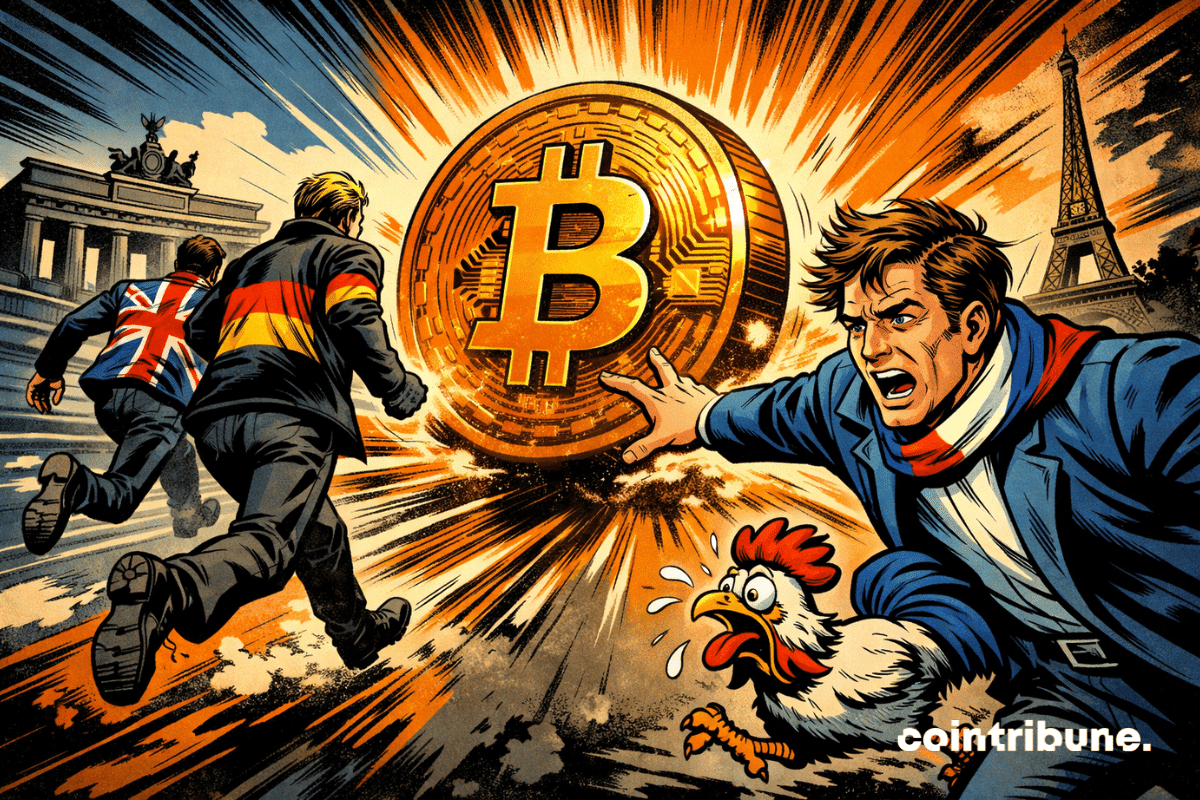
Crypto has settled into the French landscape but without causing a clear shift. In 2026, the topic no longer frightens as much. It intrigues, it circulates, it joins conversations. Yet, when it comes time to buy, France is still moving forward in small steps.

Meta commits 21 billion dollars in a strategic partnership with CoreWeave, marking a new milestone in the race for artificial intelligence. This agreement reveals a major evolution in the sector: the competition is shifting towards infrastructure and computing power. Behind this announcement, a reconfiguration of the technological landscape is emerging, driven by the rising demand for resources and the emergence of new specialized players.

Crypto trading is changing dimension. Binance introduces prediction markets directly into its wallet, opening the way to a new form of speculation based on the outcome of real events. Accessible from its application, this feature allows users to buy and sell probabilities in a few clicks, without going through external interfaces. By integrating these on-chain mechanisms in a centralized environment, the exchange redefines uses and accelerates the convergence between finance, information, and blockchain.
He had a one in 300 years chance to succeed. Yet, this solo bitcoin miner just pocketed $225,000. All details in this article!
The tax authorities now eye digital wallets like a tax collector before a cellar of fine wines: French crypto comes under the halogen lamp.
Shiba Inu (SHIB) stirs after weeks of consolidation between $0.0000057 and $0.0000060. Crypto investors are massively accumulating and a breakout could propel the price by +85%! Analysis of possible scenarios and levels not to be missed.

After months of false starts, Meta returns with an AI model capable of standing up to its rivals. Muse Spark is not just a technical advancement, it is a sign of a profound strategic shift. This launch says a lot about Meta's ambitions. And perhaps even more about the end of an era.
Commerce enters a new phase where humans might no longer be at the center of the purchasing act. By launching a platform dedicated to autonomous payments, Visa relies on artificial intelligence agents capable of searching, deciding, and paying without direct intervention. This advancement marks a break in the organization of digital exchanges and accelerates the emergence of a model where machines and transactions become inseparable.

The countdown has begun. The Paris Blockchain Week 2026 opens its doors Tuesday, April 15 at the Carrousel du Louvre, and tickets are selling fast. Macron as keynote, BlackRock and J.P. Morgan on stage, more than 10,000 decision makers expected: the 2026 edition promises to be the most ambitious ever organized. For latecomers, there are only a few days left to secure a ticket at a reduced price thanks to the exclusive promo code Cointribune PBWCT15, which offers a 15% discount on the entire official ticketing.

Are stablecoins about to disrupt the global financial order? An industry projection puts forward a staggering figure: up to $1.5 quadrillion in volume by 2035. Long seen as tools of the crypto market, these assets could now establish themselves as key infrastructures for international payments. This rise directly challenges the dominance of traditional networks and reveals a profound transformation of financial flows on a global scale.
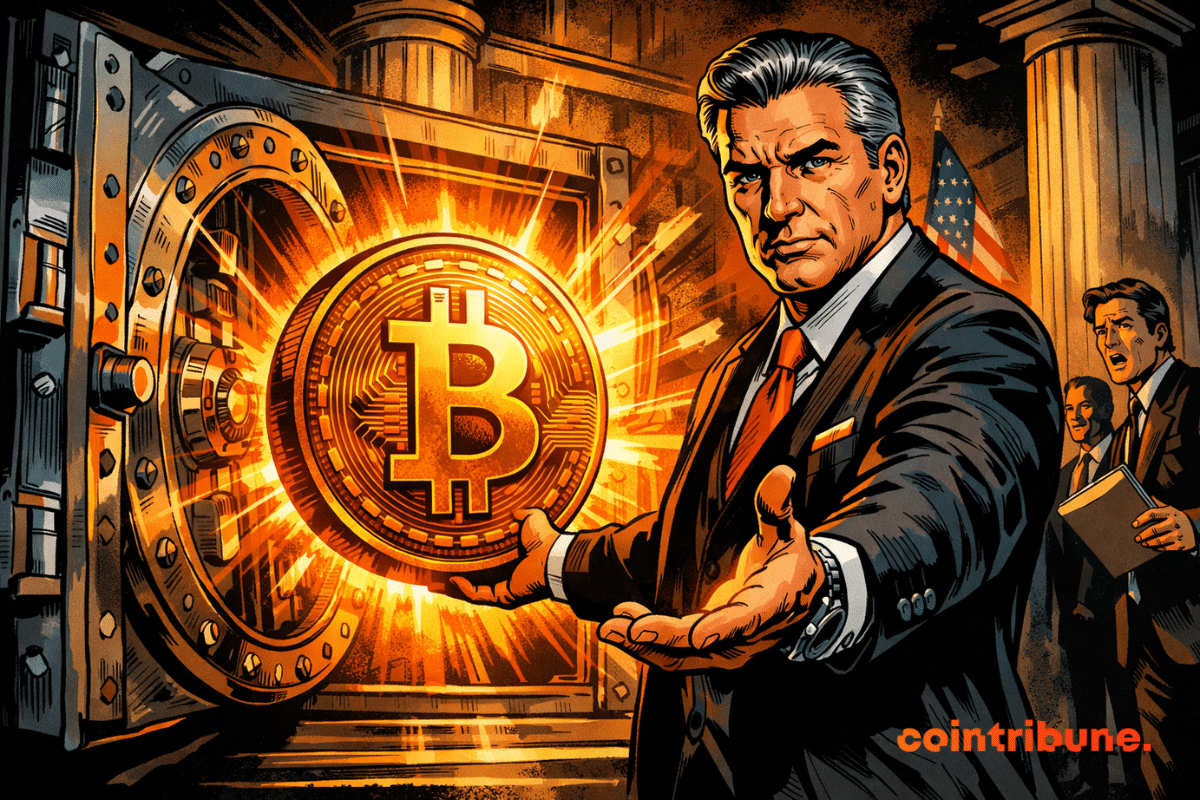
Bitcoin has just reached a new milestone on Wall Street. With MSBT, Morgan Stanley places bitcoin at the heart of traditional wealth management finance, no longer only in the realm of already convinced investors. The signal goes beyond a simple product launch. It shows that the battle is now about access, fees, and distribution.
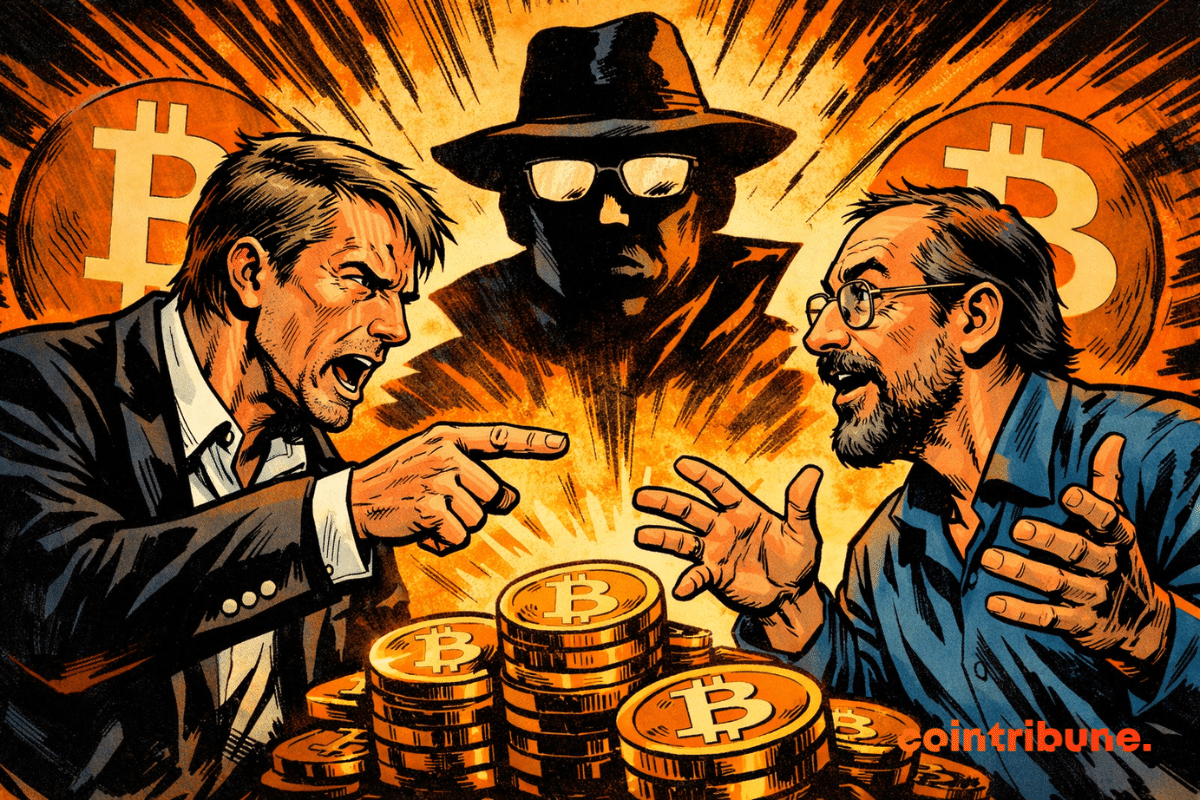
While Satoshi's identity continues to fascinate the crypto ecosystem, a new controversy rekindles the debate. A recent investigation puts forward the name Adam Back as the creator of Bitcoin, but Michael Saylor strongly disputes this hypothesis. Between linguistic analyses, old exchanges, and lack of cryptographic evidence, the mystery remains unsolved. In a sector seeking certainties, this new confrontation mainly illustrates one thing: the Satoshi enigma still resists all identification attempts.
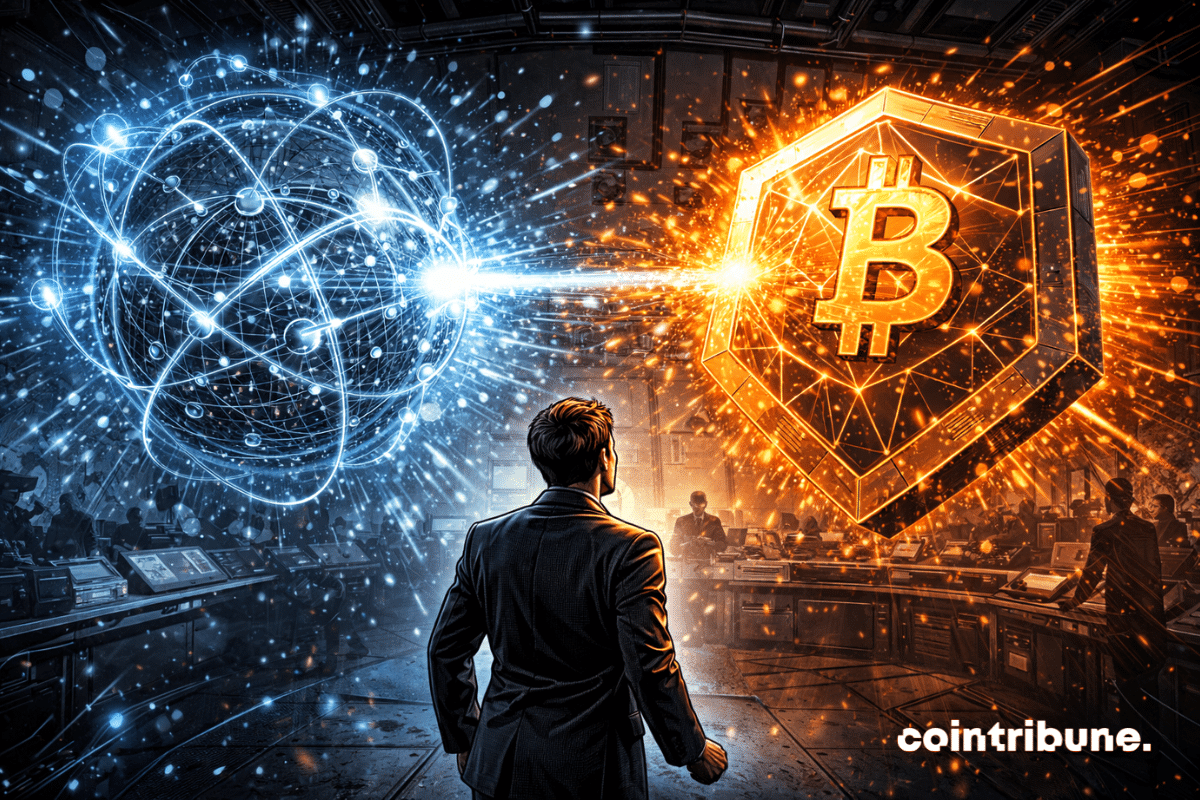
Quantum computing is gradually establishing itself as the next major challenge for bitcoin, reigniting fears of a structural flaw at the heart of cryptography. Faced with this rise in concerns, Bernstein decides: no catastrophic scenario in the short term. The issue would not be the survival of the network, but its ability to evolve. Between technological breakthroughs and protocol adaptation, Bitcoin enters a pivotal phase where anticipation and innovation could redefine its future.
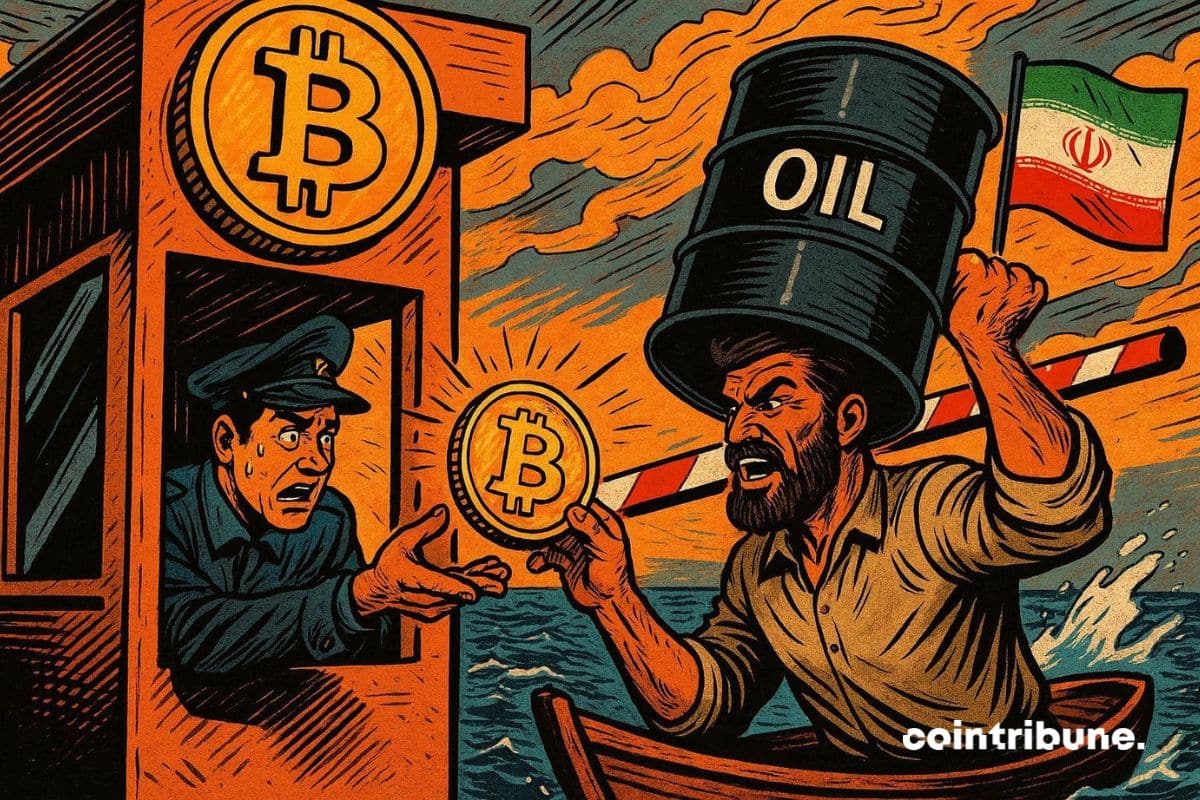
The Strait of Hormuz becomes the ground for an economic revolution. Indeed, Iran now imposes a Bitcoin toll to let tankers pass. A decision that propels cryptos to the heart of geopolitical conflicts and threatens oil markets.
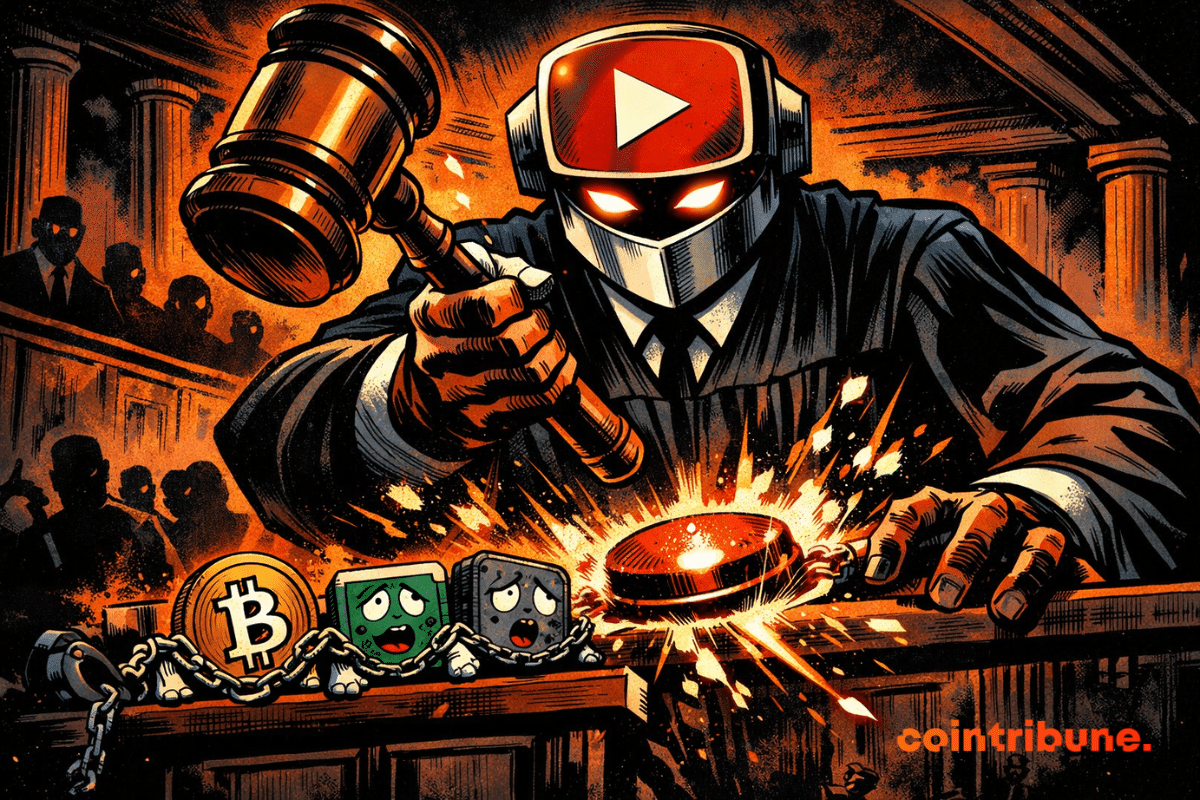
An unexpected purge shakes the crypto ecosystem: YouTube removes dozens of crypto channels without warning. Details here!
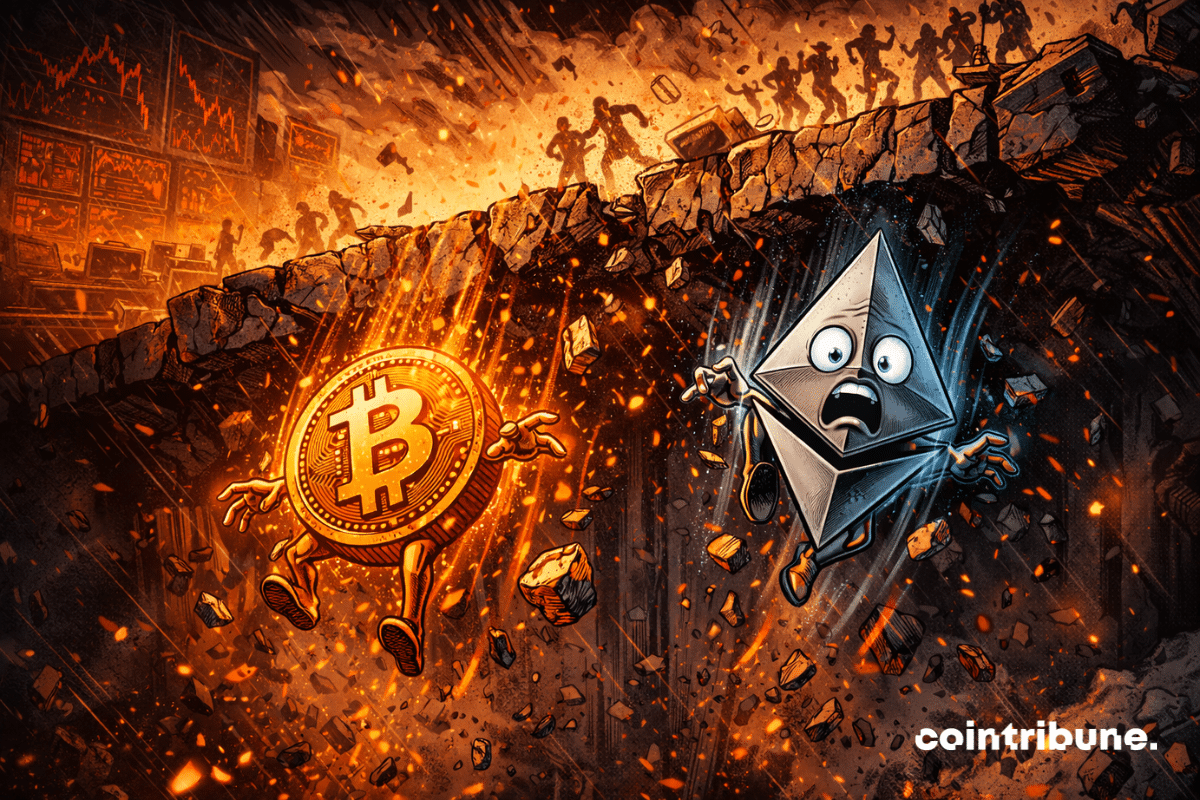
On Wall Street, money flows out through the crypto ETF door while Morgan Stanley comes in through the window with its bitcoin trust. The dance of the hesitant truly begins.
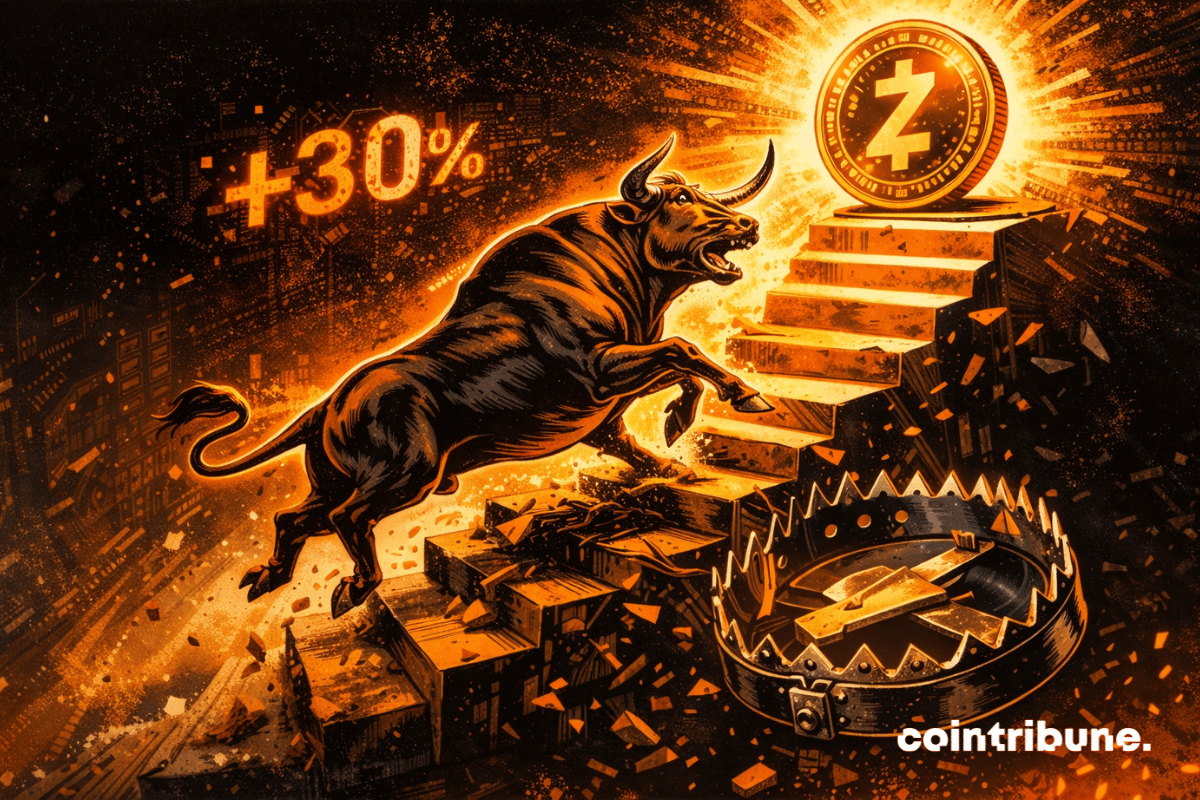
Zcash recorded one of the most violent moves of the day, but this jump of more than 20% to 30% looks more like a speculative surge under tension than a clean and sustainable reversal. The context helps, of course. The announcement of a two-week ceasefire between the United States and Iran triggered a broad relief rally on risk markets, with oil falling and a sharp return of risk appetite.

Blockchain development has moved well past the proof-of-concept stage. In 2026, developers and traders routinely work across multiple chains, pull wallet data from dozens of networks, and feed real-time market information into bots, dashboards, and AI agents. The common thread behind all of these workflows is a reliable crypto API.
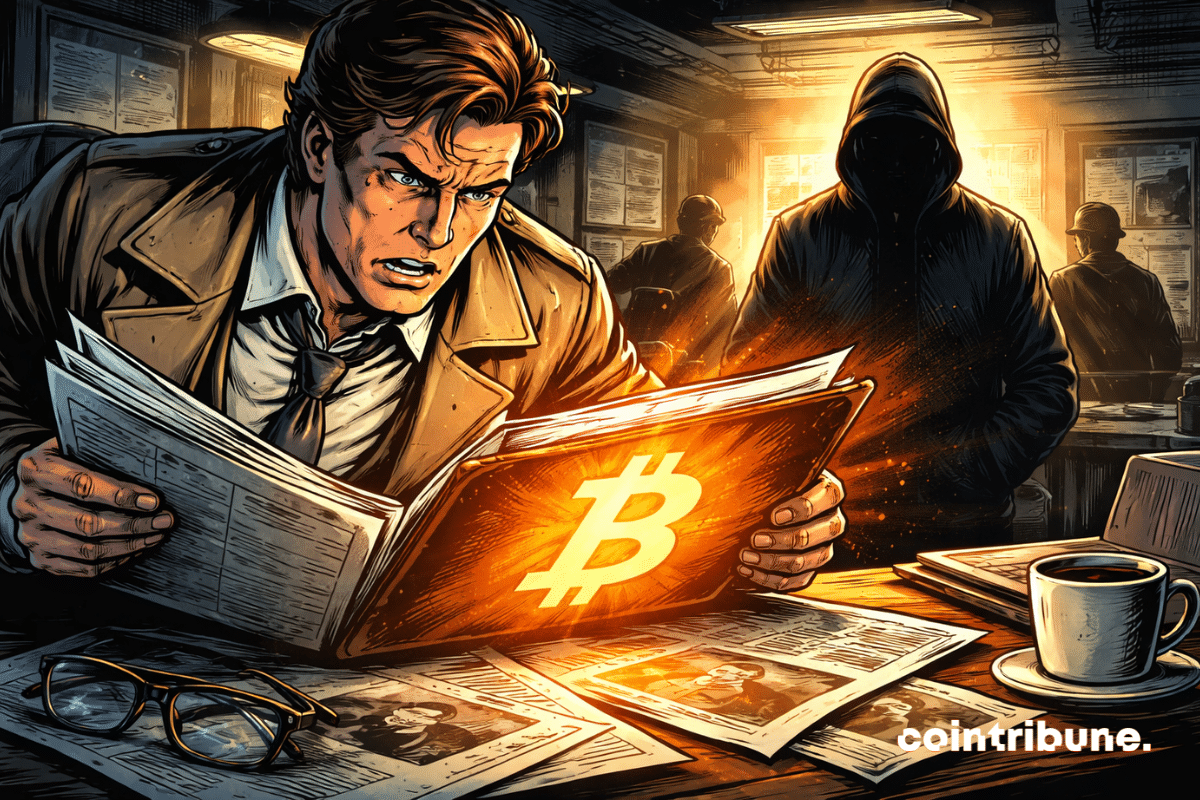
The mystery surrounding the creator of Bitcoin resurfaces. A new investigation by the New York Times points to Adam Back as the probable Satoshi Nakamoto. But between firm denials and weak evidence, the truth still seems out of reach. Are we finally witnessing the end of a myth... or yet another false lead?