According to Jurrien Timmer, global macroeconomics director at Fidelity, the bitcoin bull cycle could restart for four years. His arguments are based on BTC's resistance above $60,000 and the improvement of its performance against gold.

The bitcoin market experienced an unusual rebound in August, without a wave of new bullish bets. In five days, the price gained 24.6%, while the open interest denominated in cryptocurrency fell by 12.6%. A report from Glassnode and Bybit links this rise to liquidations of short positions. About 64,000 BTC of open interest disappeared during this phase. Sellers fueled the movement, while the options market confirmed persistent bearish pressure.
Visa will end a loophole that allowed certain memecoin purchases by card to generate loyalty points. The network has asked its payment processors to stop using the concerned merchant code starting next week. Purchases will still be possible by card, but without the associated rewards.
The Graham law now offers Donald Trump a new economic arsenal against Russia and other countries that finance its energy sector. Enacted on September 18, this legal standard authorizes tariffs that can reach 100% against the main buyers of Russian oil and gas.
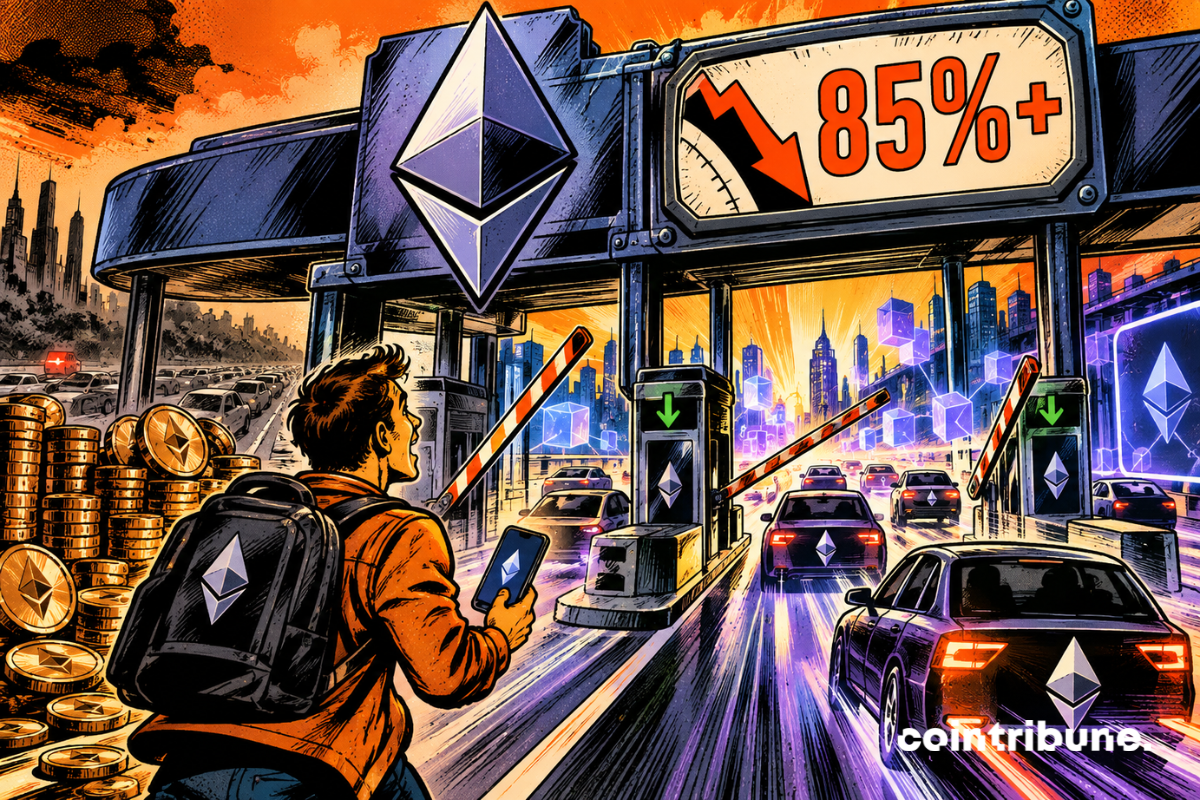
Using Ethereum is much cheaper than in the spring. The average cost of an ETH transfer fell to around 0.095 dollars, compared to a peak of 0.72 dollars on April 21, according to Santiment data. The drop therefore exceeds 85%. It comes as demand on the mainnet has calmed, but also after several months of technical improvements. Fusaka, blobs, and Layer 2 have given more capacity to the crypto network.
The crypto market is recovering, and a simple message raises questions again. Billy Markus, cofounder of Dogecoin, posted a short phrase on X without providing further explanations. However, Markus did not mention any specific asset. The link to Dogecoin remains uncertain, even though his message occurs during a general price recovery. His message comes as several major cryptocurrencies show significant gains over twenty-four hours. In this context, the publication quickly attracted the community's attention.
Solana has tightened its clock a third time since August with 250 milliseconds per block, compared to 300 before. A speed gain, not capacity. Coincidence or not, the announcement comes on the same day the network shows a record of more than 5 billion monthly crypto transactions.
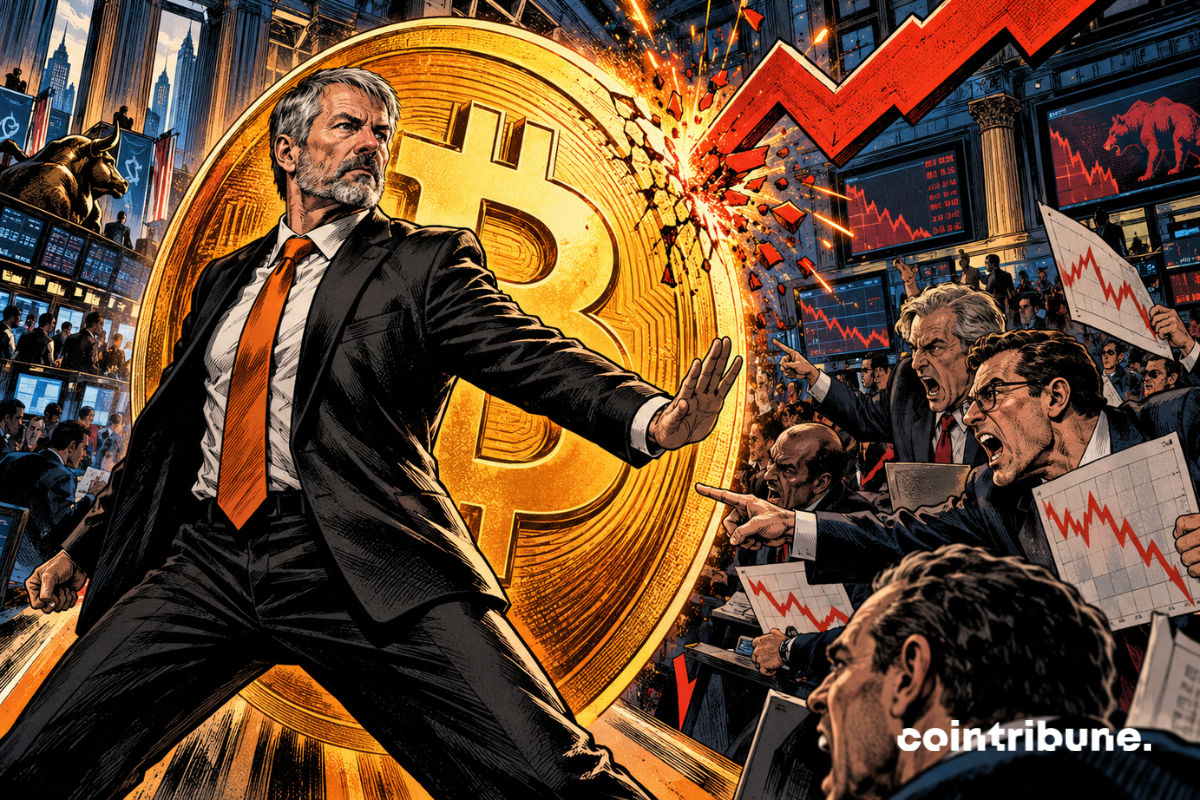
Bitcoin returned around 80,000 dollars on Friday, but Jason Calacanis does not see it as a comeback. The American investor believes that the asset has lost a good part of its appeal with the general public after 17 years of existence. Michael Saylor replied with a figure: 1,600 billion dollars of capitalization. For the executive chairman of Strategy, Bitcoin does not need to become the next universal means of payment. Its main use would now be the preservation of wealth over the long term.
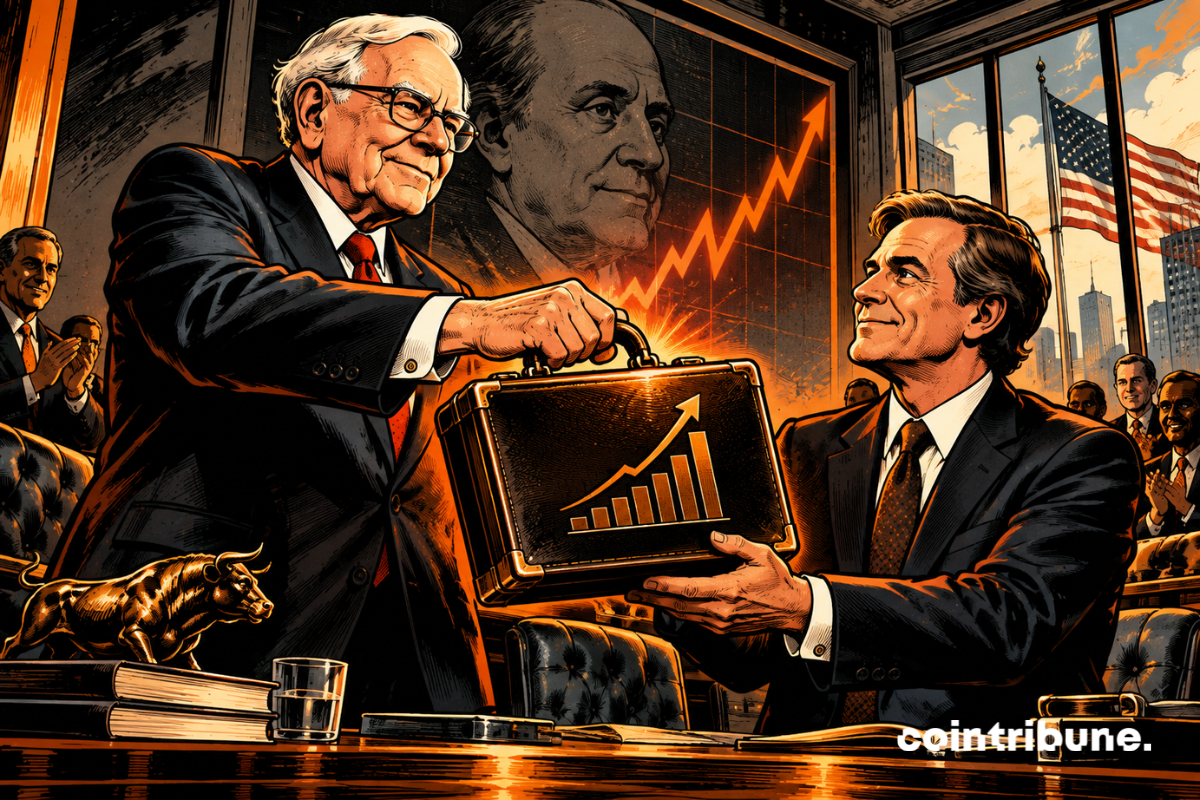
Warren Buffett announced this Friday, September 18, 2026, that he was stepping down from his position as chairman of the board of Berkshire Hathaway. A prominent figure in global investing, the Oracle of Omaha, aged 96, becomes chairman emeritus. His eldest son, Howard Buffett, succeeds him as chairman of the board. This transition, effective immediately, marks the final stage of the conglomerate's succession plan.
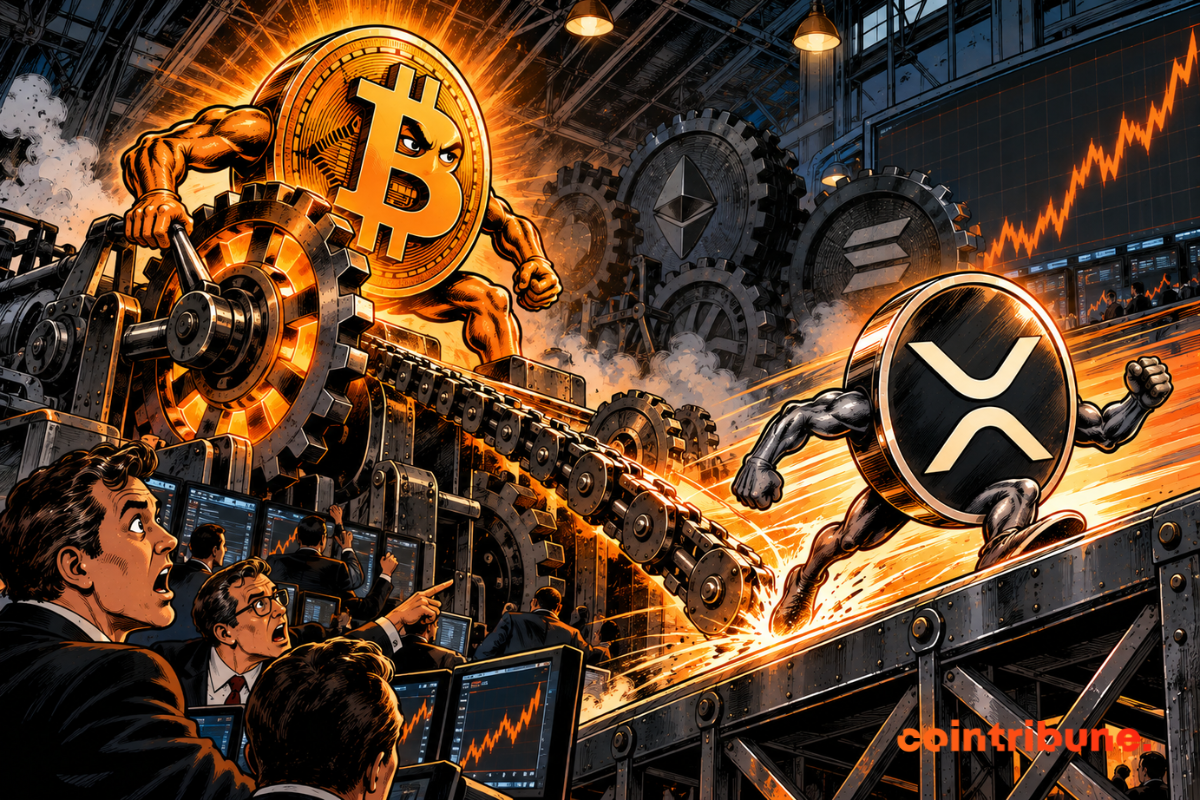
While Bitcoin has just crossed back above the $80,000 threshold and capital is starting to flow back into altcoins, XRP has gained 6.93%. Behind this rise, a scenario closely watched by investors is unfolding. Indeed, XRP's moving averages are approaching a likely golden cross. This movement remains to be confirmed, however, various technical indicators now add more weight to the hypothesis of a sustainable rebound.
The world's largest crypto event returns to Marina Bay Sands, Singapore, on October 7 and 8, 2026. Feature of this edition: with Dubai postponed to 2027, TOKEN2049 Singapore is the only major brand gathering this year, which focuses the attention of an entire sector over two days. A reduced rate is reserved for the Cointribune community.
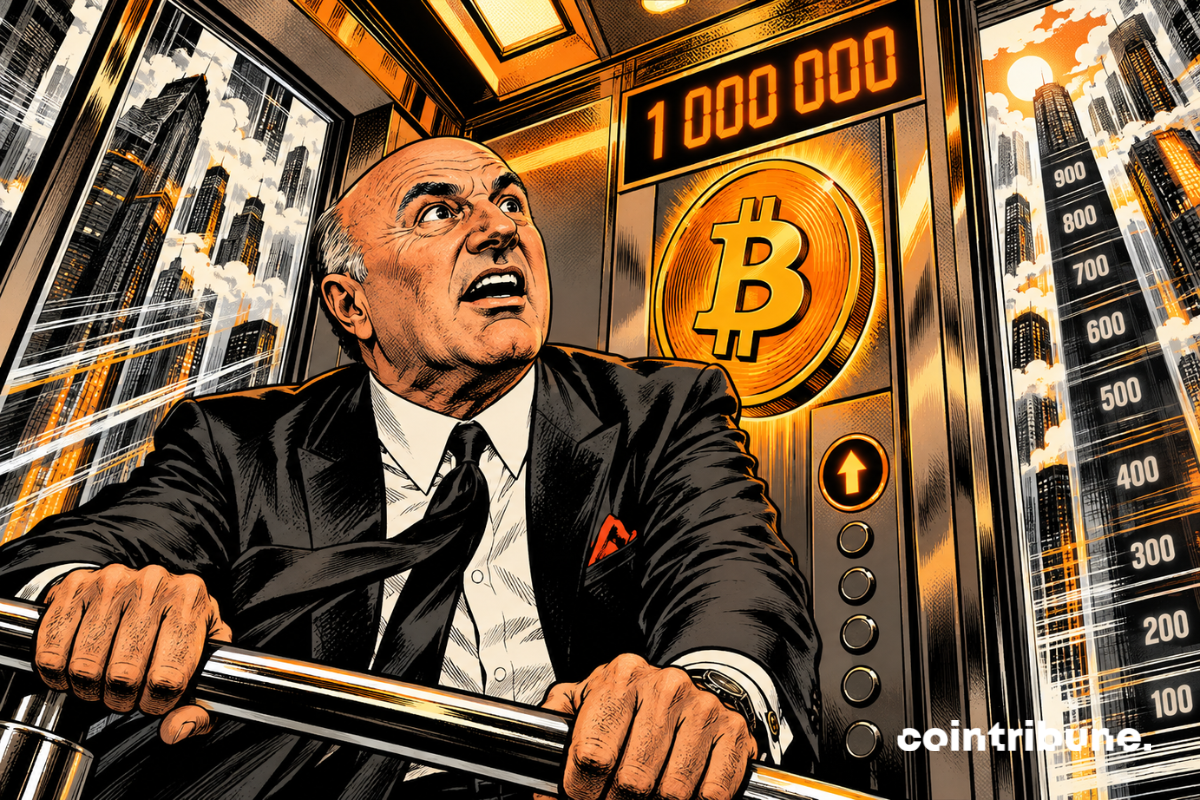
The cryptocurrency market could see a new turning point if major institutions strengthen their confidence in digital assets. Kevin O’Leary therefore believes that bitcoin could one day reach 1 million dollars, but he associates this trajectory with a specific condition: lifting doubts around quantum computing. During an interview on The Rollup podcast, the investor also detailed his vision of tokenization, blockchains, and infrastructures necessary for the digital economy.
European banks are quickly taking their place in the regulated crypto market. Their number in ESMA's MiCA register has increased from about 40 at the end of June to nearly 80 by September 16. At the same time, the full register grew from 243 to 349 providers. Banks now represent nearly 23% of the registered players, compared to about 17% three months earlier.
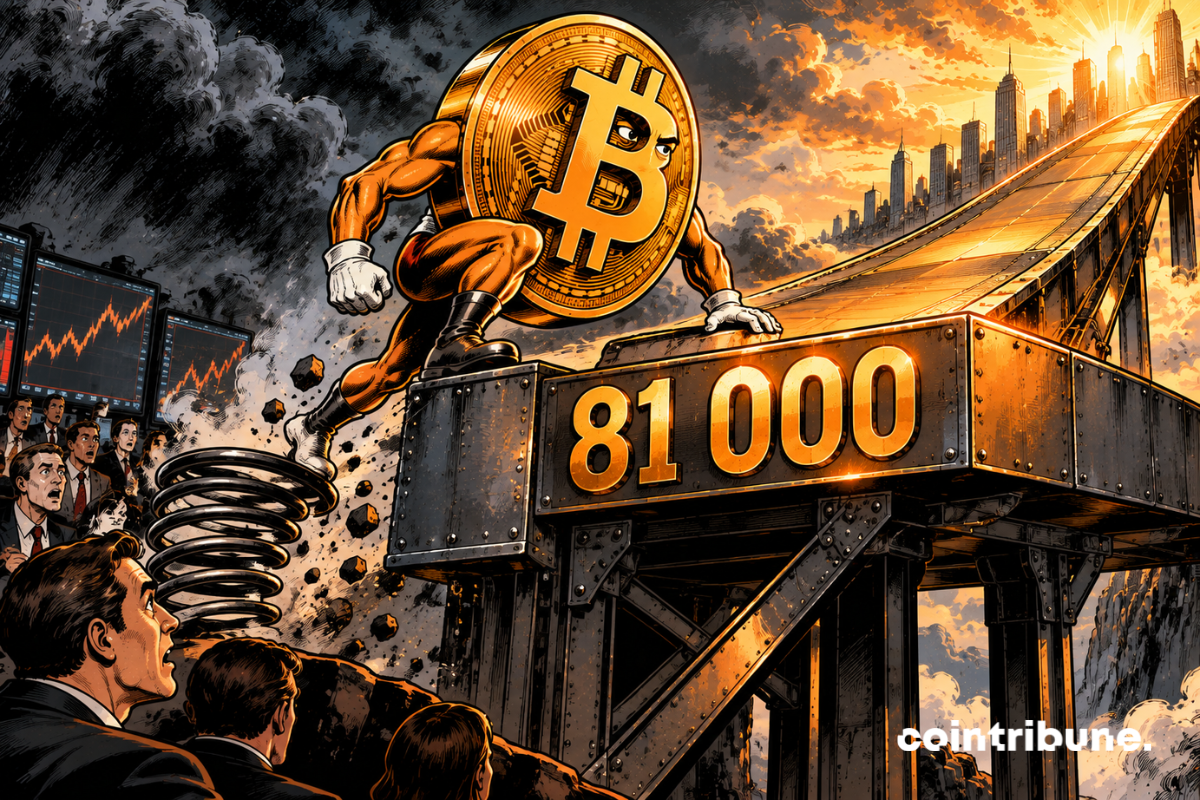
Bitcoin has just marked a new reversal. A few days after a drop below 75000 dollars, the leading crypto rebounded to 81636 dollars, its highest level since September 4. Indeed, this recovery comes after a week marked by the failure of the CLARITY Act, Federal Reserve decisions, and new regulatory signals from Washington. Behind this increase, another phenomenon grabbed attention: the return of spot demand was accompanied by a massive liquidation of short positions.
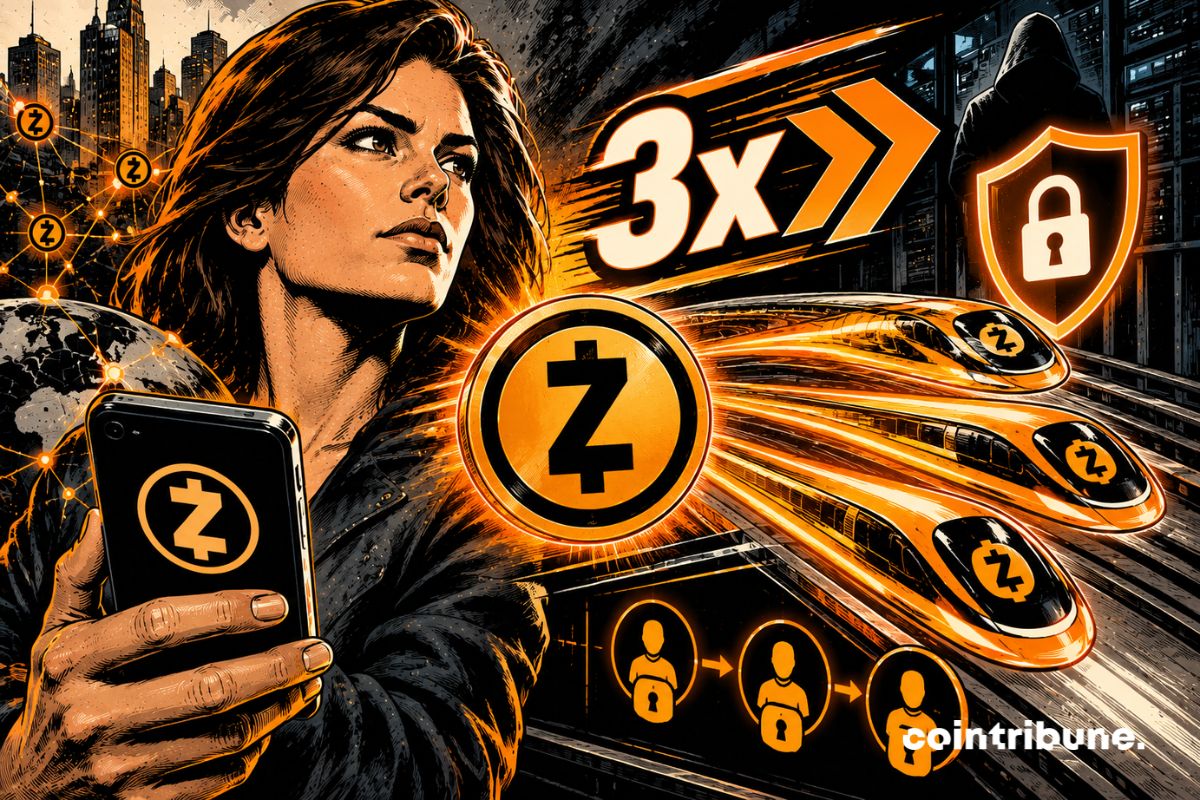
Zcash is not only making headlines on the stock market with the split of its ETF. Behind the scenes, developers are finalizing NU7, the update planned for November 5 to triple the block time and set up a new mechanism for redistributing fees to crypto miners.
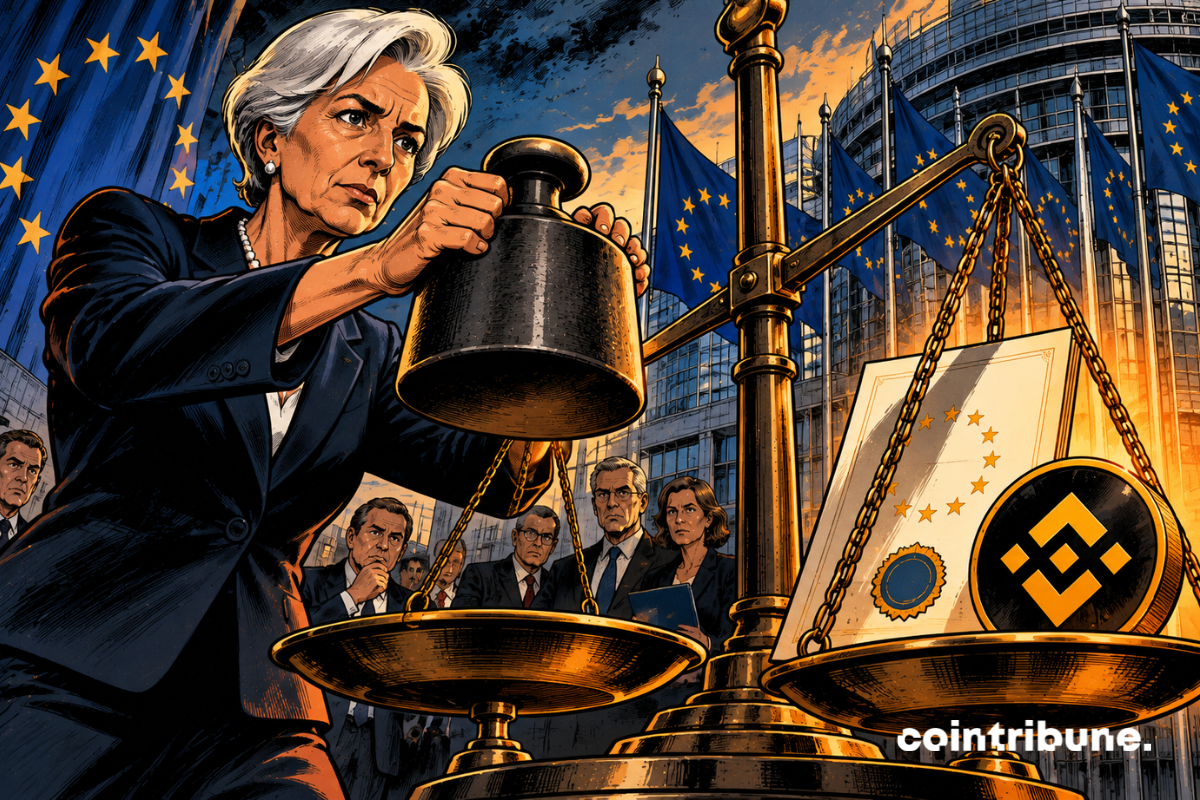
In Europe, the Binance case is taking an unexpected institutional turn. According to an investigation by the Wall Street Journal, Christine Lagarde is said to have personally weighed in to block the obtaining of a MiCA license by the exchange in Greece. This intervention is all the more sensitive as the ECB has no official power to issue these approvals. Two major issues emerge behind this showdown: the place of dollar-backed stablecoins in Europe and the future architecture of crypto supervision within the Union.
The crypto market has just gone through a busy week, between American inflation, the Fed's decision, and the vote on CLARITY. Bitcoin has nevertheless returned to levels it hadn't reached for two weeks. After several sharp movements, buyers gradually took control again. The Senate's rejection of the bill and the rate hikes by the Fed and then the BOJ did not prevent the market from restarting. The journey remains marked by high volatility and several rapid reversals.
XRP leverage is shrinking on Binance while altcoins rebound. CryptoQuant data sheds light on selling pressure and an approaching golden cross.
Europe was not lacking in conferences on artificial intelligence. What it lacked, according to the organizers of the AI Summit Barcelona, was a place where the people building AI come with what they have already done, not what they promise to do. On September 22 and 23, 2026, the World Trade Center in Barcelona, on the waterfront, hosts the second edition of this summit which aims to be the European stage of applied AI. And the scale jump is spectacular: about 1,500 participants last year, more than 10,000 expected this year.
The number is impressive, but it is an estimate. 92,272 people are believed to hold at least 1 million dollars in Bitcoin, according to Henley & Partners' Crypto Wealth Report 2026. In total, the firm counts 135,694 millionaires in digital assets. Bitcoin thus represents nearly 68% of this group. The calculation is stopped as of August 31, 2026, while BTC was still about 38% below its record of October 2025.
Arbitrum regains activity after several turbulent weeks. The ARB crypto gained 12.18% in 24 hours, with $561.52 million traded. The movement mainly comes as Arbitrum's monthly revenues are estimated at around $5 million at the current pace, more than five times their level before the launch of Robinhood Chain. For once, the crypto market rebound comes with a fairly clear improvement in the network's figures.
The market would reserve an unexpected paradox for bitcoin. Indeed, the distrust that still surrounds it would become a supporting factor if investors reduce their hedges. In a note, JPMorgan analysts led by Nikolaos Panigirtzoglou compared the recent dynamics of bitcoin to those of gold. Their interpretation relies on three elements: flows to ETFs, institutional positioning in futures markets, and the level of hedging around the main listed funds. Thus, gold appears more advanced in its recovery, while bitcoin retains more catching-up potential.
Tron, Aptos, BNB Chain, Bitcoin: Chainalysis has just demonstrated that public blockchains also serve as dead mailboxes for state hackers. A North Korean group links three crypto networks to hide its servers, with Iran occupying an address related to Satoshi. Meanwhile, Wall Street predicts $500,000 for BTC.
The cryptocurrency market is going through a particular moment as the US Federal Reserve has just raised its rates. This decision, the first since 2023, triggered only a limited reaction on bitcoin. On Thursday, investors are watching the next steps of US monetary policy and their potential effect on risky assets. Between bond yields, the dollar, and inflation, the context remains tense. Yet, crypto prices show relative stability, while some altcoins display more marked movements.
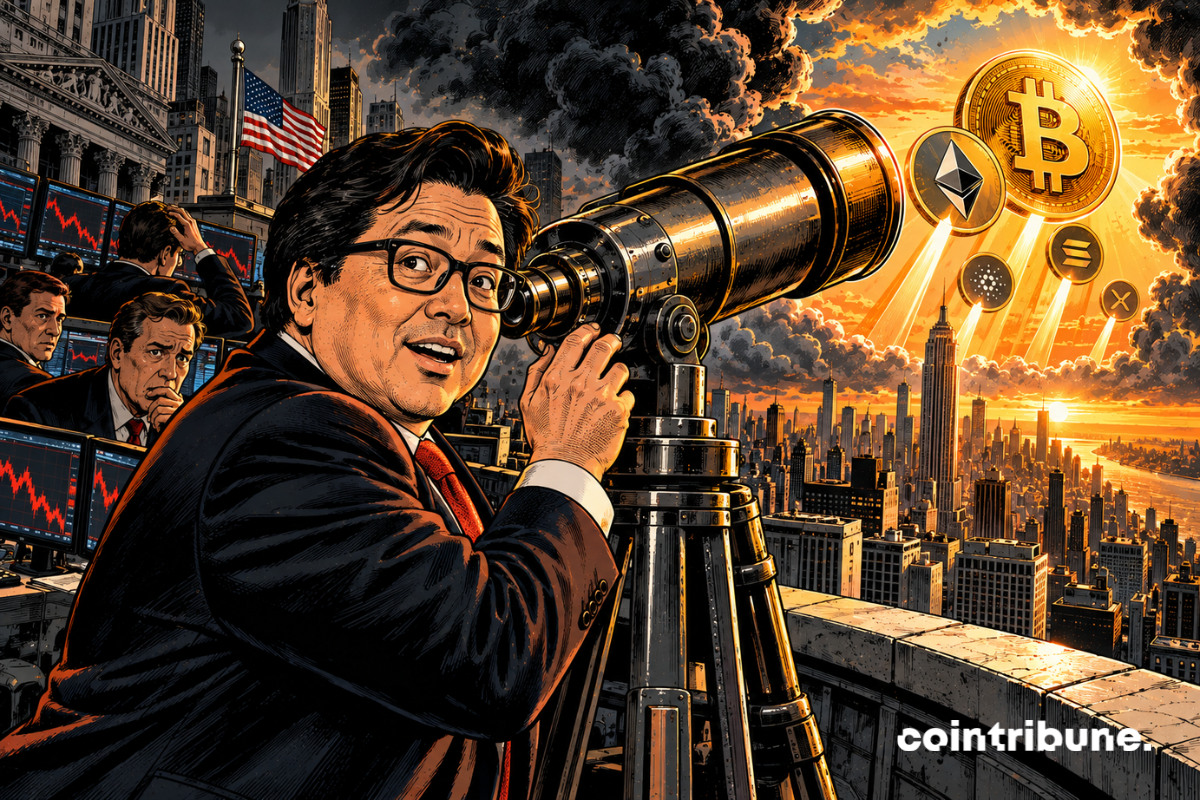
Wall Street institutions are increasingly approaching the crypto universe. According to Tom Lee, president of BitMine, this evolution would support the market over the next twelve months. His scenario relies on the growing adoption of blockchain by traditional finance, BitMine's exposure to Ethereum, and a market he considers cleansed after excessive leverage. However, US regulation remains more uncertain.
Germany now has 89 authorized providers under MiCA, representing 25.5% of the ESMA European registry. At the beginning of July, there were only 58. In just over two months, the country has added 31 more, an increase of over 50%. Banks, wealth managers, and players already specialized in crypto are part of this movement. Deutsche Bank is also preparing its own custody service for the end of the year.
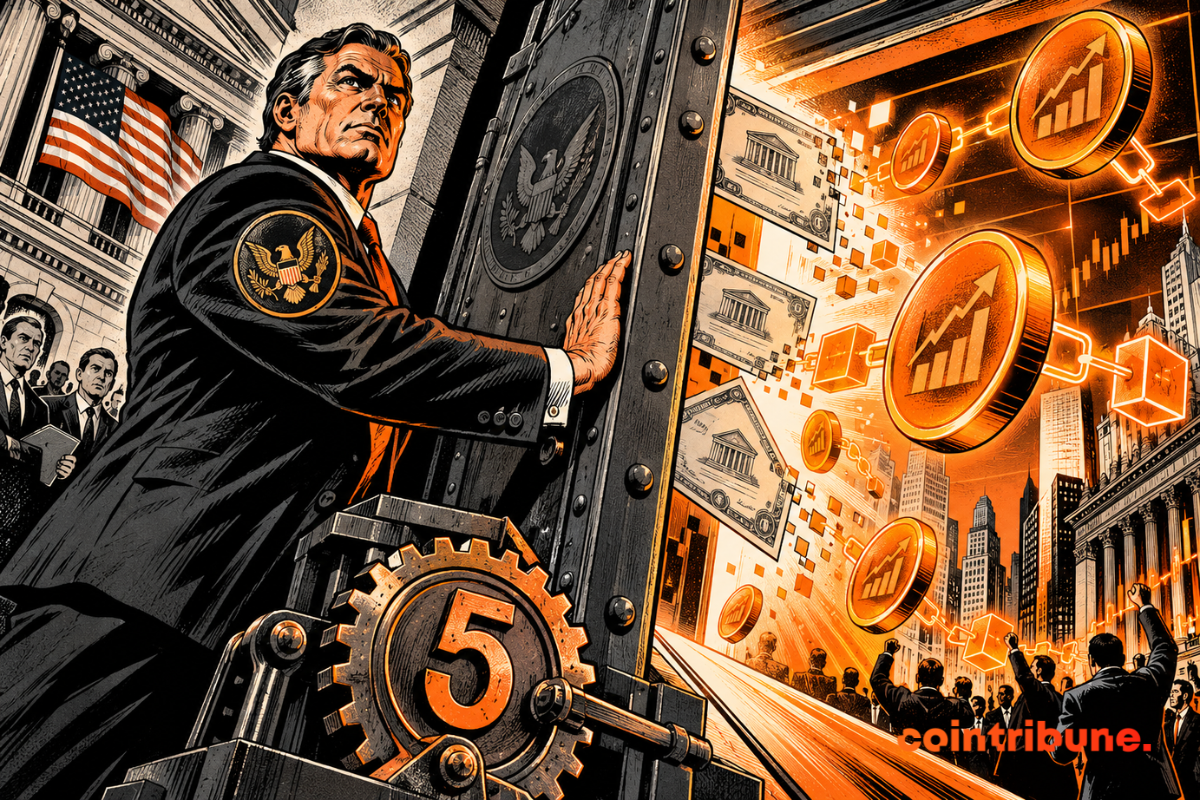
The SEC paves the way for the tokenization of US stocks for five years. Between guaranteed rights, issuers' veto, and exclusion of synthetic tokens, decoding a major regulatory turning point.
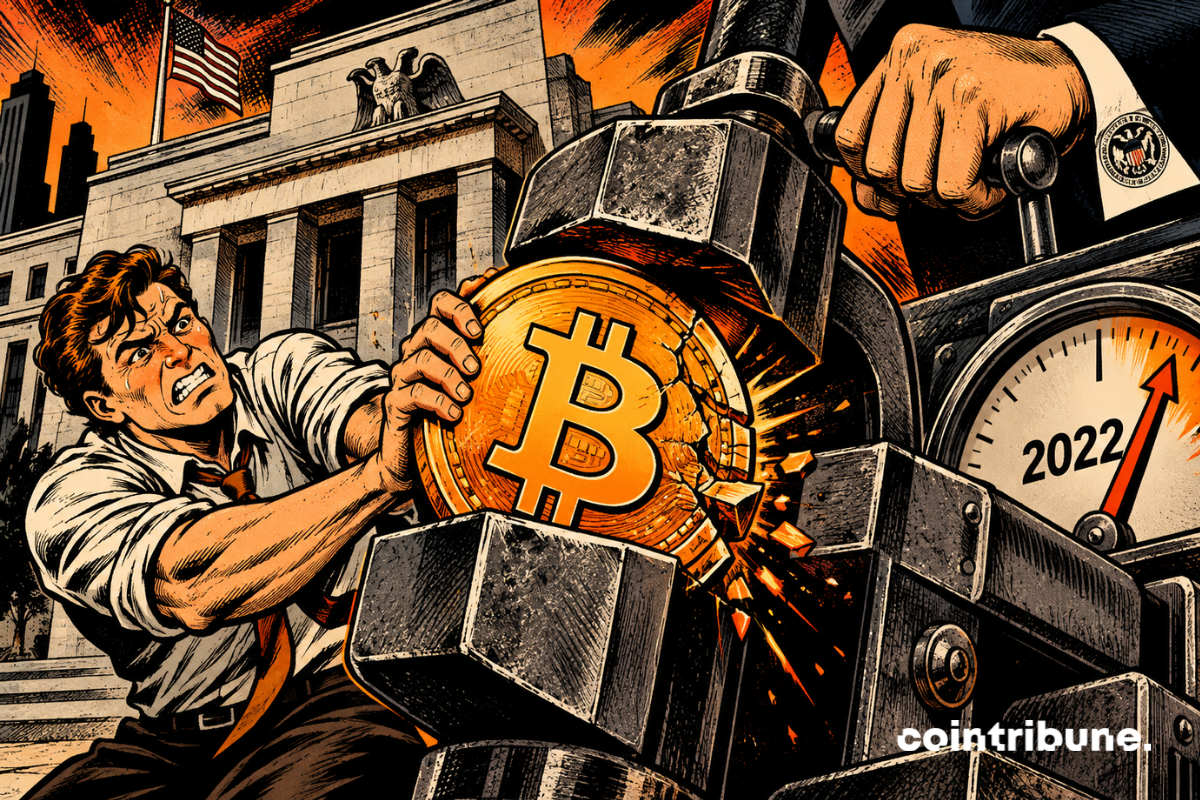
The crypto market is retracing a scenario recently observed during the previous monetary tightening cycle. After the Federal Reserve's first rate hike in more than three years, bitcoin is evolving in a configuration reminiscent of 2022. At that time, its decline preceded the March decision, followed by a temporary rebound and then a new drop. However, the market's maturity limits this comparison. The coming weeks will allow us to observe whether this historical parallel maintains a clear scope.
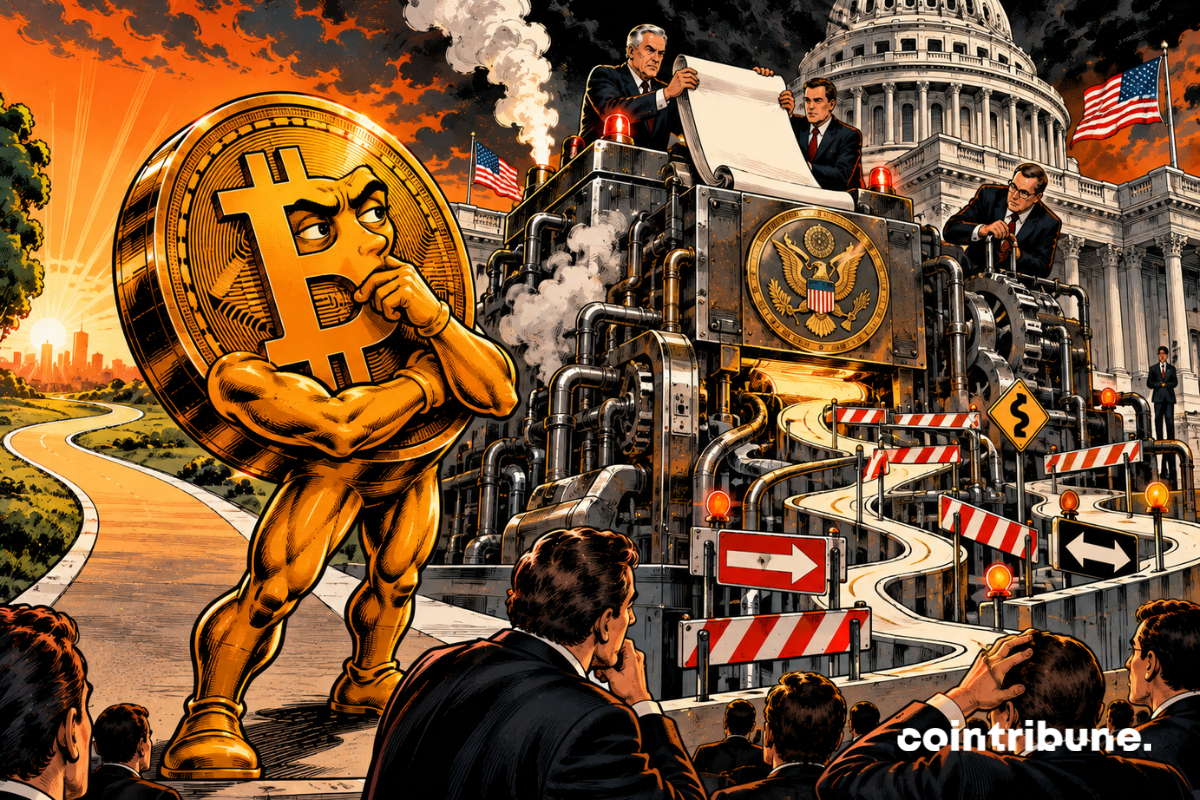
Bitcoin could very well continue its trajectory despite the blocking of the Clarity Act in the Senate. After the failure of the closure procedure, the probabilities of the bill's adoption this year dropped from 15% to 5% on Polymarket. Bitcoin therefore retreated towards 75,000 dollars at the same time, without any direct link being established between the two movements. A paradox emerges behind this political setback. While Washington is still trying to clarify the crypto market rules, bitcoin already has many major regulatory achievements in the United States.
Bull Bitcoin and Paymium did not obtain the immediate suspension of DAC8 in France. The Council of State rejected their urgent motion against the French decree that organizes the collection and transmission of data on crypto-asset transactions. However, the court did not rule on the merits of the case. The appeal seeking the annulment of decree no. 2025-1276 continues.