It's no longer a project, it's official: Tether is partnering directly with the government of Georgia to launch GELT, a state crypto stablecoin backed by the Lari. Failure or stroke of genius? Details here!
Since their withdrawal from the Russian market in 2022, Visa and Mastercard have been gradually losing ground. But this time, Moscow is crossing a new threshold. The Bank of Russia now believes that the two American giants no longer have a place in the national financial ecosystem, as their market share has fallen below 17%.
Hyperliquid has just disrupted prediction markets by removing external oracles. Its validators now handle everything from deployment to settlement. An innovation that could change the game in DeFi… and boost HYPE!
Pi Coin dangerously returns to its lows. Weakened by a continuous decline in investor interest, the Pi Network token now trades near the 0.13 dollar threshold. At the same time, several market indicators signal a deterioration of momentum, including technical weakness, a decline in social activity, and a gradual withdrawal of speculative capital.
In the quiet corridors of tokenized finance, Ondo Finance has suddenly lost its great discreet strategist. Behind the polite tributes, crypto investors, traders, and American funds now nervously recount their coins.
BlackRock sold 1.01 billion dollars worth of bitcoin via IBIT in five sessions, but this move does not necessarily mean that the American giant is turning its back on BTC. It mainly reveals a wave of buybacks by investors in its spot ETF, at a time when former remarks by Larry Fink on cryptos are resurfacing and clouding the market reading.
The Vatican enters the debate on artificial intelligence in turn. In his first encyclical devoted to AI, Pope Leo XIV denounces a technological model that threatens human employment in favor of profitability. With "Magnifica Humanitas," the Catholic Church takes a stand on the social, economic, and political consequences of automation, as the global race for AI accelerates.
In DeFi, access to credit often depends on tokenized assets or custodial arrangements. Babylon Labs wants to change this logic with a proposal submitted to Aave's governance. The project aims to allow Bitcoin holders to borrow on the V4 version without a bridge, without a classic wrapper, and without a centralized custodian. This initiative is still progressing in stages, with a first community sentiment vote.
Flows change direction in the crypto market. This week, Bitcoin and Ethereum ETFs recorded significant capital outflows, while funds related to XRP, Solana, and HYPE attracted new investments. Behind these movements is a gradual rotation of institutional investors, who now seem to seek more exposure to altcoins than to the market's dominant assets.
Thunderbolt on Ethereum! A whale just opened a massive $100M short on Hyperliquid with an XXL 23x leverage. While Vitalik Buterin promises to sell less, this trader goes all in. Genius or financial suicide? We analyze this move shaking the crypto market.
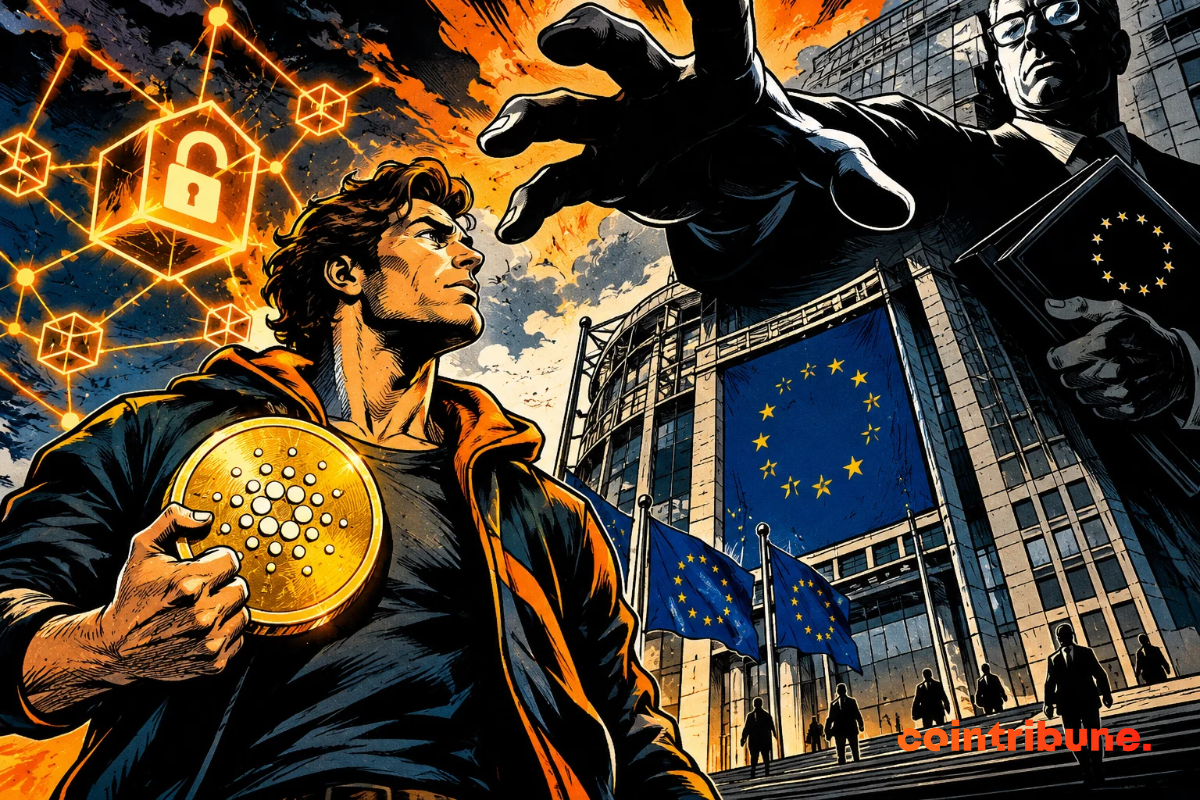
Brussels and Mexico quietly strengthen their ties as crypto becomes a new global financial battleground. Between cartels, trade, and tensions with Washington, Europe now wants to monitor digital flows without breaking blockchain innovation.
Artificial intelligence no longer just responds, writes, or analyzes. It also starts to pay. And in this new economy driven by autonomous agents, crypto establishes itself as an almost natural infrastructure. According to Keyrock, these agents settled over 73 million dollars on 176 million transactions between May 2025 and April 2026. A signal still discreet, but impossible to ignore.
Bitget has opened a new route into the SpaceX IPO narrative with SPCXUSDT, a pre-IPO perpetual contract designed for traders seeking early exposure to one of the most watched private companies in the world. The move does not give users actual SpaceX shares. It gives them a market instrument tied to expectations around a possible public listing, price discovery, and future valuation scenarios.
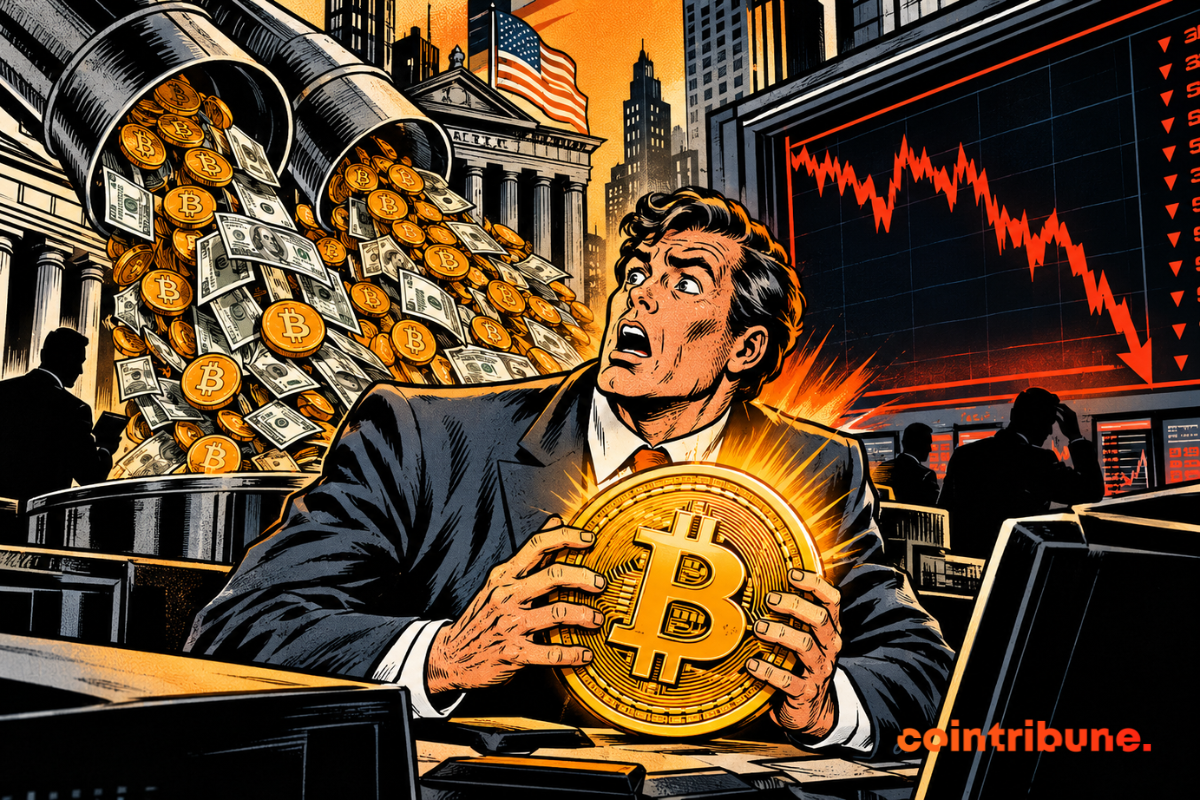
American spot Bitcoin ETFs are experiencing their largest series of outflows since the beginning of the year. In six sessions, more than $1.55 billion have left these funds, greatly reducing their net flows for 2026. This reversal comes as several major Wall Street players are already reducing their exposure to bitcoin, a signal closely watched by the crypto market.
Knowing how to place a buy or sell order is no longer enough. In a crypto market where volatility can turn an opportunity into a loss in seconds, the type of order used often makes the difference. Kraken Pro, the advanced trading interface of the exchange founded in 2011, provides investors with a complete range of orders designed to suit every market situation. With over 700 available assets, 1,510 trading pairs, and integrated TradingView charts, according to CoinGecko, the platform caters both to experienced traders and those looking to structure their first strategies. Understanding when and why to use each tool is still necessary.
Memecoins continue to correct, and the signal becomes clearer. Dogecoin, Shiba Inu, and Pepe no longer benefit from the same speculative appetite. The decline remains contained, but it weakens technical supports closely watched by traders.
The price of the crypto SOL collapsed by 33% in the first quarter of 2026. Yet, behind this brutal decline, the Solana network has never been so active. How to explain this paradox?
The market for bitcoin-backed credit could undergo a major scale change in the coming years. According to a report shared by Ledn, this still marginal segment today could reach $1 trillion in the long term. A projection that comes as the crypto industry is still trying to move past the 2022 bankruptcies and the shock caused by Celsius, Voyager, or BlockFi.
Michael Saylor's latest statement revives questions around Strategy's treasury. On May 24, 2026, the executive chairman indicated that the company had bought bonds, not Bitcoin, during the week. This clarification comes after a strong accumulation of BTC and places debt management at the center of market expectations.
Bitcoin takes the lead again in the crypto market, and Adam Back sees it as a clear signal. The CEO of Blockstream believes that altcoins and memecoins are gradually being brought back to their "real value": zero. A statement that revives the maximalist discourse at a time when BTC outperforms a large part of the market. For Adam Back, this divergence mainly reflects one reality: few cryptos would be able to sustainably retain their value in the face of speculative cycles.
Ethereum is going through a new turbulent zone. Facing criticism directed at the Ethereum Foundation, Vitalik Buterin has just responded publicly. His statements could revive the debate on the future of the crypto network.
Tom Lee’s Ethereum bet is passing through a zone of strong turbulence. BitMine now shows nearly $7.35 billion in unrealized losses on its ETH wallet, while the crypto market increasingly doubts a quick rebound.
At StablR, a single private key turned a regulated stablecoin into a smoking wreck. Brussels was quietly polishing MiCA, while the digital mechanics were already losing screws behind the technical curtains.
The debate about the role of bitcoin is back in full force. After selling a large part of his BTC, billionaire Mark Cuban believes that the cryptocurrency protects neither against geopolitical crises nor against inflation. A conclusion that Adam Back, a historic figure in the sector and CEO of Blockstream, disputes with data to support it.
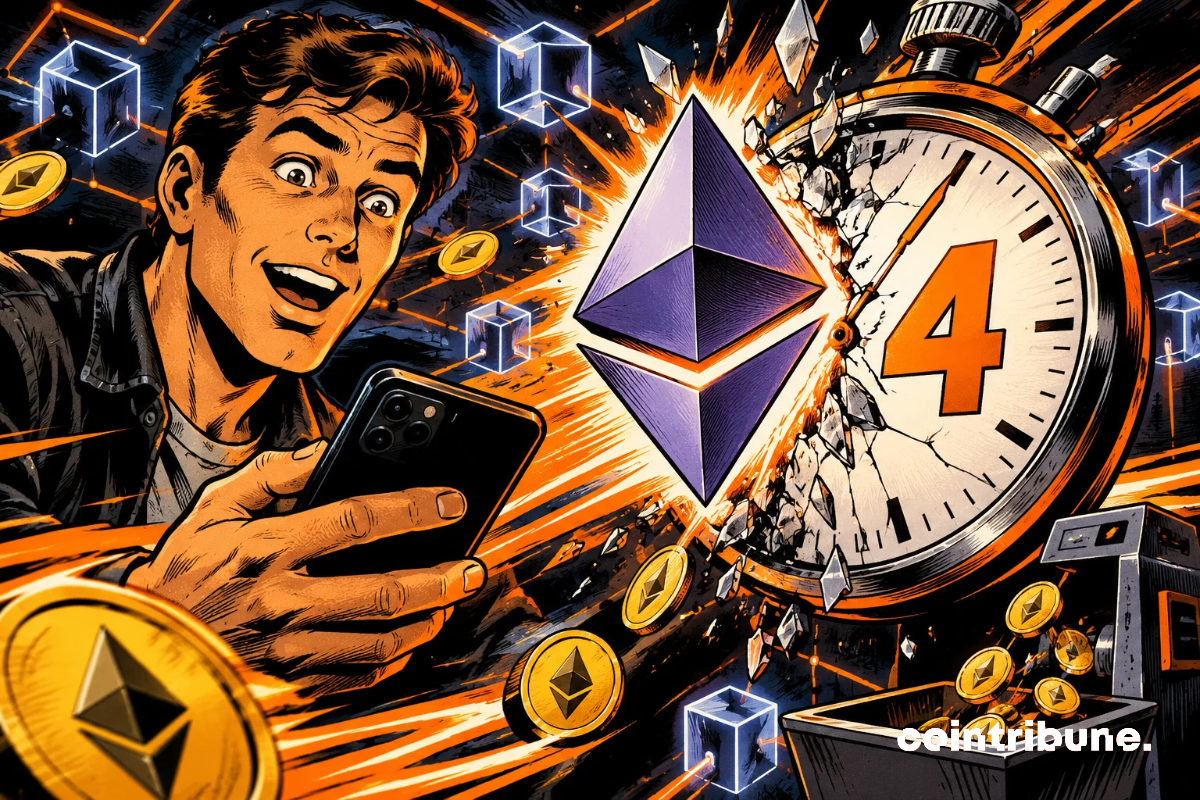
Ethereum falls below 2,700 dollars, but the market refuses to give in to panic. With each pullback, buyers return to defend technical levels now closely watched by analysts. This unexpected resistance fuels a central question: is the market quietly preparing for the return of altcoins? Between gradual accumulation, technical consolidation, and renewed trader interest, Ethereum enters a phase where the slightest movement could redefine the crypto market balance in the coming weeks.
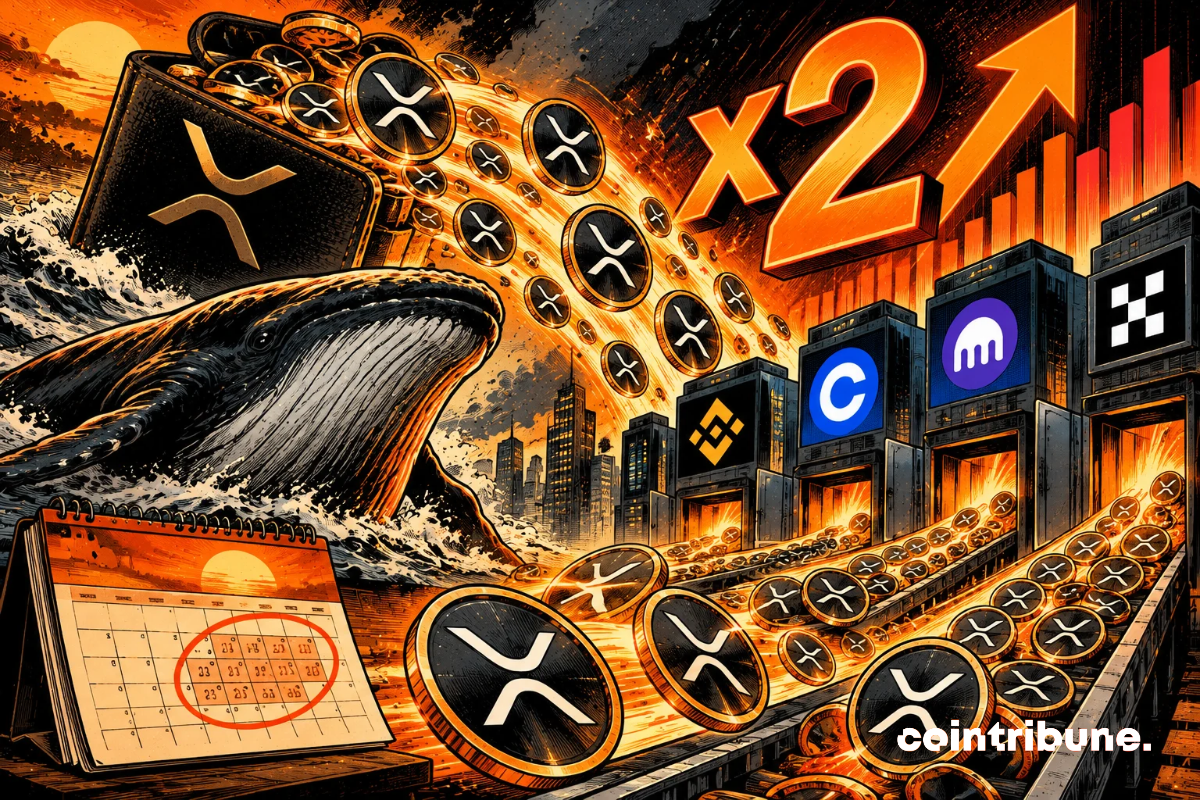
The crypto market remains under pressure, but XRP continues to attract attention. Despite a 5.43% drop over the week, withdrawals from exchanges continue. Traders therefore seem to favor accumulation while the price remains fragile. This situation creates a contrast between price weakness and still visible demand.
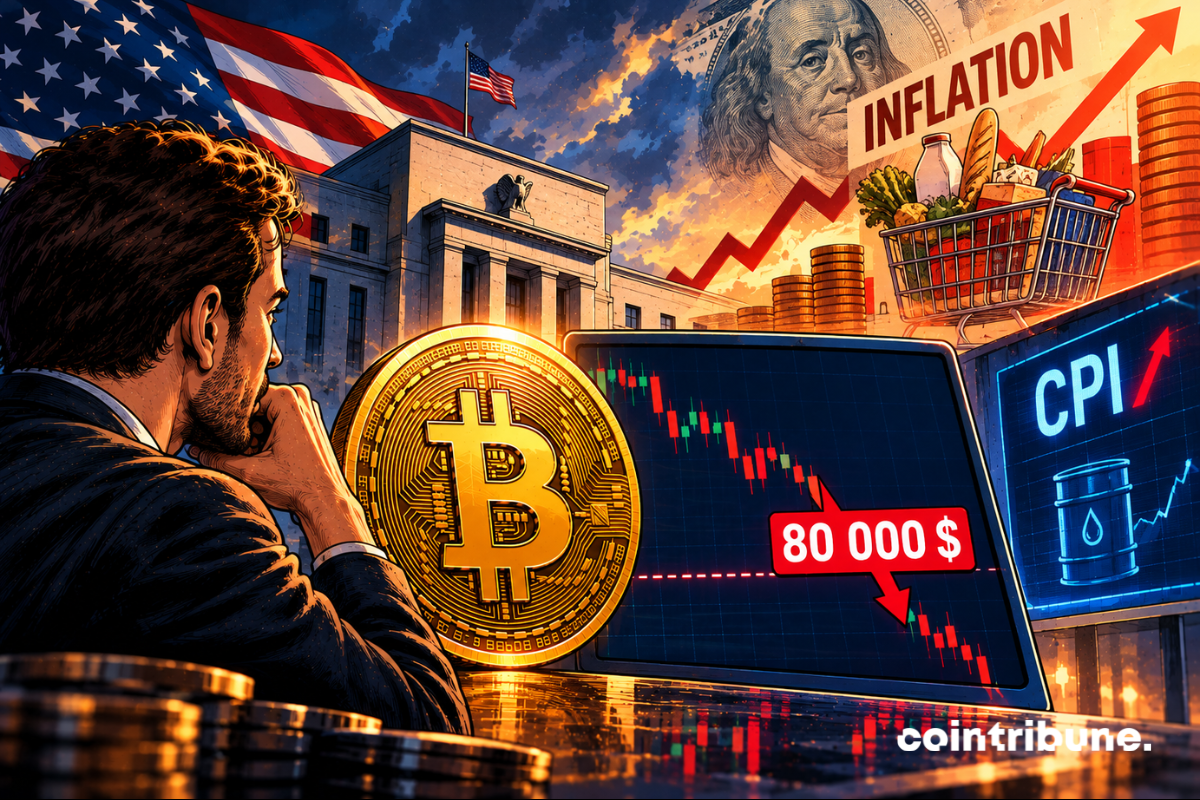
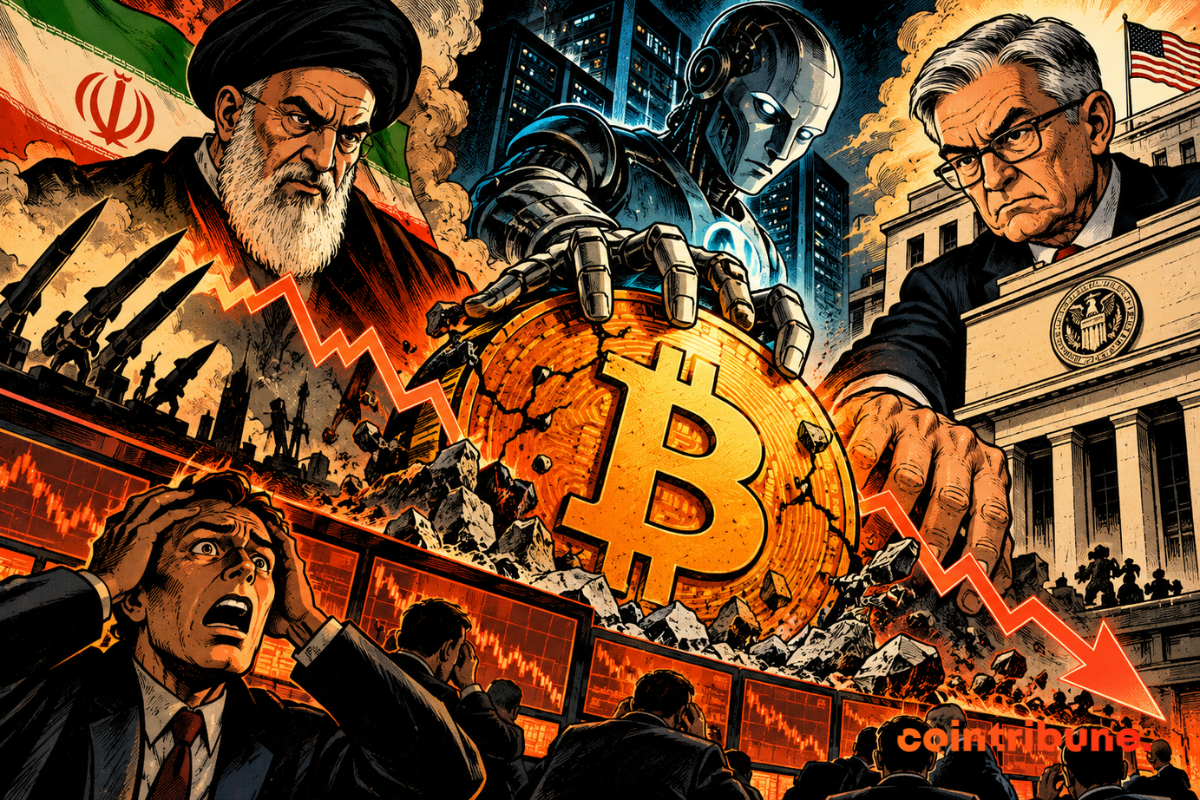
Bitcoin plunges back into a zone of high uncertainty. After several weeks of tension, the break of a major technical support sharply revives the specter of a return to $60,000. Spot Bitcoin ETFs declining, tech markets weakened, persistent geopolitical tensions... several signals now fuel fears of a deeper correction. As investors start to revise their expectations, the crypto market enters a decisive phase where every technical level could become a true test of confidence.
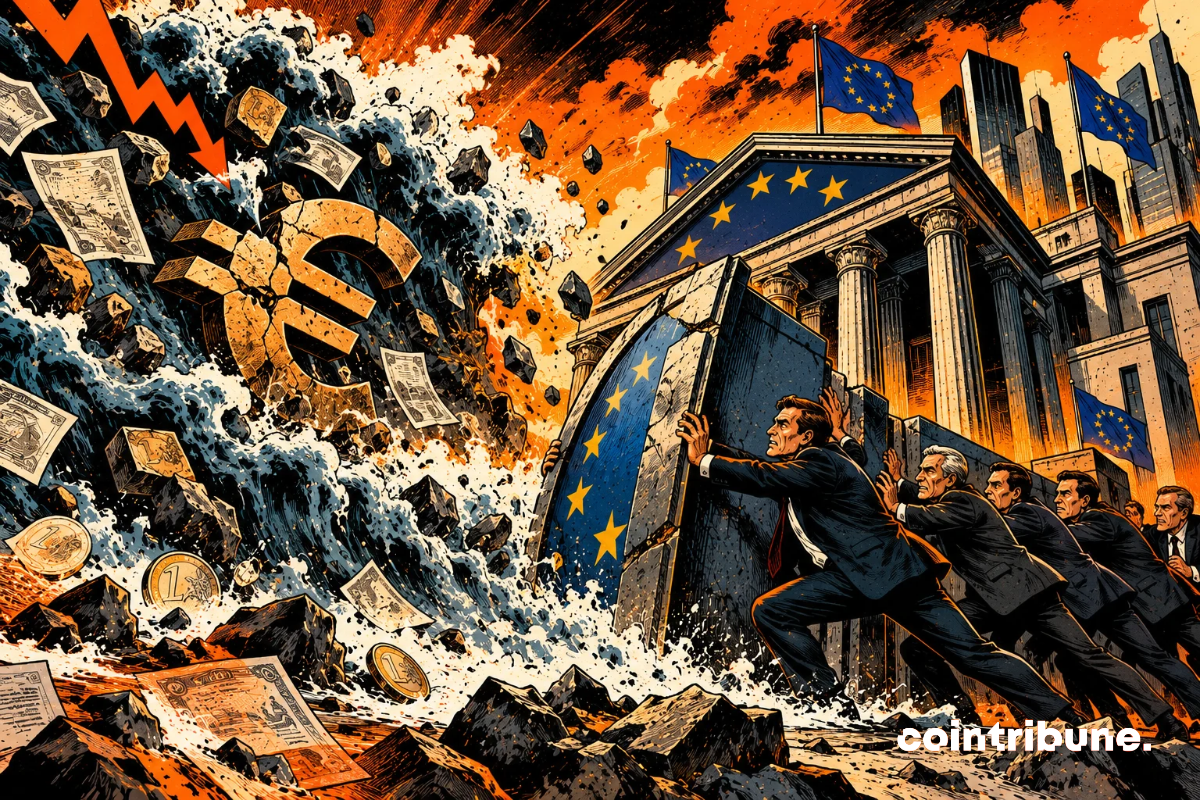
The European Central Bank toughens its stance against euro stablecoins. Meeting this week with European Union finance ministers, the ECB rejected several proposals aimed at promoting their development, considering that they could threaten the financial stability of the bloc. This position comes as dollar-backed stablecoins largely dominate the global market and increase pressure on Europe in the race for digital payments.
Chainlink continues its expansion in the crypto ecosystem with a series of integrations announced on May 22. This update aims to strengthen access to reliable data, oracles, and interoperability tools across multiple blockchain networks. In a market where tokenized assets and decentralized applications are gaining ground, this evolution highlights the growing importance of infrastructures capable of connecting different environments.
The standoff between Binance and the Wall Street Journal takes on a new scale. The world’s leading crypto platform firmly rejects accusations of 850 million dollars in transactions linked to Iran and U.S.-sanctioned entities. Can Binance really turn the page on its regulatory problems in the United States?