Sun 01 Mar 2026 ▪
3 min read
▪
by
After a historic low, Ethereum holders show a marked return of confidence. Could this rebound in retention after 4 years of decline signal a new era for ETH?
After a historic low, Ethereum holders show a marked return of confidence. Could this rebound in retention after 4 years of decline signal a new era for ETH?

Bloomberg and Kaiko are teaming up to put institutional-grade market data directly on-chain, improving transparency, automation, and reliability in tokenized finance.
A bipartisan group of U.S. lawmakers has introduced new legislation aimed at protecting blockchain software developers from certain criminal charges. Sponsors say the proposal would clarify how federal law applies to developers who do not control user funds. Supporters argue that recent prosecutions have created legal uncertainty for builders working on open-source tools. The measure adds to a broader debate in Congress over digital asset regulation.

The CEO of Anthropic, Dario Amodei, has just stepped up against an unprecedented decision by the Trump administration. Washington labeled his company as a "risk to the American defense supply chain," paving the way for an unprecedented legal battle between a major American tech firm and its own government.
Binance, the world leader in cryptocurrencies, is at the center of a political scandal. 11 U.S. senators demand a federal investigation into suspicious transactions linked to Iran. With $1.7 billion at stake, the crypto exchange faces historic sanctions.
In the United States, the regulatory battle around cryptos is now playing out at the state level, and Indiana has just sent a strong political signal. Lawmakers have passed House Bill 1042, a text that frames the rights of crypto holders, prohibits certain taxes deemed discriminatory, and paves the way for asset exposure in public retirement plans. Transmitted to Governor Mike Braun, the bill could take effect as early as July 1 for the bulk of its provisions.

MetaMask's fox pulls out its credit card at Uncle Sam's. Even New York opens its doors. While exchanges tremble, it builds its empire. Clever.
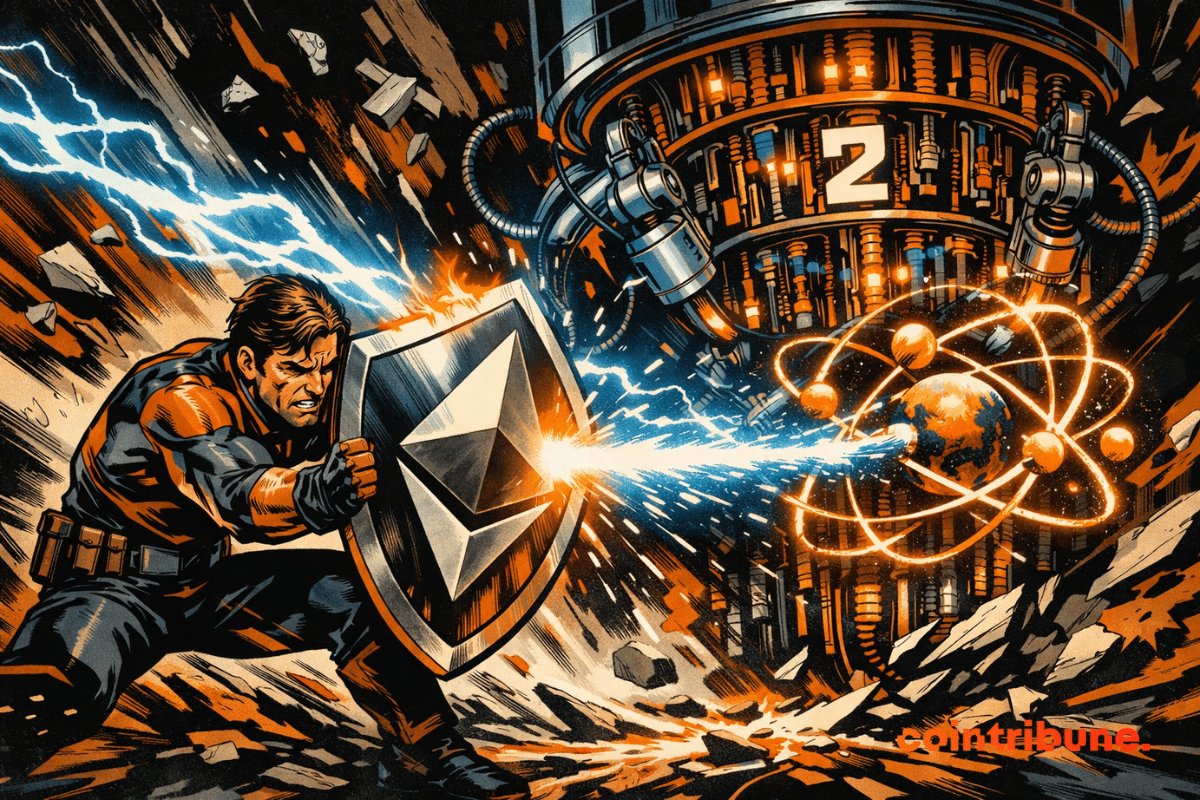
Ethereum is undertaking a historic transformation to face the quantum era. By rethinking its consensus, signatures, and wallet security, the network aims to guarantee complete protection of digital assets for decades to come.

This Saturday, February 28, 2026 marks a major turning point in the escalation in the Middle East. After US-Israeli airstrikes against the Iranian regime and its military capabilities, Tehran retaliated by effectively blocking the Strait of Hormuz. On VHF maritime waves, the Guardians of the Revolution broadcast a clear message: "No ship is allowed to pass." The major oil companies are already suspending their shipments. Will the Brent barrel cross the symbolic threshold of 100 dollars?
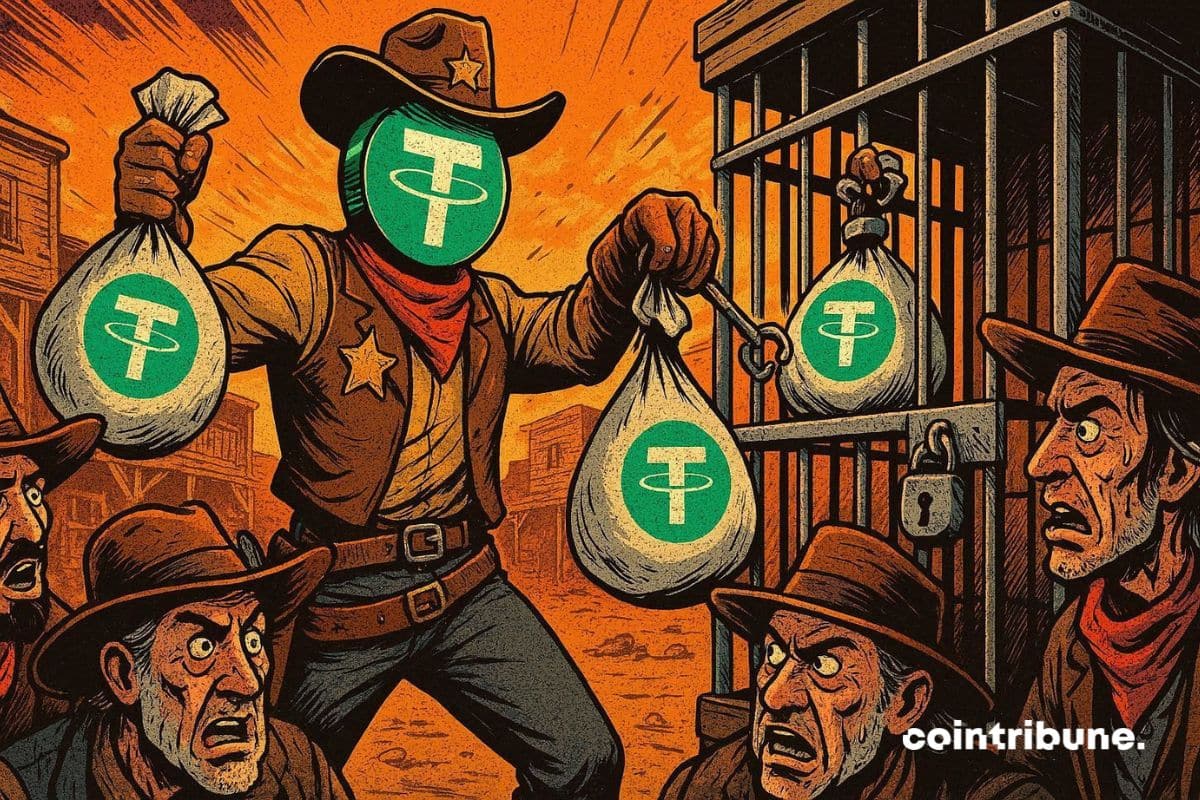
In just 3 years, Tether has frozen 4.2 billion dollars of USDT tokens linked to illicit activities, establishing itself as a key player in the fight against financial crime in the crypto ecosystem. While some see this as progress against cybercrime, others fear a much more frightening danger.

Chad Hurley, co-founder of YouTube, dropped a bomb on X with a chilling phrase. Behind the irony of this tweet hides a reality that markets, companies, and workers are only beginning to digest. AI is no longer knocking at the door, it is already inside.
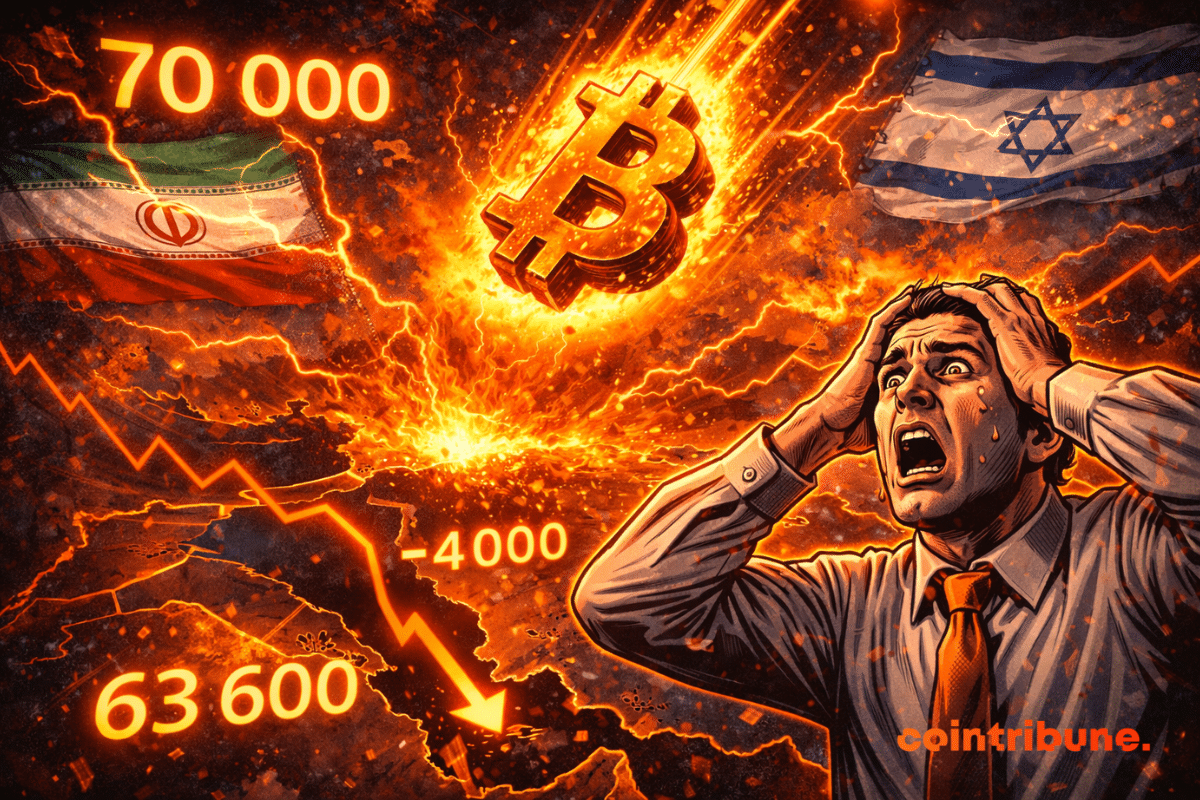
Missiles whistle over Tehran, bitcoin plunges in Seoul. 450 million goes up in smoke. Traders cry. The generals, however, count the dead.
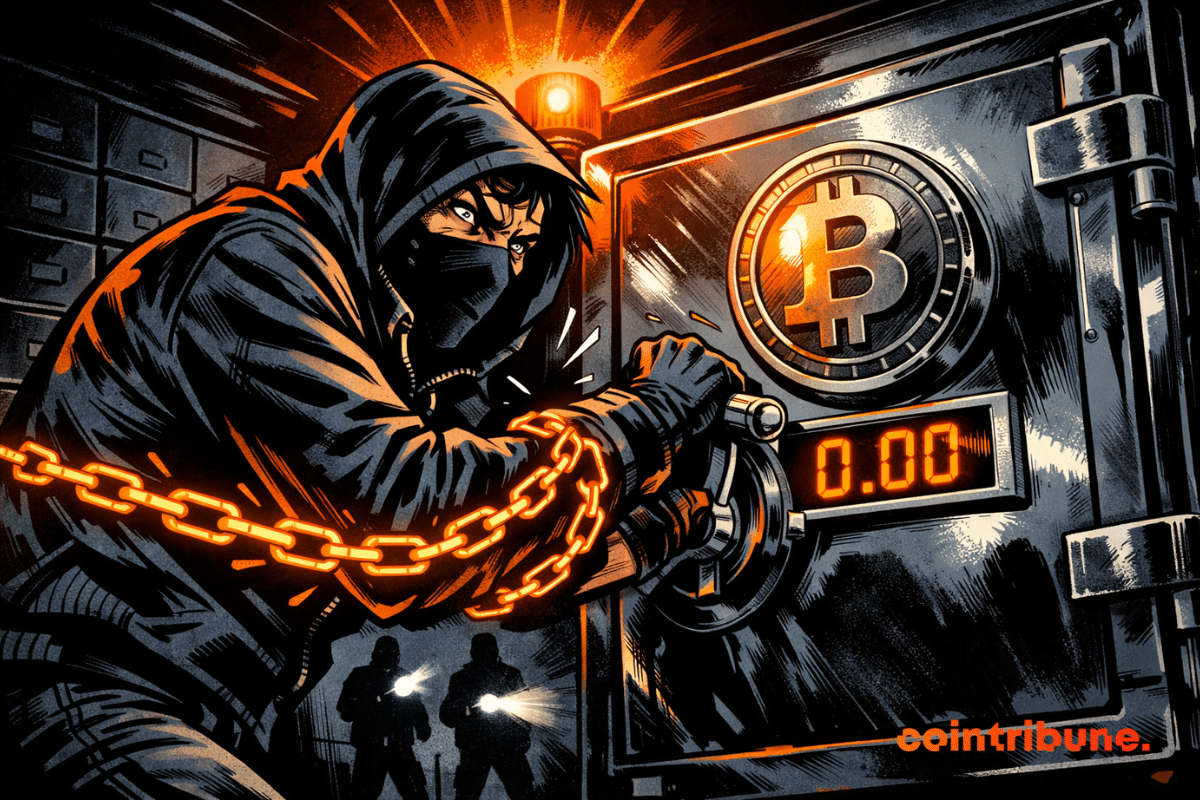
One might think that "more attacks" = "more money." In 2025, reality took a twist. According to Chainalysis, ransomware groups have multiplied breaches (nearly 8,000 leak events, +50% year on year), but on-chain payments reportedly fell to around $820M (≈ -8%). In other words: they are more active… for a less generous harvest.
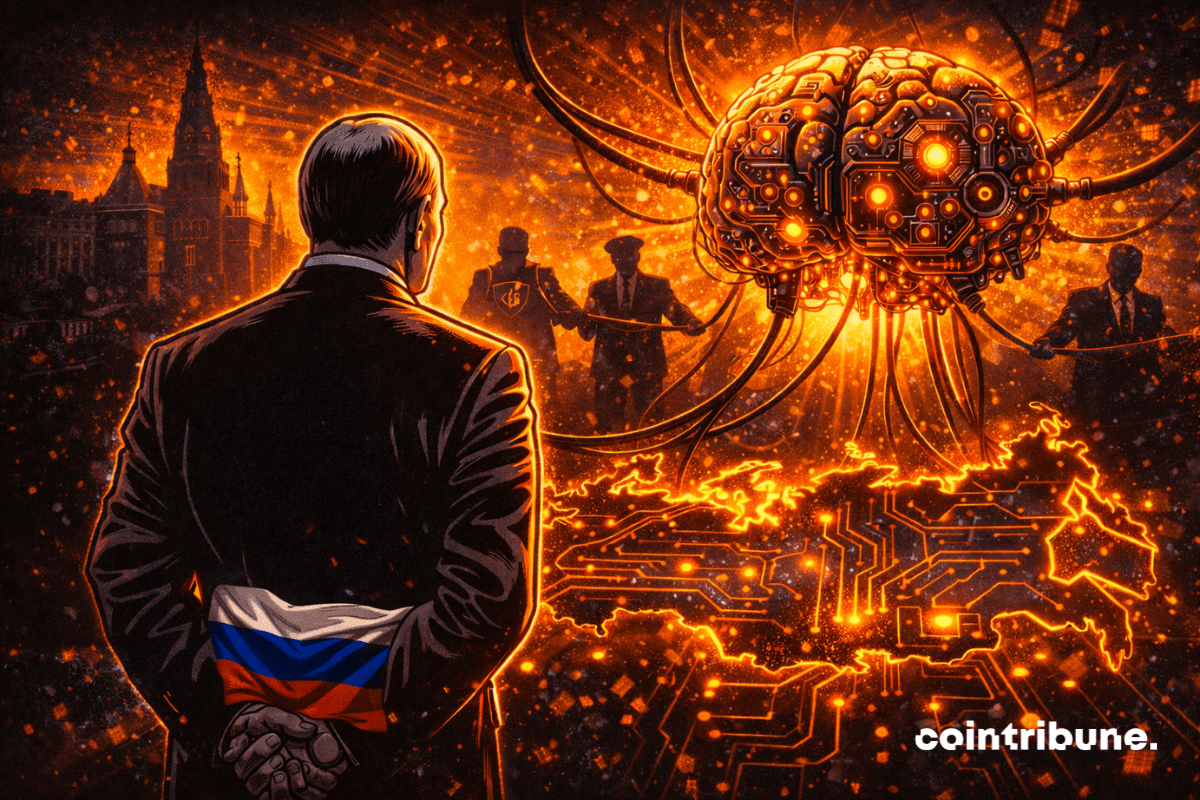
Putin wants an AI of his own, pure and hard. His engineers tinker with made in USA copies. Meanwhile, Moscow floods Europe with deepfakes. Masterful art.
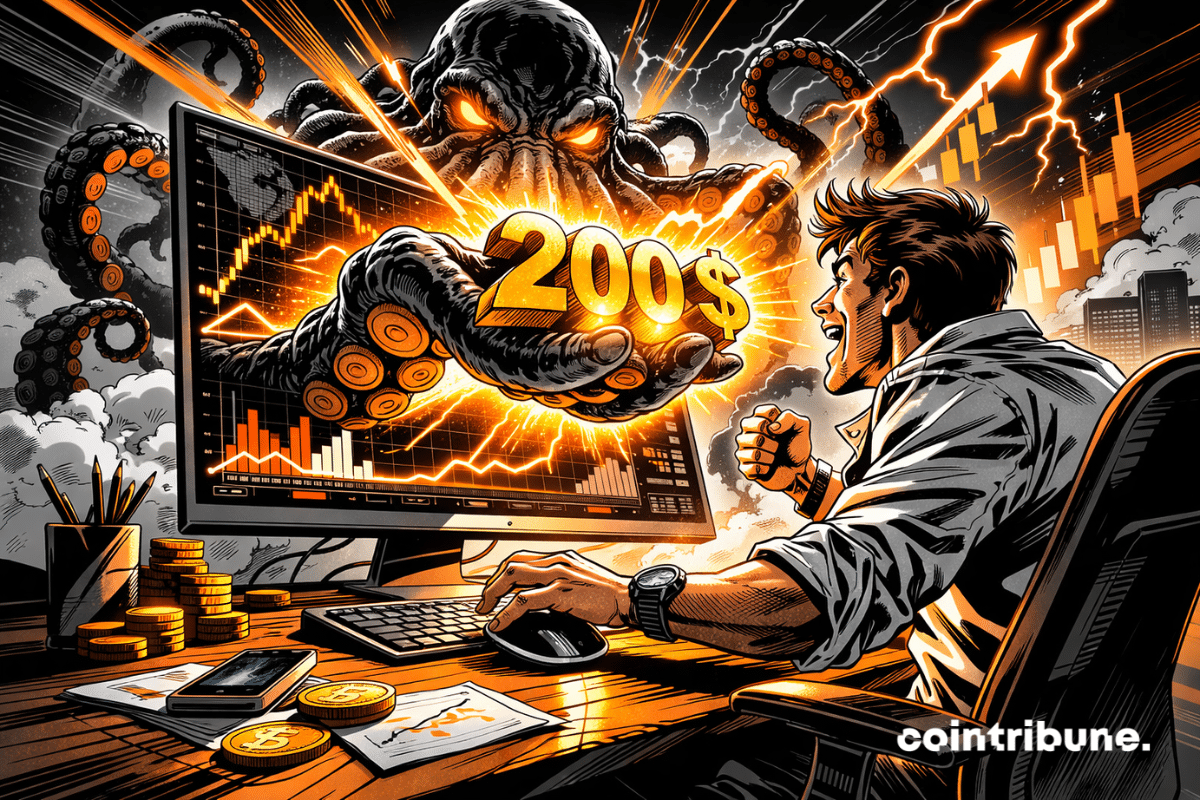
The crypto market is experiencing a period of intense volatility. Cascade liquidations are multiplying, volumes are exploding, and trading fees are piling up for active traders in derivative markets. It is in this context that Kraken launched a limited offer: 200 dollars in fee credits (KFEE) to claim for free for any Futures trader on Kraken Pro.

World Liberty Financial (WLFI), a crypto venture backed by the Trump family, has unveiled a governance proposal that would require long-term staking to unlock voting rights while deepening incentives around its stablecoin, USD1. The initiative is designed to concentrate decision-making power among committed participants and expand USD1’s role within the ecosystem.

Paris Blockchain Week returns on April 15 and 16, 2026 at the Carrousel du Louvre. For those who want to go beyond the simple access badge and sit at the same table as the decision-makers shaping the future of digital assets, there is only one pass to get: the VIP Max. A complete overview, with an exclusive 15% discount reserved for Cointribune readers.

Ether is going through a lean period. After a plunge of more than 31% in one month, the second largest crypto in the world seems doomed to stall. And according to a leading analyst, this lull could last.

Nvidia’s blockbuster results gave markets a late boost, with AI-driven revenue surging sharply. Yet behind the rally, investors remain divided on whether the current pace of AI spending can truly go the distance.
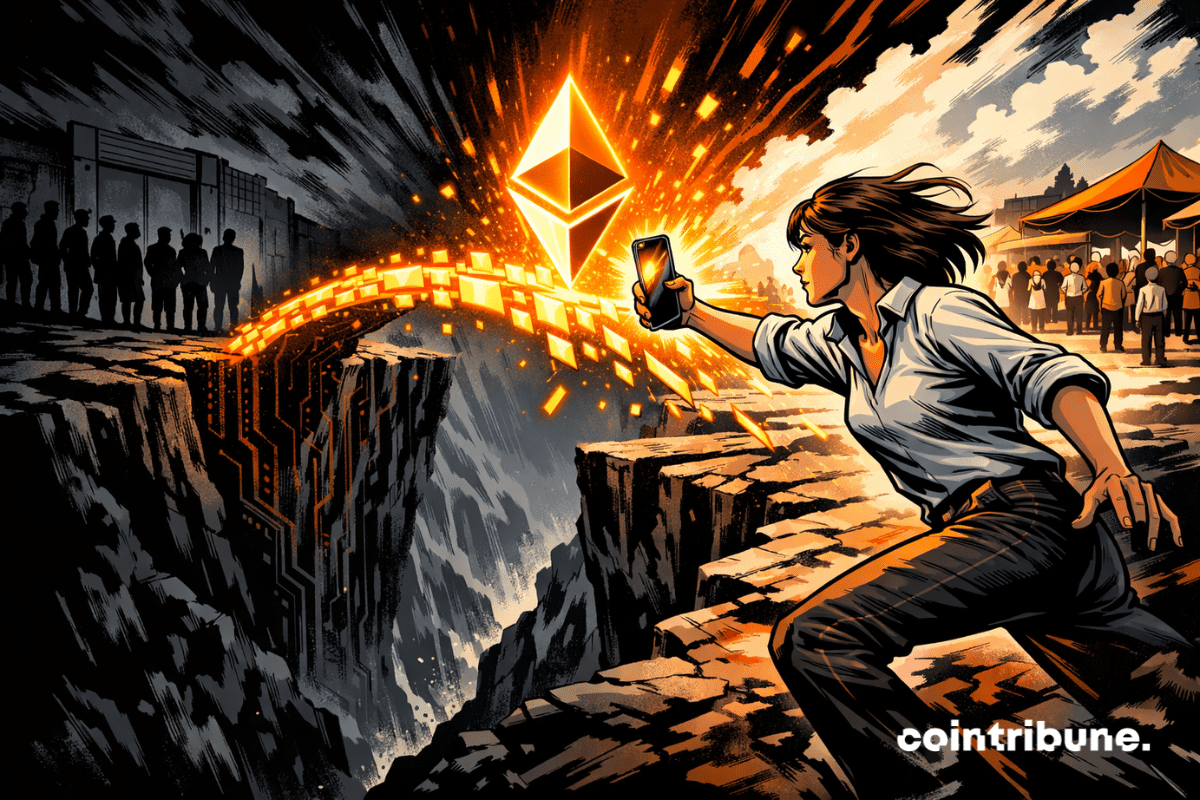
Millions still lack basic financial tools. Ethereum’s global reach offers a different path. Could a blockchain network meaningfully support people that the traditional system overlooks? Rising on-chain activity and stronger utility across the Ethereums Ecosystem suggest that the conversation is shifting.

The four-year Bitcoin cycle has not disappeared into the noise. According to an analysis shared around CryptoQuant data, the 2026 drop resembles, in its internal mechanics, the corrective phase of the previous cycle. Price and on-chain indicators reconnect, like two pieces of the same puzzle once thought lost.

MARA holds 53,822 BTC on the balance sheet, but bitcoin drives Q4 loss explosion. We give you all the details in this article.

Despite the price drop, bitcoin continues to attract online searches. Novices seek to understand, while experienced investors show signs of panic, perhaps signaling a future bullish cycle in the crypto market.
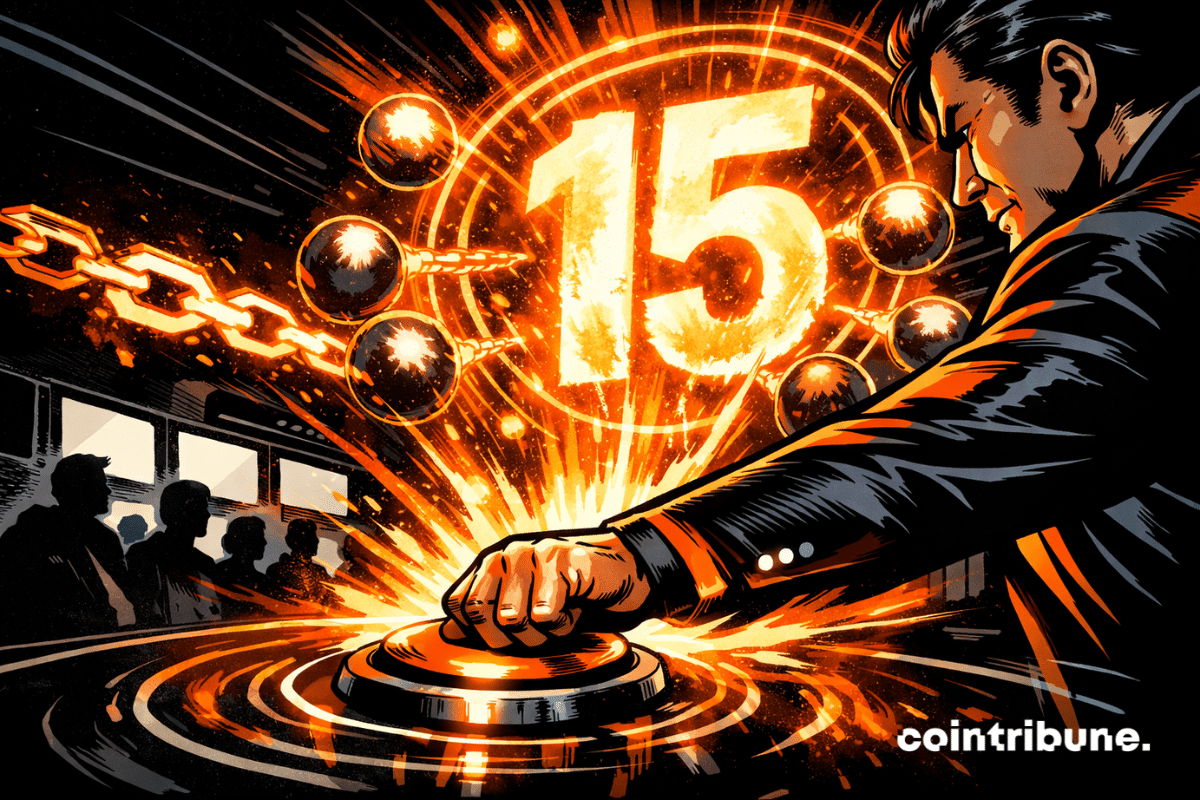
The UNI crypto soars 15% in 24 hours after a major vote on the fee switch. DeFi is scaling up. All the details here!

Shiba Inu has just sent a signal on the memecoin market: a price rebound that does not restart the derivatives machine. Over 24 hours, SHIB gains, but open interest falls, a sign of a shrinking appetite where conviction is measured fastest. In other words, the spot breathes while futures positions close.
While the market cries, Circle is thriving. 770 million in revenue, USDC soaring, a blockchain accelerating. The others? They look at their shoes, embarrassed.

Bitcoin has not confirmed its rebound. After an attempt to recover above $70,000, the price was rejected below the $68,000 trendline, a technical level monitored by analysts. This movement rekindles questions about the end of the bear market, while some signals indicated stabilization. The rejection now places BTC against a major resistance and reignites the debate over the strength of the current cycle.
Bitcoin is increasingly moving from private portfolios to public balance sheets. A new report from River indicates that governments are no longer passive observers of the market. Today, 23 countries hold BTC in some capacity, marking a meaningful expansion of state-level participation.
Paolo Ardoino, CEO of Tether, recently posted a short video on X. No title, no comment, no clue. Within minutes, the crypto sphere exploded. Behind this silence was much more than a simple teaser: the maturity demonstration of QVAC, the sovereign artificial intelligence project that Tether has been quietly developing for several months.
European investors now have a new way to access Bitcoin-backed corporate yield. 21Shares has launched an exchange-traded product (ETP) tied to preferred shares issued by Strategy, the company led by Michael Saylor and widely recognized as the largest public holder of Bitcoin.