In May 2026, major crypto exchange platforms showed a facade of stability. Spot transaction volumes rose by only 0.1% on the main platforms, according to data compiled by Wu Blockchain. Behind this apparent calm, market shares moved significantly.
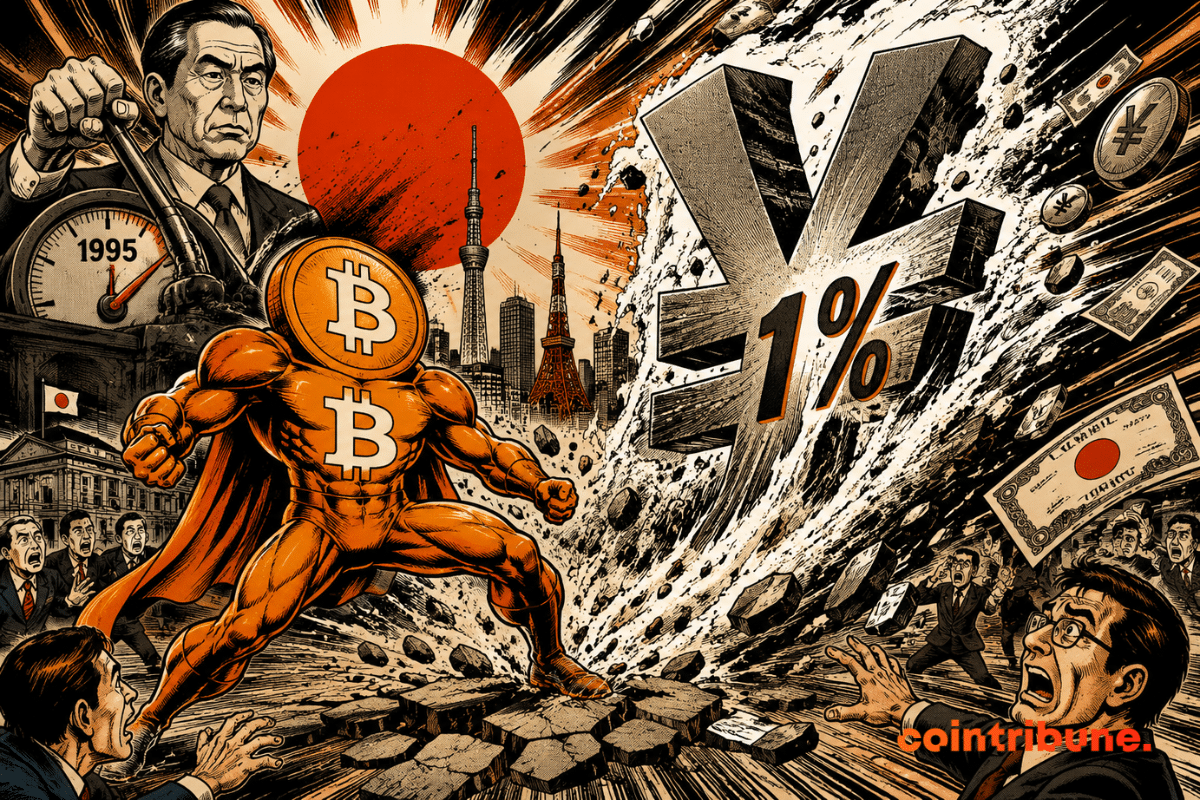

The Bank of Japan raises its rate to an unprecedented high since 1995. A global macroeconomic earthquake reshaping the economy and crypto, but the digital assets market shows historic resilience against the Yen.
The spectacular collapse of memecoins, which have just erased nearly all the gains made by individuals in a few weeks, brutally confirms that pure speculation hits a wall of macroeconomic reality. Long considered a symbol of financial democratization driven by internet culture, these parodic assets are undergoing an unprecedentedly violent purge, calling into question the very structure of the crypto market. Such a situation could mark the end of a cycle of irrational euphoria and forces actors in the sector to reassess the viability of protocols lacking technological fundamentals.
Interest in financial assets on blockchain continues to grow in the United States. In this context, Coinbase announced the upcoming arrival of tokenized American stocks backed by real securities. This initiative comes as several platforms seek to position themselves in this emerging market. Stock tokenization is indeed attracting more and more players who want to bring traditional financial markets closer to the blockchain ecosystem.
The crypto market often follows complex psychological dynamics where an excess of pessimism foreshadows the most violent reversals. Thus, the sector, characterized by inherent volatility and increased sensitivity to macroeconomic factors, once again demonstrates its resilience through recent movements of some major altcoins. It is in this tipping point context that the sudden recovery of XRP, Ripple's cross-border transfer token, fits in, drawing renewed attention from traders after a prolonged depreciation phase.
The fallen king SBF wants to launch a new crypto from behind bars, despite his appeal being rejected and a pardon bid on the table.
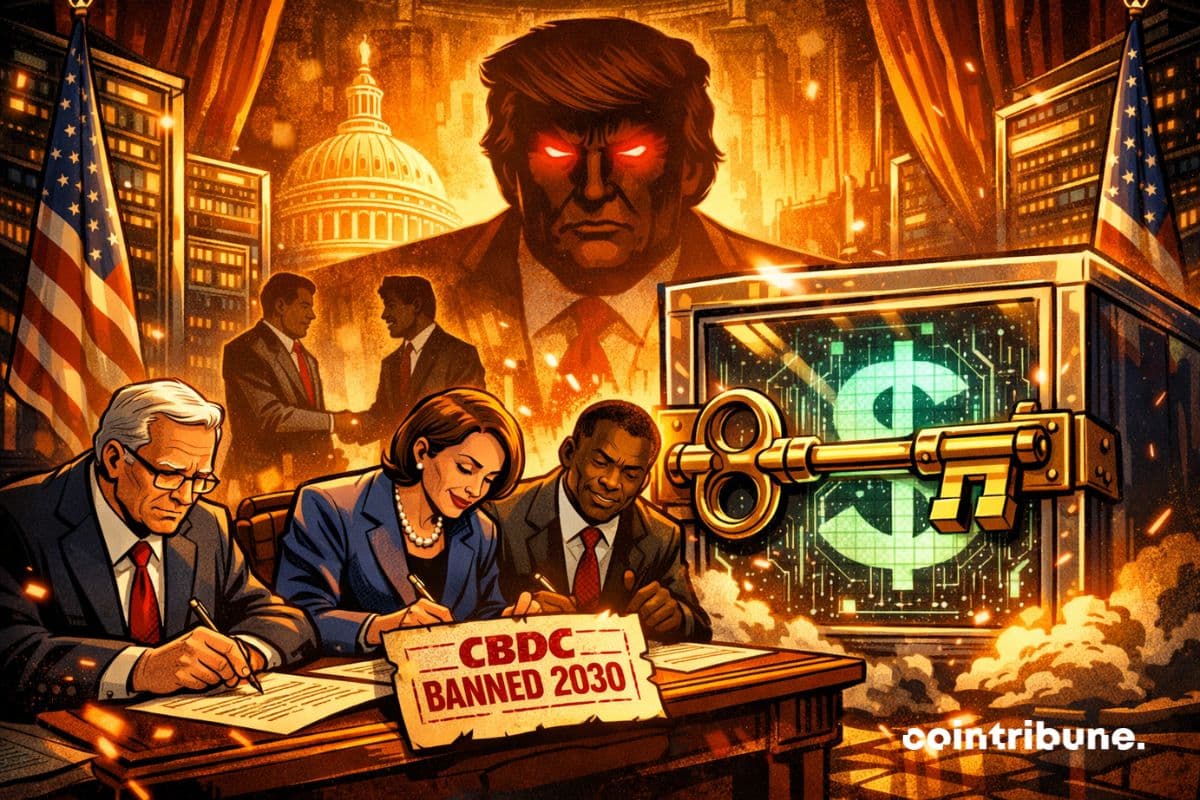
The US Congress recently outlawed CBDCs until 2030, but not in the way you might think, in a bill pertaining to housing! Who among Trump, Republicans, and Democrats is truly terrified of the digital dollar?
The regulatory future of Binance in Europe raises new questions after the publication of a Reuters article mentioning a possible rejection of its authorization request. According to this information, the platform might not obtain its MiCA license before the deadline set by the European Union. Faced with this situation, the company quickly reacted by contesting these statements and reaffirming its intention to continue its procedures with the competent authorities.
Published on June 16, the monthly report from the Chinese National Bureau of Statistics (NBS) is not limited to a series of macroeconomic data, but it reveals a major structural fracture, already forcing global fund managers to revise their risk asset allocations. In an ultra-connected financial context, Beijing's inability to revive its domestic demand, even as its technology factories operate at full capacity, outlines the contours of an unprecedented arbitrage for bitcoin, historically linked to global liquidity flows.
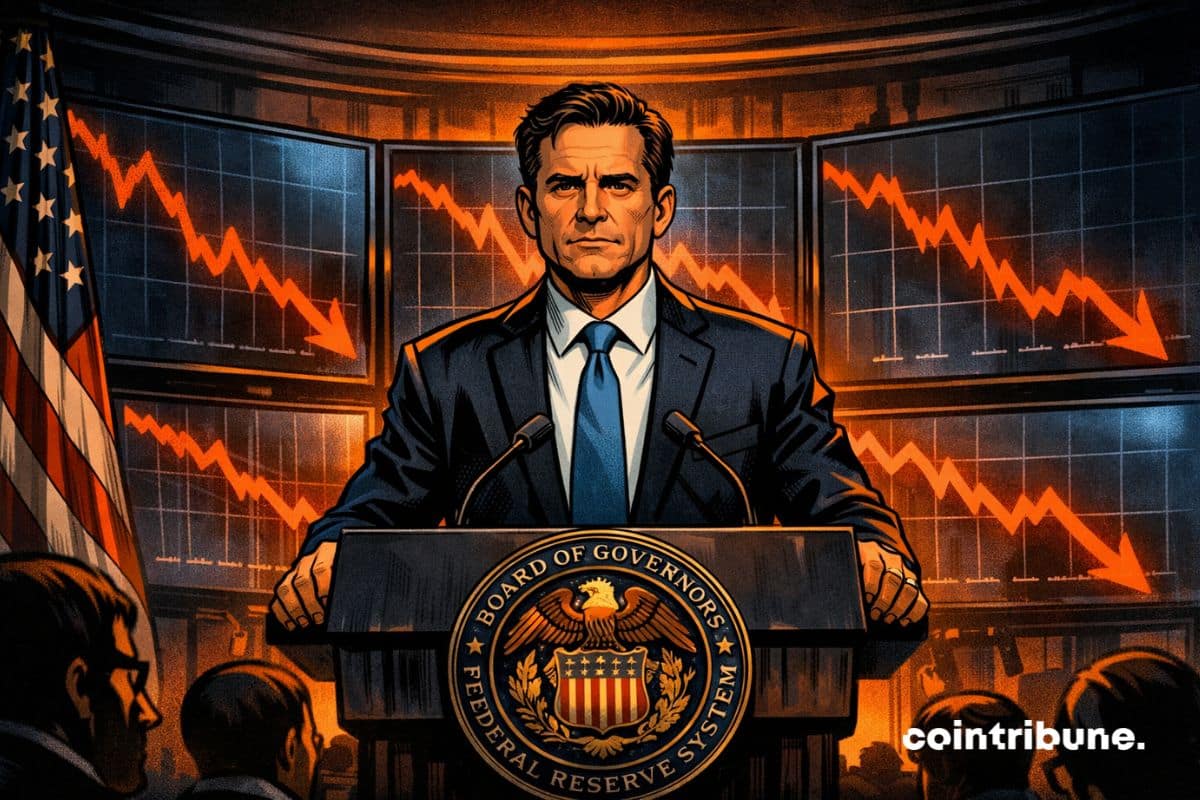
Kevin Warsh's first Fed meeting: the statement and economic forecasts alter the game, but rates stay the same. a hawkish shift that might completely alter American monetary policy.