Tue 18 Aug 2026 ▪
7 min read
▪
by
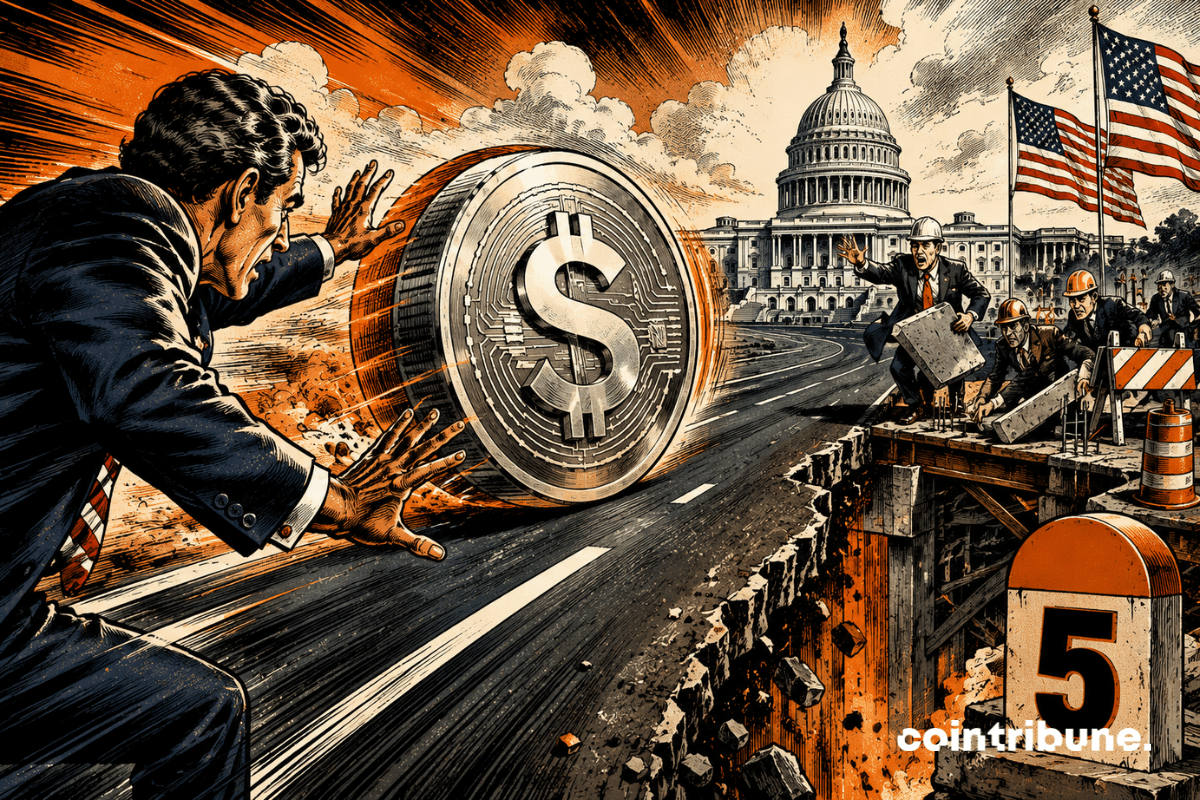
Stablecoins: between regulatory delays and Congressional pressure, the flagship US law is still finding its bearings. Full analysis here!
Stablecoins: between regulatory delays and Congressional pressure, the flagship US law is still finding its bearings. Full analysis here!

Ethereum is preparing a major shift. After years dominated by the quest for scalability, native privacy is now at the heart of the network's roadmap. Toni Wahrstätter, a researcher at the Ethereum Foundation, revealed the priorities studied for Hegotá, an update scheduled for 2027. Private transactions, censorship resistance, and architectural choices will now have to be balanced, while Glamsterdam is still expected by the end of 2026. Behind these technical decisions lies a strategic question: how far can Ethereum protect its users without compromising its scaling?

The digital asset market is going through a more uncertain phase as companies linked to bitcoin adjust their reserves. Strategy now has $4.8 billion in cash, offering several options. Michael Saylor believes this financial cushion can support purchases, share buybacks or debt reduction. At the same time, the company also wants to be able to sell its digital assets if conditions change. This flexibility becomes central as the MSTR stock falls sharply.

Bitcoin has just shattered a widely anticipated scenario: that of a progressive shortage of BTC on exchanges. In just three weeks, the reserves available on centralized platforms have strongly rebounded, despite ETF demand. This turnaround reveals a reality more complex than a simple "supply shock" fueled by institutional investors. Where do these new bitcoins come from and what does this return of liquidity reveal about market balance? On-chain data and ETF flows provide several answers.

Minnesota is going directly after Grok. The US state accuses xAI's AI of facilitating the creation of realistic sexual images from photos of identifiable individuals. A new law now bans this type of tool in the state. xAI wants to have it suspended. The conflict is now playing out in court.

Not much has changed since my last analysis. As you already know, I remain bearish, and I said that as long as we failed to break above $67K, Bitcoin would likely head back towards the $60K area. You also know that my analysis is mainly based on technical analysis and psychotrading. There isn't much new to analyze here because the structure hasn't really changed, but let me tell you something: There are still approximately 50 days of the bear market left if the cycle continues to play out as expected. For some time now, BTC has been moving sideways within the $60K-$65K range.
Mutsamudu, Comoros, August 14, 2026 – MEXC, a pioneer in 0-fee digital asset trading, has released its August 2026 Proof of Reserves (PoR) report, audited by Hacken, showing that reserve ratios for all major assets remained above 100%, with the BTC reserve ratio reaching 288%. This report reflects MEXC's robust financial position and its continued commitment to safeguarding user assets.
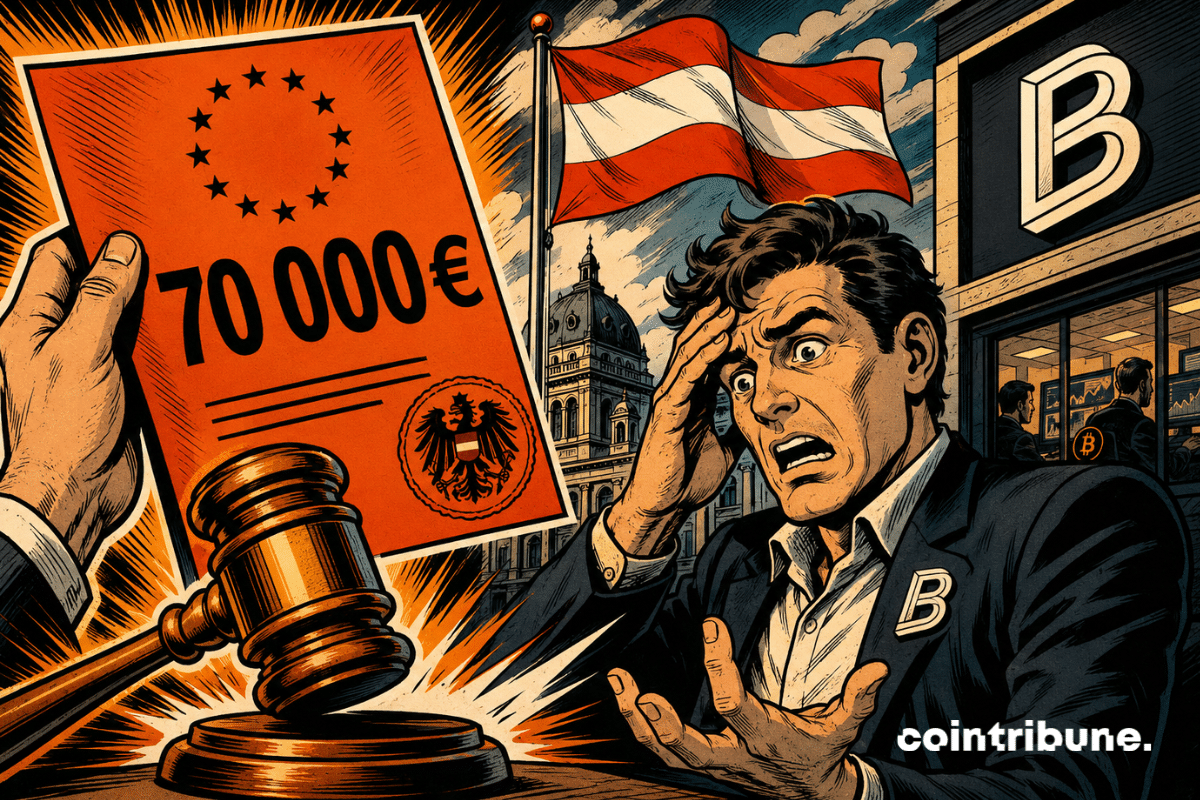
The European cryptocurrency framework enters a new phase with an official sanction. Bitpanda is fined 70,000 euros in Austria for several breaches of MiCA rules. The FMA notably reproaches the platform for errors in the transmission and communication of certain documents. This legally final decision marks an important step in the concrete application of the new European regulation. It also shows that transparency obligations become a central issue for European crypto actors.

BitBox released a security update yesterday for its BitBox02 wallets. Named Dixence, the patch addresses several vulnerabilities, including two considered severe. The next day, Dogecoin contributor Mishaboar relayed the alert and urged affected holders to check their firmware without delay.
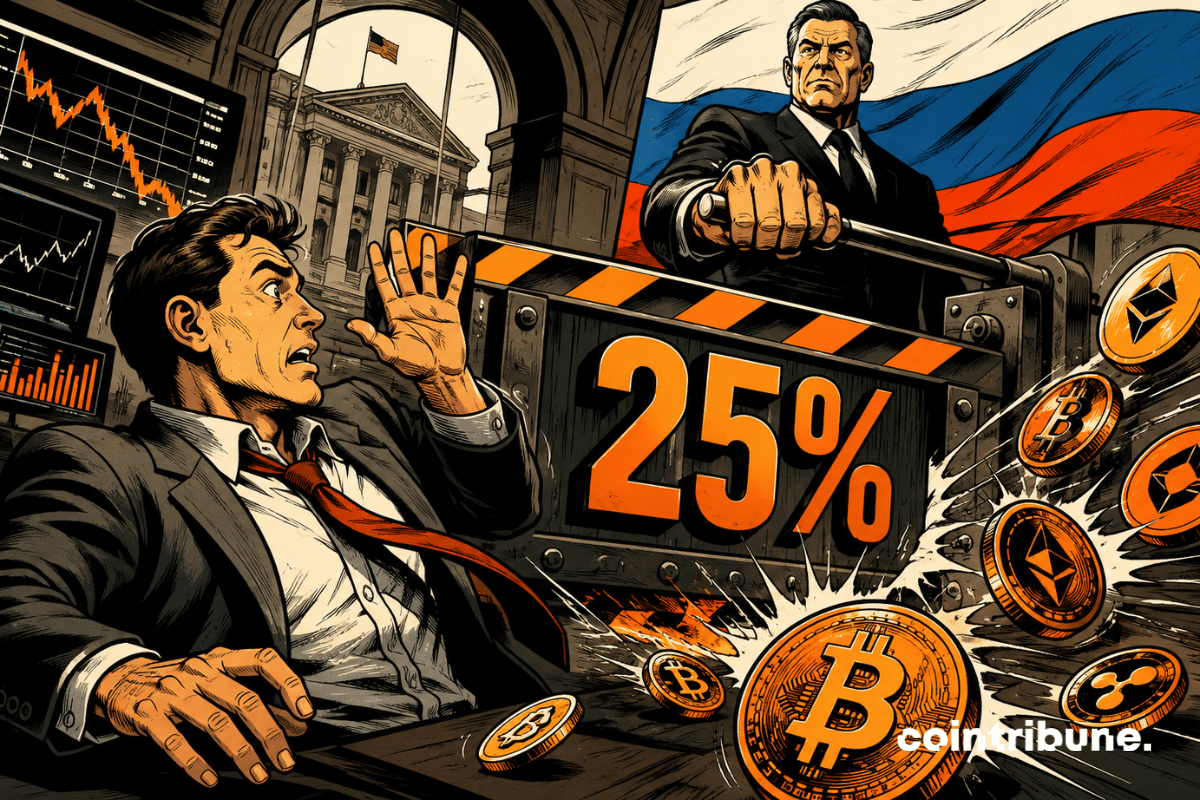
The Bank of Russia wants to limit the role of crypto in market professionals’ accounts. Its new draft regulation sets a 25% threshold for digital assets considered in the calculation of their equity. Brokers, managers, forex dealers, and crypto exchange platforms are concerned. Moscow thus allows crypto more, without giving it too much space in intermediaries’ balance sheets.