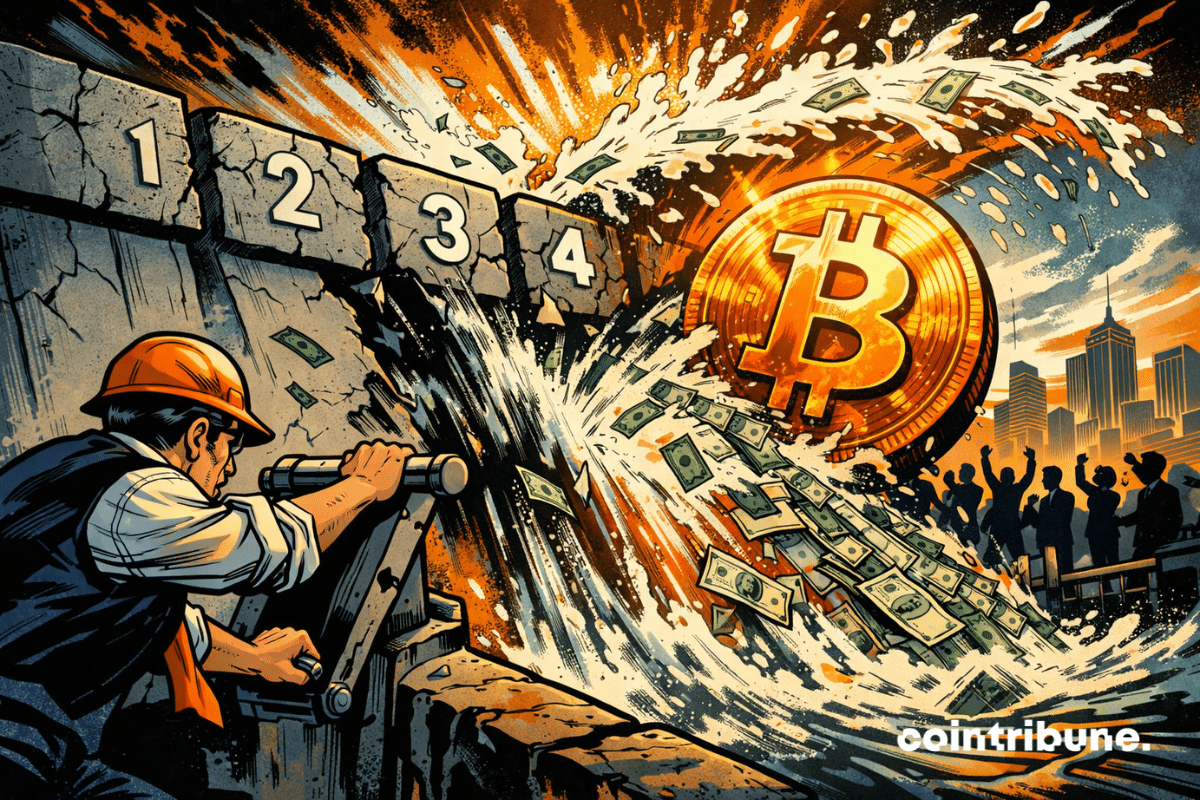
Bitcoin's price has been stuck in a narrow range as capital flow slows, leading to a period of consolidation. Experts predict continued sideways movement until market conditions shift.
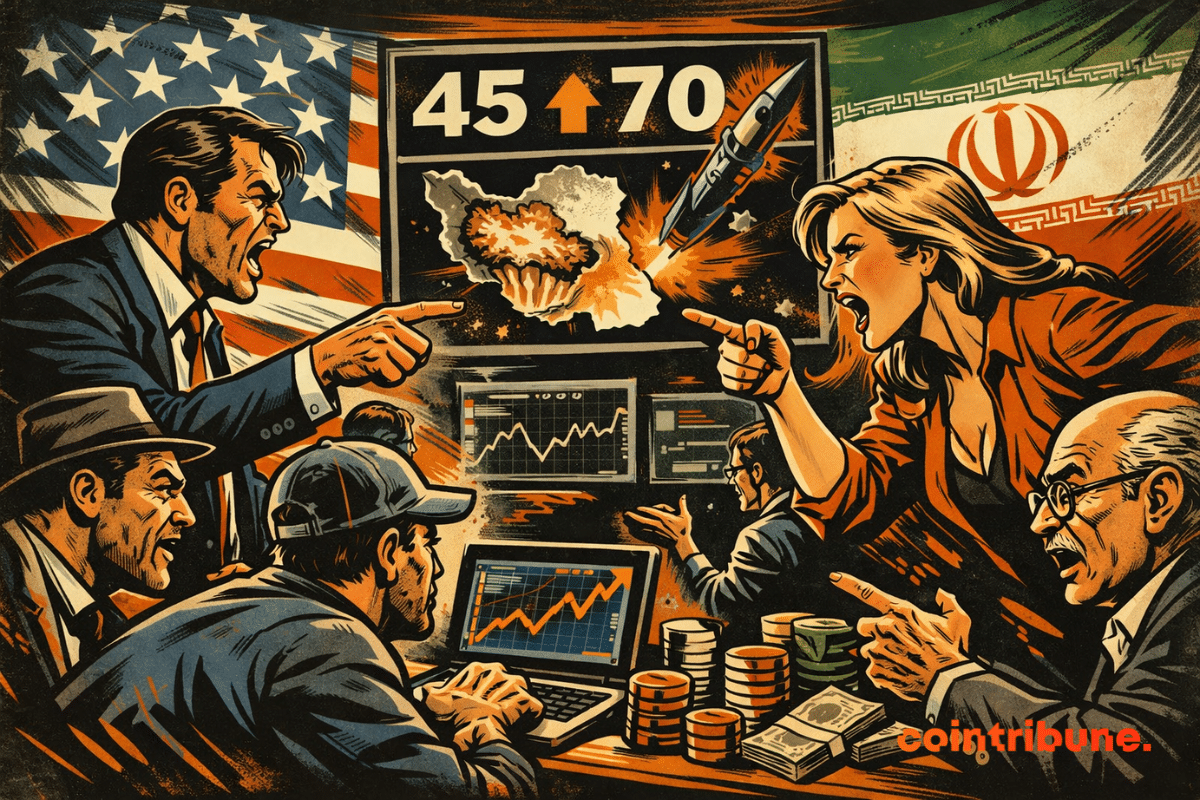
Iran now offers to sell advanced weapons systems to foreign governments in exchange for cryptos. These include ballistic missiles, armed drones, and warships. Iran aims to bypass Western financial controls and maintain its military exports despite sanctions.
In Manosque, France, a woman experienced a true nightmare: kidnapped and assaulted at gunpoint for cryptos. This shocking news story reveals an alarming trend, criminals increasingly targeting holders of digital assets. Why this violence and how to protect yourself? The investigation and answers in this article.
Morgan Stanley has never been the type to chase trends. So when the bank announces a digital asset wallet, designed for crypto but also for tokenized real-world assets (RWA), the signal is clear. Wall Street no longer just wants to “tolerate” the sector, it wants to hold the keys. According to Barron’s, this digital wallet is expected to launch in 2026 and aim, from the start, at a hybrid mix: crypto on one side, real-world assets (stocks, bonds, real estate) on the other.
Bitcoin, born as a decentralized currency, could become a key player in the global economy by 2050. According to a study by VanEck, one of the leading crypto asset managers, the value of bitcoin could reach 2.9 million dollars as it establishes itself as a settlement currency in international trade and as a reserve for central banks. This bold scenario raises questions about the future of traditional currencies and bitcoin's place in the global financial system.
While the crypto industry is multiplying IPOs to gain legitimacy, Ripple opts for a different path. Against all odds, its president Monica Long has dismissed any IPO, despite a valuation of 40 billion dollars and the end of the showdown with the SEC. Thus, contrary to the signals sent to the market, this refusal marks a clear intention: to remain independent in order to better control its growth and governance, while consolidating its status in a rapidly changing regulatory landscape.
Stablecoins are booming in institutional crypto. Moody’s announces a major turning point to watch in finance in 2026.
BitMine restarts the race to Ethereum with $105M in cash and an explosive treasury of $915M. All the details here!
Solana Mobile has confirmed plans to distribute its new ecosystem token, SKR, through an airdrop scheduled for January 20. Distribution will target second-generation Seeker smartphone users and developers building apps for the device. Earlier Saga phone owners will not qualify, marking a shift toward the newer hardware.
On January 7, 2026, XRP ETFs broke their 36-day streak of net inflows with $40.8 million in outflows. A strong signal for the crypto market, as Bitcoin and Ethereum face similar flows. Why this reversal? Analysis of causes, players, and consequences for investors.
Chen Zhi, mastermind of a historic crypto scam, has just been arrested after stealing 12 billion dollars in bitcoins. Between forced labor and "pig butchering," his network manipulated thousands of victims. Discover the key figures, the methods used, and why bitcoin remains the preferred asset of fraudsters.
Options traders are betting big: Bitcoin could target $100,000 as soon as this month. Complete analysis in this article.
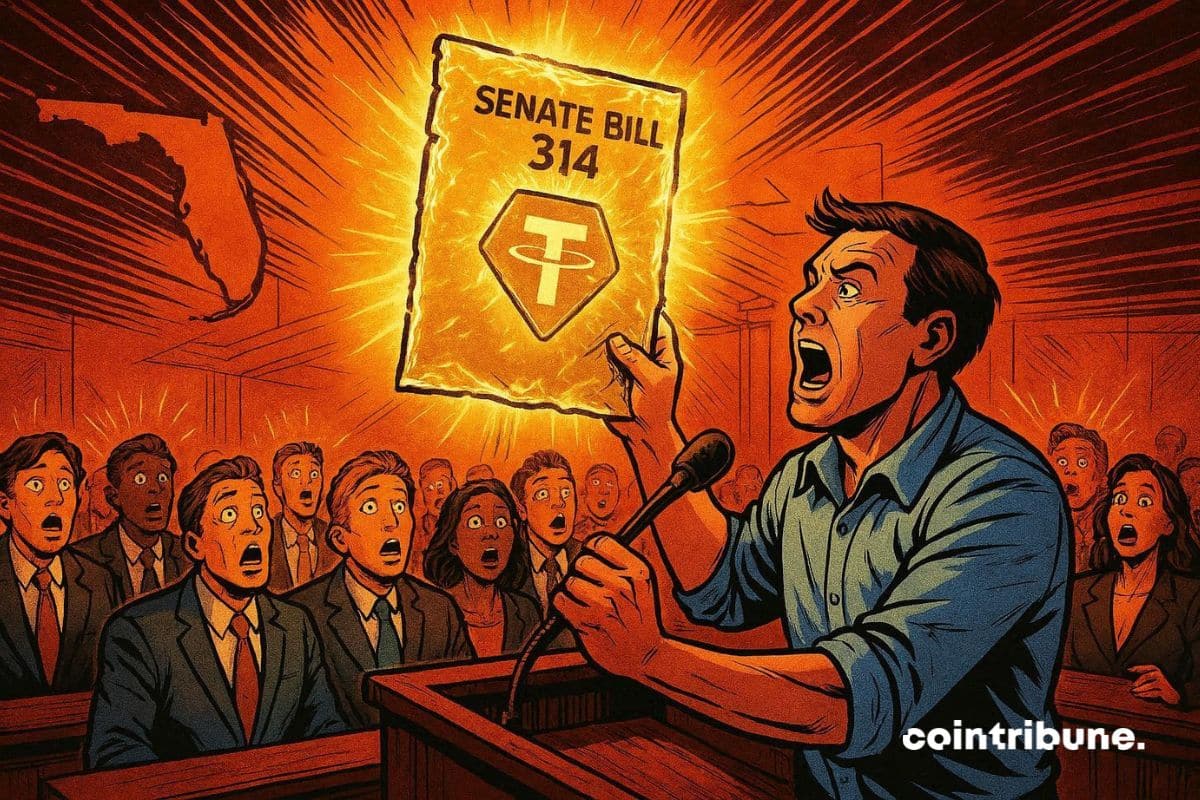
Wyoming has just issued FRNT, the Frontier Stable Token, and it is a strong signal for the American crypto sphere: for the first time, a state issues a "public" stablecoin, backed by reserves managed within a legal framework. The token is now accessible to the general public, with a launch officialized from Cheyenne and a first access ramp via Kraken.
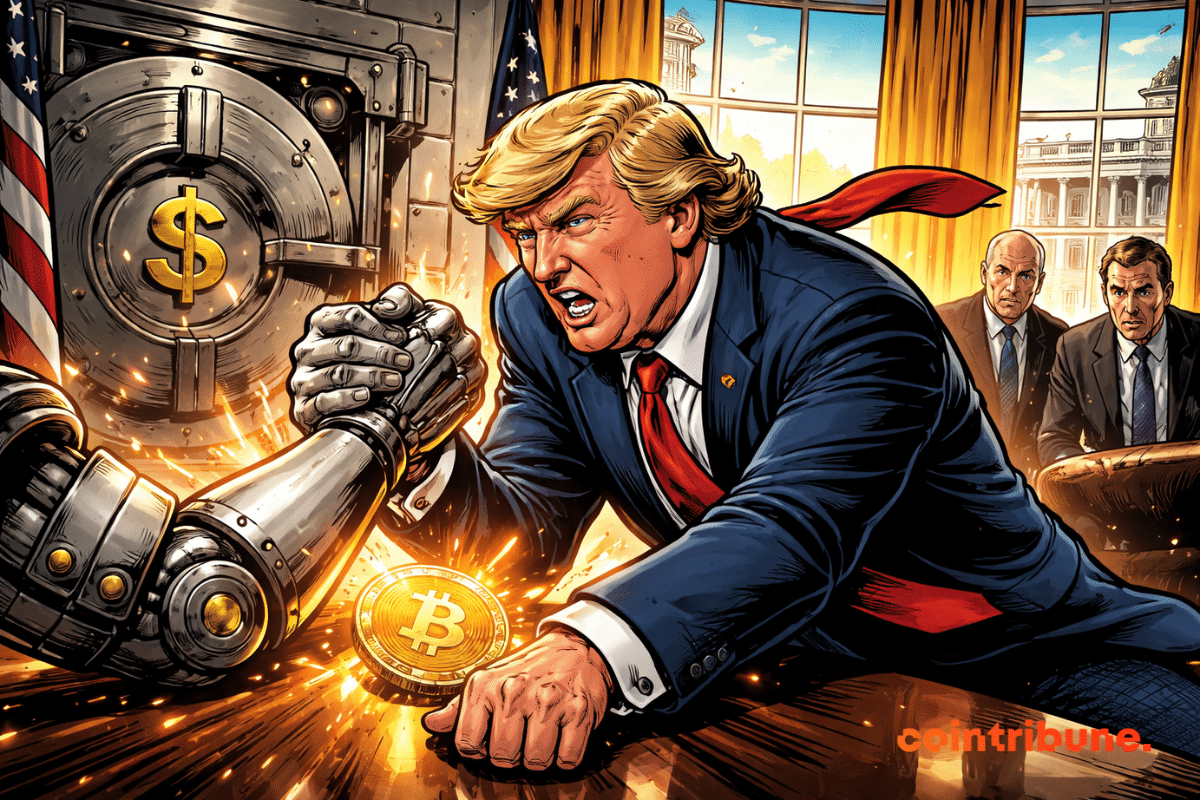
The political shift in 2026 could disrupt much more than the White House. For the crypto industry, the fragile balance between executive power and pro-innovation legislative support achieved under Trump is already threatened. Ray Dalio sounds the alarm: the upcoming midterm elections could overturn the majority in Congress and slow the American crypto agenda. Amid political uncertainty and economic pressures, a new cycle of regulatory instability seems to be emerging.
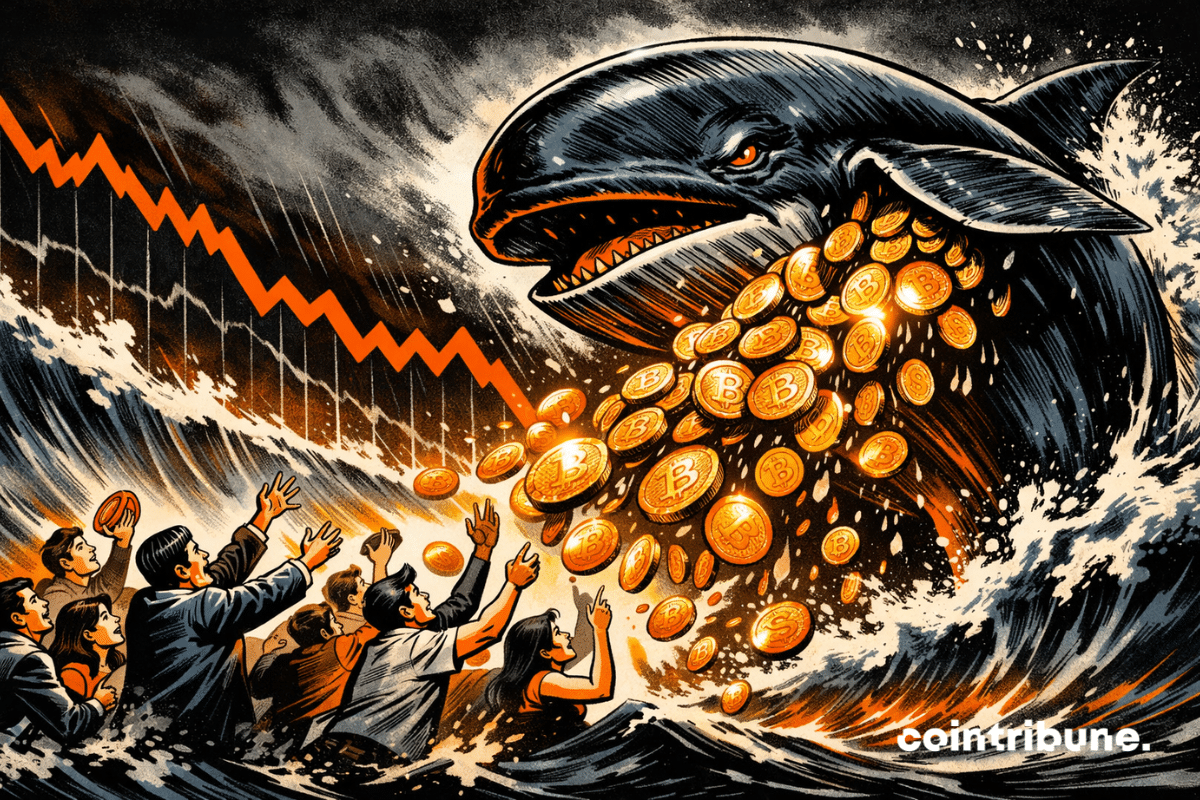
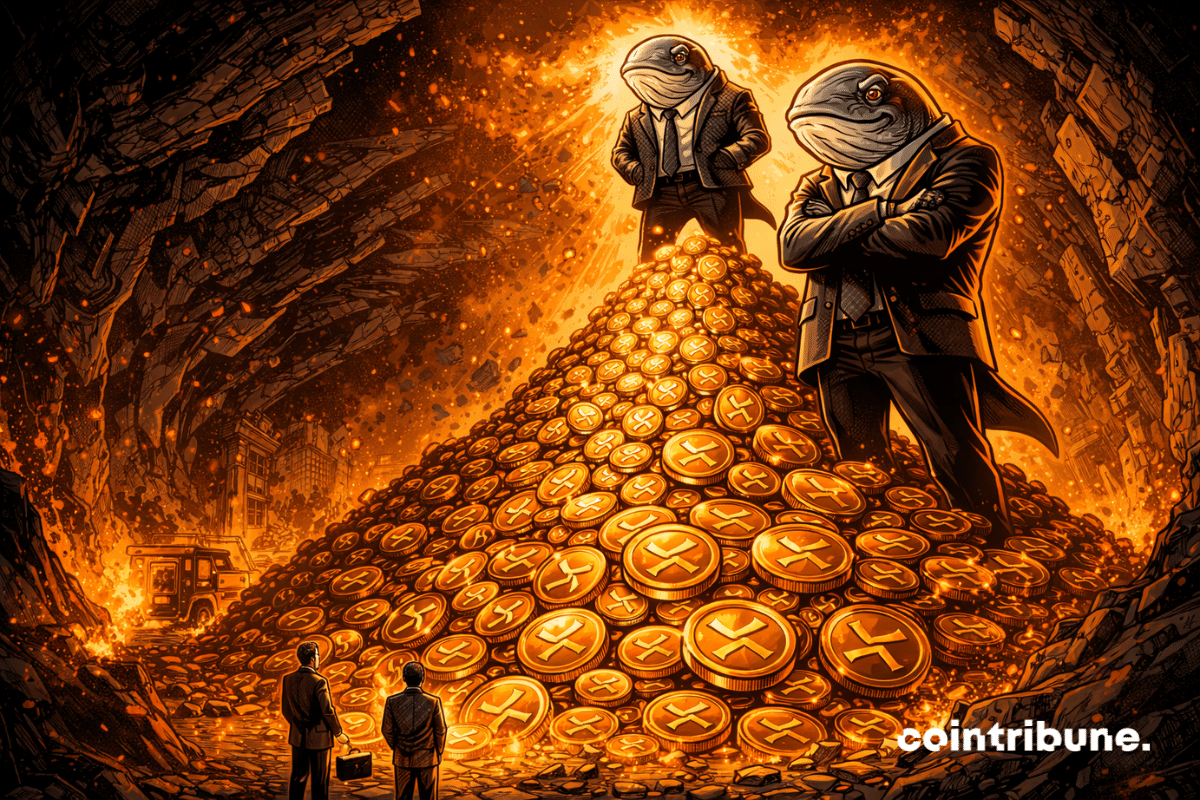
Beneath its capricious star appearance, bitcoin hesitates, retreats, but watches for the perfect moment to bounce back better… What if the whales know something we don’t?
Bitcoin ended 2025 down 6.36%. A modest performance, but enough to revive a statistical pattern observed for nearly a decade. After every negative year, the crypto has systematically rebounded. As 2026 begins, this statistical regularity intrigues. Can past data still guide the market's future?
Morgan Stanley strengthens its presence in cryptos. The American bank has filed a form with the SEC to create a spot Ethereum ETF, including a staking component. A first at this institutional level, which occurs as market interest in crypto products intensifies.
Ethereum strengthened its DeFi dominance in 2025, locking $99B, lowering fees, rolling out major upgrades, and breaking key price levels.
The Bittensor TAO token soars 10% after the launch of the Grayscale Bittensor Trust (GTAO). Between halving and institutional adoption, this crypto linked to decentralized AI attracts investors. Why could this project revolutionize the market?
At the beginning of this year, a technical indicator draws attention: liquidation data on Bitcoin futures contracts reveal a marked imbalance. This signal, rarely observed at this level, suggests that a simple price movement could trigger a series of chain liquidations. For some analysts, this configuration could propel BTC towards 100,000 dollars.
Tether has just launched "Scudo", a tiny unit indexed to its tokenized gold XAUT. The ambition is summed up in one sentence: to make gold as manageable as Bitcoin. Not by changing the nature of the metal, but by changing its mental format.
Under regulatory pressure, MSCI makes a decisive choice. The index issuer announced on January 6 that it would maintain companies with significant crypto treasury in its global indices. A temporary decision, while the status of these companies, including Strategy, remained uncertain. This signal stabilizes their exposure in institutional portfolios and extends their integration into traditional markets, at a time when the gap between traditional finance and crypto continues to narrow.
A stablecoin backed by BlackRock, a crypto ecosystem in superapp mode… what if Jupiter was preparing the discreet invasion of the dollar into our decentralized wallets?
Telegram begins 2026 with mixed financial results. The messaging service records 870 million dollars in revenue in the first half of 2025 and targets 2 billion dollars for the year. However, these ambitions come with net losses and an unstable crypto environment. Between economic growth, the fall of Toncoin, and regulatory pressures, the platform is at a strategic crossroads, while an initial public offering is still under consideration.
Efforts to establish clear rules for the U.S. crypto market are likely to take longer than many industry participants expect. An analysis from TD Cowen indicates that while passage remains possible in the near term, political dynamics in Washington increase the likelihood of delays. Approval may not occur until 2027, with full implementation extending to 2029.
Bitcoin carries a persistent label: that of an energy sink. And like all labels, it sticks all the better because it avoids details. This weekend, Daniel Batten, an ESG researcher, put the file back on the table in a thread on X, with a rare bias in this debate: going back to data, and especially to peer-reviewed studies. Nine “classic” criticisms would, according to him, be out of step with what the figures show at the level of electrical networks.
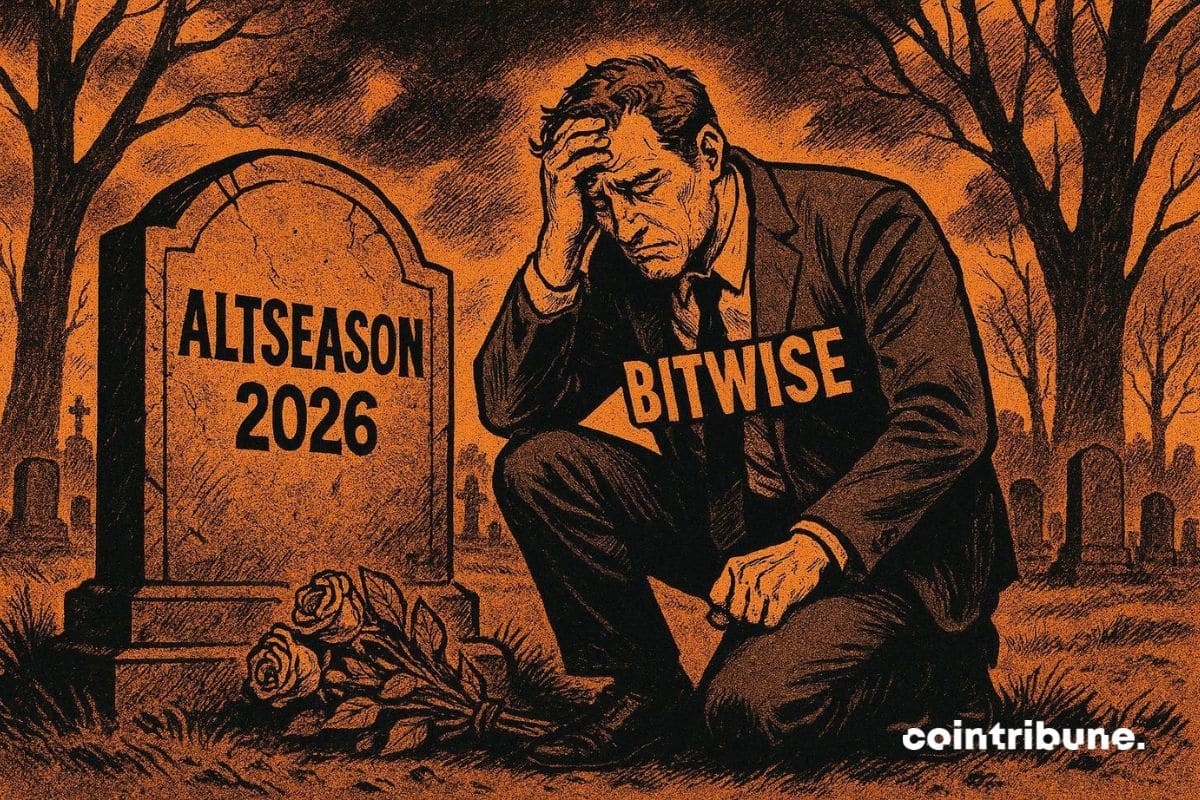
Altcoins may be positioning for a rebound after months of subdued price performance. Market data indicates that many tokens are trading above key support levels established in October. Analysts say these signals could point to a renewed appetite for risk across the broader cryptocurrency market.
Grayscale reaches a historic milestone. For the first time in the United States, a crypto ETF will pay its investors income from Ethereum staking. This unprecedented move disrupts traditional finance codes and paves the way for a new generation of investment products combining cryptos and on-chain yield. In a context where regulation is being structured and innovation becomes a strategic lever, this decision propels Grayscale to the forefront of a rapidly evolving market.
Despite an accounting loss of $17.4 billion in Q4 2025, Strategy kicks off 2026 by purchasing 1,283 bitcoins for $116 million. As a global leader among institutional BTC holders, the company persists in its aggressive accumulation strategy, defying classic financial logic. This striking contrast between record loss and reaffirmed confidence raises the question: how far is Michael Saylor willing to push his bet on Bitcoin?
Bitcoin reaches 94,000 dollars, driven by the momentum of financial markets. The movement, clear and rapid, suggests a renewed confidence. However, fundamentals struggle to keep up. Volumes collapse, liquidity remains low. This rise intrigues as much as it reassures.