Trump's new taxes destabilize the markets. What are the consequences for the American economy? The full analysis here!
The Trump administration has just triggered a real commercial earthquake. Through the imposition of a universal customs tax of 10%, soon raised to 34% for certain countries, Washington is reviving an aggressive protectionist strategy. This decision, counter to multilateral rules, threatens to reconfigure global trade and is already prompting reactions from more than 50 states. In a tense international context, this major shift could well mark the beginning of a new era of economic confrontation.
Numbers are plummeting, volumes are exploding, and institutional investors are quietly slipping away. Bitcoin ETFs may be entering this pivotal moment where silence speaks louder than words.
Cryptocurrency is no longer a marginal experience. It is now embedded in the daily lives of millions of Americans, reshaping the contours of their financial autonomy. A recent study by the National Cryptocurrency Association reveals that 55 million adults hold digital assets. Among them, 76% believe that this technology has improved their quality of life. Far from clichés about speculation, these figures unveil a more nuanced reality: massive, pragmatic adoption, and a source of concrete hopes.
As the American economy wobbles, Donald Trump secures a strategic victory in the Senate with the unlocking of a controversial budget. Behind this success lies a political clash with global repercussions. For both investors and crypto players, this vote opens an uncertain sequence that could redefine financial balances and impact the trajectory of markets.
A historic day on Wall Street: on April 4, 2025, American markets lost $3.25 trillion, more than the total market capitalization of crypto. This brutal drop, triggered by tariff measures from Trump, reveals a deep crisis. Bitcoin, however, endures. An analysis of an economic shift.
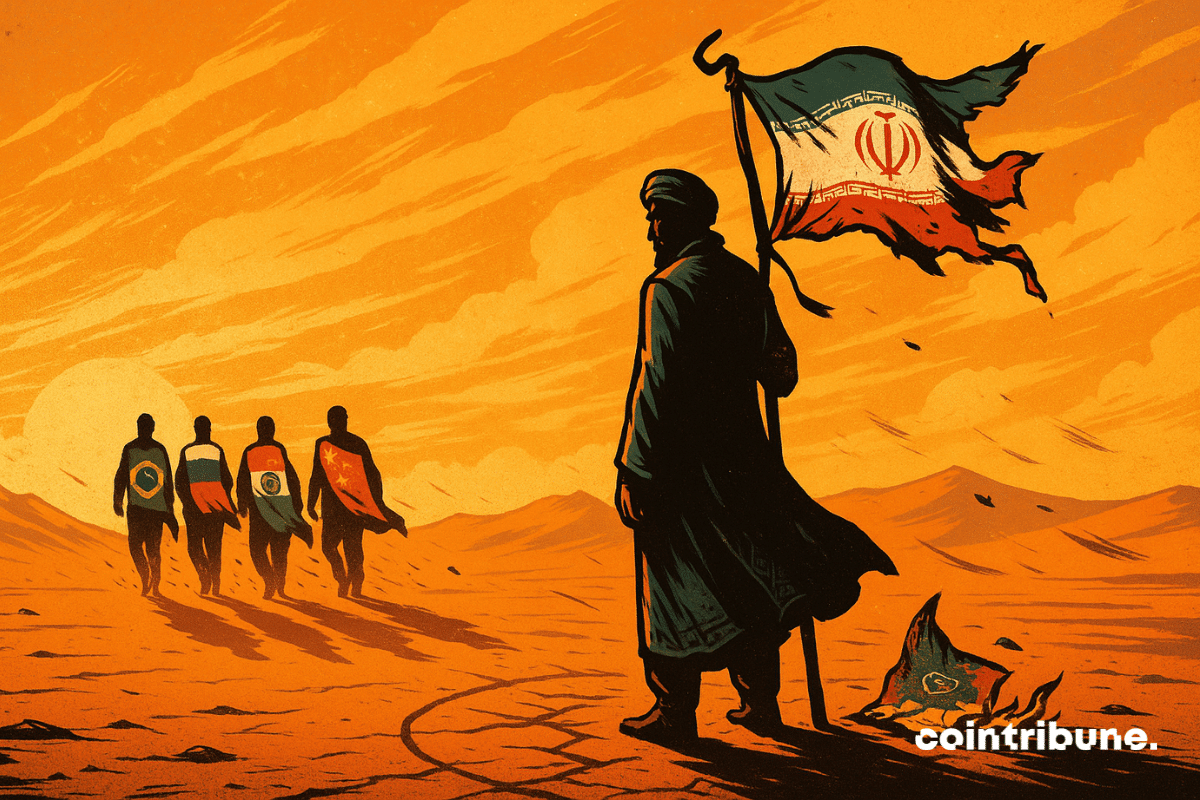
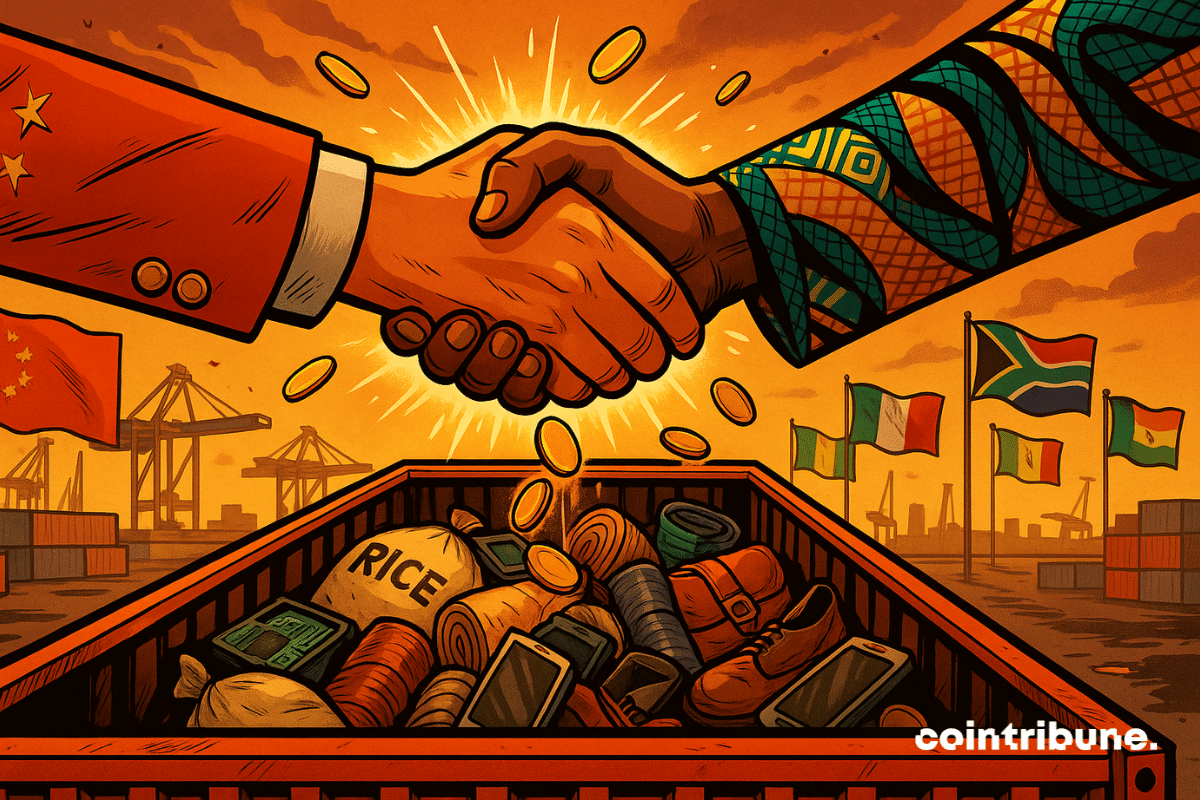
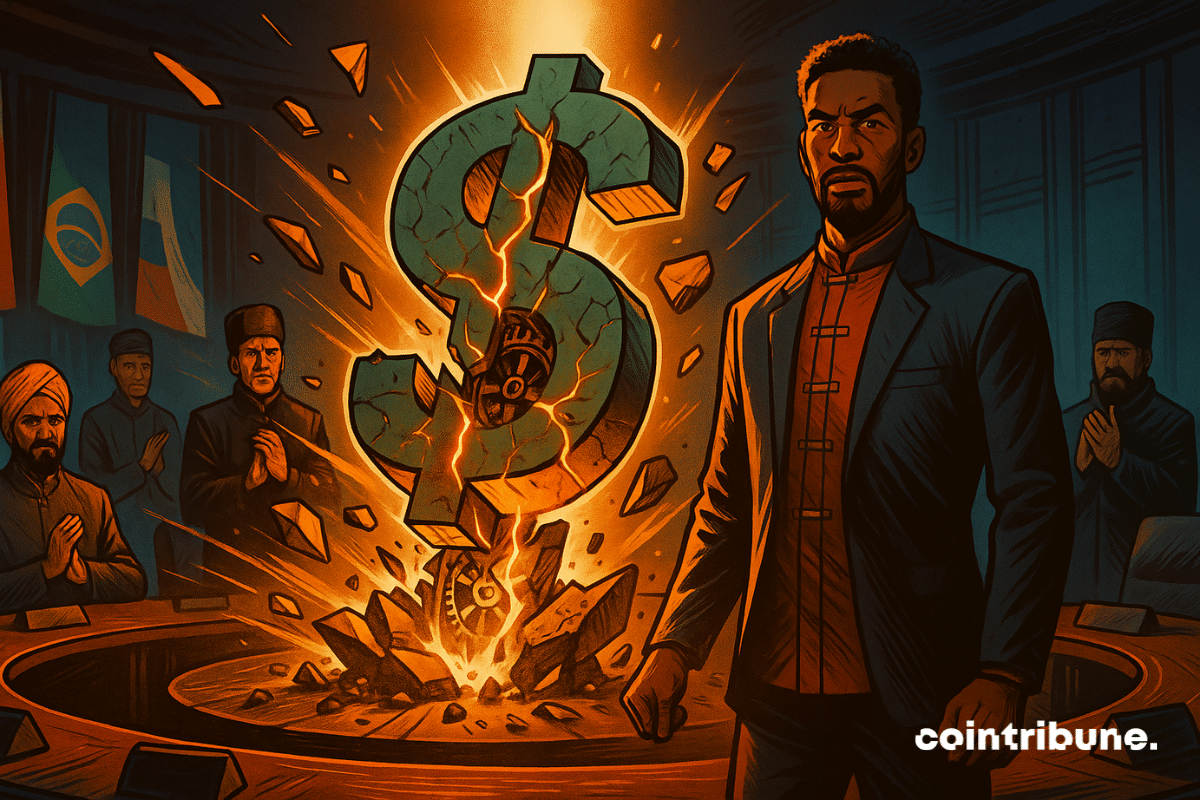
In a geopolitical context undergoing a major reshuffle, two significant initiatives are shaking the hegemony of the dollar. Brazil and China are making a strategic shift by favoring their national currencies for bilateral exchanges. For their part, Russia and Iran are announcing the launch of a new common currency to circumvent Western sanctions. These distinct yet converging movements illustrate a shared desire among influential BRICS members: to build a financial system that is less dependent on the greenback and to assert monetary sovereignty in the face of external pressures.
In a global market in complete chaos, Warren Buffett stands out as an exception. While the richest fortunes are recording massive losses, the American investor makes 23.4 billion dollars in just a few months. This performance contrasts with the general trend and raises the question: how does the oracle of Omaha manage to thrive where so many others falter? At the head of Berkshire Hathaway, he once again demonstrates that discipline, foresight, and rigorous management can still dictate the rules, even in times of instability.
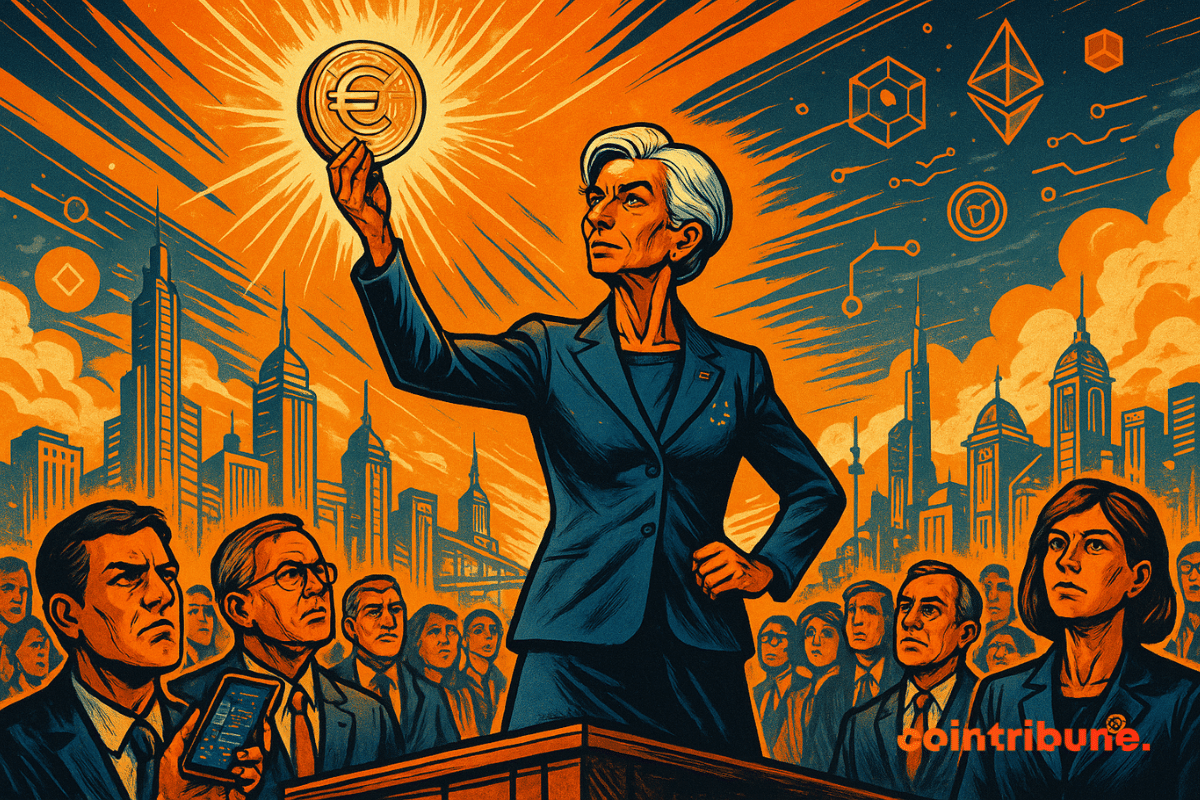
In a single session, the euro surged 2.15% against the dollar, reaching $1.109, its largest increase since 2015. This abrupt jump exceeds the mechanics of exchange rates. It signals a sudden loss of confidence in the American currency. Through this shift, markets appear to be reassessing the balance of power among major currencies, in a context where macroeconomic signals and central bank choices are redefining monetary fault lines.
In a single session, the euro surged 2.15% against the dollar, reaching $1.109, its largest increase since 2015. This sharp rebound goes beyond the mechanics of exchange rates. It signals a sudden loss of confidence in the American currency. Through this shift, markets seem to be reevaluating the balance of power between major currencies, in a context where macroeconomic signals and the choices of central banks are reshaping the lines of monetary fracture.
JPMorgan has revised its economic forecasts for 2025, raising the probability of a global recession to 60% due to the new tariffs imposed by the Trump administration. According to a report released this Thursday, titled "There will be Blood," the investment bank warns that the tariffs, which will take effect next week, risk plunging not only the United States but the entire global economy into a recession.
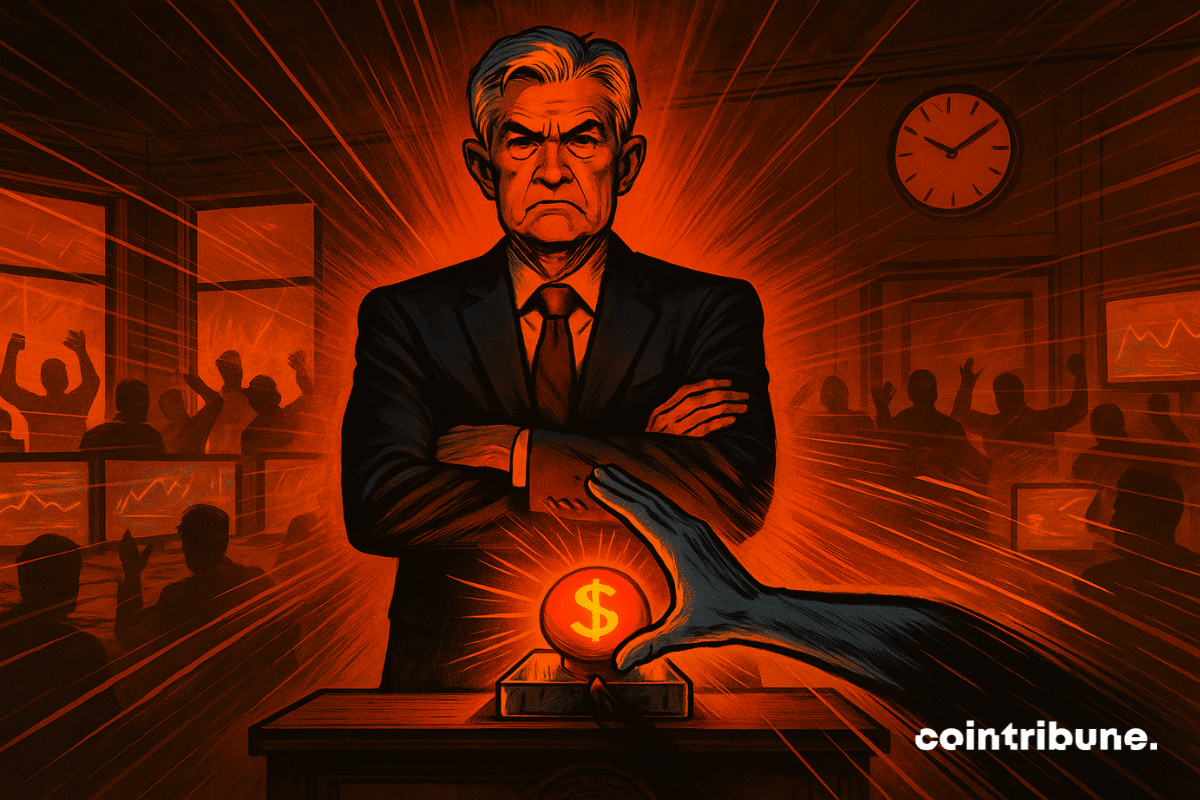
Donald Trump recently triggered an economic shockwave by announcing new tariffs. In response, Jerome Powell, the Chair of the Federal Reserve (FED), warned that these measures could exacerbate inflation while slowing down growth. What will be the impact on interest rates? Find out here.
Donald Trump is once again making his mark at the helm of the United States. By launching a vast tariff offensive against almost all of the country's trading partners, the president is triggering an economic and diplomatic earthquake. Wall Street is falling, allies are worried, and Beijing is retaliating. This decision, as much strategic as ideological, marks the overt return of hard protectionism and places American economic sovereignty at the center of the global game.
Donald Trump has caused an economic shockwave by announcing significant tariffs targeting almost all countries in the world. The figures presented by the White House are being thoroughly analyzed by experts and raise questions among the United States' trading partners.
Donald Trump triggered a new trade earthquake on the night of April 2 to 3, 2025. By announcing an increase in tariffs of up to 20% on products from the European Union, the current head of the White House is reviving transatlantic tensions. But France and Europe are not going to take it lying down and are going on the offensive!
Trump reheats the old dish of protectionism. Result? The markets are nauseous and Polymarket pulls out the thermometer: 50% of recession fever announced.
The new tariffs imposed by Donald Trump triggered a shockwave across global financial markets, prompting an immediate reaction from investors, economists, and U.S. allies.
On April 2, 2025, Donald Trump spoke from the Rose Garden of the White House to announce a series of unprecedented protectionist measures, as part of what he now calls "Economic Liberation Day." True to his America First creed, the American president outlined a decree imposing massive tariffs aimed at reindustrializing the country and reducing its dependence on foreign imports. Unfortunately, the markets were not prepared for what would follow...
At the start of this year, amid high geopolitical tension, dedollarization emerges as a strong signal of a global monetary shift. Once relegated to the background of economic debate, this dynamic is intensifying as confidence in the stability of the United States erodes. The dollar's share in global reserves is slowly but surely declining, a trend closely watched by markets and feared by strategists. Behind this retreat, the international monetary order may be entering a phase of reorganization.
Real estate is regaining its color. After a long period of waiting, prices are rising again in many French cities, signaling an unexpected turning point in the market. This upturn, which began at the start of the year, is intensifying due to more attractive borrowing rates and a gradual return of buyers. Both professionals and individuals are closely watching this emerging dynamic, which reshuffles the cards after months of stagnation. In light of this resurgence in activity, observers are pondering: is this a simple cyclical rebound or a true reversal of the cycle?
In the shadow of tyrannies, outstretched hands receive satoshis. The HRF sows crypto light in the invisible pockets of silent resistances, where fiat no longer prevails.
While European markets are experiencing a technical rise, attention turns to Washington. Supported by encouraging economic indicators, the main stock indices of the Old Continent closed in the green this Tuesday. However, this improvement remains fragile. Investors are holding their breath ahead of potentially decisive announcements from Donald Trump, who could reignite the United States' trade offensive. The possibility of new customs barriers raises tensions and threatens to reshape the dynamics of the global economic balance.
Elon Musk's influence now transcends the boundaries of the technology industry. As the billionaire expands his grip on key sectors – from electric cars to social media – his unprecedented closeness with the SEC raises urgent concerns. Maxine Waters, an influential Democratic figure, sounds the alarm: Musk's privileged access to sensitive data from the financial agency could threaten market stability. Between conflicts of interest and systemic risk, the stakes go beyond mere corporate rivalries.
Solana groans, Bitcoin stumbles. The crypto market, drunk with hope yesterday, is reeling under the blows of tariffs. Trump did not free the dollar, but rather chained digital assets.
In light of the deadlock in the conflict in Ukraine, Donald Trump is changing his tone and threatening Moscow with an economic sledgehammer. The American president, who has so far been measured towards the Kremlin, is now brandishing the card of tariff sanctions on Russian oil. The stated objective is indeed to force Vladimir Putin to move towards a ceasefire. A shocking statement that fractures diplomatic balances and elicits reactions even in European capitals, at a time when the slightest tension can redefine the global geopolitical chessboard.
The Middle East is currently undergoing a profound reconfiguration of its alliances and historical rivalries. The gradual collapse of the Syrian regime and the weakening of Iran are reshuffling the cards in an already unstable region. This new dynamic is bringing Turkey to the forefront as a regional expansionist power, potentially pushing Israel and certain Arab countries towards an unprecedented alliance.
As wealth inequalities worsen, another reality looms: Generation Z, often perceived as economically fragile, is set to become the richest in history by 2045. A study by Bank of America challenges preconceived notions by projecting an unprecedented shift of wealth towards this hyperconnected youth. Contrary to alarmist narratives, these forecasts reveal a generation on the rise, driven by economic, educational, and digital dynamics that are reshaping the contours of global financial power.
Under a heavy fiscal sky, cryptos and stocks waver. Trump's "Liberation" resembles a storm. The wind shifts, and hopes dwindle, one tweet after another.
A cold wind blows over crypto. The post-electoral momentum is fading. Bitcoin and Ethereum are wavering. The market looks elsewhere, uncertain, without a compass, waiting for the next breath.
The dominance of the US dollar in international trade and global reserves has never been so challenged. Indeed, Deutsche Bank is sounding the alarm on a growing phenomenon: dedollarization among the allies of the United States. In the face of geopolitical tensions and financial sanctions, several nations are seeking to reduce their dependence on the greenback. If this trend accelerates, the impact could be considerable, drastically altering the global monetary balance and redefining the power dynamics within the international financial system.