
Fri 27 Dec 2024 ▪
3 min read
▪
by
Ukraine halts Russian gas transit starting in 2025. Discover the major consequences for the European economy!
Ukraine halts Russian gas transit starting in 2025. Discover the major consequences for the European economy!

In the tumultuous arena of crypto, the bloodless Bitcoin ETFs find an unexpected resurgence after Christmas, like a benevolent wink from Santa Claus.

China, long seen as the unwavering engine of the global economy, is currently undergoing a major crisis. Years of double-digit growth, which symbolized its rapid ascent, have given way to a period of deep economic uncertainties. The fragility of its economic model, primarily based on investment and exports, is becoming increasingly evident. Issues such as the rise of public and private debts, the collapse of the real estate sector, and the emergence of the specter of deflation are exacerbating internal economic tensions. These dysfunctions raise a fundamental question: after decades of development often described as miraculous, can the Middle Kingdom still sustain its role as a pillar of global growth?

After a period marked by intense fluctuations, Bitcoin seems ready to enter a new decisive phase. Recent data from Binance reveals a steady increase in purchase volumes, a strong signal that fuels hopes for an imminent rebound. This trend comes as the market digests the corrections that occurred after the historical peaks reached this year. In a context where investors' attention remains focused on key indicators, the latest developments confirm the growing interest in the flagship cryptocurrency, reinforcing the idea of an imminent recovery. While these numbers reflect increased buying pressure, they also fit into an economic landscape where signals of recovery alternate with the risks of future corrections. This setup makes Bitcoin a central player in discussions about the outlook for digital markets in 2025.

The real estate market is at the center of concerns in 2025, attracting attention from investors as much as from first-time buyers and economists. This evolution of mortgage rates, a true indicator of economic and financial health, plays a decisive role in this dynamic. Between 2023 and 2024, rates saw a significant decrease. Thus, they dropped from 4.5% to 3.23%, a change that illustrates both the effects of the European Central Bank’s flexible monetary policies and the banks' strategy to stimulate access to property ownership. This decline is not just a simple statistic. It has already increased the borrowing capacity of thousands of households, creating an unprecedented opportunity to revive an already fragile market. In a context marked by increased competition among financial institutions, this trend could intensify in 2025, potentially ushering in a new phase of growth for real estate.
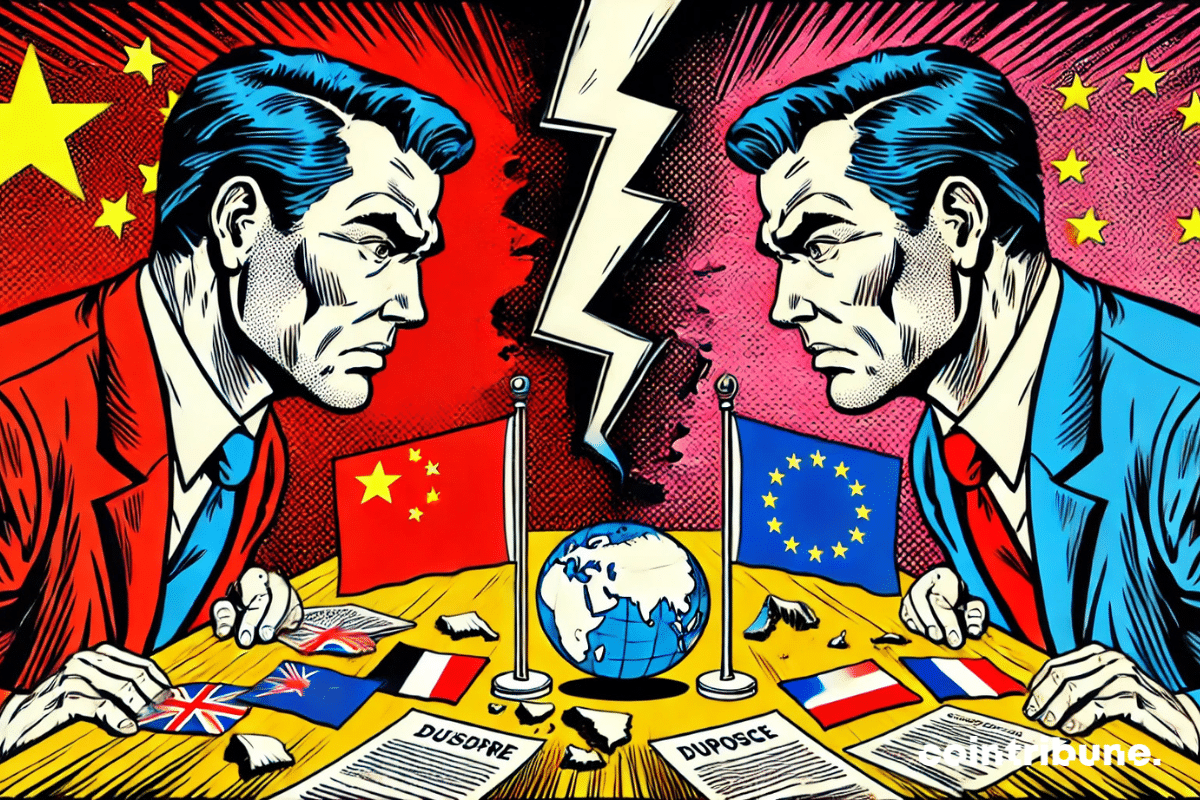
Global trade is going through a period marked by increasing tensions, where diplomacy and economy intertwine in strategic rivalries. Indeed, China's opening of an anti-dumping investigation into European cognac imports signals a new front in the trade conflict with the European Union. This move, perceived as a direct response to European accusations against Chinese subsidies for electric vehicles, reflects an escalation of economic retaliations between two major powers. Such a case goes beyond a mere trade dispute. It raises fundamental questions about the balance of international exchanges and the role of institutions like the World Trade Organization in arbitrating these disputes in an increasingly complex rivalry context.
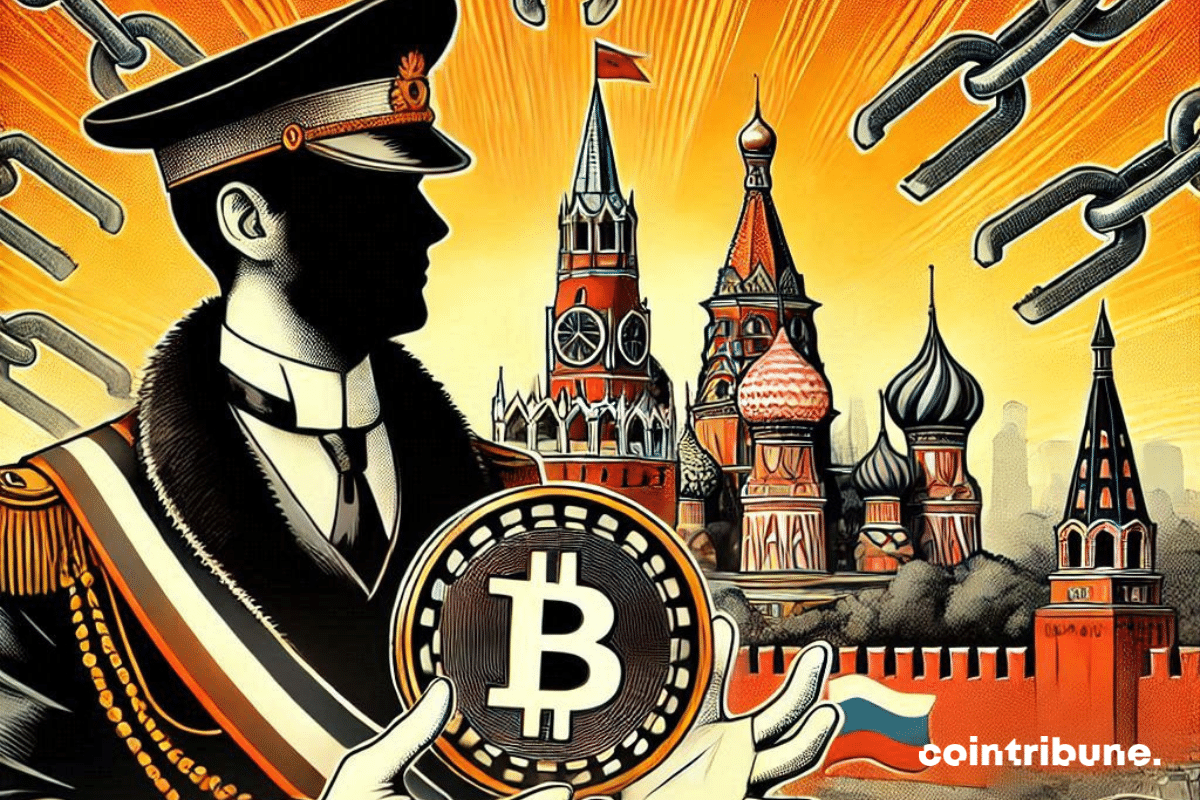
Under the shadow of sanctions, Moscow embraces Bitcoin, the digital gold. Siluanov dreams of free exchanges and a digital empire free from the dollar's grip.

The BRICS are ushering in a new economic era with a historic expansion planned for January 2025. This group, which unites some of the largest emerging economies, is set to welcome nine new partners, marking a decisive step in its quest for strengthening its position on the international stage. Such a move comes at a time when geopolitical rivalries are intensifying and traditional alliances are being questioned. Through the extension of their geographical and strategic reach, the BRICS aim to consolidate their influence, but also to provide a credible alternative to Western-dominated economic models. This shift reflects a reorganization of global economic powers, in response to growing demands for a more balanced and multipolar system.

Global economic uncertainties are forcing institutions to thoroughly rethink their investment strategies. In this context, decentralized finance (DeFi) is emerging as a credible and visionary alternative for reinventing traditional financial models. In recent years, major advancements have transformed DeFi into a sophisticated ecosystem, far beyond early technological experiments. Thus, the development of bitcoin staking, the tokenization of real assets, and the integration of autonomous artificial intelligences herald a new era for this rapidly expanding sector.

China is at a pivotal economic turning point. As the combined effects of weak consumption, an intensified real estate crisis, and high unemployment hinder its development, Beijing has just announced an ambitious budget policy for 2025. The stated objective is clear: to stimulate domestic demand and stabilize an economy under significant pressure. To achieve these ambitions, the government plans a significant increase in public spending, coupled with a revision of its fiscal priorities. These measures, detailed during a national conference, reflect a firm commitment to support local communities, expand social benefits, and strengthen resources for struggling businesses. Such a strategy, centered around innovation and strategic technologies, also aims to revitalize trade exchanges in order to adapt debt rules. With this comprehensive approach, Beijing intends to lay the groundwork for more resilient economic growth and to address the structural challenges that hinder its trajectory.

Tether is the crypto version of 2025: BTC for real life, private AI for discretion, and Rumble to dethrone YouTube. That’s all there is to it!
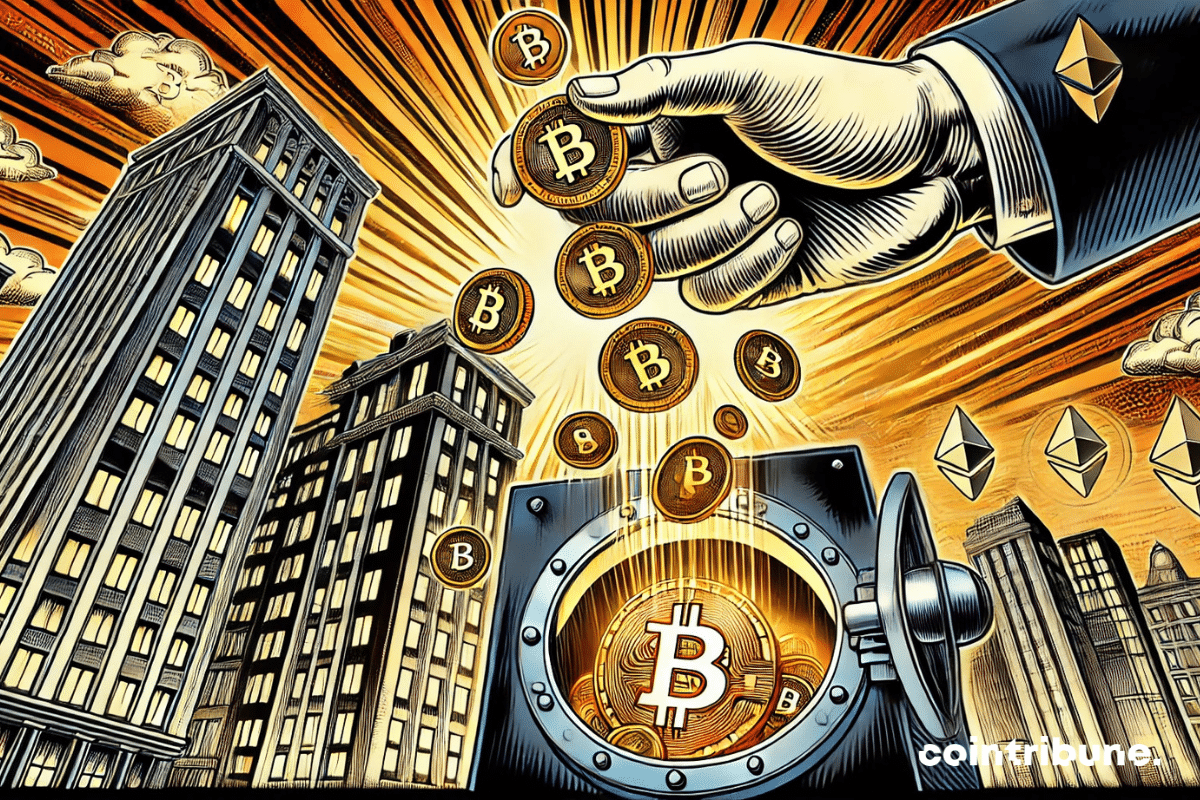
The crypto market, characterized by sustained volatility, continues to surprise with the failure of predictions. While massive sell-offs have dominated trading in recent days, a report published by CoinShares highlights a singular phenomenon: institutional investors have significantly increased their positions in crypto products. Indeed, with net inflows reaching $308 million in a week, these investments sharply contrast with the general downward trend. This institutional support, although counterintuitive in an environment of strong economic pressure, reflects a strategic confidence in the potential of cryptos. Concurrently, the data reveals marked divergences among products, reflecting a reconfiguration of investment priorities. This dynamic paves the way for an in-depth analysis of the motivations of institutions and their implications for the future of crypto markets.
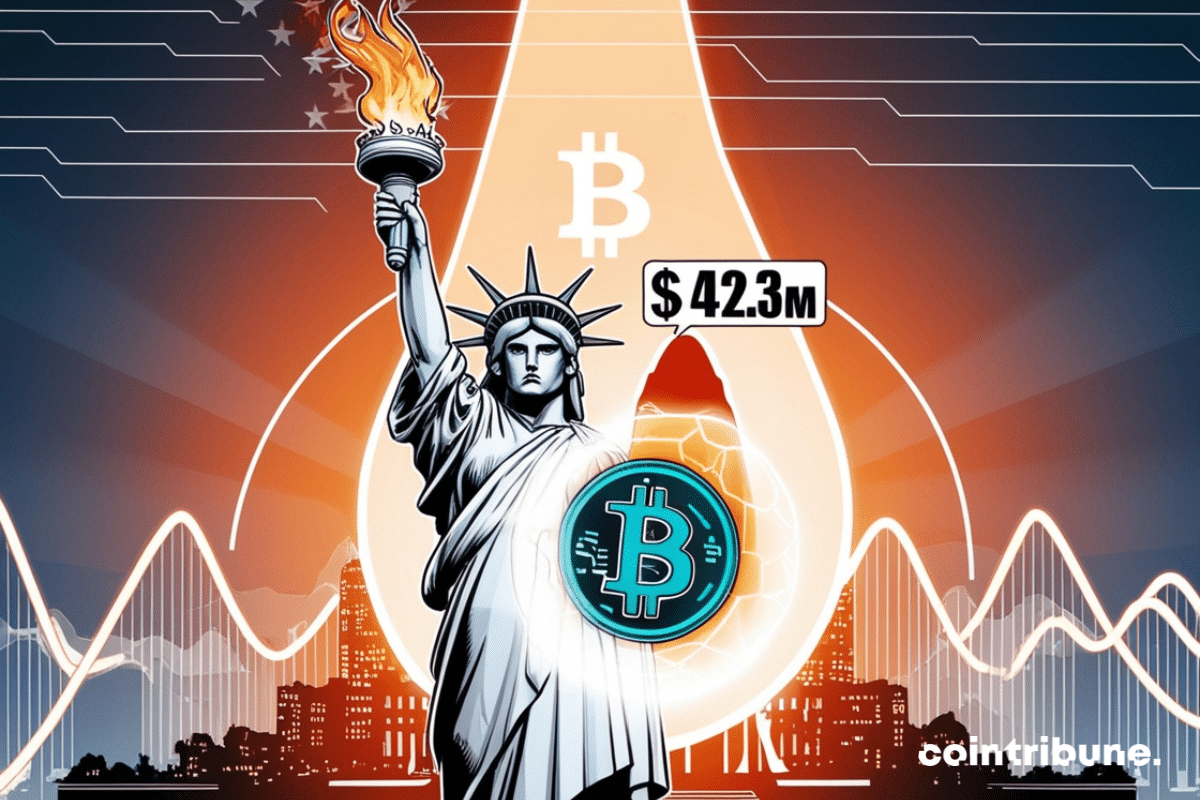
On Wall Street, the rumor is growing: 2049, Bitcoin soars, the debt collapses. A grand bet, a shaken America.
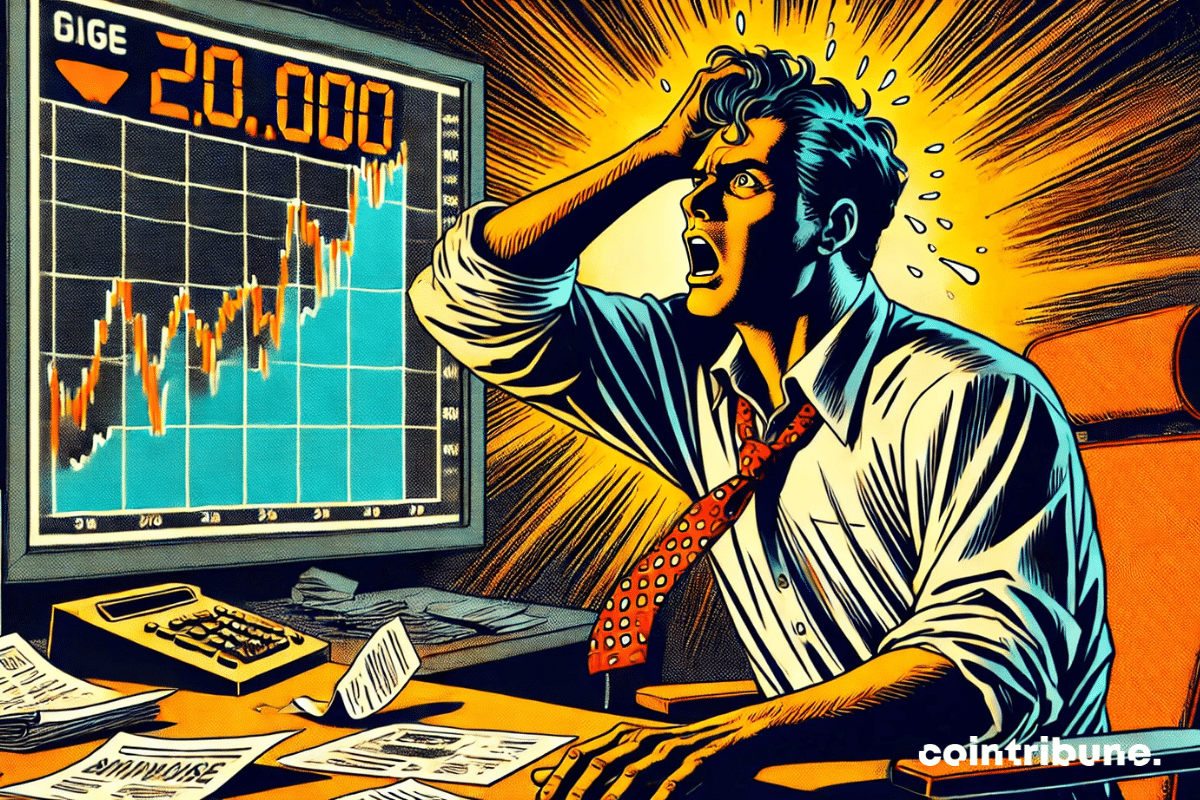
As the year comes to a close, the bitcoin market finds itself at a decisive stage. Investors were hoping for a period of stability to end 2024 on a positive note after a series of significant fluctuations. However, several major technical indicators are countering these expectations and pointing towards a possible significant correction. Among these signals, the formation of a bearish pattern on the weekly charts and the erosion of critical support levels are raising serious concerns. Concurrently, macroeconomic conditions, marked by a decline in global money supply and a tightening of policies by the U.S. Federal Reserve, are increasing pressure on risk assets. These combined elements are fueling the most pessimistic projections. Thus, some observers even suggest that the price of bitcoin could drop by $20,000. A thorough analysis of these dynamics reveals both the challenges and the opportunities of a market in search of new certainties.
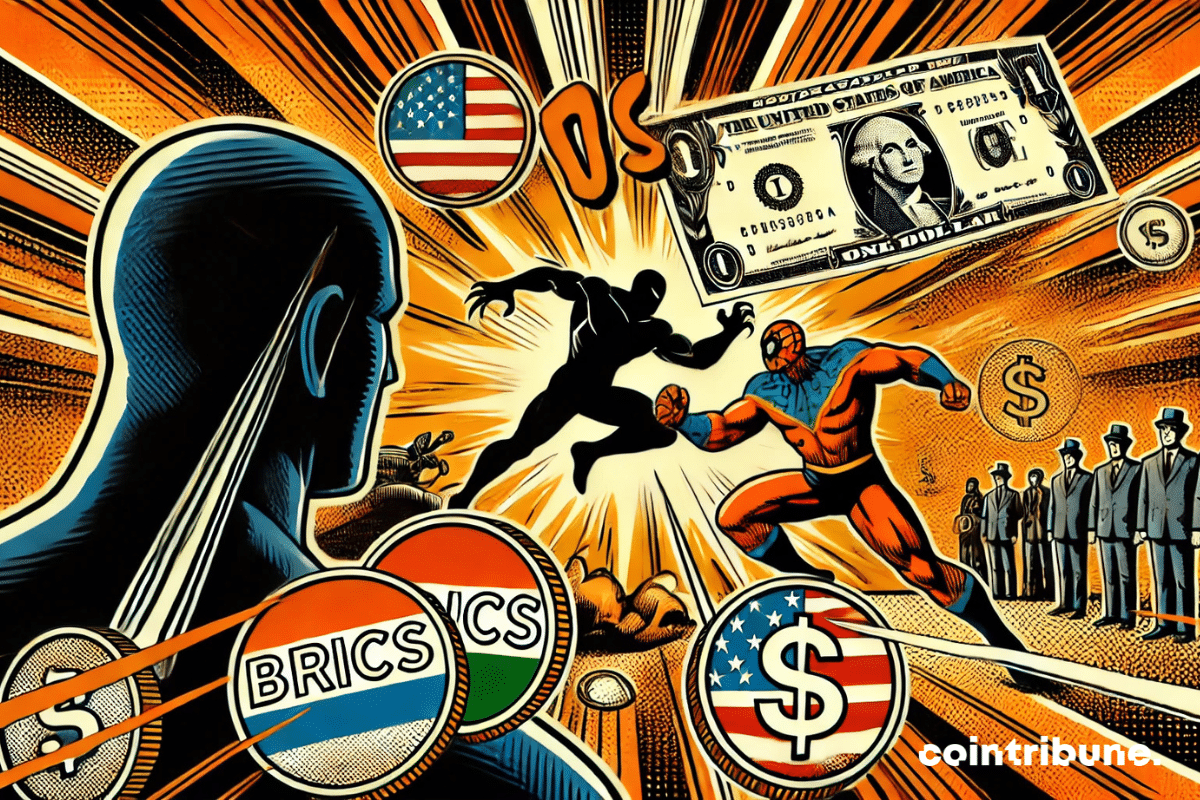
International economic dynamics always attract marked interest, particularly when coalitions like the BRICS are perceived as a threat to the hegemony of the American dollar. However, the recent statements from Russia, India, and South Africa have clarified their position. Indeed, these countries assert that no plan aims to weaken the American currency. They firmly reject the accusations of "de-dollarization" and emphasize their willingness to maintain stable relations with the United States.
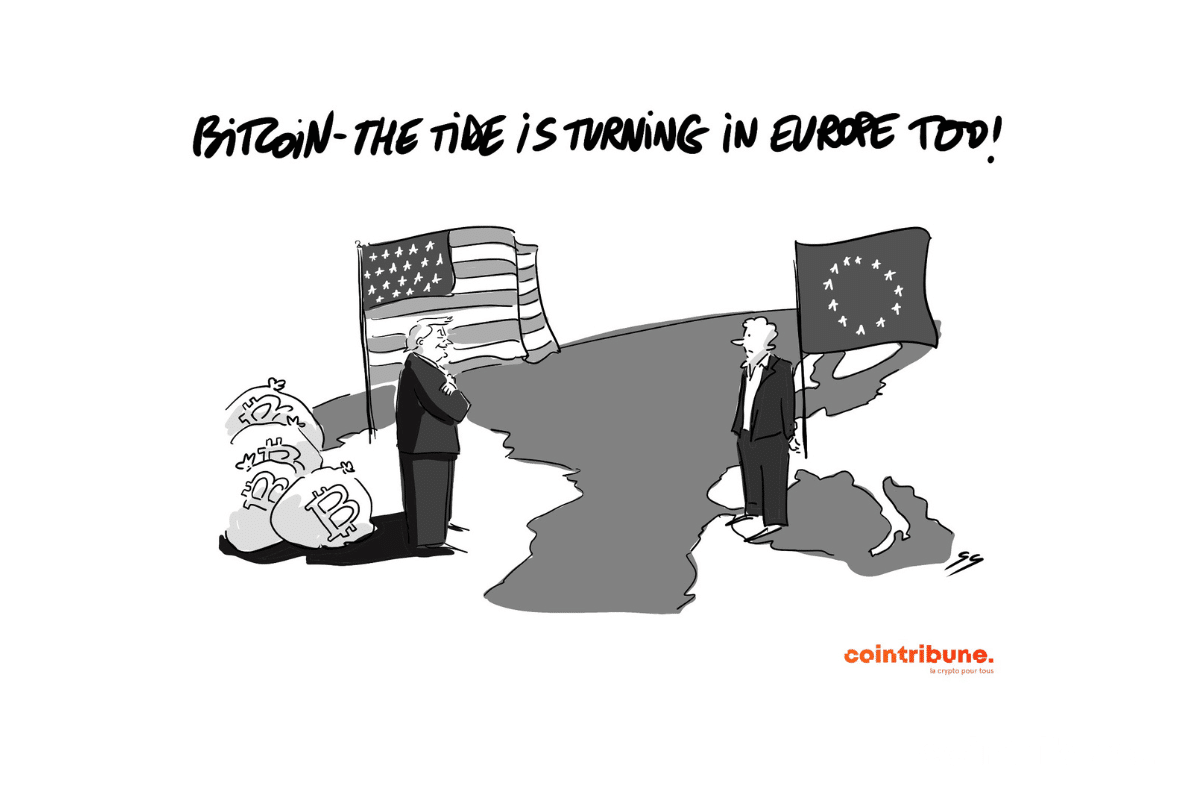
Amid revolutionary announcements, technological advancements, and regulatory turbulence, the crypto ecosystem continues to prove that it is both a territory of limitless innovations and a battleground for regulatory and economic disputes. Here is a summary of the most notable news from the past week surrounding Bitcoin, Ethereum, Binance, Solana, and Ripple.
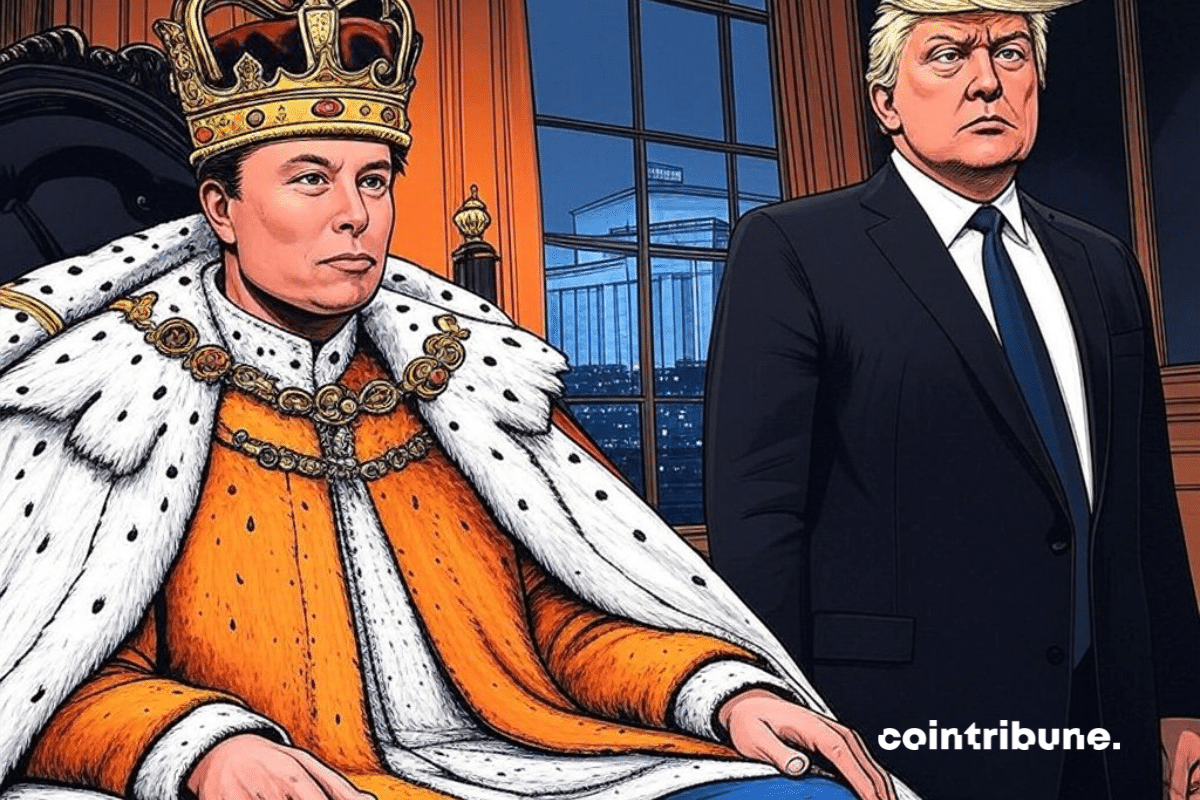
Elon Musk is shaking Washington. Between his influence on social media and his hundreds of millions of dollars in donations, Elon Musk is increasingly establishing himself as the true master of the White House.

"Great news awaits holders of a Livret d'Épargne Populaire (LEP). Starting December 31, 2024, more than 2.5 million French citizens will benefit from the annual payment of interest. Discover the details and the impact of this measure on their purchasing power."

In 2025, the Ethereum ETF, with its staggering figures and staked returns, could very well overshadow Bitcoin. A crypto duel where surprise mingles with the vertigo of speculators.

Tensions between the United States and the European Union are escalating once again. Donald Trump, known for his aggressive trade policy, has targeted the European trade surplus, which he describes as "huge." The elected American president threatens to impose heavy tariffs if European countries do not reduce this imbalance by significantly increasing their purchases of American oil and gas. This strategy aligns with the continuity of his protectionist rhetoric aimed at enhancing the competitiveness of the United States on the global stage.
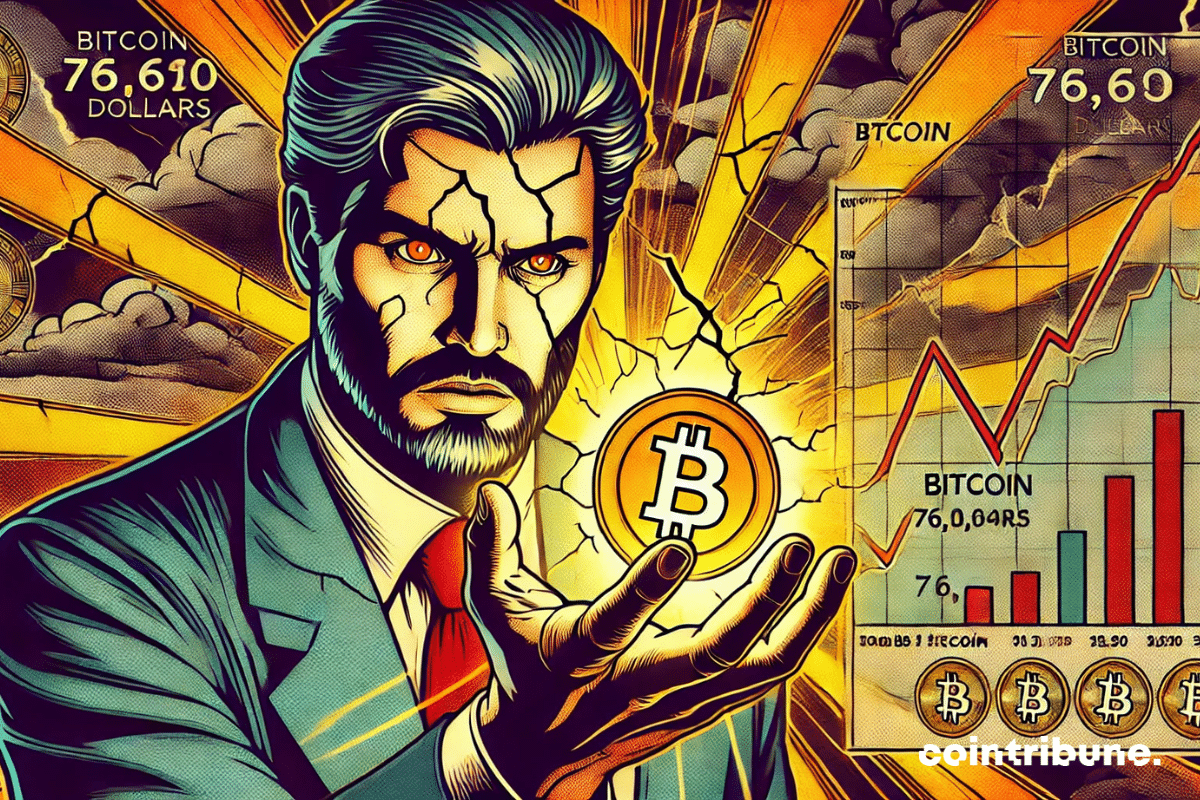
Bitcoin, often presented as a store of value and a driver of financial innovation, is going through a period of uncertainty. Peter Brandt, a renowned trader known for the accuracy of his technical analyses, has warned about the formation of a bearish pattern on the daily charts of the cryptocurrency. This observation raises new concerns among investors, who are closely monitoring the maintenance of critical support levels. In a context where markets are already shaken by increased volatility, Brandt's warning resonates as a strong signal and calls for vigilance. This warning, although hypothetical, fuels discussions about the evolution of Bitcoin and its role in a changing global economic landscape.

Saylor dreams of a redeeming Bitcoin, freeing America from an abyssal chasm. Schiff, skeptical, waves the banner of imminent chaos. Who will win this dance of trillions?

While most European bond markets show relative stability, the situation in France raises serious concerns. The yields on 10-year government bonds have reached 3.05%, an exceptionally high level for a major eurozone economy. This dynamic reflects a combination of economic tensions and political dysfunction, which reinforces doubts about the country's budgetary management. With public debt exceeding 112% of GDP and a deficit stagnating above 6%, France stands out as a worrying case within the European Union. These developments signal a loss of investor confidence but also highlight the urgency for structural reforms to prevent an even more marked deterioration of its position in financial markets.
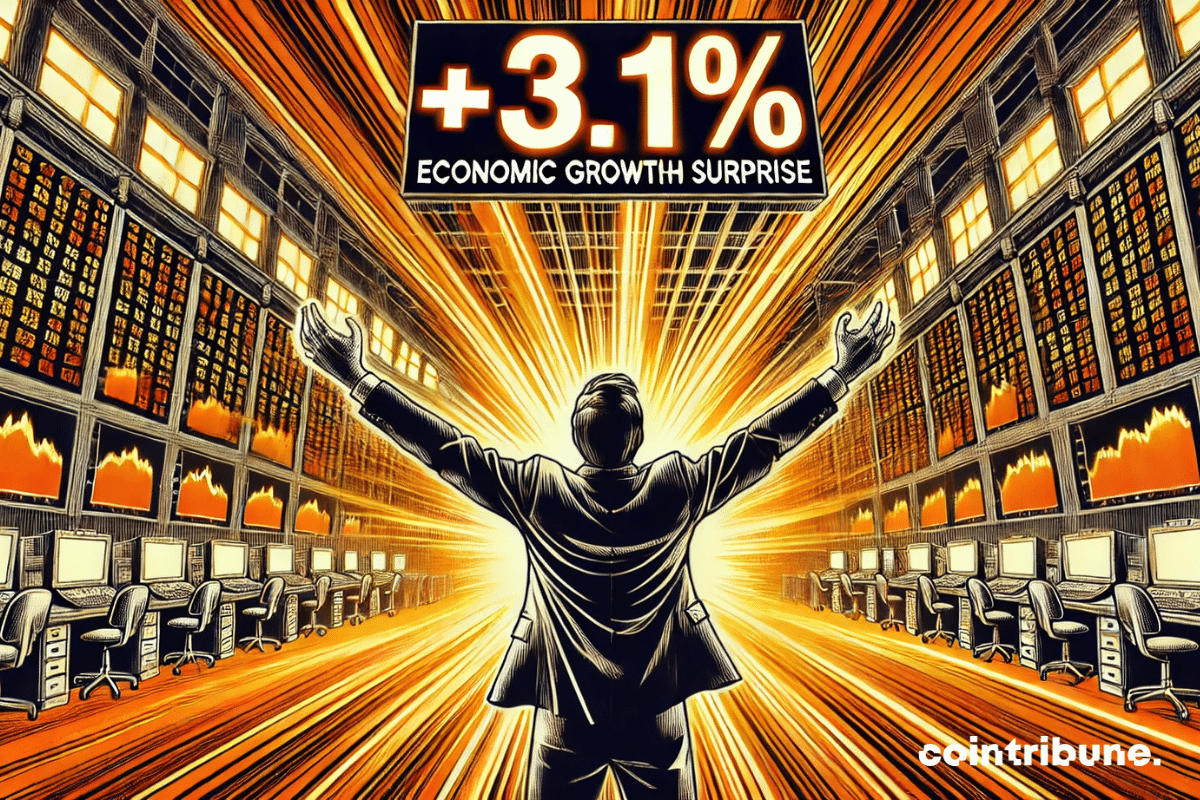
The United States surprises with economic performance well beyond expectations for the third quarter. According to data from the Department of Commerce, the gross domestic product (GDP) grew by 3.1%, compared to an initial estimate of 2.8%. This result exceeds observers' forecasts and reflects a dynamic economy, driven by strong consumer spending and an improvement in exports. While many regions of the world struggle to maintain their economic momentum, as evidenced by the limited growth forecast of 0.7% for the Eurozone in 2024, this progress indicates the resilience of the American economy in the face of global uncertainties. These figures also highlight the impact of recent monetary decisions by the Federal Reserve, which has fostered a conducive environment for growth through adjustments to interest rates.

Tallin, Estonia - December 19, 2024 - Ultra is proud to announce the appointment of Adrien Moser as its new Head of Mergers and Acquisitions (M&A), effective January 1, 2025. As a member of Ultra’s executive committee, Adrien will lead the company’s M&A strategy, driving initiatives that align with Ultra’s ambitious vision of becoming the leading consolidator in the gaming industry built on Web3 technology.
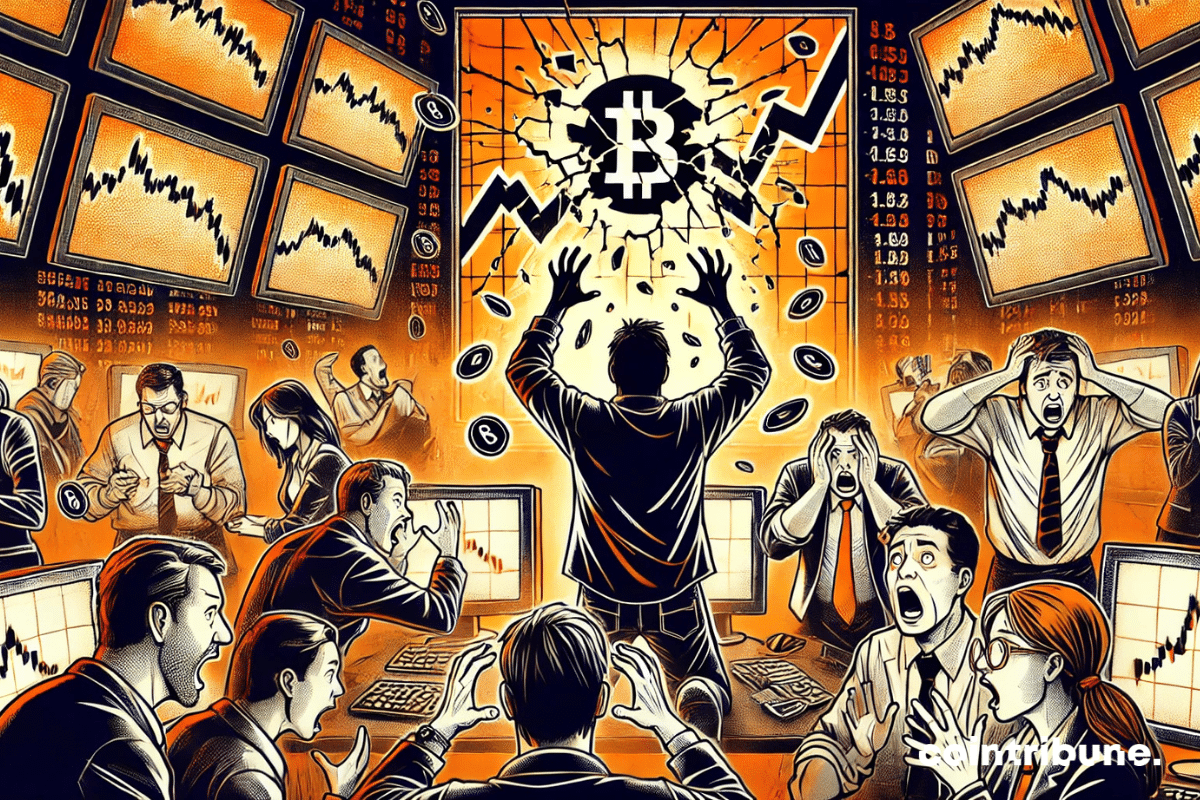
The crypto ecosystem could enter an unprecedented transformation phase. For years, markets have followed well-established cycles dictated by the internal mechanisms of bitcoin, including the halving, which times the periods of rise and fall. Today, a large-scale political initiative is emerging, likely to disrupt these historical foundations. American Senator Cynthia Lummis has proposed the Bitcoin Reserve Act, a bill aimed at recognizing bitcoin as a strategic reserve asset for the United States. This initiative, which plans for the gradual integration of one million bitcoins into the U.S. federal reserves, is set against a backdrop of increasing economic and geopolitical rivalries. As powers like Russia and Germany also consider adopting similar strategies, this proposal raises questions. Furthermore, the implications of such an approach go beyond American borders and redefine the role of Bitcoin on the international stage, granting it an unprecedented status in the history of cryptos.

The French real estate market is going through a turbulent period, despite signs of calm after two marked years of depression. Indeed, the figures recently published by the Notaries of France reveal a double observation: real estate prices have dropped, but this decrease has not been enough to revive sales. Thus, in 2024, the number of transactions has seen a spectacular drop, illustrating a deep blockage in the sector. This situation, both paradoxical and alarming, raises questions about the factors that are hindering the market's revival and the economic and political dynamics that amplify its complexity.
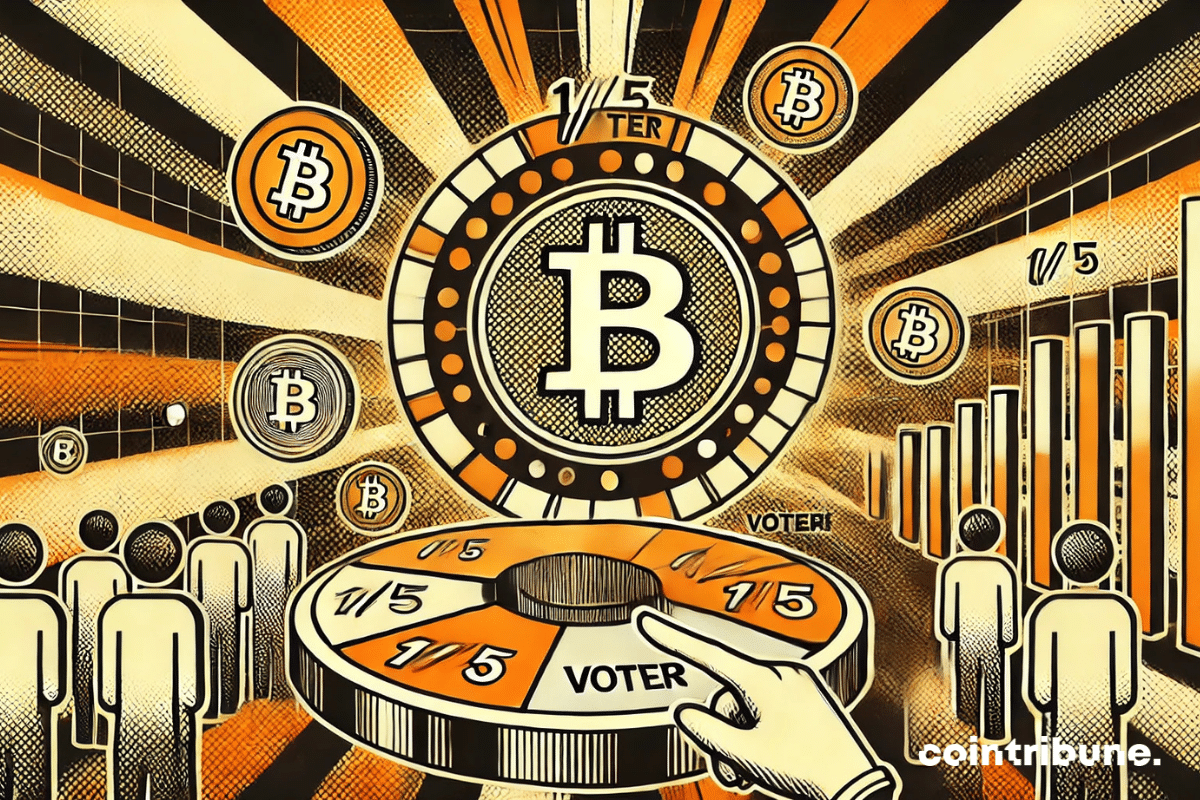
The use of cryptocurrencies has surpassed the stage of curiosity reserved for a tech-savvy elite. A recent survey from Emerson College reveals that nearly 19% of American voters have already invested in cryptocurrencies, traded, or conducted transactions with them. This figure, which illustrates a growing adoption of these technologies, represents a significant change in financial behaviors. More than an isolated phenomenon, it reflects a profound transformation in mindsets, where cryptocurrencies are gradually becoming integrated into the daily lives of millions of people.

After a period of bearish pressure, Toncoin has seen a resurgence of interest that struggles to maintain itself. Let’s examine the upcoming prospects for the price of TON. Situation of Toncoin (TON) Toncoin experienced a meteoric rise, reaching an all-time high of $8.28. However, this level triggered strong selling pressure,…
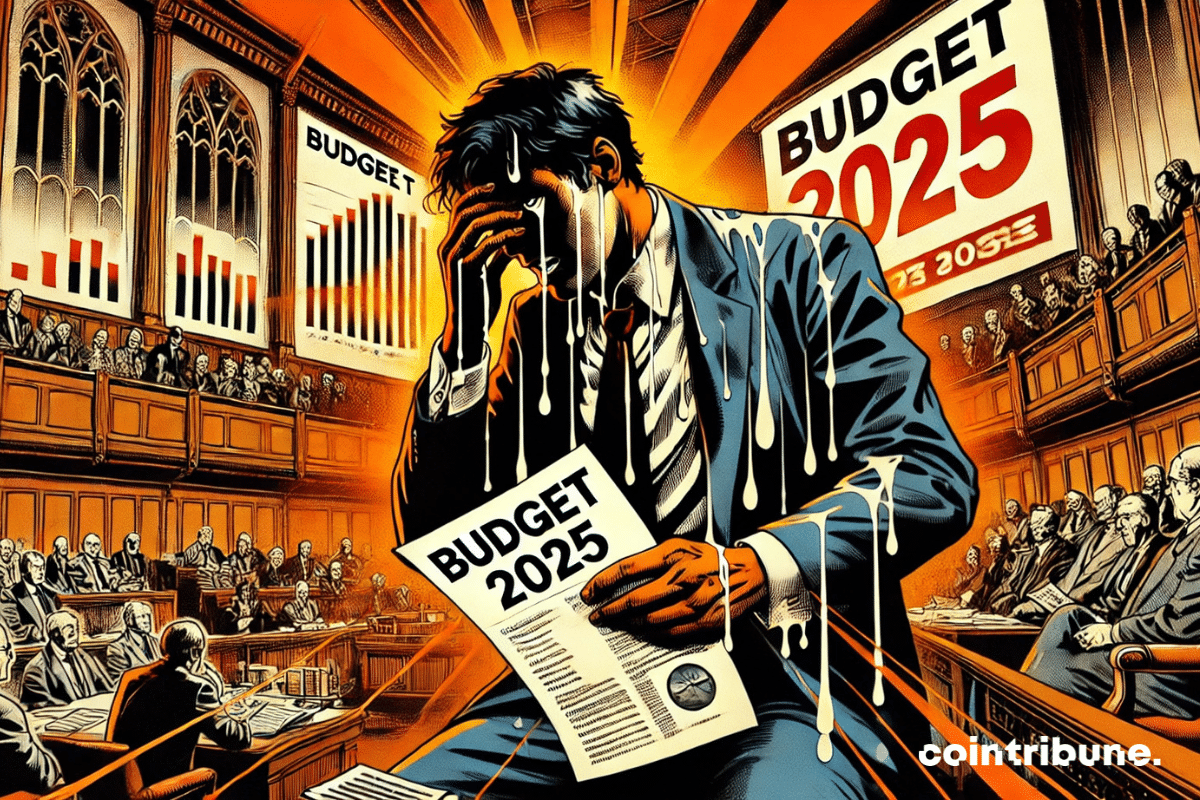
In a tense political context following the fall of the Barnier government, Parliament definitively adopted the "special" budget law on Wednesday, December 18, allowing for the continuity of essential state services starting in January 2025. This emergency measure, unanimously approved by the Senate, comes two weeks after the motion of censure that led to the government's resignation.