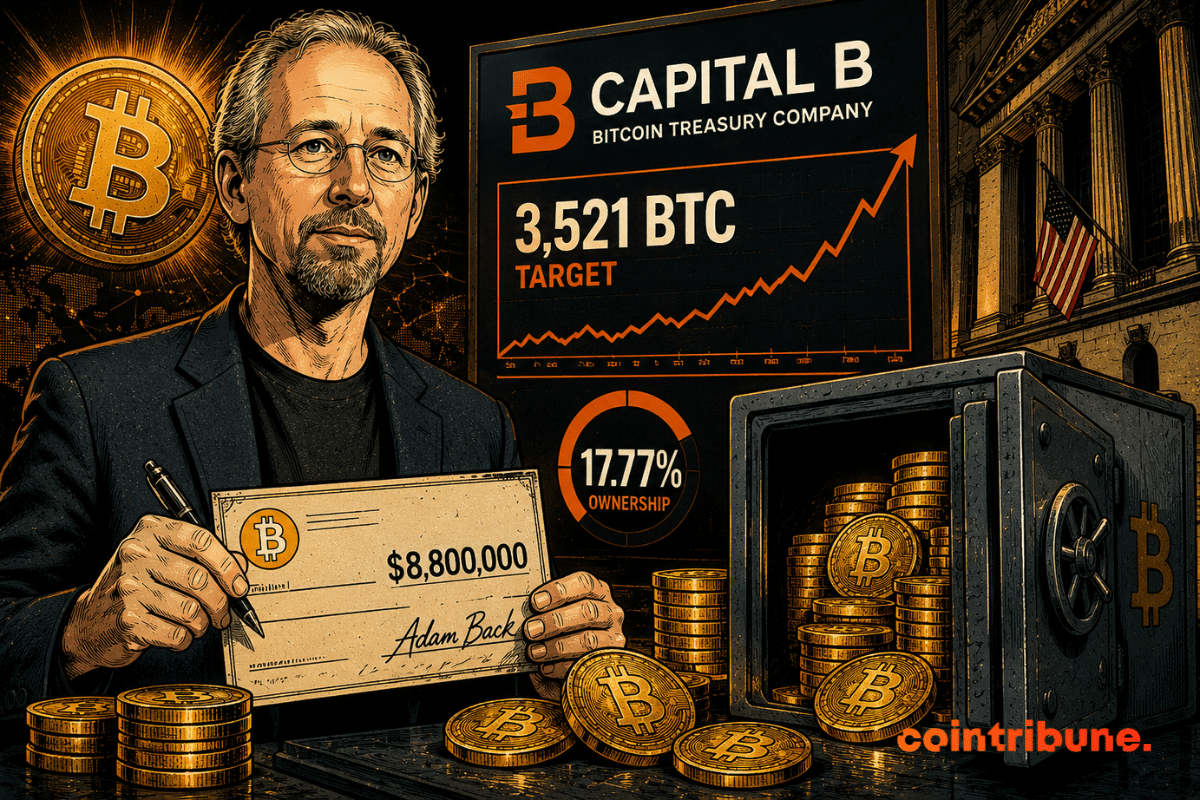
Adam Back, a living Bitcoin legend, puts another €7.6 million on the table for Capital B. The goal: 3,521 BTC. The catch? Shareholders could get burned by dilution. That's the name of the game.
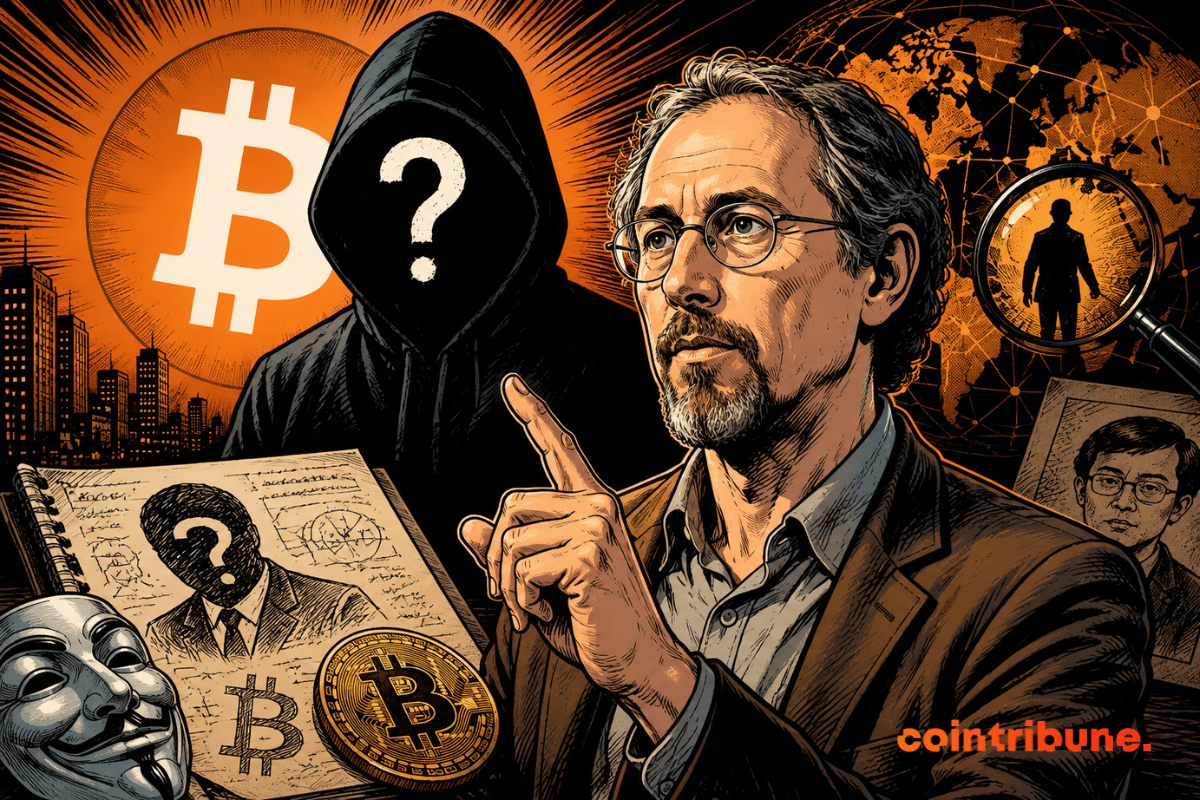
For more than fifteen years, a question has continued to fuel discussions in the cryptocurrency ecosystem: what really happened with Bitcoin and its creator, Satoshi Nakamoto? While debates around the BIP-110 proposal still divide the community, Adam Back revisited this enigma during an exchange on X. The Blockstream CEO believes that no conclusion can be drawn about the fate of Satoshi Nakamoto, recalling that the circulating hypotheses rely solely on speculation.
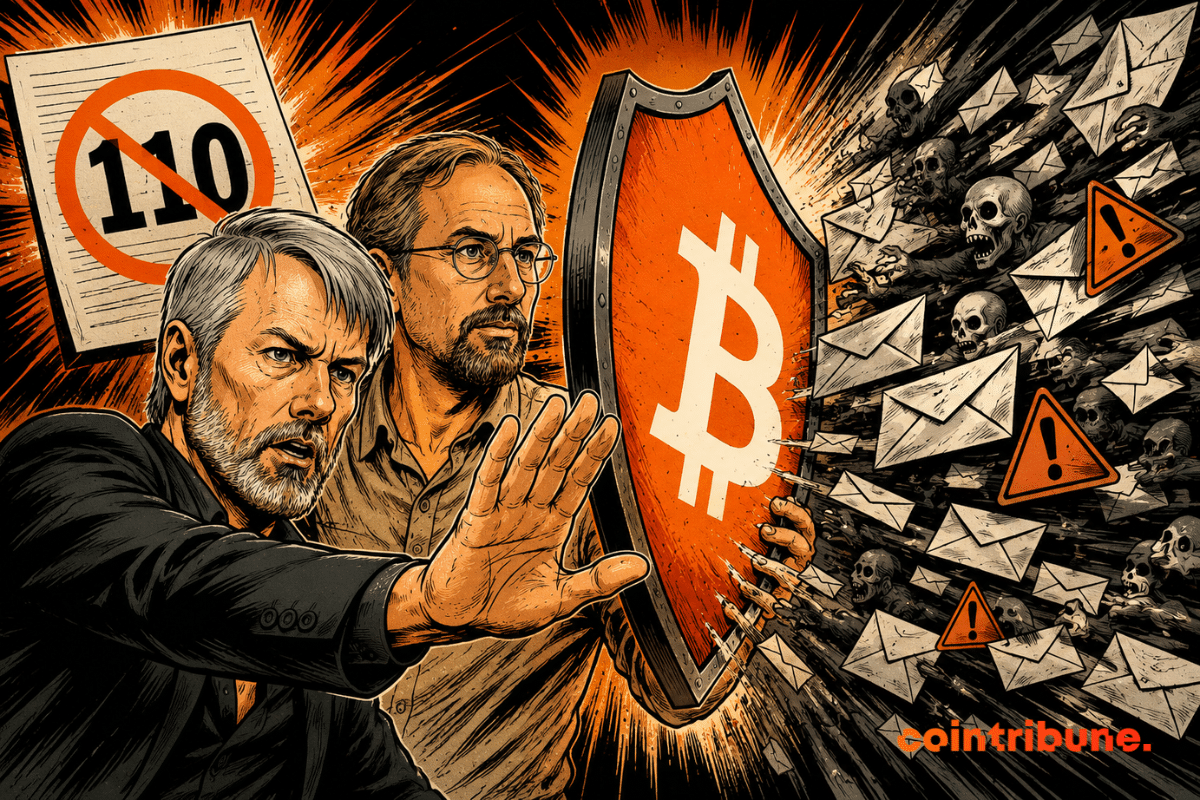
The debate around the evolution of the Bitcoin network is experiencing a new episode with the BIP-110 proposal, designed to limit non-monetary transactions and certain data considered undesirable. While its defenders believe it would protect the initial use of the protocol, several influential figures dispute this approach. Michael Saylor and Adam Back believe such a modification could create more risks than it solves. Their positions thus revive an important discussion on the balance between network protection, decentralization, and protocol stability.
Bitcoin takes the lead again in the crypto market, and Adam Back sees it as a clear signal. The CEO of Blockstream believes that altcoins and memecoins are gradually being brought back to their "real value": zero. A statement that revives the maximalist discourse at a time when BTC outperforms a large part of the market. For Adam Back, this divergence mainly reflects one reality: few cryptos would be able to sustainably retain their value in the face of speculative cycles.
The debate about the role of bitcoin is back in full force. After selling a large part of his BTC, billionaire Mark Cuban believes that the cryptocurrency protects neither against geopolitical crises nor against inflation. A conclusion that Adam Back, a historic figure in the sector and CEO of Blockstream, disputes with data to support it.
A statement from Beijing revives the debate about the origin of bitcoin. Educator Jiang Xueqin proposes a sensitive hypothesis: the first crypto could be linked to American intelligence agencies. This stance questions both the genesis of the protocol and the interests it might serve. In response to this theory, the crypto ecosystem presents technical arguments, reviving a subject as old as it is controversial.
The quantum threat hangs over Bitcoin. It is still distant, but real enough for experts to sound the alarm. Adam Back, one of the most respected figures in the crypto ecosystem, believes it is time to act, carefully, but without delay.
The mystery surrounding the creator of Bitcoin resurfaces. A new investigation by the New York Times points to Adam Back as the probable Satoshi Nakamoto. But between firm denials and weak evidence, the truth still seems out of reach. Are we finally witnessing the end of a myth... or yet another false lead?
A new controversy shakes the Bitcoin ecosystem. The BIP-110 proposal, aimed at limiting certain data recorded on the blockchain, provokes an open confrontation between developers and historical figures of the network. Designed to curb the rise of inscriptions linked to Ordinals and Runes, this protocol modification triggers strong criticism. Among them, Adam Back, a pioneer of the cypherpunk movement, denounces a true "regression" for Bitcoin. Behind this technical debate lies a central question: how far can bitcoin evolve without betraying its fundamental principles?
What if Epstein’s ghost also haunted bitcoin? Explosive emails link the man to the "founders" of crypto. Elite networks, hidden money, and guaranteed mystery.
Wall Street panics its block: Jefferies trades bitcoin for bullion. Reason? Quantum computers, these little geniuses capable of cracking digital vaults.
While the shadow of the quantum computer looms over digital security, could bitcoin really waver? Faced with the hypothesis of a network made vulnerable by machines capable of breaking SHA 256, opinions diverge. Some anticipate an imminent threat, others temper their expectations. Among them, Adam Back, a figure of the cypherpunk movement and CEO of Blockstream, invites nuance. His reading, both technical and strategic, repositions the debate on concrete grounds, far from catastrophic scenarios, while posing the real questions about the future resilience of the protocol.
Wall Street flirts with a cypherpunk: 30,000 bitcoins, a SPAC, an impatient heir, and a wink to Satoshi. The question remains who will press the button...
Michael Saylor and Adam Back have just unveiled a bold roadmap to propel BTC to 3 million dollars. Their model aims to transform traditional businesses into ultra-efficient bitcoin acquisition machines.
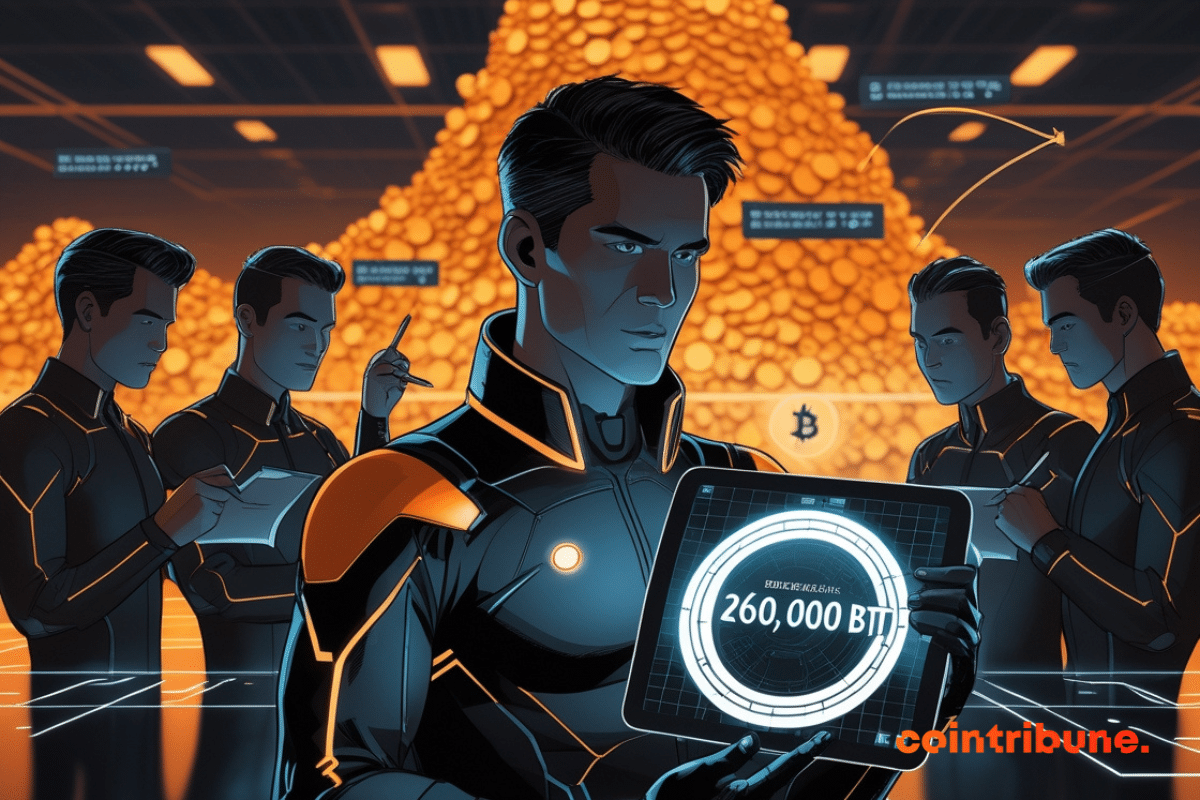
Europe, once hesitant about Bitcoin, wants its MicroStrategy: TBG plans for 260,000 BTC by 2033. A strong plan that tickles the ECB and shakes the markets.
Paris Blockchain Week, Europe's premier blockchain and Web3 event, wrapped up its sixth edition at the iconic Carrousel du Louvre, setting a new standard for industry gatherings. The event was a resounding success, drawing over 9,600 attendees from 95 countries, including an impressive 67% C-suite executives, demonstrating the strategic significance of blockchain across global business leadership.
The identity of Satoshi Nakamoto continues to fascinate the entire world. This mysterious creator of Bitcoin, who initiated a true revolution in the field of crypto, remains unknown. Despite years of speculation, no one has ever managed to unravel the mystery. Currently, the HBO documentary Money Electric: The Bitcoin Mystery has reignited the debates and claims that Peter Todd, a well-known Canadian developer in the community, is the man behind Satoshi Nakamoto. This statement has quickly ignited discussions and provoked strong reactions, notably from Adam Back, who strongly opposes this theory.
Which event will ultimately have the most impact on the value of Bitcoin? The ETF or the "Halving"?