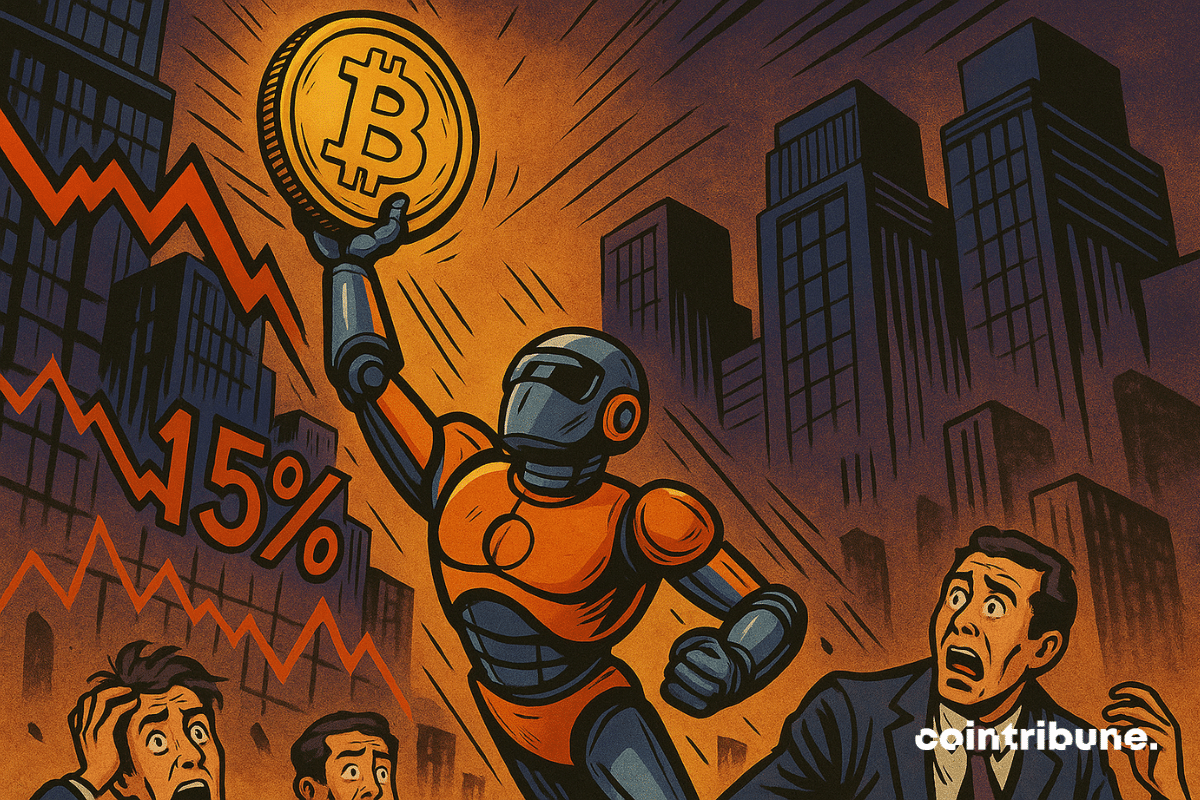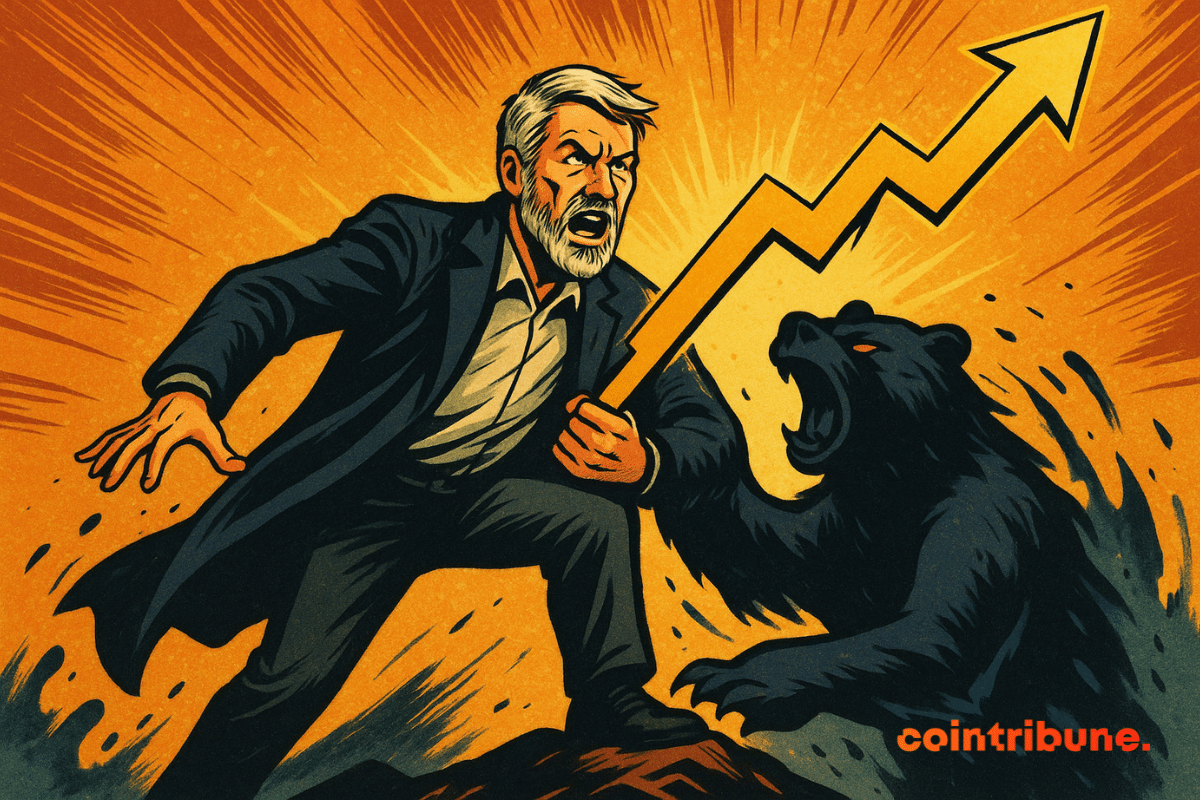
Bukele treats bitcoins like one treats croissants, defiantly challenging the IMF with flair and playing accounting hide-and-seek while promising mountains and wonders to skeptical Salvadorans.

A discreet yet massive shift is redefining the global monetary balances. Indeed, over 90 countries, led by the BRICS, are abandoning the dollar in their international exchanges. In its place, the yuan, the ruble, or the rupee are gradually taking over. This strategic realignment, far from being a mere technical adjustment, challenges the financial order built around the United States since the post-war period. A stated desire for economic sovereignty and a direct challenge to American hegemony over global flows are at the root of this movement.
Bybit introduces Byreal, a Solana-based decentralised exchange (DEX) that combines centralised liquidity with decentralised transparency.
As bitcoin’s price fluctuates wildly during bull markets, sharp pullbacks often turn into lucrative opportunities for seasoned traders. With Runbot, it’s now possible to automate a “buy the dip” strategy without any coding skills, leveraging temporary BTC corrections. Here's how to capture these rebounds in a structured and efficient way.
Bitcoin, long confined to its role as a store of value, is beginning to explore new territories. With the rise of blockchains like Sui, a new era is dawning: one where BTC is no longer just a simple asset to hold, but becomes a true centerpiece of decentralized finance. A transformation as subtle as it is revolutionary, driven by the rise of what is already being called BTCfi.
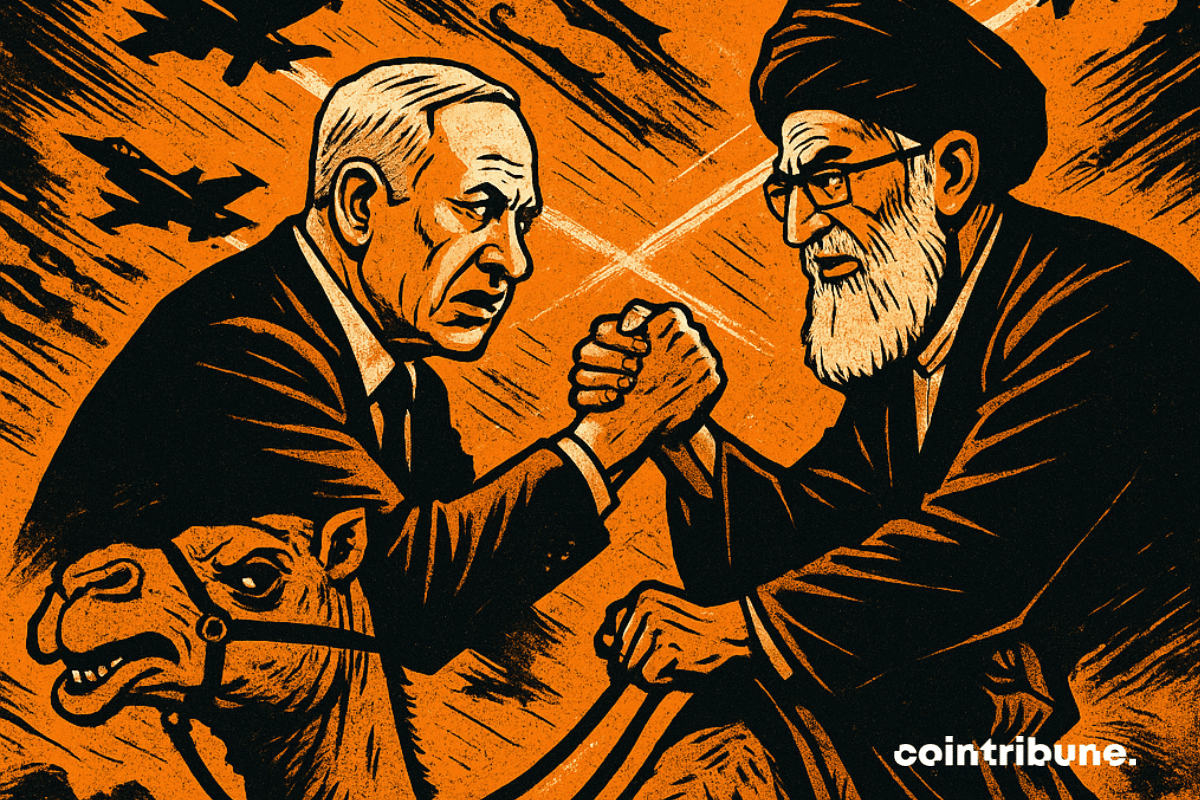
June 13, 2025 marks a turning point in the Iran-Israel conflict. Massive Israeli strikes targeted the heart of the Iranian military infrastructure. Iran retaliated later that evening with 300 ballistic missiles, crossing a new threshold in this long-standing war.
While some stash their gold under the mattress, Binance piles up billions in bitcoin... and no need for a Swiss safe for crypto to keep shining!
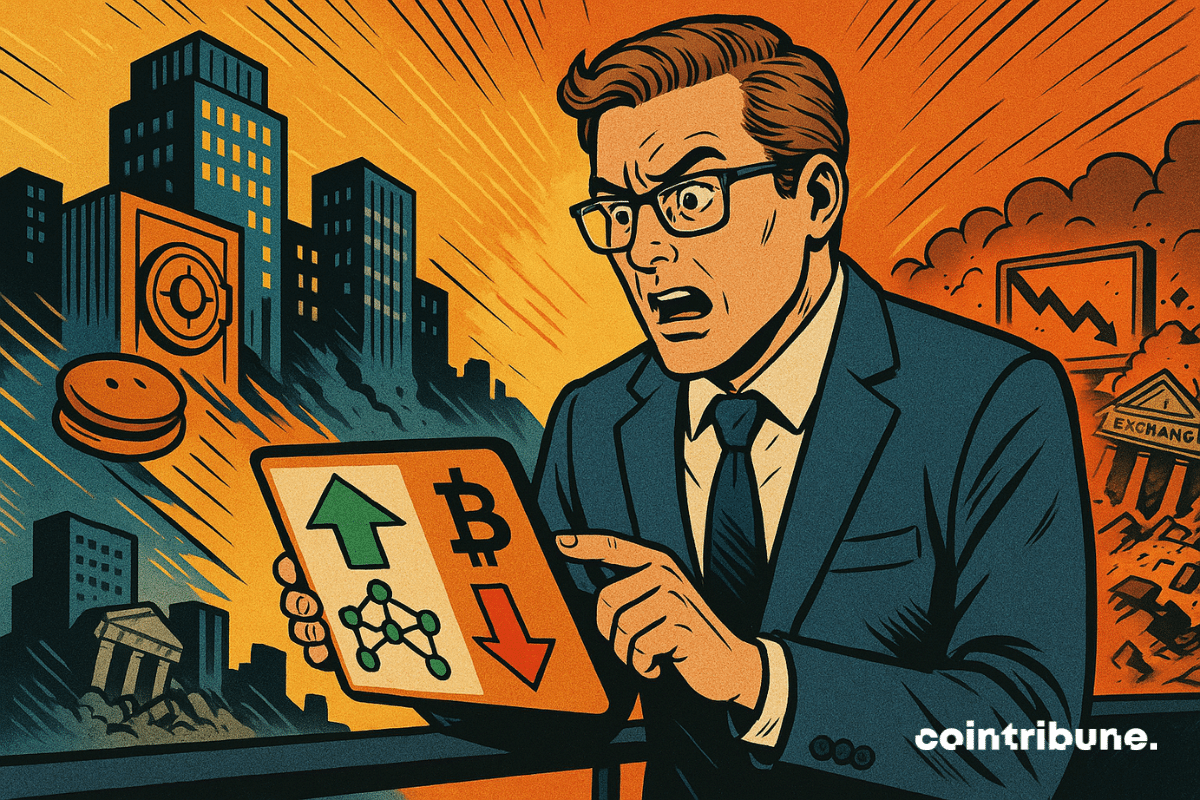
Schiff gets carried away, gold soars, bitcoin wavers. What if behind the raging tweets lies a discreet farewell to the digital utopia?
At a time when financial distrust spreads in a click, a TikTok video posted at the end of May has reignited fears of increased state control. It claims that starting from October 2025, any transfer of more than 800 euros between individuals would be blocked for 24 hours for tax verification. Within a few days, the rumor has caused unrest among thousands of French citizens. What does the regulation actually say? And why is this viral announcement completely unfounded?
And what if the greatest store of value of tomorrow was no longer backed by a state, but coded into a protocol? In a world plagued by inflation and soaring sovereign debt, Bitcoin is increasingly establishing itself as a credible alternative to U.S. Treasury bonds. Hunter Horsley, CEO of Bitwise, argues that this transition is no longer a marginal theory, but a fundamental trend driven by growing adoption and disenchantment with traditional safe havens.
As the crypto market desperately seeks direction, the U.S. Senate is set to lay the groundwork for a legal framework for stablecoins. The vote on June 17 could very well reshuffle the deck for both institutions and digital giants.
As Israel bombs, Iran fumes, and the markets stir, the old wolves of Bitcoin are shopping. Panic among traders, calm among strategists…
The real estate credit market, long stagnant, is beginning a clear recovery. In two months, the demand for loans has almost doubled, driven by a decrease in rates and a reopening of bank lending. After two years of blockage due to the sharp rise in the cost of money, this turnaround was expected. However, is this improvement sustainable or just a simple catch-up effect? While April marks a turning point, the sector is questioning: are we witnessing the beginning of a cycle or a fragile pause?
Polkadot wants to trade its tokens for bitcoin in the midst of a cryptocurrency storm. A bold maneuver that shakes purists... and makes lurking maximalists smile.
Concerns grow over Malta’s quick crypto licensing under MiCA, raising questions about fair enforcement across the EU.
While attention is focused on upcoming regulations and emerging ETFs, a lesser-known technical indicator is reshuffling the deck. XRP is seeing a fourfold increase in its realized market capitalization compared to that of Solana. This capital shift suggests a deeper and unexpected market dynamic, counter to the visible enthusiasm for Solana. Behind this metric, a change in investor perception seems to be emerging, giving XRP a central role once again in the altcoin arena.
When Novogratz reads into the bubbles, he sees a seven-figure bitcoin. Prophecy? Deception? Or just a calculated bet from a mogul well-positioned to pull the strings?
Missiles in the Middle East, markets in turmoil: while the economy catches a cold, some are making a fortune off barrels... and others prefer to flee into solid gold. Guess who is pulling the strings?
Venezuela and Argentina adopt cryptocurrencies. Discover how inflation has driven their adoption in Latin America.
Bank of America is holding off on stablecoins until U.S. lawmakers pass the GENIUS Act. Meanwhile, the bill gains momentum, signaling growing support for clear regulation.
Saylor assures us: the crypto winter is over. But when Bitcoin climbs to new heights, who picks up the shovels, and above all… who sells the picks?
In May, cryptos are surging, RWAs are skyrocketing, and Binance declares: "All is well." But behind the numbers, a creeping tokenization is quietly disrupting traditional finance…
The May US inflation shows a deceptive calm: +0.1% for the month, a figure below expectations that immediately boosted risky assets. However, behind this lull lies more enduring tensions, fueled by the renewed offensive of tariff hikes decided by the Trump administration. This seemingly reassuring figure conceals a more unstable reality, where weak signals of a coming inflation resurgence trigger doubts about the robustness of the current economic cycle.
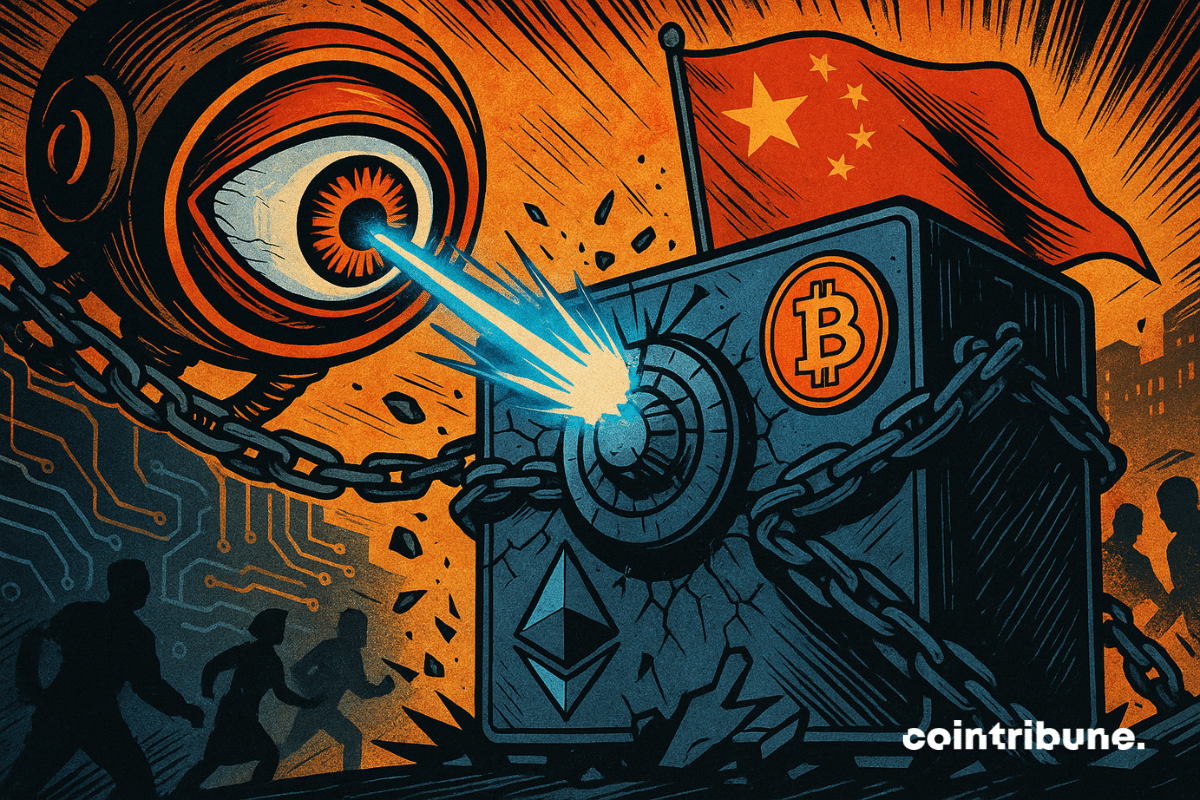
In May 2025, China achieved a major milestone in cybersecurity by making the first encrypted voice call using quantum technology over more than 1,000 km between Beijing and Hefei. This feat relies on a national quantum key distribution (QKD) network covering 16 metropolitan areas, already protecting 500 government agencies and 380 state-owned enterprises. Meanwhile, China unveiled the Tianyan-504, a superconducting quantum computer with 504 qubits, accessible via the cloud and having logged over 12 million connections from 50 countries. These advancements mark a transition from the experimental stage to operational reality, signaling an acceleration towards "Q-Day", the moment when quantum computers will be able to break classical encryptions.
Mass withdrawals, spontaneous combustion, and the dream of billions: Shiba Inu is playing the big bluff of the memecoin that would like to become a serious crypto… without losing its marketing flair.
Bitcoin is back at around 110,000 dollars, galvanized by the rush of corporate treasurers and the teasing of White House advisor Bo Hines.
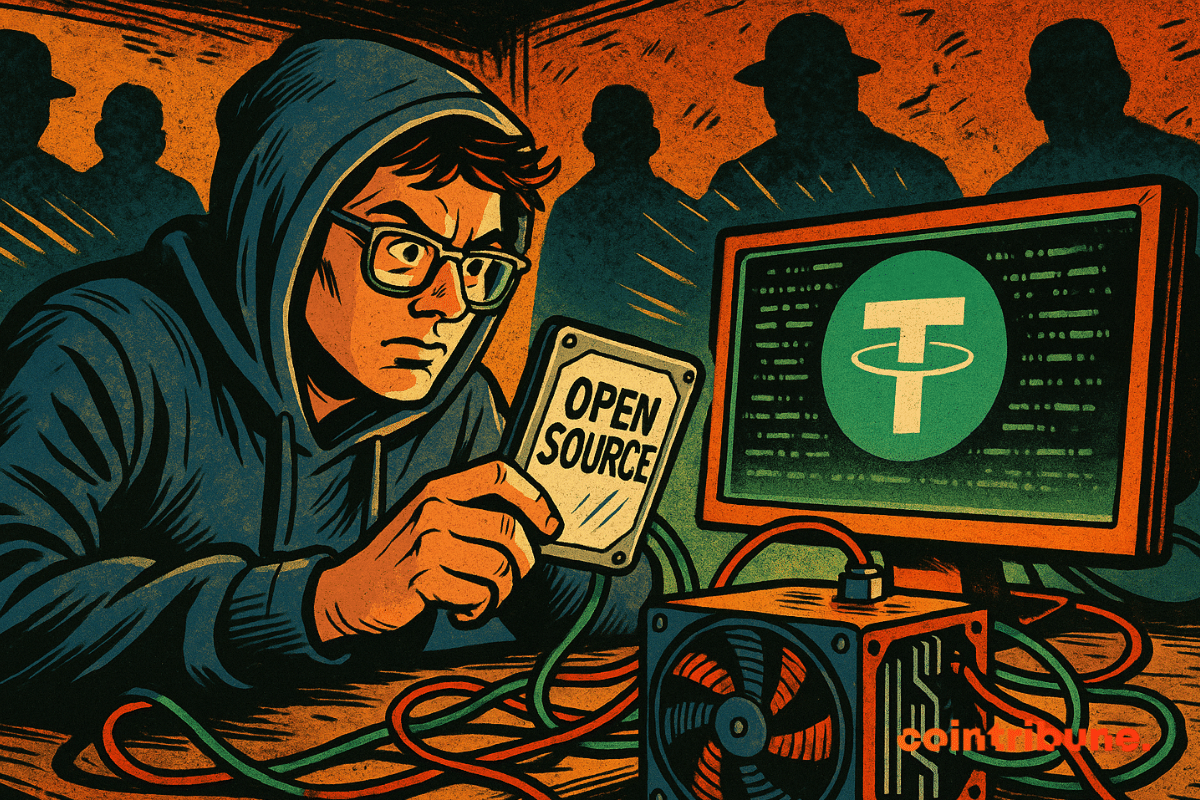
Tether is set to open-source its Bitcoin Mining OS (MOS) by the fourth quarter of 2025. The move aims to make Bitcoin mining more accessible by allowing smaller operators to manage their own mining systems without relying on external software or services.
For two years, Russia has been showing an economic growth of over 4%, a figure that could pale in comparison to many European economies. Yet, behind these seemingly solid indicators, the reality on the ground is quite different: high inflation, degraded consumption, persistent shortages. The country, largely transformed into a "war economy", seems to be reaching the limits of a model based on military spending and energy rents.
Since the beginning of the year, the dollar has collapsed against the euro and other major currencies. A trend that seems far from over. Markets are adjusting to an uncertain geopolitical context, fueled by the economic decisions of the Trump administration. How far will the decline of the greenback go?
BlackRock paves the way for the regulation of staking and tokenization with the SEC. This moment is as historic as the arrival of the first Bitcoin ETFs. The meeting on May 9 opens the door to a clear regulatory framework, essential for the adoption of real-world assets on blockchain (RWA). The stakes go beyond mere technological innovation. It is a major validation that confirms that RWAs are set to transform modern finance. This dynamic opens up prospects for massive institutional adoption, under the guidance of solid and compliant infrastructures.