Revolut is setting up in Paris, spending a billion, hiring 200 people... But behind the neobank, will crypto go all in to dominate the European economy? A mystery to follow.
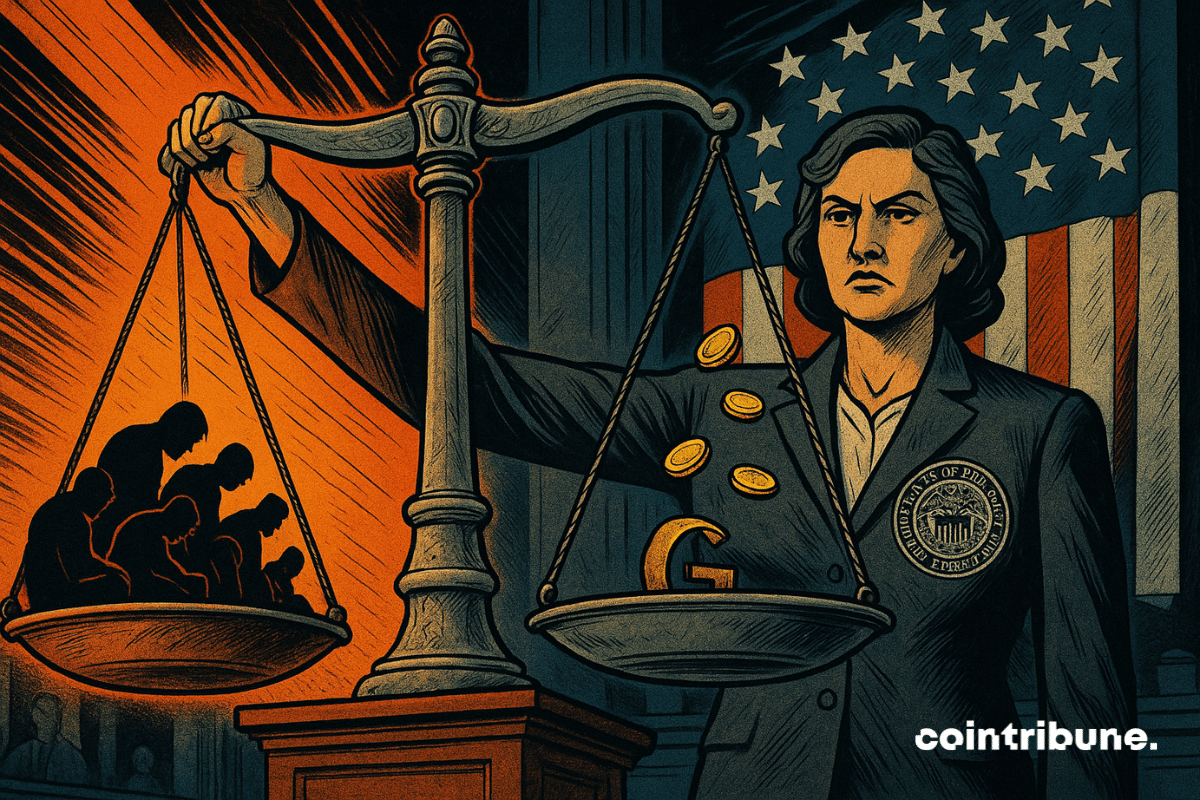
Washington cuts in post-crash regulation: a small snip to the SLR to inflate the economy... or the next bubble? Thrilled banks, shivering taxpayers. Who pays the price?
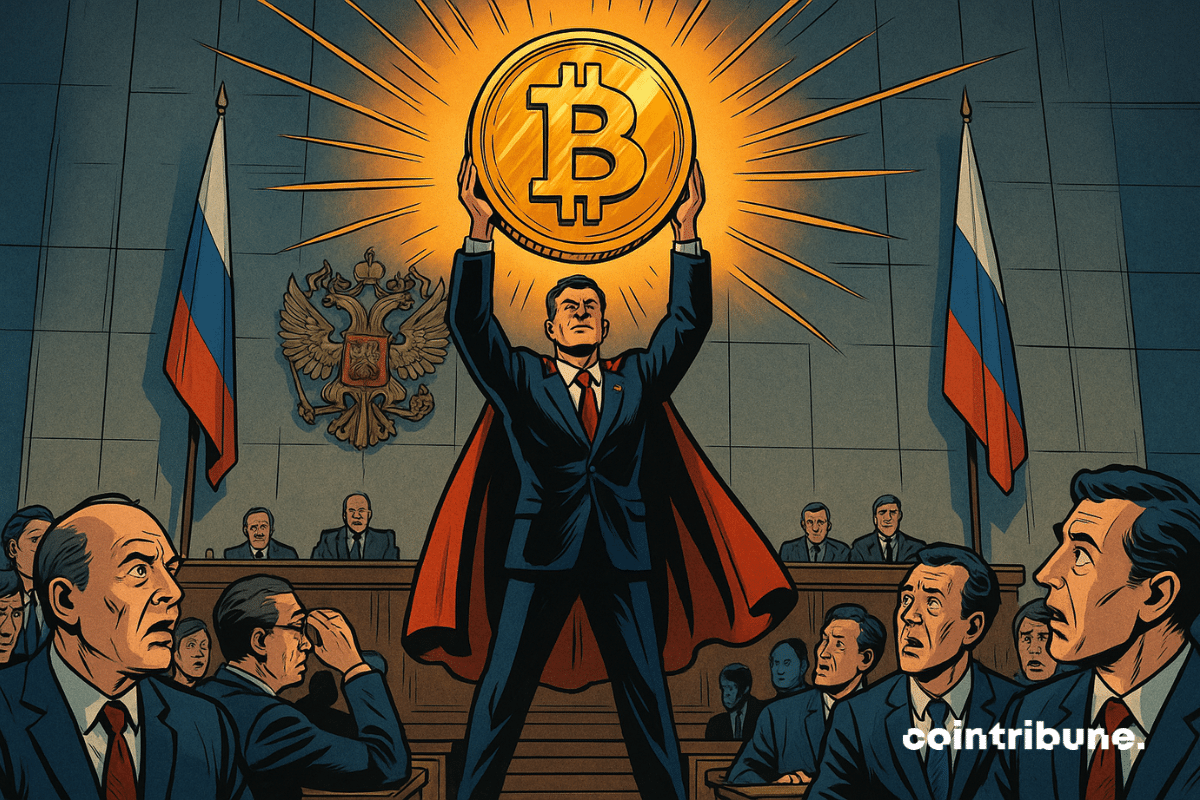
Amid a reconfiguration of global economic balances, the Central Bank of Russia surprises everyone. In its latest report, it ranks bitcoin at the top of financial assets for 2025. This unexpected acknowledgment comes from an institution that has so far been cautious regarding cryptocurrencies. This turnaround highlights both the remarkable performance of the asset and its growing integration into investment strategies, even within a financial environment as controlled as that of Russia.
The BIS and the Fed unveil an innovative toolkit for tokenization. Discover all the details in this article!
The rush of banks towards stablecoins is shaking old financial networks. But behind this crypto waltz, a well-kept secret threatens to upend everything.
JPMorgan is building a crypto bridge between TradFi and DeFi. A tokenized transaction that shakes up banks, while some tech giants look elsewhere, cautious and indifferent.
Under the guise of progress, Paris is rolling out the red carpet for crypto lombard credit... but the banks couldn't care less, and Bercy is already pulling out the calculator to tax the bold.
BNP Paribas makes a notable entry into the crypto world by partnering with Pi Network. This strategic partnership could revolutionize the European financial landscape by combining the power of blockchain with the efficiency of SEPA transfers. A promising alliance that could propel the PI token to new heights.
And what if banks, the secular pillars of global finance, were living their last years? This is not the warning of a crypto maximalist, but that of Eric Trump. From the podium of Liberty University, the businessman warned: without rapid adoption of cryptos and blockchain, banks could disappear within a decade. Thus, in a context where decentralized finance is gaining ground, this position reveals the flaws of a rigid system faced with a rapidly accelerating technology.
Bunq, the well-known European neobank for digital nomads, is expanding its offering: it's time for cryptocurrencies! The app now allows users to manage savings and crypto in one basket, thanks to Kraken.
While cryptocurrencies are shaking up the global monetary order and pushing states and central banks to rethink their strategies, Switzerland chooses the path of caution. The Swiss National Bank (SNB), the guardian of the country's economic stability, has just firmly rejected the idea of integrating bitcoin into its reserves. This clear positioning comes at a time when a citizens' initiative is trying to force the adoption of crypto at the highest institutional level.
The Fed turns a page in crypto regulation. By revoking two major directives imposed on banks since 2022 and 2023, the American institution reshuffles the cards of crypto supervision. Its new stance, embodied by letter SR 25-4, abandons the requirement for prior reporting in favor of an autonomous risk management approach. This is a discreet but strategic repositioning in a context where regulatory pressure is intensifying and the fault lines between financial innovation and institutional control are becoming increasingly visible.
The tide is turning for traditional banks. According to a recent report, Deutsche Bank and Standard Chartered are currently exploring expansion opportunities in the crypto sector in the United States. This information, although not confirmed by those involved, is set against a backdrop of rapid transformation of the American regulatory environment, increasingly favorable to digital assets.
As the bank failures of 2023 continue to shake the markets, economist Peter Schiff is fueling fears of a total collapse of the American financial system. Known for his attachment to gold, he warns that a recession of historic proportions is underway and that all banks are destined to fall. Thus, this radical diagnosis, issued in an already tense context, reignites the debate over the strength of financial institutions and the viability of economic policies pursued since the 2008 crisis.
JPMorgan crushes forecasts but tempers euphoria. Through the publication of historical results for the first quarter of 2025, the leading American bank asserts its power amid ongoing volatility. However, Jamie Dimon is not celebrating victory. He warns of an accumulation of systemic risks, from inflation to geopolitical tensions. This dual signal, between accounting triumph and strategic warning, summarizes the paradoxes of a banking sector facing an uncertain world.
Finance is undergoing a silent yet brutal metamorphosis. Bitcoin, born from the shadows of the 2008 crisis, today embodies a revolution that shakes the foundations of banks. Between promises of emancipation and technical challenges, its rise raises the question: can it really dethrone the giants of traditional finance? Far from clichés, let us dive into an unflinching analysis.
Nubank adds 4 new assets to its portfolio. A strategic expansion that could be a game changer in the Brazilian crypto market!
Between ideology and regulation, the debanking war rages: a battle where crypto and "risky" industries fight for their survival.
Farewell obligations, farewell caution! Ricardo Salinas is casting aside traditional finance and wrapping himself in digital gold. 70% of his empire now rests on bitcoin.
Does bitcoin have a place in national reserves? For the Swiss National Bank, the answer is clear: no. Between excessive volatility and lack of liquidity, the SNB rejects the idea of integrating cryptocurrency into its balance sheet, despite pressure from bitcoin advocates.
A European Central Bank (ECB) advisor, Jürgen Schaaf, recently reaffirmed the institution's critical stance on bitcoin, stating that there is "no real economic necessity" for this cryptocurrency. According to Schaaf, unlike strategic reserves of commodities such as oil or gas, BTC does not present any real economic utility or relevant usage.
Financial institutions around the world are scrutinizing blockchain technology, oscillating between skepticism and opportunism. Indeed, the European Central Bank (ECB), after years of analysis, is taking a significant step forward with the announcement of a blockchain-based interbank settlement project. This initiative, which aims to enable banks to settle their transactions in central bank money on a blockchain infrastructure, could mark a decisive turning point in the modernization of payments in Europe.
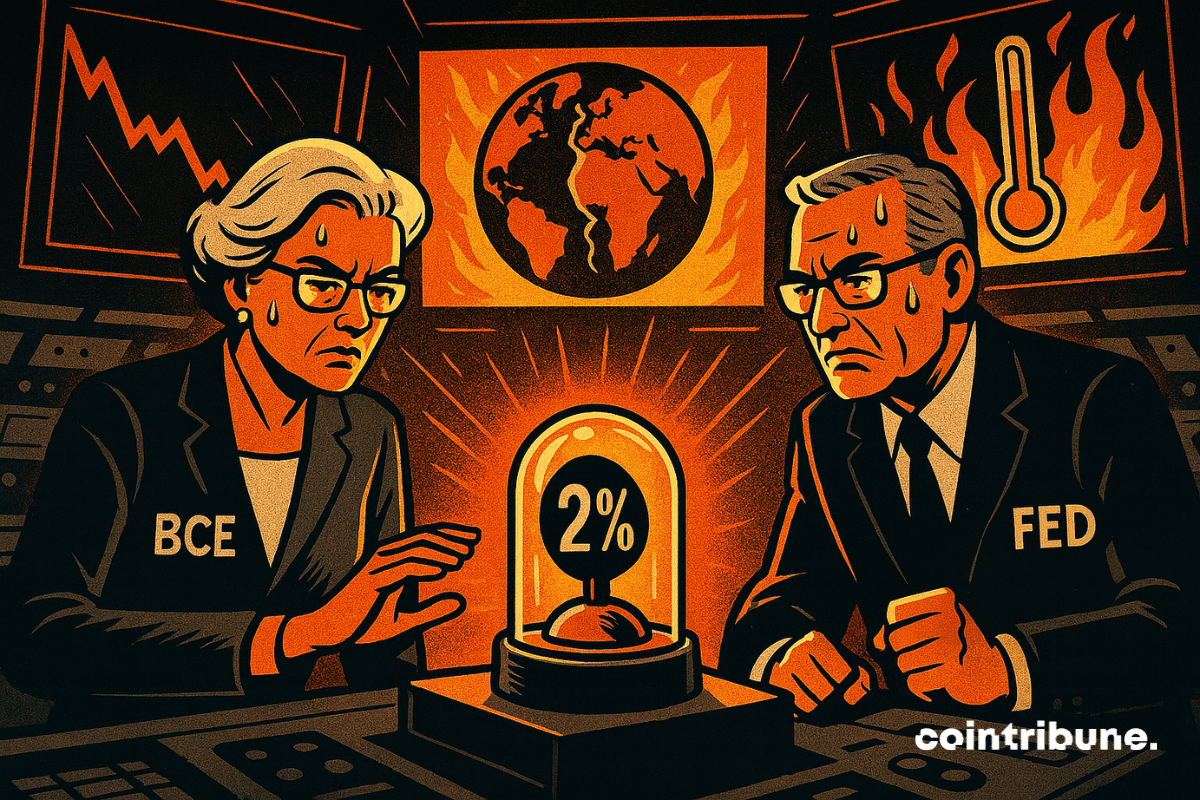
While the Fed hesitates between caution and action, inflation runs rampant, and crypto wavers, poised for a week of financial roller coasters.
The tug-of-war between the crypto industry and American banking regulators is reaching a decisive turn. For several years, companies in the sector have denounced restrictions that limit their access to traditional banking services. This phenomenon of "debanking," perceived as an unjustified impediment, hampers their development and fuels a climate of uncertainty. In response to this situation, Coinbase is stepping up. In a letter addressed to the Federal Reserve (Fed), the Federal Deposit Insurance Corporation (FDIC), and the Office of the Comptroller of the Currency (OCC), the platform demands the removal of obstacles that prevent banks from collaborating with crypto players. Coinbase is asking for the cancellation of an OCC directive, as the platform believes it imposes an excessive approval process for new banking activities related to cryptos. The company considers this approach contrary to the law and calls on regulators to officially recognize the right of banks to offer custody and execution services for cryptos. This offensive comes as the debate gains political momentum. Under pressure from Republican lawmakers, Congress is holding two key hearings this week, in the Senate and the House of Representatives, to examine these controversial practices. The outcome of these discussions could redefine the regulatory framework of the crypto industry in the United States.
Gold, the euro, stocks... and Bitcoin in the Czech vault? Finance wavers between daring and caution, and Prague dances on a tightrope between volatility and ambition.
The governor of the Czech National Bank, Aleš Michl, recently proposed an ambitious plan to invest up to 7 billion dollars in Bitcoin (BTC) as part of the bank's reserve diversification strategy. This proposal, which will be presented to the bank's board of directors on January 30, 2025, could make the Czech National Bank the first European central bank to invest in Bitcoin.
Bitcoin, this $100,000 digital mirage, attracts Morgan Stanley into a dance where profits skyrocket and sanctions loom.
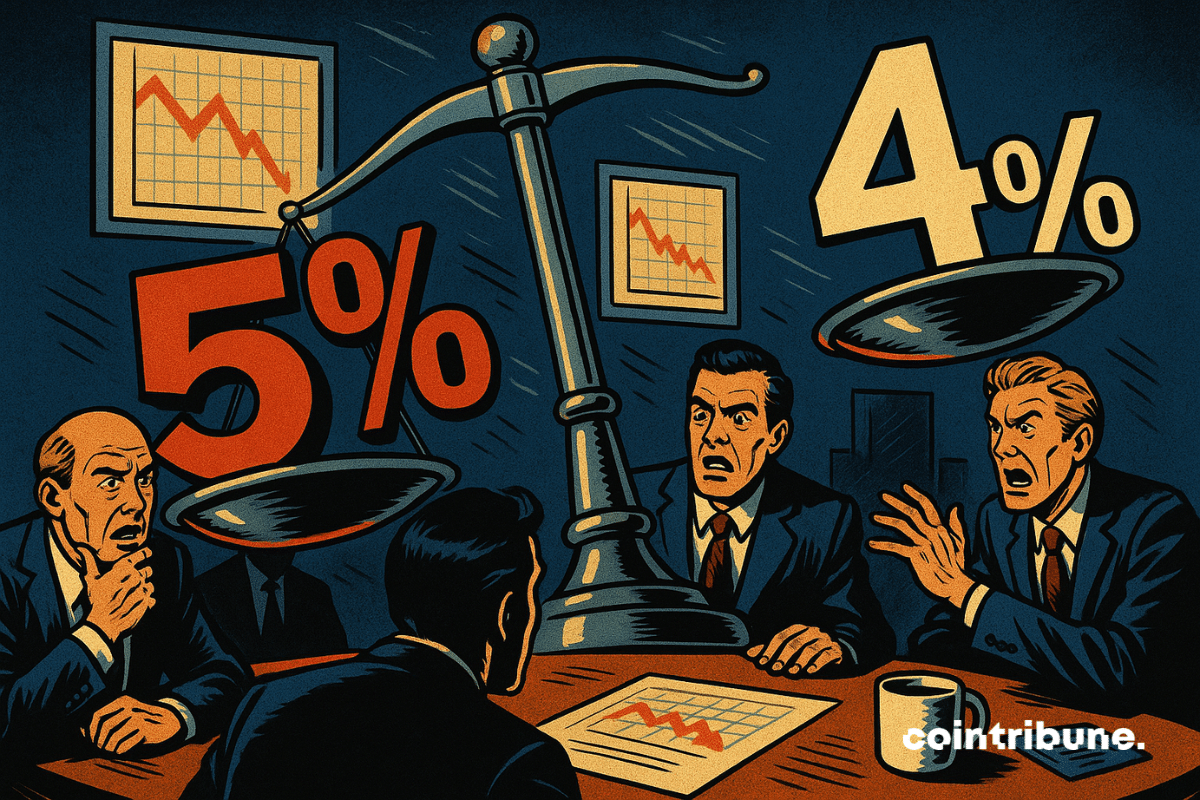
Long regarded as a speculative asset, Bitcoin is gradually establishing itself as a strategic element in the management of national reserves. In the face of evolving financial markets and geopolitical tensions, several governments and central banks are considering its integration into their foreign exchange reserves. In the United States, a bill proposes the gradual acquisition of 1 million BTC over five years. In the Czech Republic, the governor of the central bank is exploring the possibility of diversification into crypto. Similarly, in Russia, policymakers are advocating for a strategic reserve in Bitcoin, while in Brazil, a project foresees an allocation of 5% of sovereign reserves to this asset. This movement represents a notable shift in the institutional perception of Bitcoin, which now transcends the framework of private diversification to become an economic and geopolitical issue. While El Salvador has already taken the leap, other countries are proceeding cautiously, hindered by the volatility of cryptocurrencies and regulatory uncertainties. Between experimentation and resistance, a new financial dynamic is emerging, suggesting a potential shift in balance within the global monetary system.
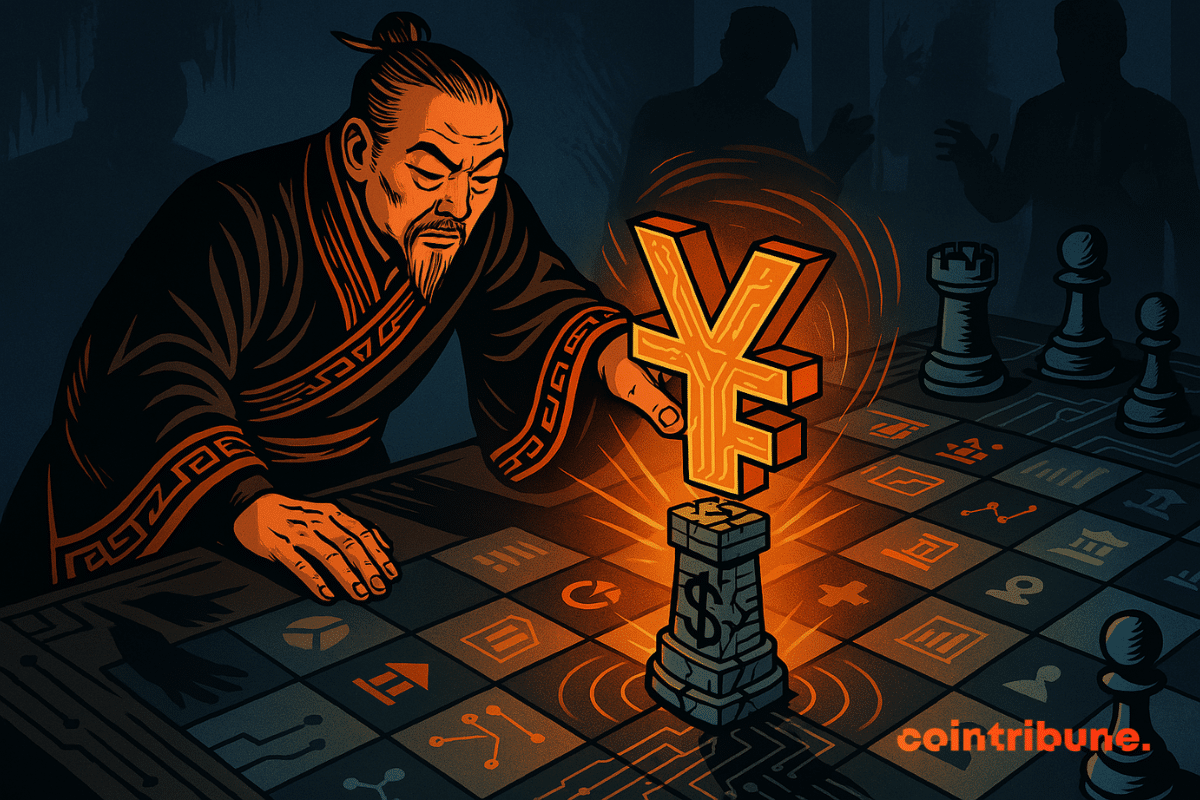
Crypto and strained borders: Beijing strengthens its nets. Tracked identities, scrutinized funds, banks become guardians of a game now locked down.
The world of crypto is adding a new historical chapter. Société Générale, through its subsidiary SG-Forge, and the Banque de France have completed a revolutionary transaction based on the Ethereum blockchain. This repurchase of securities (or repo), the first tokenized operation of its kind involving a central bank in the Eurozone, redefines the prospects for integration between traditional finance and digital innovations.