Bitcoin is about to sign its best third quarter since 2017, with a gain of more than 42% since early July. However, the return of the price below 83,000 dollars weakens this performance before the release of decisive US data.
Published on June 16, the monthly report from the Chinese National Bureau of Statistics (NBS) is not limited to a series of macroeconomic data, but it reveals a major structural fracture, already forcing global fund managers to revise their risk asset allocations. In an ultra-connected financial context, Beijing's inability to revive its domestic demand, even as its technology factories operate at full capacity, outlines the contours of an unprecedented arbitrage for bitcoin, historically linked to global liquidity flows.
Financial markets beat to the rhythm of an indicator whose slightest variation can upset investors' forecasts. While many observers were betting on a continued decline in US inflation in 2026, the latest data published in the United States leads to think the opposite. The return of a significant price increase calls into question several economic scenarios that still seemed credible a few weeks ago.
Chinese economy: prices are sinking, the people are saving, Beijing is patching things up, dishes are changing. The dragon is coughing, but still plays the mystery card to avoid being roasted.
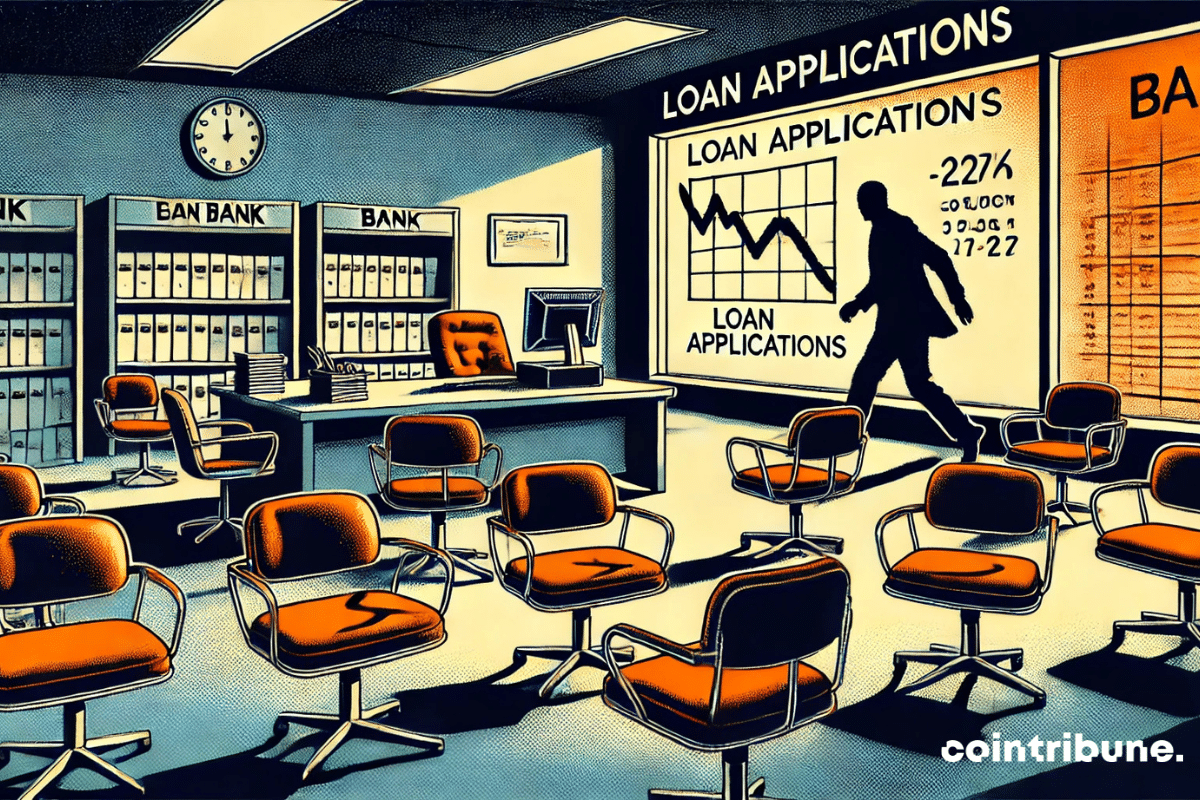
The French are borrowing less and less, an unprecedented trend that raises numerous questions about the country's economic dynamics. For the past six years, the contraction of the credit market reflects both the caution of households and the structural difficulties in real estate and consumption. The rate of credit holdings has fallen to its lowest level in over thirty years, a situation that even exceeds the shockwave caused by the subprime crisis in 2008. However, the first signs of a rebound in 2025 are emerging, fueled by a gradual improvement in households' financial situations.
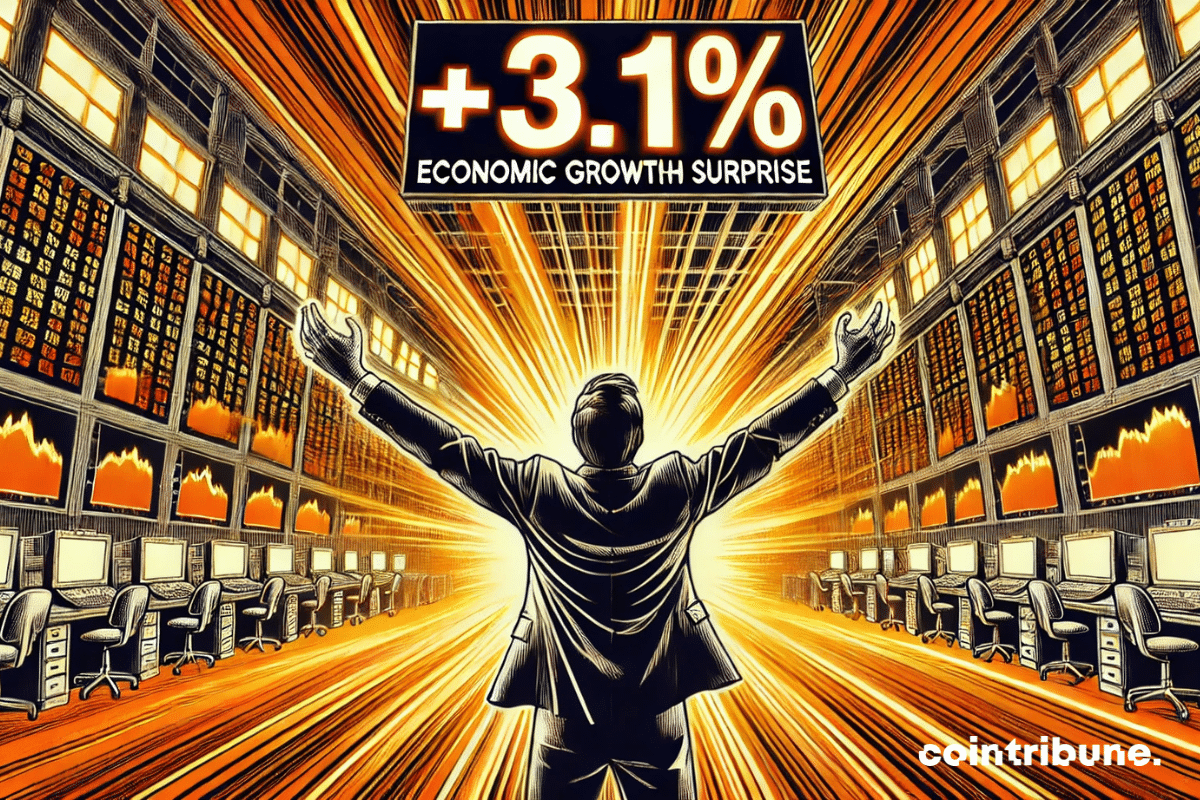
The United States surprises with economic performance well beyond expectations for the third quarter. According to data from the Department of Commerce, the gross domestic product (GDP) grew by 3.1%, compared to an initial estimate of 2.8%. This result exceeds observers' forecasts and reflects a dynamic economy, driven by strong consumer spending and an improvement in exports. While many regions of the world struggle to maintain their economic momentum, as evidenced by the limited growth forecast of 0.7% for the Eurozone in 2024, this progress indicates the resilience of the American economy in the face of global uncertainties. These figures also highlight the impact of recent monetary decisions by the Federal Reserve, which has fostered a conducive environment for growth through adjustments to interest rates.

Inflation down in the United States? Yes, but be careful: between hurricanes, strikes, and unemployment, the economy has not said its last word!