BitRiver founder Igor Runets is under house arrest as the company struggles with debt and operational challenges.
Tether launches an open-source system for bitcoin mining, marking a major breakthrough in the global crypto infrastructure.
Balaji Srinivasan claims that Western governments will eventually launch massive asset seizure campaigns. This will happen as a sovereign debt crisis approaches. He foresees a time when the State will seek new means since the bill is increasing and the option "carry on as before" is closing. This alert, published via X according to multiple press reprises, quickly circulated in the crypto ecosystem.
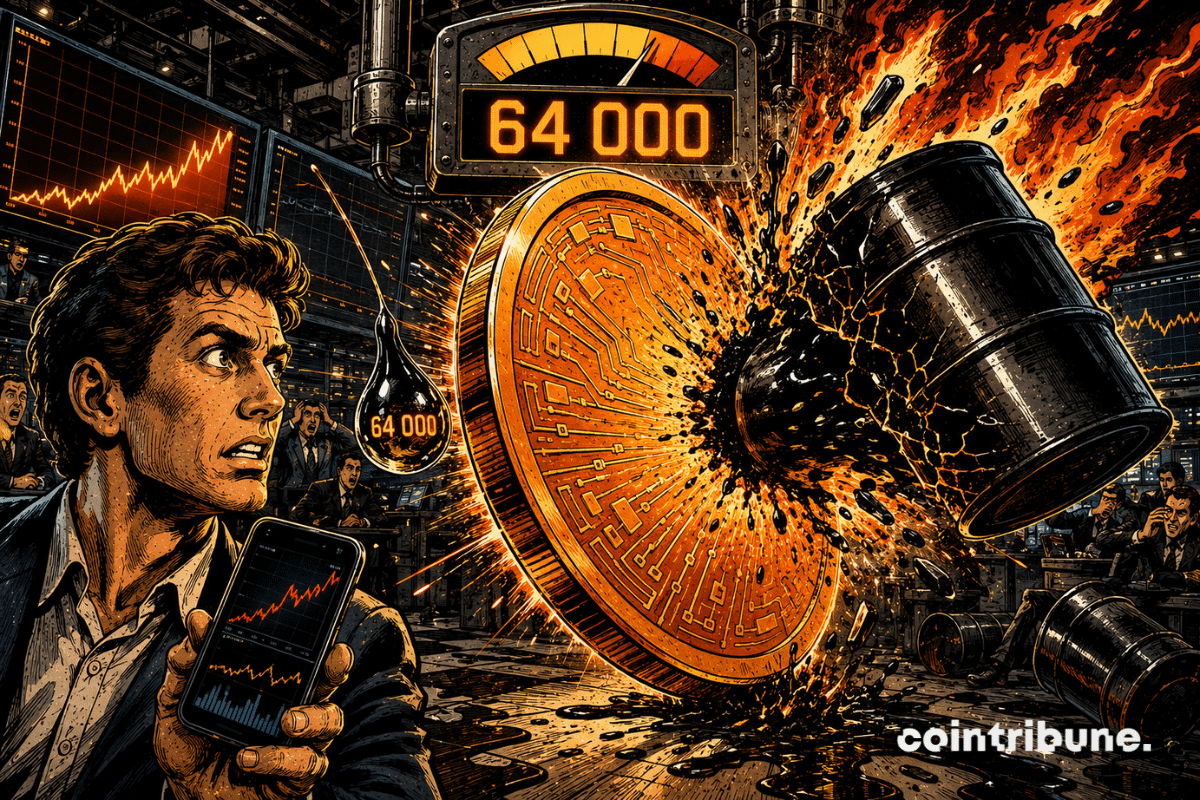
While volatility establishes itself as a new norm, the recent drop in bitcoin goes beyond a simple technical correction. It reflects a brutal disengagement of institutional capital and a questioning of crypto market dynamics. Between ETF panic and rarely observed undervaluation signals, the crypto leader finds itself at a critical crossroads.
While the market digests a wave of massive liquidations, bitcoin and Ethereum register an unexpected rebound. In a still tense climate, this recovery intrigues as much as it divides. The contrast between extreme volatility and price increase reignites debates about the market's real solidity. After a week marked by instability, signals are blurred and positions are opposed.
Trump finally places his pawn at the Fed: Kevin Warsh. Monetary hawk, he promises discipline and rigor… While Wall Street and crypto collectively hold their breath.
While bitcoin briefly fell below $75,000, Michael Saylor did not hesitate to strengthen his positions. The Executive Chairman of Strategy invested $75.3 million to acquire an additional 855 BTC. A strategic choice, made official via the SEC, that fits into an uninterrupted accumulation policy since 2020. In a tense market, this move confirms the long-term vision of a key player on the crypto scene.
Panic among crypto traders: capital is evaporating, the Fed is frowning, and even bitcoin is coughing. A chill wind is blowing across the blockchain world.
Bitcoin sharply dropped this weekend, and the clearest signal does not come from the spot market. It comes from derivatives. The drop of over 10% between a peak at $84,177 and a low at $75,947 opened a rare gap on CME futures contracts, with a price difference exceeding 8% at reopening. It's the fourth largest gap since the launch of Bitcoin futures in 2017.
Bitcoin extends its losing streak to four months as the market struggles, but analysts remain cautiously hopeful for a rebound in February.
The IBIT ETF records historic losses after Bitcoin's drop. We provide all the details in this article.
The Bitcoin network is faltering in the face of the American winter. In January, an extreme cold wave paralyzed part of the territory of the United States, causing a sharp slowdown in mining activity. As the United States now concentrates a large share of the global hashrate, this episode highlights the sector's dependence on local energy infrastructures. The sudden drop in production raises questions about the network's real ability to withstand climate shocks and the limits of a model nonetheless considered resilient.
What if Epstein’s ghost also haunted bitcoin? Explosive emails link the man to the "founders" of crypto. Elite networks, hidden money, and guaranteed mystery.
Bitcoin is faltering, and warning signals are multiplying. As hopes for a recovery fade, the market seems to be returning to the bearish patterns of previous cycles. Key technical thresholds have broken, reviving projections of a return below $50,000. This scenario, long considered extreme, is gaining ground among analysts and seasoned traders. The prospect of a prolonged bearish phase is no longer a mere hypothesis but is becoming a concrete risk for investors still exposed.
Tether, the world’s apex stablecoin issuer, reported a sharp decline in profit in 2025 while continuing to expand its holdings of U.S. government debt. New financial data shows a clear shift toward capital preservation and liquidity as global demand for stablecoins rises. Despite weaker earnings, asset growth remained strong throughout the year. The results confirm Tether’s continued importance to global crypto market activity.
Crypto investment products suffered steep losses on Thursday as a broad sell-off swept through global markets. The total crypto market value fell roughly 6%, prompting one of the largest single-day fund outflows of the year. Bitcoin and Ether investment products bore the brunt of the decline as investors moved decisively to reduce risk.
Investors are turning away from Bitcoin, driving strong demand for gold and silver. JPMorgan highlights potential gold prices of $8,500 as metals attract new inflows.
For the first time, the United States targets crypto platforms linked to Iran, triggering a shockwave in the markets and a geopolitical escalation. Bitcoin free fall, Middle East tensions, and tightened regulation: what are the risks for investors and global stability?
The Bitcoin network is going through a turbulent period. Its computing power, the hashrate, records a sharp drop, the most significant in several years. This major technical decline draws the attention of mining specialists and analysts, at a time when the crypto ecosystem is already under increasing pressure. Between market volatility and declining mining profitability, warning signals are accumulating, revealing a tense start to the year for sector players. This performance drop raises questions about the operational resilience of the network.
In just five days, crypto ETFs suffered massive withdrawals totaling $1.82 billion. This hemorrhage, occurring in the context of a widespread crypto downturn, raises questions about the future of institutional investments. Why are funds fleeing? What possible scenarios lie ahead in the coming months?
Panic on the crypto planet: whales flee, the small ones bite the hook... what if this widespread fear was just a foretaste of a spectacular comeback?
Bitcoin has just lost its place among the ten most valuable assets in the world. This downgrade, far from trivial, reveals a growing fragility of the crypto market, caught up by revived volatility. While traditional markets rebound, the iconic crypto suffers rare intense selling pressure. Behind this brutal setback, the entire solidity of the narrative around bitcoin wavers, questioning its ability to withstand macroeconomic shocks and violent market adjustments.
Binance plans to move its primary user protection fund from stablecoins into Bitcoin within the next 30 days, marking a major shift in how the exchange backs emergency safeguards. The transition will convert the Secure Asset Fund for Users (SAFU) entirely into Bitcoin, reflecting what company leadership describes as long-term confidence in Bitcoin’s role in the digital economy. Critics and industry observers warn that increased exposure to Bitcoin’s price volatility could weaken user protections during periods of market stress.
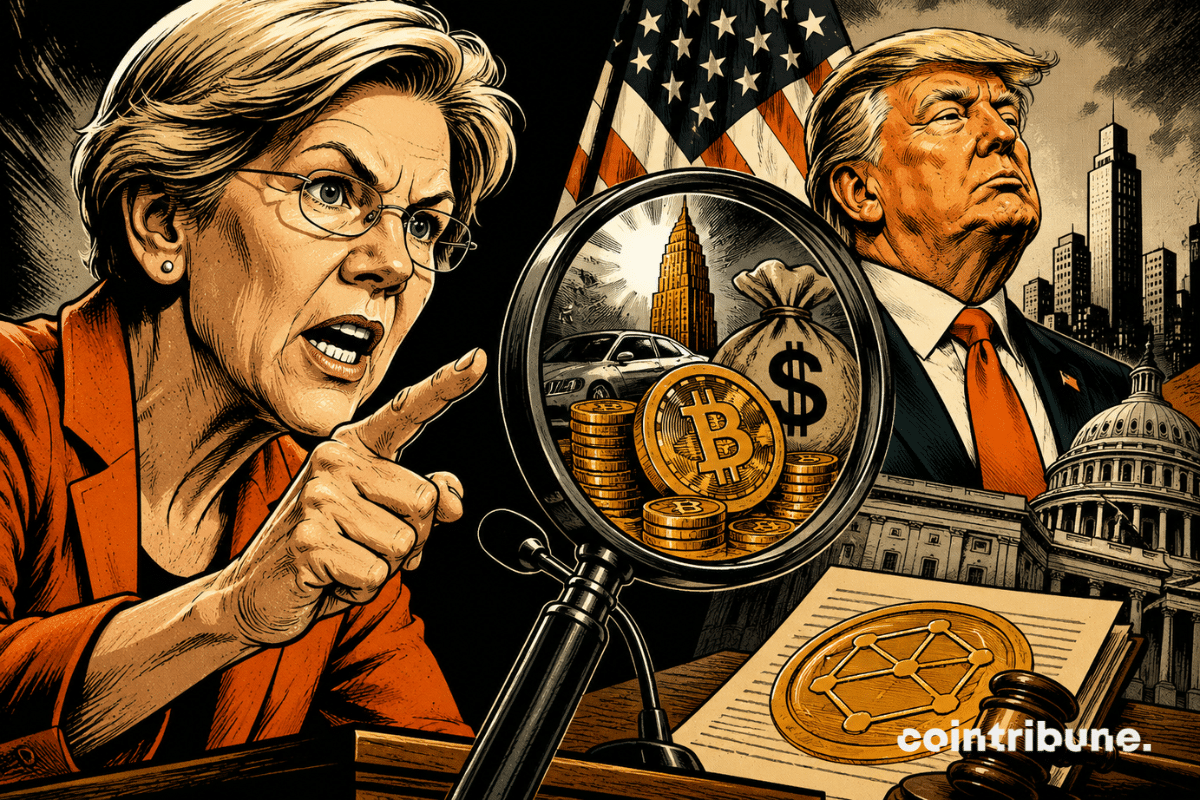
In Washington, Trump is plotting his revenge: a former hawk ready to embrace Bitcoin and bring the Fed back into line, while Powell counts down the hours.
The crypto market is going through a period of uncertainty where indecision reigns. For several weeks, investors have been operating in an atmosphere of distrust fueled by a Fear & Greed index stuck in an extreme fear zone. Prices are stagnant, volumes are eroding, and no clear signal manages to revive confidence. This emotional inertia, coupled with a lack of technical direction, reflects a latent tension that weighs heavily on market dynamics. Doubt is settling permanently within the ecosystem.
The crypto market has just crossed a critical threshold at the beginning of this year. On Thursday, January 29, 2026, bitcoin abruptly fell below $83,000, triggering a wave of sales that wiped out the last hopes for stabilization. Such a drop occurs in an already tense macroeconomic climate, where investors are reducing their exposure to risky assets. More than a simple technical pullback, this movement revives fears of a deeper correction.
While the great powers hesitate, El Salvador stacks gold and bitcoin. Bukele dreams of a treasure safe from crises... and the Fed's lessons.
Bitcoin falls to around $85,200, its lowest level at the beginning of the year, in a climate of widespread tension in the markets. While gold regains ground as a safe haven, tech stocks retreat, pulling the Nasdaq down. This new shock in the crypto market triggers concern among investors, both professional and retail, as Bitcoin seems to lose its status as an alternative in times of uncertainty.
Tesla did not touch its Bitcoin reserves in the fourth quarter of 2025. Yet, the company had to record a “digital assets” loss of about 239 million dollars after taxes, simply because the BTC price declined over the period.
US Bitcoin spot ETFs saw 1.875 billion dollars leave over eight trading days as Bitcoin consolidates and the Fed holds interest rates steady, highlighting cautious investor sentiment.