On May 29, 2026, $7.5 billion worth of Bitcoin and Ethereum options expire with Max Pain at $75,000 and $2,200. BTC and ETH under pressure, massive liquidations, and extreme volatility: will the crypto market crash or rebound?
Glassnode sounds the alarm. More than 6 million bitcoins already show a potential exposure to future quantum attacks. Should the crypto market be worried?
Hyperliquid has just disrupted prediction markets by removing external oracles. Its validators now handle everything from deployment to settlement. An innovation that could change the game in DeFi… and boost HYPE!
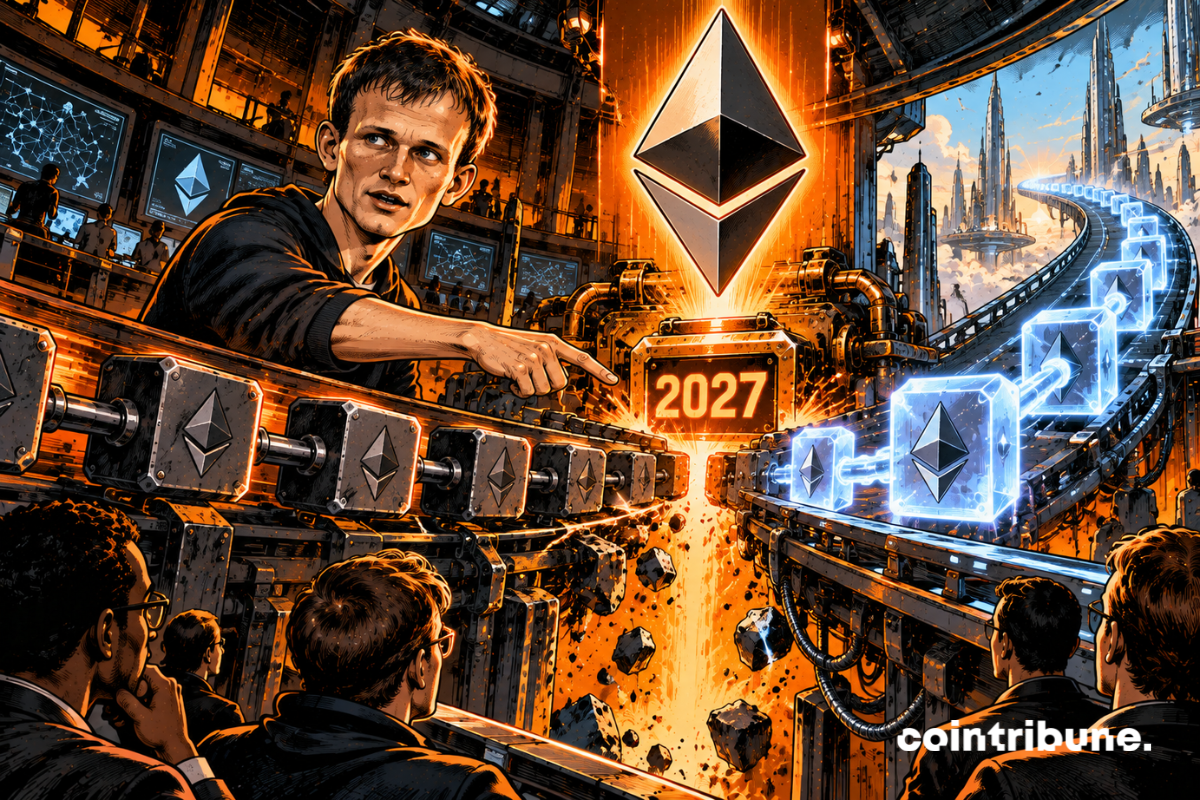
Ethereum is going through a new turbulent zone. Facing criticism directed at the Ethereum Foundation, Vitalik Buterin has just responded publicly. His statements could revive the debate on the future of the crypto network.
Chainlink continues its expansion in the crypto ecosystem with a series of integrations announced on May 22. This update aims to strengthen access to reliable data, oracles, and interoperability tools across multiple blockchain networks. In a market where tokenized assets and decentralized applications are gaining ground, this evolution highlights the growing importance of infrastructures capable of connecting different environments.
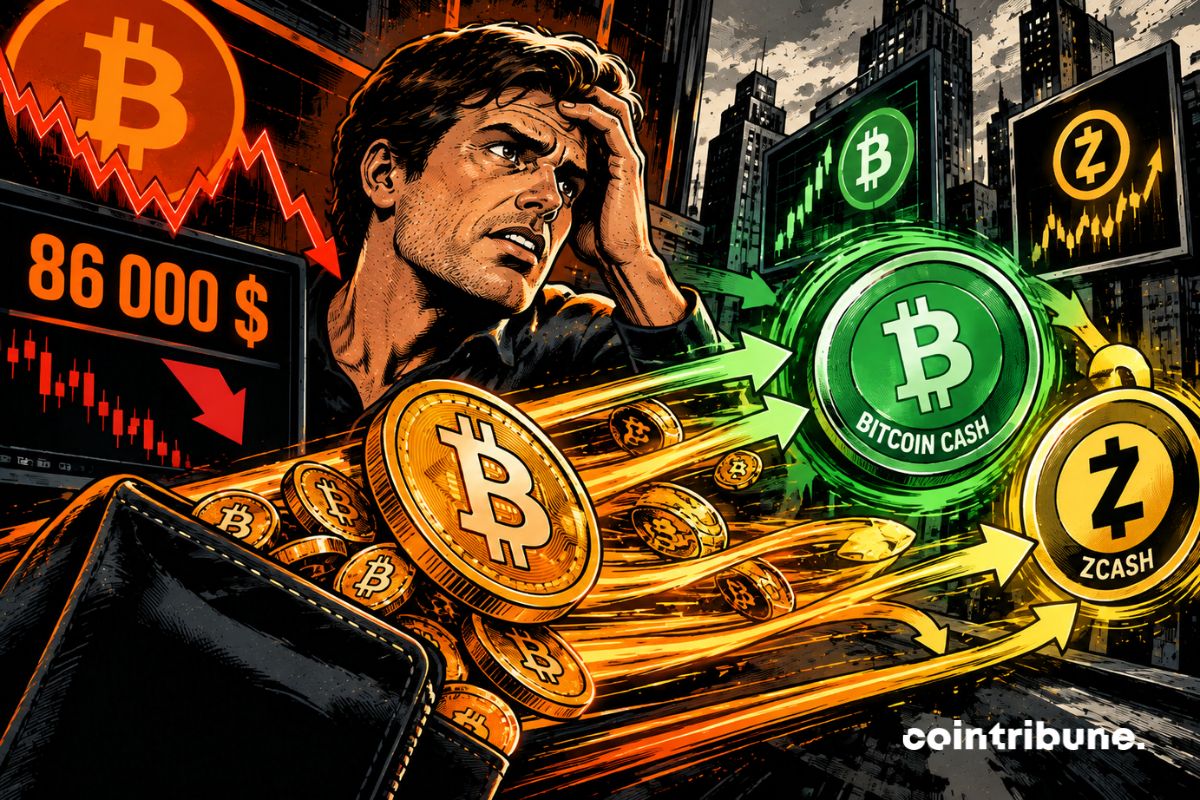
Bitcoin collapses below $76,000 under the weight of geopolitical tensions and record liquidations. With a disastrous Q2 2026, the crypto queen wavers. Why this drop? And especially, how far can it go?
The Securities and Exchange Commission (SEC) was supposed to reach a historic milestone this week. Instead, it chose to slow down. This unexpected delay raises a central question: is the tokenization of traditional assets really ready to enter US law?
Is the crypto apocalypse accelerating? The U.S. government just announced a historic $2 billion plan to fund quantum computing. We explain everything to you.
The crypto market has just crossed a symbolic milestone. For the first time, Hyperliquid surpassed Solana in fully diluted valuation (FDV), an indicator increasingly scrutinized by institutional investors. Behind this duel of numbers lies a much deeper transformation: the emergence of "revenue chains," capable of generating massive financial flows through trading and on-chain finance.
It’s almost mid-2026 and yet Blockchain is trapped in a narrative of speculative mania and few practical real-world asset (RWA) applications in daily life. For years, the momentum behind the promise to dismantle centralization and democratize finance has been stagnant, but no longer.
Tokenization is reaching a new level. Standard Chartered predicts nearly $4 trillion worth of assets could land on the blockchain by 2028, driven by stablecoins and real-world assets. A forecast that speaks as much about the future of crypto as it does about the deep transformation of traditional finance.
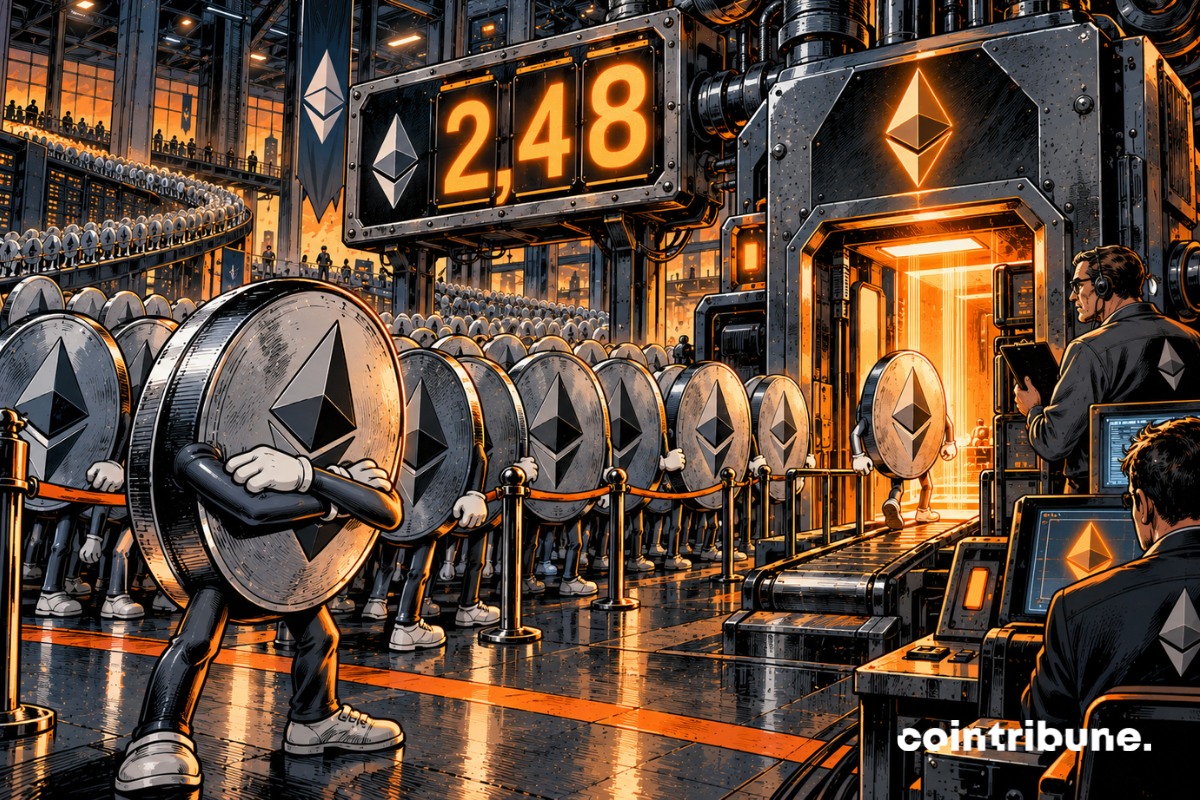
Ethereum size reaches 390 GiB and could exceed the critical threshold in less than 18 months. Developers are divided, Vitalik himself admits there is no simple solution. What's happening now could redefine the future of the network.
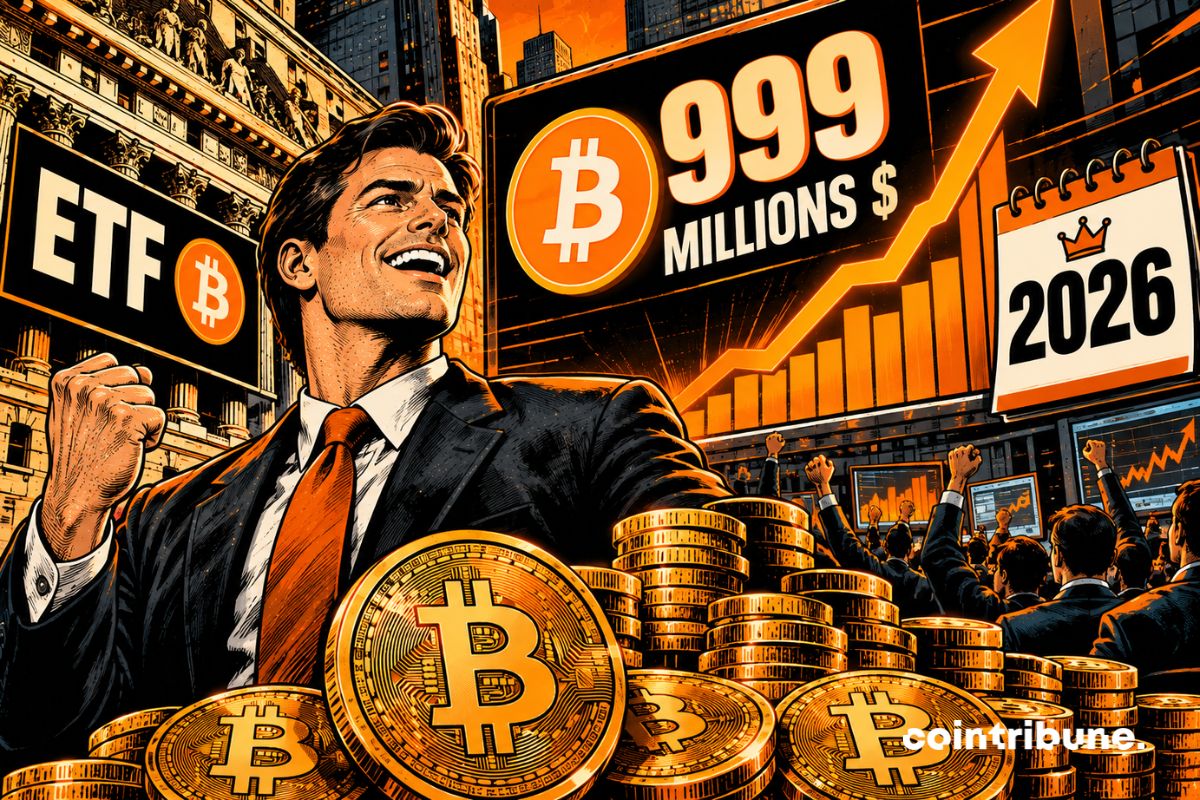
Bitcoin ETFs have just experienced 1 billion dollars of outflows in one week, ending six weeks of inflows. Is Bitcoin holding below $78,000? Decode the causes and consequences of this spectacular reversal.
While Ethereum jealously guards its old digital hoard, Solana and Base are quietly nibbling at its pockets. Behind the crypto scenes, some are already nervously recounting the kingdom's tokens.
While some crypto market undertakers were already preparing the blockchain coffin, Polygon unleashes the "turbo low-latency" mode. Visa now watches the engine heat behind the glass, even though the POL token still limps like an old worn-out cyberpunk taxi after a night under neon lights.
Pavel Durov's announcement renews attention around TON. According to the founder of Telegram, the messaging platform will take a more direct role in the network. In the wake of this, Toncoin surged significantly, while several details remain unclear about the TON Foundation, network validation, and the future technical organization.
Western Union accelerates in digital payments. The group announced USDPT, a US dollar stablecoin based on the Solana blockchain and issued by Anchorage Digital Bank NA. This initiative aims to integrate a regulated digital dollar into an already well-established global network. Through this project, Western Union seeks to improve international settlements while relying on a large-scale existing infrastructure.
The Ethereum network is moving toward a new technical milestone with Glamsterdam. This evolution is drawing attention from developers, as it could reshape resource management and transaction costs. As work progresses, the network is preparing for a significant increase in capacity, with a clear goal: handle more activity without compromising its internal balance.
Satoshi Nakamoto's 84 billion Bitcoins are threatened by quantum computers. Paradigm has come up with a revolutionary solution: PACTs, anti-quantum protection without revealing identity. A major advance in Bitcoin security.
La DJ canadienne BLOND:ISH, résidente phare de Pacha Ibiza et figure montante du Web3 musical, vient de déployer le portail de son token $NRG sur Solana. Le principe : transformer l'énergie de la communauté en accès concret : guestlist, backstage, musique inédite via un mécanisme déflationniste ancré sur la blockchain. Le lancement intervient dans la foulée de la Paris Blockchain Week 2026, où $NRG a propulsé la closing party officielle dans le salon Gustave Eiffel au premier étage de la Tour Eiffel devant 300 fondateurs et investisseurs. Un modèle qui dépasse le simple fan token pour poser les bases de ce que l'équipe appelle une « économie de l'énergie ».
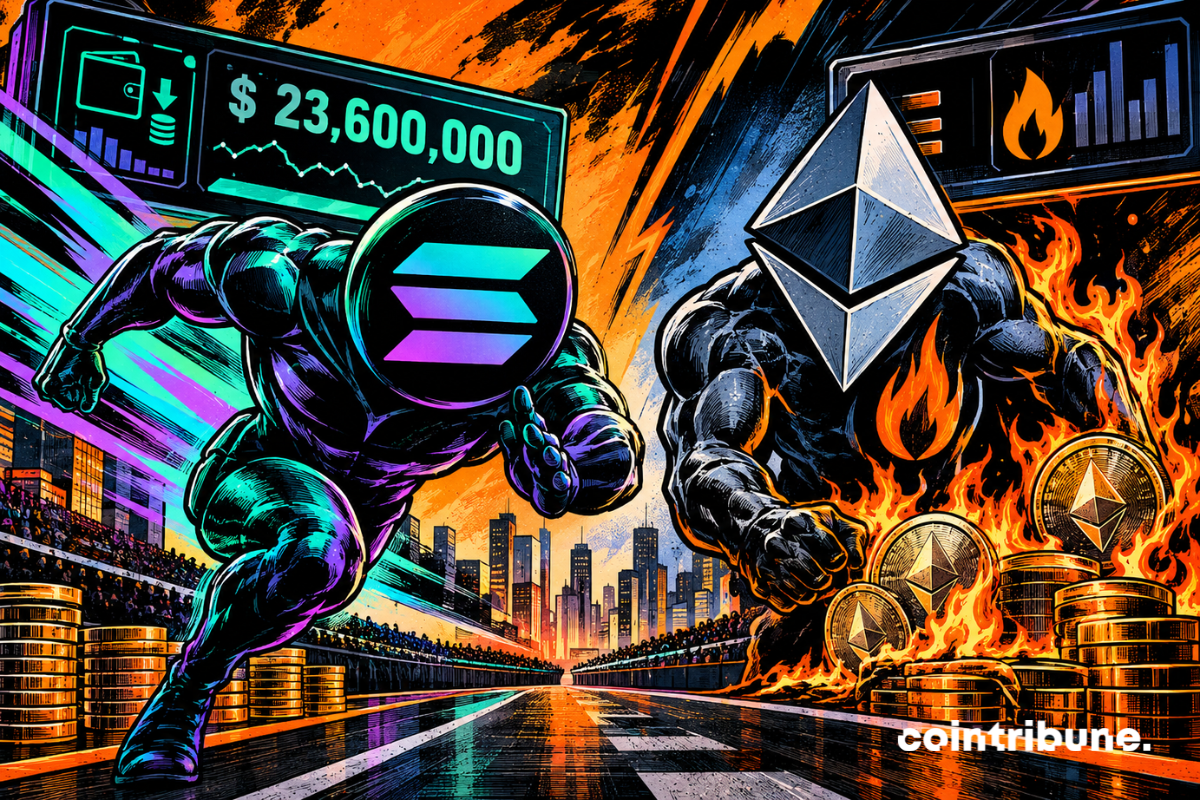
An Ethereum whale dormant since 2015 has just moved $23 million worth of ETH. What does this awakening hold? Between restructuring and speculation, this move could be a game-changer for crypto investors.
5 million ETH in 10 months! BitMine strikes hard and bets big on Ethereum, despite volatility. A record purchase that could boost institutional adoption and revolutionize DeFi.
A researcher has just broken a 15-bit elliptic crypto key on a publicly accessible quantum computer, winning 1 Bitcoin. This breakthrough, 512 times more powerful than the previous one, does it threaten the security of Bitcoin and blockchains?
Artificial intelligence is revolutionizing bug bounty programs in crypto, but at what cost? With a 900% surge in submissions, security teams are overwhelmed. Discover how AI is redefining security challenges and why this wave could threaten protocol stability.
Ethereum experiences an explosion of buying pressure on derivatives, with a 72% increase in aggressive traders. Investors now target $2,600, a key liquidity zone. Does this dynamic signal a historic rally for ETH?
While the KelpDAO exploit causes Aave to drop 10 billion in TVL, whales are massively accumulating AAVE between $85 and $95. An intriguing paradox… are these crypto market giants anticipating a historic rebound?
Bitmine makes a big move and buys 101,627 ETH, its largest transaction since 2025. With 4.12% of Ethereum's total supply already in hand, the company is approaching its goal: holding 5% of ETH. A bold strategy that could disrupt the crypto market.
Bitwise launches the Avalanche ETF with Staking ($BAVA) which promises to boost AVAX demand in 2026 while offering passive returns to investors. With 2.5 million dollars in assets at launch and reduced fees, this product could well rewrite the rules of the crypto market.
Denmark, a high-tech and innovative country, shows one of the lowest crypto adoption rates in Europe, with only 4%. Why this paradox? Between discouraging taxation, strict regulation, and prudent financial culture... The reasons for this delay are numerous, as are the opportunities.
Quantum computing is shaking cryptocurrencies, but Bitcoin has a head start. According to Bernstein, the market has already anticipated this threat, and investors have 5 years to prepare.