
Tue 22 Oct 2024 ▪
8 min read
▪
by
Israel is today governed by extreme right-wing millenarian fanatics. In short, fascists.
Israel is today governed by extreme right-wing millenarian fanatics. In short, fascists.

On the occasion of the BRICS Business Forum, the nations of this emerging alliance unveiled their brand new cross-border payment system: BRICS Pay. This initiative represents a clear intent to reduce dependence on the US dollar, a currency still predominant in global transactions. As the BRICS seek to emancipate themselves from the financial influence of the United States, the creation of an autonomous payment system could very well redefine the rules of international trade.
The BRICS summit chaired by Russia is approaching rapidly. Here is everything you need to know before this major geopolitical event.
The upcoming BRICS summit, which will take place in Kazan, Russia from October 22 to 24, appears to be a key milestone in the ongoing international reshaping. By bringing together several rising powers and strategic partners at the same table, this summit aims to strengthen the bloc's influence on global economic, political, and diplomatic issues. The presence of Antonio Guterres, Secretary-General of the United Nations, at the heart of these discussions is a strong sign of recognition of the growing importance of the BRICS. More than just a diplomatic trip, his participation reflects a desire for openness and the integration of this group into global governance.

The world is undergoing a geopolitical reshaping. While tensions between major powers shape international relations, economic alliances are evolving at an unprecedented speed. At the heart of this new global order, BRICS, the bloc of major emerging economies, is asserting itself as a key player capable of reshaping global balances. This group, once reserved for five members, has recently opened up to new candidates, adding giants like Iran and Saudi Arabia to its ranks. It is in this context that Turkey, under the leadership of President Recep Tayyip Erdoğan, seeks to join this influential alliance. A strategic decision that comes at a time when the prospects of EU membership are fading, prompting Ankara to diversify its economic and geopolitical partnerships. However, this candidacy is not universally accepted: BRICS, still in the consolidation phase after its last expansion, may slow down before making new decisions. This is despite the growing interest of about twenty nations to join the group.

Amid a period of global economic volatility, Saudi Arabia has made a decision that could redefine energy and geopolitical balances. As the price of a barrel of oil reached 100 dollars, Riyadh chose to significantly increase its oil production, a maneuver aimed at lowering crude prices in international markets.
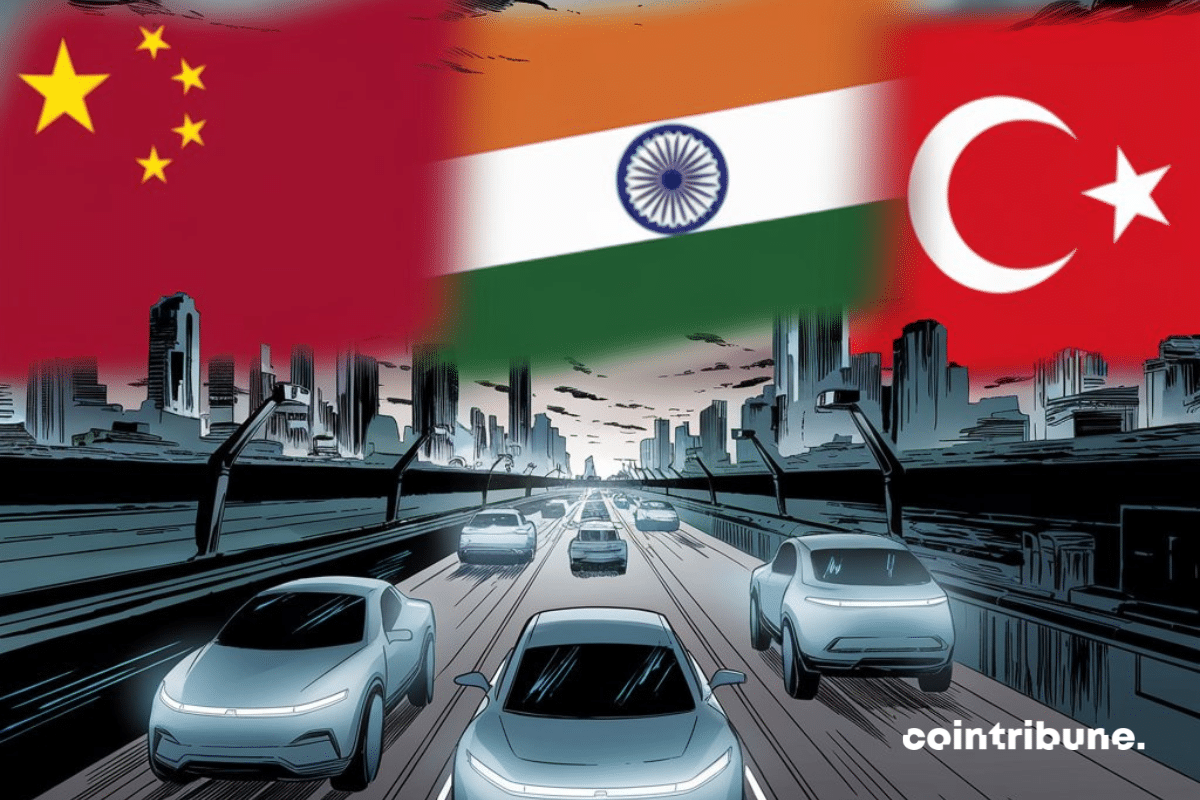
In an increasingly tense global economic context, China has just issued a significant strategic advisory for its electric automotive manufacturers. As the undisputed leader in electric vehicle production, China has made a major strategic decision. Beijing has advised its manufacturers to abandon any intention of investing in India and Turkey, two promising and rapidly growing markets.
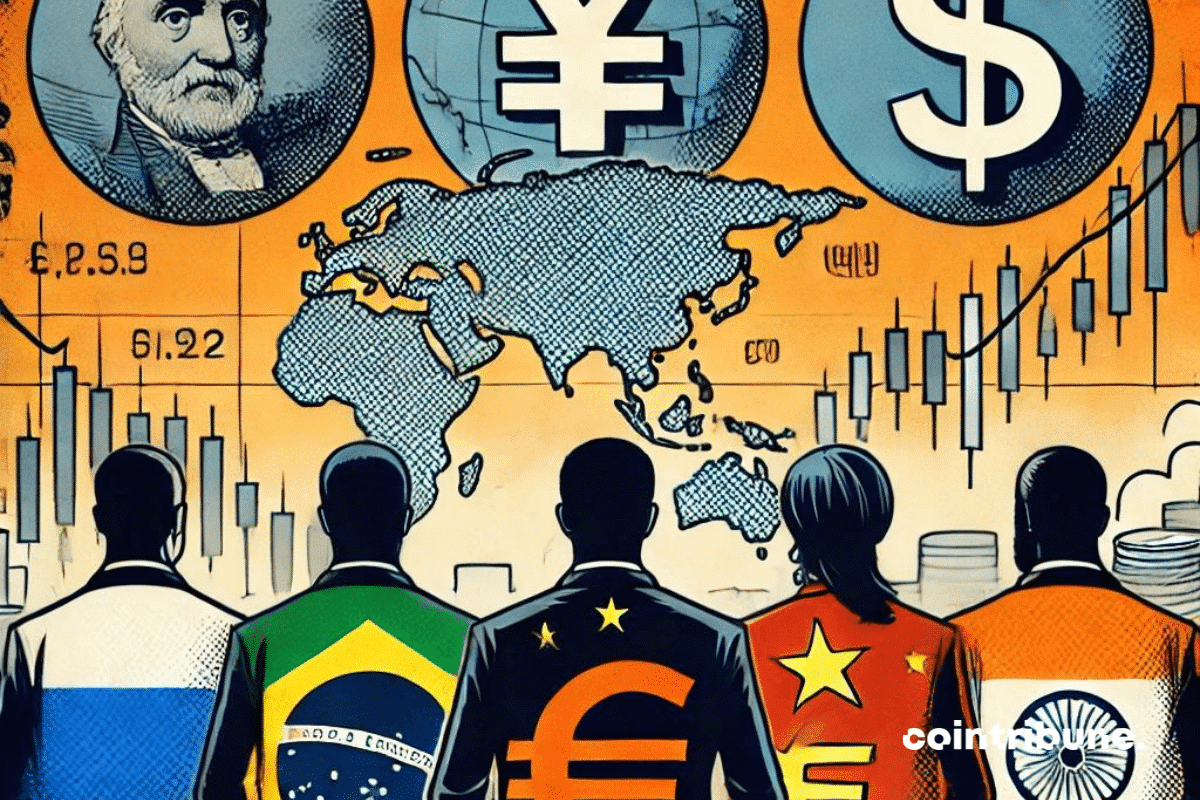
The global financial system is currently undergoing numerous changes. As economic sanctions multiply, particularly from the United States and the European Union, many emerging economies are seeking alternatives to free themselves from the dominance of the dollar and the euro. In response, the BRICS countries (Brazil, Russia, India, China, South Africa) have begun the creation of an alternative payment platform. This initiative, confirmed by Russian Foreign Minister Sergey LAVROV, would facilitate trade and investments without relying on Western currencies.
The global monetary landscape is undergoing significant changes. As the influence of the US dollar falters under the weight of geopolitical tensions and aggressive economic policies, the BRICS are poised to redefine the rules of the game. They are working to launch a new reserve currency, an ambitious project that could shake the supremacy of the greenback and reshuffle the cards of international finance. In the face of the impact of economic sanctions, trade wars, and a perceived excessive dependence on the dollar, these emerging powers are coming together to assert their economic sovereignty. However, this new currency, envisioned as a direct alternative to the US-dominated financial system, raises as many hopes as it does doubts.
The Republican candidate for the American presidency threatens the BRICS with heavy economic sanctions if they turn away from the dollar. Bitcoin as an alternative solution...
As China increasingly reveals its totalitarian face, Donald Trump and Kamala Harris raise serious concerns about their ability to defend Western interests against Beijing. Are they about to capitulate to Xi Jinping and abandon Taiwan?
The number of countries present at the last BRICS forum held in Russia was impressive. Bad omen for the dollar.
Pavel Durov is a prisoner of geopolitical tensions. The fragmentation of the world is accelerating and benefiting bitcoin.

Since 2013, China has been pursuing a policy of plundering the African continent through the usurious and nearly mafia-like system of the Silk Roads.

Venezuela is seeking to join the BRICS group by leveraging its vast oil reserves. This move underscores the country's geopolitical ambitions and its aspirations to reshape its international alliances.

In a tense geopolitical context, the Russian economy demonstrates a persistent dependence on the dollar. Despite currency export bans, 2.3 billion dollars in greenbacks entered Russian territory.

As Maduro seems to have orchestrated a massive election fraud to stay in power, Venezuela tragically marches towards total and imminent collapse.

In July, the US dollar deals a heavy blow to the currencies of BRICS member countries. Despite these nations' efforts to reduce their dependence on the dollar, it continues to strengthen.

Not content with drastically limiting how Iraq can spend its dollar reserves, the Fed now forbids it from using the yuan. When will it be bitcoin?

Gold reaches record highs on the stock exchange this July 2024! Influenced by various economic and geopolitical factors.

The American and Western hegemony is being challenged by the rise of China. As Beijing continues to strengthen its economic influence across the globe, perceptions vary significantly depending on the income levels of nations. This analysis explores how China is reshaping the global economic landscape and the contrasting reactions from different regions of the world to this evolution.

The new expansion of BRICS into Southeast Asia could transform the global energy landscape. According to a recent analysis by Rystad Energy, the alliance could trigger a $100 billion increase in the oil industry by 2028. This development is generating a lot of interest in the context of redefining global economic dynamics.

The 2024 Shanghai Cooperation Organization (SCO) summit witnessed major geopolitical tensions. In a move that could redefine dynamics of international trade, India has officially rejected China's proposal to replace the US dollar with the yuan for trade. This decision marks a significant turning point in relations among BRICS members. India's firm stance reflects not only its economic concerns but also a growing distrust toward China's global ambitions.

The Russian central bank now encourages the use of crypto in international transactions. This surprising decision aims to circumvent the economic sanctions imposed by the West following the conflict in Ukraine.

Russia's oil revenues are experiencing a spectacular surge despite severe economic sanctions imposed by the United States. In June, oil and gas revenues soared to $9.4 billion. This unexpected performance highlights Russia's economic resilience and underscores the growing role of the BRICS bloc in the global energy landscape. While the sanctions aimed to weaken Moscow, Russia has adeptly navigated these obstacles to redefine the dynamics of the international oil market.

The decoupling from the US dollar, a key ambition of the BRICS, has just suffered an unexpected blow. Despite years of concerted efforts to erode the dominance of the US dollar, a new report from the Atlantic Council reveals that these initiatives have failed to seriously threaten the supremacy of the greenback. This unexpected finding raises doubts about the viability of the economic strategies of the BRICS.
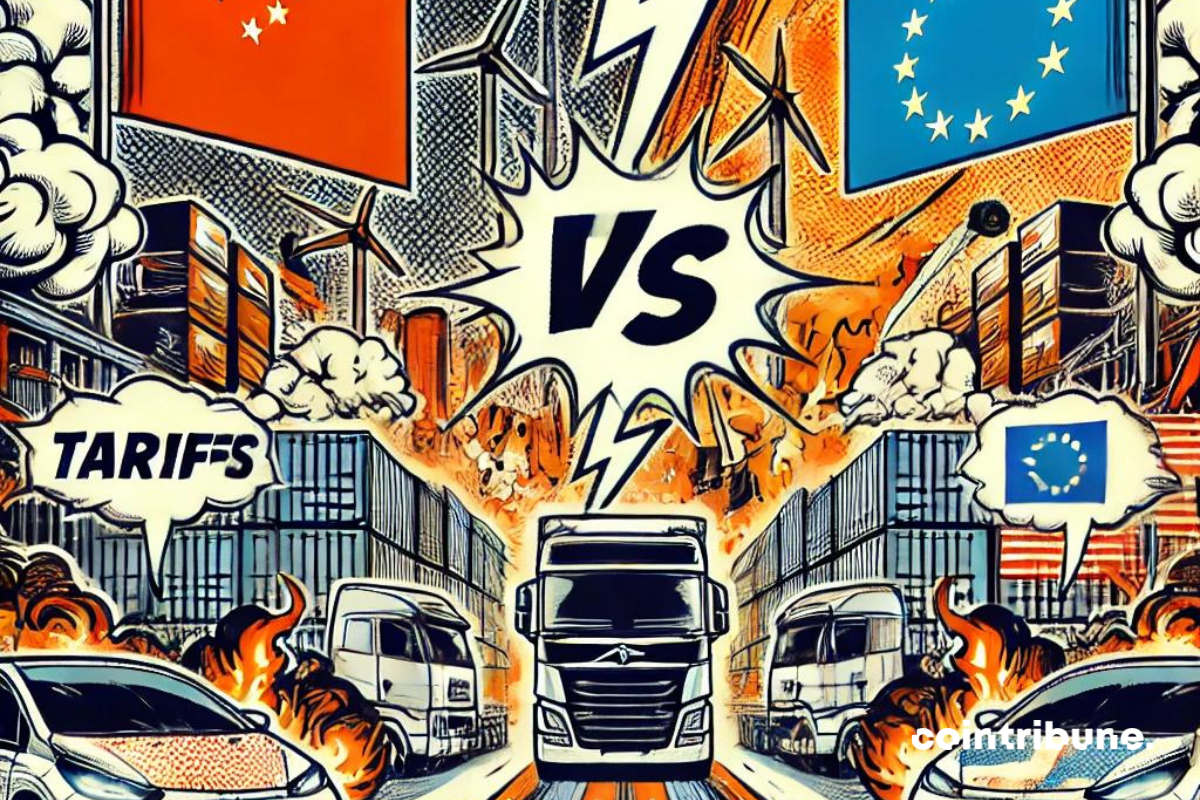
A new front of economic tensions is opening up between China and the European Union, threatening to disrupt the global trade balance. In response to the EU's proposals to impose tariffs on Chinese electric vehicles, China, an influential member of the BRICS, has warned of the possibility of a trade war.

As the BRICS welcome new members and strengthen their de-dollarization agenda, a burning question emerges: could the Tether stablecoin (USDT) be the United States' secret weapon to preserve their economic hegemony? The implications for the crypto market and the global economy are immense.

As the BRICS actively seek to dethrone the US dollar from its status as the world's reserve currency, HSBC has issued bold forecasts on the future of the greenback. In the face of these de-dollarization initiatives, HSBC analysts maintain that the dollar will continue to reign as the dominant currency for decades to come.
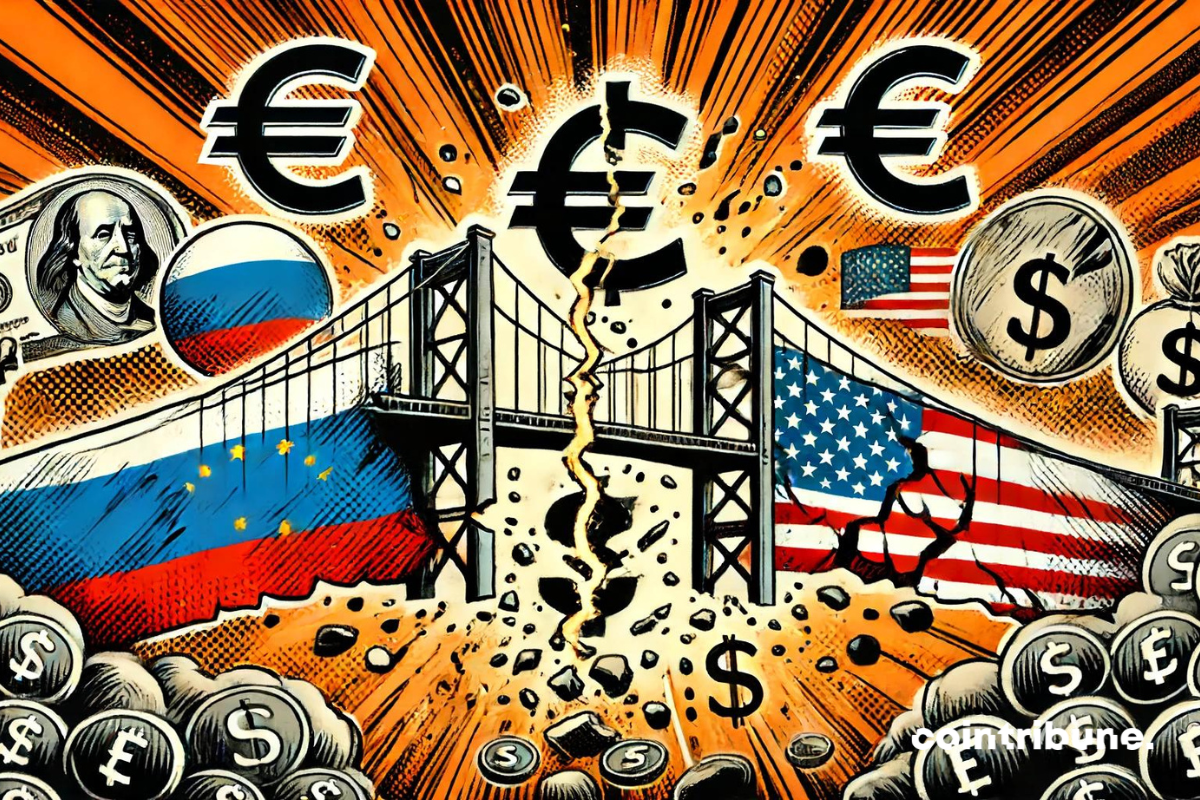
What happens when one of the world's leading financial markets suspends transactions in major global currencies? The Moscow Stock Exchange has just done so in direct response to American economic sanctions. Could this Russian initiative redefine the rules of international trade and global financial relations? Initial reactions and analyses suggest significant changes on the horizon, impacting not only this member of the BRICS, but also the global economic balance.