
Tue 07 May 2024 ▪
7 min read
▪
by
The dollar is the Gordian knot of geopolitical tensions. The signals in this direction are now legion. Bitcoin is biding its time.
The dollar is the Gordian knot of geopolitical tensions. The signals in this direction are now legion. Bitcoin is biding its time.
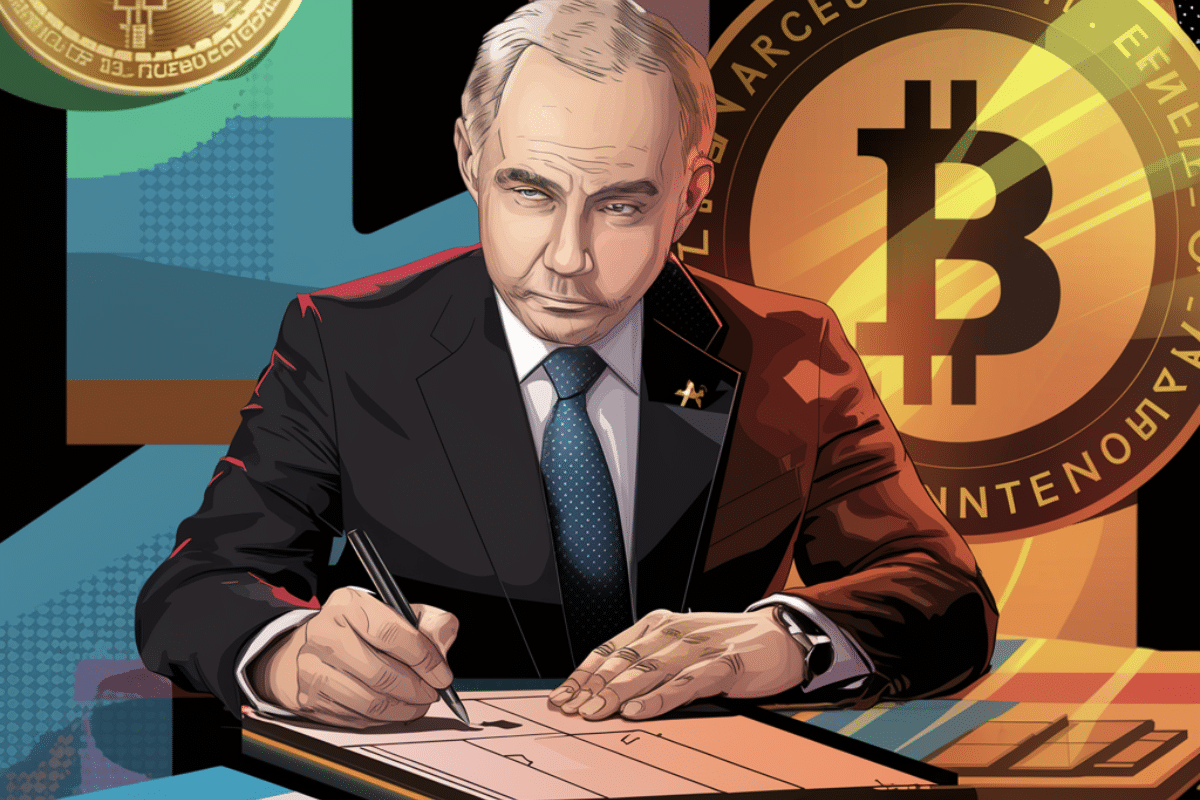
The Russian President Vladimir Putin signed a historic law on March 11, paving the way for the use of digital financial assets and CBDC for international payments. This measure aims to help Russian companies bypass Western sanctions and facilitate trade with allied countries.
Russia discusses possible use of crypto and CBDC for cross-border payments with friendly countries.

Digital Pound: The BoE and the Treasury have finally published the results of the consultation, providing clear answers.

During his campaign, Trump opposes the CBDC, claiming that it would give "absolute control over your money" to the federal government.

As crypto continues to captivate global attention, Russia, under the guidance of Vladimir Putin, has just marked a historic turning point in the digital universe. By signing legislation that integrates the digital ruble into the tax code, Putin transcends the mere digitization of a currency. He takes a daring step, ushering in an unprecedented era that promises to deeply reshape the contours of the financial world.
Central Bank Digital Currencies (CBDCs) are not popular. They are strongly criticized for the threats they pose to individual privacy. However, the crypto firm Ripple has just released a white paper that promotes the utility of these controversial assets.
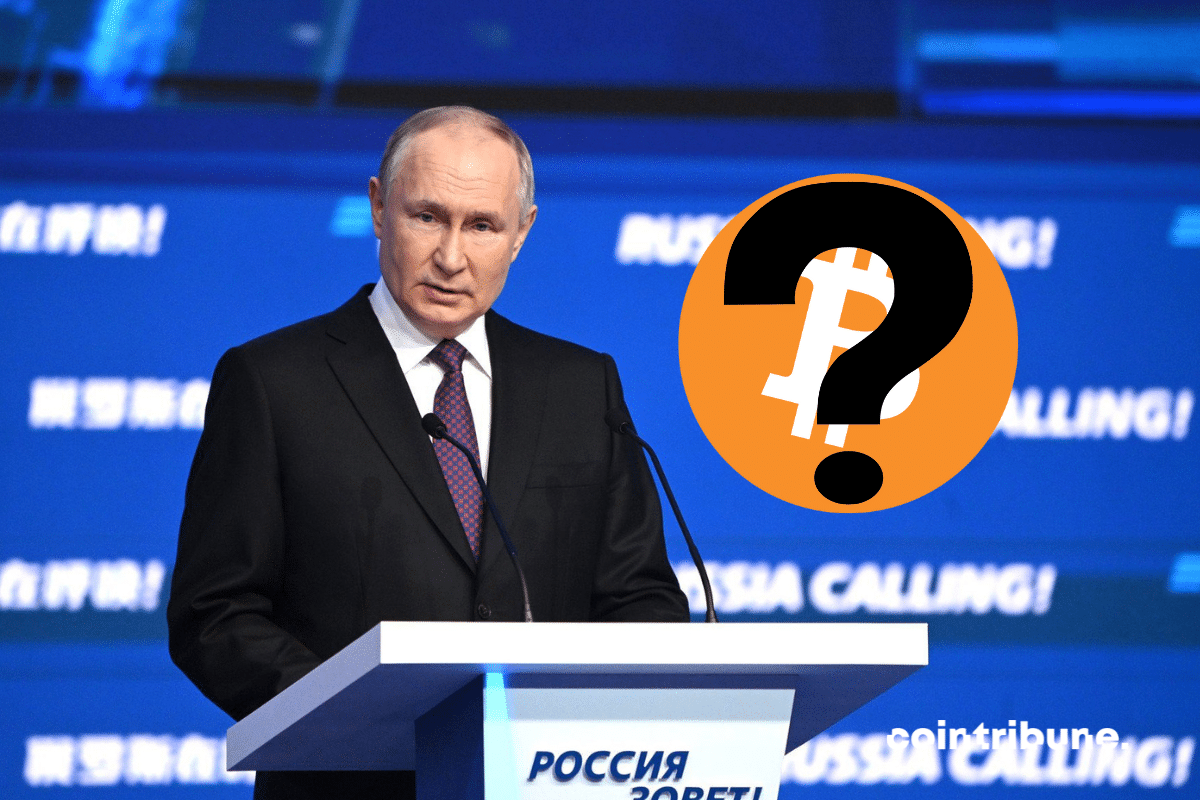
Did the Russian president just suggest the use of bitcoin for international transactions?

When we talk about a monetary revolution, it's not just about crypto. Russia, in particular, stands out as a key player. With an ambitious plan for 2025, the country aims to reshape the global financial landscape, going beyond merely integrating its digital currency and forging deep strategic alliances. Let's decode this bold Russian strategy together.

Two years ago, Bitcoin lost any chance of flourishing among Chinese cryptocurrency traders. The Chinese Communist Party didn't seem ready for decentralization, opting for a totalitarian CBDC (Central Bank Digital Currency) rather than an emancipatory BTC (Bitcoin). However, in recent times, the Xi Jinping government has seemingly changed its perception of the flagship cryptocurrency. This decision by a Shanghai court to grant Bitcoin the status of “unique and non-reproducible currency” attests to this change of heart.

While an increasing number of countries are considering launching a CBDC (Central Bank Digital Currency), Vitalik Buterin is dashing hopes. Known for being a staunch advocate of crypto, it seems he is less enthusiastic about the direction CBDC creation is taking.
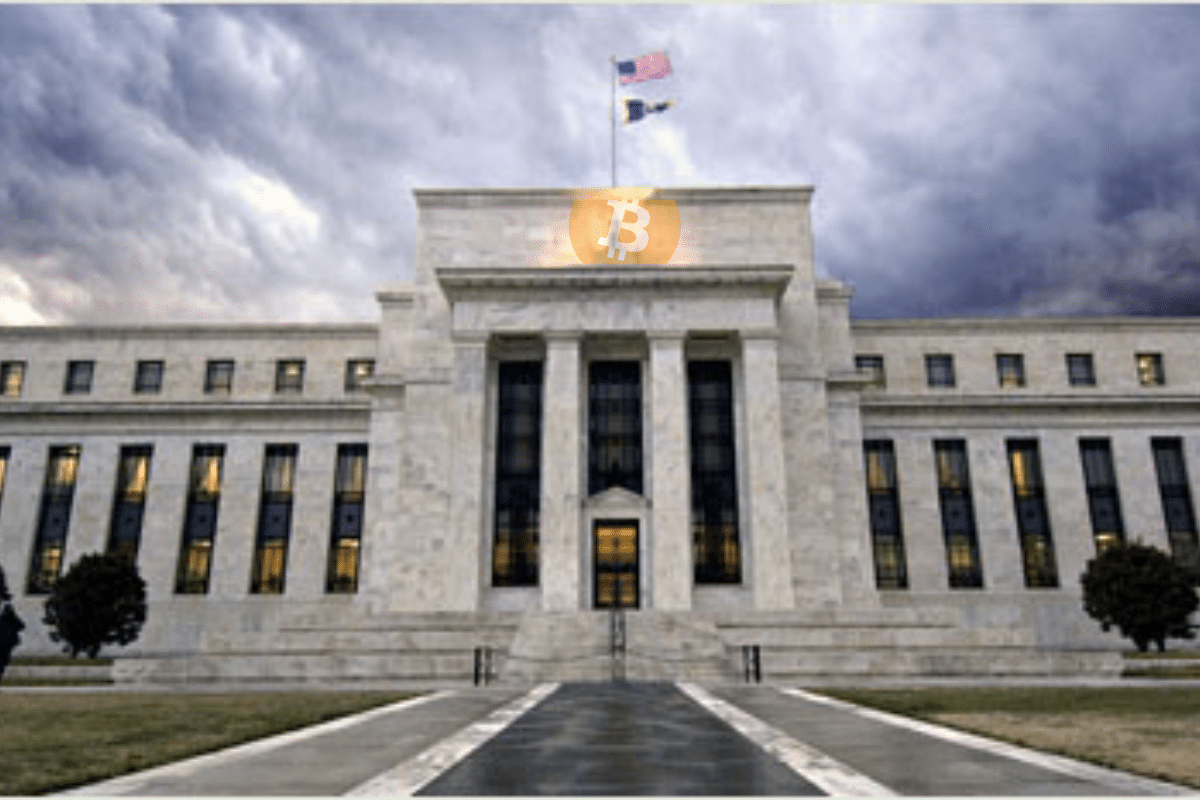
In the face of a diverging path of U.S. dollar inflation from its usual trajectory, the United States Federal Reserve (FED) finds itself in a delicate situation. While the digital dollar project seemed to be the first line of defense, the FED now appears to be turning to a 'Plan B': the tokenization of real-world assets (RWA). Why such a pivot, and what can be expected from it?
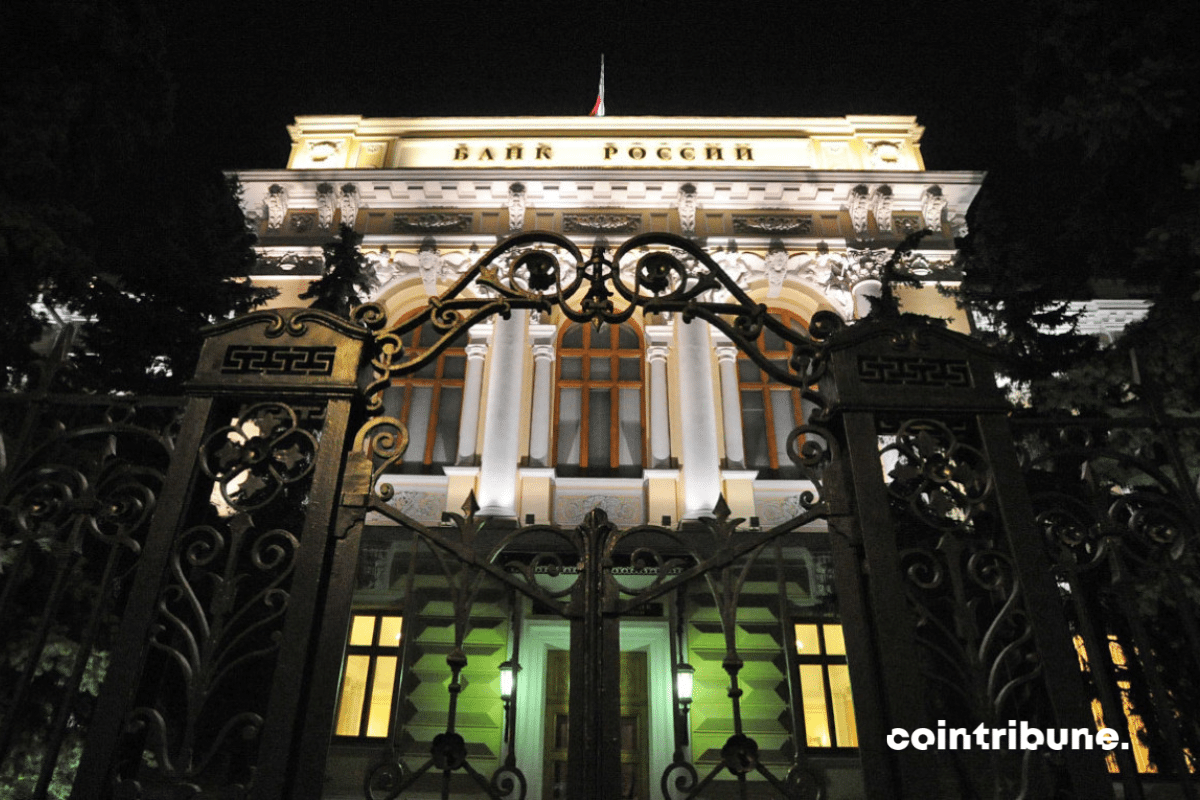
On Monday, Russian President Vladimir Putin ratified the law introducing the digital ruble (CBDC).

The creator of ChatGPT launches Worldcoin, a shitcoin that wants the apple of your eye.