
Fri 07 Aug 2026 ▪
6 min read
▪
by
Coldcard, Bitcoin's safest vault, turned into a sieve. Result: $100 million gone and a million addresses fleeing. Self-custody has some kinks to iron out.
Coldcard, Bitcoin's safest vault, turned into a sieve. Result: $100 million gone and a million addresses fleeing. Self-custody has some kinks to iron out.
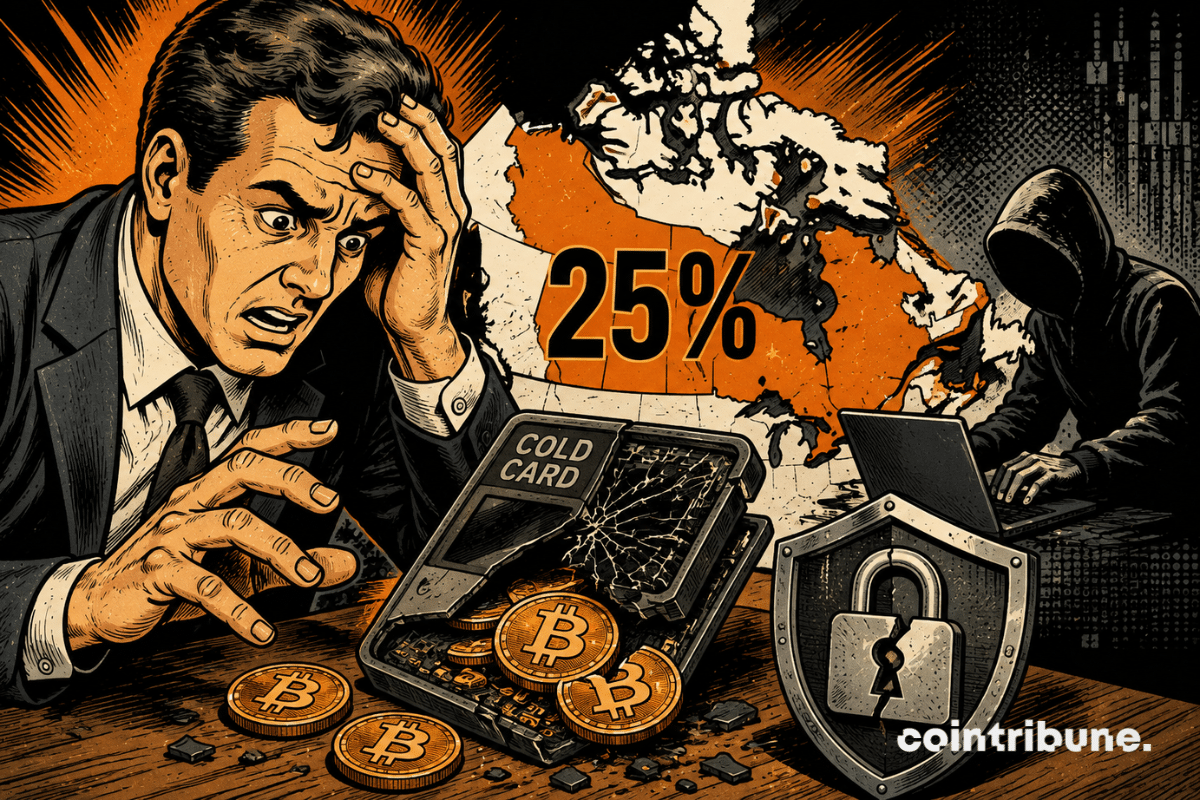
Hardware wallets are among the safest solutions for storing bitcoins offline. However, this certainty has just been shaken. A critical flaw discovered in the Coldcard ecosystem allowed the theft of 116 million dollars, revealing a software vulnerability that went unnoticed for five years. The case questions the reliability of self-custody tools, as digital sovereignty emerges as a pillar of the Bitcoin ecosystem. The losses, mostly concentrated in Canada, further emphasize the scale of this incident.

Cold storage, long presented as the ultimate bulwark against hacking, has just suffered one of its biggest setbacks. A critical software vulnerability affecting Coldcard wallets enabled the theft of tens of millions of dollars in bitcoin, reviving questions about the limits of self-custody. This case breaks out as the market comes off a July up 7.36%, under pressure from massive institutional withdrawals and approaching two major protocol upgrades expected in August.

In Los Angeles, the fires dance. Burned wallets, forgotten private keys, digital fortunes fade away, taking dreams and cryptos into the oblivion of an apocalyptic blaze.
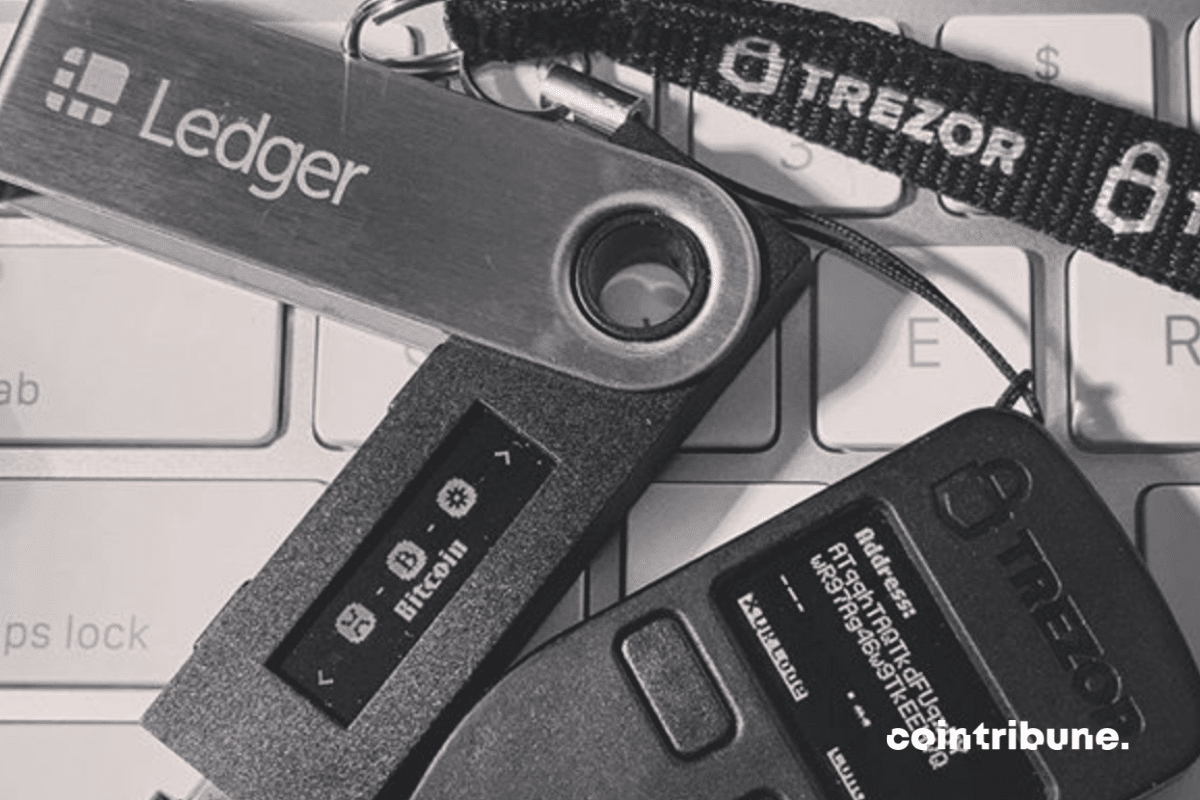
As Ledger faces public backlash, let's take this opportunity to remind ourselves what a seed is, the concept of cold/hot wallets, and how BTC transactions work.
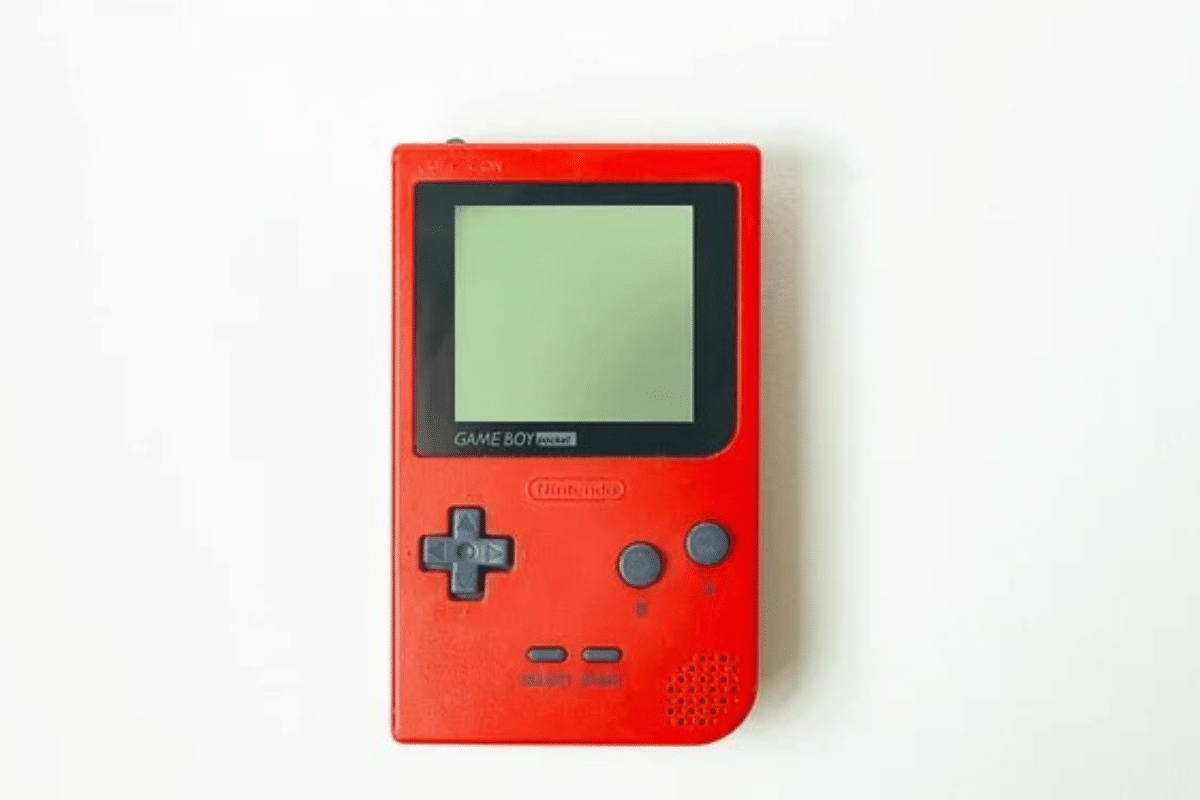
Soon, Game Boy owners will have the opportunity to turn their devices into hardware wallets to hold their crypto. The project, known as Game Wallet, has been made public by Joseph Schiarizzi, a developer at Keyp. This Web3 startup aims to use a physical cartridge to harness the power of Nintendo Game Boy and transform it into a secure cold storage wallet for cryptographic assets.