
Sun 19 Jan 2025 ▪
4 min read
▪
by
According to economic projections and analysis by international experts, no European economy will be among the top ten world powers by 2050.
According to economic projections and analysis by international experts, no European economy will be among the top ten world powers by 2050.
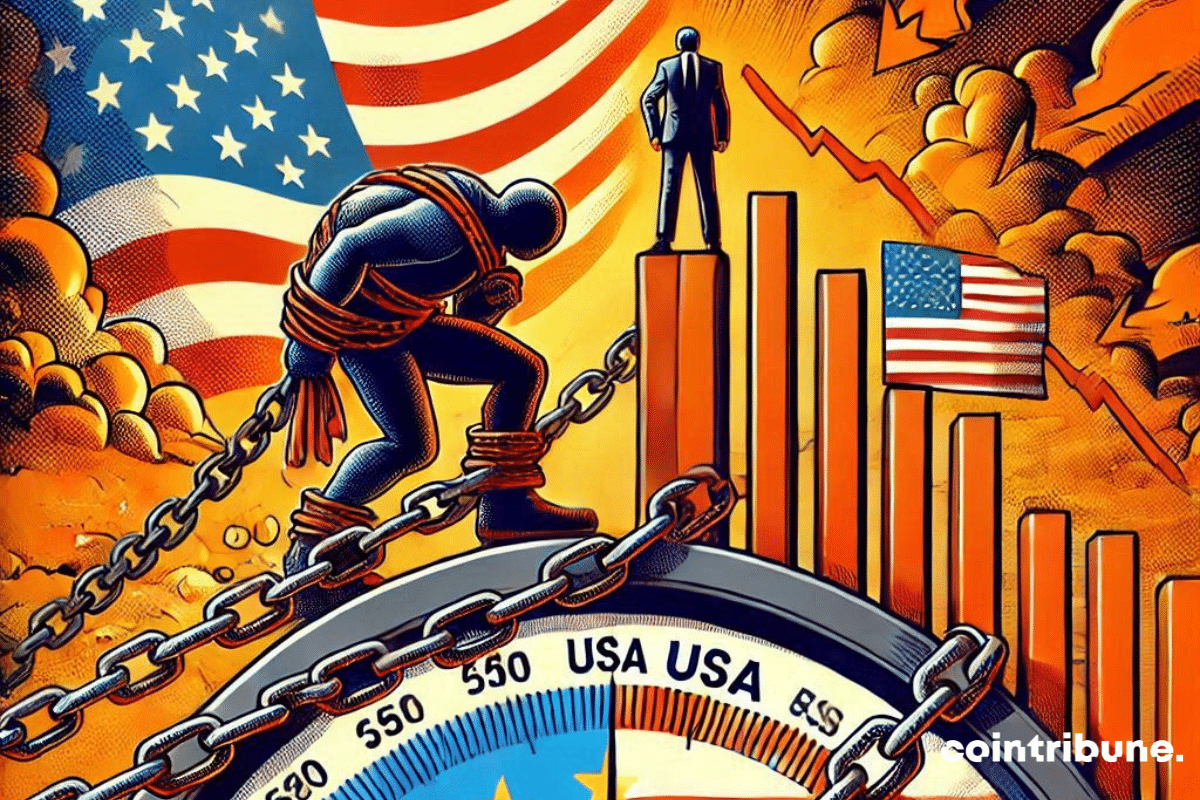
While the American economy soars like a star, Europe gets lost in a maze of rules and bitter regrets.
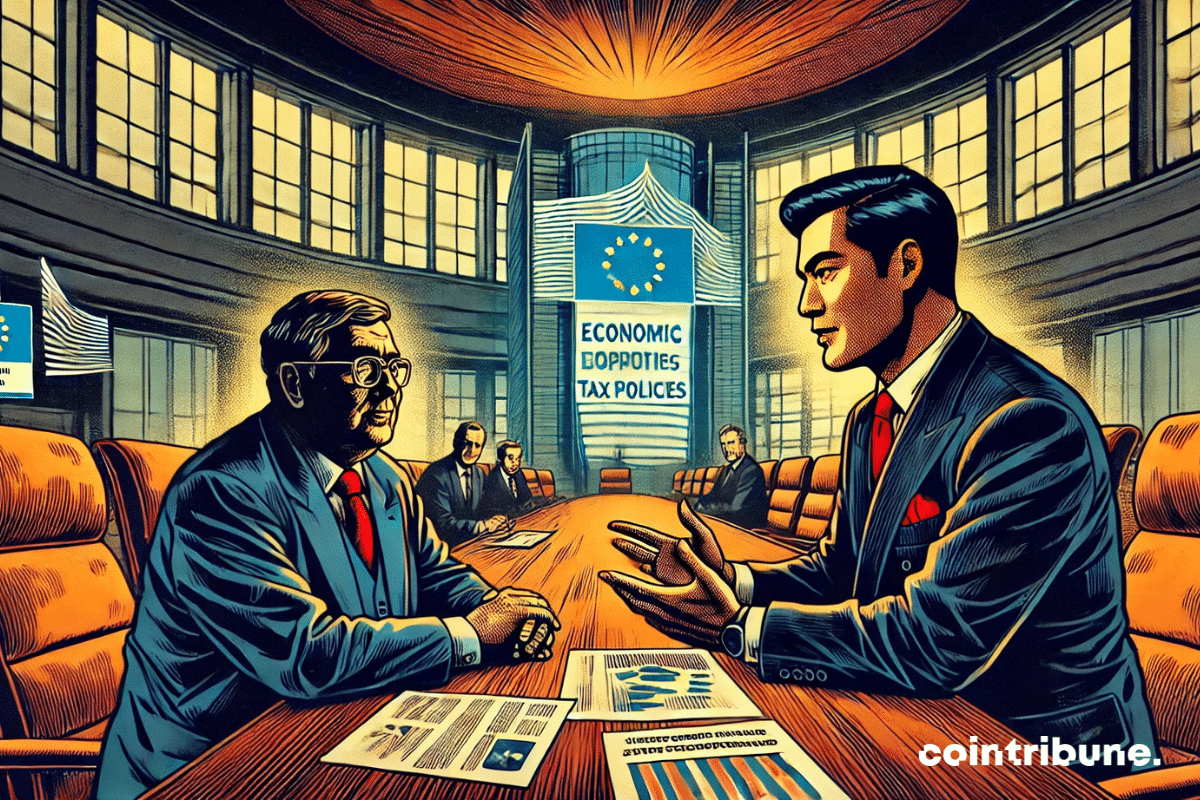
Trade tensions between the European Union and China are reaching new heights. Indeed, for several months, Brussels has been targeting Chinese companies accused of benefiting from public subsidies, which distorts competition. Under the Foreign Subsidies Regulation (FSR), the EU has launched several investigations, particularly against CRRC, the Chinese giant in railway equipment, and manufacturers of solar panels involved in European projects. In response to these investigations, Beijing has reacted strongly and denounced discriminatory practices. This standoff, which reflects deep divergences over the rules of international trade, could redefine the balance of power between the two economic powers. While the EU seeks to protect its market, China is concerned about a tightening of regulations that would hinder the expansion of its industrial champions. In this context, investors and companies are preparing for a significant climate of uncertainty, where every political decision can influence the dynamics of exchanges between Europe and the world's second-largest economy.
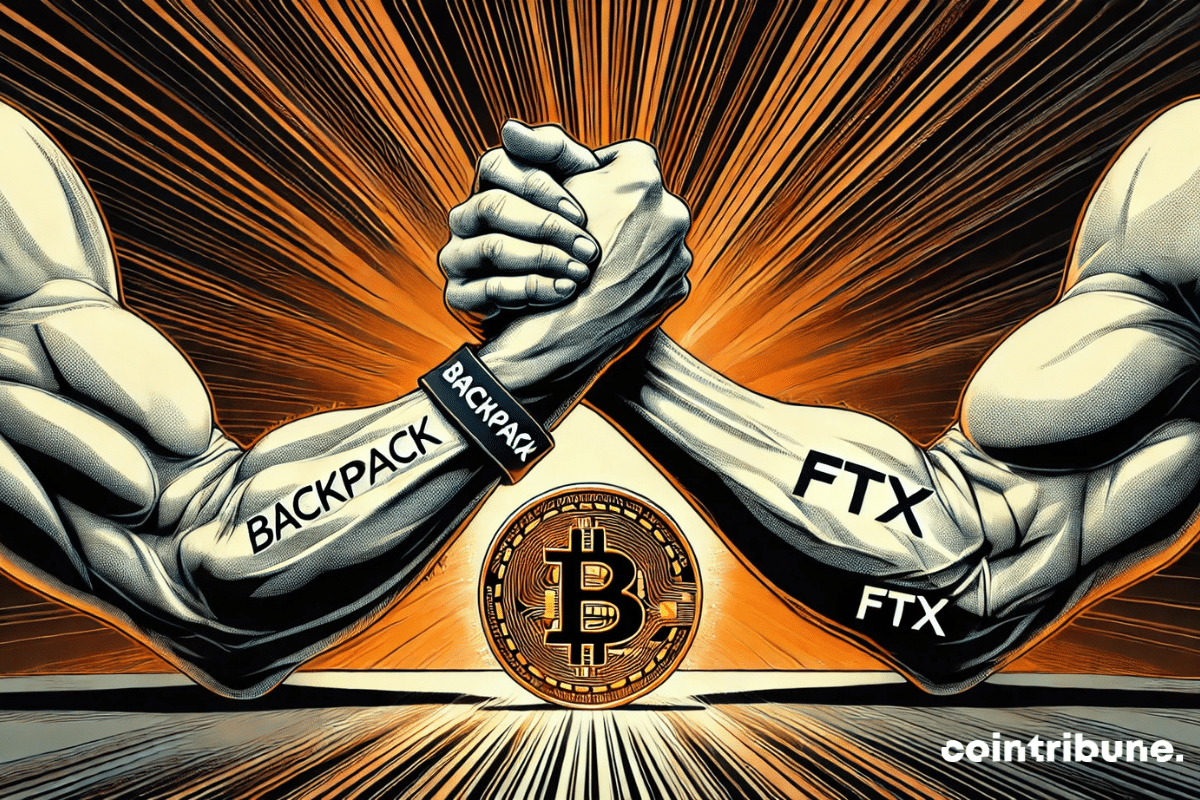
The crypto company FTX accuses Backpack of acquiring FTX EU without judicial approval. We provide all the details in this article.

MEXC, one of the leading crypto platforms, is kicking off the new year with an exceptional initiative for its European users. From January 2 to 16, 2025, the platform offers exclusive rewards focused on USDT deposits and trading. This event aims to provide a seamless user experience and generous benefits while strengthening MEXC's presence in the European market.

A few statements are enough to shake the markets, and Donald Trump has once again demonstrated this. An article in the Washington Post suggested that his team was exploring a more nuanced approach to tariff policy. This single premise was enough to push stock indices higher, with investors betting on a relaxation of trade tensions. However, the former president was quick to respond. In a message posted on social media, he firmly denied this information, calling it yet another attempt at media manipulation. This sudden about-face triggered a shockwave in the financial markets.
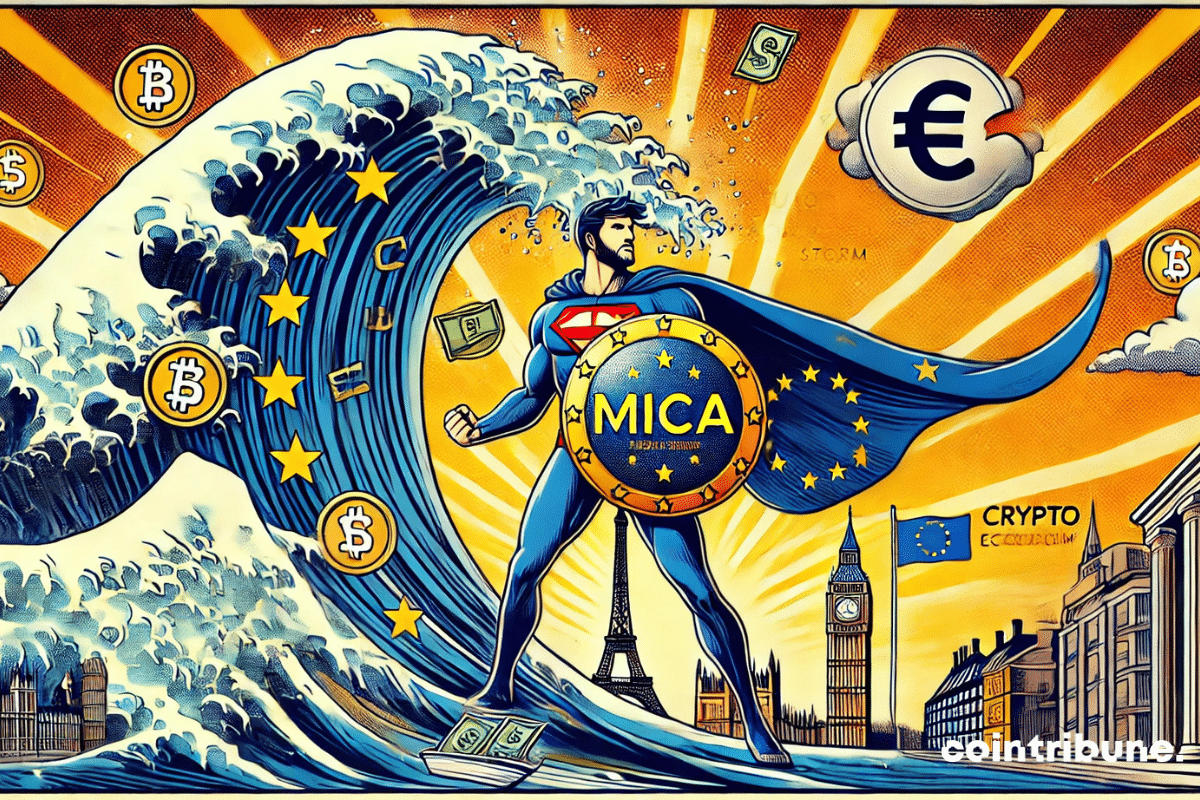
At the heart of the old continent, the European Union is taking a decisive step towards the crypto future. The long-awaited implementation of the MiCA regulatory framework brings a breath of fresh air to the crypto industry. Stakeholders in the sector welcome this progress, while fearing possible administrative overreach. Yet, despite these legitimate concerns, optimism remains. Institutional investors are preparing to inject fresh capital. At the same time, governments are refining their surveillance strategies. The tension is palpable, but MiCA promises, in the long term, to solidify the rise of cryptocurrencies in Europe.

Backpack Exchange, a fully regulated cryptocurrency exchange platform on a global scale, announced today the acquisition of FTX EU, the former European branch of FTX holding a MiFID II license. Approved by the FTX bankruptcy court and the Cyprus Securities and Exchange Commission (CySEC), this acquisition represents a major milestone in Backpack's international expansion and demonstrates its commitment to providing secure and regulated trading solutions across Europe.
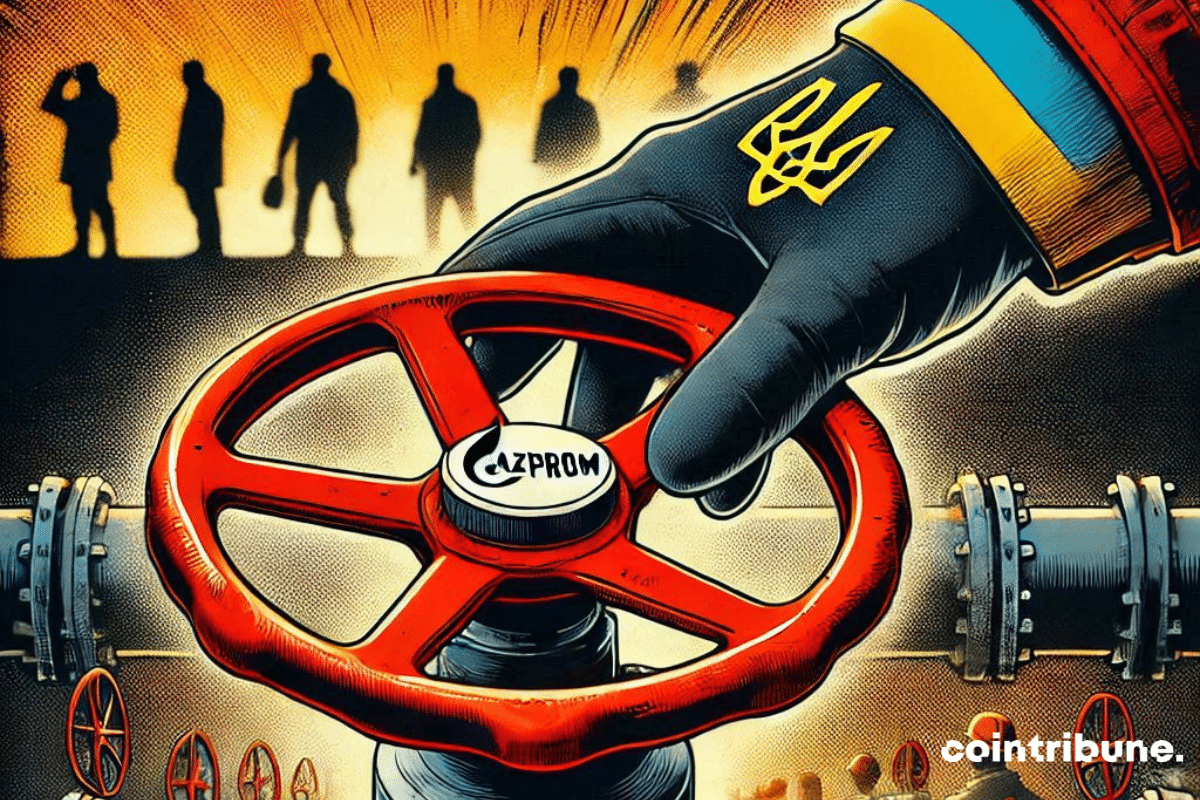
Goodbye pipeline, goodbye windfall: under the bombs, Kiev breathes a chilling wind that extinguishes the Russian stoves and warms Europe with embarrassment.
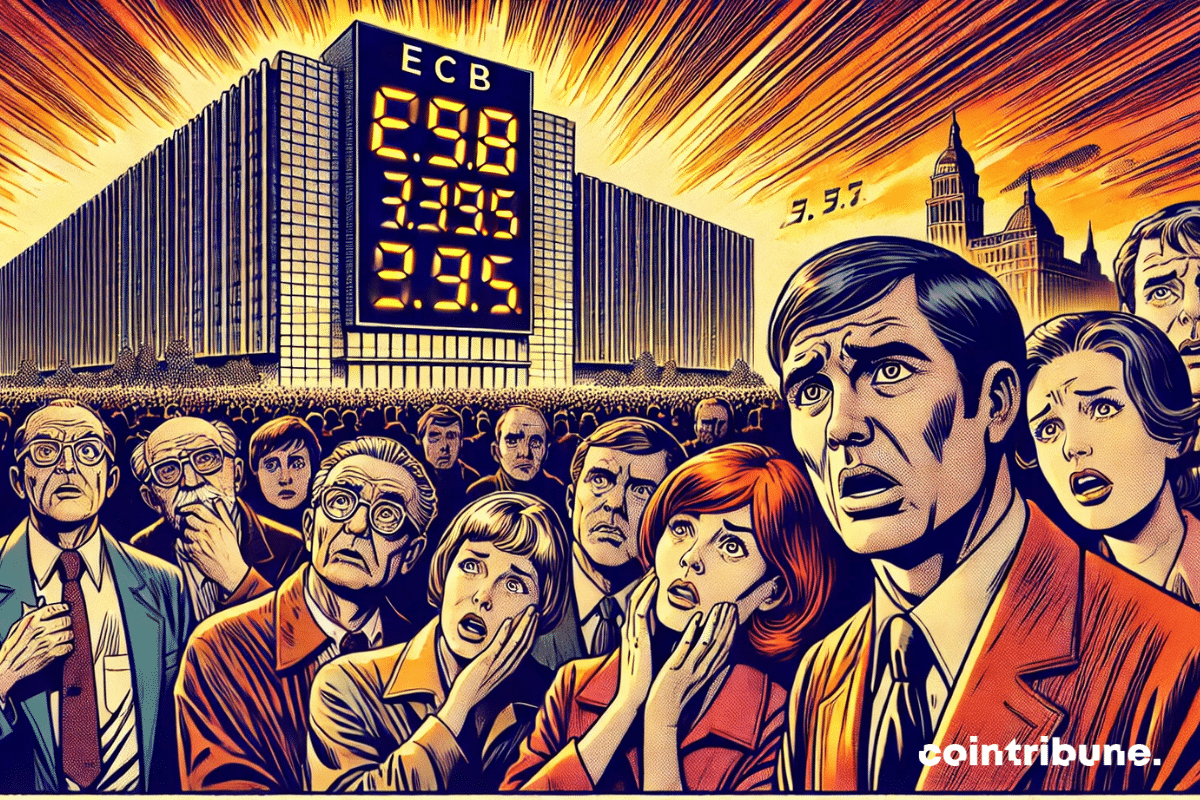
Inflation in the eurozone continues to receive close attention as markets monitor the release of December's figures. According to FactSet estimates, consumer prices are expected to rise by 2.4% year-on-year, up from 2.2% in November. This increase, although moderate, raises questions about the path the European Central Bank (ECB) is set to take. On one hand, some investors are betting on a rapid monetary easing, convinced that inflation will gradually return to the ECB's target of 2%. On the other hand, the sustainability of underlying inflation at 2.7%, fueled by rising prices of services and food products, urges the central bank to exercise caution. As the ECB prepares for its first meeting of the year on January 30, the balance between supporting the economy and controlling prices looks particularly delicate.

In 2024, cryptocurrencies reached a significant milestone with their increasing integration into global financial systems. This year was marked by major initiatives driven by ambitious regulations and large-scale strategic projects. In the United States, the potential adoption of the Bitcoin Act paved the way for discussions on the role of cryptocurrencies in economic sovereignty. In Europe, the MiCA regulatory framework established unprecedented rules to stabilize markets and protect investors. At the same time, Latin America emerged as a key player, with innovative partnerships like that of El Salvador and Argentina, consolidating their position in the face of local economic challenges. These advancements reflect a global movement in favor of the adoption of these assets and outline a new trajectory for the crypto industry and its future implications.

Ukraine halts Russian gas transit starting in 2025. Discover the major consequences for the European economy!

The European Union stands on the brink of a historic change with the impending implementation of the MiCA regulation (Markets in Crypto-Assets), aimed at regulating cryptocurrencies and enhancing transparency in the market. Among the many implications of this regulation, the fate of the USDT stablecoin, issued by Tether, raises significant questions. This token, which holds a central position in crypto transactions worldwide, could be banned or restricted in Europe if authorities deem it does not meet MiCA's requirements. However, as the deadline of December 30, 2024 approaches, no clear directive has been communicated. This situation has led to varied responses among major exchange platforms. For instance, Coinbase has taken the lead by removing USDT from its European services and opts for a conservative approach in the face of regulatory uncertainties. Conversely, major players like Binance and Crypto.com keep the stablecoin accessible, as they bet on future clarifications. This climate of ambiguity reflects the scale of the challenges posed by implementing MiCA and highlights the need for a harmonized framework to avoid disrupting a rapidly growing sector.
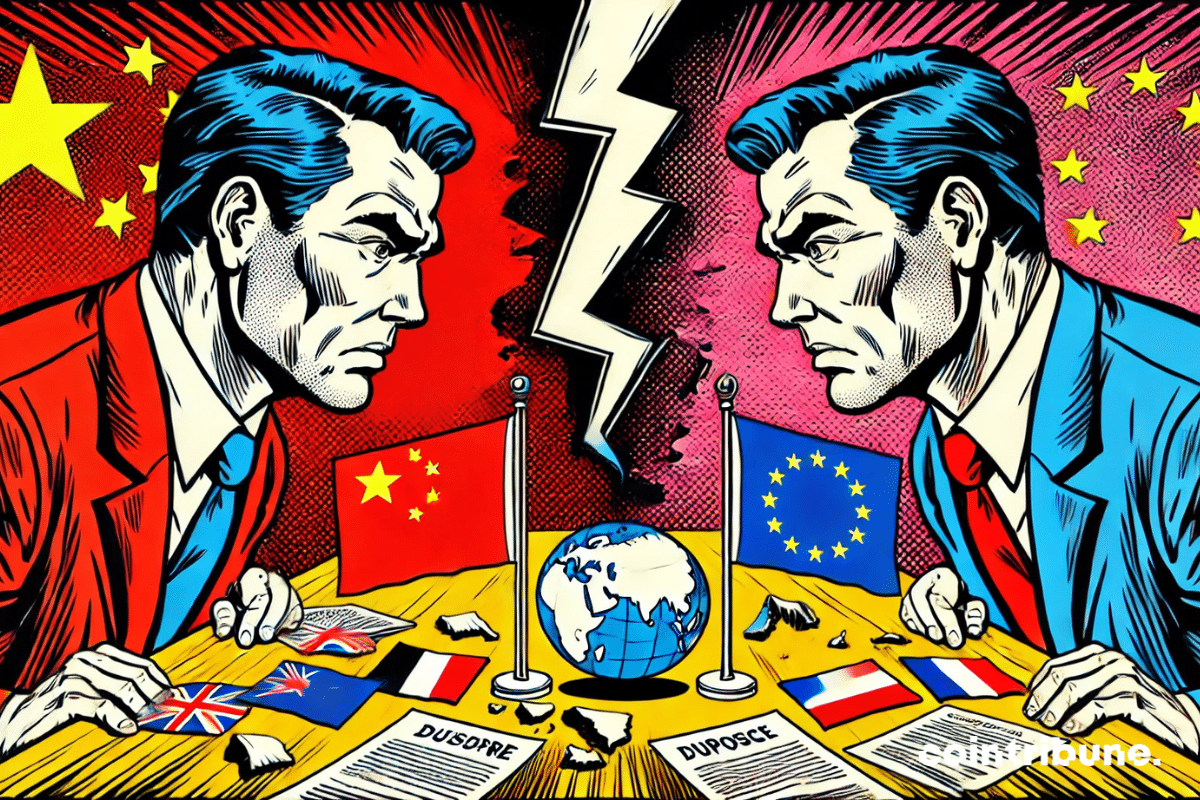
Global trade is going through a period marked by increasing tensions, where diplomacy and economy intertwine in strategic rivalries. Indeed, China's opening of an anti-dumping investigation into European cognac imports signals a new front in the trade conflict with the European Union. This move, perceived as a direct response to European accusations against Chinese subsidies for electric vehicles, reflects an escalation of economic retaliations between two major powers. Such a case goes beyond a mere trade dispute. It raises fundamental questions about the balance of international exchanges and the role of institutions like the World Trade Organization in arbitrating these disputes in an increasingly complex rivalry context.

Tensions between the United States and the European Union are escalating once again. Donald Trump, known for his aggressive trade policy, has targeted the European trade surplus, which he describes as "huge." The elected American president threatens to impose heavy tariffs if European countries do not reduce this imbalance by significantly increasing their purchases of American oil and gas. This strategy aligns with the continuity of his protectionist rhetoric aimed at enhancing the competitiveness of the United States on the global stage.

The European Union is about to take a major step in regulating cryptocurrencies with the imminent entry into force of the MiCA (Markets in Crypto-Assets) rules. This initiative, praised by some as a step towards better transparency and an increased fight against financial abuses, however, triggers intense concerns among industry players. Indeed, the regulation requires the removal of USDT, the most widely used stablecoin in the world, from regulated platforms within the EU. Such a decision could disrupt the balance of European markets and call into question their attractiveness on the global stage.

In 2024, Bitvavo reached a major milestone by recording a trading volume of nearly 100 billion euros, thus consolidating its position as a leader in the European crypto market. This exceptional performance is the result of a combination of several favorable factors that propelled the platform to new heights.

Europe, always trailing Washington, should soon align itself by lifting the curse on bitcoin.

Discover the hidden aspects of the ECB's digital euro project, scheduled for 2025, and its implications for the future.

In an already fragile global economic context, the Chinese slowdown acts as a shockwave for European companies in iconic sectors such as luxury and automotive. While these industries had grown accustomed to sustained growth driven by the appetite of the Chinese market, the signals from the third quarter paint a grim picture. Behind the numbers lies a faltering economic model, which raises deep uncertainties about the future of trade between Europe and China.

The currency market is experiencing particularly marked turbulence in recent days, as the dollar continues to show spectacular strength against the euro. To the point that some analysts anticipate a critical threshold: parity between the two currencies. This dynamic, which represents a two-year peak, raises concerns among economists, businesses, and investors, with potential repercussions on the European and global economy.

MiCA in conductor mode: two stablecoins land in Europe, but banks are playing a risky tune.

The European Union is about to sign a historic agreement with Mercosur, leaving France on the sidelines. Despite protests from Paris, the European machine seems to be moving at full speed. But what is really happening behind the closed doors of Brussels? When Europe ignores French protests France says no,…
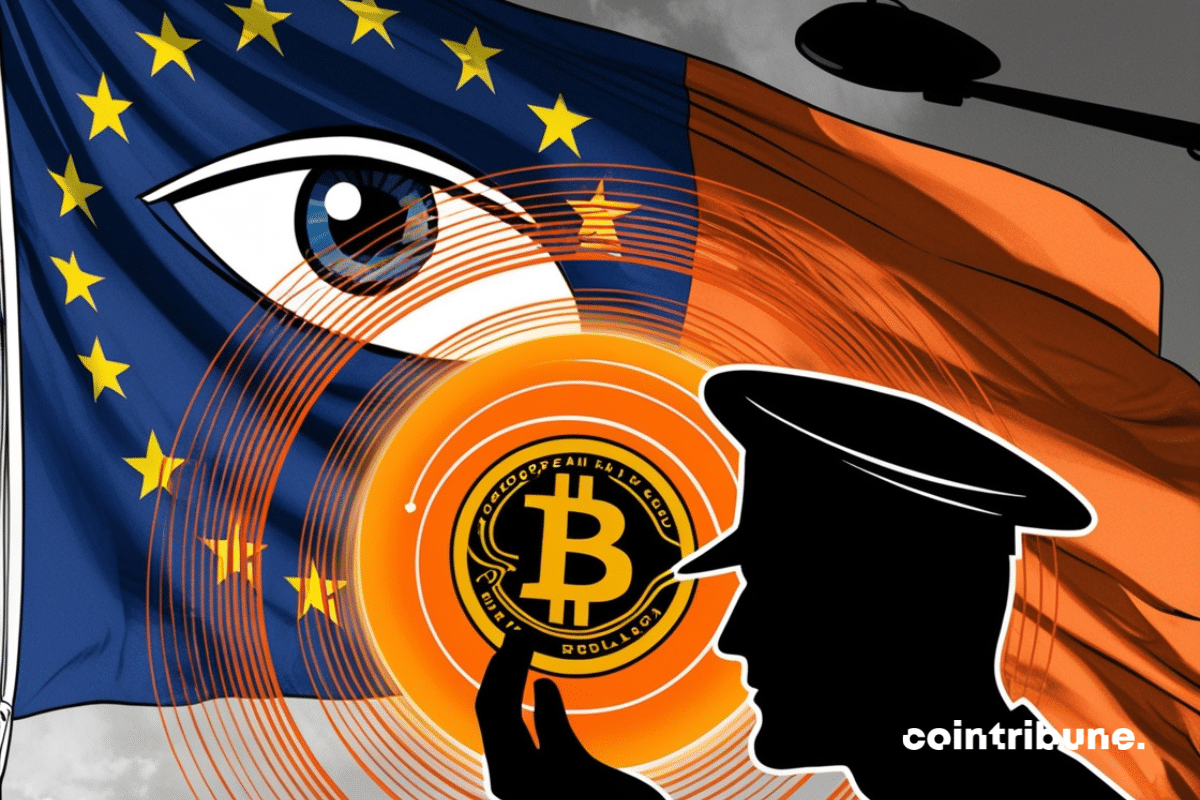
The Bank of France, like a warrior of old, demands order over the chaos of cryptocurrencies, calling for Esma for support.
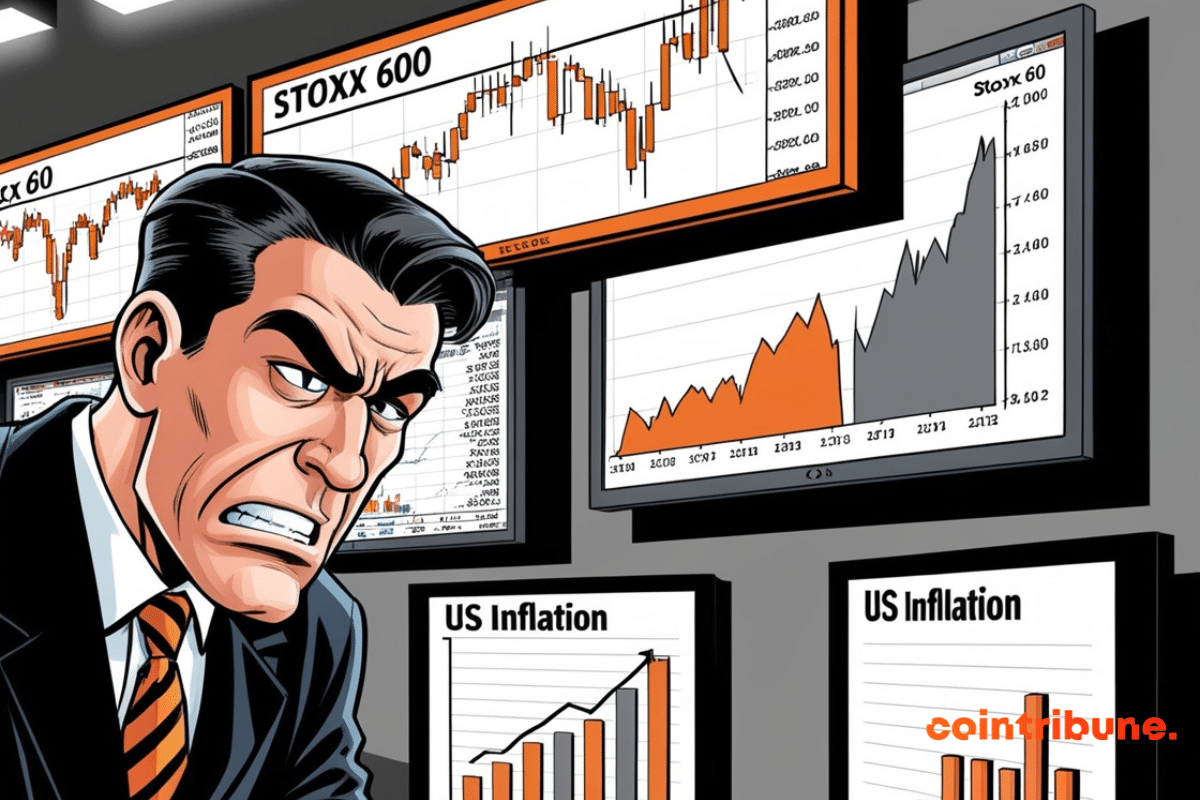
"Suspense among traders: American inflation, the new obsession of Wall Street! Europe is calm, but Siemens and Just Eat are having fun."
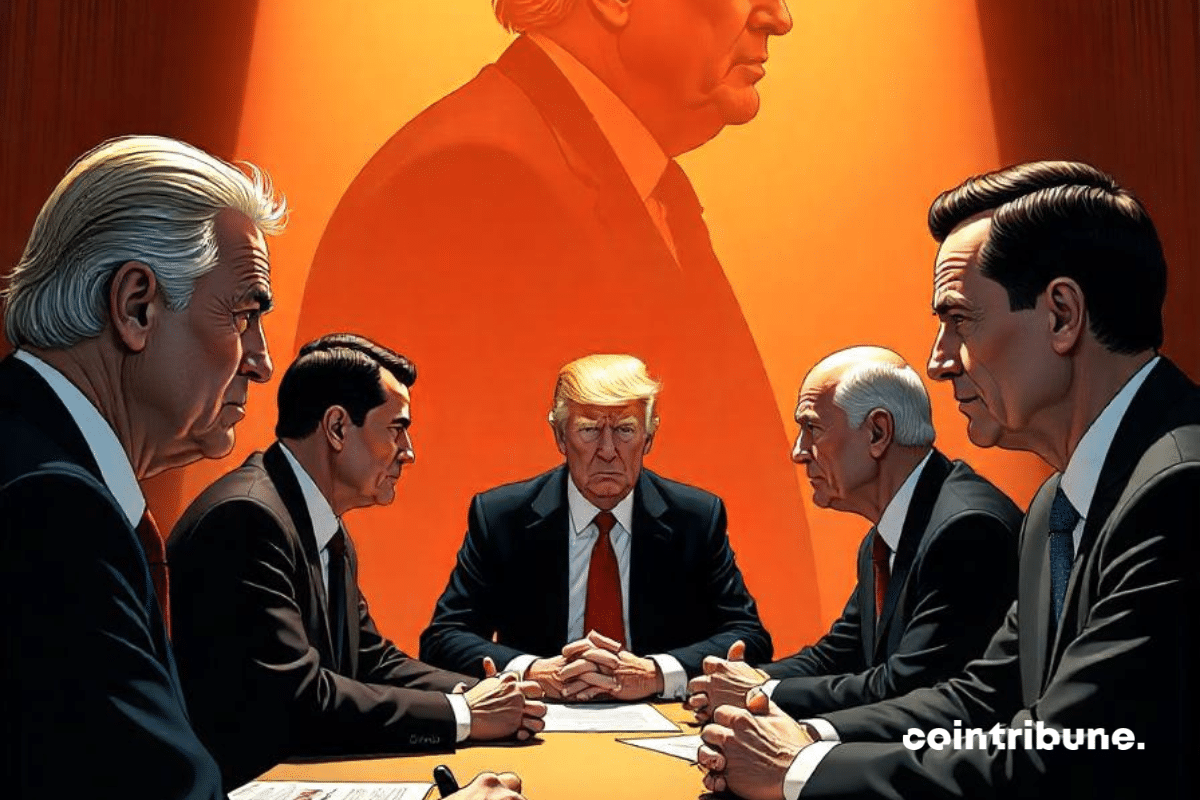
Donald Trump's election to a second term as President of the United States could redefine the balance of power between Europe and its traditional ally across the Atlantic. In the face of this political upheaval, European leaders are confronted with critical questions about the future of their security, their strategic autonomy, and their economic partnership with the United States. As Europe is already weakened by internal tensions, Trump's return rekindles fears of an American disengagement in defense matters, as well as the threat of a trade war.
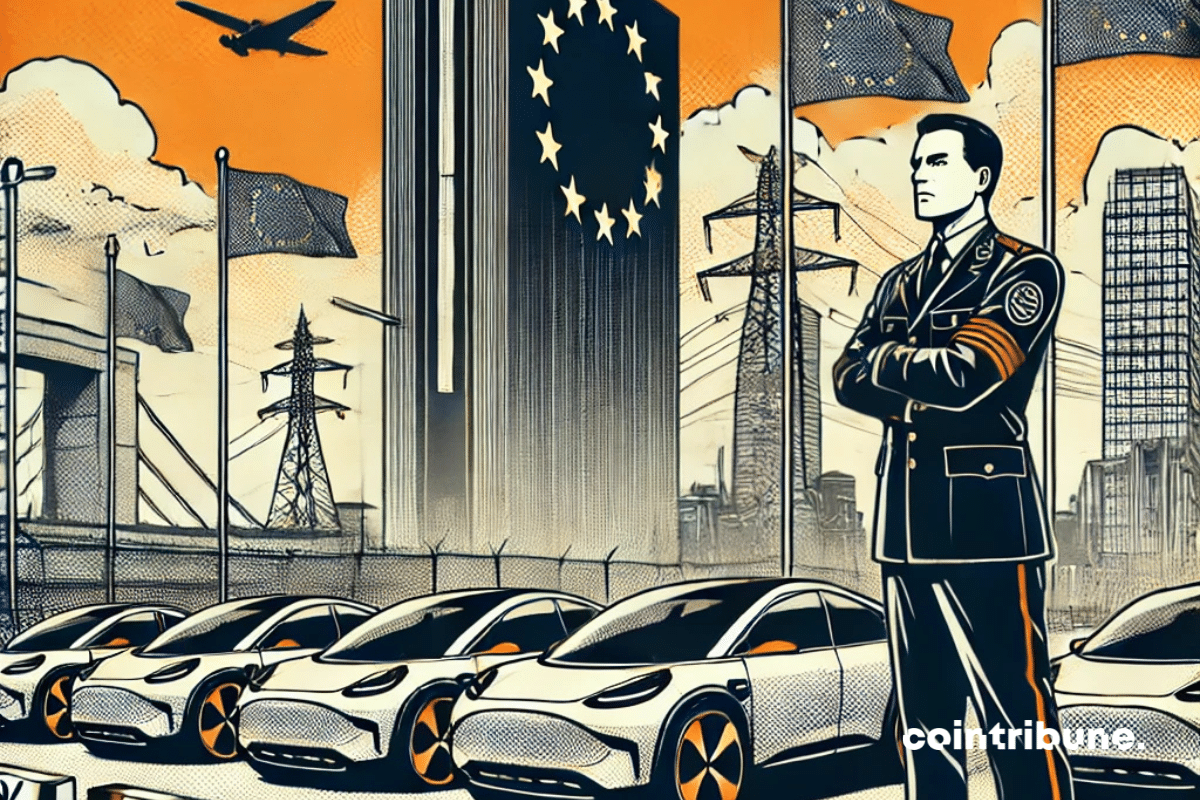
On Tuesday, October 29, 2024, Brussels approved a drastic increase in customs tariffs on electric vehicles imported from China. Such a measure follows a thorough investigation into the massive subsidies granted by Beijing to its national manufacturers. For Europe, it is a matter of industrial survival. While some applaud a necessary step to protect a struggling automotive market, others fear global economic repercussions.
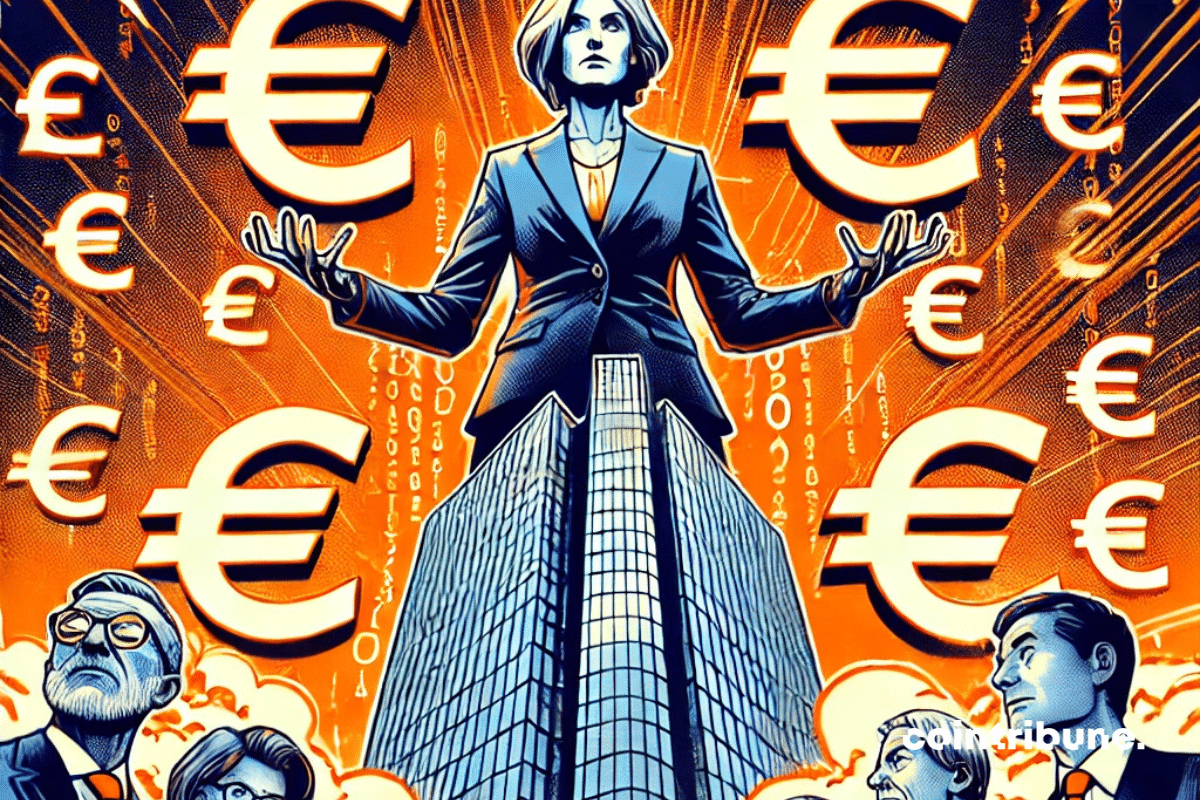
The introduction of the digital euro is causing a major confrontation between the European Central Bank and the EU member states. At the heart of this battle is the control of a new monetary instrument that could disrupt the balance of financial power in Europe. Nine countries, including France and Germany, are already openly opposing Frankfurt's ambitions.

The new MiCA (Markets in Crypto-Assets) regulation from the European Union promises to deeply shake the crypto universe. As the legislative framework is set to come into force by the end of the year, industry figures, like Tether’s CEO Paolo Ardoino, express their concerns. According to him, the banking reserve…

The ECB bites into Bitcoin: a scathing report, sharp criticisms, and a well-felt war of interests behind the scenes.