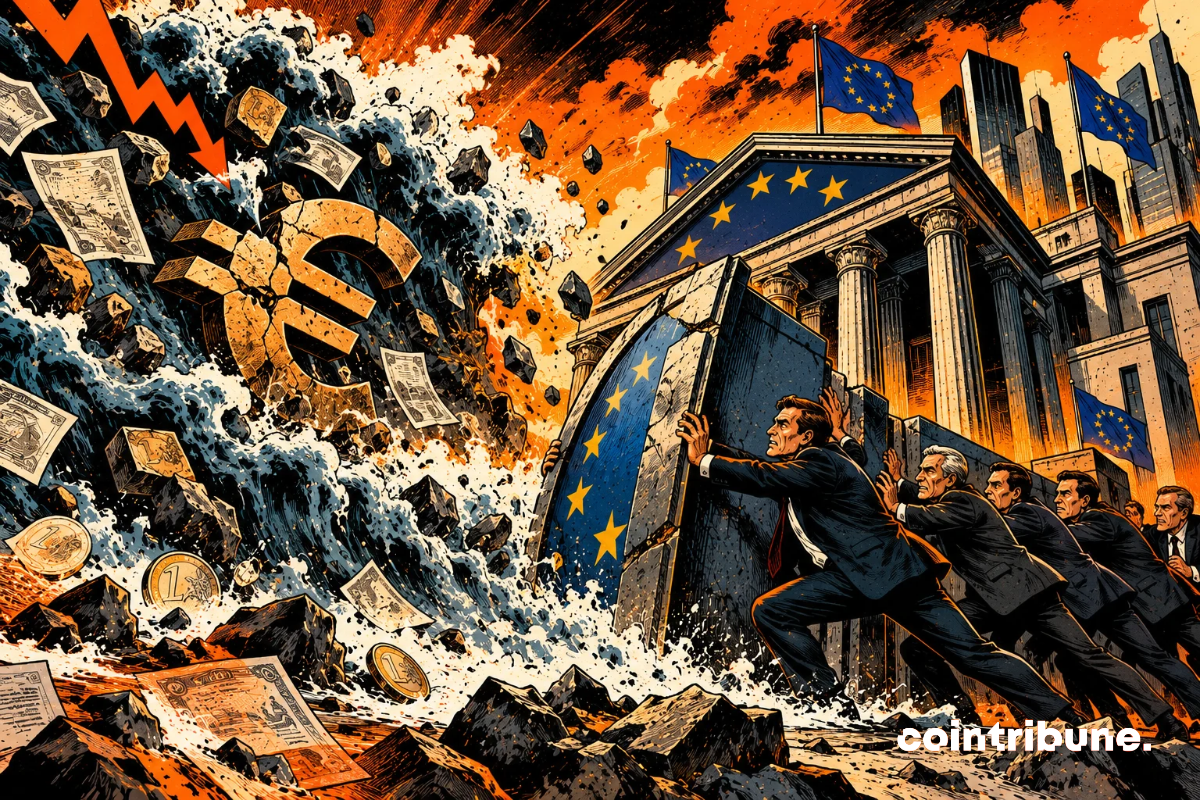
The European Union (EU) targets crypto platforms complicit with Russia in its 21st sanctions package! A historic measure that could disrupt markets and redefine the economic war.
The European Union has just opened a new front against the American tech giants. In a decision that could set a precedent in the artificial intelligence sector, Brussels has ordered Meta to reopen WhatsApp to chatbots competing with Meta AI. For European regulators, Mark Zuckerberg's group cannot use its messaging dominance to steer the future of a strategic market. Behind this injunction lies a much larger battle: the control of future access points to artificial intelligence.
First MiFID licensed platform to offer European retail traders 24/7 exposure, via futures, to US stocks, commodities and the largest* global indices, alongside cryptos, on a single account
Less than a month before the July 1st deadline, the European digital assets market is entering a decisive phase. Around 210 companies currently hold a MiCA license, compared to 2,747 VASP registrations recorded in 2024. This drop signals a shift for crypto in Europe, with a narrower, more regulated sector facing much heavier requirements.
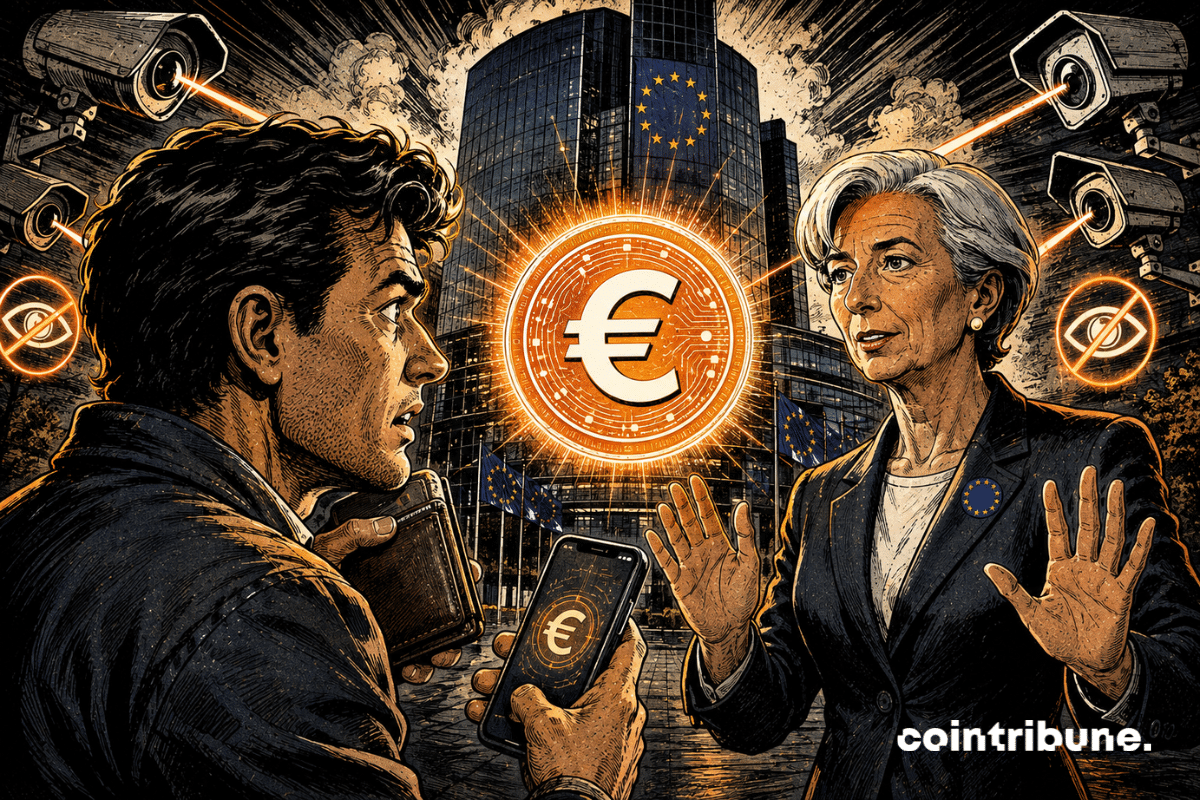
The ECB sees the digital euro as a strategic response to the rise of stablecoins. Behind this technical debate lies a more sensitive question: who will control the currency used in the global digital economy?
The AMF has just issued a historic ultimatum to French crypto companies: obtain MiCA approval before June 30 or disappear from the market. And 70% of them are still not compliant.
Europe is lagging behind the tech giants. Vitalik Buterin, co-founder of Ethereum, reveals the only strategy capable of reversing the trend: open source. A radical solution that could change the game forever.
Spain blocks Polymarket and Kalshi. Predictive market under pressure in Europe. Beginning of a domino effect?
Brussels and Mexico quietly strengthen their ties as crypto becomes a new global financial battleground. Between cartels, trade, and tensions with Washington, Europe now wants to monitor digital flows without breaking blockchain innovation.
At StablR, a single private key turned a regulated stablecoin into a smoking wreck. Brussels was quietly polishing MiCA, while the digital mechanics were already losing screws behind the technical curtains.
The European Central Bank toughens its stance against euro stablecoins. Meeting this week with European Union finance ministers, the ECB rejected several proposals aimed at promoting their development, considering that they could threaten the financial stability of the bloc. This position comes as dollar-backed stablecoins largely dominate the global market and increase pressure on Europe in the race for digital payments.
Does Europe finally want to regain control against the dominance of American stablecoins? The banking consortium Qivalis has just sent a strong signal to the market. With the arrival of 25 new European banks, the euro stablecoin project takes on a new dimension a few months before its planned launch in the second half of 2026.
While Donald Trump sets foot in Beijing for a visit presented as "historic", another battle is being fought far from the cameras: that of global industrial control. In Brussels, the meeting between the American president and Xi Jinping fuels growing concern. Behind the diplomatic smiles, Europe fears an agreement capable of reshuffling the cards of trade, technologies, and critical materials. Rare earths, supply chains, economic warfare: the Sino-American summit could accelerate Europe's industrial decline.
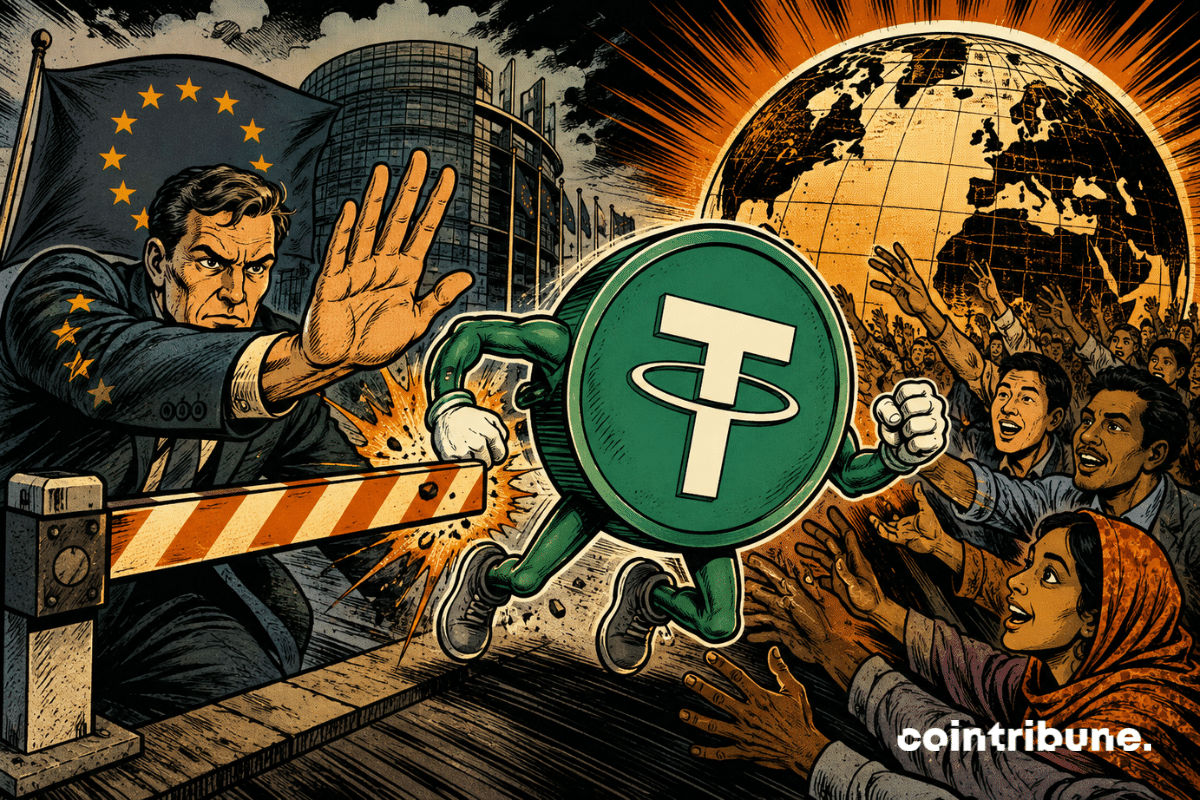
Europe does not want to let the stablecoin become the Trojan horse of the dollar in its digital payments. Christine Lagarde brought this issue back to the center of the debate, warning that the dominance of Tether and Circle could weaken European monetary sovereignty. The ECB does not reject the technology. It mainly refuses to import a model designed elsewhere.
Europe could soon deeply rethink its payment infrastructure. The Bank of Italy has just sent a strong signal in favor of a tokenized version of the SEPA system. An initiative that could redefine the role of the euro in an increasingly digital financial world.
Brussels pulls out the big crypto lock: stablecoins, digital rouble, Russian platforms. While Moscow vows to hold firm, Europe counts the pipes, shuts the taps, and coldly smiles at the hurried fraudsters.
Europe thought it was laying the foundations for a safer crypto market. It may have actually hindered its own digital currency. Behind MiCA, presented as an exemplary framework, a reality sets in: euro stablecoins remain marginal compared to the dollar's hegemony. A recent report reveals this imbalance and revives a strategic debate. Between investor protection and global competitiveness, the European Union faces a dilemma that could weigh heavily on its place in digital finance.
The digital euro is taking on a more political than technical turn. The ECB wants to build an open European payment infrastructure capable of reducing the continent's dependence on Visa, Mastercard, and major foreign digital wallets.
Brussels brings out its big regulatory comb, small crypto players are already losing feathers. Officially, investors are protected. Unofficially, some are already looking at the exit, suitcase in hand.
MiCA tightens the screws, bankers count their clients, and crypto shows up at the counter without an appointment. In Europe, even safes are beginning to eye their neighbors.
European banking is accelerating in the stablecoin field. The Qivalis consortium, now presented as a group of 12 major European banks, has chosen Fireblocks to build the infrastructure of a euro stablecoin compliant with MiCA, aiming for a launch in the second half of 2026 under Dutch supervision.
The crypto file is still progressing, but not as fast as expected in Washington. A Republican senator wants to postpone the next step of the CLARITY Act, a crucial text to regulate the digital asset market in the United States, until May.
In Warsaw, crypto is no longer only about wallets but about drawn knives. The president blocks, Tusk fumes, Zonda stirs, and MiCA waits outside in the rain.
Brussels unveils its gadget to protect children, then an expert almost whistles it apart. Durov smirks, tech coughs, and Europe still swears it is watching.
Europe no longer wants to watch the stablecoin market from the sidelines. In Paris, French Finance Minister Roland Lescure clearly pushed for more stablecoins pegged to the euro, with a simple idea behind this signal: to reduce the continent's dependence on payment infrastructures dominated by the dollar and non-European actors.
In Frankfurt, flashy cryptos are often snubbed, but well-groomed tokenization is pampered. Moral: blockchain is allowed in the lounge, provided you take off your shoes, stablecoins, and crazy ideas.
Crypto has settled into the French landscape but without causing a clear shift. In 2026, the topic no longer frightens as much. It intrigues, it circulates, it joins conversations. Yet, when it comes time to buy, France is still moving forward in small steps.
Europe is entering a new phase of its crypto regulation. The debate is no longer about the need to regulate the sector. It is now about a more sensitive question: who should really hold the steering wheel, Brussels or the national authorities?
While crypto is booming, the ECB tightens the screws, refuses overly free stablecoins, and quietly prepares its own financial playground.
A crypto bank joins the first regulated European blockchain market. We provide you with all the details in this article.