
Sun 04 Jan 2026 ▪
5 min read
▪
by
Is Bitcoin bored? Not really. Between wild OGs, voracious ETFs, and complicit regulations, the beast calms down... but could bite again where it's least expected.
Is Bitcoin bored? Not really. Between wild OGs, voracious ETFs, and complicit regulations, the beast calms down... but could bite again where it's least expected.
Crypto markets are entering 2026 with stronger structural support than in earlier cycles. Clearer regulation, expanding financial products, and closer links to traditional finance are reshaping how digital assets are adopted and perceived. Coinbase’s research leadership expects this momentum to persist rather than weaken.
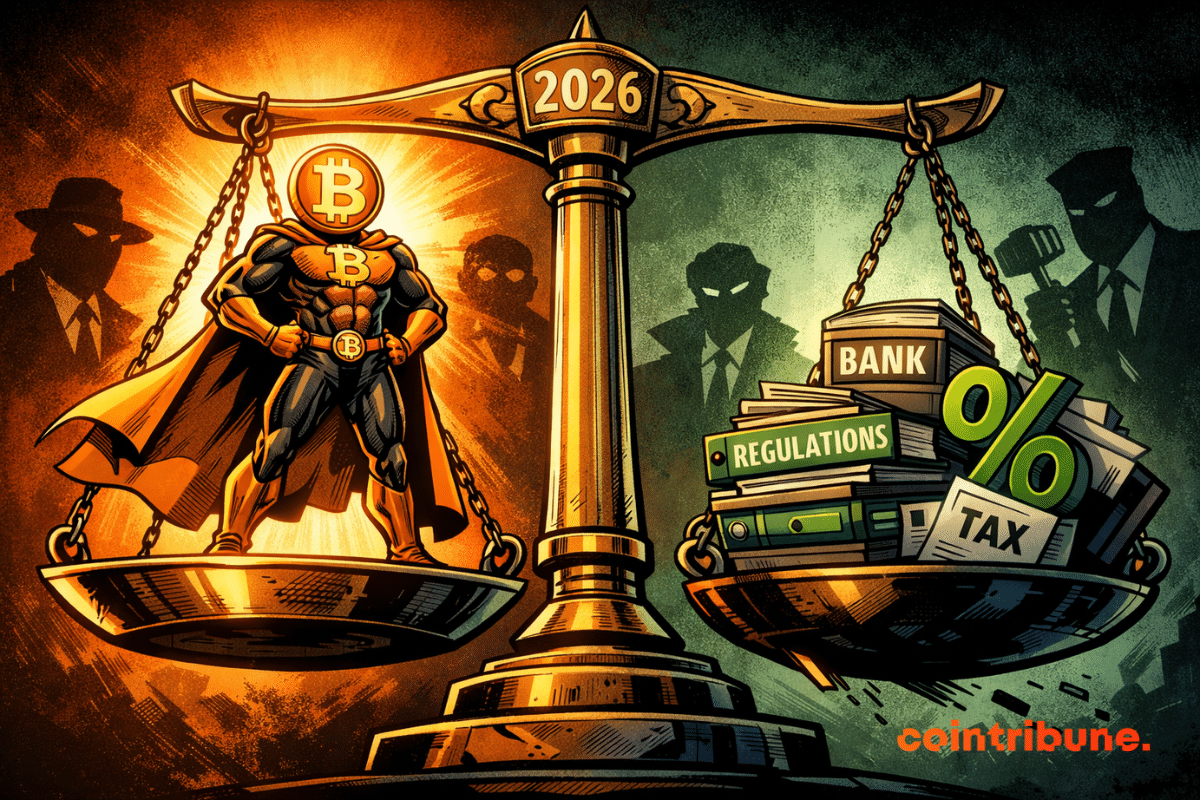
Is bitcoin climbing? Or plunging? Between juicy injections, cautious politicians and Harvard funds, 2026 promises a well-spiced crypto saga... with guaranteed suspense on the regulation front!
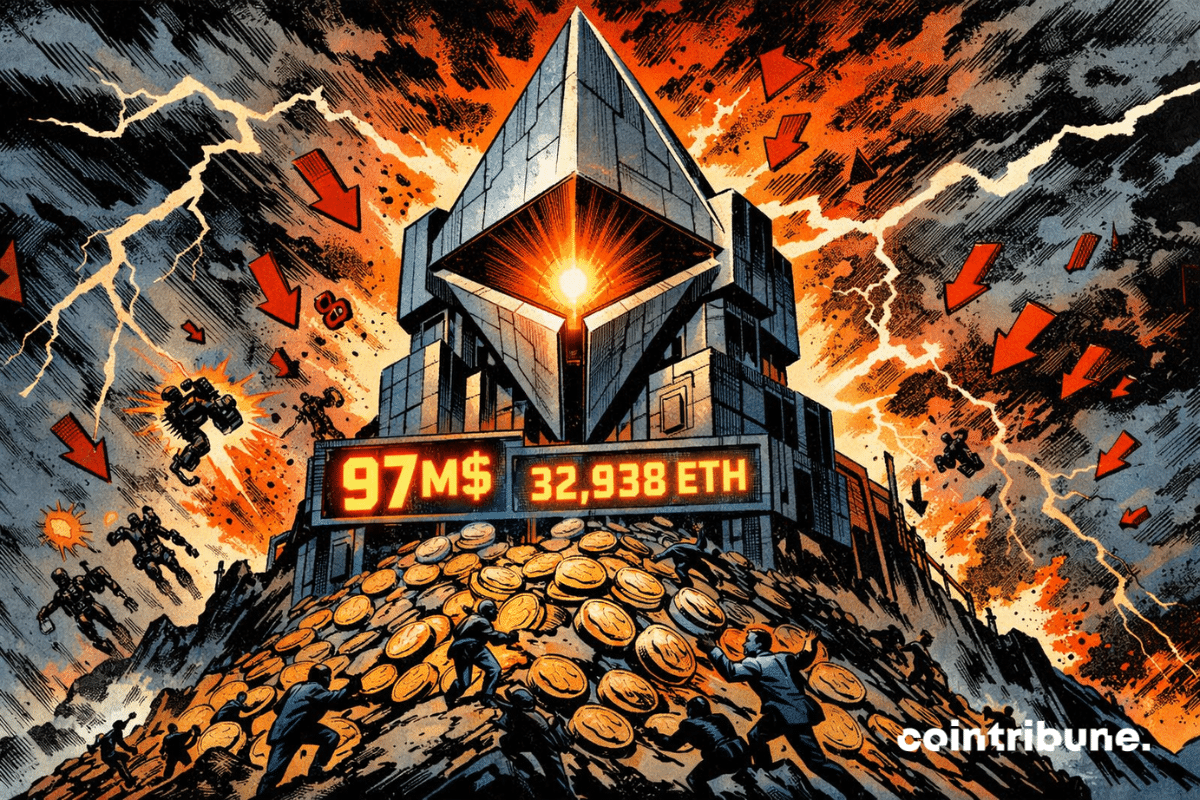
BitMine bets 97M$ on Ethereum in the middle of a bearish market. A risky bet or a calculated plan? Detailed analysis in this article.

Grayscale has just filed a dossier with the SEC to launch a Bittensor ETF, a first in the United States. This project could revolutionize access to decentralized AI for institutional investors. TAO, the flagship token of Bittensor, is preparing for massive adoption. A historic milestone for crypto and artificial intelligence.
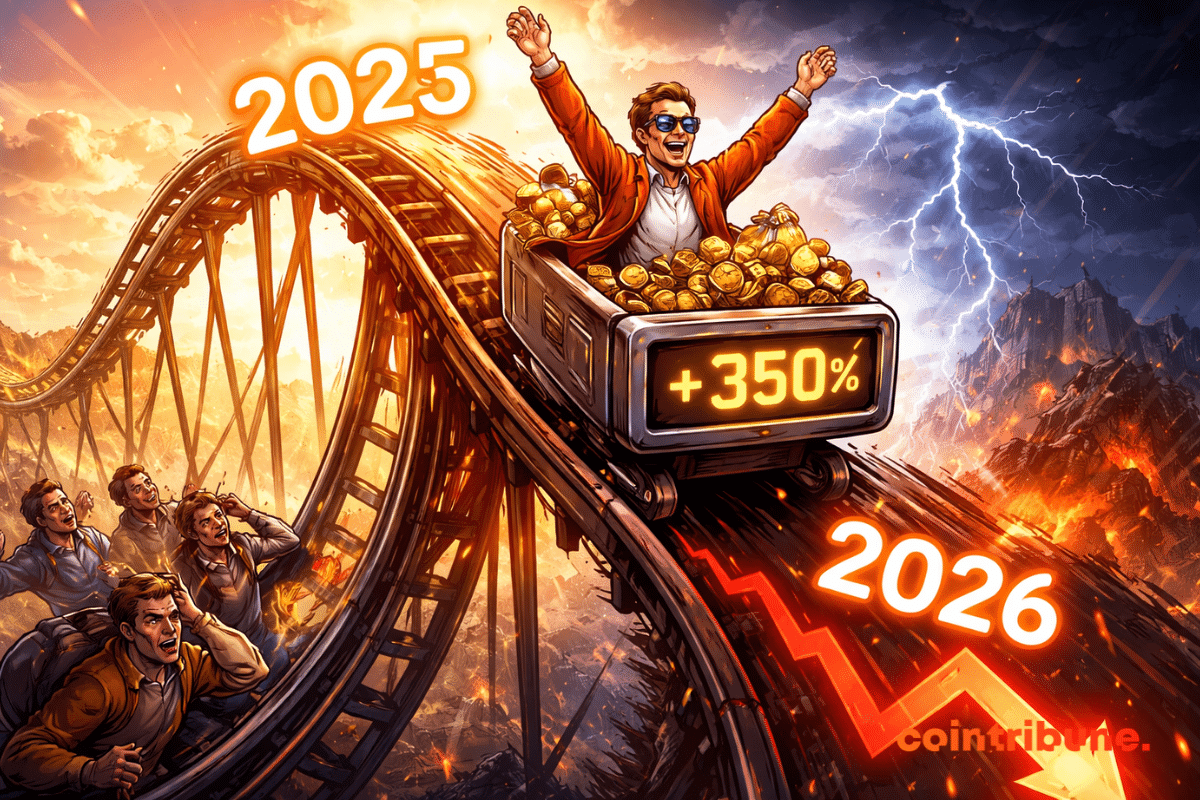
We've seen louder trends pass by. But rarely such a corporate trend. In 2025, the CTAs, those companies that put Bitcoin or other crypto-assets at the heart of their treasury, multiplied at an almost suspicious speed. And already, some leaders in the sector are talking about 2026 as a narrow corridor where many will not pass.

They promised the moon, but XRP falls silently. Even robots are worried... What if the dreamed crypto became the forgotten anecdote of New Year's Eve?

Crypto is plunging, Google is coughing, and retail traders are running away. The market is now just a VIP lounge for insiders lacking an audience. When will the sheep return?

Bitcoin lost momentum during U.S. trading hours, keeping the broader crypto market confined to a narrow range. XRP followed the same pattern, slipping to $1.86 even as demand through spot exchange-traded funds remained steady. The gap between rising ETF assets and muted price movement suggests the market is still absorbing supply near key levels.
After siphoning off millions for a month, the XRP ETF coughs one day, stops... and everyone holds their breath: simple cold or crypto liver crisis?

In five days, Bitcoin ETFs listed in the United States lost more than 825 million dollars, according to Farside Investors. This series of withdrawals marks a clear decline in institutional demand approaching 2026. After a year marked by enthusiasm around BTC-backed funds, the trend reversed during this December.

Bitcoin and Ethereum are seeing ongoing ETF outflows as institutional investors pull back, signaling cautious sentiment and weaker market momentum.

Bitcoin plunges, IBIT takes off, and BlackRock cashes in. A contrarian strategy turning an ETF into a billion-dollar magnet. Skeptics laugh, but the numbers respond.

When Trump dreams of a crypto-compatible America, he appoints a former SEC member to the CFTC. Endorsed by Web3 stars, Michael Selig promises rules, not slaps. To be continued...
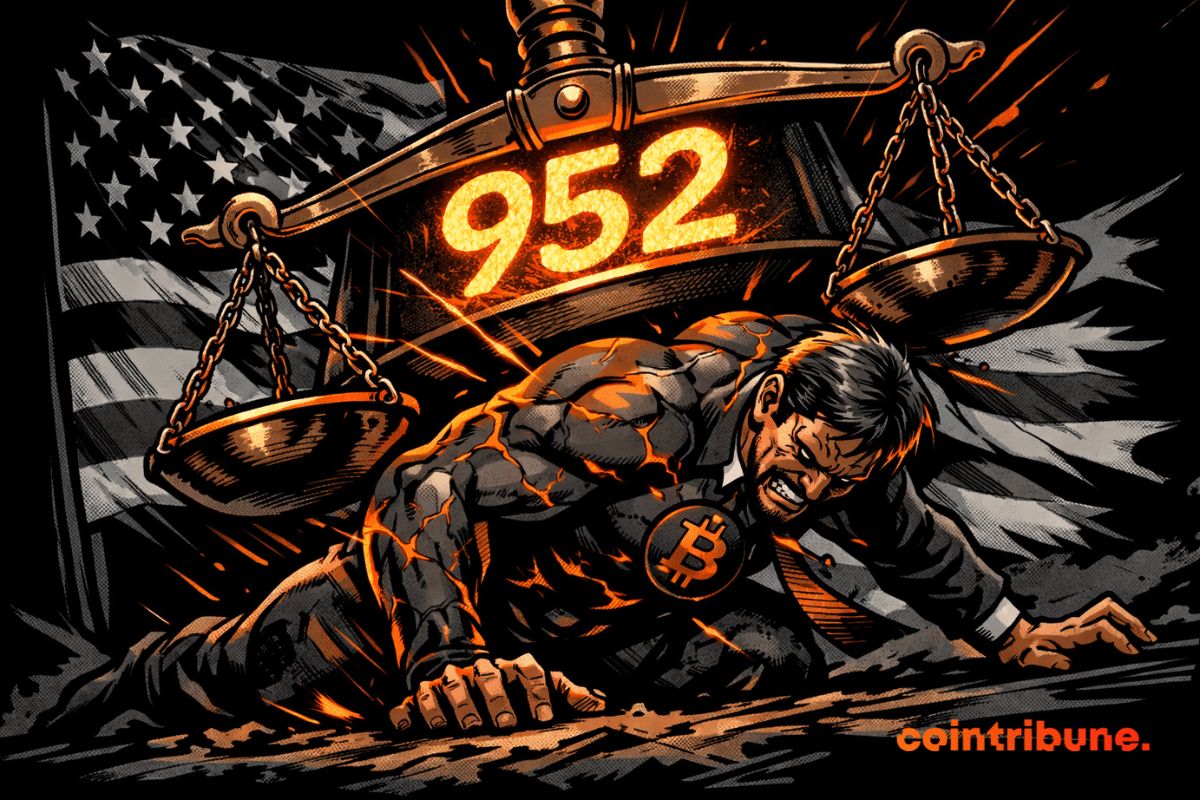
Global crypto exchange-traded products (ETPs) saw a sharp pullback last week amid a return to regulatory uncertainty. New data from CoinShares shows investors withdrew nearly $1 billion, ending a three-week streak of inflows. Delays around the U.S. Clarity Act played a key role in weakening sentiment, especially among U.S.-based institutions. Market activity also pointed to rising caution around large holders and near-term policy risks.

There are alerts that slam like a door. And then there are those that creak, slowly, until they become impossible to ignore. Mike McGlone, senior commodity strategist at Bloomberg Intelligence, clearly places his message in the second category: for him, 2026 could resemble a big end-of-cycle decompression. Not just a “pullback”. A broader, dirtier, more contagious move.

Bitwise, the asset manager specializing in crypto, has officially filed an S-1 form with the Securities and Exchange Commission (SEC) to launch a Sui spot ETF in the United States.
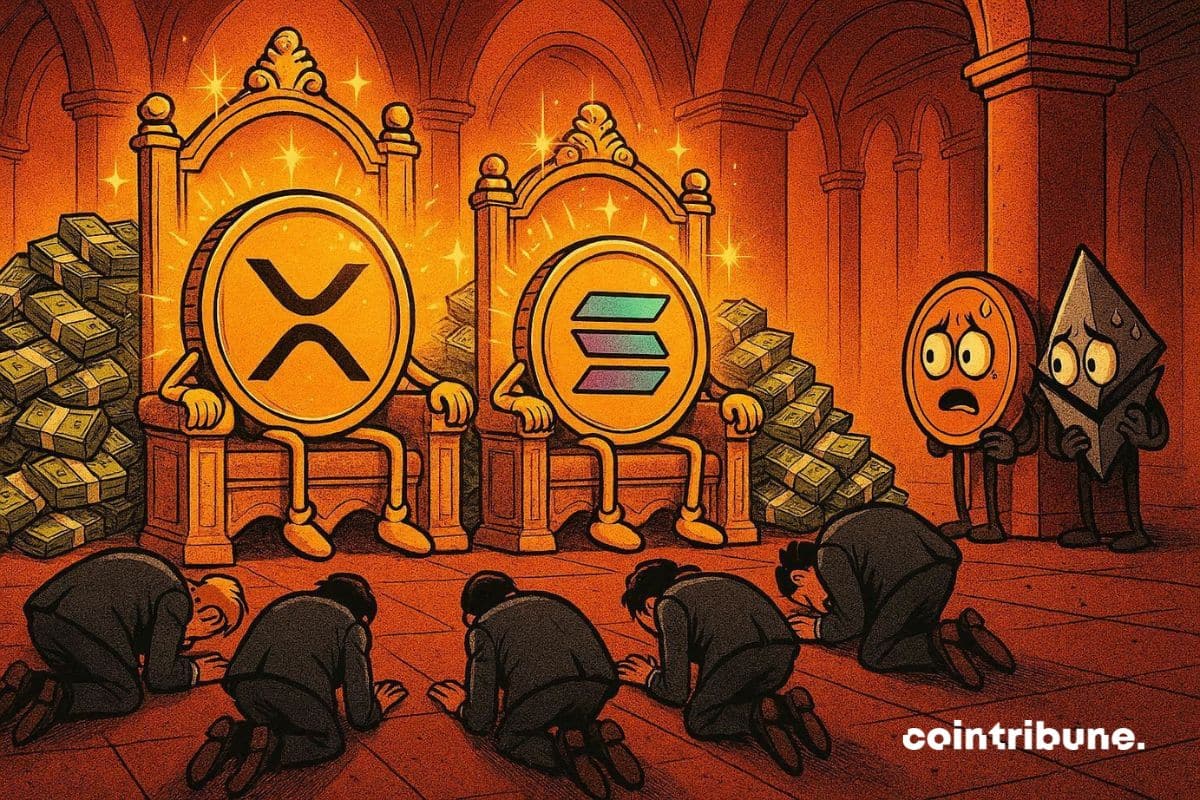
In 2025, institutional money flees Bitcoin and Ethereum to rush towards XRP and Solana, with record ETF flows exceeding one billion dollars. Why this historic turnaround? The data reveal an irreversible trend: investors now bet on crypto assets with concrete utility, not speculation.

The Bank of Japan tightens the screws, cryptos fall, but Bitcoin, that old trickster, attracts big fish. Social panic, full ETFs: explosive cocktail or flash in the pan?

Financial products backed by XRP have just crossed the one billion dollar mark in assets under management. For several weeks, inflows have accelerated, driven by renewed institutional interest. In a market dominated by Bitcoin and Ethereum ETFs, the growth of Ripple's asset surprises by its consistency. This movement contrasts with capital outflows observed elsewhere, signaling a discreet but firm repositioning of investors towards an asset long kept in the background.

Despite a crypto market torn between macroeconomic uncertainties and consolidation phases, a strong signal shakes up the trend. Within a single day, spot Bitcoin ETFs recorded 457 million dollars in net inflows, their highest level in over a month. This buying wave, led by giants like Fidelity and BlackRock, reflects an unexpected resurgence of institutional interest and breathes new life into the dynamics of regulated crypto financial products.

Brazil did not wait for crypto to fall in line. It simply decided to open the official path for it. With the arrival of the Solana (VSOL) product on the B3, the country’s main stock exchange, the Brazilian market takes a step forward, that of assumed regulated crypto. And for Valour, the DeFi Technologies subsidiary, this is much more than a simple launch. It is a signal addressed to an entire continent.

Solana is not collapsing but shows a clear cooling in the crypto market. SOL lost 52% between September 18 and November 21, in a context where altcoins have dropped. The key point is not just the price drop towards a possible 80 dollar scenario, it is the simultaneous decline of on-chain indicators, which suggests a real decrease in usage and engagement on the network.

The crypto market was hit by a wave of heavy corrections as a rough weekly outing triggered cautious sentiment among investors. During the downturn, heavy liquidations were recorded as some whales took profits while others moved to limit losses. On-chain data shows increased activity from large Bitcoin and Ethereum holders. In fact, U.S. spot Bitcoin and Ether ETFs recorded combined outflows of over $580 million on Monday, extending a broader trend of capital exits. As these heavy outflows persisted, market watchers observed whales rotating capital into a new game-based memecoin project.

Despite strong institutional demand and nearly a billion dollars injected into XRP ETFs, the token fell below the symbolic $2 threshold. While incoming flows multiply, the spot market remains under pressure. This divergence between fundamentals and price is striking. Why is XRP falling while major investors are buying? Between a bullish signal and technical fragility, the market seems divided. Such a situation complicates reading the upcoming trends.
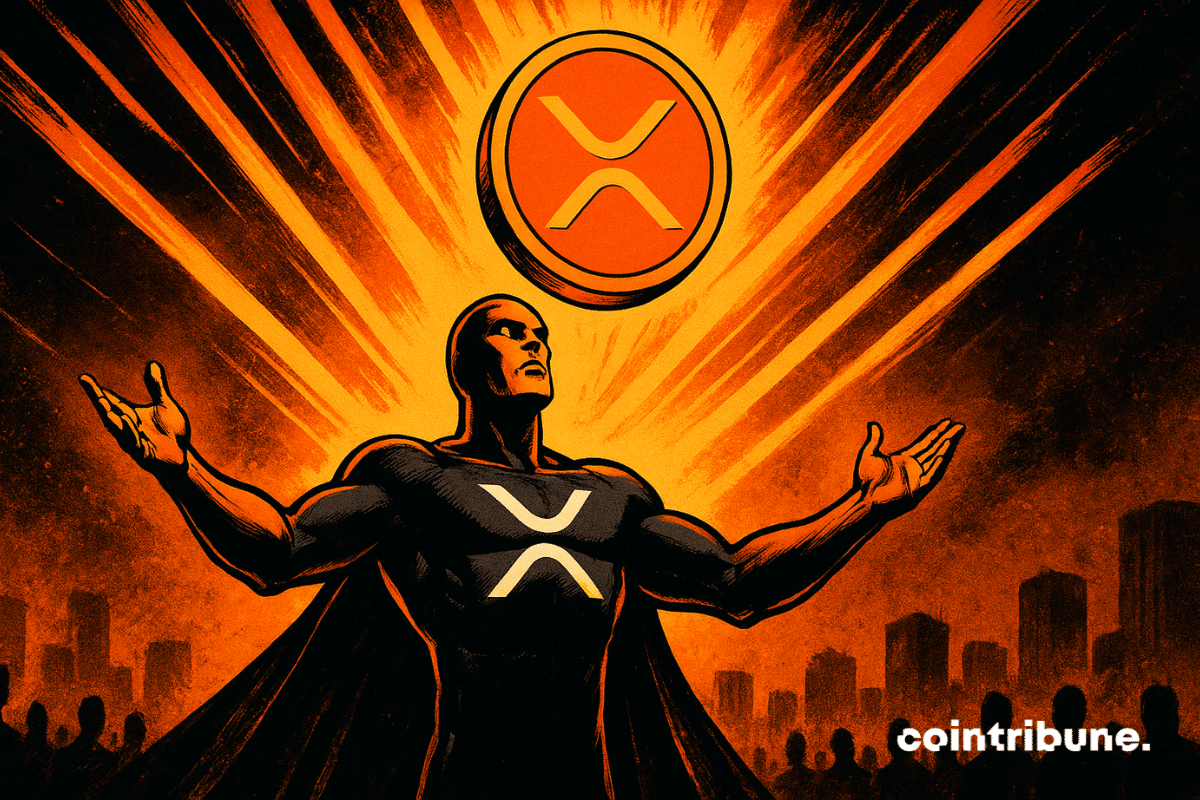
The XRP market shows encouraging signs as retail investor optimism reaches new highs on social platforms. Meanwhile, exchange-traded funds linked to this crypto continue an impressive streak of capital inflows.

While Solana is losing ground in the crypto market, its ETFs show an unprecedented series of seven days of net inflows. In a downtrend, this institutional flow is intriguing: why inject so much capital into a declining asset? This contrast, between disinterest in the spot and enthusiasm for regulated products, raises questions about the real perception of the Solana project and its medium-term prospects.

While Bitcoin ETFs attract massive institutional inflows and macroeconomic conditions argue for a rebound in risky assets, the price remains surprisingly stuck below 90,000 dollars. This stagnation, out of sync with the prevailing bullish signals, points to invisible forces restricting its progress. Between yield strategies and sophisticated arbitrage, a more discreet mechanism seems to weigh on the market just as investors expect a new momentum.

John Ameriks does not believe in Bitcoin. The Vanguard executive even compares it to those Labubu plush toys that went viral. Surprising, when you know that the financial giant actually allows its clients to trade crypto ETFs on its platform. A revealing inconsistency of the persistent discomfort in traditional finance.

Ethereum is stagnating: whales are accumulating, ETFs are flowing, but the breakout is on strike… Behind the scenes, there is movement, but the chart breakout still boycotts the party.
 ." class="img img--ratio w-auto h-auto" src="data:image/svg+xml,%3Csvg%20xmlns='http://www.w3.org/2000/svg'%20viewBox='0%200%200%200'%3E%3C/svg%3E" data-lazy-srcset="https://www.cointribune.com/app/uploads/2025/12/ZERO-ENTREE-ETF-XRP.png 1200w, https://www.cointribune.com/app/uploads/2025/12/ZERO-ENTREE-ETF-XRP-300x200.png 300w, https://www.cointribune.com/app/uploads/2025/12/ZERO-ENTREE-ETF-XRP-1024x683.png 1024w, https://www.cointribune.com/app/uploads/2025/12/ZERO-ENTREE-ETF-XRP-768x512.png 768w" data-lazy-sizes="(max-width: 300px) 100vw, 300px" data-lazy-src="https://www.cointribune.com/app/uploads/2025/12/ZERO-ENTREE-ETF-XRP.png">