Bitcoin plunges, IBIT takes off, and BlackRock cashes in. A contrarian strategy turning an ETF into a billion-dollar magnet. Skeptics laugh, but the numbers respond.
The trajectory of bitcoin is marked by cycles of rapid rises and dizzying falls. However, when will it reach its next peak? Peter Brandt, a recognized analyst, provides a bold answer: September 2029. His forecast reignites a crucial debate on the dynamics of crypto market cycles. However, beyond this deadline, the real question lies in the internal and external forces shaping these cycles. A thorough analysis of these factors is essential to understand bitcoin's future.
The crypto market, still as unpredictable as ever, enters a decisive phase at the end of the year. The open interest of Bitcoin perpetual contracts reaches new heights, fueling speculation about a possible year-end rally. According to Glassnode, this increase is accompanied by a doubling of funding rates, demonstrating growing trader confidence. However, this dynamic raises concerns. Special attention is needed in light of these speculative movements that could disrupt prices in the short term.
Despite a historic agreement with US authorities in 2023 and strict commitments against money laundering, Binance reportedly failed to block suspicious accounts. These accounts transferred colossal sums, raising serious questions about the real effectiveness of the controls in place.
Venezuela now relies on USDT for most of its oil revenue, helping sustain production and transactions despite ongoing sanctions.
Stealka malware targets browsers and crypto wallets, stealing data while disguised as game hacks and mods.
When Trump dreams of a crypto-compatible America, he appoints a former SEC member to the CFTC. Endorsed by Web3 stars, Michael Selig promises rules, not slaps. To be continued...
The digital euro arrives with a surprise: two versions, one online and one ultra-secure offline, close to cash. However, can it attract crypto enthusiasts and threaten the dollar? Analysis of the stakes, advantages, and challenges of this future currency, finally approved by the EU and the ECB.
Global crypto exchange-traded products (ETPs) saw a sharp pullback last week amid a return to regulatory uncertainty. New data from CoinShares shows investors withdrew nearly $1 billion, ending a three-week streak of inflows. Delays around the U.S. Clarity Act played a key role in weakening sentiment, especially among U.S.-based institutions. Market activity also pointed to rising caution around large holders and near-term policy risks.
While traditional markets slow down between Christmas and New Year, the digital derivatives ecosystem is preparing to absorb a major technical shock. Indeed, this Friday will see the expiration of 27 billion dollars worth of options on Bitcoin and Ethereum, concentrated on the Deribit platform. A crypto version of Boxing Day, both feared and closely watched.
JPMorgan Chase, one of the world's largest banks, takes a bold step towards crypto by exploring the introduction of trading services for its institutional clients. This development comes amid regulatory changes in the United States, even prompting the most conservative financial institutions to reassess their approach to these assets. Such a decision could well redefine the relationship between traditional finance and this ecosystem.
In an unstable crypto market, Strategy, one of the largest holders of Bitcoin, raised $747.8 million by selling shares, while suspending its BTC purchases. This decision highlights a desire to secure its finances amid market volatility. A strong signal for the crypto ecosystem, which could influence other companies adopting similar strategies.
Do you want to benefit from StandX airdrops without wasting time? Here are 3 simple steps to accumulate points with DUSD, provide liquidity, or trade perpetual contracts.
Aave, a pillar of DeFi, is faltering under the weight of a controversial decision. Far from the technical debates about yield or innovations in smart contracts, it is governance that crystallizes the tensions. A rushed vote on the transfer of the protocol's brand assets to the DAO was launched without consensus, provoking a strong reaction within the community. Between accusations of forcing the issue and criticism of the transparency of the process, the crisis exposes the fragility of a model often cited as an example.
Uniswap burns 100 million UNI, activates its fees and makes the DAO swear allegiance. Crypto enters adulthood... or a Wyoming courtroom?
Wall Street is heading into 2026 with record equity exposure and falling cash levels, as investors bet on AI spending, strong earnings growth, and accelerating stock rotation despite rising risks.
Bitcoin markets are sending mixed signals as price weakness meets rising trader confidence. While the asset remains under pressure after months of declines, activity in derivatives markets continues to point to steady dip buying. Data from Bitfinex shows traders increasing bullish exposure, even as sentiment across the broader market remains cautious.
Binance has exceeded 300 million registered users, eight years after its launch. In crypto, this milestone matters as much for the symbol as for what it reveals. It tells a story of a liquidity machine, solid technical execution, and the ability to survive storms.
In December 2024, memecoins were leading the trends. Their capitalization flirted with unprecedented highs. And then, in 2025... everything collapsed. Who would have thought that only one year would separate the spotlight from oblivion? Digital fortunes melted away. Beloved tokens disappeared. What could possibly have happened? Volatility, scams, saturation, or mutation? An analysis of a sharp turn in the ruthless world of the most bizarre cryptos. Nothing hinted at such a reversal for such a popular crypto market.
Memecoin trading on Solana is under new legal scrutiny after investors accused several crypto firms of operating an unfair trading system. A federal lawsuit alleges private messages show coordination between blockchain engineers and a popular memecoin platform, putting retail traders at a disadvantage. A judge has allowed the case to proceed with expanded claims.
Cryptocurrency mining in Russia is helping support the ruble, with officials noting its growing role in the economy and financial flows.
Charles Hoskinson, founder of Cardano, sounds the alarm on rushing into post-quantum cryptography adoption. According to him, blockchains will have to accept major compromises to defend against future quantum computers. But when will this threat really become critical?
While bitcoin seems frozen around 88,000 dollars, the apparent calm masks growing tension in the markets. Between hopes for a rebound and fears of a brutal correction, investors position themselves at daggers drawn. This polarization intensifies as volumes on Binance reveal tactical movements, and technical indicators flirt with key levels. The market holds its breath, watching for the signal that will decide between a bullish continuation or a sharp return to much lower thresholds.
While geopolitical fractures weaken the global monetary order, a silent upheaval is taking place. The BRICS, supported by their allies, are taking control of gold. By concentrating nearly 50% of global production and strengthening their reserves, they move from contestation to action. This realignment is no longer speculation, as it marks the emergence of a financial counter-power capable of challenging the supremacy of the dollar and redefining global balances. Gold once again becomes a strategic weapon.
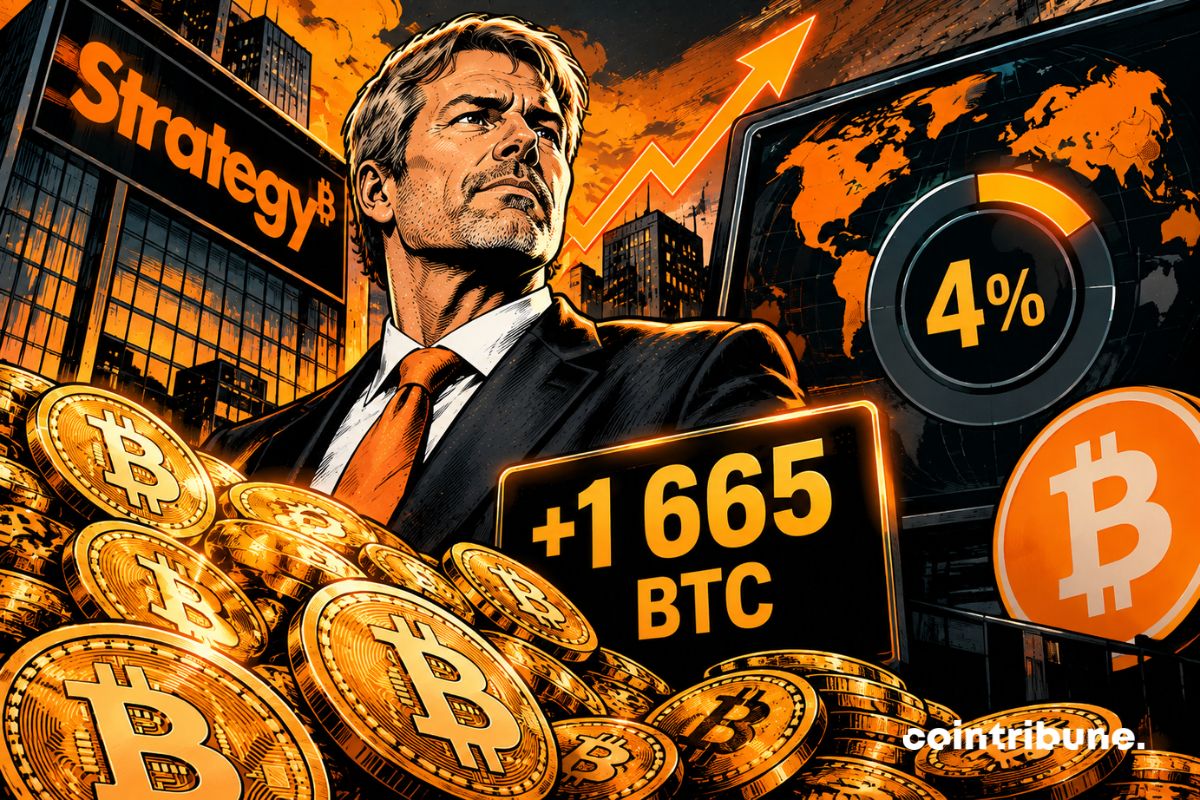
Michael Saylor rekindles the suspense: a new bitcoin purchase is looming, while MSTR is collapsing and regulators threaten Strategy. With 671,000 BTC at stake, can this bold strategy withstand market pressure? Analysis of the stakes, key figures, and risk scenarios for 2026.
While bitcoin continues its decline, an anomaly intrigues: fear does not dominate. Unlike the troughs marked by panic selling and widespread pessimism, current signals remain surprisingly moderate. No emotional tidal wave, no real capitulation is looming. This relative calm, out of sync with the bearish dynamic, raises questions: is the correction really over, or is the market still holding its breath before a sharper retreat?
Stablecoins continue to gain a stronger foothold across global crypto markets. This growth now appears not only in supply figures but also in transaction activity across blockchains. In Europe, momentum is building around euro-linked tokens, while USDC continues to expand across multiple networks. Recent data points to a shift toward transaction-driven expansion rather than passive issuance.
In 2025, Brazil writes a new page in financial history with a 43% explosion of the crypto market. Between historic records, massive adoption, and revolutionary investment strategies, this boom redefines the rules. Why such growth?
Adam Back has pushed back against growing concerns over quantum computing, arguing that while Bitcoin should prepare for the future, the technology is still far from posing a real threat.
Crypto transactions are becoming more common due to their borderless nature. And with the festive season here, some are looking to gift digital assets to their loved ones. For beginners, however, the whole process of sending these modern Christmas presents might feel a bit complex. This article explains the main ways to gift crypto and how various jurisdictions regulate such transactions.