On March 30, 2026, the Fed reassured bond investors, but oil at $105 and geopolitical tensions erased 1.3 trillion dollars in the stock market. Stocks and cryptos collapse: why does this day mark a turning point for investors?
A massive bet against bitcoin reveals a fragile crypto market, caught between macro tensions, ongoing war, and a slow, lasting recovery.
While XRP falls, the largest holders accelerate their purchases. In one week, nearly 190 million tokens have been accumulated, revealing an aggressive strategy during a downturn. This movement intrigues as much as it questions. Behind this massive accumulation, a hypothesis emerges: are whales already anticipating the next XRP move, where the rest of the market still hesitates?
Elena Dali Bey is a Global Growth Lead who has become a defining voice in the crypto community over the last several years. Known for her ability to lead high-performing teams while maintaining a grounded personal life as a mother, Elena embodies the modern executive who truly "does it all" with intention. Today, she shares her strategic vision on ChangeNOW’s latest evolution and key initiatives driving that growth.
Bitcoin is the great absentee from the Basel III revision, and Pierre Rochard sounds the alarm. Without clear rules, American banks risk finding themselves in a costly gray area... Regulatory uncertainty with explosive consequences!
Standard Chartered just released a forecast that contrasts with the prevailing pessimism: Ethereum at 40,000 dollars by 2030, with a notable outperformance against Bitcoin. Surprising, given ETH's string of bad news. However, behind this figure lies a solid analysis and arguments worth considering.
The crypto market is seeing the emergence of a new growth engine: decentralized artificial intelligence. In a few weeks, Bittensor has established itself as one of the most watched projects, with a valuation close to 1.5 billion dollars driven by a rapid surge in its tokens. This movement is not only speculative. It relies on concrete technological advances and the notable support of influential tech figures, pushing the project into a new dimension.
Long considered the unshakable runner-up to Bitcoin, Ethereum's position is now threatened by an unexpected adversary: Tether. On Polymarket, bets on an "ETH flipping" in 2026 have jumped from 17% to over 59% in a few weeks. A trend that raises questions.
On Bitfinex, long positions on bitcoin reach an unprecedented level in more than two years, revealing a massive bet on the upside. This unusual concentration attracts the attention of seasoned traders, who see it less as a trend confirmation than a worrying imbalance. Because in market history, these excesses of optimism have often preceded rapid, sometimes violent reversals.
Strategy stops its bitcoin purchases after 13 weeks. Simple pause or hidden signal? This turnaround already intrigues crypto investors.
Ethereum is preparing a new framework to reduce fragmentation, unify rollups, and make the crypto ecosystem more coherent in the long term.
Sam Altman's World Foundation has just raised 65 million dollars by massively selling its WLD tokens at a drastically reduced price. An operation that comes at the worst time, as the token hits historic lows. How much further can it fall?
In Canada, crypto regulation is now entering the democratic arena. An electoral reform proposes to ban crypto donations to counter risks of foreign interference and opaque financing. This initiative places these assets at the center of a strategic debate, at the crossroads of national security and political transparency. Behind this decision lies a growing tension between financial innovation and the protection of electoral processes.
BNP Paribas takes a major step by offering 6 Bitcoin and Ether ETNs from March 30, 2026, for its customers in France. A first that democratizes access to cryptos via regulated products.
At Ethereum, whales are stirring, traders are holding their breath, and crypto is already sniffing the storm: a strange comeback, with record leverage and a quantum future lurking everywhere.
The Strait of Hormuz has been blocked for several weeks, disrupting one of the main axes of global oil trade. To maintain its exports, Saudi Arabia has pushed its East-West pipeline to full capacity. This technical response is not enough to compensate for the market disarray. The rapid rise in crude prices reveals a structural fragility in global supply amid growing geopolitical tensions.
Google is set to fund a mega data center in Texas for Anthropic, confirming the acceleration of the race for artificial intelligence infrastructures. A colossal investment that says everything about the strategic stake AI represents and the role Google intends to play in this battle.
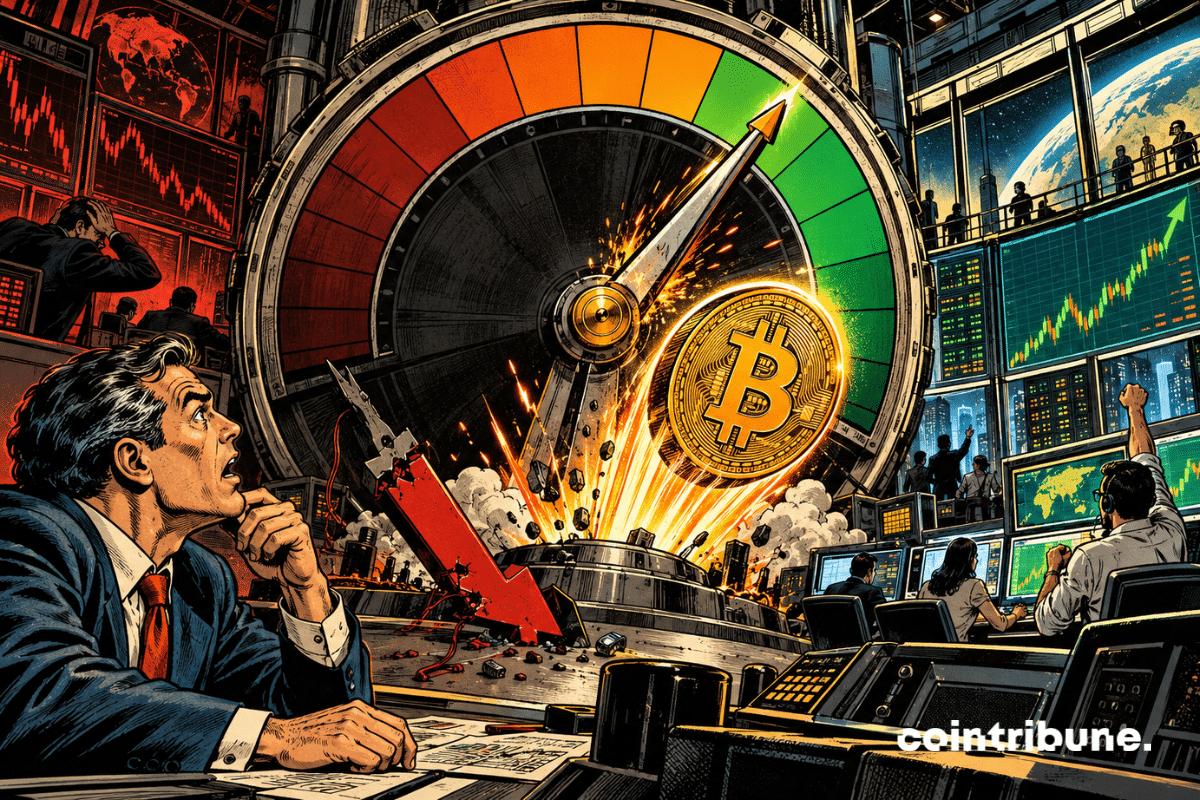
The crypto market is entering a transition phase. A recent analysis suggests that a "reset" is necessary before any new bull run. The contraction of global liquidity and the macroeconomic context weigh on the current dynamics. This correction could fit into a global cycle.
The Trump family claims over $1 billion in crypto profits, but Democrats denounce favoritism and security risks. Between Kraken, Bitmain, and World Liberty Financial, the case reveals an explosive collision between digital finance and political power.
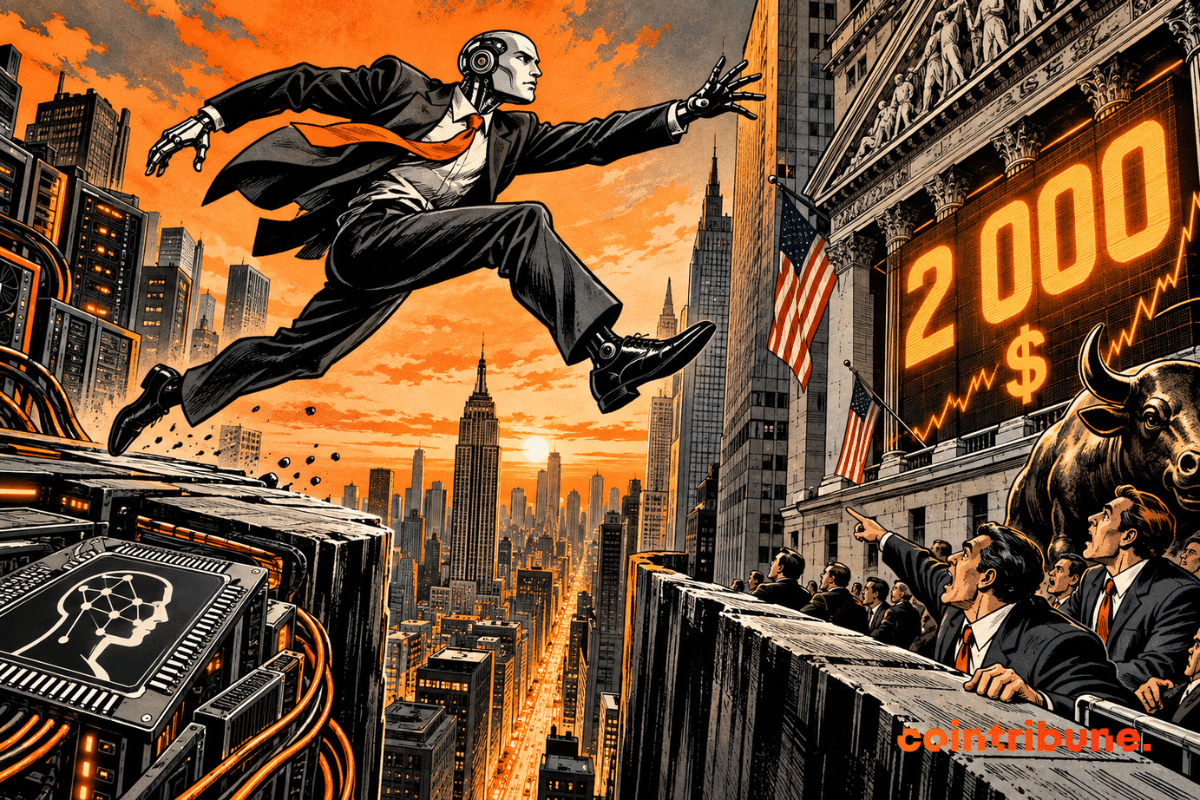
Appointed to revolutionize crypto and AI in the United States, David Sacks leaves his post after 130 days without fulfilling his promises. Between a blocked CLARITY Act, a free-falling Bitcoin, and harsh criticism, his mandate leaves a bitter taste.
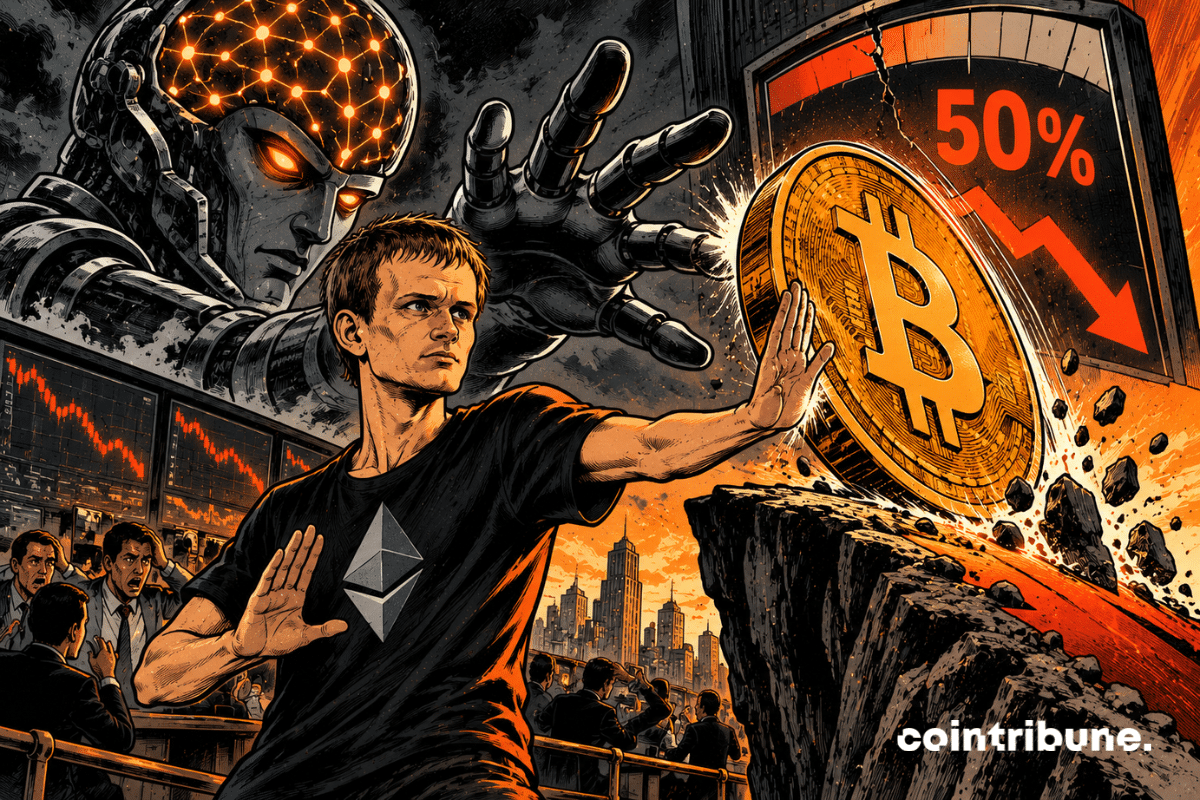
Bitcoin approaches a decisive threshold. Around 60,000 dollars, the market equilibrium weakens. The latest data suggest that breaking this level could extend the bearish phase far beyond expectations. Between degraded technical signals, persistent selling pressure, and an uncertain macroeconomic environment, recovery prospects are fading. The scenario of a longer cycle now dominates analyses.
French President Emmanuel Macron will speak at Paris Blockchain Week 2026, on April 15 and 16 at the Carrousel du Louvre. Euro-backed stablecoins, digital euro, financial sovereignty: the head of state will address the key projects of European policy on digital assets. This is the first time a sitting president of a G7 country has spoken at an institutional conference dedicated to digital assets.
The dollar takes the initiative and sets its pace for the markets. In March, it recorded its best monthly performance since December 2024 supported by geopolitical tensions and an adjustment of expectations on U.S. monetary policy. This move caught part of Wall Street off guard and forced investors to review their positions. In the foreign exchange market, the balance shifts quickly, with repercussions already extending beyond Forex.
Pi Coin plunges back into a technical setup reminiscent of a very unfavorable previous scenario. Several crypto market signals converge towards a new phase of weakness while confidence around Pi Network remains fragile. Is history rhyming once again?
Bitcoin sharply dropped, reigniting tensions across the crypto market. In just a few hours, the correction wiped out massive positions and revealed a shift in sentiment among traders. Data from the derivatives markets now indicates a significant probability of a return below 66,000 dollars by April 24, a threshold that now concentrates the attention of short-term investors.
The crypto exchange Kraken multiplies offensives to erase the boundary between traditional finance and decentralized finance. In the space of ten days, the platform launched TradFi futures for its European clients, crossed the symbolic threshold of 100 tokenized stocks (xStocks) and deployed a points program (xPoints) that rewards DeFi activity around these tokens. Overview of three announcements that outline Kraken's multi-asset trajectory in 2026.
Claude Mythos, Anthropic's ultra-secret AI, has leaked and cybersecurity experts are panicking. This model, capable of breaching the strongest defenses, caused the collapse of cybersecurity companies.
At Morgan Stanley, fees are shaved down to the bare minimum, turning bitcoin into a trendy loss leader, while Wall Street sharpens its teeth to snatch distracted savers.
Bitcoin falls back below 66,000 dollars, driven by a shock from energy markets. The rise in oil revives inflationary tensions and reshuffles the cards of monetary expectations. This movement recalls a now well-established reality: cryptos evolve in close correlation with macroeconomic dynamics. In this context, investors adjust their exposure to a more uncertain environment.
According to JPMorgan, bitcoin establishes itself as the ultimate safe haven asset, ahead of gold and silver during crises. Rising ETF flows, record liquidity, and massive adoption in Iran. Why are investors abandoning precious metals for BTC?