Tue 20 Jan 2026 ▪
3 min read
▪
by
Injective has voted on a plan to rarify INJ. An aggressive crypto strategy that could disrupt the rules of the game.
Injective has voted on a plan to rarify INJ. An aggressive crypto strategy that could disrupt the rules of the game.

While DAOs were meant to embody the promise of decentralized governance, Vitalik Buterin today delivers a harsh assessment: their current model is exhausted. In a widely shared post, the Ethereum co-founder denounces rigid structures, dominated by large holders and unable to address complex coordination challenges. His call for a new design marks a pivotal moment for DAOs, urging them to move beyond simple voting logic to become true on-chain infrastructures.
Why has the Bitcoin hashrate just fallen below the symbolic threshold of 1 zettahash per second? Are miners abandoning the network for more profitable AI (artificial intelligence)? A silent battle is redefining the future of mining and blockchain.

Central bank digital currencies (CBDCs) are set to redefine the global financial system, and India proposes an ambitious project for the BRICS countries. By aiming to interconnect CBDCs, the initiative could simplify cross-border payments and strengthen the integration of sovereign digital currencies in international trade. This advance, led by India, could transform economic relations among BRICS members and redefine global geopolitical dynamics.

Kevin Hassett has withdrawn from consideration to lead the U.S. Fed, narrowing the field in a leadership contest increasingly shaped by political and legal pressure. President Donald Trump has made clear that he prefers Hassett to remain in his current White House role. And this stance has effectively removed him from contention and reshaped expectations around the Fed’s next chair.

Scaramucci warns that banning yield on stablecoins could make the US dollar less competitive globally as other countries offer interest on digital currencies.
Panic in the crypto pot: MiCA is simmering fiercely, and even Binance is starting to sweat. Ten months before the verdict, Paris is finally lifting the regulatory lid.
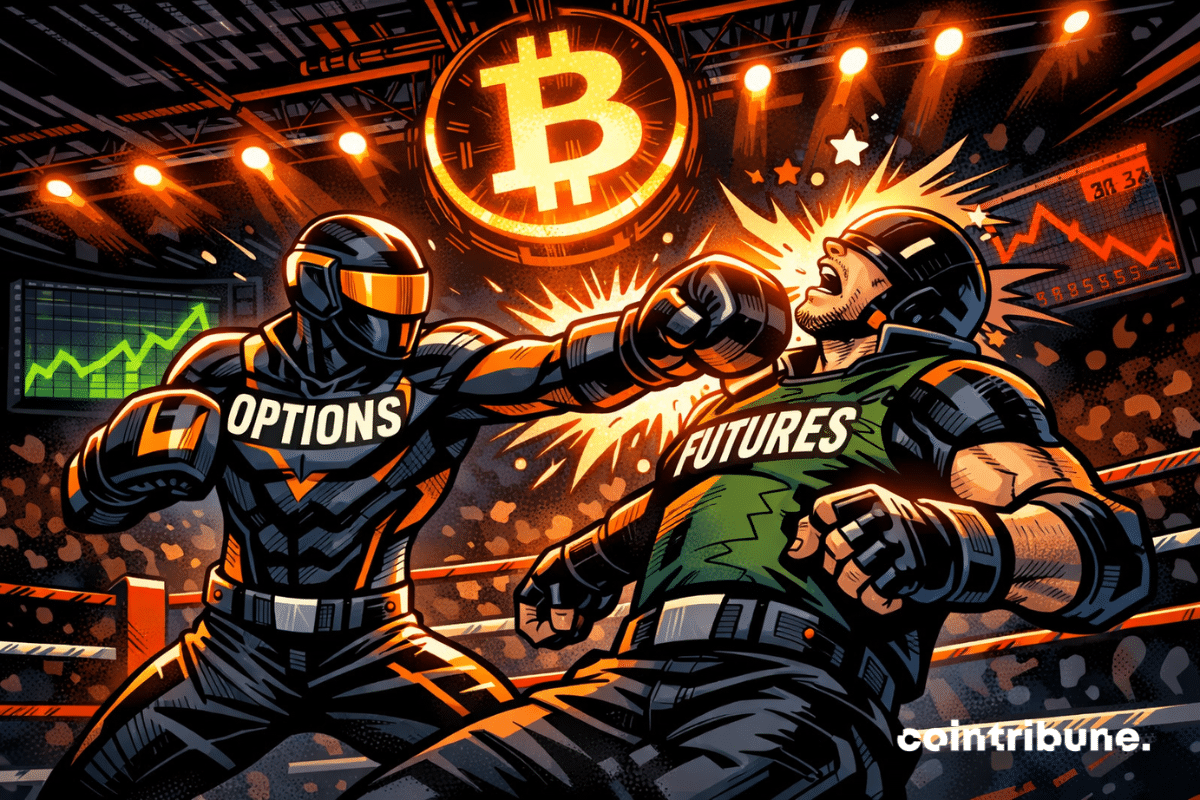
Bitcoin options open interest has overtaken futures for the first time, marking a shift in how risk is held across crypto markets. By mid-January, options open interest climbed to about $74.1 billion, edging above roughly $65.22 billion in futures. The change points to a market relying less on short-term directional trades and more on structured positions that manage risk and volatility over time.

Steak ’n Shake is positioning Bitcoin as both a customer payment option and a long-term treasury asset, signaling a deeper integration of cryptocurrency into its business model. The fast-food chain reported that its corporate Bitcoin holdings increased by $10 million in notional value, fueled by customer payments and rising same-store sales.

While Americans talk ethics, Beijing codes at full speed: DeepSeek, the low-cost AI that is shaking Wall Street and bringing red colors back to the Chinese stock market.

Under regulatory pressure, the American crypto sector closely watched the CLARITY Act, intended to establish a clear legal framework for these assets. However, the bill was abruptly paused in Congress after Coinbase dramatically withdrew its support. Presented as a structural reform, the latest version of the project triggered sharp criticism, accused of threatening innovation. A political setback that reignites tensions between legislators and actors of an ecosystem still seeking recognition.
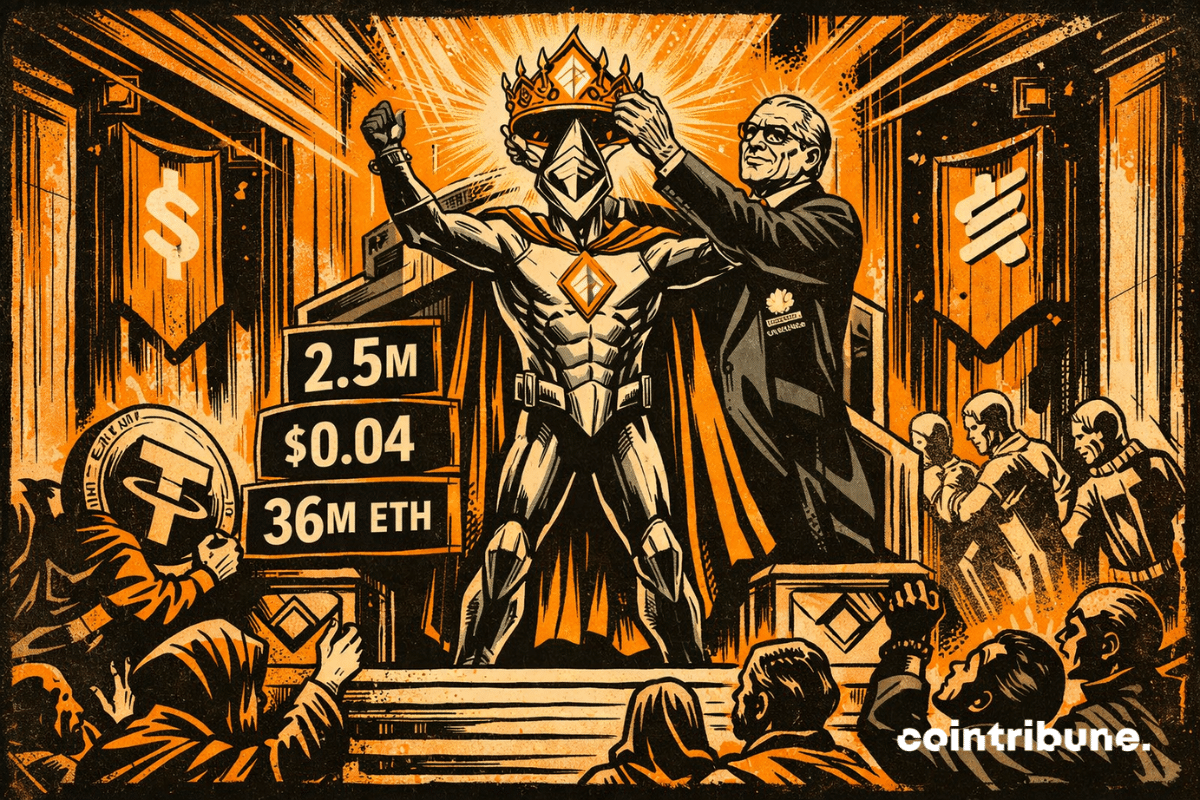
As the year 2026 is just beginning, Ethereum is already breaking transaction records and showing negligible fees. Analysis!

Ethereum, the engine of blockchain innovation, faces a major challenge: its growing complexity. Vitalik Buterin, co-founder of the network, warns about protocol congestion, an excess of complexity that threatens Ethereum's efficiency and security. To address this, he proposes a radical solution: simplifying the code by removing superfluous elements. However, this approach raises questions: can Ethereum be lightened without compromising its core principles of decentralization and trust?
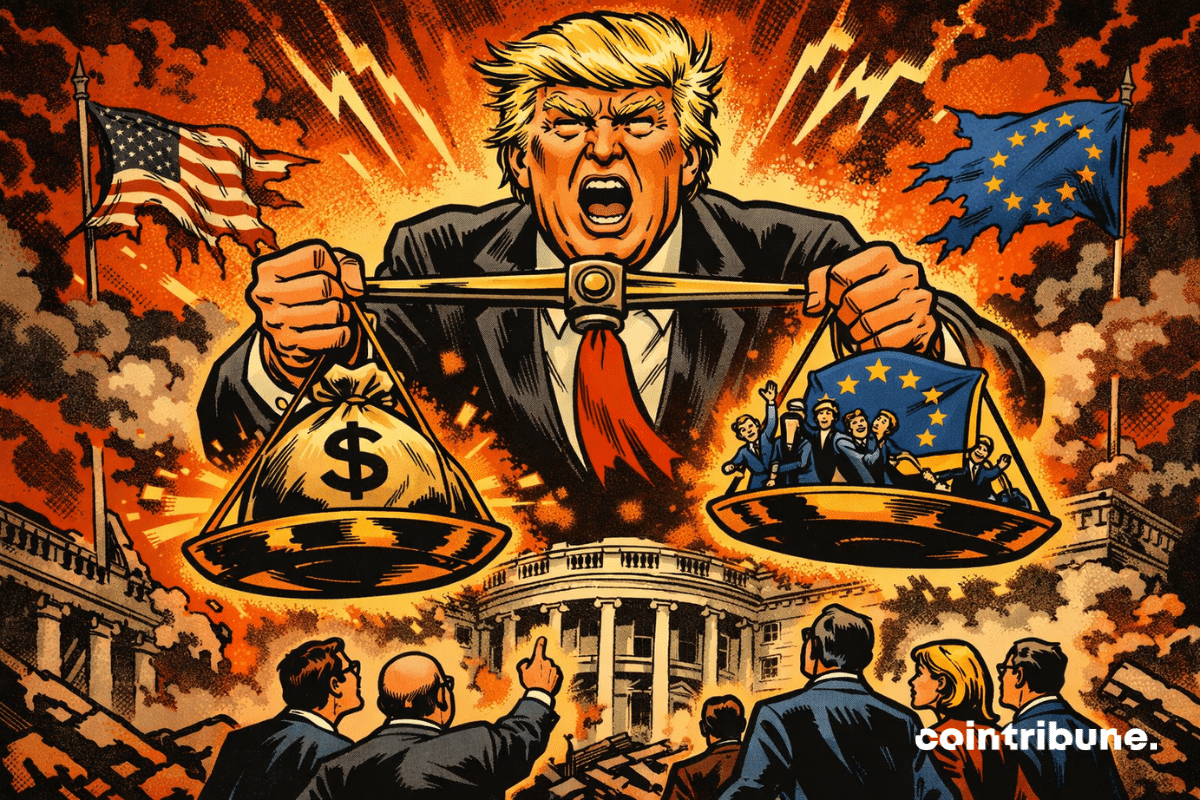
Trump dreams of buying Greenland, taxes his allies, and awakens European pride: Brussels finally draws its economic bazooka, ready to fire faster than its diplomatic shadow.
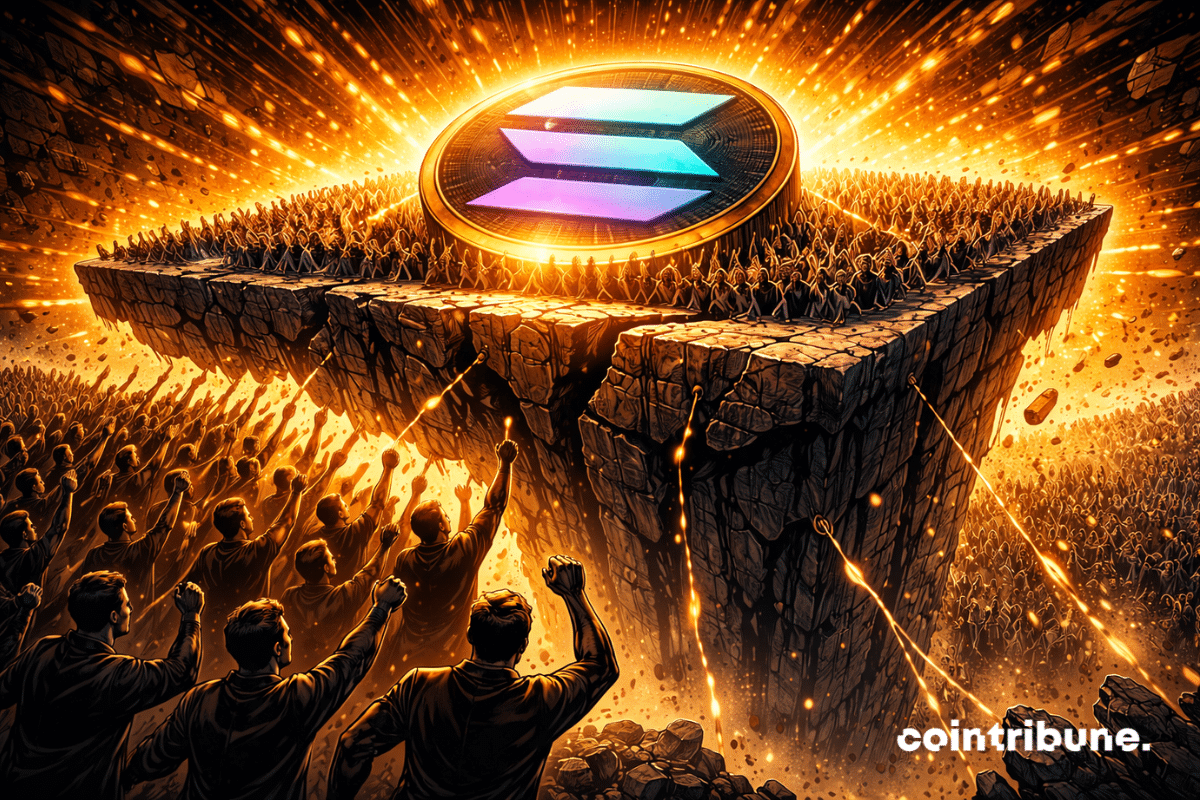
While the crypto ecosystem oscillates between uncertainty and consolidation, Solana attracts an unexpected wave of users. In the space of 24 hours, more than 8.9 million new addresses were created on the network, a record that reignites attention on this blockchain known for its speed and efficiency. Behind this sudden enthusiasm lies a more nuanced reality, where the enthusiasm of newcomers clashes with fragile technical signals.

In the world of cryptocurrencies, hacks have become events that are both frequent and dramatic. The main data is clear: nearly 80% of hacked crypto projects never fully recover, even after fixing their technical vulnerabilities. This means that most protocols experiencing a major attack remain permanently weakened — financially and in terms of trust.

Announced as a historic breakthrough, the strategic Bitcoin reserve desired by the United States remains at a standstill today. Nearly a year after the decree signed by Donald Trump in March 2025, no BTC acquisition has been made. Legal blockages and persistent administrative confusion are the causes. Officially a priority, the project is stalling, giving way to growing criticism from the crypto community, disappointed by the lack of concrete actions and the absence of a clear government strategy.

Brian Armstrong clarified that Coinbase’s talks with the White House remain constructive as the CLARITY Act faces delays over regulation issues.
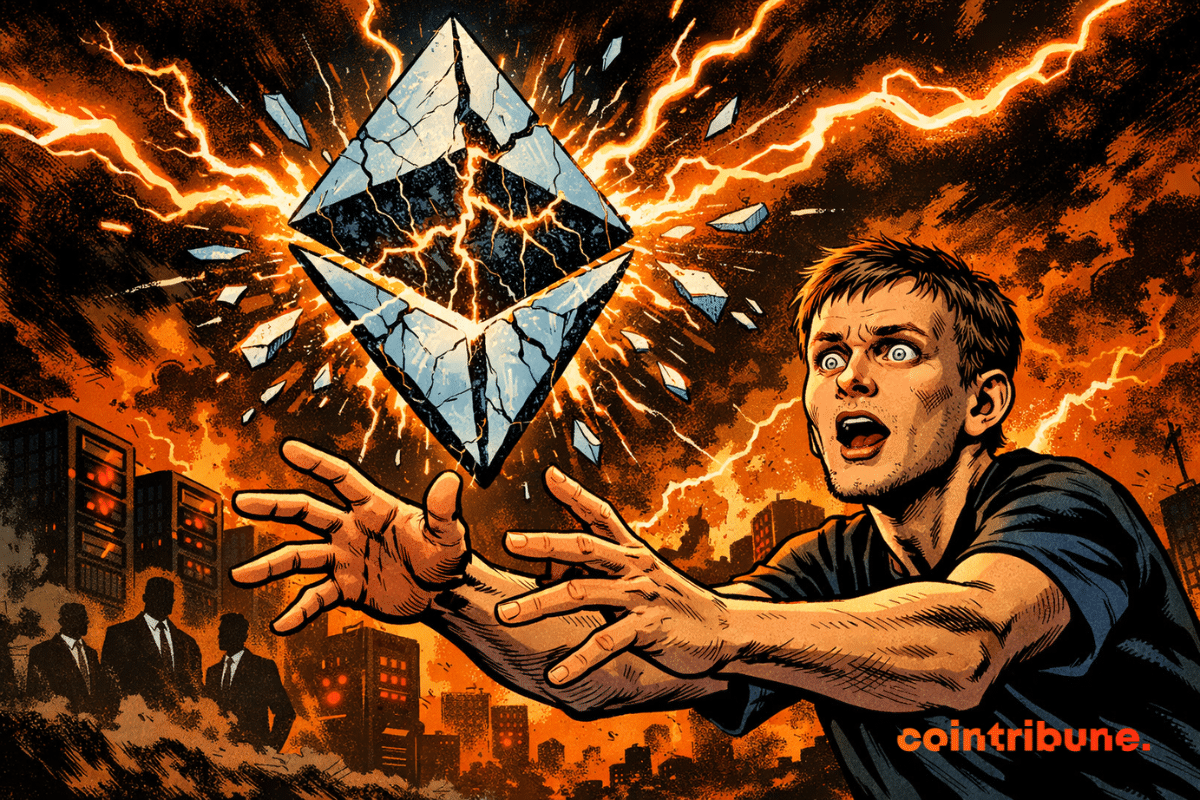
Vitalik Buterin is making his revolution again: fewer servers, more ideals. Ethereum wants to become pure again, without masters or Google, but with a touch of love and a lot of code.

While macroeconomic uncertainty weighs on traditional markets, bitcoin is once again establishing itself as a strategic asset for institutional investors. Spot Bitcoin ETFs are recording record inflows, reaching unprecedented levels for several months. This massive return of capital signals a clear repositioning of large portfolios, now more inclined to expose themselves through regulated vehicles. A change in tone that could mark a new phase of institutional adoption, but whose strength remains to be confirmed.

In Washington, crypto puts the Senate in a tailspin: Coinbase says no, the law collapses, and banks fear that open code will become uncontrollable.

Bitcoin is regaining the interest of institutional markets. This week, U.S. spot ETFs attracted $1.8 billion in inflows, a record peak since October 2025. Such a spectacular resurgence occurs in an uncertain macroeconomic environment, rekindling hopes of a new bull cycle. However, does this surge reflect a fundamental trend or just a technical rebound? As the $100,000 threshold fuels speculation, the market remains suspended on the consistency of these new funds.
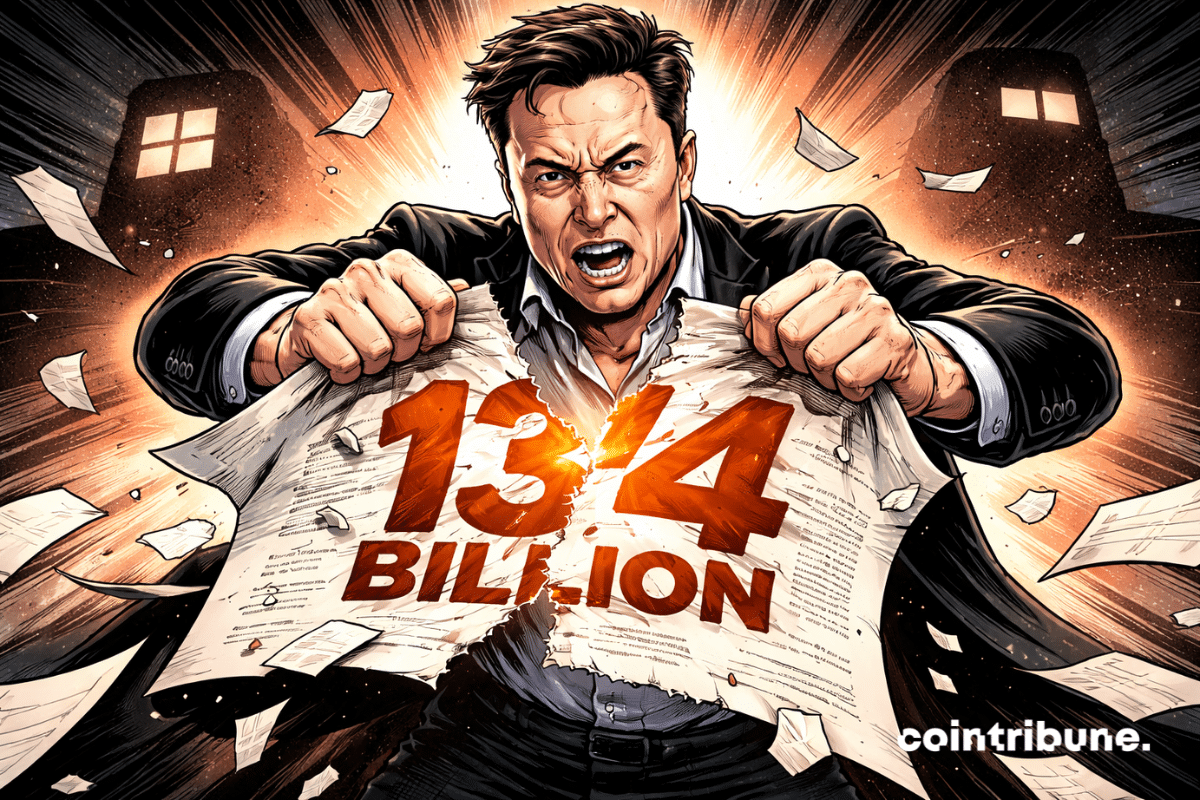
Elon Musk is seeking between $79 billion and $134 billion in damages from OpenAI Inc. and Microsoft. He alleged that the companies misled him about the future of the artificial intelligence firm he helped establish. Court filings indicate the lawsuit could become one of the most significant legal battles in the rapidly evolving AI industry.

Patrick Witt confirmed that Bitcoin seized from the Samourai Wallet case will remain in the U.S. Strategic Reserve, dispelling rumors of a government sell-off.

Crypto markets appear to have moved past the leverage-driven stress seen in October, according to asset manager Grayscale. Recent research shared by the firm suggests derivatives activity has stabilized, supply pressure has eased, and market direction is now more closely tied to fundamentals and policy developments. As a result, price action may be better positioned to respond to upcoming regulatory and institutional shifts rather than past disruptions.

Ethereum has not "lost", but it has sometimes compromised. That is the quite direct message that Vitalik Buterin put back on the table on Friday 16 January 2026. He promises a year of reconquest: easier to verify the network yourself, easier to use dApps without trusting intermediaries, and easier to take back control of your data.

While corporate bitcoin adoption remains a divisive subject, Michael Saylor continues to lead the movement. The executive chairman of Strategy no longer just accumulates BTC. He now steps up to defend, against criticism, an unapologetic vision of bitcoin as a strategic corporate treasury asset. In a context of macroeconomic uncertainty, his positions reignite the debate on the relevance and durability of this strategy.

European regulators are increasing pressure on TikTok to strengthen how it verifies the age of its users. In response, the video platform is introducing a new system designed to better detect accounts run by children under 13 and remove them when necessary. According to reports, the rollout will begin in Europe in phases over the coming months, following a year of testing.

While the market's attention has focused on Ethereum, Solana or rollups, XRP is back in the conversation. Long held back by regulatory turbulences, the asset is catching a new breath, driven by favorable technical dynamics and a growing strength of its infrastructure, the XRP Ledger. Influential voices in the sector now see it as an underestimated catalyst, able to reactivate a growth cycle based on real use cases and a proven architecture.

The Iranian crypto economy experienced a spectacular acceleration in 2025, reaching around 7.78 billion dollars, according to Chainalysis data. This growth is far from being purely technical. It is closely linked to social movements, economic constraints, and digital disruptions that have shaken the country.