Sun 30 Nov 2025 ▪
5 min read
▪
by
The crypto market rebounds: ETFs fill up, BlackRock frowns, Solana hesitates. What if whales knew the weather before everyone else?
The crypto market rebounds: ETFs fill up, BlackRock frowns, Solana hesitates. What if whales knew the weather before everyone else?
The crypto market gave way under the pressure of its own leverage. In a few days, nearly 8 billion dollars of open interest on Bitcoin futures contracts were liquidated, triggering a brutal purge of speculative positions. Behind this shock, a rebalancing is emerging, suggesting that a stabilization cycle could begin.
Crypto is undergoing a revolution in 2025: fundraising has jumped by +150% in one year, smashing all records. Which projects attract billions? Which sectors are booming? Analysis of a historic growth that is redefining the digital economy and opening unprecedented opportunities for investors.
While the Bitcoin market remains under pressure, an analyst suggests that the bottom may have been reached. Contrary to the climate of distrust, he envisions a rebound towards 100,000-110,000 dollars, reigniting speculation about a trend reversal. This scenario, based on precise technical indicators, contrasts with the prevailing sluggishness and captures investors' attention.
The Parisian studio Avicenne, already the author of a world first with the token bridge with transfer fees via Wormhole, is now tackling the cross-chain infrastructure between Qubic and Solana. A major advance to connect two previously isolated ecosystems.

Solana is booming, but CoinShares is backing down: the ETF leaves the stage before entering. The crypto market, meanwhile, is still applauding... Go figure where the real show is.
Ethereum is about to revolutionize its network with a gas limit raised to 180 million. Anthony Sassano reveals how this update could reduce fees and boost scalability! A major breakthrough for the crypto ecosystem.
After 18 days in the extreme fear zone, the crypto market shows a first sign of relief. The Crypto Fear & Greed Index rises slightly, finally leaving its lowest level. This rebound occurs while November, traditionally favorable to Bitcoin, ends in uncertainty.
Arthur Hayes is stirring debate across the crypto market with sharp criticism of Monad, a new layer-1 chain that launched with significant attention and industry backing. His remarks challenge the project’s early momentum and raise broader questions about high-valuation tokens supported by venture capital.
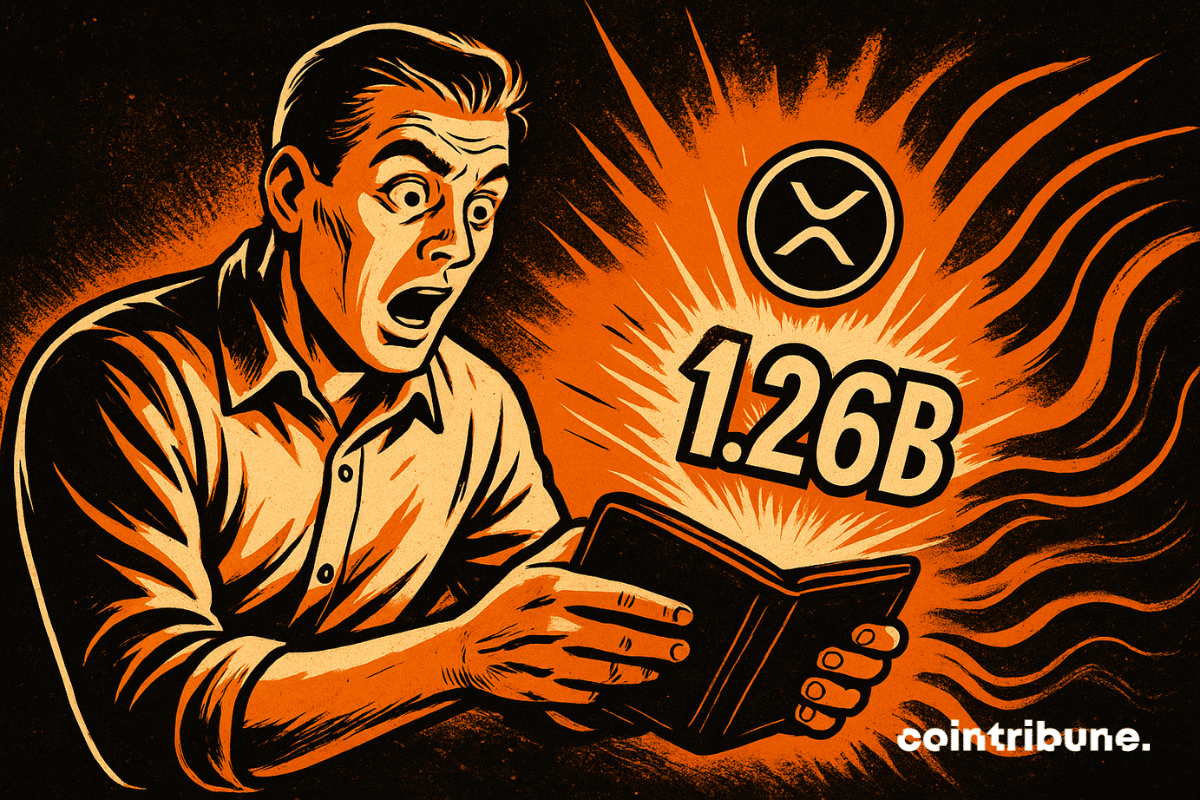
Ripple USD has entered a new phase of market growth as it surpasses the one-billion supply mark on Ethereum. RLUSD’s fast expansion has strengthened its position among major stablecoins, showing steady demand across trading platforms, wallets, and payment services. For an asset less than a year old, this milestone represents a notable achievement for the dollar-pegged stablecoin.
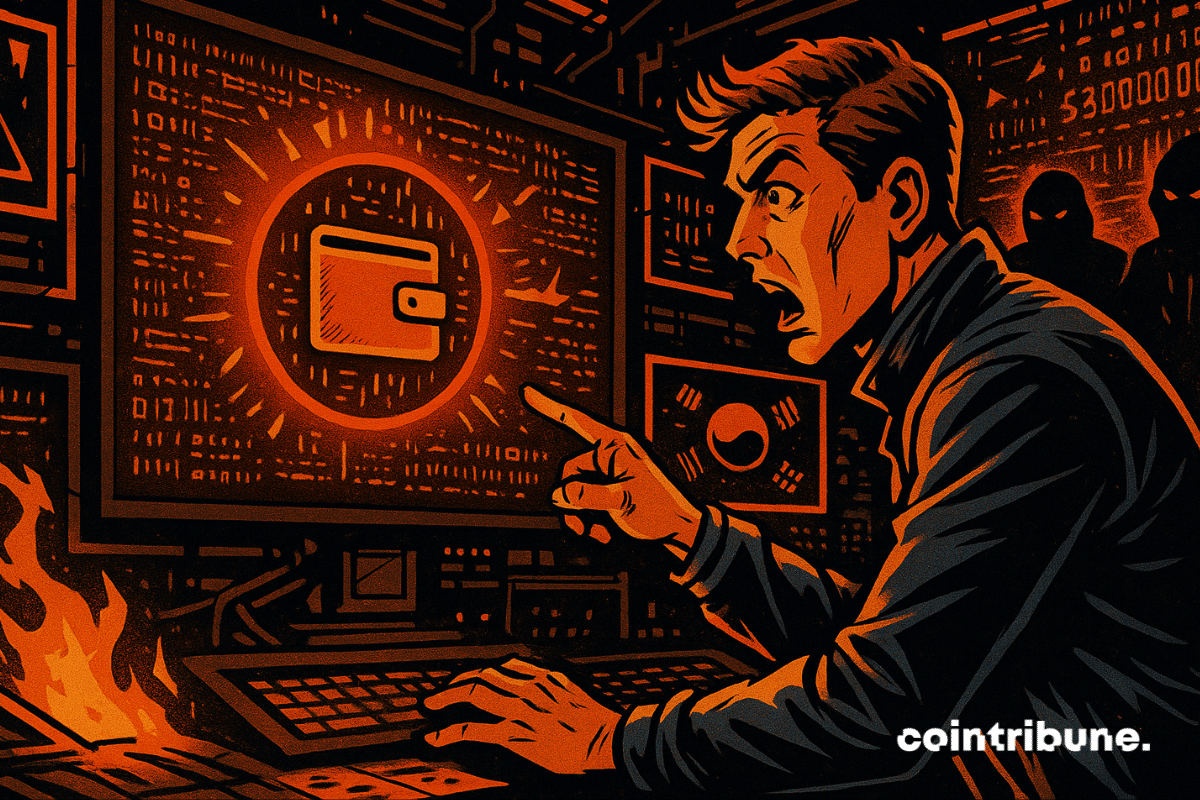
Upbit admitted a wallet flaw led to a recent hack and authorities suspect the North Korean Lazarus group is behind the attack.
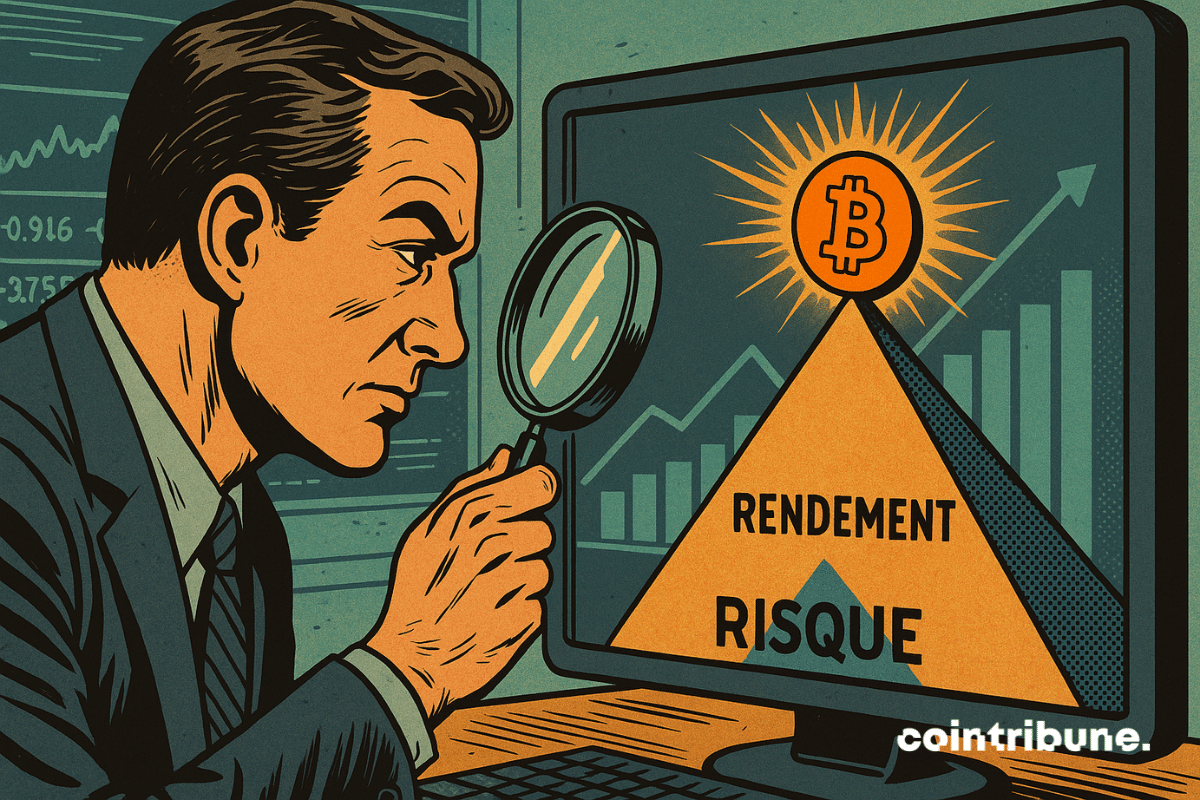
What if the market was massively wrong about bitcoin? For André Dragosch, head of research at Bitwise Europe, the current context oddly resembles that of March 2020, during the crash caused by the pandemic. In a tense post-halving climate and facing contradictory macroeconomic signals, he believes bitcoin today offers one of its best risk/reward profiles since the health crisis. This statement shakes certainties and reignites the debate on the timing of market entry.

Do Kwon, former DeFi star, is now at the center of an unprecedented judicial scandal. Less than two years after the collapse of Terra-Luna, which swallowed $40 billion, he is trying to avoid a heavy sentence in the United States. His goal is to convince the court to limit his sentence to five years in prison. Two weeks before his hearing, this request reignites debates about the responsibility of crypto founders in the face of the devastating consequences of their projects.
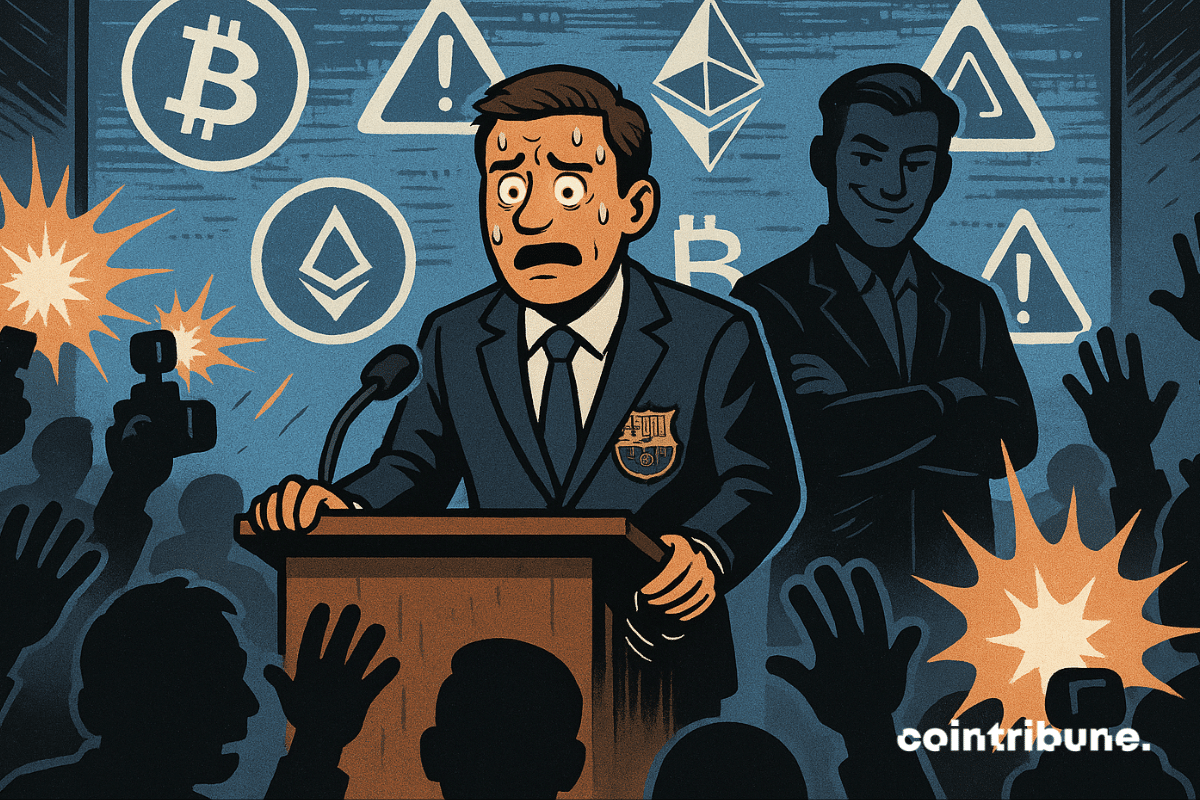
Barcelona faces criticism after partnering with little-known crypto firm ZKP, raising concerns that fans could be exposed to high-risk digital tokens.
Flash crashes, digital dominos and states lying in wait: the IMF sees tokenization less as a revolution than as an explosive cocktail ready to blow up finance... but hush, it's bubbling.
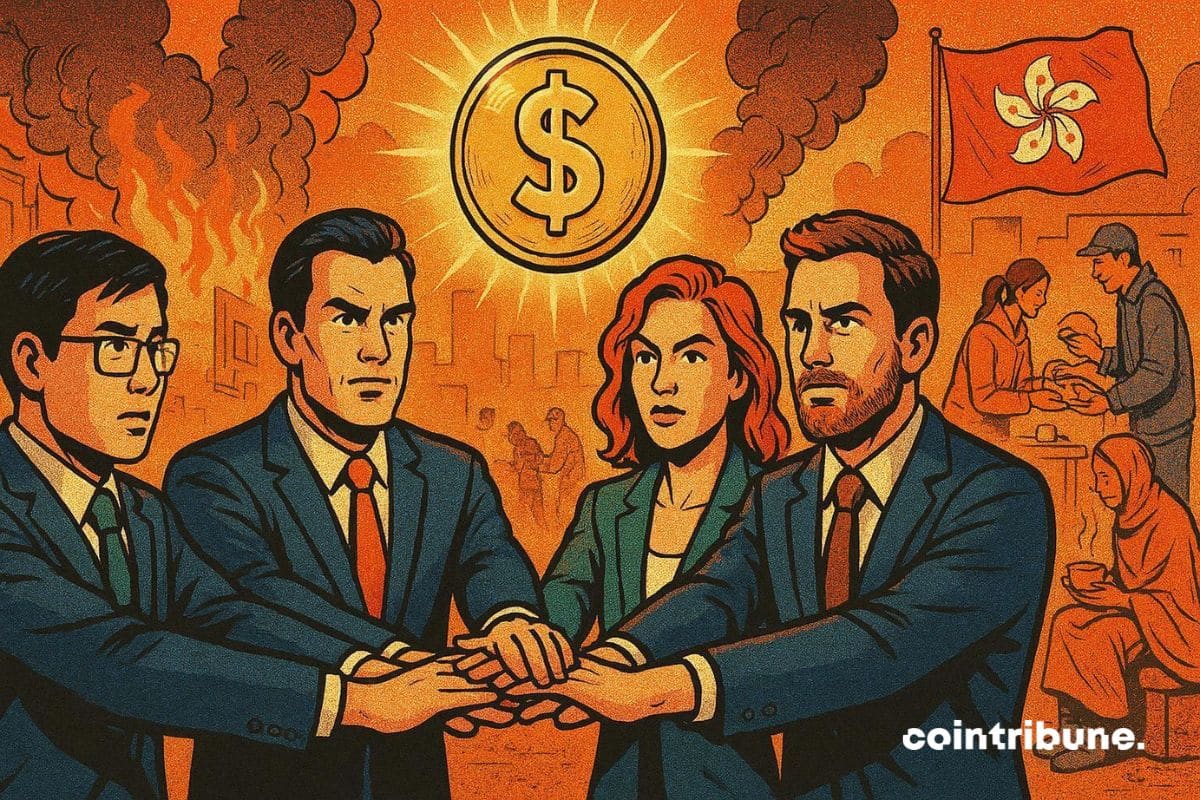
The crypto industry has just proven it can change lives. After the devastating fire in Hong Kong, the deadliest in 80 years, Bitget, Binance, KuCoin, Tron and many other players joined forces to raise $3.2 million. How will these donations transform humanitarian aid?
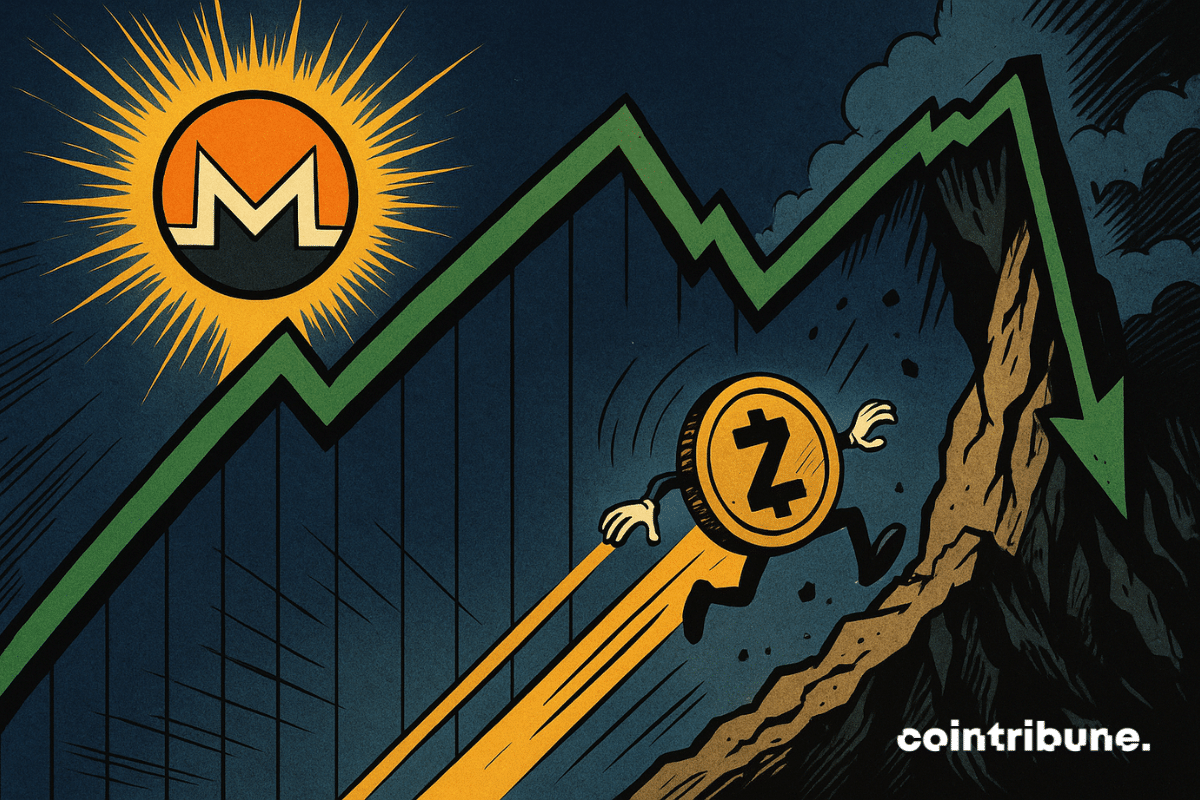
Monero (XMR) gained more than 23% this week, while Zcash (ZEC) dropped by nearly 25%. Such a gap highlights the high volatility of the privacy coins market, in a context of low activity related to Thanksgiving. This divergence between two key privacy assets raises questions about the internal dynamics of the sector.

The regulated MiCAR exchange platform multiplies attractive campaigns to entice European users, featuring record cashback, daily draws, and exceptional welcome bonuses.
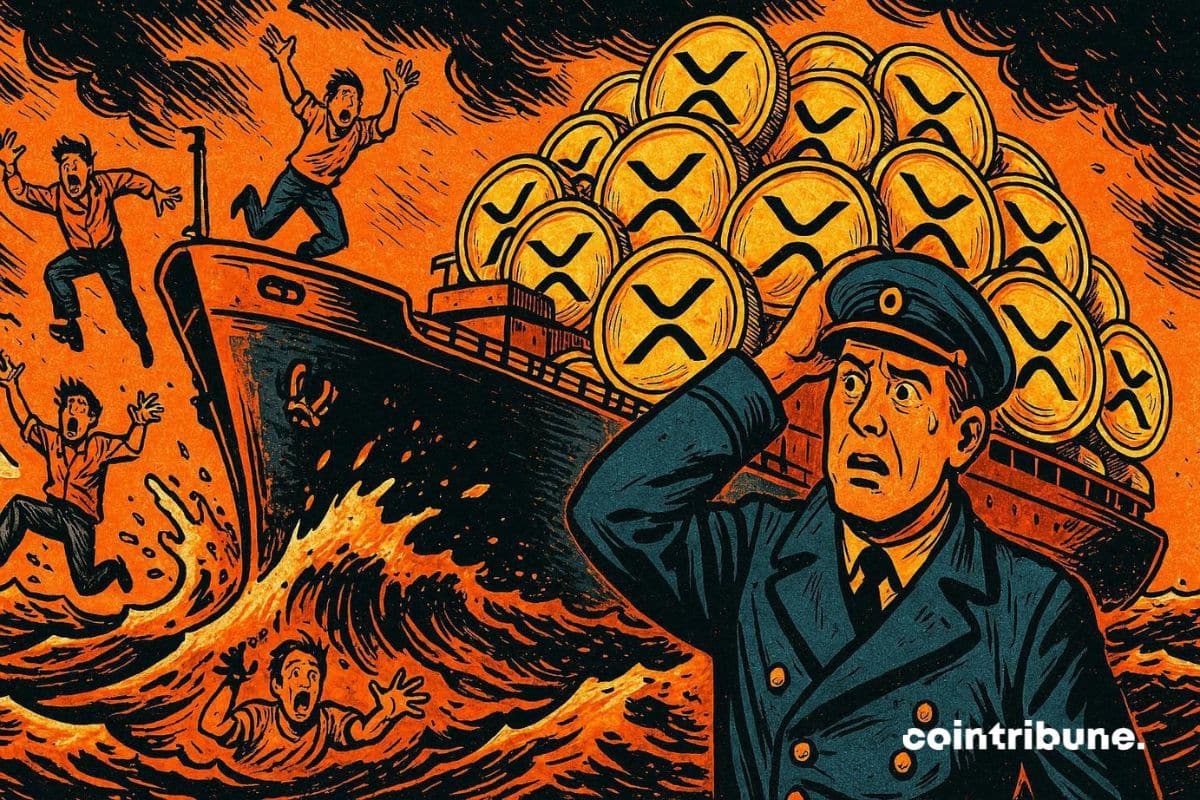
XRP shows an increase of 0.85% at $2.22, but its trading volume collapses by 31.87%. A puzzling paradox that raises questions: Are crypto traders losing confidence despite rising prices? Analysis of the numbers and stakes to understand what is really at play behind this trend.
BitMine is drawing fresh attention as its aggressive buying spree in Ethereum continues. New on-chain activity suggests the company may be preparing another significant purchase, prompting traders to watch whether continued accumulation can steady sentiment in an uneven market. Interestingly, BitMine’s recent purchase activity comes amid broad macro pressures that remain a persistent drag on digital assets.
Bitcoin still under $100,000... but the crypto industry is rejoicing. Whales sell, small buyers buy, hopes rise: what if the crypto winter was just an illusion?
Amundi launches its first tokenized money market fund, letting investors hold and trade fund units digitally alongside traditional channels.
At Ethereum, the gas never goes down! 60 million on the counter, and an engine ready to explode. Small validators will have to pedal faster than ever.
After a historic series of 18 flawless days, Solana ETFs have just marked their first halt. The 21Shares Solana ETF faced massive withdrawals, dragging the entire sector into the red. Does this sudden reversal mark the end of the euphoria around SOL?
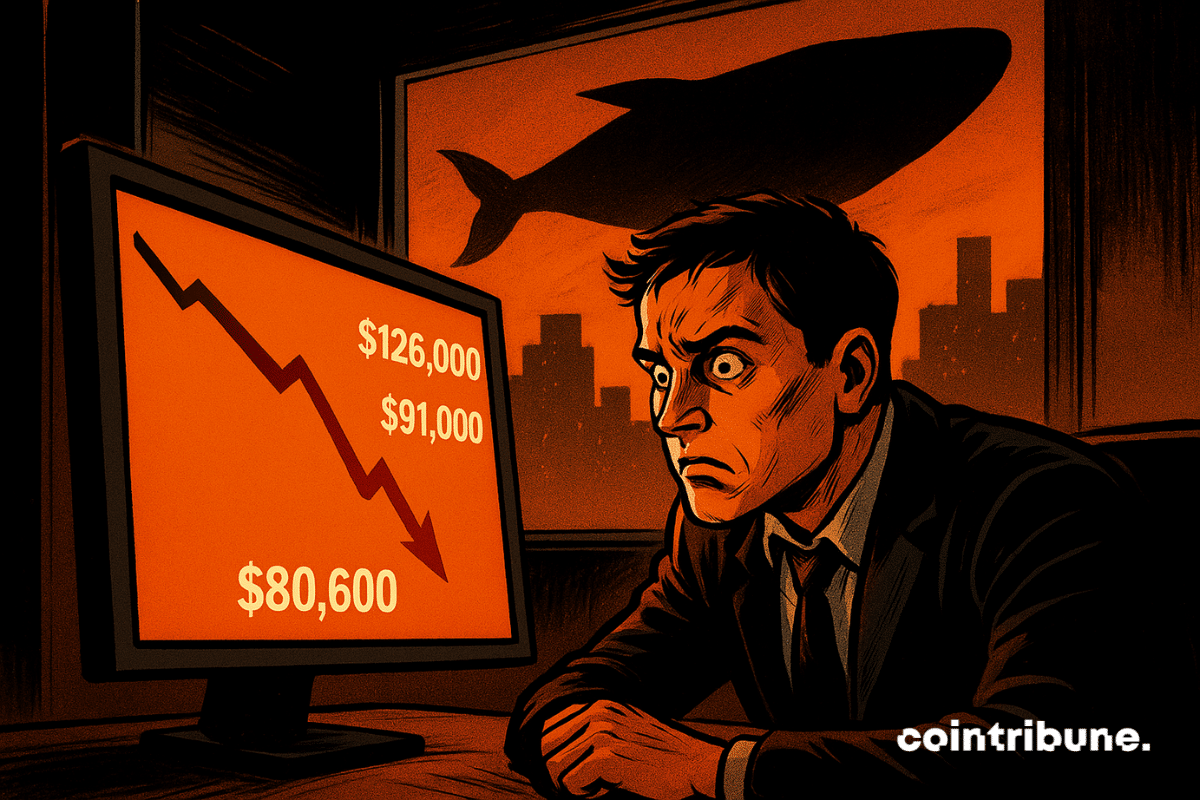
Fresh selling from large Bitcoin holders is putting renewed pressure on an already shaky market, as traders deal with one of the steepest pullbacks of the year. Price softness, rising exchange inflows, and cautious positioning across major trading venues all point to a market still trying to find its footing. Analysts at CryptoQuant say continued whale deposits could push Bitcoin lower if the pattern persists.
The imminent launch of a structured product on bitcoin by JPMorgan is causing reactions. For part of the crypto community, this is not just a simple financial innovation, but a targeted offensive against actors like Strategy. As bitcoin gains ground as a reserve asset, the divide between traditional finance and pro-BTC strategies becomes clearer. Behind the apparent neutrality of the markets, some denounce an attempt to influence aimed at weakening the companies most exposed to the asset.
Bhutan surprises by entering the Ethereum universe. This small Himalayan state staked 320 ETH, nearly one million dollars, via the Figment validator, thus asserting a clear strategy of integration into the blockchain. Far from a simple investment, this initiative is part of a broader technological shift, where digital sovereignty and public infrastructure meet on Ethereum. A rare approach at the state level, redefining the contours of national engagement in the crypto ecosystem.

After months of tension, BTC finally crosses $90,000, offering unexpected relief to BlackRock Bitcoin ETF holders. How does this historic rebound redefine the crypto investment landscape? Dive into the analysis of a turnaround that changes everything for institutional and retail investors.
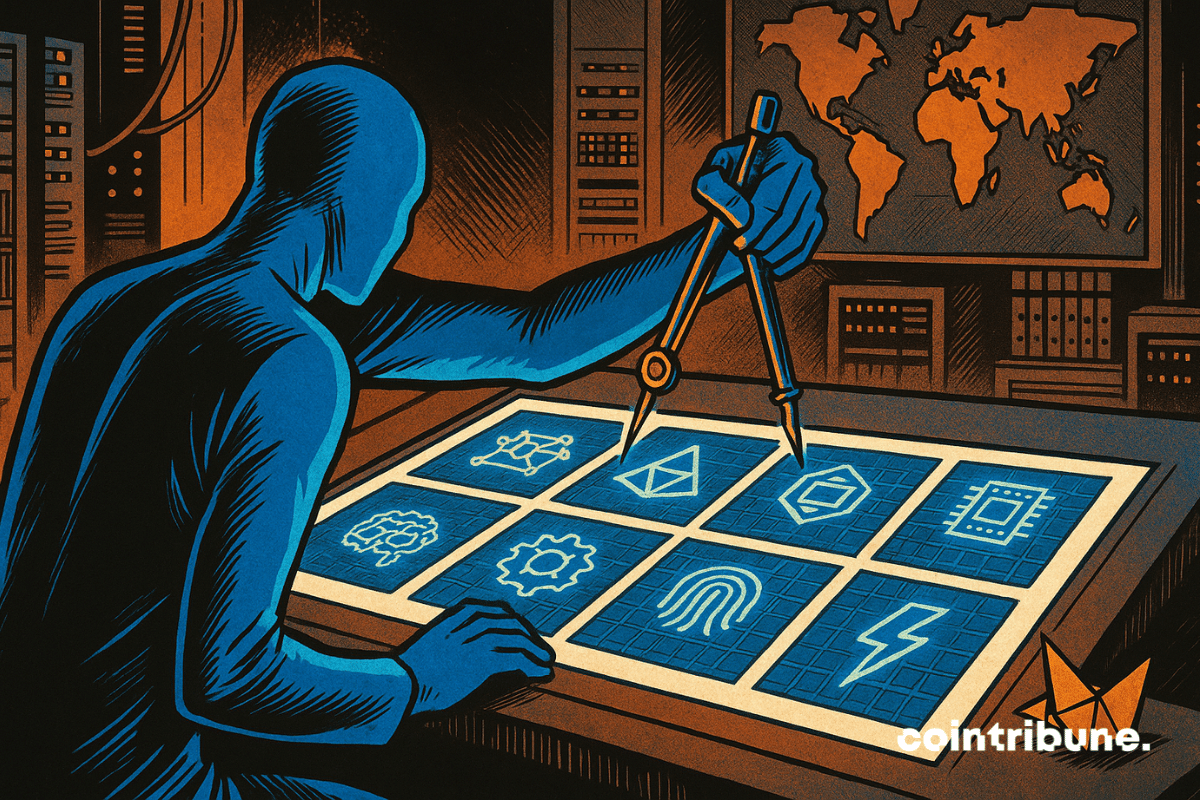
Coinbase Ventures has just unveiled its investment strategy for 2026, outlining the strong points of a changing Web3 ecosystem. Nine key areas have been identified, revealing the sectors where capital could soon flow. More than a simple manifesto, this roadmap lays out the technological and economic bets of one of the most influential players in the crypto industry, a strong signal sent to developers, investors, and builders of the decentralized web.
Upbit’s Solana wallet was breached, prompting the exchange to pledge full reimbursement and move remaining assets to secure storage.